Total de visualitzacions de pàgina:

25.8.23


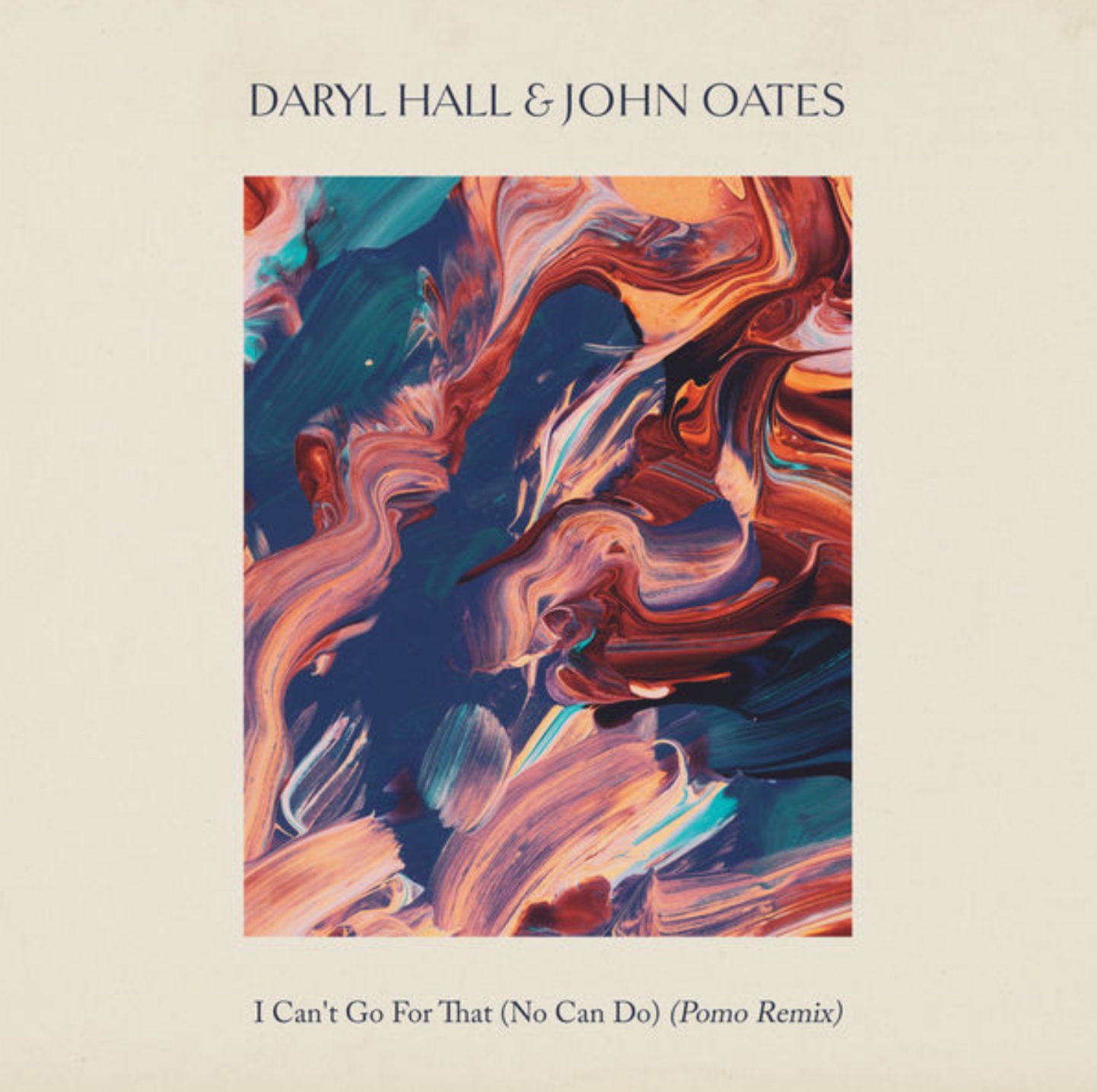
DARYL HALL & JOHN OATES - I CAN’T GO FOR THAT (NO CAN DO)


Publicació: novembre de 1981

Llistes: EUA: #1 (1 setmana) Regne Unit: #8


"I Can't Go for That (No Can Do)" és una cançó del duo nord-americà Daryl Hall i John Oates, escrita per tots dos amb Sara Allen, i va ser llançada com a segon senzill del seu àlbum de 1981 "Private Eyes". La cançó es va convertir en el quart senzill número u de la seva carrera al Billboard Hot 100.


"I Can't Go For That (No Can Do)" va ser una frase que va utilitzar Daryl Hall quan se'l va pressionar perquè anés amb el que volia la gent en contra dels seus desitjos. Després d'una sessió de gravació de l'àlbum “Private Eyes” als Electric Lady Studios (Nova York), Hall, Oates i l'enginyer Neil Kernon van improvisar aquesta cançó. En una entrevista a Mix Magazine, Daryl Hall recorda: "Recordeu l'antiga caixa de ritmes Roland CompuRhythm? Vaig dirigir-me al estudi 1, em vaig asseure davant un orgue Korg que havia allà i vaig començar a tocar aquesta línia de baix que em ballava pel cap. És la vella història de l'estudi de gravació: l'enginyer va escoltar el que estava fent i va encendre la màquina de gravar. Ben fet, perquè sóc el tipus de persona que te una idea i se’n oblida. En uns 10 minuts van sorgir els acords, i després vaig escoltar un riff de guitarra, que vaig demanar a John, que estava assegut a la cabina, que toqués". John Oates continua en la mateixa entrevista: "Daryl va aportar aquesta gran línia de baix,i va tenir els acords deseguida. Després vaig connectar la meva Strat de 1958 directament a la taula i vam anar pel ritme". L'endemà Hall i la seva xicota Sara Allen van escriure la lletra. Hall recorda: "Vaig escriure la majoria de la lletra, però la Sara va aportar algunes idees. Vaig cantar i vam anar modelant la cançó, res tan simple com això!"


Michael Jackson va confessar que aquesta cançó va influir molt en la seva exitosa cançó "Billie Jean". Daryl Hall recorda que quan tots dos estaven gravant "We are the World", Jackson li va dir que esperava que no li molestés que li hgués copiat el ritme. Hall li va dir que va fer una bona feina en robar-li perquè ni tan sols se n'havia adonat.


John Oates (en una entrevista a Livedaily): "'I Can't Go for That' és una de les cançons més samplejades  del nostre catàleg, al menys pel que sabem. S'ha samplejat en moltes cançons. En puc citar cinc o sis versions en un moment. Simply Red va fer una cançó anomenada 'Sunrise', que era bàsicament 'I Can't Go for That', la cançó sencera. No era un sampler, era la bàsicament la cançó real. Només hi van escriure un vers diferent. Puff Daddy la va samplejar, De La Soul la va samplejar. M'agrada, quan es sampleja la nostra música. M'agrada quan la gent té una visió diferent del que fas. És un compliment".


"I Can't Go For That (No Can Do)" va fer de pont entre les llistes en música blanca i negre, que és un assoliment rar per a un artista blanc. Va arribar al número 1 a les llistes de R&B així com al Hot 100, fet insòlit llavors. 


Aquesta va ser la cançó que va fer fora "Physical" d'Olivia Newton-John del número 1 als EUA després d’estar-hi 10 setmanes. 


DARYL HALL & JOHN OATES - I CAN’T GO FOR THAT (NO CAN DO)


Released: November 1981

Charted: US: #1  (1 week) UK: #8


"I Can't Go for That (No Can Do)" is a song by the American duo Daryl Hall & John Oates, written by both with Sara Allen, and was released as the second single from their 1981 album “Private Eyes”. The song became the fourth number one hit single of their career on the  Billboard Hot 100.


"I Can't Go For That (No Can Do)" was a phrase Daryl Hall used when he was pressured to go along with the crowd against his wishes. After a recording session for the Private Eyes album in Electric Lady Studios (New York City), Hall, Oates and engineer Neil Kernon improvised this song. In an interview with Mix Magazine, Daryl Hall recalls: "Remember the old Roland CompuRhythm box? I turned to the Rock and Roll 1 preset, sat down at a Korg organ that happened to be lying there and started to play this bass line that was coming to me. It's the old recording studio story: The engineer heard what I was doing and turned on the tape machine. Good thing, because I'm the kind of person who will come up with an idea and forget it. The chords came together in about 10 minutes, and then I heard a guitar riff, which I asked John, who was sitting in the booth, to play." John Oates continues in the same interview: "Daryl came up with this great bass line, using whatever sound happened to be on the organ, and Neil miked it and the drum machine. Daryl came up with the 'B' section chords, and then I plugged my 1958 Strat directly into the board, which was either an early SSL or a Trident." The next day Hall and his girlfriend Sara Allen wrote the lyrics. Hall recalls: "I wrote most of the lyrics, but Sara contributed some ideas. I sang the lead vocal, and there's the song, can't get any simpler than that!"


Michael Jackson has confessed that this greatly influenced his hit song "Billie Jean". Daryl Hall recalls that when they were both recording "We are the World" Jackson told him he hoped Hall didn't mind that he copped the groove. Hall told him he did a good job of stealing it because he didn't even notice.


John Oates (from an interview with Livedaily): "'I Can't Go for That' is one of the most sampled songs from our catalogue, maybe ever for all we know. It's been sampled on so many songs. I can name five or six versions of it. Simply Red did a song called 'Sunrise,' which was basically 'I Can't Go for That.' The entire song. It wasn't a sample, it was the actual track. He just wrote a different verse over it. Puff Daddy sampled it, De La Soul sampled it. I like it, when our music is sampled. I like when people have a different take on what you do. That's quite a compliment."


This bridged the gap between the black and white charts, which is a rare achievement for a white act. It hit #1 on the R&B charts as well as the Hot 100.


This was the song that knocked Olivia Newton-John's "Physical" out of #1 in America after a 10 week stay at the top spot.




23.8.23


MICHAEL JACKSON - THRILLER


Publicació: novembre de 1983 (Regne Unit) 23 de gener de 1984 (EUA)

Llistes: Regne Unit: #10 EUA: #4


Rod Temperton va escriure la cançó per a Jackson, i també va escriure altres dues cançons per a l'àlbum: "The Lady in My Life" i "Baby be mine". Eren les dues úniques cançons que no es van publicar com a senzills.


La cançó "Thriller" és una cançó dance-pop de temàtica de terror que representa una situació horrorosa i de suspens. La lletra narra la història d'una persona que és perseguida per una criatura fantasmagòrica a la nit, que ha de lluitar per sobreviure contra ella i les seves cohorts fins al matí. La cançó anima els oients a acceptar les seves pors i a ballar amb el ritme com per desafiar la seva pròpia ansietat. Al final, el protagonista surt triomfant i demostra que “No mere mortal can resist the evil of the thriller” (Cap mortal pot resistir el mal del thriller)”. El missatge de la cançó és vèncer la por afrontant-la de cara i ser valents.


Escrita originalment com una melodia optimista anomenada "Starlight", el contingut de la lletra es va canviar a instàncies de Jackson i Jones, que van considerar que la cançó hauria de tenir un to més fosc. Encarregat de la tasca, Temperton va tornar amb aquesta oda a l'horror schlock i Jackson el va fer fora del parc.


Vincent Price, un actor conegut pel seu treball en pel·lícules de terror, va fer la narració al final de la cançó, inclosa la rialla malvada. El rap de Price inclou la línia "Must stand and face the hounds of hell". Es va inspirar en una de les  novel·les  de Sherlock Holmes més populars, The Hound of the Baskervilles de Sir Arthur Conan Doyle.


El vídeo va ser una fita cultural, introduint una elaborada coreografia, vestuari i diàleg en el format. També va introduir el concepte del vídeo musical de llarga durada, on es va fer una mini-pel·lícula per a una cançó i després es va editar per a la versió curta. La versió llarga de "Thriller" té una durada de gairebé 14 minuts, però va tenir una longevitat remarcable, i va aconseguir fàcilment més de 100 milions de visualitzacions quan va aparèixer a YouTube. MTV acostumava a publicar la versió curta, que durava una mica menys de cinc minuts, però encara contenia aproximadament un minut de contingut no relacionat amb la cançó en una història que omet la major part de la pel·lícula que la parella està veient al principi. Amb el seu famós ball al cementiri, el vídeo va popularitzar escenes de ball de grup en vídeos pop.


L’argument en diu que a la dècada de 1950, Michael i una dona jove (Ola Ray) es queden sense gas mentre conduïen per una zona boscosa. Entren al bosc i la dona accepta la invitació de Jackson per ser la seva xicota. Ell l'adverteix que "no és com els altres nois", es transforma en un home-llop i l'ataca. En el present, Jackson i la seva xicota estan veient la pel·lícula de l’home-llop en un cinema. La xicota se'n va, espantada per la pel·lícula. Caminant per un carrer de la ciutat a la nit, Jackson en fa burla interpretant els versos de "Thriller". Passen per davant d'un cementiri, on els zombis s'aixequen de les seves tombes i els envolten al carrer. Jackson es converteix ell mateix en un zombi i balla amb l'horda al ritme de la cançó. Torna a ser humà per cantar els cors. Jackson i els zombis persegueixen la seva xicota fins a una casa abandonada. Ella crida i es desperta, adonant-se que era un malson. Jackson l'abraça, però es gira cap a la càmera i somriu, revelant els seus ulls malèfics.


El vídeo és considerat el vídeo musical més famós de tots els temps, almenys per a la Biblioteca del Congrés dels EUA, que el va afegir al seu National Film Registry el 2009, el primer vídeo musical del seu registre. El senzill "Thriller" va rebre crítiques positives i es va convertir en el setè senzill top ten de l'àlbum al Billboard Hot 100.


MICHAEL JACKSON - THRILLER


Released : November 1983 (U.K.) January 23, 1984 (U.S.)

Charted:  UK: #10  US: #4


Rod Temperton wrote the song for Jackson, and also wrote two other songs for the album: "The Lady in My Life" and "Baby be mine". Those were the only songs that weren't released as singles.


The song "Thriller" is a horror-themed dance-pop song that depicts a horrifying and suspenseful situation. The lyrics tell a story of a person being stalked by a spooky creature at night, having to fight for survival against it and its cohorts until morning. The song encourages listeners to embrace their fears and dance along with the beat as if to challenge their own anxiety. The bridge of the song also builds in a sense of urgency as the protagonist realizes that “There’s no escaping the jaws of the alien this time”. In the end, the protagonist is triumphant and proves that “No mere mortal can resist the evil of the thriller”. The message of the song is to overcome fear through facing it head on and to be brave.


Originally written as an optimistic tune called “Starlight,” the lyrical content was changed at the behest of Jackson and Jones who felt the song should have a darker edge to it. Charged with the task, Temperton came back with this ode to schlock horror and Jackson knocked it out of the park. 


Vincent Price, an actor known for his work on horror films, did the narration at the end of the song, including the evil laugh. Price's rap includes the line "Must stand and face the hounds of hell." This was inspired by the most popular Sherlock Holmes novel to date, The Hound of the Baskervilles by Sir Arthur Conan Doyle.


The video was a cultural milestone, introducing elaborate choreography, costumes and dialogue into the format. It also introduced the concept of the long-form music video, where a mini-movie was made for a song, then edited down for the short version. The long version of "Thriller" runs nearly 14 minutes, but had remarkable longevity, easily racking up over 100 million views when it showed up on YouTube. MTV usually ran the short version, which ran a little under five minutes but still contained about a minute of non-song content in a storyline that omits most of the movie the couple is watching at the beginning. With its famous graveyard dance, the video popularized group dance scenes in pop videos.


In the 1950s, Michael and a young woman (Ola Ray) run out of gas while driving in a wooded area. They walk into the forest and the woman accepts Jackson's invitation to be his girlfriend. He warns her that he is "not like other guys", transforms into a werecat and attacks her. In the present, Jackson and his girlfriend are watching the werecat film in a theater. The girlfriend leaves, scared by the film. Walking down a city street at night, Jackson teases her by performing the verses of "Thriller". They pass a graveyard, where zombies rise from their graves and surround them in the street. Jackson becomes a zombie himself and dances with the horde to the song. He changes back into a human to sing the choruses. Jackson and the zombies chase his girlfriend into an abandoned house. She screams and wakes up, realizing it was a nightmare. Jackson embraces her, but turns to the camera and grins, revealing his werecat eyes.


The music video is considered the most famous music video of all time, at least by the Library of Congress, which added it to its National Film Registry in 2009, the first music video in their registry. The single “Thriller” received positive reviews and became the album's seventh top-ten single on the Billboard Hot 100. 


22.8.23


ABBA - KNOWING ME, KNOWING YOU


Publicació: 14 de febrer de 1977

Llistes: EUA: #14  Regne Unit: 1 (5 setmanes)


"Knowing Me, Knowing You" és el tercer senzill del quart àlbum del grup "Arrival". Va ser escrit per Benny, Bjorn i Stig, amb Frida cantant la veu principal.


Des que es va convertir en un senzill d'èxit mundial, "Knowing Me, Knowing You" ha ocupat una posició com a una de les cançons més estimades i admirades d'ABBA, sovint aclamada com un dels seus primers signes d'autèntica maduresa. Com gran part del millor treball del grup, això es deu en part al fet que toca un tema com és els intents i posterior fracàs per fer que una relació funcioni. Bjorn va idear aquesta cançó en un moment en què les relacions dins del grup estaven tenses, i la seva lletra ho reflecteix. Ulvaeus va dir: "Crec que vaig escriure "Knowing Me Knowing You" abans del divorci. En molts aspectes, el divorci amb l'Agnetha va ser amistós, ens vam distanciar i vam decidir separar-nos. El de Benny i Frida va ser una mica més difícil. No va ser un moment feliç, però va ser molt creatiu".


"Knowing Me, Knowing You" sembla tractar sobre una ruptura dolorosa. El narrador, que està travessant la ruptura, expressa una profunda tristesa i penediment pel que ha passat. La lletra suggereix que hi va haver moments bons i moments dolents en la relació, i els records d'ambdós sempre quedaran amb ell. La frase "Breaking up is never easy, I know, but I have to go (Trencar mai és fàcil, ho sé, però me'n he d'anar)" emfatitza que de vegades l'amor no és suficient i la relació ha d'acabar. La repetició de la tornada de "Knowing me, knowing you" suggereix una mena de comprensió mútua entre el narrador i l'altra persona en la relació. Tots dos saben que lo seu no funciona i, malgrat els seus sentiments, han d'acceptar que aquest és el final. La línia "there is nothing we can do (no hi ha res que puguem fer)" reconeix que de vegades les relacions són irreparables i no hi ha res a fer per salvar-les.


En general, les emocions que transmet la cançó són de tristesa, penediment i acceptació. Tot i que la idea de trencar és difícil, el narrador sap que és la millor decisió que pot prendre. La cançó és un reflex de les complexitats de l'amor i de com a vegades les coses no surten malgrat les millors intencions.


Aquesta és una cançó seriosa d'ABBA, probablement un punt d'inflexió en la seva carrera. Aquí podeu veure una transició definitiva en el so d'ABBA, ja que comencen a deixar enrere el Bubblegum i comencen a tocar temes seriosos, com ara el divorci. Un no pot evitar preguntar-se si va ser un presagi dels divorcis que acabarien dividint el grup pocs anys després. Igual que Carole King a Tapestry o Fleetwood Mac a Rumors, ABBA superposen les seves exuberants harmonies dels anys 70 per dir adeu a un matrimoni trencat. L'Agnetha i l'Anni-Frid passegen per una casa buida plena de records, acomiadant-se de les habitacions on jugaven els seus fills.


En retrospectiva, el tema "fet consumat" de la lletra i el drama fosc de la cançó la van convertir en una peça ideal per a Frida com a vocalista principal. Va fer una interpretació valenta, adaptan-la a la seva pròpia experiència i determinació per superar la crisi. És destacable també l’aportació d'Agnetha en els cors amb la frase "memories, good days, bad days (memòries de bons dies i dies dolents") que afegeixen un to dramàtic a la cançó.


"Knowing Me, Knowing You" és un mig tempo amb canvis de ritme i un títol pragmàtic, considerada per molts com un dels millors enregistraments pop dels anys setanta.


ABBA - KNOWING ME, KNOWING YOU


Released: February 14, 1977

Charted:  US: #14  UK: 1 (5 wks)


"Knowing Me, Knowing You" is the third single from the group's fourth album “Arrival”. It was written by Benny, Bjorn & Stig, with Frida singing the lead vocals. 


Ever since first becoming a worldwide hit single, “Knowing Me, Knowing You” has held a position as one of ABBA’s most loved and admired songs, often hailed as one of their first signs of true maturity. Like much of the group’s best work, this is partly because it strikes a chord with everyone who’s ever tried and failed at making a relationship work. Bjorn came up with this song at a time when the relationships within the group were strained, and his lyric reflect that. Said Ulvaeus: "I think I wrote “Knowing Me Knowing You” before the divorce. In many ways, Agnetha and my divorce was an amicable one, we just grew apart and decided let's split up. Benny and Frida's was a little more difficult. It was not a happy time but still very creative."


Let's see what exactly the song is about. “Knowing Me, Knowing You” seems to be about a painful breakup. The narrator, who is going through the breakup, expresses deep sadness and regret about what has happened. The lyrics suggest that there were good times and bad times in the relationship, and memories of both will always be with the narrator. The line "Breaking up is never easy, I know, but I have to go" emphasizes that sometimes love just isn't enough and the relationship has to end.

The chorus's repetition of "Knowing me, knowing you, aha" suggests a sort of mutual understanding between the narrator and the other person in the relationship. They both know that the relationship isn't working, and despite their feelings for each other, they have to accept that this is the end. The line "there is nothing we can do" acknowledges that sometimes relationships are beyond repair, and there is nothing to be done to salvage them.


Overall, the emotions conveyed in the song are of sadness, regret, and acceptance. Although the idea of breaking up is difficult, the narrator knows that it is the best decision they can make. The song is a reflection of the complexities of love and how sometimes things don't work out despite the best intentions.


This is a serious song by ABBA, probably a turning point in their career. You can see a definite transition in ABBA's sound here as they are beginning to leave the Bubblegum behind and start touching on serious issues, such as divorce. One can't help but wonder if there was a foreshadowing of the divorces that would end up splitting the group up just a short few years later. Like Carole King on Tapestry or Fleetwood Mac on Rumours, ABBA layer their lush 1970s harmonies to kiss off a broken marriage. Agnetha and Anni-Frid walk through an empty house full of memories, saying goodbye to the rooms where their kids used to play.


In hindsight, the “fait accompli” theme of the lyrics and the dark drama of the song made it a natural song for Frida to handle as lead vocalist. She turned in a bravura performance, colouring her tones with her very own brand of restrained regret and resolved determination to see the crisis through. Full marks also to Agnetha’s supporting role, where her ghost-like echoes of “memories, good days, bad days” certainly add an eerie overtone to the song.


The recording’s mid-tempo pace and slightly unsettling shifts between major and minor chords, combined with the pragmatic title. But above all, with “Knowing Me, Knowing You” ABBA created one of the finest pop recordings of the 1970s.