Total de visualitzacions de pàgina:

1.9.23


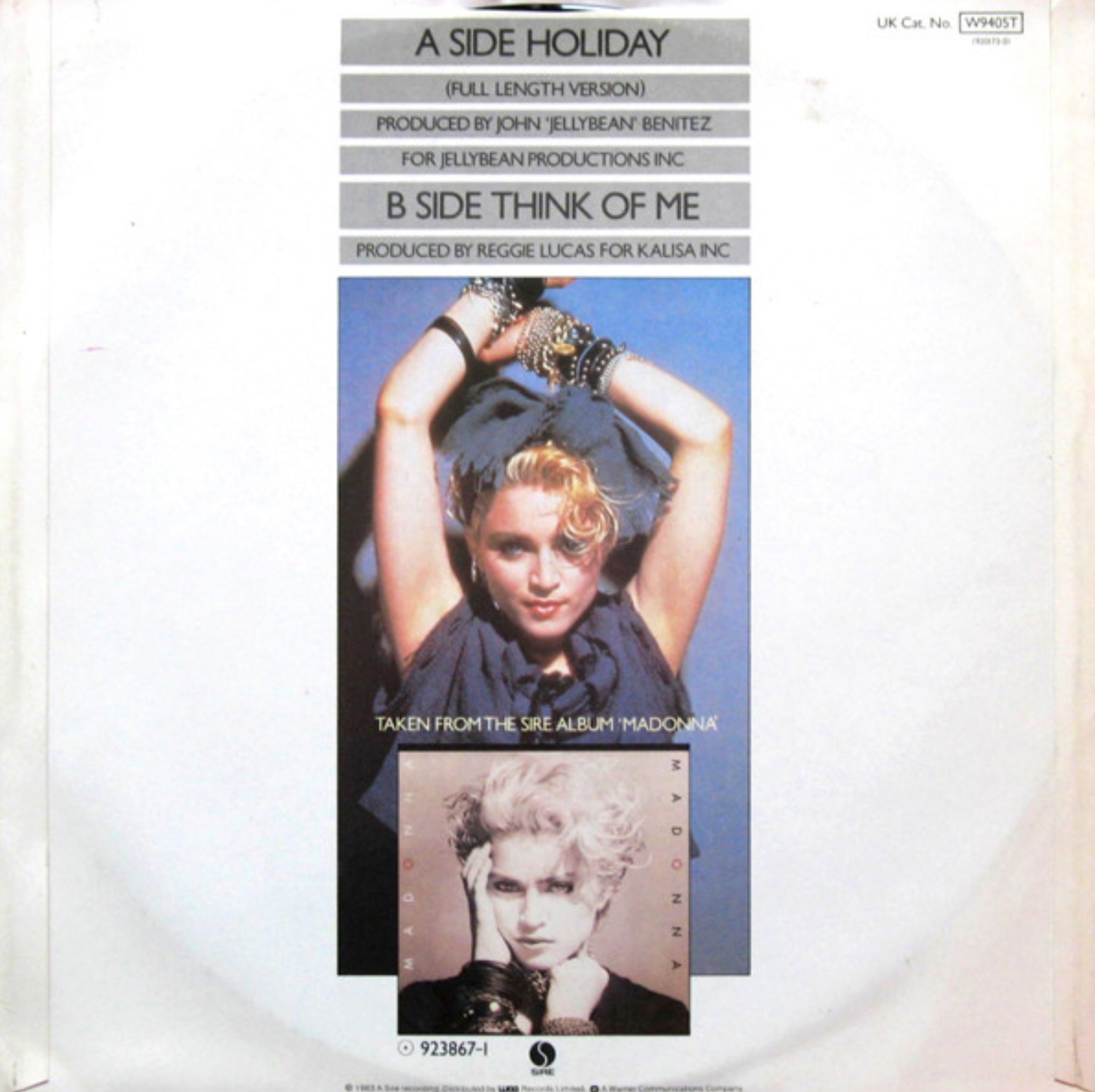
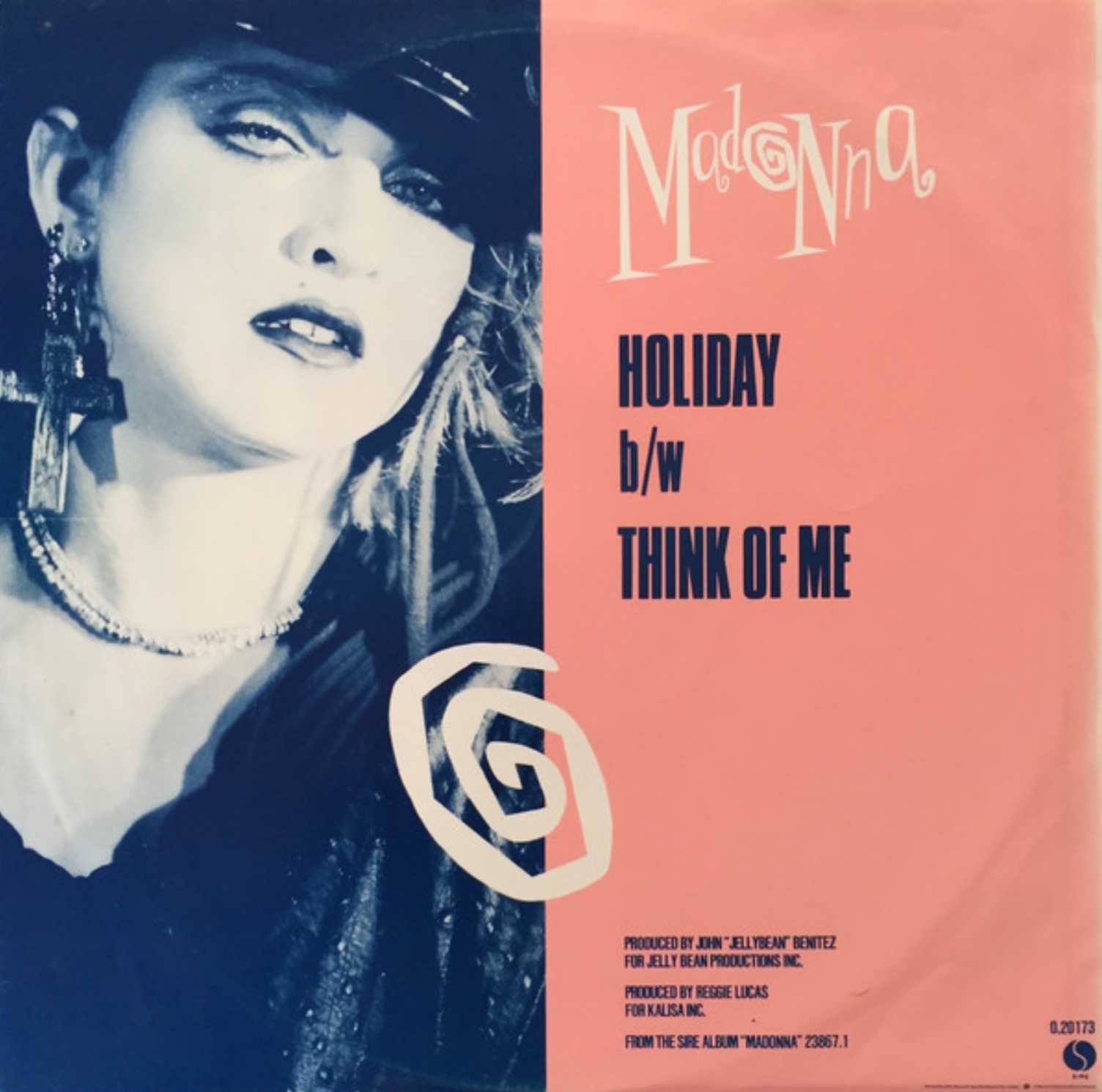
MADONNA - HOLIDAY


Publicació: 7 de setembre de 1983

Llistes: EUA: #16 Regne Unit: #2


"Holiday" és una crida a prendre un descans dels problemes i l'estrès de la vida i celebrar el món junts. Anima a la gent a reservar un dia dedicat a celebrar les alegries de la vida i a buscar el positiu a la vida en comptes de concentrar-se en experiències negatives. En essència, és una cançó sobre abraçar els bons moments, ballar i passar-ho bé els uns amb els altres.


Aquesta animada celebració musical va ser el primer èxit de Madonna. Publicada al seu primer disc, és una de les seves preferides i és la cançó que ha interpretat més sovint en concert. A Amèrica, va ser el seu tercer senzill, després de "Everybody" i "Burning up". Va ser escrita per Curtis Hudson i Lisa Stevens, que eren membres de Pure Energy, un grup de dance/pop d'East Orange, Nova Jersey, i produida per John "Jellybean" Benitez. "La cançó encara genera diners", va dir Hudson el 2015. "Si no féssim res més, amb els drets d'autor de 'Holiday' en tindríem prou per viure".


Al Regne Unit, es va publicar després d’"Everybody" i "Lucky star" i quan Madonna la va cantar al programa de televisió Top Of The Pops, es va convertir en el seu primer senzill a les llistes, arribant al número 6 el febrer de 1984. Aprofitant la ben entesa "Lucky Star" es va tornar a llançar i es va convertir en el seu segon èxit, arribant al número 14 a l'abril. A 1985 "Holiday" es va tornar a llançar al Regne Unit, aquesta vegada arribant fins al número 2, quedant fora del primer lloc per culpa d’"Into the groove", una altra cançó de Madonna. A 1991 "Holiday" es va re-editar per tercera vegada al Regne Unit, i aquesta vegada va assolir el número 5.


Es va fer un vídeo molt bàsic per a aquesta cançó que mostra la Madonna ballant flanquejada pel seu germà, Christopher Ciccone, i la seva amiga, Erika Belle. No va tenir prou qualitat de producció per a MTV, però els dos següents vídeos de Madonna "Lucky Star" i "Borderline" van ser grans èxits a aquesta televisió.


MADONNA - HOLIDAY


Released: September 7, 1983

Charted:  US: #16   UK: #2


“Holiday” is a call to take a break from life's troubles and stresses and celebrate the world, together. It encourages people to set aside one day dedicated to celebrating the joys of life and to look for the positive in life instead of dwelling on negative experiences. In essence, it is a song about embracing the good times, dancing, and having a good time with one another. 


This buoyant musical celebration was Madonna's first hit. Released on her first album, it's one of her favorites, and the song she has performed most often in concert. In America, it was her third single, following "Everybody" and "Burning up". This was written by Curtis Hudson and Lisa Stevens, who were members of Pure Energy, a dance/pop group from East Orange, New Jersey, and produced by John “Jellybean” Benitez.  "The song still generates money," Hudson told in 2015. "If we did nothing else, the royalties from 'Holiday' could support us".


In the UK, this was released after "Everybody" and "Lucky star" and after Madonna performed it on the TV show Top Of The Pops, it became her first charting single in Britain, going to #6 in February 1984. With newfound momentum, "Lucky Star" was re-released and became her second hit, going to #14 in April. In 1985 "Holiday" was re-released in the UK, this time going all the way to #2, kept out of the top spot by her song "Into the groove". In 1991 "Holiday" was released for the third time in the UK, this time reaching #5.


A very basic video was made for this song showing Madonna dancing to it, flanked by her brother, Christopher Ciccone, and friend, Erika Belle. It didn't have enough production value for MTV, but Madonna's next two videos "Lucky Star" and "Borderline" were huge hits on the network.


31.8.23


ROLLING STONES - MISS YOU


Publicació: 10 de maig de 1978 (EUA), 26 de maig de 1978 (Regne Unit)

Llistes: EUA: #1 (1 setmana)  Regne Unit: #3


"Miss You" és una cançó dels Rolling Stones publicada com a primer senzill un mes abans del seu àlbum "Some Girls". Jagger va tenir un paper protagonista a l'àlbum, principalment perquè Keith Richards havia estat arrestat per possessió de drogues a Toronto l'any anterior, i no estava clar quina seria la seva sentència. Davant d'un màxim de vida a la presó, Keith tenia altres coses de què preocupar-se abans que de fer un àlbum. Després que el sis fos publicat, el jutge canadenc va condemnar Richards a continuar el seu tractament per a l'addicció i fer un concert benèfic per a cecs.


La línia de baix, la secció de vent i la bateria van donar a la cançó un so disco que va alienar a molts dels seus fans, però també el van impulsar al cim de les llistes. Els Stones ho consideraven més R&B que disco. El bateria Charlie Watts va explicar: "Moltes d'aquestes cançons com 'Miss You' van ser molt influenciades per anar a les discoteques. Ho pots escoltar en molts d'aquests ritmes 4x4 i la bateria a l'estil de Filadèlfia. En Mick i jo soliem anar molt a les discoteques... Va ser un gran període. Recordo estar a Munic i tornar d'un club amb en Mick cantant una de les cançons de Village People 'YMCA', crec que era aquesta, i Keith es va tornar boig, però sonava molt bé a la pista de ball”.


L'actuació vocal de Jagger a "Miss You" és una obra mestra pura. Fa gàrgares, udols i grunyits i tambē s’atreveix amb el falset. Aconsegueix cantar una tornada enganxosa mentre fa la impressió que ni tan sols s'adona que està fent sorolls, i que aquests sons només els està fent ell. De vegades, murmura en veu baixa. De vegades crida. S'aprofita de frases estranyes i contraintuïtives i tria paraules estranyes per emfatitzar. Vol fer-te saber que anhela algú,, però també vol fer-te saber que és l'home absolut, com si es poses al mercat. La seva interpretació és tan bona com qualsevol de les que va fer Al Pacino als anys 70.


"Miss You" és una cançó sobre l'anhel d'un amor passat. El cantant és incapaç de superar la seva ex i se sent sol sense ella, tal com reflecteix la frase "I've been holding out so long, I've been sleeping all alone, Lord, I miss you (He estat aguantant tant de temps, he dormit tot sol, Senyor, et trobo a faltar)". Els cors repeteixen la frase "Ooh, ooh, ooh" que es podria interpretar com una manifestació de les emocions que sent el cantant. El segon vers esmenta els somnis sobre l'ex, indicant que la seva presència encara perdura a la ment del cantant. El tercer vers descriu l'experiència del cantant caminant per Central Park i sentir-se fora de lloc, com si hagués perdut el sentit de la direcció sense la seva ex. Recorda les estones que va passar amb ella. El vers final sembla ser una solució a la situació, amb el cantant reconeixent que s'han mentit a si mateixos fent veure que no es trobaven a faltar. Malgrat això, assegura que ja no es trobaran a faltar i suggereix que estan preparats per seguir endavant.


El mateix dia que van gravar aquest tema, els Stones van tenir la idea de "Start Me Up".


Aquesta va ser la primera cançó llançada pels Stones com a maxisingle. Va ser un mix de ball ampliat fins als 8:36 minuts, i es va publicar en vinil rosa (aquí no es va publicar, només es va editar una versió promocional i en vinil negre).


ROLLING STONES - MISS YOU


Released: May 10, 1978 (US)  May 26, 1978 (UK)

Charted:  US: #1 (1 wk)  UK: #3


"Miss You" is a song by the Rolling Stones released as the first single one month in advance of their album “Some Girls”. Jagger took a lead role on the album, mainly because Keith Richards had been arrested for drug possession in Toronto the previous year, and it was unclear what his sentence would be. Facing a maximum of life in prison, Keith had other things to worry about besides making an album. After this was released, the Canadian judge sentenced Richards to continue his addiction treatment and play a benefit concert for the blind.


The bassline, horns and drums gave this a disco sound that alienated many of their fans, but also propelled it to the top of the charts. The Stones thought of it as more R&B than disco. Drummer Charlie Watts explained: "A lot of those songs like 'Miss You' were heavily influenced by going to the discos. You can hear it in a lot of those four on the floor rhythms and the Philadelphia style drumming. Mick and I used to go to discos a lot... It was a great period. I remember being in Munich and coming back from a club with Mick singing one of the Village People songs  'YMCA', I think it was, and Keith went mad, but it sounded great on the dance floor”.


Jagger’s vocal performance on “Miss You” is a pure masterwork. He gargles and pants and howls and grunts and launches into falsetto yips. He manages to drawl out a catchy and wordless refrain while giving the impression that he doesn’t even realize he’s making noises, that these sounds are just leaking out of him. Sometimes, he murmurs low. Sometimes, he yells against the flow of the beat. He seizes on strange, counterintuitive phrases and picks weird words to emphasize. He wants to let you know that he’s full of loss and longing, but he also wants to let you know that he’s the absolute man. When he whispers — “People think I’m…… crayyyy-zayyy” — you hold your breath to hear what he’s about to say. As a straight-up acting performance, it’s as good as anything Al Pacino did in the ’70s.


"Miss You" is a song about the longing for a past love. The singer is unable to get over their ex and feels alone without them, as reflected in the line "I've been holding out so long, I've been sleeping all alone, Lord, I miss you". The chorus repeats the phrase "Ooh, ooh, ooh" which could be interpreted as a manifestation of the emotions the singer is feeling. The second verse mentions dreams about the ex, indicating that their presence still lingers in the singer's mind. The third verse describes the singer's experience of walking through Central Park and feeling out of place, as if they have lost their sense of direction without their ex. He recalls the times they spent with their ex, highlighted in the lines "Asking people, 'what's the matter with you, boy?' Sometimes, I want to say to, to myself, sometimes I say". The final verse appears to be a resolution to the situation, with the singer acknowledging that they have been lying to themselves by pretending they don't miss their ex. Despite this, he asserts that they won't miss their ex anymore, suggesting that they are ready to move on.


The same day they recorded this track, The Stones came up with the idea for "Start Me Up."


This was the first song The Stones released as a 12-inch single. It was an extended dance mix that ran 8:36 and was released on pink vinyl.


DURAN DURAN - RIO

Publicació: 1 de novembre de 1982

Llistes: EUA: #14 Regne Unit: #9


 "Rio" és el setè senzill de la banda anglesa Duran Duran. Va ser llançada com el quart i últim single extret del segon àlbum d'estudi de la banda amb el mateix nom.


"Rio" és la primera cançó del segon àlbum, publicat el 1982. El seu debut homònim va tenir una bona acollida recolzada amb els èxits "Girls on film" i "Planet Earth", però l'àlbum "Rio" va ser la seva confirmació amb quatre grans èxits, començant per "My Own Way" i seguint amb "Hungry Like The Wolf", "Save a Prayer" i "Rio".


"Rio" és una metàfora d'Amèrica, i la cançó va expressar el seu desig de tenir èxit allà, cosa que van fer. El joc de paraules és interessant, ja que “Rio” es canta com si fos un nom de noia, i la paraula evoca imatges de la popular i glamurosa ciutat brasilera, que conjunta amb la imatge exòtica que la banda estava cultivant. La lletra però es refereix clarament a Amèrica, "des de les muntanyes del nord fins al Rio Grande". El riu Rio Grande separa els EUA de Mèxic.


"Rio" és la cançó per excel·lència de Duran Duran, que va llançar els anys 80 com una dècada glamurosa plena d'alta moda, models i entorns luxosos. Almenys en els vídeos musicals. Els versos inicials de la cançó no escatimen temps per portar aquests elements al primer pla de la nostra ment amb les seves referències a dones excitants i llocs exòtics.


La cançó en un moment es va dir "Amy A-Go-Go". En un programa de la televisió britànica Simon Le Bon va explicar: "Quan haviem d’entrar a gravar el segon àlbum, i estàvem començant a pensar en cançons, a Taylor li va venir el títol" Rio" i va dir:" Havíem estat a Amèrica i hi havia moltes referències a Amèrica. I havia vist aquesta noia treballant com a cambrera en una cocteleria. I tot just vaig començar a escriure al dors d'un tovalló sobre com era, i això és el que es va convertir en el vers".


“Moving on the floor now babe you’re a bird of paradise
Cherry ice cream smile I suppose it’s very nice”


Tot i això, aquestes línies van ser inspirarades en un moment a Birmingham, Anglaterra, més que en un lloc com les platges brasileres de Rio de Janeiro. Simon Le Bon va explicar a les xarxes socials: "Estava en un restaurant al centre de la ciutat i vaig veure aquesta cambrera, literalment, contornejant-se sobre les rajoles, i així va ser com va néixer la lletra".


El que la majoria de la gent capta ràpidament és el groove de la cançó, ja que la secció rítmica de John i Roger estableix un ritme i una línia de baix molt contagioses. Les línies de baix de John Taylor van fer un llarg camí cap a la definició del so Duran Duran. La gent sovint parlarà d'una "línia de baix Duranie" com a referència al so del baix sincopat que toca el ritme o amb accents rítmics on normalment no es produirien, creant un groove bulliciós i enèrgic sovint connectat amb la música de ball. “L’havia tocat abans, però quan vam fer Rio, estava obsessionat amb això", va dir. 


És impossible parlar de la cançó "Rio" sense mirar també l'icònic videoclip. La decisió de filmar-la va ser presa pel manager de la banda després de la gira, mentre estaven de vacances a Antigua. El vídeo va fer molt per projectar la imatge de Duran Duran com a superestrelles internacionals. La tripulació va arribar amb una selecció de vestits cars i un iot, on la banda va ser filmada al llarg de la costa d'Antigua. El vídeo va afegir el personatge femení Rio, que apareix com una dona d'aspecte exòtic (de vegades amb pintura corporal) que és l'objecte dels seus desitjos.


La portada de l'àlbum "Rio" va lluir molt bé (sobretot en el context del disseny dels anys 80), amb Rio representada en una il·lustració de Patrick Nagel, el treball del qual apareixia sovint a la revista Playboy, així el va descobrir el manager de Duran Duran. Nagel mai havia fet una portada d'àlbum abans, però va estar encantat de provar-ho.


DURAN DURAN - RIO


Released: November 1, 1982

Charted:  US: #14   UK: #9


 “Rio” is the seventh single by English New Romantic band Duran Duran. It was released as the fourth, final, and title single lifted from the band's second studio album of the same name.


"Rio" is the first song on the second album, released in 1982. Their self-titled debut gave the band a good foundation with the hits "Girls on film" and "Planet Earth", but the “Rio” album beveled them up with four big hits, starting with "My Own Way" and followed by "Hungry Like The Wolf", "Save a Prayer" and "Rio."


“Rio” is a metaphor for America, and the song expressed their desire to succeed there, which they did. The wordplay is interesting, as “Rio” is sung as if it's a girl's name, and the word conjures images of the popular and glamorous Brazilian city, which goes with the exotic image the band was cultivating. The lyrics clearly state, however, "from mountains in the North down to the Rio Grande," which is the span of America. The Rio Grande river separates the US from Mexico.


“Rio” is the quintessential Duran Duran song, launching the 80s as a glamorous decade filled with high fashion, models, and luxurious surroundings. At least in music videos. The song’s opening lines waste no time in bringing those very elements to the forefront of our minds with its references to suave ladies and exotic locations.


The song at one point had the title "Amy A-Go-Go." When Simon Le Bon and John Taylor were on the UK show Songbook, Le Bon explained: "When we went in to make the second album, when we were starting thinking about it, Taylor came up with the title 'Rio' and said, 'I think this sort of says it all in kind of a Roxy Music cool sort of way.' And we were like, 'Yeah!' It absolutely, does. And we'd been to America and it had a lot of references to America in it. And I'd seen this girl working as a waitress in a cocktail bar. And I just started writing on the back of a napkin about how she was, and that's what turned into the verse."


“Moving on the floor now babe you’re a bird of paradise
Cherry ice cream smile I suppose it’s very nice”


These lines were however inspired by a moment in Birmingham, England rather than somewhere like the Brazilian beaches of Rio de Janeiro. Simon Le Bon explained on social media, “I was in a restaurant in the middle of town and I saw this waitress literally swanning across the floor, and that was how the lyric was born.”


What most people quickly pick up on, is the groove of the song as the rhythm section of John and Roger establish a very infectious beat and bass line. John Taylor’s bass lines went a long way towards defining the Duran Duran sound. People will often talk about a “Duranie bass line” as a reference to the sound of syncopated bass playing beat or with rhythmic accents where they wouldn’t normally occur, creating a bubbly, playful, and energetic groove often connected with dance music. John confirms a definite focus on the syncopated bass playing approach by the time they recorded the Rio album: “I touched on syncopation in some of our earlier songs, but by the time we did Rio, I was obsessed with it.”


“Rio”’s verses were adapted from an early Duran Duran song called See Me, Repeat Me. The same chords are used, but they were tightened up considerably for “Rio” by a band with a lot more experience.


The girl heard laughing in the instrumental break is Nick Rhodes' girlfriend at the time (no, it’s not Vickie, it’s Cheryl). You can also hear her on "Hungry like the wolf", where she does some heavy breathing and another laugh.


It is impossible to discuss the “Rio” song without also looking at the iconic music video. The decision to film it was taken by the band’s management after the tour, while the band were vacationing in Antigua. The video did a great deal to frame the image of Duran Duran as international superstars. The crew arrived with a selection of expensive suits and a yacht, which the band was shot riding around in along the Antigua coastline. The video added the female character Rio, who appears as an exotic-looking woman (sometimes wearing body paint) that is the object of their affections. 


The “Rio” album cover holds up very well (especially in the context of '80s design), with Rio depicted in an illustration by Patrick Nagel, whose work often appeared in Playboy magazine, that's how Duran Duran's manager discovered him. Nagel had never done an album cover before, but was happy to try.