Total de visualitzacions de pàgina:

11.9.23


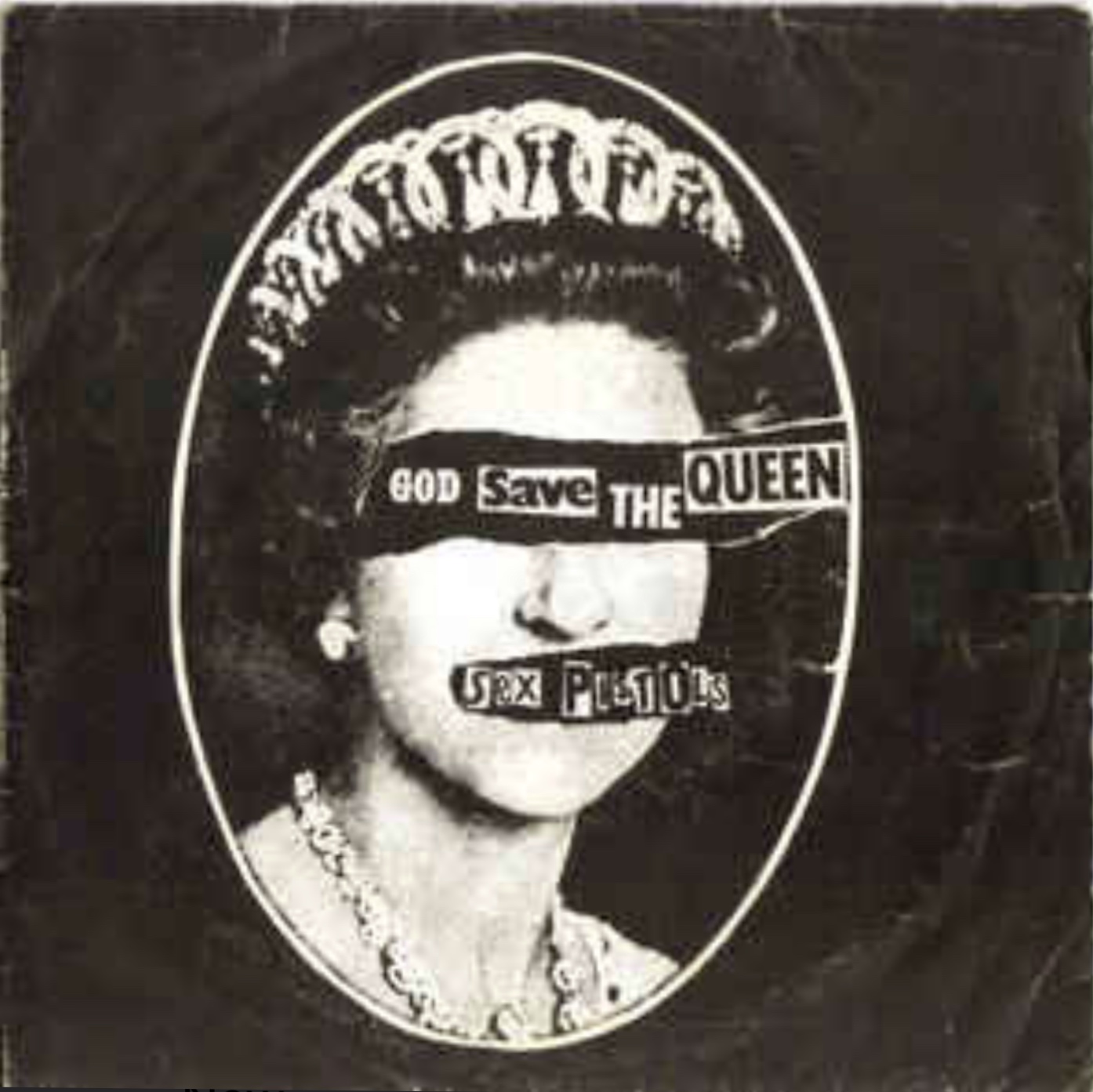
SEX PISTOLS - GOD SAVE THE QUEEN


Publicació: 27 de maig de 1977

Llistes: EUA: - Regne Unit: 2 (?)


"God save the Queen" és una cançó de la banda anglesa de punk rock Sex Pistols. Va ser llançada com a segon senzill de la banda i més tard es va incloure al seu únic àlbum d'estudi, "Never mind the bollocks, here's the Sex Pistols".


Aquesta cançó tracta de rebel·lar-se contra la política britànica. Molts joves es van sentir alienats pel govern sufocant de l'antiga monarquia reial, i la reina (la reina Isabel), era el seu símbol. La cançó es deia originalment "No Future (Sense futur)". La banda la va tocar en directe i va gravar una versió demo amb aquest títol, però la va canviar quan el cantant Johnny Rotten va tenir la idea de burlar-se de la monarquia britànica durant el Jubileu de Plata de la Reina.


El cantant de Sex Pistols, John Lydon, també conegut com Johnny Rotten, tenia la cançó al cap molt abans de portar-la a la banda o fins i tot de escriure-la en un paper. Va explicar en una entrevista amb Daniel Rachel (The Art of Noise: Conversations with Great Songwriters): "'God Save the Queen' va estar rondant a la meva ment durant mesos, molt abans d'unir-me als Sex Pistols; la idea d'estar enfadat, de la indiferència de la reina cap a la població i el distanciament i la indiferència cap a nosaltres com a persones. Vaig haver de treballar en obres de construcció per aconseguir els diners per anar a la universitat perquè volia continuar els meus estudis i, tanmateix, em van cobrar impostos. Per què estic pagant per mantenir aquella vaca ximple a qui no li importo una puta merda? Van arribar els Pistols i en només un matí la vaig escriure en un moment a la taula de la cuina de la mare i el pare amb el plat de mongetes al costat. Vaig expressar el meu punt de vista sobre la Monarquia en general i sobre qualsevol persona que demani la teva obligació perquè si. Això és inacceptable per a mi, el dret a tenir la meva amistat i la meva lleialtat se l’han de guanyar".


El baixista Sid Vicious es va unir a la banda poc abans de la seva publicació: va ser una de les dues úniques cançons que va tocar. El baixista original Glen Matlock era molt més competent musicalment, però es va enfrontar amb els seus companys de banda fet que va provocar la seva marxa.


El Jubileu de Plata de la Reina va tenir lloc el 7 de juny de 1977. Aquell dia, els Sex Pistols van intentar tocar aquesta cançó des del riu Tàmesi, al costat del Palau de Westminster. Va ser la típica acrobàcia promocional de Malcolm McLaren, ja que la policia va interpretar que la banda estava eludint una "prohibició" tocant al riu en lloc de tocar a terra. L'actuació no es va fer mai, ja que van se frustrada per les autoritats.


Després de la seva publicació, la cançó va ser prohibida tant a la BBC com a les emisores de ràdio regulades per l'Autoritat de Radiodifusió Independent amb el controlador de Radio 2 dient que la cançó era "de mal gust". A més, els principals minoristes es van negar a vendre el disc. No obstant això, va assolir el número 2 (per sota de "I don't want to talk about it" de Rod Stewart publicat com a senzill de doble cara A juntament amb "The first cut is the deepest") a la llista oficial de singles del Regne Unit; ho va fer durant la setmana oficial del Jubileu de Plata de la Reina. A la llista de singles que es mostrava a les sucursals de WH Smith, la posició del senzill al número 2 estava representada per una línia en blanc.


No obstant això, diverses fonts afirmen que efectivament va ser el senzill més venut de la setmana, i s'ha suggerit que la cançó va ser bloquejada deliberadament per arribar al numero 1 de la llista "oficial". Segons un article de 1998 a The Independent, durant una setmana els recopiladors "van decretar que les botigues minoritàries no podien tenir les seves vendes representades a la  llista", i tampoc les vendes de Virgin Megastores no es van comptar. Virgin tenia pocs dubtes que aquest era el senzill més venut; en el total de vendes de la companyia va superar les vendes oficialment comptades per al single de Rod Stewart. De fet, la llista de la revista NME va col·locar el senzill dels Pistols al número u durant el Jubileu de Plata d'Isabel II, però va figurar al número 2 de la llista oficial de singles del Regne Unit segons la BBC. Això va provocar acusacions de que les llistes s'havien "arreglat" per evitar que la cançó arribés al número 1. En canvi al 2001, la BBC va referir-se a "God save the Queen" dient que havia "assolit el número u al Regne Unit".


Els Sex Pistols van signar amb A&M Records quan van gravar "God save the Queen". Van acomiadar la banda just quan es va llançar, i van retirar tots els singles del mercat. Els que no es van poder retirar es van convertir en valuosos articles de col·leccionista. L'any 2011, la revista Record Collector va recopilar els 50 discos més col·leccionables, i el primer de la llista va ser la versió de "God save the Queen" d'A&M Records; si en teniu una còpia, la bona notícia és que val 12.000 dòlars (8.000 £).


SEX PISTOLS - GOD SAVE THE QUEEN


Released: May 27, 1977

Charted:  US: -  UK: 2 (?)


"God save the Queen” is a song by the English punk rock band the Sex Pistols. It was released as the band's second single and was later included on their only studio album, “Never mind the bollocks, here’s the Sex Pistols”. 


This song is about rebelling against British politics. A lot of young people felt alienated by the stifling rule of the old-fashioned royal monarchy, and the Queen (Queen Elizabeth), was their symbol. This was originally called "No Future." The band played it live and recorded a demo version with that title, but changed it when lead singer Johnny Rotten got the idea to mock the British monarchy during the Queen’s Silver Jubilee. 


Sex Pistols lead singer John Lydon, aka Johnny Rotten, had the song on his mind long before he brought it to the band or even committed it to paper. He explained in an interview with Daniel Rachel (The Art of Noise: Conversations with Great Songwriters): "'God Save the Queen' was running around in my mind for months, long before joining the Sex Pistols; the idea of being angry, of the indifference of the Queen to the population and the aloofness and indifference to us as people. I had to work on building sites to get the money to go to college because I wanted to further my education and yet I was taxed to f--k. Why am I paying for that silly cow who couldn't give a s--t about me? Along come the Pistols and just one morning over baked beans I wrote it down in one go on Mum and Dad's kitchen table. It was expressing my point of view on the Monarchy in general and on anybody that begs your obligation with no thought. That's unacceptable to me. You have to earn the right to call on my friendship and my loyalty." 


Bass player Sid Vicious joined the band shortly before this was released - it was one of only two songs he played on. Original bassist Glen Matlock was far more competent musically, but clashed with his bandmates, leading to his departure.


The Queen's Silver Jubilee took place on June 7, 1977. On that day, The Sex Pistols attempted to play this song from the Thames river, outside of Westminster Palace. It was a typical Malcolm McLaren promotional stunt, as they played up how the band was circumventing a "ban" by playing on the river instead of setting foot on ground. The performance never took place, as they were thwarted by authorities.


Upon its release, the song was banned from both the BBC and radio stations regulated by the Independent Broadcasting Authority with Radio 2 controller saying the song was "in gross bad taste". Additionally, the major retailers all declined to sell the record. Nevertheless, it peaked at No. 2 (below Rod Stewart's "I don’t want to talk about it" released as a double A side budget single along with "The first cut is the deepest") on the official UK Singles Chart; it did so during the week of the Silver Jubilee's official observation. On the singles chart displayed in branches of WH Smith, the single's position at No. 2 was represented by a blank line.


However, various sources state that it was indeed the highest-selling single of the week, and it has been suggested that the song was deliberately blocked from reaching the top spot on the "official" chart. According to a 1998 article in The Independent, for one week compilers "decreed that shops which sold their own records could not have those records represented in the chart", and thus sales from Virgin Megastores were not counted. Virgin had few doubts that theirs was the higher-selling single; the company's sales total out of stock exceeded the officially cited sales for the Rod Stewart single. The NME magazine chart did in fact place the single at number one during the Silver Jubilee of Elizabeth II, and made it to No. 2 on the official UK Singles Chart as used by the BBC. This led to accusations by some that the charts had been "fixed" to prevent the song from reaching No. 1. In 2001, the BBC described the song as having "reached number one in the UK".


The Sex Pistols were signed to A&M records when they recorded this. They dropped the band just as this was released, pulling all the singles. The ones that slipped through became valuable collectors items. In 2011 Record Collector magazine compiled its Top 50 most collectable records, and top of the list came the A&M release of this song - if you happen to have a copy the good news is it worth $12,000 (£8,000).


9.9.23


GEORGE MICHAEL - CARELESS WHISPER


Publicació: 23 de juliol de 1984

Llistes: EUA: #1 (3 setmanes) Regne Unit: #1 (3 setmanes)


"Careless Whisper" és una cançó escrita pel duo pop anglès Wham!. Llançada com a segon senzill del segon àlbum d'estudi del duo de 1984 "Make it big", va ser escrita George Michael i Andrew Ridgeley, amb Michael produint la cançó. Tot i que la cançó es va publicar com a part de "Make it Big", el llançament del senzill s'acredita a Wham! amb George Michael (a Amèrica del Nord i diversos altres països) o només a George Michael (al Regne Unit i alguns països europeus).


George Michael va començar a escriure "Careless Whisper" abans de Wham! fins i tot tenia el nom. Michael anava en autobús cap a la seva feina quan va pensar en el riff de saxo. Ridgely va escriure la progressió dels acords de la cançó i tots dos van gravar una demo per al senzill a casa dels pares de Ridgely. Juntament amb "Wham Rap!" i "Club Tropicana", "Careless Whisper" va ser una de les cançons de la seva demo original, la que els va fer signar amb Innervision Records.


"No tinc previst anar en solitari". George Michael va cantar aquesta frase a "Wake me up before you Go-Go", la cançó que va fer Wham! estrelles del pop als EUA. I aleshores Michael va anar en solitari immediatament. Michael era el cantant, compositor i productor de Wham! Ell era la cara del grup, el que era el focus clar de tots els vídeos. Andrew Ridgely, l'amic de la infància de Michael i company de Wham!, havia estat fonamental per ajudar a crear la imatge del grup, i havia coescrit els primers èxits del duo al Regne Unit, "Wham Rap! (Enjoy What you do)" i "Club Tropicana". Però en el moment en què Wham! va llançar el seu segon àlbum "Make It Big", Ridgely era bàsicament el noi que ballava darrere de George Michael als vídeos. Michael va decidir que volia ser un cantant de soul. Ja hi havia un munt de R&B al so de Wham!, però Michael volia fer discos de soul suaus i sincers pel seu compte, alhora que mantenia la seva producció pop amb el duo.


Michael va anar a Alabama per gravar "Careless Whisper" al Muscle Shoals Sound Studio, un lloc on s'havien fet tones de discos de soul clàssics als anys 60 i 70. Michael també va contractar un productor del saló de la fama: Jerry Wexler, la llegenda que havia inventat el terme "rhythm and blues" i va ajudar a establir el so Atlantic Records. Amb Jerry Wexler, Michael va gravar una versió de la vella escola de "Careless Whisper". Però a Michael no li va agradar el resultat d’aquesta versió. Michael va acabar produint "Careless Whisper" ell mateix a Londres.


L'arranjament de "Careless Whisper" és bastant senzill, una línia de baix lent, uns quants tons suaus de sintetitzador, alguns riffs de guitarra espanyola, el gran riff de saxo. La part del saxo la va interpretar Steve Gregory, un músic de sessió establert a Londres. Tal com ha verificat Chris Porter, que va ser l'enginyer de la sessió, 10 saxofistes diferents van intentar fer el solo abans que Gregory va donar amb el so que Michael buscava. Un dels reptes era aconseguir varies notes d'una sola respiració. Això es va aconseguir quan Porter va alentir la cinta quan va gravar el solo de Gregory. Quan va reproduir la cinta a velocitat normal, Michael ho va aprovar. El resultat és un dels solos de saxo més famosos de la música popular. Michael fa tot el possible per capturar el so del soul nord-americà, però la seva pròpia producció té una mica de l'ampli ritme del synthpop britànic. Cada element de la pista té espai per respirar i Michael també la canta molt bé. Com a cantant de R&B, és directe i discret.


La cançó tracta d'una persona que reflexiona sobre les dures conseqüències de les seves accions. El cantant parla de quan va ser infidel a la seva parella i va causar dolor al seu bon amic, desitjant haver-s'ho pensat dues vegades abans de trair-los. Resta insegur i entristit, ja que desitjaria haver pogut mantenir la relació unida, però ara es queda sol, preguntant-se què ha fet malament. La lletra també subratlla la importància de responsabilitzar-se de les propies accions, demostrant que alguns errors mai es poden desfer.


Poc després que "Careless Whisper" arribés al número 1 als EUA, Wham! va fer una magnífica acció publicitària, convertint-se en el primer grup de pop occidental que va fer una gira per la República Popular de la Xina. Les imatges de Michael cantant "Careless Whisper" a la Xina són realment fascinants. La gent de la Xina estimava aquell noi. Però la gent de tot arreu estimava "Careless Whisper". Va ser un autèntic èxit mundial.


GEORGE MICHAEL - CARELESS WHISPER


Released: July 23, 1984

Charted:  US: #1 (3 wks)  UK: #1 ( 3 wks)


“Careless Whisper” is a song written by English pop duo Wham!. Released as the second single from the duo's 1984 second studio album “Make it big”, it was written by Wham! members George Michael and Andrew Ridgeley, with Michael producing the song. Although the song was released as part of “Make it Big”, the single release is credited to either Wham! featuring George Michael (in North America and several other countries) or solely to George Michael (in the United Kingdom and some European countries).


George Michael started writing “Careless Whisper” before Wham! even had a name. Michael riding a bus to his job when he thought up the sax riff. Ridgely wrote the song’s chord progression, and the two of them recorded a demo for the single at Ridgely’s parents’ house. Along with “Wham Rap!” and “Club Tropicana,” “Careless Whisper” was one of the songs on their original demo tape, the one that got them signed to Innervision Records.


“I’m not planning on going solo.” George Michael sang those words on “Wake me up before you Go-Go”, the song that made Wham! pop stars in the US. And then Michael immediately went solo. Michael was Wham!’s lead singer, songwriter, and producer. He was the face of the group, the one who was the clear focus of all the videos. Andrew Ridgely, Michael’s childhood friend and Wham! partner, had been instrumental in helping to come up with the group’s image, and he’d co-written the early UK hits “Wham Rap! (Enjoy What You Do)” and “Club Tropicana.” But by the time Wham! released their second album “Make It Big”, Ridgely was mostly just the guy who danced behind George Michael in the videos. Michael decided that he wanted to be a soul singer. There had already been plenty of R&B in Wham!’s sound, but Michael wanted to make smooth, heartfelt soul records on his own, while keeping his pop output with the duo.


Michael went to Alabama to record “Careless Whisper” at Muscle Shoals Sound Studio, a place where tons of classic soul records had been made in the ’60s and ’70s. Michael also enlisted a hall-of-fame producer: Jerry Wexler, the legend who had invented the term “rhythm and blues” and helped establish the Atlantic Records sound. With Jerry Wexler, Michael recorded a rich, buttery old-school version of “Careless Whisper.” But Michael didn’t like the way that version turned out. Michael ended up producing “Careless Whisper” himself in London.


The “Careless Whisper” arrangement is pretty simple, a slow-strut bassline, a few soft synth tones, some quasi-Spanish guitar flutters, that big sax riff. The saxophone part was played by Steve Gregory, a session player based in London. As verified by Chris Porter, who was the engineer on the session, 10 different sax players tried to do the solo before Gregory came up with the sound Michael was looking for. One of the challenges was getting so many notes in one breath. This was accomplished when Porter slowed down the tape when he recorded Gregory's solo. When he played the tape back at normal speed, Michael approved it. The result is one of the most famous sax solos in popular music. But the whole thing hits a pocket. Michael clearly does his best to capture the sound of American quiet-storm soul, but his own stripped-back production has some of the spacious whump of UK synthpop. Every element of the track has room to breathe. Michael sings it beautifully, too. As an R&B singer, he’s direct and unshowy.


The song is about a person reflecting on the harsh consequences of his actions. The singer talks about how he was unfaithful to his partner and caused pain to his good friend, wishing that he had thought twice before betraying them. He is left feeling uncertain and regretful, as he wishes that he could have kept the relationship together, but now he is left alone, asking himself what he did wrong. The lyrics also emphasize the importance of taking accountability for one's actions, showing that some mistakes can never be undone.


Shortly after “Careless Whisper” hit #1 in the US, Wham! pulled off a magnificent publicity stunt, becoming the first Western pop group ever to tour the People’s Republic Of China. The footage of Michael singing “Careless Whisper” in China is truly fascinating. The people of China loved that guy. But people everywhere loved “Careless Whisper.” It was true global smash.


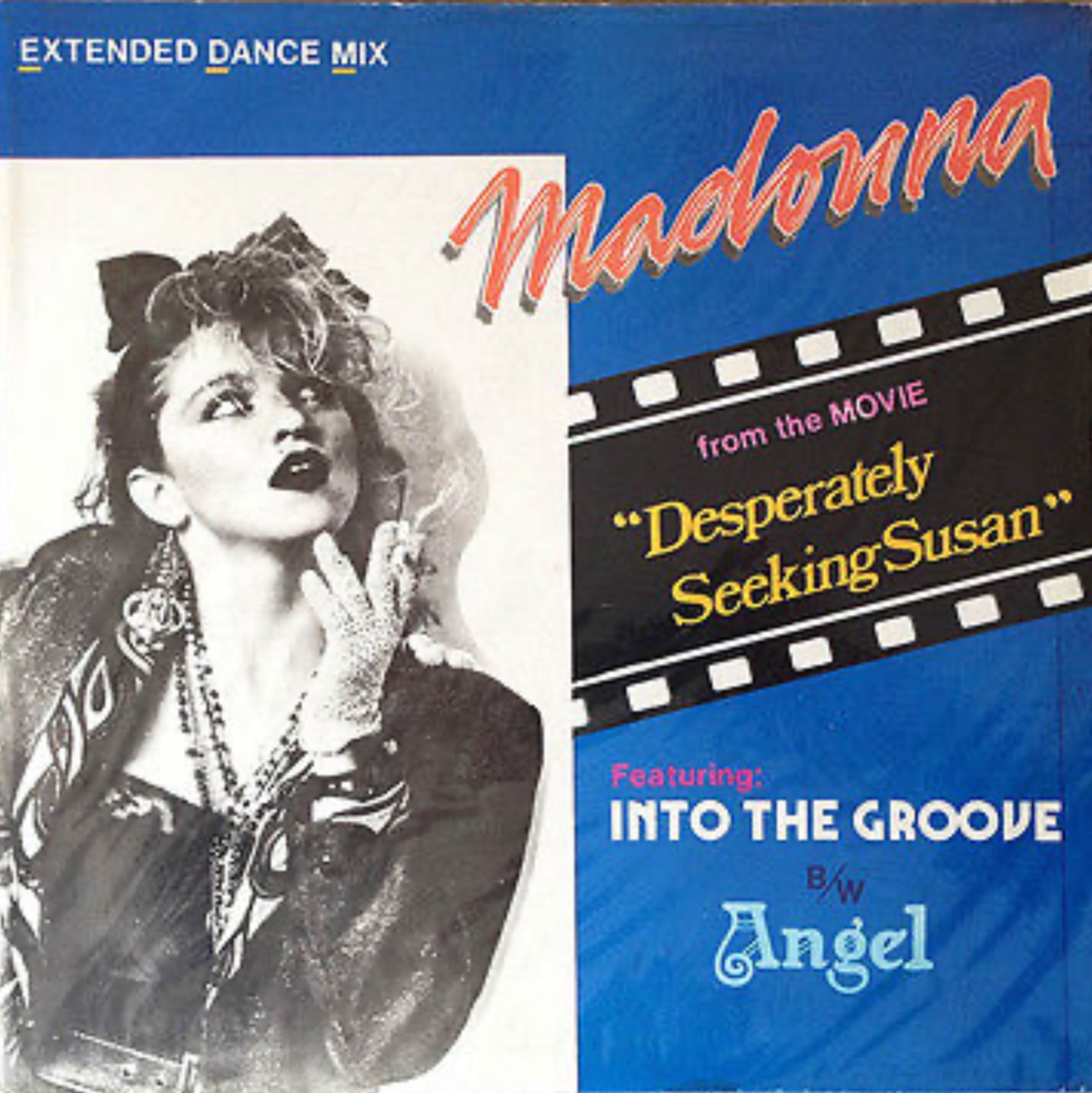
MADONNA - INTO THE GROOVE


Publicació: 15 de juliol de 1985

Llistes: EUA: - Regne Unit: #1 (4 setmanes)


Aquesta cançó de la pel·lícula Desperately Seeking Susan va ser el primer número 1 de Madonna al Regne Unit. No es va publicar mai com a senzill als Estats Units, es va publicar com a cara B d'"Angel", que molta gent va comprar per aconseguir "Into The Groove". A dia d’avui continua sent una de les cares B més reconegudes dels anys 80. Gràcies a això "Angel" va arribar al número 5 als EUA. Warner Bros Records no va donar a "Into the Groove" un llançament oficial als Estats Units, per la qual cosa no era apte per entrar al Billboard Hot 100.


"Into the Groove" és un himne d'autoexpressió i alliberament. Parla del poder de la música i la dansa com a mitjà per escapar de les preocupacions i gaudir en un ambient despreocupat. A la tornada, Madonna anima l'oient a deixar-se portar per la música i gaudir del moment ballant. 


Per celebrar el 60è aniversari de les llistes de singles del Regne Unit el novembre de 2012, la Official Charts Company va proporcionar una llista de les artistes femenines més venudes a la història de les llistes britàniques. Madonna va ocupar el primer lloc de la llista amb vendes de 17,8 milions amb "Into The Groove", sent el seu senzill més venut.


El 17 d'agost de 1985, la cançó va aconseguir el primer lloc al Regne Unit, amb una reedició de "Holiday" al número 2. Això va fer que Madonna fos la quarta artista a ocupar els dos primers llocs de la llista simultàniament. Els únics que ho havien fet abans van ser The Beatles, John Lennon i Frankie Goes To Hollywood.


Tot i que no es va rodar cap vídeo musical oficial, es va crear una recopilació formada per escenes de Desperately Seeking Susan per acompanyar el llançament i poder gaudir de minuts a MTV.


MADONNA - INTO THE GROOVE


Released: July 15, 1985

Charted:  US: -  UK: #1 (4 wks)


This song from the film Desperately Seeking Susan was Madonna's first UK #1 hit. It was never released as a single in the US, however, where it remains one of the best-known B-sides of the '80s, since radio stations played the song anyway. In America, it was issued as the B-side of "Angel," which many folks bought to get "Into The Groove." As a result, "Angel" went to #5 in the US despite a lackluster reception. Warner Bros Records did not give "Into the Groove" an official release in the United States, thus making it ineligible to enter the Billboard Hot 100.


"Into the Groove" is an anthem of self-expression, freedom and liberation. It speaks to the power of music and dancing as a means to escape from worries and revel in a carefree atmosphere. In the chorus, Madonna encourages the listener to show their love for her by getting into the groove and stepping up to the beat. The verses and pre-chorus further explore the transcendent feeling of letting go and being free as you move to the rhythm. The song is ultimately about embracing the moment and giving into your passions through dance.


To celebrate the UK singles chart's 60th birthday in November 2012, the Official Charts Company provided a list of the ten top selling female acts in British chart history. Madonna came top of the list with sales of 17.8 million with "Into The Groove," being her best selling single.


On August 17, 1985, this hit the top spot in the UK, with a re-released "Holiday" at #2. This made Madonna just the fourth artist to hold the top two spots on the chart simultaneously. The only others to do it were The Beatles, John Lennon, and Frankie Goes To Hollywood.


While no official music video was shot, a compilation made up of scenes from Desperately Seeking Susan was created to accompany the release, and received heavy rotation on MTV.