Total de visualitzacions de pàgina:

6.12.23


MADNESS - WINGS OF A DOVE / WAITING FOR THE GHOST TRAIN


WINGS OF A DOVE 


Released: August 20, 1983

Charted:  UK: #2 


"Wings of a Dove" (also known as "Wings of a Dove (A Celebratory Song)") is a track originally released in 1983 as a stand-alone single, it was later included in the American version of their studio album "Keep Moving" in 1984.


The song was penned by Suggs and Chas Smash, who also shared lead vocals on the track. Notably, the song incorporated steel drums played by Creighton Steel Sounds and the harmonious voices of the gospel choir, The Inspirational Choir of the First Born Church of the Living God. In a gesture of environmental concern, Madness contributed the song to the 1985 multi-artist compilation "Greenpeace – The Album."


Carl says: Late one night i was watching “black on black”  and that night they were featuring gospel singers, one act in particular caught my ear, “The Inspirational Choir of the first Born Church of the Living God”. A voice spoke to me and said ‘boy, write a song for these good people’.  So, after i wrote it (sorry! Suggs helped with the words), i saw the bishop and he ok’d it and we done it. Hallelujah!


The music video portrays all contributors to the song, including the steel band and choir, celebrating in a party atmosphere aboard an airplane piloted by Chas Smash with Suggs as the co-pilot. The climax unfolds as they bail out in a small white van when Smash loses control of the plane. The concluding scene features the van gently parachuting down to earth.


WAITING FOR THE GHOST TRAIN


Released: October 27, 1986

Charted:  UK: #18 


"(Waiting For) The Ghost Train" was released as a single in 1986, coinciding with the band's announcement of their split. It marked their final single before regrouping in 1992. The song made its debut on the band's 1986 'Utter Madness' greatest hits compilation, released just one month after the single's release.


Suggs says: it's indirectly about South Africa thinking nothing will or has to ever change. Waiting for the train that never comes but the ghost train is rumbling along the track. I'm not a very good piano player and my piano is in a room that Overlooks the street, when I play people throw rocks and boots at the window, so I have to play with bits of cotton wool stuck on the end of my fingers.


After the split, Suggs embarked on a moderately successful but occasionally criticized solo career, while other members explored offshoot projects like the lesser-known Butterfield 8 and the relatively more successful Voice Of The Beehive. Some members attempted to continue as 'The Madness' yet met with little success.





MADNESS - MICHAEL CAINE


Released: January 30, 1984

Charted:  UK: #11 


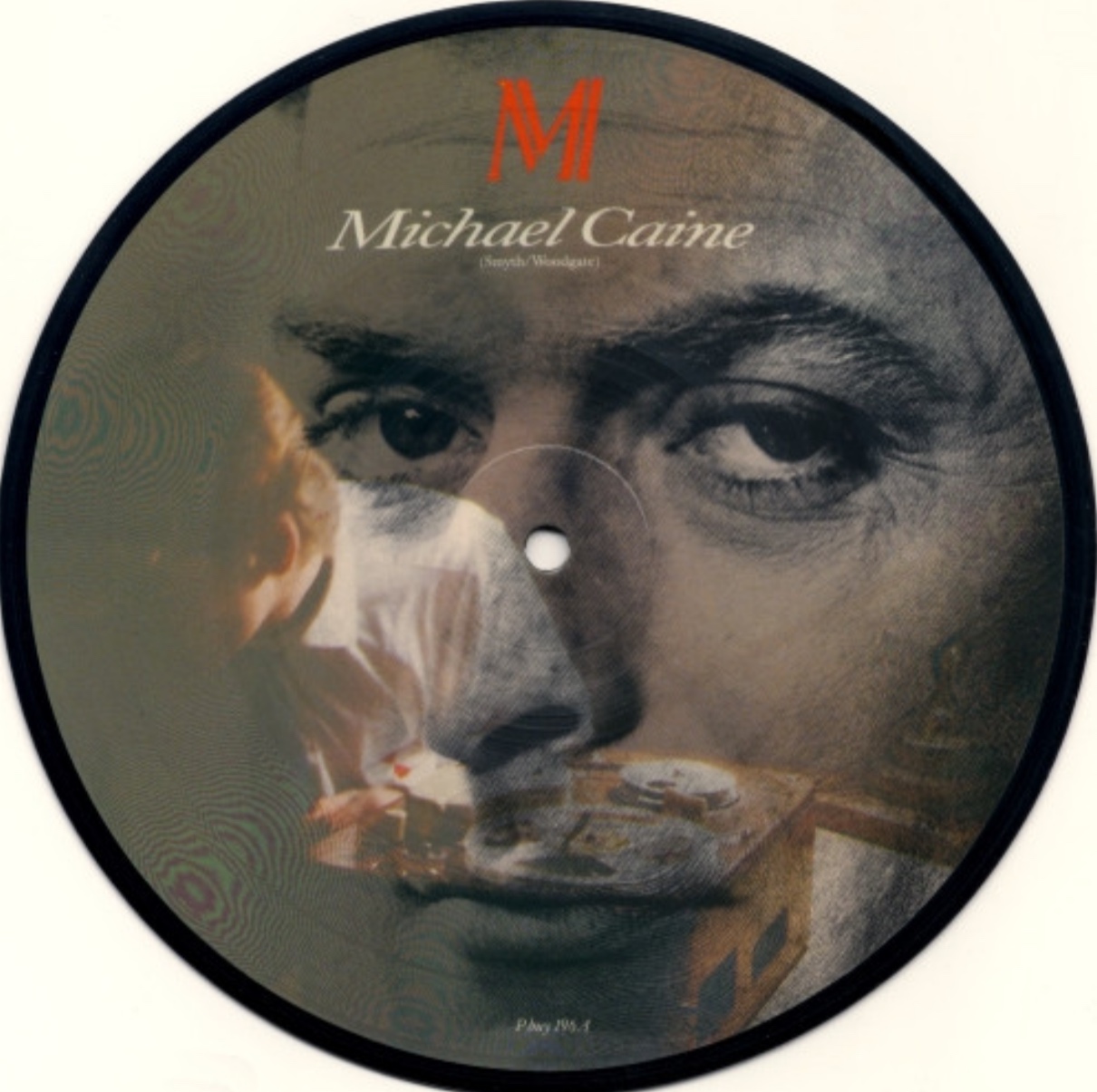
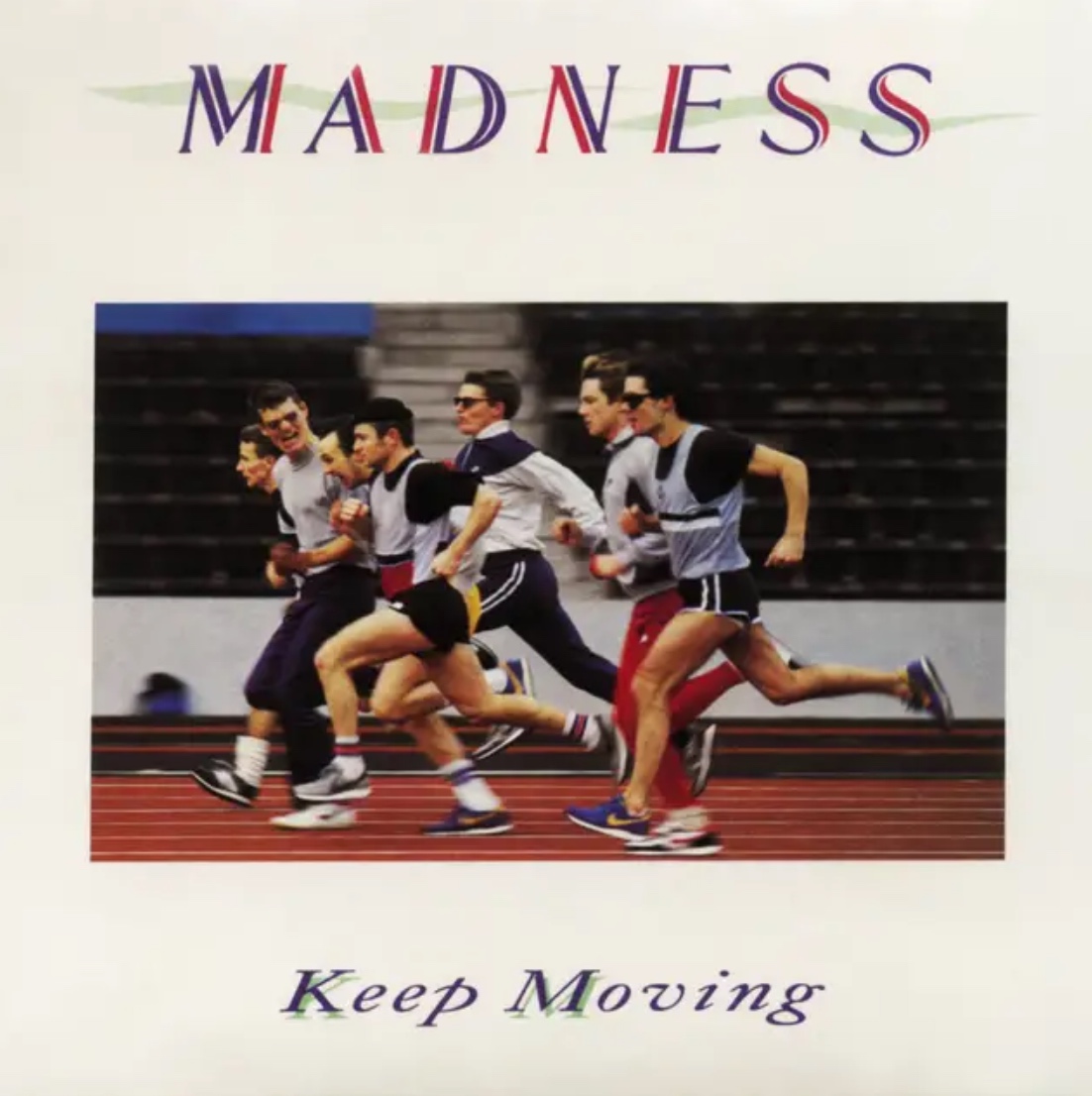
"Michael Caine" is a track released as the lead single from their fifth studio album, "Keep Moving," Co-written by Carl Smyth and Daniel Woodgate, the song stands out with Smyth taking on lead vocals, a departure from the usual Madness vocalist Suggs.


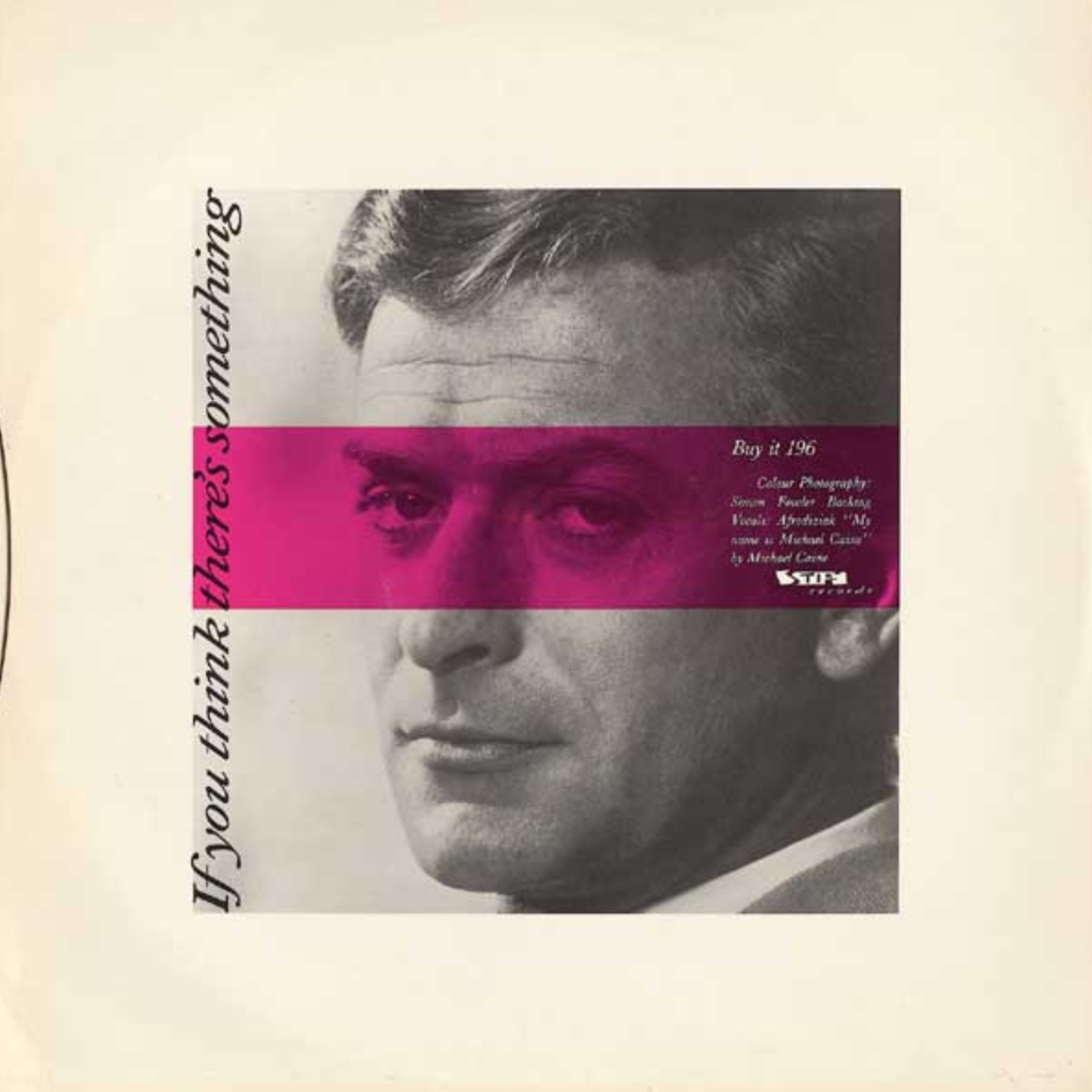
"Michael Caine" is not actually about the actor but delves into the theme of IRA informers. The lyrics depict a paranoid figure, potentially a 'Supergrass'—informers from the Irish Republican Army cooperating with the British and offered witness protection. The song's connection to Michael Caine arises from a scene in the 1965 thriller "The Ipcress File," where Caine's character, Harry Palmer, resists brainwashing by repeating the words "Harry Palmer. My name is Harry Palmer." The actor recorded the line "My name is Michael Caine" specifically for the song, adding a layer of association to the song's narrative.


Initially declining the offer to appear on the record, Michael Caine reconsidered when his youngest daughter, aware of his decision, persuaded him to change his mind. She highlighted the band's popularity, ultimately influencing Caine to participate in the recording.


Woody explains how the song came about: Sequence of events. 1) I record the music at home. 2) I play the tape to Carl and our manager Matthew in a car on the way to i can’t remember where, Carl sings along to it as though it's an old song and says he had written some lyrics the night before. The music fitted perfectly. 3) Band rehearse song. 4) Michael Caine is recorded for “Keep moving” and becomes the first single to be released from that album.


The music video for "Michael Caine" drew inspiration from "The Ipcress File," incorporating elements like a shot lightbulb reminiscent of the title sequence from the television spy series "Callan." Additionally, the video showcased the shredding of a photograph of Michael Caine from the 60s, tying together visual references to both the actor's iconic roles and the espionage genre.


MADNESS - ONE BETTER DAY

Released: June 2, 1984

Charted:  UK: #17 


"One Better Day" is a song from the band fifth studio album “Keep Moving”, written by Suggs (Graham McPherson) and Bedders (Mark Bedford). 


Suggs explained in an interview with Daniel Rachel for the book The Art of Noise: Conversations with Great Songwriters: "The idea of that song was when you'd hear people say, 'Oh, he's seen better days,' like when you see a guy in a suit looking a bit tatty. I thought, 'What was that one better day?' Then I had the idea that he would meet this other homeless person that happened to be a woman - and they fell in love. Between them they could engender onebetter day as people who had, supposedly, seen better days."


As the 80s unfolded and the impact of the Thatcher government's policies intensified, Madness faced challenges in maintaining their lighthearted image. Feeling the need to address the unfolding realities in Britain, they shifted their focus. One notable song from this period, "Victoria Gardens," which starkly portrayed London's homeless community and criticized Thatcher with the line "she said it's for the good of us all," was initially intended as a single for 1984's “Keep Moving” album. However, it was replaced by a more poignant exploration of the theme. In this alternative track, Suggs narrates the story of a homeless couple finding love amidst the harsh streets. The song's strength lies in the contrast between the grim verses and the chorus's romantic richness, reminiscent of a scene from Charlie Chaplin's City Lights: "Walking round you sometimes/Hear that sunshine/Beating down in time with the rhythm of your shoes." 


The music video featured Suggs and his wife, singer Bette Bright, portraying the protagonists, dancing with their belongings in front of Arlington House, a hostel in Camden Town for the homeless. Because it was their last single through Stiff Records, the label didn't want to film a video, so the band funded it themselves.


Mark made some comments about the recording of the song in the liner notes of the Utter Madness compilation album: thrang! Suggs tape recorder had a spasm as I hit is acoustic guitar to hard. The needles clattered into the red. “One better day” had no good off to a good start. Eventually at a softer level, we recorded a rough version of the song. This wasn't bound to be an easy one. Several chord changes later, Suggs had the first verse and chorus. The song progressed bumpily through rehearsals and even into the studio. In fact we recorded three different versions finally settling on the one you can hear today, and that nearly never made it. If you listen to the record as it fades you can almost hear the bass and drums grind to a halt. Who says it's all done with machines? But with a sympathetic string arrangement from David Bedford and a great vocal it fell into place at the death. This song should really be called ‘Perseverance’. 


5.12.23


 MADNESS - SHUT UP / CARDIAC ARREST


SHUT UP


Released: September 11, 1981

Charted:  UK: #7 


"Shut Up" is a song written by Suggs and Chris Foreman, released as a single of their third album, "7”.  This track weaves a narrative around a criminal fervently trying to deny guilt, even in the face of compelling evidence. Surprisingly, the song's title doesn't directly appear in the lyrics, but it once concluded an additional verse in an early version. This clever twist adds a touch of irony, emphasizing the theme of denial and the protagonist's desperate attempts to deflect responsibility.


Chrissy Boy says: “Many people wonder why this song is called “Shut up” when the word does not appear in the chorus or the rest of the lyrics. Well, I'm going to explain: when Suggs wrote the lyrics for this song or originally it turned out that it lasted almost 10 minutes and repeated constantly in the chorus shut up, words that were omitted when the duration had to be shortened to the classic three minutes, however we kept the title for sentimental reasons.”


This originally had a few more verses that explored the policeman's perspective. Suggs told Daniel Rachel (The Art of Noise: Conversations with Great Songwriters): "[Petty crime] was a vaguely glamorous thing to be involved with as a kid. Then you thought of all the lives it affected and the coppers themselves. I thought about them chasing after petty criminals. It went on for a few more verses that never made it onto the finished record. I think they were about the policeman and his family and him running around after these burglars and then at the end they both meet up in the courtroom with this copper saying, 'Shut up.'"


The promotional video depicted Madness in a narrative where they first appear as a group of criminals and later transform into police officers. Lead singer Suggs is portrayed as a character with a dual role—a used car salesman and a criminal wearing a mask, bowler hat, and a black suit or horizontally striped shirt. The video suggests that Suggs' character has friends who steal cars for his business. However, at the beginning of the video, there is an implication that he has been apprehended by the police for his crimes, with the song serving as his plea of innocence. The video thus weaves a storyline around crime and its consequences, adding a visual layer to the song's narrative.


CARDIAC ARREST


Released: February 12, 1982

Charted:  UK: #14 


"Cardiac Arrest," penned by Chas Smash and Chris Foreman, unfolds the story of a workaholic meeting a tragic end with a fatal heart attack on his way to work. Despite being the first Madness single since "The Prince" to miss the UK Top 10, it retains its engaging quality. 


The music video depicts Smash experiencing a coronary episode, with other band members playing roles advising against overworking. Notably, the video aligns with the single version, not the album version, concluding with a dramatic cut to the sound of a heartbeat that suddenly stops, intensifying the song's narrative impact.


Madness, originating from working-class backgrounds, were known for crafting humorous songs depicting the challenges of everyday life. However, "Cardiac Arrest" takes a darker turn, exploring the theme of a fatal heart attack, which stirred controversy among listeners who found it insensitive. Chas Smash defended the song, emphasizing that it raises a crucial point.