Total de visualitzacions de pàgina:

9.1.24


THE BEATLES - GET BACK

Estrena: 11 d'abril de 1969

Llistes: Regne Unit: #1 (6 setmanes)   EUA: #1 (5 setmanes)


"Get Back" és una cançó enregistrada pels Beatles i Billy Preston, escrita per Paul McCartney, tot i que acreditada a la parella Lennon–McCartney. Inicialment llançada com a senzill i acreditada a "The Beatles amb Billy Preston", la cançó destaca John Lennon com a guitarrista principal. La versió de l'àlbum presenta una mescla diferent, amb una conversa d'estudi entre McCartney i Lennon al principi, ometent la coda que es troba a la versió single. Aquesta versió es va convertir en la peça de tancament de l'àlbum "Let It Be", llançat el 1970 poc després que el grup es dissolgués.


"Get Back" inicialment havia de ser tant el títol de l'àlbum com del documental que narrava el retorn dels Beatles a les actuacions en viu. El concepte buscava capturar el grup de manera més crua i autèntica, mostrant els seus talents musicals sense una producció d'estudi elaborada. Aquest projecte es va transformar finalment en l'àlbum i el film "Let It Be", amb "Get Back" restant una part significativa en la documentació dels últims dies dels Beatles com a grup. Phil Spector va ser contractat per produir l'àlbum Get Back, i aplicant la seva característica tècnica del "wall of sound", va afegir orquestració a les cintes. L'àlbum, concebut per capturar el retorn cru dels Beatles a les seves arrels, es va llançar el 8 de maig de 1970, després que el grup ja s'hagués dissolt, presentant una peça final altament produïda.


La interpretació al terrat de "Get Back" el 30 de gener de 1969 és un moment llegendari en la història dels Beatles, servint com a clímax per al seu documental "Let It Be". El grup, conscient que el concert improvisat probablement seria prohibit ràpidament, va mantenir-ho en secret, aprofitant l'oportunitat per promocionar el single i crear una conclusió adient per a la pel·lícula. Malgrat la intervenció policial després de tres interpretacions, el pla va tenir èxit, proporcionant tant el final desitjat per a la pel·lícula com l’àudio en viu autèntic amb xerrades del grup, capturant l'essència dels Beatles com a guerrers musicals, reminiscent dels seus primers dies als clubs.


Les primeres versions de "Get Back" incloïen el vers "I dig no Pakistanis" ja que la cançó originalment tenia un comentari més explícit sobre la immigració, amb la intenció de satiritzar els sentiments anti-immigrants a Gran Bretanya. No obstant això, Paul McCartney va revisar més tard la lletra per fer-la més inclusiva i menys controvertida. La cançó va evolucionar cap a una crida més general perquè la gent "torni" a on pertanyien anteriorment.


THE BEATLES - GET BACK 


Released : April 11, 1969

Charted:  UK: #1 (6 weeks)  US: #1 (5 weeks)


"Get Back" is a song recorded by The Beatles and Billy Preston, written by Paul McCartney, though credited to the Lennon–McCartney partnership. Initially released as a single and credited to "The Beatles with Billy Preston," the song showcases John Lennon prominently as the lead guitarist. The album version features a different mix, including a studio chat between McCartney and Lennon at the beginning, omitting the coda found in the single version. This version became the closing track of the "Let It Be" album, released in 1970 shortly after the group disbanded.


"Get Back" was initially meant to be both the title of the album and the documentary film chronicling the Beatles' return to live performances. The concept aimed to capture the band in a more raw and authentic form, showcasing their musical talents without elaborate studio production. This project eventually transformed into the "Let It Be" album and film, with "Get Back" remaining a significant part of the documentation of the Beatles' final days as a band. Phil Spector was enlisted to produce the Get Back album, and applying his signature "Wall of Sound" technique, he added orchestrations to the tapes. The album, intended to capture The Beatles' raw return to their roots, was released on May 8, 1970, after the band had already disbanded, presenting a highly produced swan song instead.


The rooftop performance of "Get Back" on January 30, 1969, is a legendary moment in The Beatles' history, serving as the climax for their "Let It Be" documentary film. The band, aware that the impromptu concert would likely be shut down quickly, kept it a secret, using the opportunity to promote the single and create a fitting conclusion for the film. Despite the police intervention after three takes, the plan succeeded, providing both the desired film ending and authentic live audio with band banter, capturing The Beatles' essence as musical warriors reminiscent of their early club days.


Early versions of "Get Back" included the line "I dig no Pakistanis" as the song originally had a more explicit commentary on immigration, intended to satirize anti-immigrant sentiments in Britain. However, Paul McCartney later revised the lyrics to make them more inclusive and less controversial. The song evolved into a more general call for people to "get back" to where they once belonged.


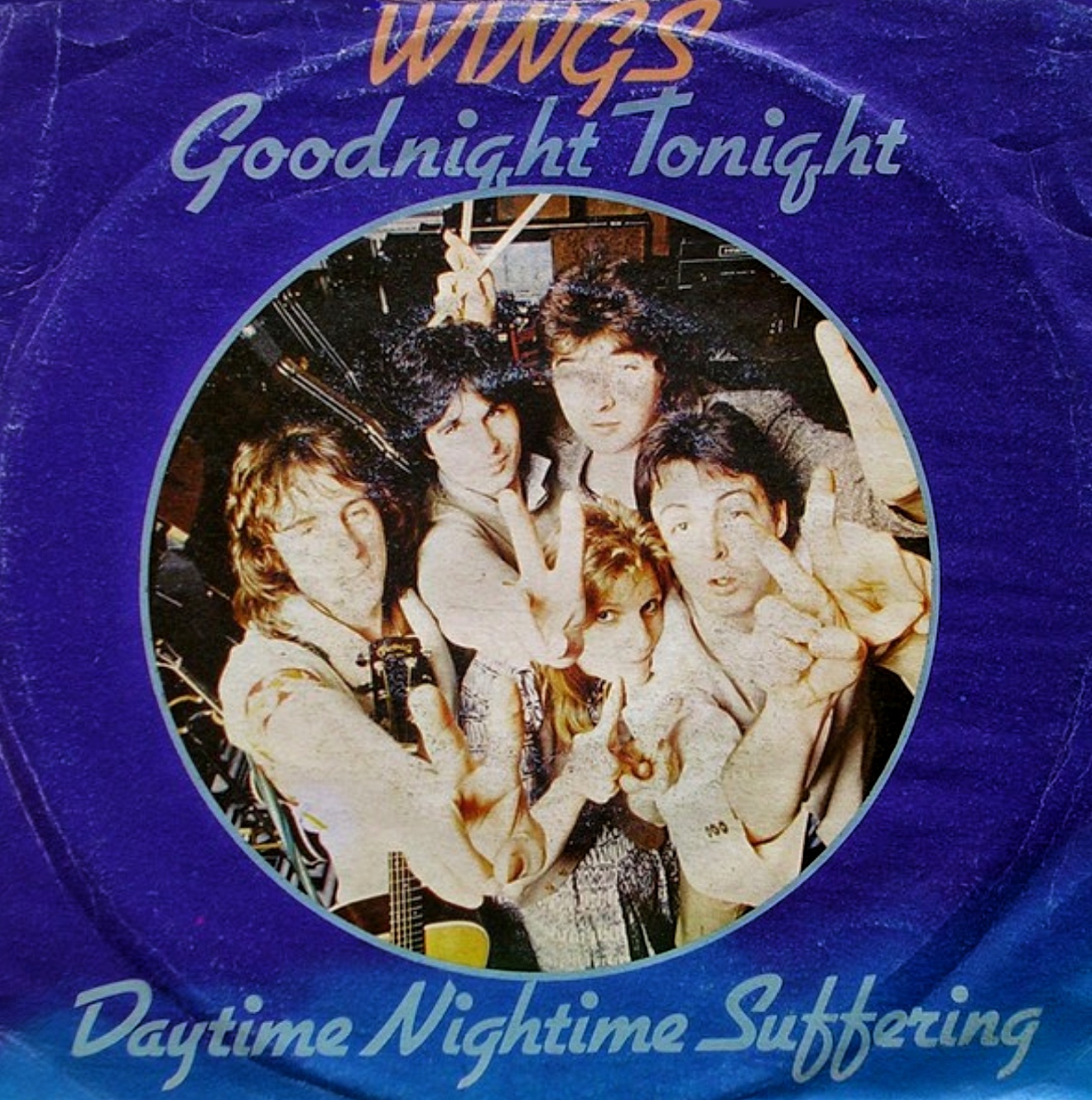
WINGS - GOODNIGHT TONIGHT

Publicació: 23 de març de 1979

Llistes: Regne Unit: #5  EUA: #5


"Goodnight Tonight," escrita i produïda per Paul McCartney, es va llançar com a senzill independent per Parlophone al Regne Unit i Columbia Records als Estats Units. Enregistrada durant les sessions de l'àlbum "Back to the Egg" de Wings el 1979, la cançó destaca pel seu so influït pel disco i per una animada pausa de guitarra flamenca.


"Goodnight Tonight" té els seus orígens en una pista instrumental que Paul McCartney va gravar el 1978. Quan Wings necessitava un senzill per acompanyar l'àlbum "Back to the Egg", McCartney va treure la melodia i, amb la formació completa de Wings, va completar la cançó. Denny Laine i Laurence Juber van contribuir amb les guitarres elèctriques, acompanyant les parts de McCartney, mentre Steve Holley afegia percussió, i tota la banda es va unir a la tornada. A causa de la seva longitud, es va utilitzar una versió editada pel llançament del single, amb la versió completa disponible en un maxi-single, el primer publicat per Paul. Es va crear un videoclip amb Wings vestits com als anys 30 per acompanyar la cançó.


Aquest single va assolir èxit internacional, arribant a la cinquena posició tant al Billboard Hot 100 com a la UK Singles Chart. Malgrat que John Lennon va expressar una manca d'entusiasme per la cançó, va apreciar la feina de Paul McCartney amb el baix elèctric en el senzill. La Recording Industry Association of America va certificar el single com a Disc d'Or per superar el milió de còpies venudes. Descrita com una cançó atípica de McCartney, es va destacar pel "fons de percussió i la robustesa de la interpretació del baix", amb possibilitats de trionfar a les discoteques, i es va reconèixer per les seves tècniques d'estudi i la seva tornada enganxosa.


WINGS - GOODNIGHT TONIGHT 


Released : March 23, 1979 

Charted:  UK: #5   US: #5 


"Goodnight Tonight," written and produced by Paul McCartney, was released as a non-album single by Parlophone in the UK and Columbia Records in the US. Recorded during the sessions for Wings' 1979 album "Back to the Egg", the song stands out for its disco-influenced sound and lively flamenco guitar break.


"Goodnight Tonight" had its origins as an instrumental backing track that Paul McCartney recorded in 1978. When Wings needed a single to accompany the "Back to the Egg" album, McCartney brought out the track and, with the full Wings line-up, completed the song. Denny Laine and Laurence Juber contributed electric guitars, mirroring McCartney's parts, while Steve Holley added percussion, and the entire band joined in the chorus. Due to its length, an edited version was used for the single release, with the full version available on a 12-inch single. A music video featuring Wings in 1930s costumes was created for the song.


This single achieved international success, reaching the fifth position on both the Billboard Hot 100 and the UK Singles Chart. Despite John Lennon expressing a lack of enthusiasm for the song, he did appreciate McCartney's bass guitar work on the single. The Recording Industry Association of America certified the single as Gold for exceeding one million copies in sales. Described as an atypical McCartney song, its "percussion undercurrents and muscular bass playing" were noted as likely to receive disco play, and it was acknowledged for its studio techniques and catchy hook.


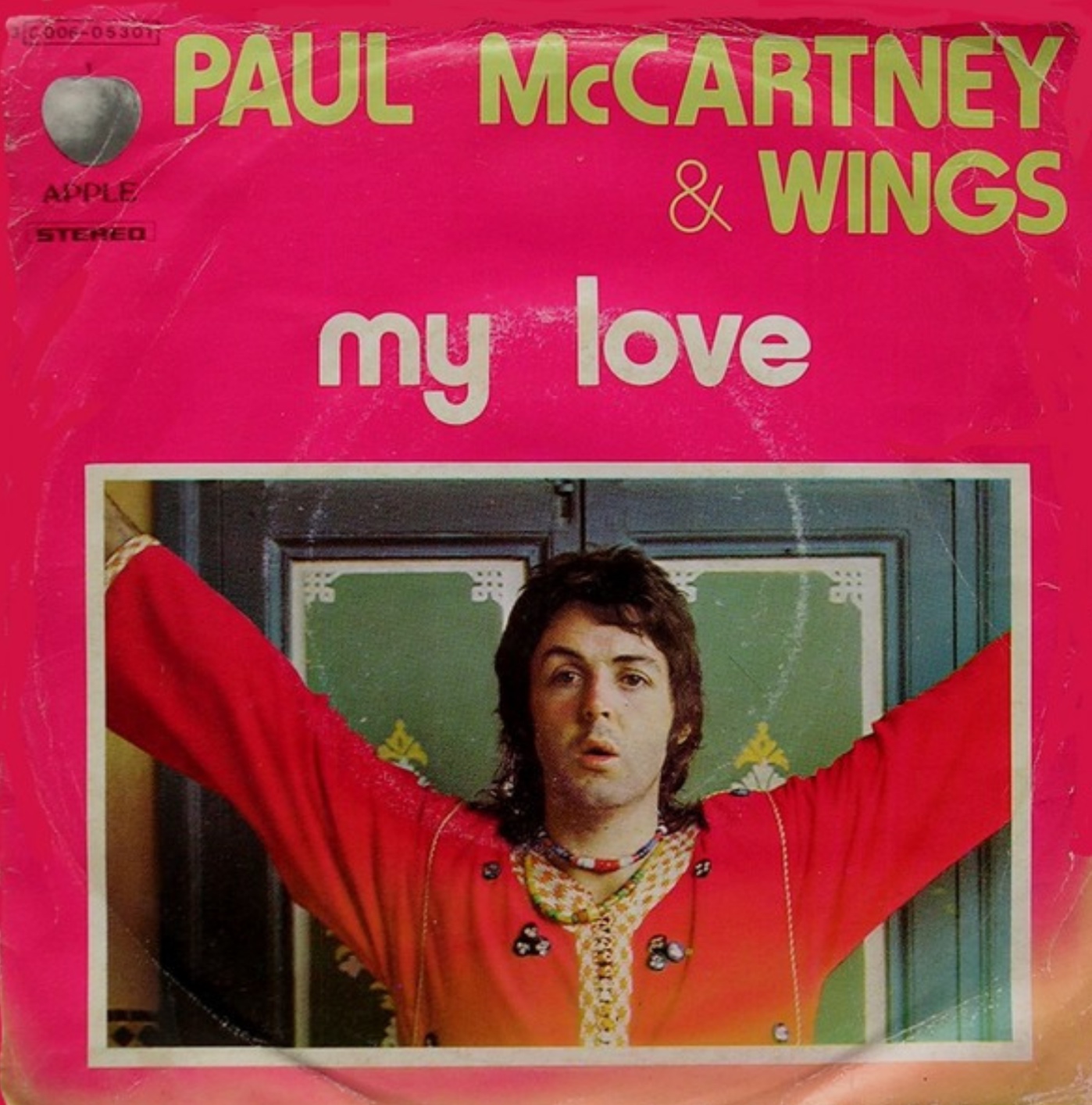
PAUL McCARTNEY & WINGS - MY LOVE

Released : March 23, 1973

Charted:  UK: #9  US: #1 (4 weeks)


"My Love" by Paul McCartney and Wings, released as the lead single from their 1973 album "Red Rose Speedway," is a love song dedicated to McCartney's wife and bandmate, Linda. Notably, this single marked the first time Paul McCartney's name appeared in the artist credit for a Wings record, as their previous releases had been credited to Wings alone. The decision to credit the release to "Paul McCartney & Wings" instead of Wings alone was influenced by the belief that the lackluster sales of Wings' 1971 debut, "Wild Life", were partly due to the public being unaware of McCartney's involvement. The name change persisted with the release of "Red Rose Speedway" on 30 April 1973, continuing the joint billing of Paul McCartney and Wings. The song's success contributed to the commercial prosperity of the album.


Recording "My Love" with an orchestra, Paul McCartney allowed guitarist Henry McCullough to improvise the solo in the final take. McCartney, who had written the solo as he often did with their solos, was initially uncertain about McCullough's request to try something else. McCullough's decision to change the solo turned out to be a career-defining moment for him, as McCartney rarely had his decisions overruled in the studio. McCullough's improvised solo on "My Love" became a notable element of the song and left a lasting impact on both musicians.


Paul McCartney wrote "My Love" as a piano ballad, a love song to his wife Linda, early in their relationship, likely around 1969 or 1970. After forming the band Wings with Linda in 1971, McCartney included "My Love" in the set lists for the group's concert tours in 1972. During Wings' public debut performance at Nottingham University on February 9, 1972, Linda sang lines in response to McCartney's lead vocal, adding a unique touch to the song. The live performance closely resembled the version later recorded for official release.


After Linda's passing in 1998, Paul McCartney chose "My Love" to be part of the musical program at the memorial services held in her memory, both in London and New York City. McCartney, deeply affected by grief, expressed his emotions publicly and organized the services with a level of professionalism akin to his concert performances, according to biographer Howard Sounes.


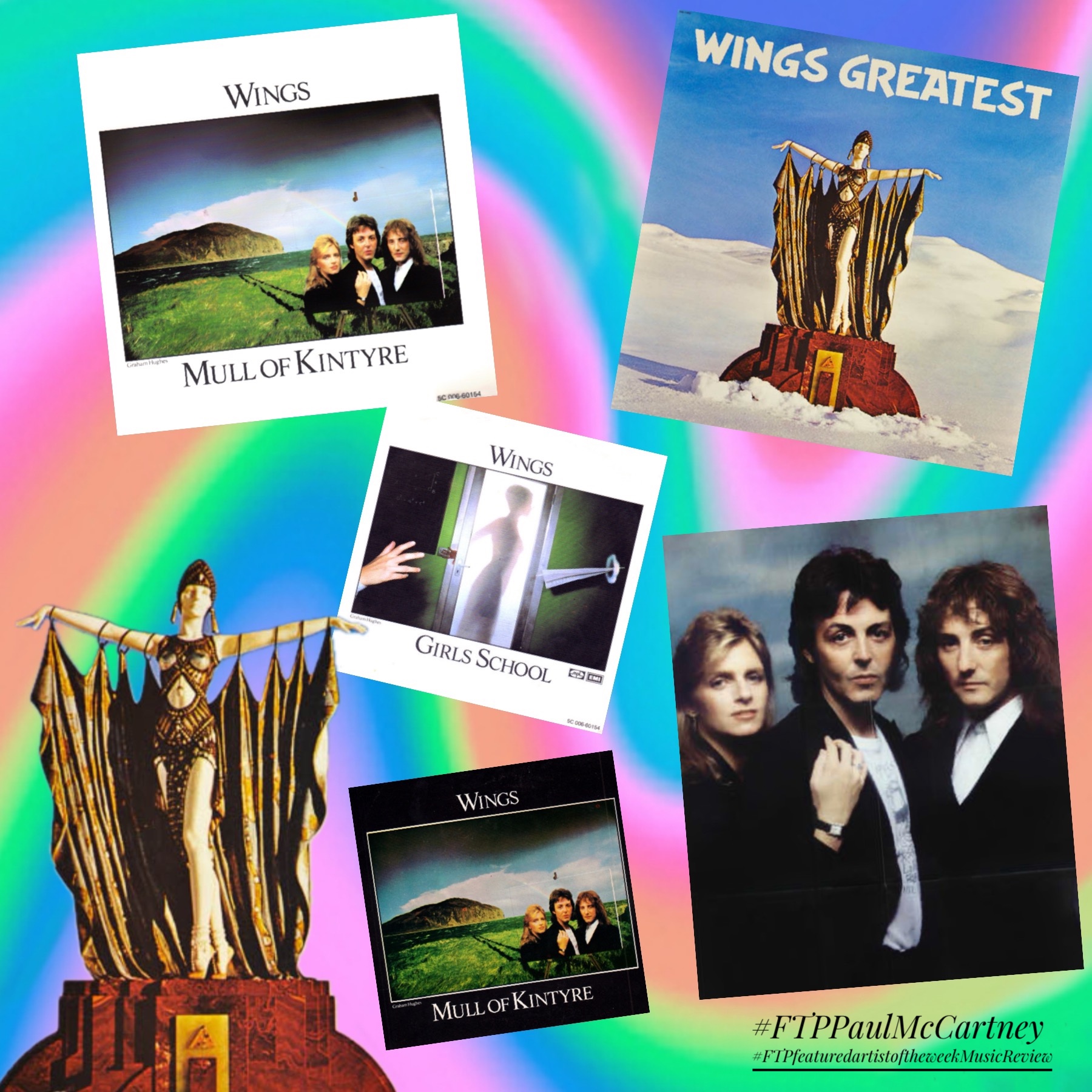
WINGS - MULL OF KINTYRE

Released : November 11, 1977

Charted:  UK: #1 (9 weeks)  


"Mull of Kintyre" holds a special place in Wings' discography as a song written by Paul McCartney and Denny Laine to pay homage to the picturesque Kintyre peninsula in Scotland, where McCartney has owned High Park Farm since 1966. The single achieved remarkable success in the UK, becoming Wings' most significant hit in the country. It secured the coveted Christmas number one spot in 1977 and went on to become one of the best-selling singles of all time in the United Kingdom, surpassing two million copies in sales nationwide.


"Mull of Kintyre" was recorded on August 9, 1977, at Spirit of Ranachan Studio, located at High Park Farm in Scotland. This recording took place during a break in the sessions for the London Town album due to Linda McCartney's advanced pregnancy. The song featured the distinctive sound of Great Highland bagpipes played by the Campbeltown Pipe Band from the nearby town of Campbeltown. Paul McCartney's vocals and acoustic guitar were recorded outdoors, adding to the song's organic and natural feel. Released as a double A-sided single on November 11, 1977, alongside "Girls' School," the track became a significant success independently of the album.


"Mull of Kintyre" originated in 1974, featuring on an early home demo known as "The Piano Tape." Initially composed on the piano, the song's lyrics, primarily the completed chorus and some fragments that would later be part of the final version, were already present at this early stage. The first verse, which also serves as the recurring chorus, expresses admiration for the natural beauty of the Mull of Kintyre region and the sense of home it evokes. McCartney shared that the song was a love ode to the area where they lived, capturing his appreciation for Scotland and his desire to be there, even when away.


The official music video for "Mull of Kintyre" was directed by Michael Lindsay-Hogg and filmed at Saddell Bay on the eastern side of the Kintyre peninsula. The location was approximately seven miles from High Park Farm, where the song was recorded, and the video was shot about two months after the song's recording. In the video, Paul McCartney, Linda McCartney, and Denny Laine perform the song against the scenic backdrop of Saddell Bay. The Campbeltown Pipe Band is featured, marching and playing on the beach. The video concludes with a bonfire singalong, including extras from Campbeltown. This visual representation added to the song's appeal and was showcased on nine regular editions of Top of the Pops when "Mull of Kintyre" held the number one position.


In an effort to cater to the American audience's potential preference, Paul McCartney included "Girl's School", a semi-pornographic rocker, as the B-side of the single. Despite the success of "Mull of Kintyre" becoming a massive hit in various parts of the world, it did not achieve the same level of success in the United States. However, "Girl's School" did manage to crack the US top 40. The divergent reception in the US compared to the song's global success reflects the varied tastes and expectations of audiences in different regions.