Total de visualitzacions de pàgina:

28.1.24


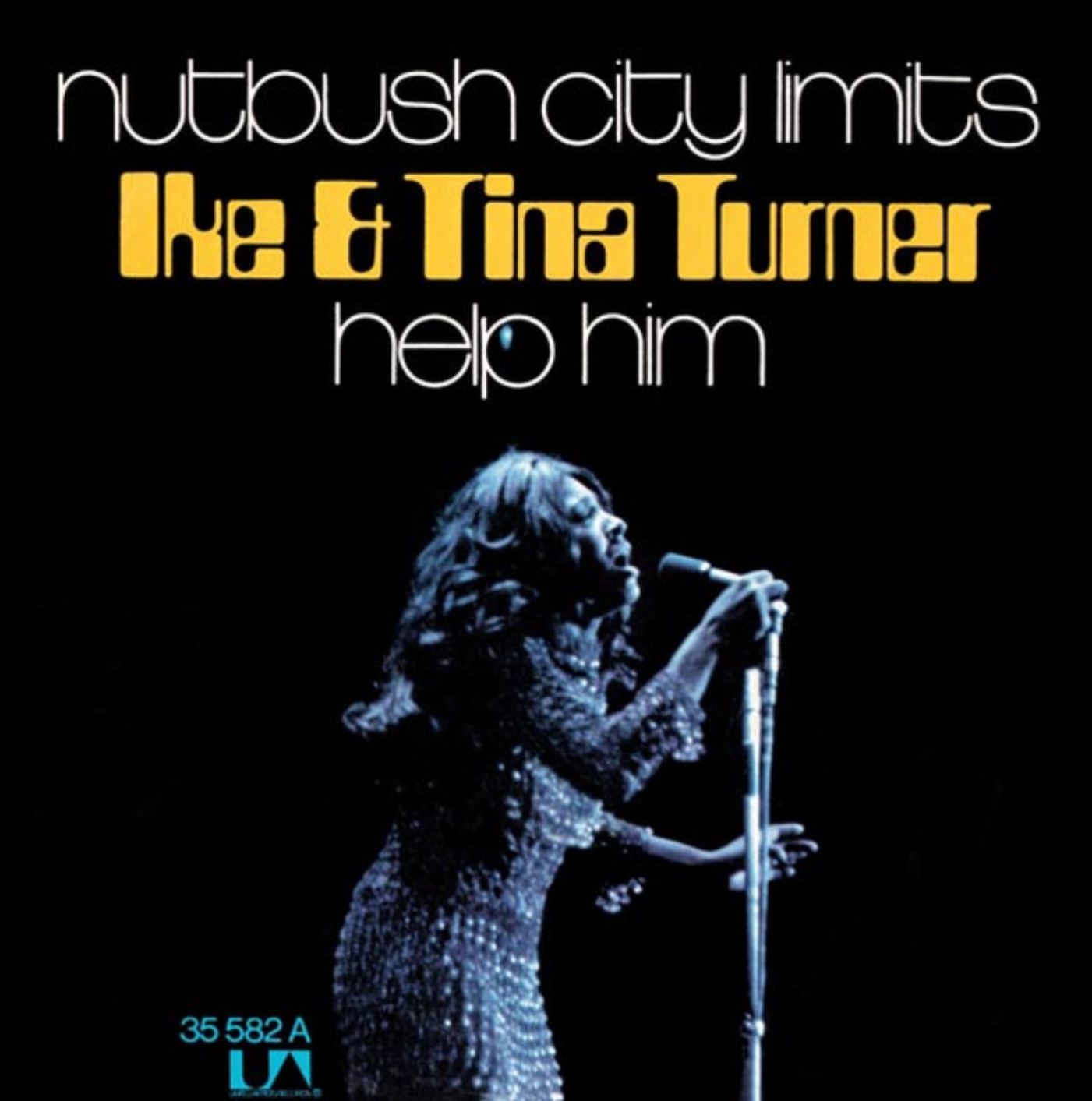
IKE & TINA TURNER - NUTBUSH CITY LIMITS


Estrena: agost de 1973

Llistes: Regne Unit: #4   EUA: #22


"Nutbush City Limits" és una cançó semi-autobiogràfica escrita per Tina Turner, que serveix com un homenatge a la seva petita ciutat natal de Nutbush, al comtat de Haywood, Tennessee, EUA. Inicialment llançada com a single per United Artists Records l'agost de 1973, es destaca com un dels darrers èxits de la parella formada per Ike i Tina Turner. Amb el temps, la cançó ha estat versionada per diversos artistes, incloent Bob Seger and The Silver Bullet Band. La mateixa Tina Turner ha regravat diverses versions diferents de la cançó.


Anna Mae Bullock, nascuda el 26 de novembre de 1939 a Brownsville, prop de Nutbush, Tennessee, va acabar essent coneguda com Tina Turner. Als 16 anys, va marxar de Nutbush per viure amb la seva mare a St. Louis, on més endavant es trobaria amb Ike Turner. Tot i no casar-se fins a dos anys després que comencessin a actuar junts el 1960, Ike va insistir que Tina prengués el nom de "Tina Turner". El 1973, la parella va llançar "Nutbush City Limits", una cançó que evoca amb nostàlgia els records de Tina de Nutbush com un petit poble amable amb una comunitat unida. Tina va fer bromes dient que no cridava l'atenció a Nutbush per ser massa prima, ja que moltes dones allà tenien els atributs desitjats.


Tina Turner, coneguda per les seves actuacions poderoses, va assumir la composició de "Nutbush City Limits", convertint-la en el seu gran èxit i també en el seu debut com a autora, amb l'esperança de revitalitzar la carrera d'Ike i Tina Turner. Després del seu èxit anterior amb "Proud Mary" el 1971, la parella va afrontar-se a reptes, i "Nutbush City Limits" va demostrar ser la solució, oferint un altre èxit el 1973. Marc Bolan de T-Rex, un fan de la parella, va tocar la guitarra a la pista. Curiosament, com el seu èxit anterior "River Deep - Mountain High", aquesta cançó va assolir més popularitat al Regne Unit, arribant al número 4, en comparació amb el seu pic al número 22 als Estats Units, malgrat tractar-se d'un lloc nord-americà.


La connexió de Tina Turner amb "Nutbush City Limits" és evident en les seves regravacions de la cançó. El 1991, la va transformar en una peça de música house per al seu àlbum recopilatori "Simply The Best", assolint el lloc 23 a les llistes del Regne Unit. Dos anys després, Turner va revisitar la cançó una vegada més, oferint una nova versió per a la banda sonora de "What's Love Got to Do with It?". El remix del 1991 fins i tot va venir amb un videoclip, amb imatges antigues de Turner i mostrant els punts de referència de Nutbush comentats a la cançó. Dirigit per Chris Cowey i Michael Bay, aquest vídeo afegia una capa visual al viatge nostàlgic a través de Nutbush.


IKE & TINA TURNER - NUTBUSH CITY LIMITS 


Released: August 1973

Charted:  UK: #4  US: #22 


"Nutbush City Limits" is a semi-autobiographical song penned by Tina Turner, serving as a tribute to her rural hometown of Nutbush in Haywood County, Tennessee, USA. Initially released as a single on United Artists Records in August 1973, it stands as one of the final hits from the husband-wife R&B duo Ike & Tina Turner. Over the years, the song has been covered by various artists, including Bob Seger and The Silver Bullet Band. Tina Turner herself has re-recorded several different versions of the song.


Anna Mae Bullock, born on November 26, 1939, in Brownsville near Nutbush, Tennessee, eventually became known as Tina Turner. At the age of 16, she left Nutbush to live with her mother in St. Louis, where she would later meet Ike Turner. Despite not getting married until two years after they began performing together in 1960, Ike insisted on Tina taking the name "Tina Turner." In 1973, the duo released "Nutbush City Limits," a song that nostalgically recounts Tina's memories of Nutbush as a small, friendly town with a close-knit community. Tina humorously remarked that she didn't turn heads in Nutbush due to being too skinny, as many women there had the desired attributes.


Tina Turner, known for her powerful performances, took on songwriting for "Nutbush City Limits," making it her biggest hit and also her debut as a songwriter, composed in an effort to rejuvenate Ike & Tina Turner's career. Following their earlier success with "Proud Mary" in 1971, the duo faced challenges, and "Nutbush City Limits" proved to be the solution, delivering another hit in 1973. Marc Bolan of T-Rex, a fan of the duo, played guitar on the track. Interestingly, like their previous hit "River Deep - Mountain High," this song achieved more popularity in the UK, reaching #4, compared to its #22 peak in the United States, despite being about an American place.


Tina Turner's enduring connection to "Nutbush City Limits" is evident in her re-recordings of the song. In 1991, she revamped it as a house track for her compilation album "Simply The Best," reaching #23 on the UK charts. Two years later, Turner revisited the song once more, providing a new version for the "What's Love Got to Do with It?" soundtrack album. The 1991 remix even came with a music video, featuring early footage of Turner and showcasing the Nutbush landmarks mentioned in the song. Directed by Chris Cowey and Michael Bay, this video added a visual layer to the nostalgic journey through Nutbush.




GO-GO’S / FUN BOY THREE - OUR LIPS ARE SEALED


Publicació de la versió de Go-Go’s: 12 de juny de 1981

Llistes: Regne Unit: #47 EUA: #20


Versió de Fun Boy Three publicada: 29 d'abril de 1983

Llistes: Regne Unit: #7


"Our Lips Are Sealed" és una creació col·laborativa de Jane Wiedlin de les Go-Go's i Terry Hall dels Specials i Fun Boy Three. El seu èxit, especialment a Austràlia, Canadà i els Estats Units, reflecteix la seva popularitat després de la seva estrena a l'àlbum "Beauty and the Beat" de les Go-Go's el 1981.


La banda de Terry Hall, Fun Boy Three, va tenir la seva pròpia versió el 1983, i sorprenentment, la seva interpretació va assolir més èxit al Regne Unit en comparació amb l'original de les Go-Go's. La versió del Fun Boy Three va arribar al top 10, assolint una posició més alta que el llançament de les Go-Go's.


"Our Lips Are Sealed" va sorgir de la implicació romàntica de Jane Wiedlin amb Terry Hall, el cantant principal dels The Specials. La relació era complicada, ja que Hall tenia una nòvia a Anglaterra amb la qual estava considerant casar-se. La turbulència emocional d'aquesta situació va alimentar la creació de la lletra de la cançó. Wiedlin va rebre la lletra de Hall per correu, i el contingut reflectia els elements dramàtics de la seva relació. La guitarrista de les Go-Go's va agafar aquesta lletra i va acabar la composició afegint la part musical.


Les cartes intercanviades entre Wiedlin i Hall, expressant els reptes i conflictes en la seva connexió, van contribuir a la profunditat i autenticitat de la lletra. La cançó es va convertir en un èxit per a les Go-Go's i més tard per al Fun Boy Three, cadascun aportant la seva pròpia interpretació musical a la narrativa formada per les experiències personals dels seus creadors.


"Our Lips Are Sealed" de les Go-Go's va tenir un ascens gradual a les llistes nord-americanes, assolint el seu pic al lloc 20 al desembre de 1981. Les Go-Go's, de gira amb The Police, van experimentar una pujada més lenta amb aquest senzill, però el seu següent llançament, "We Got The Beat", va aconseguir un èxit més ràpid, arribant al lloc 2 l’abril de 1982. Cal destacar que l'àlbum "Beauty And The Beat" va fer història com el primer àlbum d'una banda completament femenina en assolir la primera posició als Estats Units, on va romandre al capdamunt durant sis setmanes.


El videoclip, dirigit per Derek Burbidge, és conegut per la seva simplicitat i efectivitat. Enregistrat en un petit club, el vídeo mostra les Go-Go's interpretant la cançó amb una energia vibrant. A més, la banda es representa gaudint sense preocupacions a l'aire lliure en un dia assolellat, amb escenes en què juguen al voltant d'una font.


La versió del Fun Boy Three va tenir èxit al Regne Unit, arribant al lloc 7. La col·laboració amb la bateria de June Miles-Kingston, de Mo-dettes, va afegir un toc distintiu a la gravació. La versió de Terry Hall té un to més seriós i melancòlic en comparació amb la interpretació de les Go-Go's. Els estils diferents destaquen com les interpretacions d'una cançó poden modelar la seva atmosfera i estat d'ànim. Malgrat el contrast, totes dues versions són apreciades per la seva qualitat i han assolit l'èxit de manera independent.


GO-GO’S / FUN BOY THREE - OUR LIPS ARE SEALED


Go-Go’s version released: June 12, 1981

Charted:  UK: #47   US: #20 


Fun Boy Three version released: April 29, 1983

Charted:  UK: #7   


"Our Lips Are Sealed" is a collaborative creation by Jane Wiedlin of the Go-Go's and Terry Hall of the Specials and Fun Boy Three. The song's success, particularly in Australia, Canada, and the United States, reflects its popularity following its debut on the Go-Go's album "Beauty and the Beat" in 1981.  


Terry Hall's band Fun Boy Three had their own version of "Our Lips Are Sealed" in 1983, and surprisingly, their rendition achieved greater success in the United Kingdom compared to the Go-Go's original. The Fun Boy Three's version climbed into the top ten, reaching a higher chart position than the Go-Go's release.


"Our Lips Are Sealed" was born out of Jane Wiedlin's romantic involvement with Terry Hall, lead singer of The Specials. The relationship was complicated, as Hall had a girlfriend in England with whom he was considering marriage. The emotional turbulence of this situation fueled the creation of the song's lyrics. Wiedlin received the lyrics from Hall in the mail, and the content reflected the dramatic elements of their relationship. The Go-Go's guitarist embraced these lyrics, finished the composition, and added the music to create the song.


The letters exchanged between Wiedlin and Hall, expressing the challenges and conflicts in their connection, contributed to the depth and authenticity of the lyrics. The song eventually became a hit for the Go-Go's and later for The Fun Boy Three, each bringing their own musical interpretation to the narrative shaped by the personal experiences of the song's creators.


Go-Go’s’ "Our Lips Are Sealed" had a gradual ascent on the American charts, reaching its peak at #20 in December 1981. The Go-Go's, touring with The Police, experienced a slower climb with this single, but their follow-up release, "We Got The Beat", achieved faster success, reaching #2 in April 1982. Notably, the album "Beauty And The Beat" made history as the first album by an all-girl band to attain the #1 spot in America, where it remained at the top for six weeks. 


The music video, directed by Derek Burbidge, is known for its simplicity and effectiveness. Shot in a small club, the video features the Go-Go's performing the song with vibrant energy. Additionally, the band is portrayed having carefree fun outdoors on a sunny day, including scenes where they play around in a fountain.


The Fun Boy Three's version was met with success in the UK peaking in the #7. The collaboration with Mo-dettes drummer June Miles-Kingston added a distinctive touch to the recording. Terry Hall's version has a more serious and moody tone compared to the Go-Go's rendition. The differing styles highlight how interpretations of a song can shape its mood and atmosphere. Despite the contrast, both versions are appreciated for their unique qualities and have found success in their own right.


THE JAM - START!


Estrena: 11 d'agost de 1980

Llistes: Regne Unit: #1 (1 setmana)


"Start!" de The Jam, escrita pel talentós Paul Weller, és una peça significativa que va valer a la banda el seu segon número u al Regne Unit. Llançada el 1980 com a senzill principal de l'àlbum "Sound Affects", la cançó exhibeix una fascinant barreja d'influències de la new wave i el moviment mod, destaca pel seu so enèrgic i va assolir un gran èxit entre el públic. 


"Start!" fa un gest musical a "Taxman" dels Beatles de l'àlbum "Revolver", escrita per George Harrison. L’inspiració de Paul Weller en la icònica peça de 1966 és evident tant en els riffs de guitarra com de baix. L'homenatge deliberat a "Taxman" és notable, amb el baixista Bruce Foxton reconeixent l’influència. Va assenyalar que, tot i que no era intencional, la inclusió subconscient d'elements de "Taxman" va tenir un paper crucial en donar forma al so de "Start!" Foxton va fer bromes sobre la semblança no exacta, expressant el seu alleujament que Paul McCartney no hagués considerat accions legals.


L’inspiració de Paul Weller revela també una influència literària arrelada a l'obra de George Orwell, concretament "Homage to Catalonia", un llibre que descriu vívidament les complexitats de la Guerra Civil Espanyola. En l’interpretació de Weller, el concepte d'una societat igualitària, com es mostra en la narrativa d'Orwell, va deixar una empremta profunda. Li resultava difícil imaginar que una societat així pogués existir en la realitat, cosa que el va portar a explorar aquests temes mitjançant la creativitat de la música.


La cançó, nascuda d'aquesta exploració literària, va més enllà de les influències musicals i s'endinsa en el panorama sociopolític. La capacitat de Weller per treure inspiració de la literatura mostra la naturalesa multifacètica del seu procés creatiu. "Start!" no només rendeix homenatge als Beatles, sinó que també serveix com a plataforma perquè Weller es relacioni amb els temes orwellians, creant una cançó que ressona tant a nivell musical com intel·lectual. La intersecció de la literatura i la música en aquest context afegeix profunditat a la cançó, convidant els oients a reflexionar sobre els temes més amplis teixits a la trama de la seva creació.


THE JAM - START!


Released: August 11, 1980

Charted:  UK: #1 (1 week)


"Start!" by The Jam, penned by the talented Paul Weller, is a significant track that earned the band their second UK number-one hit. Released in 1980 as the lead single from the album "Sound Affects", the song exhibits a captivating blend of new wave and mod influences, stands out for its energetic sound and became a chart-topping success.


"Start!" carries a musical nod to The Beatles' "Taxman" of the "Revolver" album, courtesy of George Harrison. Paul Weller's inspiration from the iconic 1966 track is evident in both the guitar and bass riffs, creating a captivating sound. The deliberate homage to "Taxman" is notable, with bassist Bruce Foxton acknowledging the influence. He pointed out that while it wasn't intentional, the subconscious inclusion of elements from "Taxman" played a crucial role in shaping the distinct sound of "Start!" Foxton humorously noted that the resemblance wasn't exact, expressing relief that Paul McCartney didn't contemplate legal action.


Paul Weller's inspiration reveals also a literary influence rooted in George Orwell's work, specifically "Homage to Catalonia," a book that vividly depicts the complexities of the Spanish Civil War. In Weller's interpretation, the concept of an egalitarian society, as depicted in Orwell's narrative, left a profound impact. He found it challenging to imagine such a society existing in reality, leading him to explore these themes through the creative medium of music.


The song, born from this literary exploration, goes beyond the musical influences and delves into the socio-political landscape. Weller's ability to draw inspiration from literature showcases the multifaceted nature of his creative process. "Start!" not only pays homage to The Beatles but also serves as a platform for Weller to engage with Orwellian themes, creating a song that resonates on both musical and intellectual levels. The intersection of literature and music in this context adds depth to the song, inviting listeners to reflect on the broader themes woven into the fabric of its creation. 


SURVIVOR - EYE OF THE TIGER

Estrena: 31 de maig de 1982

Llistes: Regne Unit: #1 (4 setmanes)   EUA: #1 (6 setmanes)


"Eye of the Tiger" ocupa un lloc especial en la història de la música com a cançó icònica de la pel·lícula de 1982 Rocky III. Escrita pels compositors principals de Survivor, Jim Peterik i Frankie Sullivan, la pista era perfecta per als temes de determinació i superació de l'adversitat de la pel·lícula. Sylvester Stallone, impressionat pel so i l'estil de Survivor, es va posar en contacte amb Peterik i Sullivan després d'escoltar cançons del seu àlbum anterior.


La història de Stallone deixant missatges als seus contestadores afegeix una capa interessant a la creació de la cançó. El relat de Peterik sobre com va escoltar la veu inconfusible d’Stallone a la seva contestadora reflecteix l'emoció de tenir la seva música considerada per a un projecte tan significatiu. L’elecció d’Stallone d’"Eye of the Tiger" va demostrar ser un encert genial, ja que la cançó es va convertir en sinònim de Rocky III i es va convertir en un dels èxits més reconeixibles de Survivor. Els seus poderosos riffs de guitarra, el ritme enèrgic i la lletra èpica capturaven perfectament l'essència del viatge de Rocky Balboa i ressonaven entre el públic d’arreu del món.


El relat de Jim Peterik sobre el naixement d'"Eye of the Tiger" proporciona una visió sobre el procés creatiu darrere del desenvolupament de la cançó i la seva connexió amb la pel·lícula Rocky III. L'ús inicial d’"Another One Bites the Dust" de Queen a l’escena on finalment apareix "Eye of the Tiger" posa de manifest l’influència de la música al cinema i la seva capacitat per millorar l'experiència de visualització. L’incapacitat d’Stallone per assegurar-se els drets d'autor d’"Another One Bites the Dust" va presentar a Peterik i Sullivan un repte i una oportunitat úniques. Enfrontats amb la tasca intimidatòria de superar la pista de Queen, van abraçar el repte amb determinació i creativitat. La descripció de Peterik sobre com va crear l'icònic riff de guitarra i com ho va emparellar amb l'acció a la pantalla posa de manifest la integració perfecta de la cançó en la narrativa de la pel·lícula.


La visió de Jim Peterik sobre el que volia Sylvester Stallone per a "Eye of the Tiger" aclareix la deliberada ruptura amb el tema orquestral de "Gonna Fly Now", que era sinònim de les dues primeres pel·lícules de Rocky. En cercar un enfocament fresc i contemporani per a la cançó temàtica de la pel·lícula, Stallone va voler connectar amb una nova generació d'espectadors alhora que mantenir l'esperit de determinació i triomf que caracteritzava la franquícia de Rocky. 


"Rocky III" engloba la lluita entre la complaença i la determinació a través dels personatges de Rocky Balboa i Mr T. La satisfacció inicial de Rocky contrasta amb la implacable persecució de l'èxit de T. La mort de l’entrenador de Rocky fa que l'exrival Apollo Creed desafiï Rocky a trobar de nou el seu "Eye of the Tiger", simbolitzant la seva gana de victòria. La pel·lícula explora temes de perseverança i autoconfiança, enfatitzant el poder transformador de la determinació per superar l'adversitat i assolir la grandesa.


SURVIVOR - EYE OF THE TIGER 


Released: May 31, 1982

Charted:  UK: #1 (4 weeks)  US: #1 ( 6 weeks)


"Eye of the Tiger" holds a special place in music history as the iconic theme song for the 1982 film Rocky III. Written by Survivor's primary songwriters, Jim Peterik and Frankie Sullivan, the track was a perfect fit for the movie's themes of determination and overcoming adversity. Sylvester Stallone, impressed by Survivor's sound and style, reached out to Peterik and Sullivan after hearing tracks from their previous album.


The story of Stallone leaving messages on their answering machines adds an interesting layer to the song's creation. Peterik's recount of hearing Stallone's unmistakable voice on his answering machine reflects the excitement and thrill of having their music considered for such a significant project. Stallone's choice of "Eye of the Tiger" proved to be a stroke of genius, as the song became synonymous with Rocky III and went on to become one of Survivor's most recognizable hits. Its powerful guitar riffs, driving rhythm, and anthemic lyrics perfectly captured the essence of Rocky Balboa's journey and resonated with audiences worldwide.


Jim Peterik's account of the genesis of "Eye of the Tiger" provides insight into the creative process behind the song's creation and its connection to the film Rocky III. The initial use of Queen's "Another One Bites the Dust" in the scene where "Eye of the Tiger" eventually appears highlights the impact of music in film and its ability to enhance the viewing experience. Stallone's inability to secure the publishing rights to "Another One Bites the Dust" presented Peterik and Sullivan with a unique challenge and opportunity. Faced with the daunting task of surpassing Queen's track, they embraced the challenge with determination and creativity. Peterik's description of crafting the iconic guitar riff and matching it to the on-screen action underscores the song's seamless integration into the film's narrative. 


Jim Peterik's insight into Sylvester Stallone's vision for "Eye of the Tiger" sheds light on the deliberate departure from the orchestral theme of "Gonna Fly Now," which was synonymous with the first two Rocky movies. By seeking a fresh and contemporary approach to the film's theme song, Stallone aimed to resonate with a new generation of audiences while maintaining the spirit of determination and triumph that characterized the Rocky franchise.


"Rocky III" encapsulates the struggle between complacency and determination through the characters of Rocky Balboa and Mr T. Rocky's initial contentment contrasts with T relentless pursuit of success. The death of Rocky's trainer prompts former rival Apollo Creed to challenge Rocky to rediscover his "Eye of the Tiger", symbolizing his hunger for victory. The film explores themes of perseverance and self-belief, emphasizing the transformative power of determination in overcoming adversity and achieving greatness.


"Eye of the Tiger" not only captured the essence of Rocky III but also became emblematic of the era's popular music scene. Its driving rhythm, electrifying guitar riffs, and anthemic chorus resonated with listeners worldwide, cementing its status as a defining song of the 1980s.