Total de visualitzacions de pàgina:

30.1.24


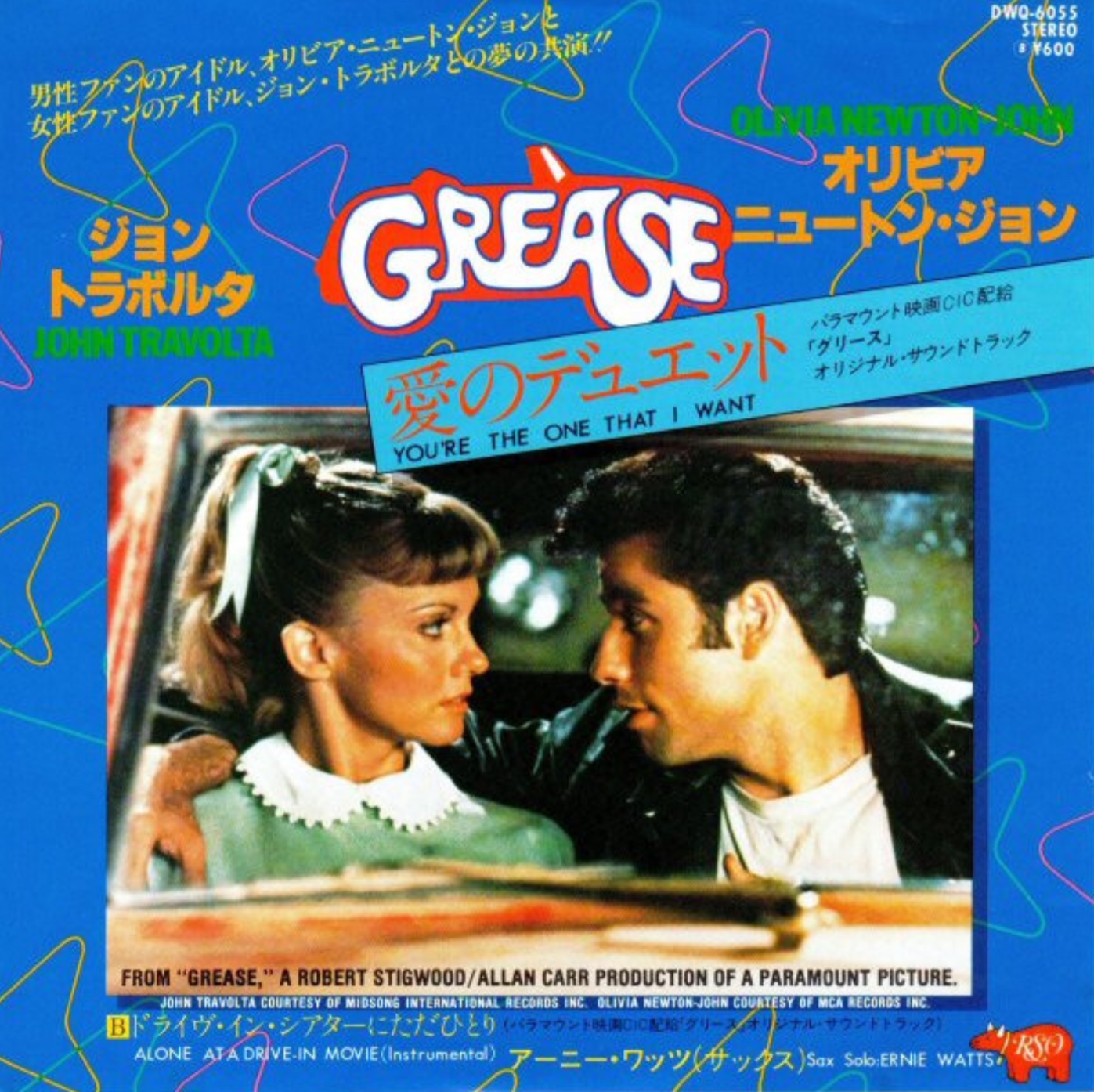
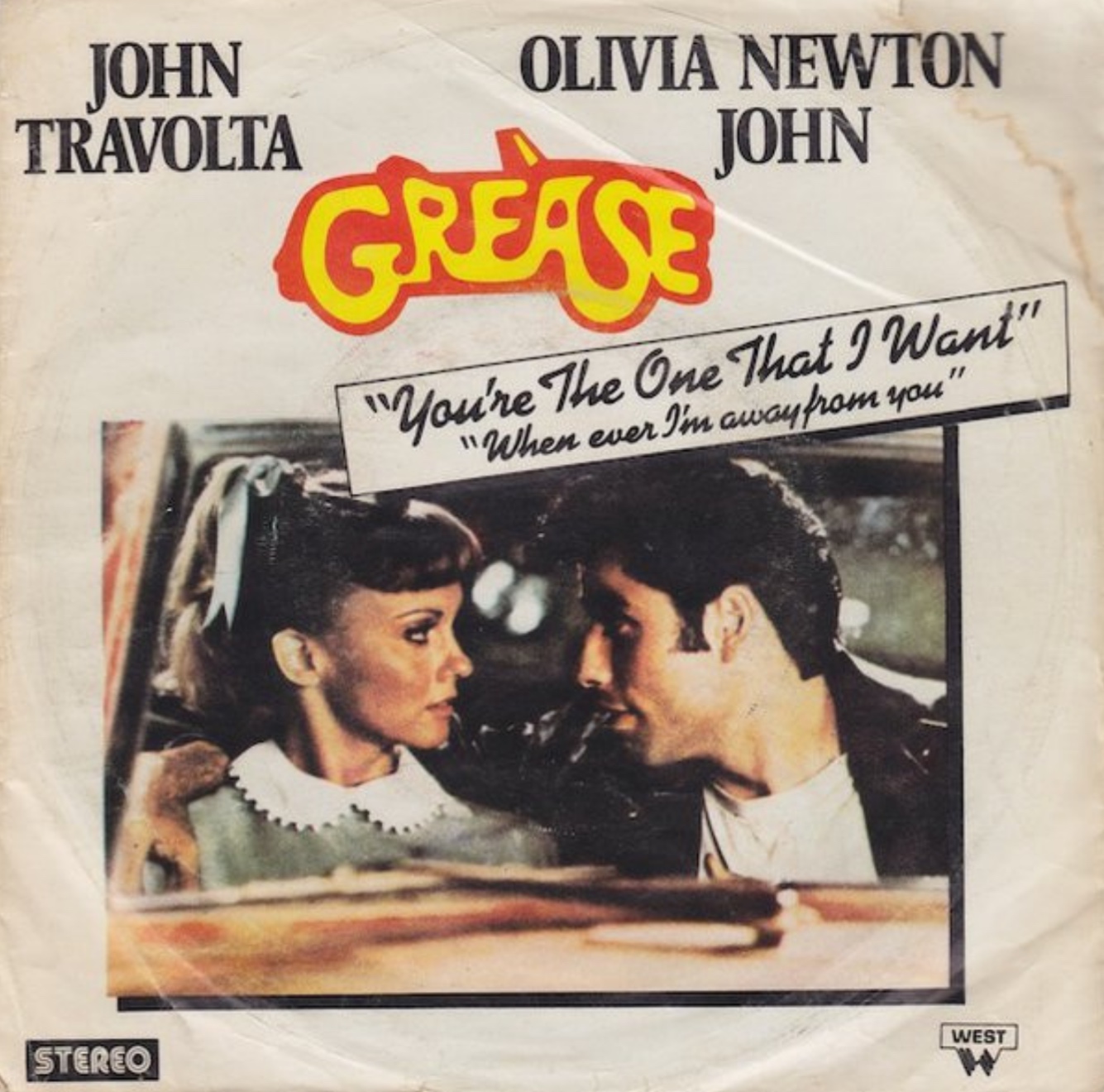
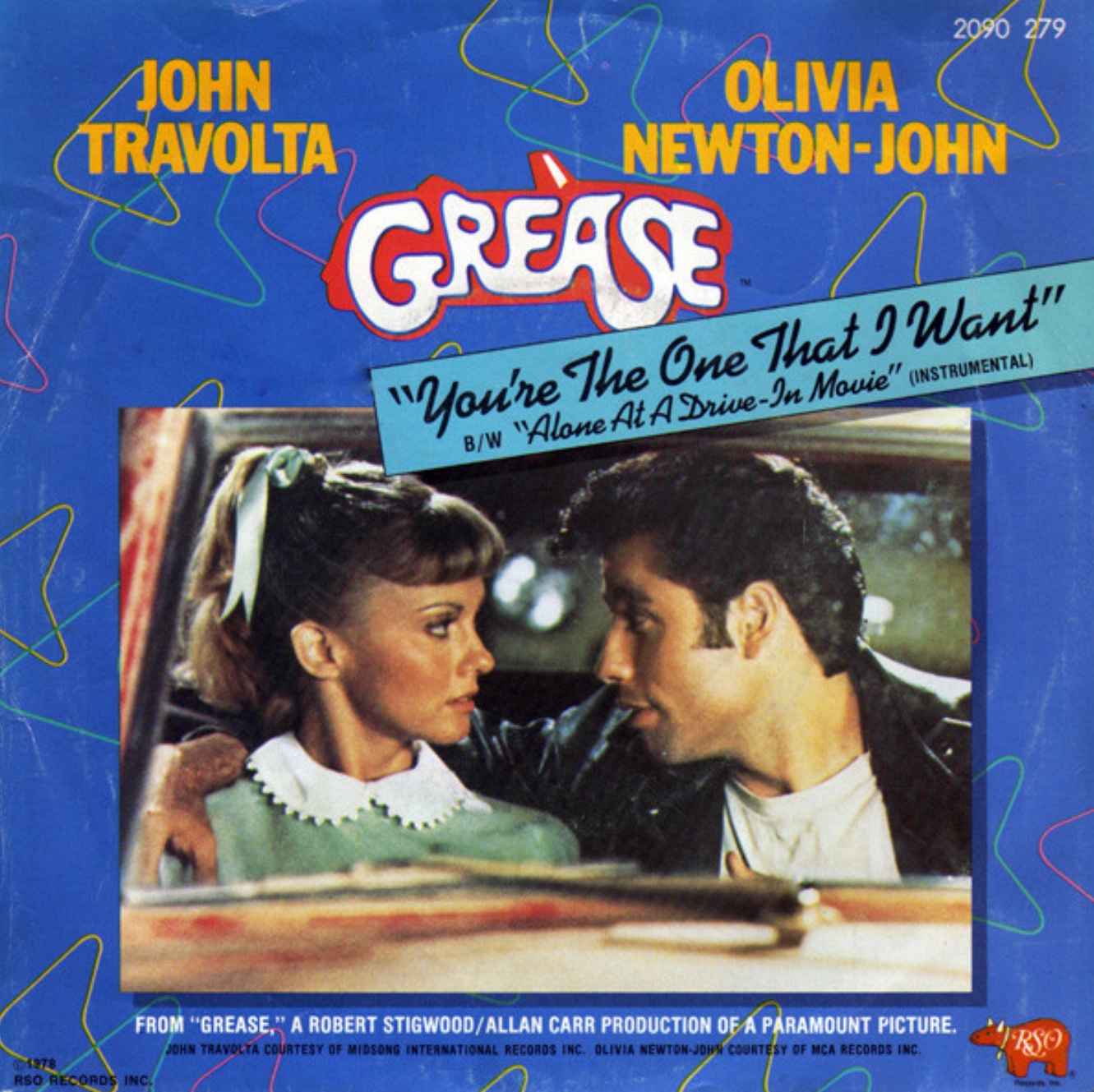
JOHN TRAVOLTA & OLIVIA NEWTON-JOHN  - YOU’RE THE ONE THAT I WANT


Estrena: 17 de maig de 1978

Llistes: Regne Unit: #1 (9 setmanes)  EUA: #1 (1 setmana)


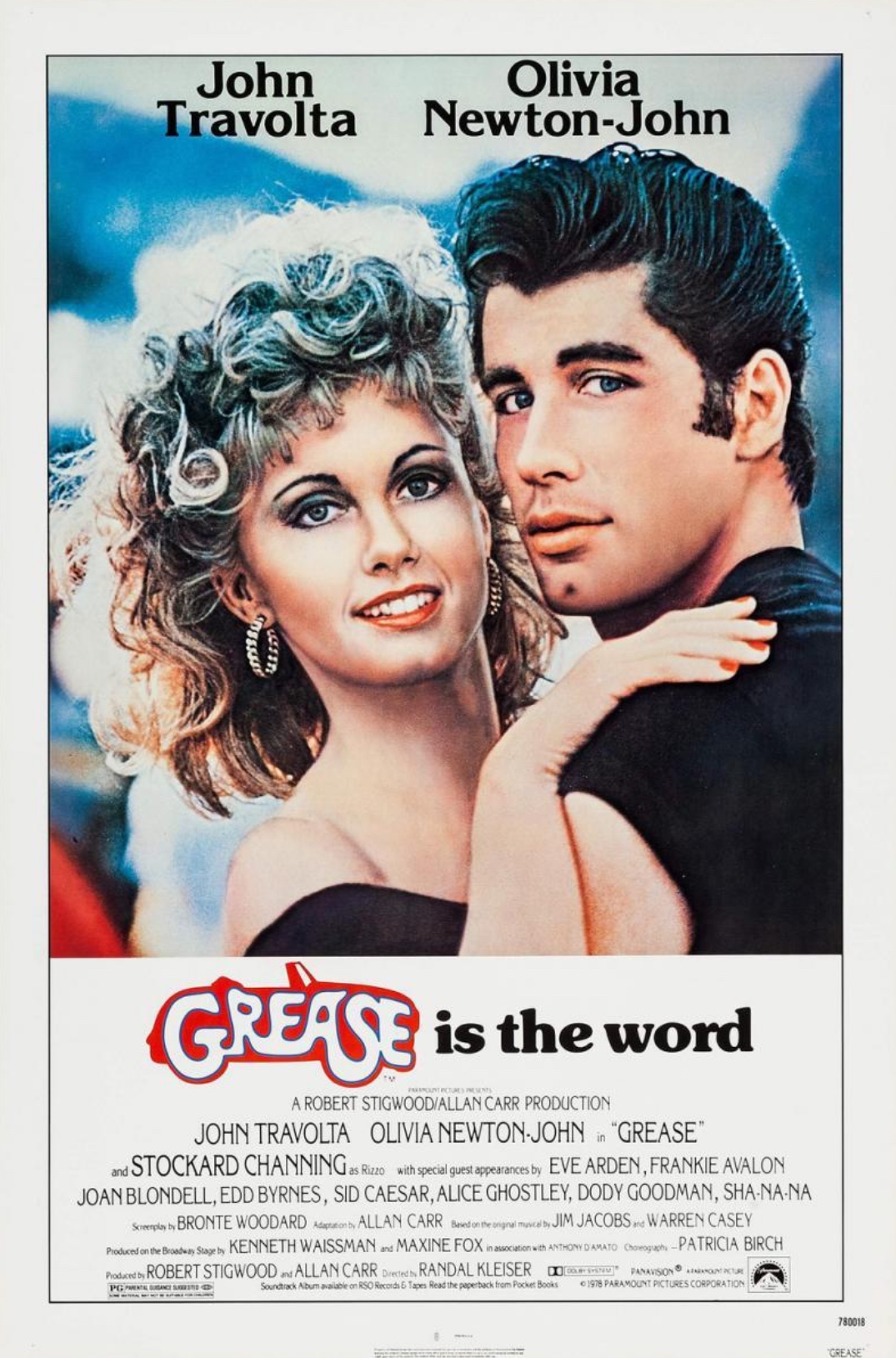
"You're the One That I Want” és una de les cançons més icòniques de la pel·lícula musical Grease. Publicada el 1978 com el segon senzill de la banda sonora, la cançó va ser interpretada per John Travolta i Olivia Newton-John. Escrita i produïda per John Farrar, la pista va esdevenir un enorme èxit comercial, amb més de 4 milions de còpies venudes només als Estats Units i al Regne Unit. Amb estimacions de més de 15 milions de còpies venudes a tot el món, "You're the One That I Want" continua sent un dels senzills més venuts de la història fins a la data.


"You're the One That I Want" és un moment cabdal a la pel·lícula Grease, que serveix com a final on el personatge de John Travolta, Danny, i el de Olivia Newton-John, Sandy, expressen el seu amor malgrat les pressions socials de l'institut. A diferència del musical original de l'escenari, la cançó va ser escrita específicament per a l'adaptació cinematogràfica de Grease. El seu llançament com a senzill abans que la pel·lícula arribés als cinemes va contribuir al seu èxit notable, arribant al número u de les llistes el 10 de juny de 1978, just uns dies abans de l'estrena de la pel·lícula el 16 de juny.


La filmació de l'escena de la fira amb John Travolta i Olivia Newton-John canten "You're the One That I Want" va ser un procés complicat, que va ocupar la major part del dia. El vestuari ajustat a la pell d'Olivia Newton-John per a l'escena va suposar un repte, restringint el seu moviment i la seva comoditat durant tota la filmació. Newton-John va recordar les dificultats, mencionant la calor del dia i la naturalesa restrictiva del seu vestit. A més, no se li permetia beure aigua perquè requeria que utilitzés el lavabo, i donat que estava cosida dins del vestit, hauria estat laboriós de treure i tornar a posar.


La implicació de John Farrar en la composiciò i la producció de "You're The One That I Want" va proporcionar una sensació de familiaritat i comoditat per a Olivia Newton-John, que estava preocupada pel seu paper a la pel·lícula. Newton-John havia treballat amb Farrar en molts dels seus èxits anteriors, i la seva presència va ajudar a alleujar les seves preocupacions sobre la seva aparició a Grease.


La parella d'Olivia Newton-John i John Travolta a Grease era una mica desconcertant. Newton-John, una estrella mundial establerta, tenia poca experiència com a actriu i se sentia inquieta per interpretar una noia d'institut als 29 anys. D'altra banda, Travolta havia assolit la fama recentment després del seu paper protagonista a la pel·lícula de 1977, Saturday Night Fever, que el va catapultar al cim i el va convertir en una sensació de la indústria de l'entreteniment.


A la cançó "You're The One That I Want," Danny Zuko, interpretat per John Travolta, és el líder dels T-Birds i ha assolit recentment l'èxit en una cursa automobilística. Pretén reconciliar-se amb la seva antiga nòvia, Sandy Olsson, interpretada per Olivia Newton-John. Sense que Danny ho sàpiga, Sandy experimenta una transformació, deixant enrere la seva personalitat puritana per abraçar la cultura dels greasers rebels a l'institut. Quan Danny es troba amb la nova Sandy, expressa una gran sorpresa i excitació. Sandy, al seu torn, desafia Danny a "millorar" i demostrar-se capaç de tractar-la amb el respecte i la consideració que es mereix.


JOHN TRAVOLTA & OLIVIA NEWTON-JOHN  - YOU’RE THE ONE THAT I WANT


Released: May 17, 1978

Charted:  UK: #1 (9 weeks)   US: #1 (1 week) 


"You're the One That I Want" is one of the most iconic songs from the musical film Grease. Released in 1978 as the second single from the Grease soundtrack, the song was performed by John Travolta and Olivia Newton-John. Written and produced by John Farrar, the track became a massive commercial success, selling over 4 million copies in the United States and the United Kingdom alone. With estimates of more than 15 million copies sold worldwide, "You're the One That I Want" remains one of the best-selling singles in history to date.


"You're The One That I Want" is a pivotal moment in the movie Grease, serving as the finale where John Travolta's character, Danny, and Olivia Newton-John's character, Sandy, express their love for each other despite the social pressures of high school. Unlike the original stage musical, the song was specifically written for the film adaptation of Grease. Its release as a single before the movie hit theaters contributed to its remarkable success, reaching the number one spot on the charts on June 10, 1978, just days before the movie's release on June 16.


The filming of the fairground scene featuring John Travolta and Olivia Newton-John singing "You're The One That I Want" was an extensive process, spanning the better part of a day. Olivia Newton-John's skin-tight costume for the scene posed challenges, restricting her movement and comfort throughout filming. Newton-John recalled the difficulties, mentioning the heat of the day and the restrictive nature of her outfit. Additionally, she wasn't permitted to drink water because it would require her to use the restroom, and given that she was sewn into the costume, it would have been time-consuming to remove and reapply.


John Farrar's involvement in writing and producing "You're The One That I Want" provided a sense of familiarity and comfort for Olivia Newton-John, who was apprehensive about her role in the film. Newton-John had worked with Farrar on many of her previous hits, and his presence helped alleviate her concerns about appearing in Grease. 


The pairing of Olivia Newton-John and John Travolta in Grease was intriguing. Newton-John, an established global singing star, had limited acting experience and felt uneasy about portraying a high-school girl at the age of 29. On the other hand, Travolta had recently risen to fame following his starring role in the 1977 film Saturday Night Fever, which catapulted him to stardom and made him a sensation in the entertainment industry.


In the song "You're The One That I Want," Danny Zuko, portrayed by John Travolta, is the leader of the T-Birds and has recently achieved success in cross-country running. He aims to reconcile with his estranged girlfriend, Sandy Olsson, played by Olivia Newton-John. Unbeknownst to Danny, Sandy has undergone a transformation, shedding her demure persona to embrace the rebellious greaser culture at their school. As Danny encounters Sandy's newfound confidence and transformation, he expresses pleasant surprise and arousal. Sandy, in turn, challenges Danny to "shape up" and prove himself capable of treating her with the respect and consideration she deserves. 


JOHN TRAVOLTA & OLIVIA NEWTON-JOHN  - SUMMER NIGHTS


Estrena: 25 d'agost de 1978

Llistes: Regne Unit: #1 (7 setmanes) EUA: #5 


"Summer Nights" és una cançó del musical Grease, escrita per Jim Jacobs i Warren Casey. L’icònica interpretació de la cançó va ser realitzada per l'actor i cantant nord-americà John Travolta i la cantant, compositora i actriu britànico-australiana Olivia Newton-John per a l'adaptació cinematogràfica del musical. Llançada a l'agost de 1978 com el quart senzill de l'àlbum de la banda sonora de la pel·lícula, "Summer Nights" es va convertir ràpidament en un èxit massiu a tot el món durant l'estiu de 1978.


El naixement de "Summer Nights" es remunta a un romanç d'estiu entre en Danny i la Sandy. Inicialment, Sandy creu que ha de tornar a Austràlia amb la seva família, cosa que acaba amb la seva relació. No obstant, Sandy descobreix després que la seva família romandrà als Estats Units, la qual cosa la porta a inscriure's a l'institut Rydell, on en Danny també és alumne. La cançó retrata les perspectives contrastades d'en Danny i la Sandy sobre el seu romanç d'estiu.


La versió d'en Danny, cantada als seus amics T-Birds, implica una relació més sexual i aventurera. Mentre que la versió de Sandy a les Pink Ladies descriu un encontre d'estiu dolç i innocent que només implicava agafar-se de la mà i prendre llimonada. La discrepança en les seves històries crea tensió còmica i posa de manifest les diferències en les seves personalitats. Al llarg de la pel·lícula, els intents d'en Danny per mantenir la seva façana i impressionar els seus amics obstaculitzen els seus esforços per reconnectar amb Sandy, resultant en un procés de reconciliació gradual que es desenvolupa al llarg de la història.


La banda sonora original de Grease va gaudir d'un gran èxit, estant dotze setmanes al número u a la llista Billboard 200 als Estats Units. A més, en va estar tretze al capdamunt de la llista d'àlbums britànics, consolidant-ne la popularitat i l'elogi generalitzat internacionalment.


JOHN TRAVOLTA & OLIVIA NEWTON-JOHN  - SUMMER NIGHTS


Released: August 25, 1978

Charted:  UK: #1 (7 weeks)   US: #5 


"Summer Nights" is a beloved song from the musical Grease, written by Jim Jacobs and Warren Casey. The iconic rendition of the song was performed by American actor and singer John Travolta and British-Australian singer, songwriter, and actress Olivia Newton-John for the film adaptation of the musical. Released in August 1978 as the fourth single from the movie's soundtrack album, "Summer Nights" quickly became a massive hit worldwide during the summer of 1978.


The genesis of "Summer Nights" originates from a summer romance between Danny and Sandy. Initially, Sandy believes she must return to Australia with her family, leading to the end of their relationship. However, Sandy later discovers that her family will remain in the United States, prompting her enrollment at Rydell High School, where Danny is also a student. The song portrays the contrasting perspectives of Danny and Sandy regarding their summer romance. 


Danny's version, sung to his T-Birds friends, implies a more physical and adventurous relationship. Meanwhile, Sandy's rendition to her Pink Ladies friends depicts a sweet and innocent summer encounter involving hand-holding and lemonade. The discrepancy in their stories creates comedic tension and highlights the differences in their personalities and experiences. Throughout the film, Danny's attempts to maintain his cool facade and impress his friends hinder his efforts to reconnect with Sandy, resulting in a gradual reconciliation process that unfolds over the course of the story.


The original soundtrack of Grease enjoyed immense success, spending twelve weeks at number one on the Billboard 200 chart in the United States. Additionally, it spent thirteen weeks at the top of the British Album chart, solidifying its popularity and widespread acclaim internationally.


28.1.24


THE BEATLES - TOMORROW NEVER KNOWS


Llançament: 5 d'agost de 1966


"Tomorrow Never Knows" és una cançó innovadora dels Beatles, escrita principalment per John Lennon i llançada a l'agost de 1966 com a darrera pista del seu àlbum "Revolver". Va marcar un canvi significatiu per a la banda, mostrant una investigació radical a les possibilitats de l'estudi d'enregistrament sense preocupar-se per replicar els resultats en actuacions en directe.


John Lennon va treure inspiració de les seves experiències amb LSD i del llibre de Timothy Leary "The Psychedelic Experience" en escriure "Tomorrow Never Knows". La cançó es va allunyar significativament de la música pop convencional. Incorporava elements avantguardistes, música concreta i manipulació electroacústica del so. Amb elements inspirats en la música índia, bucles de cinta i un patró de bateria distintiu, la cançó va trencar motlles. Destacablement, va introduir sons invertits, una tècnica que es va explorar més a fons en la cara B  "Rain" del seu single "Paperback Writer", llançat poc després de "Tomorrow Never Knows".


"Tomorrow Never Knows" és una gravació influent i pionera en els àmbits de la música psicodèlica i electrònica. La cançó, caracteritzada per l'ús innovador de sampling, manipulació de cinta i tècniques de producció, va trencar nous camins en aquests gèneres. Els seus temes lírics abraçaven l'expansió de la ment, l'anti-materialisme i l'espiritualitat oriental, contribuint a la inclusió d'aquests elements a la música popular. Malgrat la confusió i les burles inicials d'alguns fans i periodistes en el seu llançament, la cançó ha rebut elogis per capturar de manera efectiva l'essència de l’experiència psicodèlica.


"Tomorrow Never Knows" va prendre la delantera com a primera cançó intentada durant les sessions de "Revolver", començant el 6 d'abril de 1966 als estudis EMI (ara estudis Abbey Road). Geoff Emerick, l'enginyer d'enregistrament dels Beatles per a l'àlbum, recorda que la banda encoratjava a trencar les regles per crear sons distintius per a cada instrument. Lennon buscava evocar l'ambient d'una cerimònia budista tibetana, expressant el seu desig que la cançó imités el cant de mil monjos tibetans.


El títol "Tomorrow Never Knows" no apareix a la lletra de la cançó. John Lennon va revelar més tard que, similar a "A Hard Day's Night", el títol va ser inspirat per un dels malapropismes de Ringo Starr. Durant una entrevista a la televisió a principis de 1964, Starr va utilitzar la frase "Tomorrow never knows" mentre explicava un incident humorístic a l'Ambaixada Britànica a Washington, DC, en què algú li tallava una part del cabell.


THE BEATLES - TOMORROW NEVER KNOWS


Released: August 5, 1966


"Tomorrow Never Knows" stands as a groundbreaking track by The Beatles, written primarily by John Lennon and released in August 1966 as the final track on their album “Revolver”. It marked a significant departure for the band, showcasing a radical embrace of the recording studio's possibilities without concern for replicating the results in live performances.


John Lennon drew inspiration from his experiences with LSD and Timothy Leary's book "The Psychedelic Experience" when writing "Tomorrow Never Knows." The song departed significantly from conventional pop music. It incorporated avant-garde elements, musique concrète, and electro-acoustic sound manipulation. Featuring Indian-inspired modal elements, tape loops, and a distinctive drum pattern, the song broke new ground. Notably, it introduced reversed sounds, a technique further explored in their “Paperback Writer” B-side "Rain", released shortly after "Tomorrow Never Knows."


"Tomorrow Never Knows" stands as an influential and pioneering recording in the realms of psychedelic and electronic music. The song, characterized by innovative use of sampling, tape manipulation, and production techniques, broke new ground in these genres. Its lyrical themes embraced mind expansion, anti-materialism, and Eastern spirituality, contributing to the infusion of these elements into popular music. Despite initial confusion and ridicule from some fans and journalists upon its release, the song has since garnered praise for effectively capturing the essence of a psychedelic experience.


"Tomorrow Never Knows" took the lead as the first song attempted during the “Revolver” sessions, commencing on April 6, 1966, at EMI Studios (now Abbey Road Studios). Geoff Emerick, the Beatles' recording engineer for the album, remembered that the band encouraged breaking the rules to create distinct sounds for each instrument. Lennon aimed to evoke the ambiance of a Tibetan Buddhist ceremony, expressing his desire for the song to emulate the chanting of a thousand Tibetan monks.


The intriguing title "Tomorrow Never Knows" doesn't make an appearance in the song's lyrics. John Lennon later disclosed that, similar to "A Hard Day's Night," the title was inspired by one of Ringo Starr's malapropisms. During a television interview in early 1964, Starr used the phrase "Tomorrow never knows" while recounting a humorous incident at the British Embassy in Washington, DC, involving someone cutting off a portion of his hair.


THE BEATLES - TAXMAN


Llançament: 5 d'agost de 1966


"Taxman" és una cançó escrita per George Harrison amb la col·laboració de John Lennon. La cançó serveix com a protesta contra els alts tipus d'impostos progressius imposats pel govern laborista al Regne Unit. En aquest moment, els Beatles pagaven més del 90% dels seus guanys a la Hisenda. "Taxman" té una significació especial com a primera cançó de l'àlbum i mostra el creixent paper de George Harrison com a compositor al costat de l'establerta associació Lennon–McCartney. Aquesta cançó marca la primera incursió dels Beatles en temes polítics i socials a través de la seva música.


La gravació de "Taxman" va començar l’abril de 1966, després que els Beatles prenguessin consciència de les seves creixents obligacions fiscals i de l'oposició manifesta de George Harrison a l'ús dels seus ingressos pel govern amb fins militars. La cançó, influenciada per la música soul/R&B dels anys 60, retrata el recaptador com implacable en la seva recerca de guanys i esmenta figures polítiques com Harold Wilson i Ted Heath. Destacablement, Paul McCartney contribueix amb un solo de guitarra influït per la música índia a la gravació. La cançó captura la resposta de la banda als reptes polítics i financers que enfrontaven en aquell moment.


"Taxman" va tenir un impacte significatiu en el desenvolupament de la psicodèlia britànica i del pop a l’estil mod, influïnt en gèneres posteriors com el punk rock. L'èxit de The Jam el 1980, "Start!", va prendre molts elements d'aquesta cançó. George Harrison va adaptar la lletra durant les actuacions en viu a principis de la dècada de 1990 per fer referència a líders contemporanis, mostrant la rellevància perdurable de la cançó.


THE BEATLES - TAXMAN


Released: August 5, 1966


"Taxman" is a track written by George Harrison with input from John Lennon, the song serves as a protest against the high progressive tax rates imposed by the Labour government in the United Kingdom. During this time, the Beatles were paying more than 90% of their earnings to the Treasury. "Taxman" holds significance as the opening track of the album and showcases George Harrison's growing role as a songwriter alongside the established Lennon–McCartney partnership. This song marks the Beatles' first venture into topical and political themes in their music.


The recording of "Taxman" began in April 1966, following the Beatles' awareness of their escalating tax obligations and George Harrison's outspoken opposition to the government's use of their income for military purposes. The song, influenced by 1960s soul/R&B music, depicts the taxman as relentless in his pursuit of revenue and mentions political figures such as Harold Wilson and Ted Heath. Notably, Paul McCartney contributes an Indian-influenced guitar solo to the recording. The track captures the band's response to the political and financial challenges they faced during that time.


"Taxman" had a significant impact on the development of British psychedelia and mod-style pop, influencing subsequent genres like punk rock. The Jam's 1980 hit "Start!" heavily borrowed from the song. George Harrison adapted the lyrics during live performances in the early 1990s to reference contemporary leaders, showcasing the song's enduring relevance.