Total de visualitzacions de pàgina:

31.1.24


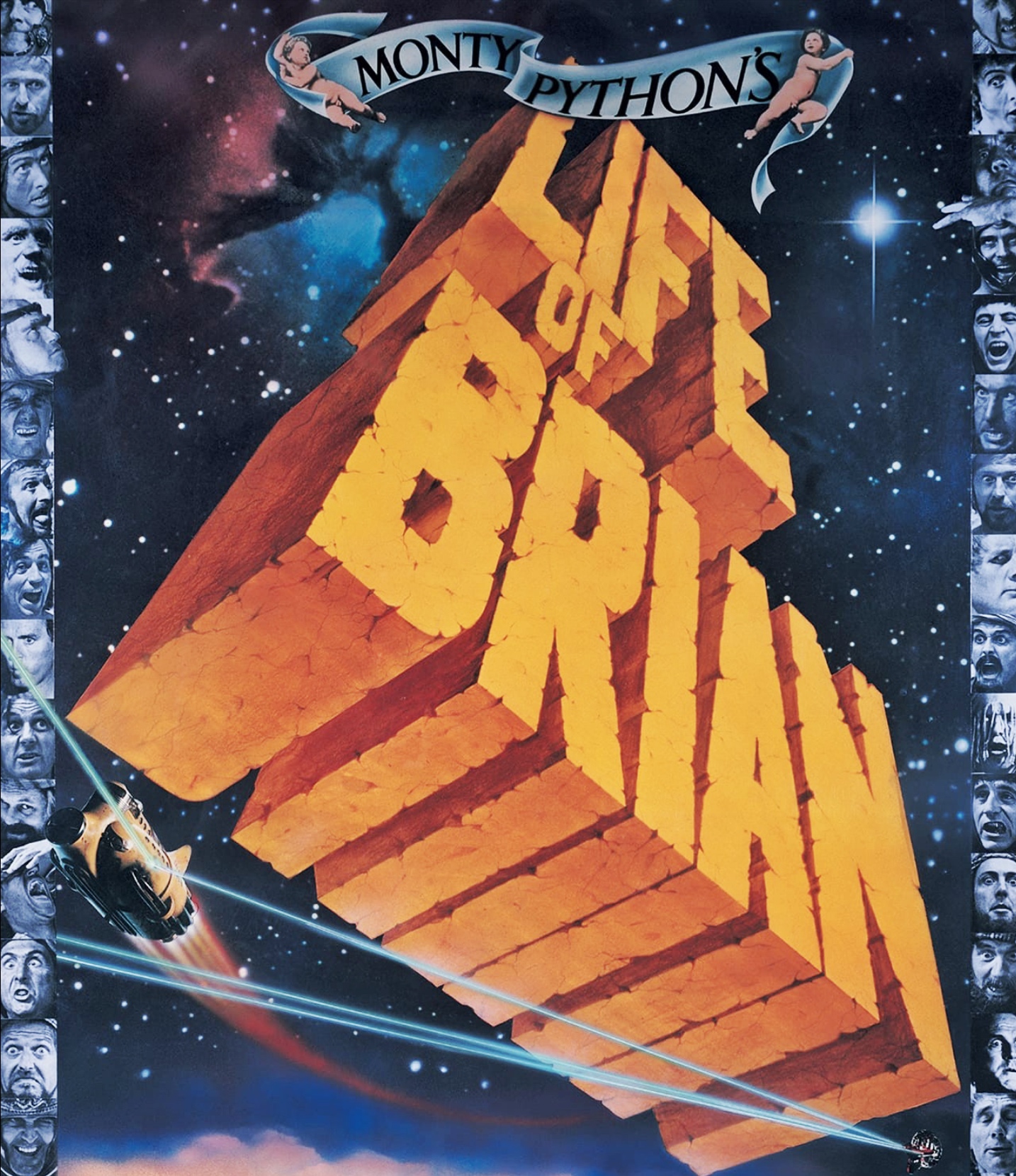
MONTY PYTHON - ALWAYS LOOK ON THE BRIGHT SIDE OF LIFE


Estrena: 16 de novembre de 1979

Llistes: Regne Unit: #3 


"Always Look on the Bright Side of Life" és una cançó escrita per Eric Idle, un membre del grup de comèdia Monty Python. Va debutar a la pel·lícula dels Monty Python "Life of Brian" i des de llavors s'ha convertit en un himne popular per cantar en diversos esdeveniments públics, inclosos partits de futbol i fins i tot funerals.


La col·locació de "Always Look on the Bright Side of Life" al final de la pel·lícula "Life of Brian" és deliberada i irònica. Mentre el protagonista Brian Cohen afronta la crucifixió, la cançó serveix com a comentari satíric i irreverent sobre la situació. Malgrat les circumstàncies tràgiques, el to alegre i optimista de la cançó juxtaposa els temes foscos de l'escena, afegint una capa d'humor i ironia. La participació d'altres víctimes de la crucifixió cantant i ballant reforça encara més l'absurditat del moment.


"Always Look on the Bright Side of Life" va experimentar un ressorgiment de popularitat a principis de la dècada de 1990, en part gràcies al locutor de BBC Radio 1, Simon Mayo, que va incloure la versió original al seu programa. La predilecció de Mayo per revifar velles cançons va contribuir a l'exposició renovada de la peça. Com a resultat, Virgin Records va reeditar la pista com a single el 23 de setembre de 1991, assolint el número 3 a la UK Singles Chart.


La tripulació del destructor britànic HMS Sheffield, que va ser impactat per un míssil de creuer Exocet de la Marina Argentina durant la Guerra de les Malvines el 4 de maig de 1982, va cantar "Always Look on the Bright Side of Life" mentre esperaven a ser rescatats del seu vaixell que s'enfonsava. De manera similar, la tripulació del HMS Coventry, un altre vaixell britànic involucrat en el conflicte, també va cantar la cançó durant la guerra. La decisió de cantar aquesta cançó enmig de circumstàncies tan difícils reflecteix l'esperit combatiu i l'humor negre dels britànics.


Quan Graham Chapman, membre del grup i personatge principal de la pel·lícula, va morir el 4 d'octubre de 1989, els cinc Pythons restants, juntament amb amics i familiars propers de Chapman, es van reunir al seu servei memorial públic. Durant el servei, van cantar "Always Look on the Bright Side of Life" com a part de l'elogi fúnebre d'Eric Idle, honorant la memòria de Chapman amb humor i calidesa.


La popularitat perdurable de la cançó es va reforçar encara més amb la seva associació amb els funerals. En una enquesta del 2005 realitzada per Music Choice, es va revelar com la tercera cançó més popular que els britànics volien que es cantés als seus funerals. Per al 2014, havia ascendit a ser la opció més popular, reflectint la seva capacitat per transmetre un missatge de resiliència i optimisme fins i tot enfront de l'adversitat. La lletra irreverent i optimista de la cançó l'han convertit en un fenomen cultural estimat i perdurable.


MONTY PYTHON - ALWAYS LOOK ON THE BRIGHT SIDE OF LIFE


Released: November 16, 1979

Charted:  UK: #3 


"Always Look on the Bright Side of Life" is a comedic song written by Eric Idle, a member of the Monty Python comedy troupe. It debuted in the Monty Python film "Life of Brian" and has since become a popular singalong anthem at various public events, including football matches and even funerals. 


The placement of "Always Look on the Bright Side of Life" at the end of the film "Life of Brian" is deliberate and ironic. As the lead character Brian Cohen faces crucifixion, the song serves as a satirical and irreverent commentary on the situation. Despite the grim circumstances, the song's upbeat and optimistic tone juxtaposes the dark themes of the scene, adding a layer of humor and irony. The participation of other crucifixion victims in singing and dancing further emphasizes the absurdity of the situation. 


"Always Look on the Bright Side of Life" experienced a resurgence in popularity during the early 1990s, thanks in part to BBC Radio 1 DJ Simon Mayo, who featured the original version on his show. Mayo's penchant for reviving old novelty songs contributed to the song's renewed exposure. As a result, Virgin Records reissued the track as a single on September 23, 1991, peaking #3 in the UK Singles Chart. 


The crew of the UK destroyer HMS Sheffield, which was struck by an Argentine Navy's Exocet cruise missile during the Falklands War on May 4, 1982, sang "Always Look on the Bright Side of Life" while waiting to be rescued from their sinking ship. Similarly, the crew of HMS Coventry, another UK vessel involved in the conflict, also sang the song during their ordeal. The choice to sing this particular song amidst such dire circumstances reflects the resilient spirit and dark humor of Britons.


When Graham Chapman, a member of the group and main character in the film, passed away on October 4, 1989, the five remaining Pythons, along with Chapman's close friends and family, gathered at his public memorial service. During the service, they sang "Always Look on the Bright Side of Life" as part of Eric Idle's eulogy, honoring Chapman's memory with humor and warmth.


The song's enduring popularity was further underscored by its association with funerals. In a 2005 survey conducted by Music Choice, it was revealed as the third-most popular song that Britons would like played at their funerals. By 2014, it had risen to become the most popular choice, reflecting its ability to convey a message of resilience and optimism even in the face of adversity. The song's irreverent and optimistic lyrics have made it a beloved and enduring cultural phenomenon. 


IRENE CARA - FAME


Estrena: maig de 1980

Llistes: Regne Unit: #1 (3 setmanes)   EUA: #4 


"Fame" és una cançó escrita per Michael Gore (música) i Dean Pitchford (lletra), llançada el 1980 com a cançó principal de la pel·lícula i sèrie de televisió Fame. Irene Cara, que va interpretar Coco Hernandez a la pel·lícula original, va ser la cantant, marcant el seu debut com a artista d'enregistrament. "Fame" va assolir èxit a les llistes de música i va guanyar tant l'Oscar a la Millor Cançó Original com el Globus d'Or el 1980.


"Fame" va capturar l'esperit dels estudiants de la High School Fiorello LaGuardia, també coneguda com a High School de Nova York per a les Arts Escèniques, com es mostra a la pel·lícula. Tot i ser una obra de ficció, la pel·lícula va retratar les aspiracions i les lluites dels estudiants que buscaven l'estrellatge a la indústria de les arts escèniques. La High School Fiorello LaGuardia compta amb una notable llista d'alumnes, entre els quals es troben Robert De Niro, Jennifer Aniston, Liza Minnelli i Nicki Minaj, entre d'altres.


Michael Gore i Dean Pitchford van col·laborar en la música i les lletres de la pel·lícula. Michael Gore, germà de la cantant Lesley Gore, va ser el supervisor musical del film. Va ser responsable de crear les cançons que capturarien l'essència de la història i les aspiracions dels estudiants de la High School de Nova York per a les Arts Escèniques. Dean Pitchford, un actor i lletrista amb formació en literatura anglesa a Yale, va treballar estretament amb Gore en el projecte. Pitchford va contribuir a diverses cançons de la pel·lícula, incloent la cançó principal "Fame", així com "I Sing the Body Electric" i "Red Light".


La inspiració de Dean Pitchford per la frase "I'm gonna live forever" a la cançó "Fame" va sorgir de la seva familiaritat amb una obra anomenada "Dylan", que retratava la vida del poeta gal·lès Dylan Thomas. A l'institut, Pitchford competia en tornejos d'eloqüència i feia interpretacions dramàtiques, sovint recitant un discurs de Dylan Thomas sobre el do que rep un poeta: viure per sempre a través de les seves obres, tot i no tenir una llarga vida.


Quan Michael Gore va tocat a Pitchford la melodia que havia compost per a la tornada de "Fame", Pitchford immediatament la va connectar amb el sentiment de fama eterna expressat en el discurs de Thomas. La frase "Fame! I'm gonna live forever" va sorgir espontàniament de la boca de Pitchford mentre escoltava la música. Gore va quedar tan impressionat per la frase que va insistir a escriure-la immediatament, per por que se li oblidés.


Les veus de fons que segueixen la paraula "remember" després de la frase "baby, remember my name" a la cançó van ser concebudes per Luther Vandross. En aquell moment, Vandross encara no era una estrella, però era molt buscat com a cantant de suport. Ell, juntament amb les cantants Vivian Cherry i Vicki Sue Robinson, van contribuir a aquest icònic arranjament vocal.


IRENE CARA - FAME 


Released: May 1980

Charted:  UK: #1 (3 weeks)   US: #4 


"Fame" is a song written by Michael Gore (music) and Dean Pitchford (lyrics), released in 1980 as the theme song for the Fame film and TV series. Irene Cara, who portrayed Coco Hernandez in the original film, performed the song, marking her debut single as a recording artist. "Fame" achieved chart success and won both the Academy Award for Best Original Song and the Golden Globe Award in 1980.


"Fame" captured the spirit of the students at Fiorello LaGuardia High School, also known as the New York City High School for the Performing Arts, as depicted in the 1980 movie of the same name. The film, although fictional, portrayed the aspirations and struggles of students aiming for stardom in the performing arts industry. Fiorello LaGuardia High School boasts a notable list of alumni, including Robert De Niro, Jennifer Aniston, Liza Minnelli, and Nicki Minaj, among others.


Michael Gore and Dean Pitchford collaborated on the music and lyrics for the film "Fame." Michael Gore, the brother of singer Lesley Gore, served as the musical supervisor for the movie. He was responsible for crafting the songs that would capture the essence of the story and the aspirations of the students at the New York City High School for the Performing Arts. Dean Pitchford, an actor and lyricist with a background in English literature from Yale, worked closely with Gore on the project. Pitchford contributed to several songs for the film, including the title track "Fame," as well as "I Sing the Body Electric" and "Red Light."


Dean Pitchford's inspiration for the line "I'm gonna live forever" in the song "Fame" stemmed from his familiarity with a play called "Dylan," which depicted the life of the Welsh poet, Dylan Thomas. In high school, Pitchford competed in speech tournaments and performed dramatic interpretations, often reciting a speech from Dylan Thomas about the gift a poet receives: to live forever through their works, despite not having a long life.


When Michael Gore played Pitchford the melody he had composed for the chorus of "Fame," Pitchford immediately connected it with the sentiment of eternal fame expressed in Thomas's speech. The line "Fame! I'm gonna live forever" spontaneously emerged from Pitchford's mouth as he listened to the melody. Gore was so struck by the line that he insisted on writing it down immediately, fearing he might forget it.


The distinctive background vocals that trail out the word "remember" after the line "baby, remember my name" in the song "Fame" were conceived by Luther Vandross. At the time, Vandross was not yet a solo star but was highly sought after as a backup vocalist. He, along with backup singers Vivian Cherry and Vicki Sue Robinson, contributed to this iconic vocal arrangement.


30.1.24


SIMPLE MINDS - DON’T YOU (FORGET ABOUT ME)


Publicació: 20 de febrer de 1985 (EUA) 8 d'abril de 1985 (Regne Unit)

Llistes: Regne Unit: #7   EUA: #1 (1 setmana)


"Don't You (Forget About Me)" es situa com una de les cançons més representatives dels anys 80, produïda per Keith Forsey i el guitarrista Steve Schiff. Inicialment escrita per a Simple Minds, la cançó va trobar el seu lloc com l'himne icònic de la pel·lícula de 1985 "The Breakfast Club", dirigida per John Hughes. La pel·lícula, un relat de creixement protagonitzat per membres del "Brat Pack" com Ally Sheedy, Molly Ringwald i Judd Nelson, es va convertir en una referència cultural de la seva època. La tornada memorable de la cançó i la melodia optimista van capturar l'essència dels temes de la pel·lícula sobre l'angoixa adolescent, la rebel·lió i la camaraderia, ressonant profundament amb el públic mundial.


La primera opció de Keith Forsey per enregistrar "Don't You (Forget About Me)" va ser Bryan Ferry de Roxy Music, però Ferry va declinar l'oportunitat. Forsey es va girar llavors cap a Simple Minds, una banda escocesa que guanyava popularitat al Regne Unit però que lluitava per entrar als Estats Units a causa de la manca de promoció de la seva discogràfica, A&M. Malgrat la reluctància inicial de la banda, finalment van acordar enregistrar la cançó després de reunir-se amb el director John Hughes, i veure una projecció de la pel·lícula. La persuasió de Forsey durant una visita a Escòcia també va jugar un paper en convèncer Simple Minds de donar una oportunitat a la cançó, conduint al seu exitós enregistrament en un estudi de Londres en només unes poques hores.


El procés d'enregistrament de "Don't You (Forget About Me)" es va revelar com una experiència transformadora per a Simple Minds. Malgrat les reserves inicials sobre enregistrar una cançó que no havien escrit, una vegada van entrar a l'estudi, la seva energia creativa es va encendre. El riff memorable del guitarrista principal, Charlie Burchill, va marcar el to, mentre que el "hey, hey, hey, hey" espontani de Jim Kerr va afegir un element dinàmic a l'introducció.


El èxit de "Don't You (Forget About Me)" va marcar un moment crucial per a Simple Minds, impulsant-los al mainstream americà i presentant la seva música a un públic més ampli a través de MTV. Després d'haver passat anys perfeccionant el seu ofici i treballant incansablement per establir-se, Simple Minds van trobar surrealista assolir un èxit tan immens amb una cançó que no havien escrit i van enregistrar en només unes poques hores. Van lluitar amb sentiments de falta de valua, qüestionant si realment es mereixien l'elogi i el reconeixement que van venir amb l'èxit arribant al capdamunt de les llistes. Les reflexions de Jim Kerr sobre el seu èxit fan ressò d'un sentiment d'humilitat i gratitud, reconeixent les contribucions de tots aquells que van recolzar i van creure en el potencial de la cançó.


El títol "Don't You (Forget About Me)" troba les seves arrels en un moment de la pel·lícula "The Breakfast Club". Mentre cinc estudiants de secundària, cadascun representant un espectre divers de personalitats, passen un dissabte en detenció, lluiten amb les seves identitats individuals i les expectatives socials. Al llarg del dia, forgen connexions inesperades i s'afronten a les seves preconcepcions sobre els uns i els altres. El diàleg captura l'essència del tema central de la pel·lícula: la lluita per alliberar-se d'etiquetes i expectatives socials mentre es navega per les complexitats de l'adolescència.


SIMPLE MINDS - DON’T YOU (FORGET ABOUT ME)


Released: February 20, 1985 (US)  April 8, 1985 (UK)

Charted:  UK: #7  US: #1 (1 week) 


"Don't You (Forget About Me)" stands as one of the quintessential tracks from the 1980s, produced by Keith Forsey and guitarist Steve Schiff. Initially penned for Simple Minds, the song found its place as the iconic anthem of the 1985 film "The Breakfast Club," directed by John Hughes. The movie, a coming-of-age tale featuring members of the "Brat Pack" such as Ally Sheedy, Molly Ringwald, and Judd Nelson, became a cultural touchstone of its era. The track's memorable chorus and uplifting melody captured the essence of the film's themes of teenage angst, rebellion, and camaraderie, resonating deeply with audiences worldwide.


Keith Forsey's initial choice for recording "Don't You (Forget About Me)" was Bryan Ferry of Roxy Music, but Ferry declined the opportunity. Forsey then turned to Simple Minds, a Scottish band gaining popularity in the UK but struggling in the US due to a lack of promotion from their record label, A&M. Despite initial reluctance from the band, they eventually agreed to record the song after meeting with The Breakfast Club director John Hughes and watching a screening of the film. Forsey's persuasion during a visit to Scotland also played a role in convincing Simple Minds to give the song a chance, leading to its successful recording in a London studio in just a few hours.


The recording process for "Don't You (Forget About Me)" proved to be a transformative experience for Simple Minds. Despite initial reservations about recording a song they didn't write, once they entered the studio, their creative energy ignited. Lead guitarist Charlie Burchill's memorable riff set the tone, while Jim Kerr's spontaneous "hey, hey, hey, hey" added a dynamic element to the intro.


The success of "Don't You (Forget About Me)" marked a pivotal moment for Simple Minds, propelling them into the American mainstream and introducing their music to a wider audience through MTV. Having spent years honing their craft and tirelessly working to establish themselves, Simple Minds found it surreal to achieve such immense success with a song they didn't write and recorded in just a few hours. They wrestled with feelings of unworthiness, questioning whether they truly deserved the acclaim and recognition that came with the chart-topping hit. Jim Kerr's reflections on their success echo a sense of humility and gratitude, acknowledging the contributions of those who supported and believed in the song's potential.


The title "Don't You (Forget About Me)" finds its roots in a moment from the film "The Breakfast Club." As five high school students, each representing a diverse spectrum of personalities, spend a Saturday in detention, they grapple with their individual identities and societal expectations. Throughout the day, they forge unexpected connections and confront their preconceived notions about one another. The dialogue captures the essence of the film's central theme: the struggle to break free from societal labels and expectations while navigating the complexities of adolescence.


BILLY OCEAN - WHEN THE GOING GETS TOUGH, THE TOUGH GET GOING


Publicació: 15 novembre 1985

Llistat: Regne Unit: #1 (4 setmanes) EUA: #2 


"When the Going Gets Tough, the Tough Get Going" és la cançó principal de la pel·lícula d'aventures de 1985 "The Jewel Of The Nile". Coescrita i enregistrada originalment pel cantant anglès Billy Ocean, la cançó pren inspiració d'una frase de diàleg de la pel·lícula. El ritme contagiant i la lletra inspiradora de la cançó subratllen el tema aventurer de la pel·lícula, afegint profunditat a la narrativa i millorant la seva experiència cinematogràfica.


"When the going gets tough, the tough... I don't know what the tough do” (Quan la cosa es posa dura, els durs... no sé què fan els durs). Aquesta frase icònica de la pel·lícula "The Jewel Of The Nile", pronunciada per Joan a Jack, captura l'essència de fer front als reptes de manera directa. Billy Ocean va incorporar magistralment aquesta frase a la seva cançó, infonent-la amb temes de coratge i resistència. L’èxit de la cançó va reflectir la popularitat de la pel·lícula, arribant al capdavant de les llistes al Regne Unit i causant un impacte significatiu als Estats Units, on va arribar al número 2.


La seqüela de "Romancing The Stone" (Tras el corazón verde, en castellà), titulada "The Jewel Of The Nile", va aprendre de l'oportunitat musical perduda de la seva predecessora. Mentre que la cançó principal de "Romancing The Stone" d’Eddy Grant va ser gairebé no utilitzada a la pel·lícula i es va llançar fora del context de la mateixa, "When The Going Gets Tough, The Tough Get Going" va rebre un tractament diferent. L'estudi va promocionar la cançó juntament amb la pel·lícula i la va incloure a la banda sonora, que també incloïa pistes com "Freaks Come Out At Night" de Whodini.


En un moviment estratègic, el videoclip no només incloïa escenes de la pel·lícula, sinó que també en mostrava els tres protagonistes - Michael Douglas, Kathleen Turner i Danny DeVito - com a cantants de suport a Billy Ocean durant les seqüències de la interpretació. No obstant això, és important assenyalar que ells no van proporcionar les veus per a la cançó; es van contractar cantants professionals de suport per a aquest propòsit. A més, Danny DeVito va imitar que tocava el saxo en el vídeo, mentre que la part de saxòfon va ser interpretada realment per Jeff Smith. Aquest enfocament va ajudar a integrar la cançó amb la narrativa de la pel·lícula, afegint diversió i energia a les imatges, millorant-ne l'impacte i assegurant-se que ressonés entre el públic.


BILLY OCEAN - WHEN THE GOING GETS TOUGH, THE TOUGH GET GOING


Released:  November 15, 1985

Charted:  UK: #1 (4 weeks)  US: #2 


"When the Going Gets Tough, the Tough Get Going" serves as the theme song for the 1985 adventure film "The Jewel Of The Nile." Co-written and originally recorded by English singer Billy Ocean, the song draws inspiration from a line of dialogue in the movie. The track's infectious rhythm and uplifting lyrics underscore the film's adventurous theme, adding depth to the narrative and enhancing its cinematic experience. 


"When the going gets tough, the tough... I don't know what the tough do." This iconic line from the film "The Jewel Of The Nile", spoken by Joan to Jack, captures the essence of facing challenges head-on. Billy Ocean masterfully incorporated this phrase into his song, "When the Going Gets Tough, the Tough Get Going," infusing it with themes of courage and resilience. The track's success mirrored the film's popularity, climbing to the top of the charts in the UK and making a significant impact in the US, where it reached #2. 


The sequel to "Romancing The Stone," titled "The Jewel Of The Nile", learned from its predecessor's missed musical opportunity. While the theme song for "Romancing The Stone" by Eddy Grant was barely used in the movie and released out of context from the film, "When The Going Gets Tough, The Tough Get Going" received a different treatment. The studio promoted the song along with the film and included it on the soundtrack, which also featured tracks like Whodini's "Freaks Come Out At Night". 


In a strategic move, the music video not only included scenes from the film but also showcased the three stars of the movie - Michael Douglas, Kathleen Turner, and Danny DeVito - as backup singers to Billy Ocean during performance footage. However, it's important to note that they didn't actually provide the vocals for the song; professional backup singers were enlisted for that purpose. Additionally, Danny DeVito mimed playing the saxophone in the video, while the saxophone part was actually performed by Jeff Smith. This approach helped integrate the song with the film's narrative, adding fun and energy to the visuals, enhancing its impact and ensuring it resonated with audiences.