Total de visualitzacions de pàgina:

10.3.24


BLONDIE - FOR YOUR EYES ONLY


Publicació: 24 de maig de 1982

Àlbum: The Hunter


"For Your Eyes Only", escrita per Debbie Harry i Chris Stein, estava inicialment destinada per a la pel·lícula de James Bond de 1981 amb el mateix nom. No obstant, els productors de la pel·lícula van acabar triant una pista composda per Bill Conti i Michael Leeson com a cançó principal. Quan Blondie van declinar gravar aquesta cançó, es va oferir i es va enregistrar per Sheena Easton. "For Your Eyes Only" de Blondie va ser llançada més tard al seu àlbum "The Hunter".


La possible col·laboració entre Blondie i la franquícia de James Bond per a la cançó principal de "For Your Eyes Only" va mostrar un interès mutu en explorar noves direccions. Blondie, en el seu apogeu de fama amb una sèrie d'èxits, representava una barreja d'humor, enginy i intel·ligència que lligava amb el to evolutiu de la sèrie de l’agent James Bond en aquell moment.


La visió del director John Glen d'una pel·lícula de Bond més fosca i orientada al thriller es va alinear bé amb l'estil i les sensibilitats de Blondie. Però tot i ser considerats per a interpretar el tema de la pel·lícula, Blondie van insistir en escriure la seva pròpia versió de la cançó en lloc de simplement cantar en una pista de tercers. Finalment, els productors de la franquícia Bond van optar perquè Sheena Easton interpretés la cançó.


"For Your Eyes Only" de Blondie desprèn un encant irresistible, combinant sintetitzadors sensuals i ganchos contagiosos amb una lletra plena de temptació i seducció. La cançó es desplega suavement sobre una instrumentalització melancòlica, preparant l'escenari perquè la veu de Debbie Harry teixeixi una història de desig i secrets, anhelant la intimitat per buscar moments compartits. A mesura que la cançó es va desenvolupant la repetició hipnòtica del títol atrau profundament als oients amb el seu magnetisme, creant una atmosfera irresistible d'intriga i desig.


La decisió de Blondie de llançar la seva pròpia versió de "For Your Eyes Only" a l’àlbum "The Hunter" demostra el seu compromís amb la seva integritat artística. Tot i que l'àlbum va afrontar diversos desafiaments pel moment en què es trobava la banda en comparació amb els seus èxits anteriors, Blondie van captar perfectament l'essència dels temes per a les pel·lícules Bond, i tot i no ser triats per formar part de la franquícia 007, no van deixar de demostrar la seva admiració cap a ella, subratllant la seva rellevància perdurable en la cultura de la música popular. Les seves versions posteriors de "Goldfinger" i "From Russia With Love" en els seus concerts en directe, van consolidar encara més la seva connexió amb l’icònica sèrie d'espies.


BLONDIE - FOR YOUR EYES ONLY


Released: May 24, 1982

Album: The Hunter


"For Your Eyes Only", written by Debbie Harry and Chris Stein was initially intended for the 1981 James Bond film of the same name. However, the producers of the movie ultimately chose a track composed by Bill Conti and Michael Leeson for the film's theme song. When Blondie declined to record this song, it was offered to and recorded by Sheena Easton. "For Your Eyes Only" was later released on their album "The Hunter" instead. 


The potential collaboration between Blondie and the James Bond franchise for the theme song of "For Your Eyes Only" showcased a mutual interest in exploring new directions. Blondie, at the peak of their fame with a string of hit singles, represented a blend of humor, wit, and intelligence that resonated with the evolving tone of the Bond series.


Director John Glen's vision for a grittier, more thriller-oriented Bond film aligned well with Blondie's style and sensibilities. However, despite being briefly considered to deliver the movie theme, Blondie insisted on writing and performing their own version of the song rather than simply singing on someone else's track. Ultimately, the Bond producers opted for Sheena Easton to perform the title track. 


Blondie's "For Your Eyes Only" oozes irresistible charm, combining sensual synths and infectious hooks with lyrics full of temptation and seduction. The song unfolds gently over a moody instrumental, setting the stage for Debbie Harry's voice to weave a story of longing and secret, longing for intimacy and shared moments. As the chorus builds, the hypnotic repetition of the song title draws listeners in deeply with its magnetic pull, creating an irresistible atmosphere of intrigue and desire.


Blondie's decision to release their own version of "For Your Eyes Only" on their album "The Hunter" demonstrated their commitment to their artistic integrity and vision. Although the album faced challenges in comparison to their previous successes, Blondie's understanding of the essence of a Bond theme and their continued appreciation for the 007 franchise underscored their enduring relevance in popular music culture. Their subsequent covers of “Goldfinger” and “From Russia With Love” in their live shows, further solidified their connection to the iconic spy series.


BLONDIE - RIP HER TO SHREDS


Estrena: novembre de 1977

Àlbum: Blondie


"Rip Her to Shreds" és una cançó destacable de Blondie del seu àlbum debut homònim. Tot i que no va arribar a les llistes al Regne Unit en el seu llançament per Chrysalis Records a finals de 1977, va cridar l'atenció per la seva lletra àcida i provocativa. Malgrat la seva recepció inicial, "Rip Her to Shreds" segueix sent una peça notable de la discografia inicial de Blondie, oferint una visió del seu estil cru i sense topalls. A la cara B del single es van incorporar els seus dos senzills inicials, "In the Flesh" i "X Offender".


"Rip Her to Shreds" serveix com a crítica mordaç sobre el tractament de les dones als mitjans de comunicació i ofereix una visió de l'ambient crú i amenaçador de l'escena musical de Nova York en aquella època. Tot i que la cançó sovint s'associa a Nancy Spungen, la nòvia de Sid Vicious de The Sex Pistols, Debbie Harry, va aclarir en una entrevista a la BBC Radio que la cançó no parla només de Spungen, sinó que és una representació de les dones que habitaven l’escena musical en aquell moment. Harry va explicar que "Rip Her to Shreds" és un retrat de les dones que van ser sotmeses a la intromissió dels mitjans de comunicació i les columnes de xafarderies, incloent-s’hi ella mateixa.


Com a estratègia promocional, es va fer un llançament de "Rip Her to Shreds" com a maxi-single, una relativa raritat en aquell moment, augmentant l'atractiu de la cançó i ajudant a consolidar la presència emergent de Blondie en l'escena musical. La promoció també va incloure un cartell famós amb el lema: "Wouldn’t you like to rip her to shreds?" (No et agradaria esquinçar-la a trossos?). Aquesta campanya publicitària provocativa, tot i estar dissenyada per generar atenció i provocar polèmica, va rebre el rebuig de la mateixa Debbie Harry, la qual no va estar contenta amb el cartell, ja que semblava perpetuar la mateixa objectivació que la cançó intentava criticar. La naturalesa suggerent i confrontacional del lema entrava en conflicte amb la intenció de Blondie de desafiar les normes socials i abordar qüestions d’intromissió mediàtica i misogínia.


BLONDIE - RIP HER TO SHREDS


Released: November 1977

Album: Blondie


"Rip Her to Shreds" is a track by Blondie, prominently featured on their debut, self-titled album. While the song failed to chart in the UK upon its release by Chrysalis Records in late 1977, it garnered attention for its edgy and provocative lyrics. Despite its initial reception, "Rip Her to Shreds" remains a notable piece of Blondie's early discography, offering a glimpse into the band's raw and unapologetic style. The song's B-sides, "In the Flesh" and "X Offender," further complement its rebellious spirit.


"Rip Her to Shreds" serves as a scathing commentary on the treatment of women in the media and offers a glimpse into the gritty and menacing atmosphere of the New York music scene during that era. While the song is often associated with Nancy Spungen, the girlfriend of The Sex Pistols' Sid Vicious, Blondie's lead singer Debbie Harry clarified in a BBC Radio interview that the song is not solely about Spungen but rather a representation of the women who inhabited the music scene at the time. Harry explained that "Rip Her to Shreds" is a composite portrait of the women who were subjected to media intrusion and gossip columns, including herself. 


As a promotional strategy, the release of "Rip Her to Shreds" as a 12" single, a relative rarity at the time, added to the song's allure and helped solidify Blondie's emerging presence in the music scene. The promotion also included an infamous poster featuring the slogan: "Wouldn’t you like to rip her to shreds?" This provocative advertising campaign, while designed to generate attention and stir controversy, drew disdain from Debbie Harry herself. Harry was reportedly displeased with the poster, as it seemed to perpetuate the very objectification that the song sought to critique. The slogan's suggestive and confrontational nature clashed with Blondie's intention to challenge societal norms and address issues of media intrusion and misogyny.


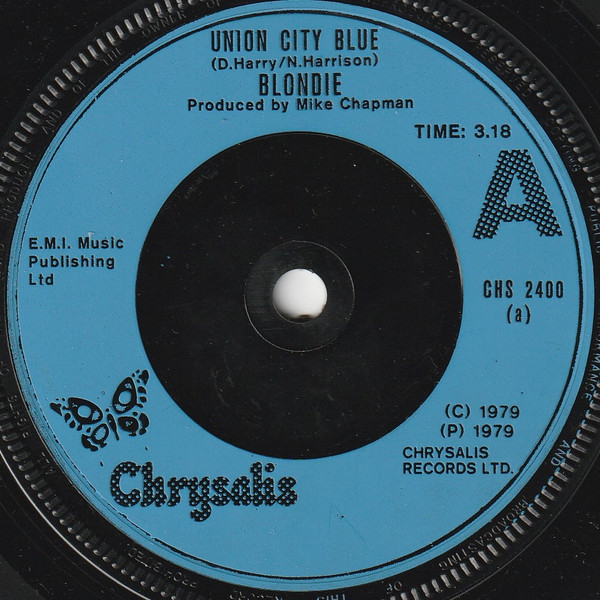
BLONDIE - UNION CITY BLUE


Estrena: 23 de novembre de 1979

Llistes: Regne Unit: #13


"Union City Blue" és una cançó de Blondie, inclosa al seu àlbum de 1979 "Eat to the Beat". Debbie Harry i Nigel Harrison la van escriure, inspirant-se en les experiències de Harry a la pel·lícula de 1980 "Union City" i en el seu passat a Nova Jersey. Tot i que el senzill no va ser llançat als Estats Units, va assolir una respectable posició número 13 a les llistes del Regne Unit.


"Union City Blue" explora els records de Debbie com a ballarina go-go a Union City, Nova Jersey, teixint la narrativa d’un romanç mític alimentat pel poder i la passió. Amb Debbie i l'aleshores baixista Nigel Harrison al capdavant creatiu, la cançó dibuixa un àmpli paisatge de dream-pop. El vídeo mostra la banda actuant als molls d’Union City, amb Debbie portant ulleres de sol amb mirall i ocasionalment tocant una guitarra, un fet gens habitual.


Debbie Harry va anomenar la cançó com "una de les cançons d'embriaguesa angleses de Nigel", destacant l’influència musical del seu company. Mentrestant, el bateria Clem Burke, va atribuir l'essència de la pista a les arrels de Nova York de la banda. Va reclamar haver compost la part de bateria, afirmant: "Generalment, jo proposo les meves parts, i a cançons com Union City o Dreaming, aquestes eren les meves parts, sí." Burke també va expressar el seu afecte per interpretar "Union City Blue" en directe, citant-la com a preferida en el seu repertori.


"Union City Blue" ha rebut elogi dels crítics per la seva evocadora representació del romanç vida-i-mort. Debra Rae Cohen de Rolling Stone va elogiar la densitat de la cançó i la seva intensitat emocional, assenyalant la seva entrega contundent similar a un encanteri. Sam Armstrong de uDiscoverMusic va lloar la pista per capturar un sentit de desig romàntic enmig del teló de fons imprevisible de la vida urbana. Far Out Magazine va aclamar "Union City Blue" com a testimoni de l'evolució del punk cap a la new wave, destacant la seva importància en marcar la transició entre dècades. "Union City Blue" mostra el talent poc reconegut de Debbie Harry com a lletreista, amb la música complementant de manera harmoniosa els temes de desig i melangia de la cançó.


BLONDIE - UNION CITY BLUE 


Released: November 23, 1979

Charted:  UK: #13 


"Union City Blue" is a song by Blondie, featured on their 1979 album Eat to the Beat. Debbie Harry and Nigel Harrison penned the song, drawing lyrical inspiration from Harry's experiences in the 1980 film Union City and her New Jersey background. While the single didn't see a release in the United States, it achieved a respectable No. 13 position on the UK charts.


"Union City Blue" delves into Debbie's reminiscences as a go-go dancer in Union City, New Jersey, weaving a narrative of mythical romance fueled by power and passion. With Debbie and then-bassist Nigel Harrison at the creative helm, the song paints an expansive dream-pop landscape. The accompanying video enriches the lyrical imagery, featuring the band performing on the Union City docks, with Debbie sporting mirrored shades and occasionally wielding a guitar—an uncommon sight.


Debbie Harry characterized the song as "one of Nigel's English drinking songs," highlighting its musical influence. Meanwhile, Blondie drummer Clem Burke attributed the track's essence to the band's New York roots. He took credit for composing the drum part, stating, "I come up with my parts generally, and things like Union City or Dreaming, those were my parts, yeah." Burke also expressed a fondness for performing "Union City Blue," citing it as a favorite in their repertoire.


"Union City Blue" has garnered acclaim from critics for its evocative portrayal of life-and-death romance. Debra Rae Cohen of Rolling Stone praised the song's density and emotional intensity, noting its forceful delivery akin to an incantation. Sam Armstrong of uDiscoverMusic lauded the track for capturing a sense of romantic yearning amid the unpredictable backdrop of urban life. Far Out Magazine hailed "Union City Blue" as a testament to the evolution of punk into new wave, highlighting its significance in marking the transition between decades. "Union City Blue" showcases Debbie Harry's underrated prowess as a lyricist, with its music seamlessly complementing the song's themes of yearning and melancholy.


BLONDIE - THE TIDE IS HIGH


Estrena: 31 d'octubre de 1980

Llistes: EUA: #1 (1 setmana)   Regne Unit: #1 (2 setmanes)


"The Tide Is High" és una cançó clàssica de rocksteady originalment escrita per John Holt i interpretada pel grup jamaicà The Paragons, amb Holt com a cantant principal. El 1980, la versió de Blondie va tornar a posar el focus en la cançó. La versió de Blondie, impregnada d'un estil reggae amb vents i cordes, va ser un èxit arreu, tant als Estats Units com al Regne Unit. Llançada com a senzill principal del seu cinquè àlbum d'estudi, "Autoamerican" (1980), la cançó va significar el tercer número u de Blondie a les llistes dels Estats Units i el cinquè al Regne Unit.


Debbie Harry i Chris Stein eren fans dels The Specials, la banda britànica de ska. El seu intent d'incorporar-los per donar suport a Debbie Harry a "The Tide Is High" mostra el seu apreci per la col·laboració i l'exploració de gèneres diversos. Tot i que The Specials van declinar l'oferta, la versió de la cançó de Blondie va acabar sent un èxit a les llistes, marcant la seva exitosa incursió en el territori del reggae. S’ha de destacar que la versió d’Eric Clapton de "I Shot The Sheriff" de Bob Marley el 1974 va suposar un fet significatiu en ser el primer artista blanc en aconseguir un número 1 amb una cançó de reggae. Abans d'això, "I Can See Clearly Now" de Johnny Nash va encapçalar les llistes el 1972, obrint pas a l’èxit del reggae en el mainstream en ser el primer número 1 d’aquest estil musical. La disposició de Blondie a experimentar amb diversos estils musicals es fa evident al llarg de la seva carrera. Inicialment coneguts com a banda de punk / new wave, van guanyar reconeixement amb actuacions en llocs emblemàtics com CBGB's a la ciutat de Nova York.


El vídeo musical comença amb tots els membres masculins de la banda dempeus a la vorera, mirant cap a dalt d'un edifici. Mentrestant, Debbie Harry apareix dins de l'edifici, situada entre un racó i una finestra que transita entre paisatges urbans i escenes submarines, afegint un element de surrealisme. A mesura que avança el vídeo, Debbie és representada sent observada per una criatura similar a Darth Vader en una pantalla, amb aigua que va entrant a la sala. Més tard, Debbie s'uneix a la resta de la banda fora de l'edifici, i fan un passeig pel carrer.


El vídeo presenta escenes addicionals, incloent-hi un llançament de coet i gent observant l’enlairament. Cap al final, la banda torna a l'estudi acompanyada de la criatura enigmàtica, que revela la seva identitat en un gir sorprenent, mostrant una màscara similar a un ànec que parodia l’icònica imatge de Vader. Una versió alternativa del vídeo ofereix un enfocament diferent, congelant la portada de l'àlbum "Autoamerican" i mostrant fotogrames de vídeos anteriors o altres cançons de Blondie.


El record de Sean Lennon del seu pare, John Lennon, gaudint de "The Tide Is High" de Blondie ofereix una mirada poètica a la seva dinàmica familiar i a les preferències musicals de John Lennon. Per a Sean, "The Tide Is High" serveix com a record dels moments preuats passats amb el seu pare, envoltats de les melodies d'artistes com Elvis i The Everly Brothers. L’imatge de John Lennon, relaxat i sense preocupacions, ballant al ritme de la cançó a la seva llar de Long Island, evoca una sensació de calidesa i nostàlgia.


BLONDIE - THE TIDE IS HIGH


Released: October 31, 1980

Charted:  US: #1 (1 week)  UK: #1 (2 weeks)


"The Tide Is High" is a classic rocksteady song originally written by John Holt and performed by the Jamaican group The Paragons, with Holt as the lead singer. In 1980, Blondie's cover version brought renewed attention to the song. Blondie's rendition, infused with a reggae style complete with horns and strings, became a chart-topping success in both the US and the UK. Released as the lead single from Blondie's fifth studio album, "Autoamerican" (1980), the song marked Blondie's third number one single on the US Billboard Hot 100 chart and their fifth in the UK.


Debbie Harry and Chris Stein's were both fans of The Specials, the British ska revival band. Their attempt to involve them in backing Debbie Harry on "The Tide Is High" showcases their appreciation for collaboration and exploration of diverse genres. While The Specials declined the offer, Blondie's rendition of the song ultimately became a chart-topping hit, marking their successful venture into reggae territory. Notably, Eric Clapton's cover of Bob Marley's "I Shot The Sheriff" in 1974 marked a significant milestone as the first white artist to achieve a #1 hit with a reggae song. Prior to that, Johnny Nash's "I Can See Clearly Now" topped the charts in 1972, paving the way for reggae's mainstream success.


Blondie's willingness to experiment with various musical styles is evident throughout their career. Initially known as a punk/new wave band, they gained recognition through performances at iconic venues like CBGB's in New York City. 


The music video opens with all the male members of the band standing on a sidewalk, gazing up at the top of a building, setting a curious tone. Meanwhile, Debbie Harry appears inside the building, positioned between a corner and a window that transitions between cityscapes and underwater scenes, adding an element of surrealism. As the video progresses, Debbie is depicted being watched by a Darth Vader-like creature on a screen, while she deals with water seeping into the room. Later, Debbie joins the rest of the band outside the building, and they embark on a stroll down the street.


The video features additional scenes, including a rocket launch and people observing the lift-off. Towards the end, the band returns to the studio accompanied by the enigmatic creature, which unveils its identity in a whimsical twist, revealing a duck-like mask parodying Vader's iconic visage. An alternate version of the video offers a unique approach, freezing on the Autoamerican album cover and showcasing freeze frames of previous or other song videos by Blondie.


Sean Lennon's recollection of his father, John Lennon, enjoying Blondie's "The Tide Is High" offers a poignant glimpse into their family dynamic and John Lennon's musical preferences. For Sean, "The Tide Is High" serves as a reminder of cherished moments spent with his father, surrounded by the timeless melodies of artists like Elvis and The Everly Brothers. The image of John Lennon, relaxed and carefree, dancing to the song in their Long Island home, evokes a sense of warmth and nostalgia.