Total de visualitzacions de pàgina:

15.3.24


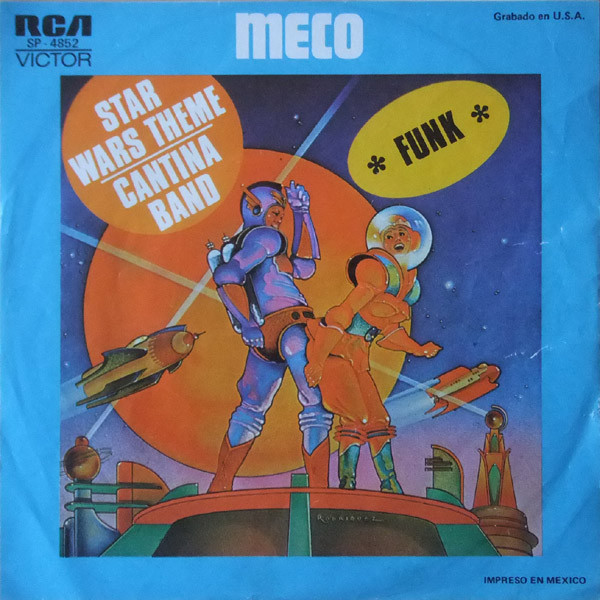
JOHN WILLIAMS / MECO - STAR WARS THEME


Versió de John Williams Publicada: 29 de juliol de 1977

Llistes: EUA: #10

Versió de Meco Publicada: Estiu de 1977

Llistes: EUA: #1 (2 setmanes)   Regne Unit: #7 


"Star Wars (Main Title)" de John Williams i la gravació de l'Orquestra Sinfònica de Londres del 1977 va aconseguir un èxit significatiu, arribant al número deu del Billboard Hot 100 i al número tretze al Canada RPM Top Singles. Mentres tant, la versió disco de Meco del "Star Wars Theme/Cantina Band" de l'àlbum "Star Wars and Other Galactic Funk" es va convertir en un èxit mundial el mateix any, arribant al número u del Billboard Hot 100 durant dues setmanes i al número set al UK Singles Chart. El single va ser certificat com a Platí per la Recording Industry Association of America, el que es tradueix en vendes de més d'un milió d'unitats.


L'entusiasme de Meco per la "main title theme" de John Williams de Star Wars el va portar a concebre un tractament disco de la música després de veure la pel·lícula diverses vegades. Tot i dubtar inicialment que la gravació de l'Orquestra Sinfònica de Londres esdevindria un èxit al Billboard, Meco va presentar la seva versió disco a Casablanca Records. El segell, reconeixent l’immensa popularitat de Star Wars, va estar d'acord amb el concepte sense ni tan sols escoltar la música prèviament. Aquesta decisió va resultar encertada ja que la versió de Meco  es va convertir en un èxit massiu, arribant al primer lloc de la llista del Billboard Hot 100, assolint també un èxit global. 


El tema musical principal de Star Wars, composat per John Williams, serveix com a leitmotiv principal per a Luke Skywalker, el protagonista central de la trilogia original de Star Wars. Els leitmotivs són motius musicals recurrents associats amb personatges específics, llocs o idees en els mitjans de comunicació. A Star Wars, altres leitmotivs destacats inclouen "The Imperial March," que sona sempre que apareixi Darth Vader o escenes relacionades amb ell, així com els temes per a Leia Organa i altres personatges i entorns. Aquests fragments musicals ajuden a millorar la narrativa i a crear connexions emocionals amb l'audiència al llarg de la saga.


La melodia de jazz interpretada per Figrin D'an i els Modal Nodes a l'escena de la Cantina de Mos Eisley s'anomena "Mad About Me". És una peça de música enganxosa que reforça l'atmosfera única de la Cantina i serveix com a cara B del single de la versió original de John Williams. La versió disco de "Star Wars Theme/Cantina Band" de Meco combina de manera intel·ligent elements del tema principal de John Williams amb "Mad About Me", creant una versió divertida i ballable reconeguda arreu.


JOHN WILLIAMS / MECO - STAR WARS THEME


John Williams version Released: July 29, 1977

Charted: US: #10 

Meco version Released: Summer 1977

Charted:  US: #1 (2 weeks)  UK: #7 


"Star Wars (Main Title)" by John Williams and the 1977 London Symphony Orchestra recording achieved significant success, reaching number ten on the Billboard Hot 100 and number thirteen in Canada RPM Top Singles. Meanwhile, Meco's disco version of "Star Wars Theme/Cantina Band" from the album "Star Wars and Other Galactic Funk" became a global hit in the same year, topping the Billboard Hot 100 for two weeks and peaking at number seven on the UK Singles Chart. The single was certified Platinum by the Recording Industry Association of America, signifying sales of over a million units.


Meco's enthusiasm for John Williams' "main title theme" from Star Wars led him to conceive a disco treatment of the music after seeing the movie multiple times. Despite initially doubting the London Symphony Orchestra's recording would become a Billboard hit (it peaked at #10), Meco pitched his disco version to Casablanca Records. The label, recognizing the immense popularity of Star Wars, agreed to the concept without even listening to the music beforehand. This decision proved fortuitous as Meco's rendition, "Star Wars Theme/Cantina Band," became a massive success, reaching the top spot on the Billboard Hot 100 chart.


The main musical theme of Star Wars, composed by John Williams, serves as the primary leitmotif for Luke Skywalker, the central protagonist of the original Star Wars trilogy. Leitmotifs are recurring musical motifs associated with specific characters, places, or ideas in media. In Star Wars, other notable leitmotifs include "The Imperial March," which plays whenever Darth Vader or scenes related to him appear, as well as themes for Leia Organa and other characters and settings. These musical snippets help to enhance the storytelling and create emotional connections with the audience throughout the saga.


The jazzy tune played by Figrin D'an and the Modal Nodes in the Mos Eisley Cantina scene is called "Mad About Me." It's a catchy and memorable piece of music that adds to the unique atmosphere of the Cantina. It serves as the B-Side for the single of John Williams original rendition. Meco's disco version of "Star Wars Theme/Cantina Band" cleverly combines elements of John Williams' main theme with "Mad About Me," creating a fun and danceable rendition that became a chart-topping hit. 


13.3.24


BILLY JOEL - YOU’RE MY HOME / SHE’S ALWAYS A WOMAN


BILLY JOEL - YOU’RE MY HOME

Publicació: 2 de novembre de 1973 (com a cara B de "Piano Man)

Llistes: EUA: #25


"Your My Home" és un single de Billy Joel, inclòs al seu àlbum de 1973 "Piano Man". La cançó mostra les lletra sincera de Joel i la seva composició melòdica, expressant sentiments d'amor, confort i pertinença. Amb el pas dels anys, "You're My Home" ha estat inclosa en diversos àlbums recopilatoris i en enregistraments en directe.


Joel va escriure aquesta cançó per a la seva primera dona, Elizabeth, com a regal de Sant Valentí perquè no es podia permetre xocolata o flors. Tot i que aquest matrimoni fa temps que va acabar, l'afecte emocional de Joel pel missatge de la cançó roman intacte. Va dir: "Això encara diu de com em sento amb algú amb qui estàs en una relació: si et sents realment còmode amb ella i estimes aquesta persona i et fa sentir com a casa, llavors ets a casa".


La resposta sincera de Billy Joel sobre la (per a ell) terrible versió de Helen Reddy de "You're My Home" revela els seus sentiments autèntics sobre certes versions de les seves cançons. Malgrat el potencial d'entrebancs legals derivats dels seus comentaris, l'humor irònic de Joel es fa evident mentre reflexiona sobre l'experiència. La seva voluntat d'admetre els aspectes menys ideals de tenir les seves cançons versionades demostra la seva autenticitat com a artista. Joel reconeix la inevitabilitat que la seva música prengui vida pròpia, fins i tot si això implica haver de patir interpretacions horroroses o que s’escolti en ascensors o llocs semblants. 


BILLY JOEL - SHE’S ALWAYS A WOMAN

Estrena: abril de 1978

Llistes: EUA: #17 Regne Unit: #53


"She's Always a Woman" és una cançó d'amor escrita per Billy Joel per a la seva esposa en aquell moment, Elizabeth Weber. La lletra parla de les complexitats de l'amor, retractant una dona amb qualitats encantadores i defectes, a qui el cantant admira profundament i estima incondicionalment. L'apel·lació perdurable de la cançó radica en la seva representació sincera de l'afecte genuí i l'acceptació dins d'una relació.


La connexió personal de Billy Joel amb "She's Always a Woman" va influir profundament en la seva presència en les seves actuacions en directe al llarg dels anys. Inicialment, era un element fix als seus concerts a finals dels anys 70, la cançó estava relacionada amb el seu matrimoni amb la seva primera esposa, Elizabeth. No obstant això, a mesura que la seva relació es va deteriorar i finalment va acabar en divorci, Joel va trobar difícil cantar la cançó autènticament.


Va compartir obertament que interpretar la cançó sovint feia que la seva ment divagués a altres llocs a causa de la desconnexió dels seus sentiments originals. En conseqüència, Joel va treure la cançó del seu repertori durant molts anys i només la va reintroduir esporàdicament entre 1980 i 2005. Durant aquest període, va trobar difícil evocar l'emoció genuïna necessària per interpretar la cançó de manera efectiva.


El 2006, Joel va decidir reintroduir "She's Always a Woman" en el seu repertori en directe. No obstant això, les seves interpretacions van adquirir un to diferent, marcat per un sentit d'ironia i reflexió sobre el passat, sovint acabant-la amb la frase: "i després ens vam divorciar".


BILLY JOEL - YOU’RE MY HOME / SHE’S ALWAYS A WOMAN


BILLY JOEL - YOU’RE MY HOME 

Released: November 2, 1973 (as the B side of “Piano Man)

Charted:  US: #25 


 "You're My Home" is a single by Billy Joel, featured on his 1973 album "Piano Man." The song showcases Joel's heartfelt lyrics and melodic composition, expressing feelings of love, comfort, and belonging. Over the years, "You're My Home" has been included on various compilation albums and live recordings. 


Joel wrote this for his first wife, Elizabeth, as a Valentine's Day present because he couldn't afford chocolate or flowers. Even though that marriage has long since ended, Joel's emotional attachment to the song's message remains intact. He told, "That's still how I feel about somebody you're in a relationship with - if you're really comfortable with them and you love that person and they make you feel like you're home, then you are home.”


Billy Joel's candid response regarding Helen Reddy's cover of his song "You're My Home" reveals his genuine feelings about certain cover versions of his music. Despite the potential for legal issues stemming from his comments, Joel's wry humor shines through as he reflects on the experience. His willingness to acknowledge the less-than-ideal aspects of having his songs covered demonstrates his authenticity as an artist. Joel recognizes the inevitability of his music taking on a life of its own, even if it means enduring less-than-ideal interpretations in elevators or elsewhere.


BILLY JOEL - SHE’S ALWAYS A WOMAN

Released: April 1978

Charted:  US: #17  UK: #53 


"She's Always a Woman" is a love song penned by Billy Joel for his then-wife, Elizabeth Weber. The lyrics celebrate the complexities of love, portraying a woman with both endearing qualities and flaws, whom the singer deeply admires and loves unconditionally. The song's enduring appeal lies in its heartfelt portrayal of genuine affection and acceptance within a relationship.


Billy Joel's personal connection to "She's Always a Woman" deeply influenced its presence in his live performances over the years. Initially a staple at his concerts in the late '70s, the song was related to his marriage to his first wife, Elizabeth. However, as their relationship deteriorated and eventually ended in divorce, Joel found it difficult to sing the song authentically.


He candidly shared that performing the song often caused his mind to wander elsewhere due to the disconnection from his original feelings. Consequently, Joel removed the song from his set list for many years and only reintroduced it sporadically between 1980 and 2005. During this period, he found it difficult to evoke the genuine emotion necessary to perform the song effectively.


In 2006, Joel made the decision to reintroduce "She's Always a Woman" into his live repertoire. However, their interpretations of the song took on a different tone, marked by a sense of irony and reflection on the past, often ending it with the sentence: "and then we got divorced.


10.3.24


JOE JACKSON - IT’S DIFFERENT FOR GIRLS


Publicat: 30 de novembre de 1979

Llistes: EUA: #101   Regne Unit: #5


"It's Different for Girls" és una cançó de Joe Jackson, inclosa al seu àlbum del 1979 "I'm the Man". Àmpliament considerada com una de les seves cançons més exitoses, "It's Different for Girls" té la distinció de ser el single de Jackson que ha assolit una millor posició a les llistes del Regne Unit. Llançada com a part de l'àlbum que va assolir el certificat d’or, "It's Different for Girls" va ser un èxit comercial significatiu al Regne Unit, i tot i que va punxar als Estats Units, la cançó va aconseguir entrar a les llistes de Billboard, arribant a la posició #101.
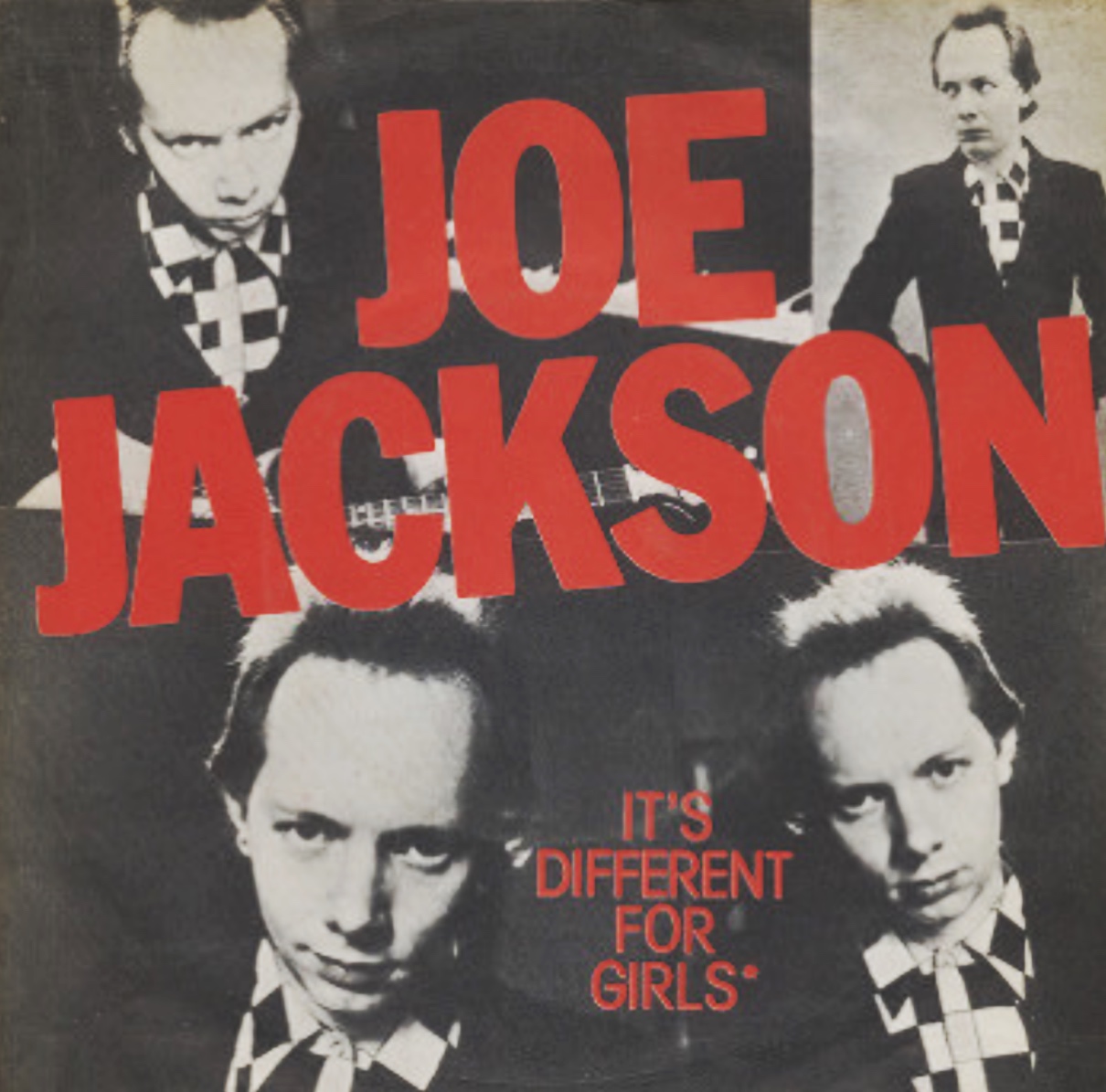

"It's Different for Girls" presenta una inversió dels rols de gènere típics en les dinàmiques romàntiques, qüestionant estereotips comuns i tòpics sobre el comportament masculí i femení en les relacions. En aquest univers alternatiu representat a la cançó, és el noi qui es presenta com a coquet i espera una connexió emocional, mentre que la noia assumeix el paper de la que busca. La inspiració de Jackson per a la cançó va sorgir en sentir una frase tòpica sobre les diferències entre homes i dones en situacions romàntiques. Intrigat pel concepte, va decidir explorar-lo més a fons girant els rols de gènere tradicionals i imaginant un escenari on les expectatives són subvertides.


La cançó s'obre amb un patró de guitarra minimalista, que marca el to de la resta de la pista. A mesura que avança la cançó, les dinàmiques canvien entre estrofes tranquiles i seccions més fermes, creant un contrast dinàmic que manté l'interès de l'oient. L'absència de teclats i la decisió de Jackson de no tocar cap instrument a la pista posa de manifest la simplicitat i l’autenticitat de l'arranjament musical. L'enfocament es manté en la interacció entre la guitarra, el baix, la bateria i les veus, permetent que la lletra i la melodia siguin el centre d'atenció.


JOE JACKSON - IT’S DIFFERENT FOR GIRLS 


Released: Nov 30, 1979

Charted:  US: #101  UK: #5 


"It's Different for Girls" is a song by Joe Jackson, featured on his 1979 album "I'm the Man". Widely regarded as one of his most successful singles, "It's Different for Girls" holds the distinction of being Jackson's highest-charting single in the UK. Released as part of the Gold-certified album "I'm the Man," "It's Different for Girls" achieved significant commercial success in the UK, while it didn't reach the same level of success in the United States, the song still managed to chart on the Billboard Hot 100, reaching position #101.


"It's Different for Girls" presents a reversal of typical gender roles in romantic dynamics, challenging common stereotypes and clichés surrounding male and female behavior in relationships. In this alternate universe depicted in the song, it's the guy who is portrayed as playing coy and seeking emotional connection, while the girl takes on the role of pursuing. Jackson's inspiration for the song stemmed from hearing a cliché phrase about the differences between men and women in romantic situations. Intrigued by the concept, he decided to explore it further by flipping the traditional gender roles and imagining a scenario where expectations are subverted.


The song opens with a minimalist guitar pattern, which sets the tone for the rest of the track. As the song progresses, the dynamics shift between quiet verses and more assertive sections, creating a dynamic contrast that keeps the listener engaged. The absence of keyboards and Jackson's decision not to play any instruments on the track highlights the simplicity and rawness of the musical arrangement. The focus remains on the interplay between the guitar, bass, drums, and vocals, allowing the lyrics and melody to take center stage.