Total de visualitzacions de pàgina:

26.3.24


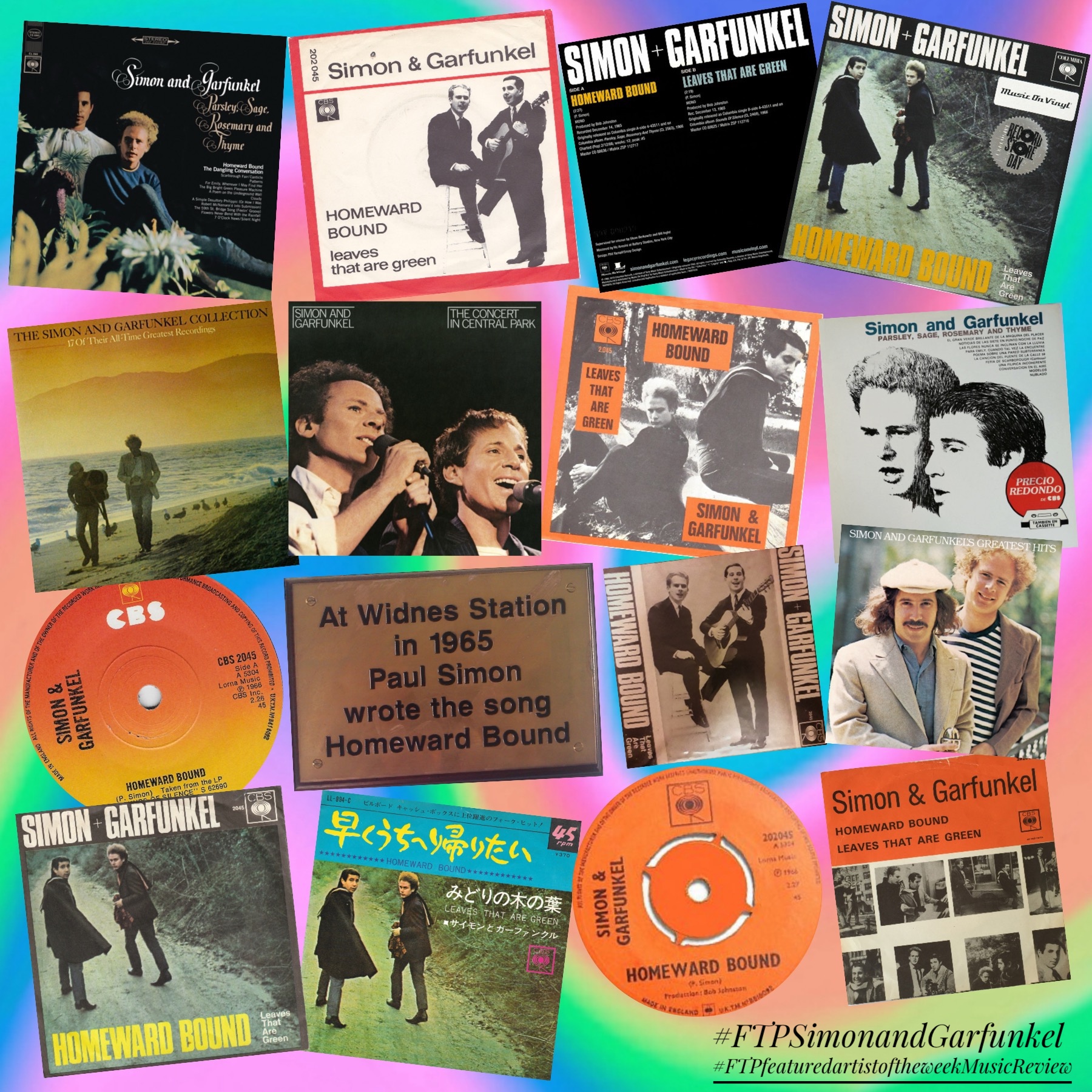
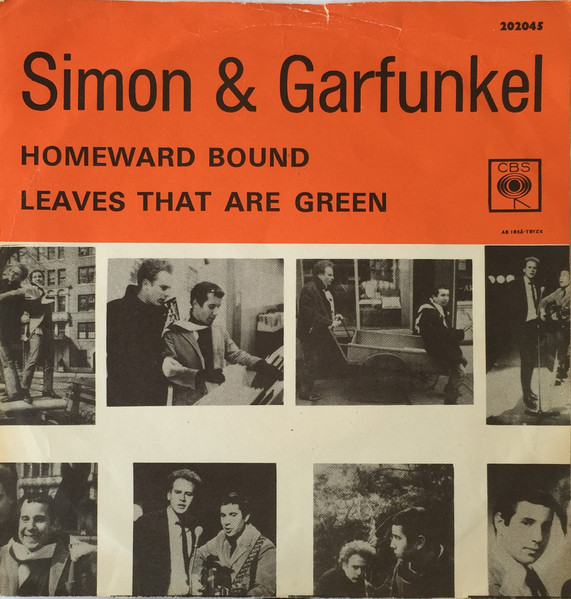
SIMON & GARFUNKEL - HOMEWARD BOUND


Estrena: 19 de gener de 1966

Llistes: EUA: #5  Regne Unit: #9


"Homeward Bound" és una cançó publicada com a senzill el gener del 1966 per Columbia Records. La cançó és una reflexió sobre la nostàlgia i el desig de tornar a casa. Paul Simon va escriure la lletra, possiblement inspirat durant el seu temps a Anglaterra, on la va escriure mentre esperava un tren a l'estació de Widnes al nord-oest d'Anglaterra. La lletra reflecteix la nostàlgia tant per un bitllet cap a la seva llar actual a Brentwood com per un desig més profund per la seva veritable llar als Estats Units.


"Homeward Bound", juntament amb "I Am A Rock", es va gravar durant una sessió nocturna a Nova York amb el productor Bob Johnston. Paul Simon va tocar la guitarra acústica, mentre que Ralph Casale es va fer càrrec de la guitarra elèctrica. Johnston, que també estava produint "Highway 61 Revisited" de Bob Dylan gairebé al mateix temps, va reclutar el bateria Bobby Gregg i l'organista Al Kooper, tots dos habituals de la banda de Dylan, per contribuir a la sessió de Simon & Garfunkel.


"Homeward Bound" originalment es va incloure al tercer àlbum d'estudi de Simon & Garfunkel, "Parsley, Sage, Rosemary and Thyme" (1966), tot i que es va gravar durant les sessions del seu segon àlbum, "Sounds of Silence". Va servir com el seu segon senzill després del seu èxit "The Sound of Silence". La cançó va tenir èxit, arribant al número cinc del Billboard Hot 100 i mantenint-se a les llistes durant 12 setmanes. També va assolir el número dos al Canadà i va ser un èxit als Països Baixos. Una versió en directe de "Homeward Bound" es presenta a l'àlbum de recopilació de 1972 del duo, "Simon and Garfunkel's Greatest Hits", i la van interpretar al concert de reunió del 1981 al Central Park.


George Harrison es va unir a Paul Simon a "Homeward Bound" i "Here Comes The Sun" durant l'aparició de Simon a Saturday Night Live el 1976. A més, Paul Simon va interpretar "Homeward Bound" amb Billy Joel al concert de Joel el 4 d'agost de 2015, al Nassau Coliseum a Long Island, Nova York. Aquesta aparició sorpresa va ser la primera vegada que Joel i Simon van actuar junts.


SIMON & GARFUNKEL - HOMEWARD BOUND


Released: January 19, 1966

Charted:  US: #5  UK: #9 


"Homeward Bound" is a song released as a single on January 1966 by Columbia Records. The song is a reflection on longing and the desire to return home. Paul Simon penned the lyrics, possibly drawing inspiration during his time in England, where he wrote the song while waiting for a train at Widnes railway station in the northwest of England. The lyrics reflect his longing for both a ticket to his current home in Brentwood and a deeper yearning for his true home in the United States.


"Homeward Bound," along with "I Am A Rock," was recorded during a late-night session in New York City with producer Bob Johnston. Paul Simon played acoustic guitar, while Ralph Casale provided electric guitar. Johnston, who was also producing Bob Dylan's "Highway 61 Revisited" around the same time, enlisted drummer Bobby Gregg and organist Al Kooper, both of whom were regulars in Dylan's band, to contribute to the Simon & Garfunkel session.


"Homeward Bound" was originally included on Simon & Garfunkel's third studio album, "Parsley, Sage, Rosemary and Thyme" (1966), although it was recorded during the sessions for their second album, "Sounds of Silence." It served as their second single following their breakthrough hit, "The Sound of Silence." The song performed well, reaching number five on the Billboard Hot 100 and remaining on the charts for 12 weeks. It also peaked at number two in Canada and was a top-five hit in the Netherlands. A live version of "Homeward Bound" is featured on the duo's 1972 compilation album, "Simon and Garfunkel's Greatest Hits," and they performed it at their 1981 reunion concert in Central Park.


George Harrison joined Paul Simon on "Homeward Bound" and "Here Comes The Sun" during Simon's appearance on Saturday Night Live in 1976. Additionally, Paul Simon performed "Homeward Bound" with Billy Joel at Joel's concert on August 4, 2015, at Nassau Coliseum in Long Island, New York. This surprise appearance marked the first time Joel and Simon performed together.



24.3.24


R.E.M. - LOSING MY RELIGION


Publicació: 19 de febrer de 1991

Llistes: Regne Unit: #19   EUA: #4


"Losing My Religion" és una cançó de la banda nord-americana R.E.M., publicada el febrer de 1991 com el primer senzill del setè àlbum del grup, "Out of Time". Construïda sobre un riff de mandolina, la cançó va ser un èxit inpensable per al grup, obtenint una àmplia reproducció a la ràdio i a MTV.


Aquesta cançó té el seu origen en els esforços del guitarrista Peter Buck per intentar aprendre a tocar la mandolina. Quan va reproduir enregistraments dels seus primers intents, va escoltar el riff i va pensar que podria ser una bona base per a una cançó. Explicant com la cançó es va fer, Buck va dir a Guitar School l'any 1991: "La vaig començar amb la mandolina i vaig fer el riff i la tornada. I estic orgullós de dir que cada tros de mandolina del disc es va gravar en directe, ho vaig fer sense remescles. Si escoltes amb atenció, en un dels versos hi ha un lloc on em vaig equivocar, i vaig pensar, bé, no puc tornar enrere, perquè se suposa que és una cançó en directe”.


El títol és una variació de l'expressió del sud "he perdut la meva religió", és a dir, alguna cosa ha desafiat la vostra fe fins a tal punt que podríeu perdre la vostra religió. La cançó no té res a veure amb la religió, però el títol és significatiu: si estàs perdent la teva religió per una persona, estàs perdent la fe en aquesta persona i qüestionant la relació.


El cantant Michael Stipe va escriure la lletra, que ha dit que tracta sobre "obsessió" i "amor no correspost", que és una combinació poderosa i perillosa. Al llarg de la cançó, el personatge va mostrant la seva ànima, buscant significats ocults i signes esperançadors, però es torna boig en el procés. "M'encanta la idea d'escriure una cançó sobre l'amor no correspost", va dir: "Sobre mantenir-se enrere, allargar la mà i després tirar enrere de nou. El més emocionant per a mi és que no saps si l’altra persona és conscient de que jo hi sóc, si fins i tot sap que existeixo. És aquesta cosa sincera i ploranera el que va trobar el seu camí i en va fer una de les millors peces que la banda m'ha donat mai". Parlant sobre la cançó al programa de Netflix Song Exploder, Michael Stipe va revelar que la lletra sobre l'amor obsessionari estava molt influenciada per "Every breath you take" de The Police, que va anomenar "la cançó més bonica i esgarrifosa que he escoltat".


R.E.M. es va sorprendre quan el seu segell discogràfic va triar "Losing My Religion" com el primer senzill de "Out Of Time". Amb un temps de 4:28 sense tornada i una mandolina com a instrument principal, no semblava un material que pogués funcionar, però va acabar sent el major èxit de la seva carrera.


R.E.M. - LOSING MY RELIGION


Released: February 19, 1991

Charted:  UK: #19  US: #4


"Losing My Religion" is a song by American band R.E.M., released in February 1991 as the first single from the group's seventh album, “Out of Time”. Built on a mandolin riff, the song was an unlikely hit for the group, garnering extensive airplay on radio as well as on MTV. 


This song has its origins in guitarist Peter Buck's efforts to try learn to play the mandolin. When he played back recordings of his first attempts, he heard the riff and thought it might make a good basis for a song. Explaining how the song came together musically, Buck told Guitar School in 1991: "I started it on mandolin and came up with the riff and chorus. And I'm proud to say every bit of mandolin on the record was recorded live - I did no overdubbing. If you listen closely, on one of the verses there's a place where I muffled it, and I thought, well, I can't go back and punch it up, because it's supposed to be a live track. That was the whole idea."


The title is a variation on the Southern expression "lost my religion," meaning something has challenged your faith to such a degree you might lose your religion. The song has nothing to do with religion, but the title is significant: If you are "losing your religion" over a person, you are losing faith in that person and questioning the relationship.


R.E.M. lead singer Michael Stipe wrote the lyrics, which he has said are about "obsession" and "unrequited love," which is powerful and dangerous combination. Throughout the song, he is baring his soul, searching for hidden meaning and hopeful signs, but driving himself mad in the process. "I love the idea of writing a song about unrequited love," he told: "About holding back, reaching forward, and then pulling back again. The thing for me that is most thrilling is you don't know if the person I'm reaching out for is aware of me. If they even know I exist. It's this really tearful, heartfelt thing that found its way into one of the best pieces of music the band ever gave me." Speaking about the song on the Netflix show Song Exploder, Michael Stipe revealed the lyrics about obsessional love were heavily influenced by The Police's "Every breath you take" which he called "the most beautiful, kind of creepy song."


R.E.M. was surprised when their record label chose "Losing My Religion" as the first single from "Out of Time". Running 4:28 with no chorus and a mandolin for a lead instrument, it didn't seem like hit material, but it ended up being the biggest hit of their career.


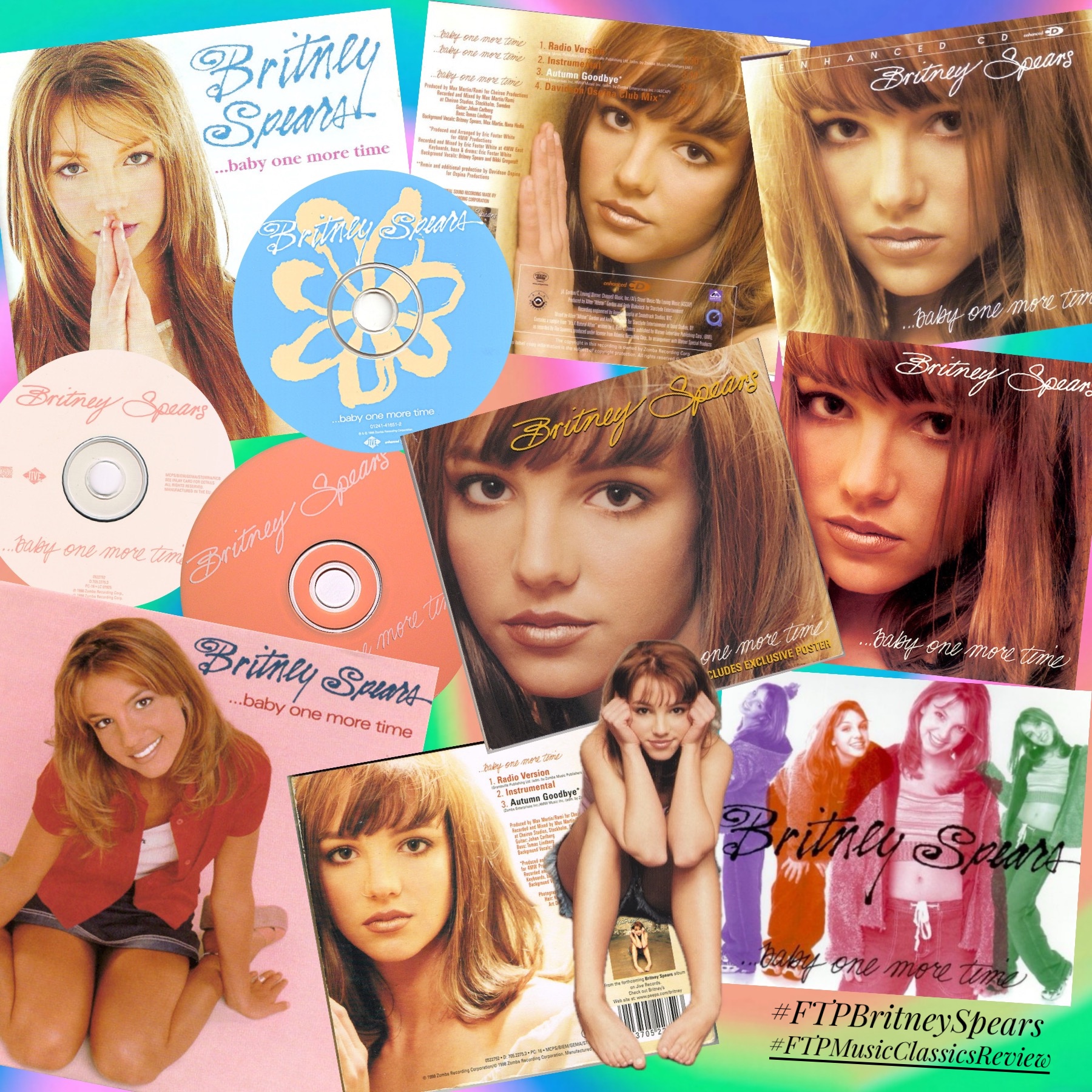
BRITNEY SPEARS - …BABY ONE MORE TIME


Estrena: 29 de setembre de 1998

Llistes: Regne Unit: #1 (2 setmanes)  EUA: #1 (2 setmanes)


"...Baby One More Time" és el primer senzill de l’àlbum debut amb el mateix nom de Britney Spears. El rotund èxit de la cançó va catapultar la novata a l'estrellatge mundial. Escrita en col·laboració amb Max Martin i produïda per Martin i Rami, la cançó es va llançar el setembre de 1998, per Jive Records. La seva melodia contagiosa va sonar a nivell mundial, portant-la al capdamunt de les llistes de més de 20 països, incloent-hi els Estats Units i el Regne Unit. El senzill va assolir un èxit fenomenal, guanyant la certificació de quintuple platí de la Recording Industry Association of America (RIAA) i la certificació de triple platí de la British Phonographic Industry (BPI). Amb més de 10 milions de còpies venudes, continua sent un dels singles més venuts de tots els temps.


"...Baby One More Time" no només va mostrar el talent innegable de Britney Spears, sinó que també va introduir la seva icònica imatge d'estudiant al món, consolidant el seu estatus com a sensació del pop. El so polit de la cançó va captar una àmplia difusió radiofònica, però va ser el videoclip que l'acompanyava, amb Spears vestida com una escolar, el que va captivar la imaginació del públic. MTV va jugar un paper crucial en la promoció del vídeo, però el creixent poder d'internet, especialment a través de plataformes com AOL i motors de cerca com Alta Vista, va amplificar encara més la fama de Spears, ja que els fans clamaven per saber més sobre l'estrella emergent. En els anys seguents, Britney Spears es va convertir en un fix de les notícies de les celebritats, amb la seva vida personal sovint sota un seguiment intens per part dels paparazzi.


La cançó captura l'angoixa emocional d'una jove que lluita amb una ruptura amorosa i anhela la reconciliació amb el seu ex-novio. La lletra transmet el seu sentiment de solitud i desesperació mentre suplica per una altra oportunitat en l'amor. Val la pena assenyalar que la frase "hit me baby one more time" ha estat objecte d'interpretació, amb algunes persones associant-la erròniament amb violència física. El compositor Max Martin va aclarir que en el context de la cançó, "hit" significa una trucada o contacte, desmentint qualsevol noció de violència.


Britney Spears va voler connectar amb els seus fans a través del videoclip de "...Baby One More Time." En una entrevista del 1998 amb MTV, va revelar el seu desig de fer el vídeo per a un públic jove, optant per un entorn escolar per evocar familiaritat i buscar ressó. Spears va concebre un vídeo que connectés amb una àmplia audiència de nens, i va sentir que un ambient escolar aconseguiria aquest objectiu de manera efectiva. En conseqüència, el vídeo es va rodar a la Venice High School de Los Angeles, coneguda per ser l’escenari de Rydell High a la icònica pel·lícula "Grease."


"...Baby One More Time" va ser originalment ofert al grup TLC, però finalment van decidir no acceptar-la. La membre de TLC, Tionne "T-Boz" Watkins, va revelar a MTV News que, tot i que li agradava la cançó, no creia que s'alineés amb l’imatge o l'estil del grup. Va explicar que, tot i que apreciava la cançó, no podia imaginar les TLC cantant lletres com "hit me baby one more time."


Van circular rumors al voltant del moment del llançament del senzill que Britney Spears s'havia posat implants de pit. A més, va sorgir una paròdia de la cançó "Make My Boobies One More Size," burlant-se de l'especulació sobre la suposada millora estètica de Spears.


BRITNEY SPEARS - …BABY ONE MORE TIME


Released: September 29, 1998

Charted:  UK: #1 (2 weeks)  US: #1 (2 weeks)


"…Baby One More Time" is the first single from the debut album of the same name by Britney Spears. The overwhelming success of the song catapulted the newcomer to global stardom. Co-written by Max Martin and produced by Martin and Rami, the song was released on September 1998, by Jive Records. Its infectious melody resonated worldwide, propelling it to the top of the charts in over 20 countries, including the United States and the United Kingdom. The single achieved phenomenal success, earning quintuple platinum certification from the Recording Industry Association of America (RIAA) and triple-platinum certification from the British Phonographic Industry (BPI). With over 10 million copies sold, it remains one of the best-selling singles of all time.


"...Baby One More Time" not only showcased Britney Spears' undeniable talent but also introduced her iconic schoolgirl image to the world, solidifying her status as a pop sensation. The song's polished sound garnered extensive radio airplay, but it was the accompanying music video, featuring Spears in her schoolgirl outfit, that captured the imagination of audiences. MTV played a crucial role in promoting the video, but the burgeoning power of the internet, particularly through platforms like AOL and search engines like Alta Vista, further amplified Spears' fame as fans clamored to learn more about the emerging star. In the ensuing years, Britney Spears became a fixture in celebrity news, with her personal life often under intense scrutiny by paparazzi. 


The song captures the emotional turmoil of a young girl grappling with heartbreak and longing for reconciliation with her ex-boyfriend. The lyrics convey her sense of loneliness and desperation as she pleads for another chance at love. It's worth noting that the phrase "hit me baby one more time" has been subject to interpretation, with some erroneously associating it with physical violence. Songwriter Max Martin clarified that in the context of the song, "hit" is meant to signify a call or contact, dispelling any notions of violence. 


Britney Spears aimed to connect with her fans through the music video for "...Baby One More Time." In a 1998 interview with MTV, she disclosed her desire to make the video relatable to young audiences, opting for a school setting to evoke familiarity and resonance. Spears envisioned a video that would resonate with a wide audience of kids, and she felt that a school setting would accomplish this goal effectively. Consequently, the video was filmed at Venice High School in Los Angeles, famously known as the setting for Rydell High in the iconic movie "Grease." 


"...Baby One More Time" was originally offered to the group TLC, but they ultimately decided to pass on it. TLC member Tionne "T-Boz" Watkins revealed to MTV News that although she liked the song, she didn't believe it aligned with the group's image or style. She explained that while she appreciated the song, she couldn't envision TLC singing lyrics like "hit me baby one more time." 


Rumours circulated around the time of the release of the single that Britney Spears got breast implants. Additionally, a parody of the song "Make My Boobies One More Size" emerged, poking fun at the speculation surrounding Spears' alleged cosmetic enhancement.