Total de visualitzacions de pàgina:

16.4.24


STEPPENWOLF - BORN TO BE WILD


Publicada: 9 de maig de 1968

Llistes: EUA: #2   Regne Unit: #18


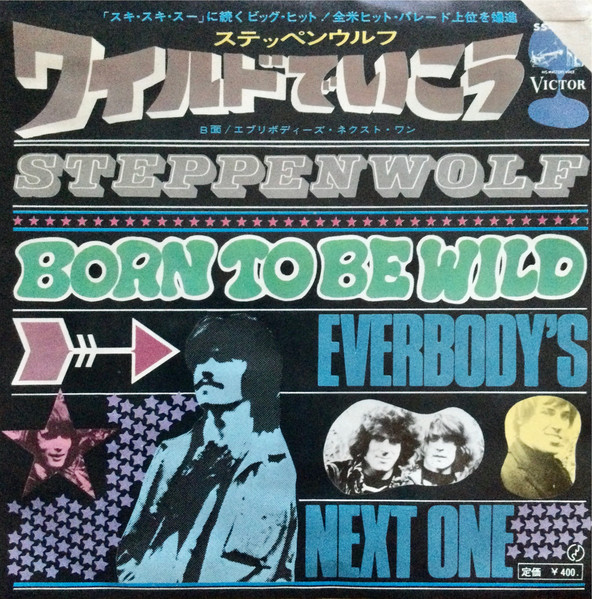
"Born to Be Wild" de Steppenwolf és un himne clàssic del rock que s'ha convertit en sinònim de l'esperit de llibertat i rebel·lia, particularment associat a la cultura de les motos. La seva inclusió a la icònica pel·lícula “Easy Rider” va reforçar encara més el seu estatus com a símbol del moviment contracultural de finals dels anys 60. Tot i que sovint es descriu com una de les primeres cançons de heavy metal, el seu estil i so també abasten elements de hard rock i proto-metal. La lletra, incloent la menció de "heavy metal thunder” (trons de metall pesant), ha contribuït a la seva associació amb el raw power i l'energia de la música rock.


L'ús de la frase "heavy metal" per part de William Burroughs a la seva novel·la "The Soft Machine" va precedir la seva aparició en aquesta cançó. La descripció de Burroughs d’una addicció com tenint una qualitat "de metall pesant" reflecteix la seva característica exploració dels aspectes més foscos de l'experiència humana, comparant l'addicció amb una substància que no només és vegetal sinó també mineral en el seu pes i densitat. La frase va adquirir una connotació diferent en el context de la música rock, on va passar a representar un so potent i dur caracteritzat per guitarres potents, ritmes contundents i actituds rebels. Tot i el seu estatus icònic i la inclusió de la frase "heavy metal", "Born to Be Wild" no s'ajusta del tot al gènere. John Kay, el líder de Steppenwolf, va aclarir que tot i que la cançó pot evocar una sensació de poder i excitació, la banda es considerava principalment una formació de hard rock basada en el blues més que de heavy metal.


La inspiració de Mars Bonfire per "Born to Be Wild" va sorgir d'un pòster que va veure al Hollywood Boulevard, amb una moto sorgint de la terra envoltada de flames i el lema "Born to Ride” (Nascut per Montar).  Aquesta  imatge, juntament amb la nova llibertat i emoció de tenir el seu primer cotxe, van influir en la lletra de la cançó. Tot i que inicialment no va destacar per als editors, la cançó va cridar l'atenció de Steppenwolf i es va convertir en un himne definitori per a la banda. Bonfire atribueix el seu èxit més a la sort que a l'assoliment intencional.


STEPPENWOLF - BORN TO BE WILD


Released: May 9, 1968

Charted:  US: #2   UK: #18 


"Born to Be Wild" by Steppenwolf is a classic rock anthem that has become synonymous with the spirit of freedom and rebellion, particularly associated with motorcycle culture. Its inclusion in the iconic film “Easy Rider” further solidified its status as a symbol of the counterculture movement of the late 1960s. While it's often described as one of the earliest heavy metal songs, its style and sound also encompass elements of hard rock and proto-metal. The lyrics, including the mention of "heavy metal thunder," have contributed to its association with the raw power and energy of rock music.


William Burroughs' use of the phrase "heavy metal" in his novel "The Soft Machine" predated its appearance in this song. Burroughs' description of addiction as having a "heavy metal" quality reflects his characteristic exploration of the darker aspects of human experience, likening addiction to a substance that is not just vegetative but also mineral-like in its weight and density. The phrase took on a different connotation in the context of rock music, where it came to represent a powerful, hard-edged sound characterized by loud guitars, driving rhythms, and rebellious attitudes. Despite its iconic status and the inclusion of the phrase "heavy metal," "Born to Be Wild" doesn't quite fit the genre. John Kay, Steppenwolf's frontman, clarified that while the song may evoke a sense of power and excitement, the band primarily considered themselves a hard rock, blues-based outfit rather than heavy metal.


Mars Bonfire's inspiration for "Born to Be Wild" stemmed from a poster he saw on Hollywood Boulevard, featuring a motorcycle bursting out of the ground with flames engulfing it and the slogan "Born to Ride." This image, coupled with the newfound freedom and excitement of owning his first car, influenced the song's lyrics. Despite not initially standing out to publishers, the song caught the attention of Steppenwolf and became a defining anthem for the band. Bonfire attributes its success more to luck than intentional achievement.




15.4.24


INXS - DISAPPEAR / THE STAIRS


DISAPPEAR

Publicació: 26 de novembre de 1990

Llistes: Regne Unit: #21   EUA: #8


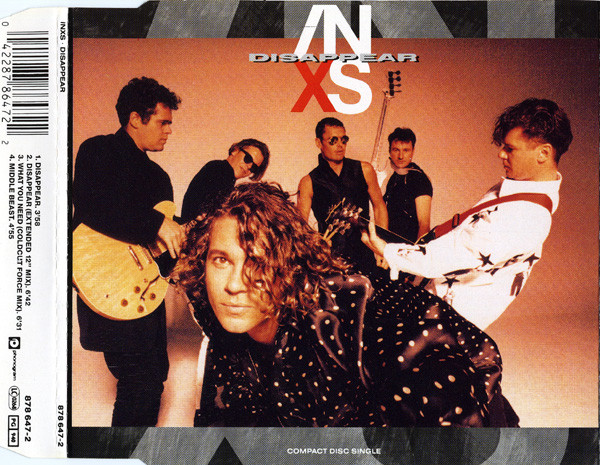
"Disappear" és una cançó de la banda de rock australiana INXS, publicada com el segon senzill del seu setè àlbum d'estudi, "X" (1990). Llançada al novembre de 1990, la cançó va ser escrita per Jon Farriss, Michael Hutchence i Garry Gary Beers durant la seva estada a Hong Kong el 1989. La icònica melodia d'introducció "do-do-do doo-do-do" és l’element més característic de la cançó.


L'arranjament minimalista de la cançó, caracteritzat per una delicada guitarra acústica, tocs orquestrals discrets i un ritme subtil però enèrgic, estableix una atmosfera d'intimitat i vulnerabilitat. Aquest teló de fons sonor serveix com a marc ideal per a l'entrega vocal sincera i emotiva de Michael Hutchence. La lletra explora la profunditat del dolor emocional i la solitud després de la pèrdua de l'amor, oferint una exploració commovedora i introspectiva d'aquest tema universal.


El vídeo musical dirigit per Claudia Castle utilitza principalment una estètica en blanc i negre, mantenint la banda envoltada d'ombres mentre intercala imatges d'un ball de màscares.


THE STAIRS

Llançada: 1 de novembre de 1991


" The Stairs" és una cançó de la banda de rock australiana INXS coescrita per Andrew Farriss i Michael Hutchence del seu àlbum de 1990 "X". Tot i que inicialment no va ser un single de l'àlbum “X”, una interpretació en directe de la cançó al seu concert del 13 de juliol de 1991 a l'estadi de Wembley va ser la que es va llançar com a senzill d'edició limitada als Països Baixos al novembre de 1991. Aquest llançament va coincidir amb l'estrena de l'àlbum “Live Baby Live”.


Michael Hutchence va descriure "The Stairs" com la cançó més ambiciosa que mai havia escrit, reflectint la seva profunditat temàtica i la seva complexitat. Andrew Farriss va parlar de la pista en una entrevista de 1990 amb Spin, destacant la seva exploració de les persones en entorns urbanitzats que lluiten per comunicar-se. Va expressar el desig d'espais socials com places de poble on la gent pogués reunir-se, suggerint que la moda i les tendències no eren solucions adequades per a les qüestions socials.


INXS - DISAPPEAR / THE STAIRS


DISAPPEAR

Released: November 26, 1990

Charted: UK: #21  US: #8 


"Disappear" is a track by the Australian rock band INXS, serving as the second single from their seventh studio album, “X” (1990). Released in November 1990, the song was written by Jon Farriss, Michael Hutchence, and Garry Gary Beers during their residency in Hong Kong in 1989. The iconic "do-do-do doo-do-do" intro melody is a timeless element that seamlessly intertwines with Hutchence's vocals.


The song's minimalistic and ethereal arrangement, characterized by delicate acoustic guitar, understated orchestral touches, and a subtle yet driving rhythm, establishes an atmosphere of intimacy and vulnerability. This sonic backdrop serves as an ideal canvas for Michael Hutchence's heartfelt and emotive vocal delivery. The lyrics delve into the depths of emotional pain and loneliness following the loss of love, offering a poignant and introspective exploration of these universal themes. 


The music video directed by Claudia Castle, employs a predominantly black-and-white aesthetic, keeping the band shrouded in shadows while interspersing footage of a masquerade ball.


THE STAIRS

Released: November 1, 1991


"The Stairs" is a track by Australian rock band INXS from their 1990 album "X." While initially included on the album, a live rendition of the song from their July 13, 1991 concert at Wembley Stadium was released as a limited edition single in the Netherlands in November 1991. This release coincided with the debut of the Live Baby Live album. The song was co-written by Andrew Farriss and Michael Hutchence.


Michael Hutchence described "The Stairs" as the most ambitious song he had ever written, reflecting its thematic depth and complexity. Andrew Farriss discussed the track in a 1990 interview with Spin, highlighting its exploration of people in urbanized environments struggling to communicate. He expressed a desire for social spaces like town squares where people could gather, suggesting that fashion and trends were inadequate solutions to societal issues.


INXS - ELEGANTLY WASTED


Released: March 10, 1997

Charted: UK: #20 


"Elegantly Wasted" served as the lead single from INXS's album of the same name and enjoyed significant success, particularly in Canada where it topped the charts for three weeks. Despite not charting on the Billboard Hot 100 due to commercial release rules at the time, it reached number 27 on the Hot 100 Airplay chart in the United States. The song also achieved moderate success in other countries, including reaching the top 40 in Iceland, Switzerland, and the United Kingdom. The inspiration for the song reportedly came from a night out shared by Michael Hutchence and Bono from U2.


According to INXS: Story to Story: The Official Autobiography, the line "We're better than Oasis" can be heard in the background of the song instead of "We're Elegantly Wasted". This came as a result of an incident that occurred at the 1996 Brit Awards, after Noel Gallagher said about Hutchence while accepting an award: "Has-beens should not be presenting awards to gonna-be's." Tensions between Hutchence and the Gallaghers escalated backstage when Hutchence allegedly threw a fire extinguisher at Liam Gallagher after he made some derogatory comments about his then-partner, Paula Yates.


The music video was directed by Walter Stern, a prominent English music director. Filmed over two days in January 1997, the video features the band strolling through an airport terminal, where the passengers gradually become intrigued and interact with the band members. To create the airport setting, a small set was constructed in Los Angeles, resembling the interior of a real airport, with extras portraying passengers. Additionally, the video incorporates snippets and brief clips from the album's video shoot enhancing the overall cinematic feel.