Total de visualitzacions de pàgina:

1.5.24


BOB SEGER & THE SILVER BULLET BAND - AGAINST THE WIND


Publicada: Abril de 1980

Llistes: EUA: #5 


"Against the Wind" és una balada de rock suau escrita i enregistrada per Bob Seger pel seu onzè àlbum d'estudi del mateix nom. Llançada com a segon senzill de l'àlbum l’abril de 1980 per Capitol Records, la cançó es va gravar durant el procés de l’àlbum que va durar dos anys. Produït per Bill Szymczyk als estudis Criteria de North Miami, Florida, el tema compta amb la Silver Bullet Band de Seger i incloïa la veu de fons del co-líder dels Eagles, Glenn Frey. "Against the Wind", caracteritzada pel seu ritme mig tempo i l’acompanyament de piano, es va convertir en un dels senzills més destacats de Seger, arribant al número cinc al Billboard Hot 100 i impactant en les llistes a Canadà, Austràlia i Bèlgica.


Seger va explicar la gènesi de la cançó, afirmant: "El meu vell amic Glenn Frey dels Eagles tenia la idea que el nostre guitarrista Drew Abbott toqués acompanyant el solo de piano. Després ell i jo vam fer les veus de fons junts. Va admetre que va tenir problemes gramaticals amb la frase "Wish I didn't know now what I didn't know then” (Desitjaria no saber ara el que no sabia llavors). Malgrat les seves reserves, els comentaris positius de Frey i d'altres el van portar a mantenir-la. Seger va reflexionar: "Has de comprendre que els compositors no poden puntuar res del que escriuen."


"Against the Wind" explora les dinàmiques subtils entre la cura i la indiferència entre amics i éssers estimats. Amb el seu focus en la maduresa i els records, reminiscent d'altres composicions de Seger, la cançó s’ecpressa en un àmbit gentil i reflexiu. Seger va treure inspiració de les seves experiències com a corredor de fons quan era universitari per crear el títol de la cançó, utilitzant-lo com una metàfora per al viatge cap a l'envelliment.


Seger, deixant la selecció dels singles del disc a Capitol Records, va confiar la decisió al director promocional de la discogràfica, Steve Meyer. La cançó va fer un debut impressionant al Hot 100, entrant al número 54 la setmana que va acabar el 3 de maig de 1980, el que la va marcar com el senzill amb el debut més alt d'aquella setmana. El seu ascens va continuar quan va entrar al top 30 la setmana següent i va arribar al top ten a final del mes. La cançó va arribar finalment al número cinc del Hot 100 el 14 de juny, on va romandre durant tres setmanes consecutives.


Els crítics musicals van elogiar l'habilitat de Seger com a compositor. El crític de Rolling Stone, Dave Marsh, inicialment va criticar les balades a l'àlbum "Against the Wind", incloent la pista titular, afirmant que cap d'elles contenia frases memorables. No obstant, després va canviar la seva opinió, reconeixent la qualitat captivadora de les frases "Well, those drifter's days are past me now/I've so much more to think about/Deadlines and commitments/What to leave in/What to leave out” (Bé, els dies de viatges ja han passat per mi/Ara tinc molt més en què pensar/Plaços i compromisos/Què deixar dins/Què deixar fora). Marsh va destacar com l'expressió dubitativa de Seger va fer aquestes frases no només memorables, sinó també commovedores. Hilburn, del Los Angeles Times, va elogiar l'habilitat de Seger per mostrar l'exploració de la tensió entre l'idealisme que cerca i els reptes que es troben en la persecució d'aquests somnis.


BOB SEGER & THE SILVER BULLET BAND - AGAINST THE WIND


Released: April 1980

Charted:  US: #5 


"Against the Wind" is a soft rock ballad written and recorded by Bob Seger for his eleventh studio album of the same name. Released as the album's second single in April 1980 by Capitol Records, the song was recorded during a two-year process for the album. Produced by Bill Szymczyk at Criteria Studios in North Miami, Florida, the track features Seger's Silver Bullet Band and includes backing vocals from Eagles co-frontman Glenn Frey. Sonically, "Against the Wind", characterised by its mid-tempo rhythm and piano accompaniment, emerged as one of Seger's standout singles, climbing to number five on the Billboard Hot 100 and making an impact on charts in Canada, Australia, and Belgium. 


Seger explained the genesis of the song, stating, "My old friend Glenn Frey of the Eagles had an idea that our guitarist Drew Abbott should play along with the piano solo. He and I then went out and did the background vocals together." He admitted to grappling with the line "Wish I didn't know now what I didn't know then," initially finding fault with its grammar. Despite his reservations, positive feedback from Frey and others led him to retain it. Seger reflected, "You have to understand that songwriters can't punctuate anything they write." 


"Against the Wind" delves into the nuanced dynamics between care and indifference among friends and loved ones. With its focus on maturity and memories, reminiscent of other Seger compositions, the song exudes a gentle, reflective ambiance. Seger drew inspiration from his experiences as a high school cross-country runner to craft the song's title, using it as a metaphor for the journey of aging.


Seger, leaving the selection of singles to Capitol Records, entrusted the decision to the label's promotional director, Steve Meyer. The track made an impressive debut on the Hot 100, entering at number 54 in the week ending May 3, 1980, marking it as the highest-debuting single of that week. Its ascent continued as it entered the top 30 the following week and reached the top ten by the end of the month. The song eventually peaked at number five on the Hot 100 on June 14, where it remained for three consecutive weeks.


Music critics lauded Seger's songwriting prowess. Rolling Stone critic Dave Marsh initially criticized the ballads on the "Against the Wind" album, including the title track, stating that none of them contained any memorable lines. However, he later amended his view, acknowledging the haunting quality of the lines "Well, those drifter's days are past me now/I've so much more to think about/Deadlines and commitments/What to leave in/What to leave out." Marsh highlighted how Seger's halting expression of indecisiveness made these lines not only memorable but also poignant. Hilburn from the Los Angeles Times commended Seger's ability to infuse "Against the Wind" with a "timeless, often graceful Everyman edge." He noted the song's exploration of the tension between the idealism Seger seeks and the challenges encountered in pursuing those dreams.






30.4.24


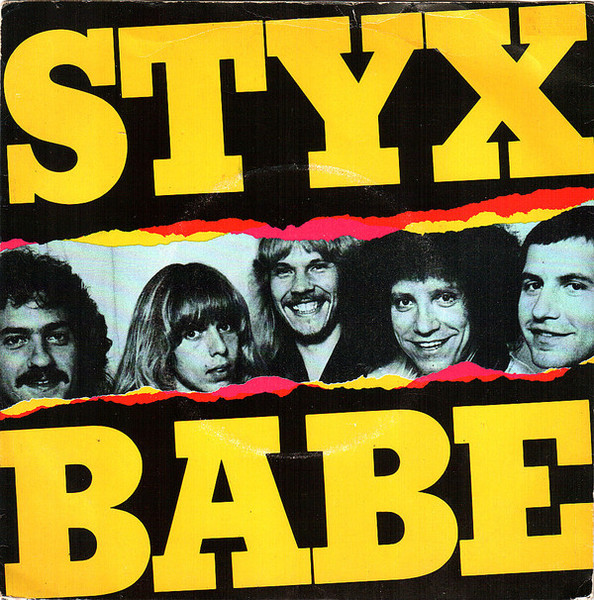
STYX - LADY / BABE


LADY

Released: September 1973

Charted:  US: #6 


"Lady" is a power ballad written and performed by the rock band Styx in 1973. Initially released on “Styx II”, it became a local hit in Chicago but failed to chart nationally. After Styx moved to A&M Records in 1974, the song gained nationwide airplay, eventually reaching #6 on the Billboard Hot 100 in March 1975. Due to a contractual dispute between A&M and Wooden Nickel Records, "Lady" was re-recorded for the 1995 Styx compilation “Greatest Hits”.


Dennis DeYoung, the keyboard player of Styx, penned "Lady" as a tribute to his wife Suzanne, whom he met in high school and considered a paragon of grace and elegance. He continued to immortalize their relationship in other songs like "Babe" and "The Best Of Times." Despite facing health challenges in the late '90s that led to his departure from the band, DeYoung's marriage to Suzanne remained steadfast.


Dennis DeYoung crafted "Lady" in 1972, but Styx's record label initially rejected it for their debut album that same year. It found a home on their second album, "Styx II," released in 1973, and was issued as a single. Despite its early struggles, the song's fortunes changed thanks to the persistent efforts of a DJ at WLS in Chicago, the band's hometown. Determined to propel it to success, the DJ showcased the song nightly at 8 p.m. until it gained traction. Eventually, other stations followed suit, leading to its widespread acceptance and airplay. DeYoung's reaction upon hearing it on the radio for the first time was one of sheer excitement, even causing him to choke on his dinner.


"Lady" marked a significant milestone for Dennis DeYoung as it was the first song he wrote and sang on his own that made it onto a record. Notably, the debut Styx album had just two songs penned by band members. "Lady" heralded a shift as the band members began writing their own original material, with DeYoung emerging as a primary songwriter from that point forward.


BABE

Released: September 14, 1979

Charted:  US: #1 (2 weeks)  UK: #6 


"Babe" by the American rock band Styx served as the lead single from their 1979 triple-platinum album "Cornerstone." Notably, it marked Styx's first and only US number-one single, reigning for two weeks in December 1979, making it a significant close to the 1970s music era. Additionally, the song soared to No. 9 on the Adult Contemporary chart. Its success extended beyond the US, holding the number-one spot for six weeks on the Canadian RPM national singles chart and became the opening chart-topper of the 1980s. In the UK, "Babe" was the band's only Top 40 hit, peaking at No. 6, and it also clinched the No. 1 spot in South Africa.


"Babe" holds a heartfelt origin as Dennis DeYoung penned it as a birthday gift for his wife, Suzanne. Initially conceived as a personal gesture rather than a Styx track, DeYoung's record company recognized its potential and insisted it be included on the album. DeYoung's original demo, featuring bassist Chuck Panozzo and drummer John Panozzo, resonated so well that it became the album version, with only a Tommy Shaw guitar solo added. DeYoung's vocals, including harmonies, were all self-recorded, adding to the intimate nature of the song.


Dennis DeYoung's touch was unmistakable on "Babe" as he not only provided the lead vocals but also showcased his keyboard prowess, particularly on the opening segment where he employed the soothing tones of a Fender Rhodes electric piano, a hallmark instrument of the '70s era.


According to Cash Box, "Babe" boasts "crystalline singing and airy electric piano leads," with particular praise for its "high harmonies." Billboard described it as a "melodic pop number" with potential for success on adult contemporary playlists. Record World lauded its "playful keyboards," "youthful lead vocal," "full harmony chorus," and "ascending lead guitar runs." Eric Hegedus of The Morning Call praised it as a prime example of Styx's adeptness at slow love songs, emphasizing the "deceptively simple lyrics."


MR. BIG - TO BE WITH YOU


Released: November 22, 1991

Charted:  US: #1 (3 weeks)  UK: #3 


Released in November 1991 as the second single from their 1991 album “Lean into It”, "To Be with You" by American rock band Mr. Big soared to number one on the US Billboard Hot 100 for three weeks. It also dominated charts in 11 other countries, including Australia, Canada, Germany, and New Zealand.


Eric Martin's inspiration for "To Be with You" stems from his unrequited love for Patricia Reynolds during his teenage years. They are close friends but Martin harbored deep feelings for Reynolds, who only saw him as a friend. Martin described Reynolds as beautiful and intelligent, qualities that captivated him entirely. Reynolds remained indifferent to Martin's romantic gestures, preferring to maintain their platonic relationship. Despite his desire to be her knight in shining armor, Martin found himself relegated to the role of a supportive friend. 


The minimalist instrumentation of "To Be with You," featuring just a bass drum, acoustic guitar, and hand claps, plays a crucial role in accentuating the poignant lyrics. Eric Martin collaborated with songwriter David Grahame, known for his role as Paul McCartney in the Beatlemania show, to complete the song. Initially, Martin's cassette demo of the song had a folk sound. Grahame drew inspiration from the sparse arrangement of John Lennon's "Give Peace a Chance" and suggested a similar approach for "To Be with You." This decision proved effective, giving the song a unique sound that enhances its emotional storytelling.


Originally, "To Be with You" wasn't planned as a single release. Unexpected radio play prompted its release. According to the band's Billy Sheehan in a 1992 interview, "We never intended to release 'To Be With You.' We had another single. But some guy in Lincoln, Neb., just started playing the song, and the record started selling like crazy. It spread to Omaha and went all over the country."


In the music video for "To Be with You," directed by Nancy Bennett, the band is seen performing in a railroad car. What's intriguing is the transition from black and white to color halfway through the video. 


28.4.24


BONNIE TYLER - TOTAL ECLIPSE OF THE HEART


Publicació: 11 de febrer de 1983 (Regne Unit), 12 de juny de 1983 (EUA)

Llistes: EUA: #1 (4 setmanes) Regne Unit: #1 (2 setmanes)


"Total Eclipse of the Heart" és el single principal del cinquè àlbum d'estudi de Bonnie Tyler, "Faster Than the Speed of Night". Va ser escrit i produït per Jim Steinman i enregistrat el 1982, llançat com a senzill per CBS/Columbia el 1983. La cançó es va convertir en el major èxit de la carrera de Tyler, arribant al número u a la llista UK Singles Chart i esdevenint el cinquè single més venut el 1983 al Regne Unit. Als Estats Units, el single va passar quatre setmanes al capdavant de les llistes i va ser la sisena cançó de l'any per Billboard el 1983. A més, va ser nominada al Premi Grammy a la Millor Actuació Vocal Pop Femenina.


Jim Steinman rarament donava explicacions explícites sobre les seves lletres, però va suggerir que "Total Eclipse of the Heart" va ser influïda per la pel·lícula de vampirs de 1922 "Nosferatu", una adaptació de la història de Dràcula. Aquest context aclareix els temes de l'amor, la foscor i el desig presents a la cançó. Les emocions de la cantant fluctuen entre la solitud, els nervis i la por, mentre anhela el seu amant i contempla unir-se a ell en una unió potencialment eterna. Quan finalment arriba, és com un eclipsi total del cor, simbolitzant l'inici d'un viatge atemporal junts.


Bonnie Tyler va quedar profundament impressionada per la interpretació de Meat Loaf de "Bat Out Of Hell" al programa de música de la BBC The Old Grey Whistle Test. Quan va signar amb Sony, va expressar el seu desig de treballar amb el compositor darrere dels èxits de Meat Loaf. Resulta que Jim Steinman, el cervell darrere les cançons de Meat Loaf, havia escrit "Total Eclipse of the Heart". Tot i que Meat Loaf inicialment va sentir que la cançó hauria de ser seva, Tyler va aclarir que Steinman havia començat a escriure-la per a ell, però finalment l'havia acabat per a ella. La pista també va comptar amb contribucions de músics notables, incloent-hi el bateria Max Weinberg i el teclista Roy Bittan de la banda E Street Band de Bruce Springsteen, així com el guitarrista Rick Derringer, conegut pel seu treball amb The McCoys.


El vídeo musical amb temàtica gòtica va ser conceptualitzat per Jim Steinman i va inspirar-se en la pel·lícula "Future World", una seqüela del thriller futurista "Westworld". Gravat a l'asil Holloway, el vídeo mostra Bonnie Tyler vestida totalment de blanc. Dirigit per Russell Mulcahy, conegut pel seu treball en vídeos d'Elton John, Billy Joel i Fleetwood Mac, el vídeo inclou una escena on un noi jove amb el pit nu llança una colom a la càmera, una idea proposada per Steinman. Aquesta escena va portar a una reacció exagerada de Tyler, ja que la va percebre com a inapropiada. Mulcahy va aclarir posteriorment que no hi havia cap intenció perversa darrere de la presa.


Quan "Total Eclipse of the Heart" va arribar al número u als Estats Units, Bonnie Tyler va aconseguir una fita significativa al ser la primera artista gal·lesa en encapçalar les llistes allà, superant fins i tot el seu compatriota Tom Jones, que mai no havia aconseguit fer-ho.


BONNIE TYLER - TOTAL ECLIPSE OF THE HEART


Released: February 11, 1983 (UK), June 12, 1983 (US)

Charted:  US: #1 (4 weeks)   UK: #1 (2 weeks)


"Total Eclipse of the Heart" is the lead single from Bonnie Tyler's fifth studio album, "Faster Than the Speed of Night". It was written and produced by Jim Steinman and recorded in 1982, released as a single by CBS/Columbia in 1983. The song became Tyler's biggest career hit, topping the UK Singles Chart and becoming the fifth-best-selling single in 1983 in the United Kingdom. In the United States, the single spent four weeks at the top of the charts and was Billboard's number-six song of the year for 1983. Additionally, the song was nominated for the Grammy Award for Best Female Pop Vocal Performance.


Jim Steinman rarely provided explicit explanations for his lyrics, but he did suggest that "Total Eclipse of the Heart" was influenced by the 1922 vampire film “Nosferatu”, an adaptation of the Dracula story. This context sheds light on the themes of love, darkness, and longing in the song. The singer's emotions fluctuate between loneliness, nervousness, and fear, as she yearns for her lover and contemplates joining him in a potentially eternal union. When he finally arrives, it's akin to a total eclipse of the heart, symbolizing the beginning of a timeless journey together.


Bonnie Tyler was deeply impressed by Meat Loaf's performance of "Bat Out Of Hell" on the BBC music series The Old Grey Whistle Test. When she signed with Sony, she expressed her desire to work with the songwriter behind Meat Loaf's hits. As it turned out, Jim Steinman, the mastermind behind Meat Loaf's songs, had written "Total Eclipse of the Heart." Although Meat Loaf initially felt the song should have been his, Tyler clarified that Steinman had started writing it for him but ultimately completed it for her. The track also featured contributions from notable musicians, including drummer Max Weinberg and keyboardist Roy Bittan from Bruce Springsteen's E Street Band, as well as guitarist Rick Derringer, known for his work with The McCoys.


The gothic-themed music video for "Total Eclipse of the Heart" was conceptualized by Jim Steinman and drew inspiration from the film “Future World”, a sequel to the futuristic thriller “Westworld”. Filmed at Holloway Asylum, the video features Bonnie Tyler dressed entirely in white. Directed by Russell Mulcahy, known for his work on videos for Elton John, Billy Joel, and Fleetwood Mac, the video includes a scene where a shirtless young boy throws a dove into the camera, an idea proposed by Steinman. This scene led to Tyler's outburst, as she perceived it as inappropriate. Mulcahy later clarified that there was no perverse intention behind the shot.


When "Total Eclipse of the Heart" reached the number one spot in America, Bonnie Tyler achieved a significant milestone as the first Welsh artist to top the chart there, surpassing even her fellow countryman Tom Jones, who had never achieved that feat.


CHEAP TRICK - THE FLAME

Released: April 5, 1988

Charted:  US: #1 (2 weeks)  UK: #77 


"The Flame" is a power ballad released in 1988 by the American rock band Cheap Trick. It served as the lead single from their tenth album, "Lap of Luxury." The song, written by songwriters Bob Mitchell and Nick Graham, achieved considerable success, reaching number one on the Billboard Hot 100 in July 1988. This accomplishment marked Cheap Trick's only number one hit. Additionally, "The Flame" topped the charts in Australia and Canada.


"The Flame" is a departure from Cheap Trick's typical sound, showcasing a tender ballad style uncommon in their repertoire. Unlike many of their hits, this song was not written or co-written by their guitarist Rick Nielsen. In "The Flame," the singer expresses enduring love and commitment to a girl, symbolized by the eternal flame that represents his unwavering affection. 


Despite the band's initial reservations, they recorded "The Flame" with hopes of achieving commercial success. During the recording session, tensions ran high as some members expressed dislike for the song. Bun E. Carlos recalled the session, noting that Kim Bullard laid down a keyboard track accompanied by a drum machine, prompting mixed reactions from the band. Legend has it that after listening to the demo tape once, Rick Nielsen supposedly crushed the cassette under his boot, symbolically rejecting the song and its deviation from the Cheap Trick sound. Nielsen and Tom Peterson walked out of the room, expressing their disapproval, leaving Bun E. Carlos and Robin Zander to complete the recording of drums and vocals. Eventually, Nielsen and Peterson returned to contribute their parts to the song.


Directed by James Yukich, known for his work with Genesis and Phil Collins, the music video for "The Flame" marked Cheap Trick's debut in heavy rotation on MTV, thanks to the band's charismatic members and photogenic appeal. The video primarily features shots of the band performing the song on a soundstage.