Total de visualitzacions de pàgina:

4.10.24


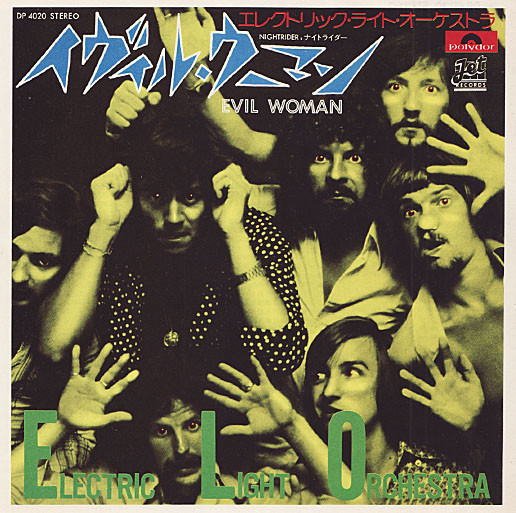
ELECTRIC LIGHT ORCHESTRA - EVIL WOMAN


Publicació: octubre de 1975 (EUA) Gener de 1976 (Regne Unit)

Llistes: Regne Unit: #10   EUA: #10


"Evil Woman" es va publicar com a single el 1975. Al Regne Unit, va ser un dels primers senzills publicats per Jet Records, amb "10538 Overture" com a cara B. Als Estats Units, va ser el setè senzill, llançat per United Artists Records amb la mateixa cara B. La cançó també apareix com la tercera cançó de la primera cara de l’àlbum “Face The Music”, publicat al setembre de 1975 als Estats Units i al novembre de 1975 al Regne Unit. Les versions single són diferents de la versió de l’àlbum: la versió britànica omet la introducció i la versió americana inclou algunes edicions especials per al país. A altres països, la cara B variava, incloent "Nightrider" en molts llocs i "Poker" a Espanya.


"Evil Woman" es va convertir en el primer gran èxit global de l'Electric Light Orchestra, arribant al top ten tant als Estats Units com al Regne Unit. Es considera una de les cançons essencials de la banda i ha estat àmpliament samplejada al llarg dels anys. El single també va ser el primer de l'ELO en aconseguir el certificat de platí als Estats Units.


"Evil Woman" és una cançó que explora el tema de la traïció i l’engany en una relació. La lletra descriu una dona que ha manipulat i fet mal al cantant, provocant-li sentiments de ràbia i una certa satisfacció fosca en veure’l patir com a conseqüència de les seves accions. La tornada adverteix repetidament la dona que deixi de comportar-se malament, subratllant el seu paper com a "dona malvada". Els versos narren la desil·lusió del cantant, que un cop va creure en el potencial de l'amor, però va acabar sent enganyat per algú que el va utilitzar per al seu propi benefici. Tot i reconèixer la seva manipulació, hi ha la insinuació que ell encara podria estar per ella quan ho necessiti.


Jeff Lynne la va escriure ràpidament, completant-la en qüestió de minuts després d’adonar-se que l’àlbum “Face The Music” no tenia un single potent. Va enviar la banda a jugar a futbol per aclarir-se la ment i va crear la cançó gairebé sobre la marxa, amb els acords inicials que li van venir immediatament. Va buscar un so elegant i inspirat en l'R&B, incorporant grans solos de piano i arranjaments de cordes. Tot i que la cançó es va inspirar en una dona en concret, va decidir no revelar la seva identitat, mencionant que aquesta dona havia influït diverses de les seves cançons.


"Evil Woman" pren elements de la mitologia del rock, amb Jeff Lynne presumptament prenent la seva estructura de tres acords del final de “Stairway to Heaven” de Led Zeppelin. A més, la cançó ret homenatge als Beatles, concretament referint-se a “Fixing a Hole” amb la frase: “There’s a hole in my head where the rain comes in” ("Hi ha un forat al meu cap per on entra la pluja").


ELECTRIC LIGHT ORCHESTRA - EVIL WOMAN


Released: October 1975 (US)  January 1976 (UK)

Charts:  UK: #10   US: #10 


"Evil Woman" was released as a single in 1975. In the UK, it was among the first singles released on Jet Records, with "10538 Overture" as the B-side. In the US, it was the seventh single, released on United Artists Records with the same B-side. The track also appeared as the third song on the first side of the album “Face The Music”, released in September 1975 in the US and in November 1975 in the UK. The single versions differ from the album version, with the UK version omitting the intro and the US version featuring several unique edits. In various other countries, the B-side varied, featuring "Nightrider" in many places and "Poker" in Spain.


"Evil Woman" became Electric Light Orchestra's first major global hit, breaking into the top ten in both the United States and the United Kingdom. It is considered one of the band's essential tracks and has been widely sampled over the years. The single was also ELO's first to achieve platinum status in the United States.


"Evil Woman" is a song that explores the theme of betrayal and deceit in a relationship. The lyrics describe a woman who has manipulated and hurt the singer, leading to his feelings of anger and a somewhat dark satisfaction in seeing her suffer as a result of her actions. The chorus repeatedly warns the woman to stop her wicked behavior, emphasizing her role as an "evil woman." The verses narrate the singer's disillusionment, as he once believed in the potential for love but was ultimately deceived by someone who used him for her own gain. Despite recognizing her manipulation, there's an implication that he might still be there for her when she's in need.  


Jeff Lynne wrote "Evil Woman" quickly, completing it in a matter of minutes after realizing the album "Face the Music" lacked a strong single. He sent the band out for a game of football to clear his mind and crafted the song almost on the spot, with the initial chords coming to him instantly. He aimed for a slick, R&B-inspired sound, incorporating big piano solos and string arrangements. While the song was inspired by a specific woman, he chose not to reveal her identity, mentioning that she has influenced several of his songs. 


“Evil Woman” draws on elements of rock mythology, with Jeff Lynne reportedly borrowing its three-chord structure from the end of Led Zeppelin's “Stairway to Heaven.” Additionally, the song pays tribute to The Beatles, specifically referencing “Fixing a Hole” with the lyric, “There’s a hole in my head where the rain comes in.” 


3.10.24


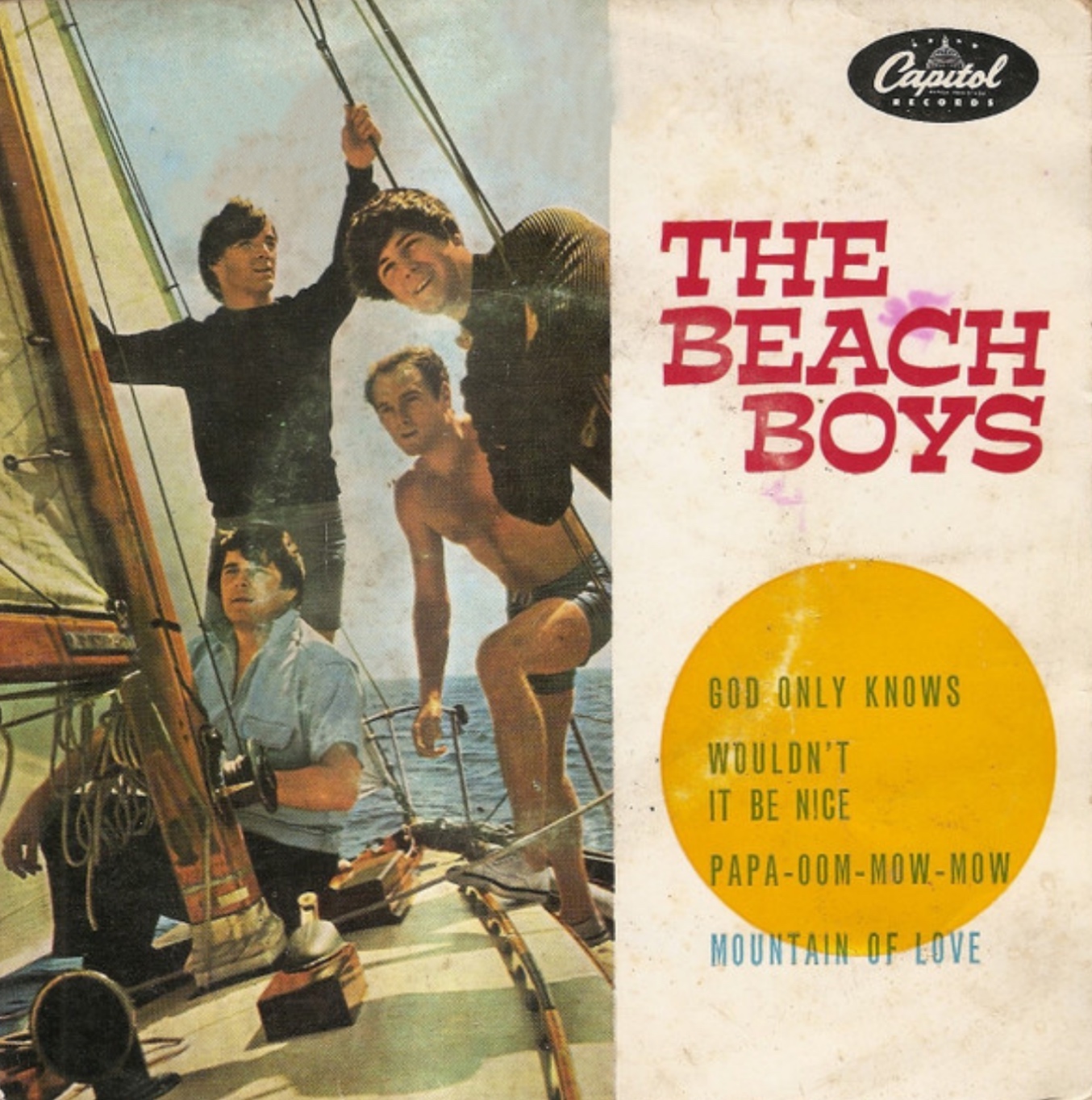
BEACH BOYS - WOULDN’T IT BE NICE


Estrena: 18 de juliol de 1966

Llistes: EUA: #8 Regne Unit: #58


"Wouldn't It Be Nice" és la cançó que obre l'àlbum dels Beach Boys de 1966, “Pet Sounds”, escrita per Brian Wilson, Tony Asher i Mike Love. Coneguda per la seva sofisticada producció estil Wall of Sound, les seves harmonies complexes i la seva profunditat emocional, la cançó és àmpliament considerada una de les millors obres de la banda. El seu arranjament inclou canvis de tempo atrevits, variacions de to i tècniques d'estudi inventives, resultant en una interpretació emocionalment poderosa. Les harmonies eren tan difícils que es diu que Carl Wilson es va emocionar fins a les llàgrimes durant la gravació. Aquesta cançó és un brillant exemple del geni musical de Brian Wilson.


"Wouldn't It Be Nice" es va inspirar en els sentiments de Brian Wilson cap a la seva cunyada, amb l'objectiu de capturar la seva "aura innocent". La lletra descriu una parella jove somiant amb l'alegria i la llibertat que els portaria el matrimoni, reflectint un canvi respecte als temes més superficials dels primers treballs dels Beach Boys cap a una exploració més profunda d'emocions i romanços. A diferència de les cançons típiques de l'època, que concloïen amb el matrimoni, Wilson posa èmfasi en gaudir del present, cosa que va agradar al públic adolescent, destacant la idea de ser "massa jove per casar-se". Aquest enfocament, combinat amb la sofisticació musical de Wilson, mostra una expressió genuïna de l'amor juvenil i del desig.


Brian Wilson va col·laborar amb Mike Love i el lletrista Tony Asher en aquesta cançó. Asher va escriure la major part de la lletra, mentre que Love va contribuir amb les frases de tancament. Asher, un antic redactor publicitari, excel·lia a l'hora de crear frases amb atractiu comercial. Reflexionant sobre la seva experiència amb Wilson, Asher va expressar que, tot i que fer música era una alegria, la seva relació personal era complicada a causa de l'estil de vida de Wilson i les converses sovint trivials que tenien, que es centraven molt en llibres o en els sentiments romàntics de Wilson.


Mike Love va cantar el pont mentre Brian Wilson interpretava els versos. En les notes de la caixa recopilatoria de “Pet Sounds”, Love va recordar que Wilson va necessitar més de 30 preses per a una secció de veus de fons, cosa que el va portar a anomenar-lo afectuosament Wilson "orelles de gos" per la seva capacitat d’escoltar detalls que altres no podien percebre. Love va destacar que Wilson estava buscant alguna cosa difícil d'assolir, destacant la seva excel·lent visió musical. 


L'acompanyament rítmic inclou dos acordions tocant un ritme de shuffle, semblant a l'èxit anterior de la banda "California Girls". Brian Wilson va destacar que el so dels acordions va sorprendre tothom a l'estudi. Durant el segon pont, els acordionistes van emprar una tècnica de "triple sacseig" per imitar el so d'un violí. A més, Wilson va utilitzar una de les seves tècniques de gravació preferides aplicant reverberació exclusivament a un timbal, contribuint a la textura sonora diferencial de la cançó.


BEACH BOYS - WOULDN’T IT BE NICE


Released: July 18, 1966

Charts:  US: #8    UK: #58 


"Wouldn't It Be Nice" is the opening track from The Beach Boys' 1966 album “Pet Sounds”, written by Brian Wilson, Tony Asher, and Mike Love. Known for its sophisticated Wall of Sound-style production, intricate harmonies, and emotional depth, the song is widely considered one of the band's finest works. Its complex arrangement features daring tempo shifts, key changes, and inventive studio techniques, resulting in an emotionally powerful performance. The harmonies were so challenging that they reportedly moved Carl Wilson to tears during the recording. It remains a shining example of Brian Wilson's musical genius.


"Wouldn't It Be Nice" was inspired by Brian Wilson's complex feelings for his sister-in-law, aiming to capture her "innocent aura." The lyrics depict a young couple dreaming of the joy and freedom marriage would bring, reflecting a shift from the Beach Boys' earlier focus on superficial themes to deeper emotional and romantic explorations. Unlike typical songs of the era that concluded with marriage, Wilson emphasizes savoring the present, resonating with a teen audience by highlighting the relatable idea of being "too young to marry." This approach, combined with Wilson's musical sophistication, showcases a genuine expression of youthful love and longing.


Brian Wilson collaborated with Mike Love and lyricist Tony Asher on the track. Asher wrote most of the lyrics, while Love contributed the closing lines. Asher, a former advertising copywriter, excelled at creating commercially appealing phrases. Reflecting on his experience with Wilson, Asher expressed that while making music was joyful, their personal relationship was challenging due to Wilson's lifestyle and the often trivial conversations they had, which focused heavily on books or Wilson's romantic feelings.


Mike Love sang the bridge while Brian Wilson performed the verses. In the “Pet Sounds” boxed set liner notes, Love recounted that Wilson required over 30 takes for one background section, leading him to affectionately call Wilson "dog ears" due to his ability to hear details others couldn't. Love noted that Wilson was striving for something elusive and difficult to achieve, highlighting his unique musical vision.


The rhythmic accompaniment features two accordions playing a shuffle beat, reminiscent of the band's earlier hit "California Girls." Brian Wilson noted that the unique sound of the accordions surprised everyone in the studio. During the second bridge, the accordionists employed a "triple bellow shake" technique to mimic the sound of a violin. Additionally, Wilson utilized one of his preferred recording techniques by applying reverb exclusively to a timpani, contributing to the song's distinct sonic texture.


ROLLING STONES - AS TEARS GO BY


Estrena: 18 de desembre de 1965 

Llistes: EUA: #6


"As Tears Go By" és una cançó escrita per Mick Jagger, Keith Richards i Andrew Loog Oldham. Marianne Faithfull la va gravar i llançar com a senzill el 1964, arribant al número 9 a les llistes de singles del Regne Unit i Irlanda. Els Rolling Stones van enregistrar la seva pròpia versió per a l'àlbum americà "December's Children (And Everybody's)", que London Records va llançar com a senzill i va arribar al Top Ten del Billboard Hot 100.


Llançar "As Tears Go By" com a senzill als Estats Units per capitalitzar la popularitat de les balades tenia sentit, donat el paisatge musical de l'època. I retardar el seu llançament a Anglaterra per evitar competir amb "Yesterday" mostra un pensament estratègic per part de la gestió dels Rolling Stones. La cançó va acabar sent la cara B de "19th Nervous Breakdown" al Regne Unit.


En una entrevista del 1992, Keith Richards va reflexionar sobre la transició dels Rolling Stones cap a la composició de cançons, descrivint la seva inicial reticència i l'èxit posterior. Va recordar que el seu manager, Andrew Oldham, els va tancar en una cuina amb Mick Jagger fins que van produir una cançó, cosa que va portar als seus primers intents de composició. Malgrat el seu escepticisme, es van trobar escrivint cançons pop que es van convertir en èxits. 


Richards va expressar sorpresa pel seu èxit en aquest gènere, tenint en compte les seves arrels blues, però va reconèixer la seva evolució com a compositors. També va destacar el suport mutu entre els Rolling Stones i els Beatles durant els anys seixanta. Pel seu compte, Mick Jagger ofereix una visió sobre l'evolució de l'estil musical dels Rolling Stones i la seva capacitat per experimentar més enllà de les seves arrels blues.


ROLLING STONES - AS TEARS GO BY


Released: December 18, 1965 

Charted:  US: #6 


"As Tears Go By" is a song written by Mick Jagger, Keith Richards, and Andrew Loog Oldham. Marianne Faithfull first recorded and released it as a single in the UK in 1964, where it peaked at #9 on both the UK and Irish singles charts. The Rolling Stones later recorded their own version for the American album “December's Children (And Everybody's)”, which London Records released as a single that reached the top ten on the Billboard Hot 100.


Releasing "As Tears Go By" as a single in the US to capitalize on the popularity of ballads makes sense, given the musical landscape at the time. And delaying its release in England to avoid competing with "Yesterday" shows strategic thinking on the part of The Rolling Stones' management. The song ended up as the B-side of "19th Nervous Breakdown" in the UK. 


In a 1992 interview Keith Richards reflected on The Rolling Stones' transition into songwriting, describing their initial reluctance and eventual success. He recounted being locked in a kitchen with Mick Jagger by their manager, Andrew Oldham, until they produced a song, which led to their first attempts at songwriting. Despite their skepticism, they found themselves writing pop songs that became hits. Richards expressed surprise at their success in this genre, considering their blues roots, but acknowledged their evolution into songwriters. He also noted the mutual support between The Rolling Stones and The Beatles during the '60s, likening their positions as the only two bands in that unique musical landscape. For his part Mick Jagger offers insight into the evolution of The Rolling Stones' musical style and their ability to experiment beyond their blues roots.