Total de visualitzacions de pàgina:

20.10.24


GUNS N' ROSES – PARADISE CITY


Publicació: gener de 1990

Llistes: EUA: #5  Regne Unit: #6 


"Paradise City" és el tercer single publicat de l'àlbum “Appetite for Destruction” de Guns N' Roses, un èxit massiu de 1987, i el tercer senzill del grup que va entrar al top 10 americà, després de “Welcome to the Jungle” i “Sweet Child O' Mine”. Al Regne Unit, va ser el primer single de Guns N' Roses a arribar al top 10, tot i que una nova edició de “Sweet Child O' Mine” també hi va entrar, després d'haver-se quedat en el número 24 en la seva primera publicació.


La cançó és un himne ple de riffs de glam metal i un esforç de col·laboració de tot el grup en la seva composició. Va sorgir d’un riff que el guitarrista Slash estava tocant un dia, quan el guitarrista rítmic Izzy Stradlin i el baixista Duff McKagan s'hi van unir. En escoltar-los, el cantant Axl Rose va improvisar la frase “take me down to the paradise city, where the grass is green and the girls are pretty” (porta'm a la ciutat paradisíaca, on l'herba és verda i les noies són boniques) seguint la melodia, a la qual Slash va respondre: “Where the girls are fat and they got big titties” (On les noies són grasses i tenen tetes grans), com una rèplica. Malauradament, només una d'aquestes frases va arribar a la versió final de la cançó. A més del seu èxit al Regne Unit i als Estats Units, “Paradise City” va ser el primer dels tres singles número u que el grup va tenir a Irlanda, precedint “Don’t Cry” i la seva versió de la cançó de Bob Dylan “Knocking on Heaven's Door” al capdamunt de les llistes.


Potser més que cap altre grup, Guns N' Roses eren els successors espirituals d’Aerosmith. Amb el carisma, l'actitud i la veu poderosa d'Axl Rose fàcilment comparables amb les de Steven Tyler, juntament amb les baralles constants i l’embranzida a l’estil de vida hedonista dels estereotípics roquers durs, la banda semblava desesperada per no només emular els errors d’Aerosmith, sinó superar-los. “Appetite for Destruction” va explotar a l’escena el 1987, convertint els cinc membres de la banda en estrelles de la nit al dia, quelcom per al qual no estaven totalment preparats. L'alcohol, les drogues i els problemes legals van devastar la banda durant aquell període, i la constant rotació de membres no ajudava a la seva estabilitat.


Els dos volums de l’àlbum següent, “Use Your Illusion”, semblaven ajudar a enfocar la banda de nou cap a la música, però després de la gira de gairebé tres anys per promocionar l’àlbum, ja es veia clar que el final estava a prop. Slash va marxar per formar Velvet Revolver (i més tard Slash's Snakepit), deixant Axl Rose per continuar Guns N' Roses amb un grup completament nou de músics. Rose semblava una ombra del que havia estat, com es va veure durant el seu breu temps com a cantant d’AC/DC després dels problemes d’oïda de Brian Johnson.


Els membres originals Slash i Duff McKagan es van tornar a unir al grup el 2016, i des de llavors han estat de gira. Sembla que no hi ha nova música prevista, almenys a curt termini, però qui sap què ens pot portar el futur.


GUNS N' ROSES – PARADISE CITY


Released: January, 1990

Charts:  US: #5  UK: #6


 “Paradise City” is the third single released from Guns N' Roses massive 1987 album “Appetite for Destruction”, and the third American top ten single for the band, following “Welcome to the Jungle” and “Sweet Child O' Mine” into the charts. In the UK, it became Guns N' Roses' first top 10 single, although a reissued “Sweet Child O' Mine” followed it into the top ten, having stalled at #24 on its first release.


The song is a riff filled glam metal stomper, and a total group effort in the writing. It stemmed from a riff guitarist Slash was strumming one day, when rhythm guitarist Izzy Stradlin and bassist Duff McKagan joined in. Hearing them, singer Axl Rose sung the line “take me down to the paradise city, where the grass is green and the girls are pretty” along to the melody, to which Slash replied “Where the girls are fat and they got big titties”, as a rebuke. Sadly, only one of those lines made it to the final song. In addition to the song’s success in the UK and US, “Paradise City” became the first of three number one singles the band had in Ireland, preceding “Don’t Cry” and their cover of Bob Dylan's “Knocking on Heaven's Door” to the chart summit.


Perhaps more than any other band, Guns N' Roses were the spiritual successors to Aerosmith. With Axl Rose’s charisma, attitude and rangy vocals an easy comparison to Steven Tyler, along with the constant bickering, and embracing of the hedonistic lifestyle of stereotypical hard rockers, the band seemed desperate to not only emulate Aerosmith’s mistakes, but to outdo the original party animals. “Appetite for Destruction” exploded into the scene in 1987, thrusting the five band members into overnight superstardom, something they were hopelessly unprepared for. Alcohol, drugs and legal issues ravaged the band during that period, with a steady turnover of band members not helping stability. 


The two volumes of the follow-up album “Use Your Illusion” seemed to help focus the band back on music, but after the almost three-year long tour supporting the album ended, the writing was on the wall. Slash left to form Velvet Revolver (and later Slash's Snakepit) leaving Rose to continue Guns N' Roses with an entirely new line-up of musicians. Rose appeared to be a shadow of his former self, as highlighted with his short-lived time fronting AC/DC, following Brian Johnson’s hearing problems.


Original members Slash and Duff McKagan re-joined the group in 2016 and the group have been touring ever since. No new music seems likely, at least for the near future, but who knows what the future might hold.


19.10.24


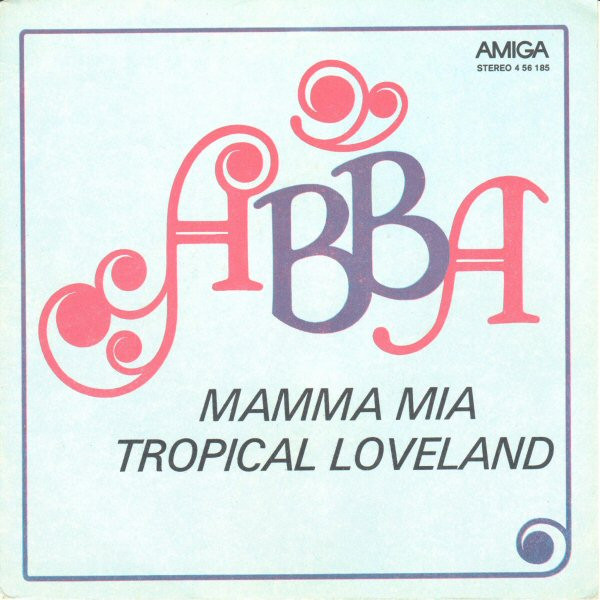
ABBA - MAMMA MIA

Estrena: setembre de 1975

Llistes: EUA: #32   Regne Unit: 1 (2 setmanes)


"Mamma Mia" és una cançó escrita per Benny Andersson, Björn Ulvaeus i Stig Anderson, amb veus principals compartides per Agnetha Fältskog i Anni-Frid Lyngstad. Es va llançar al setembre de 1975 com el sisè senzill del seu tercer àlbum, “ABBA”. "Mamma Mia" es va convertir en el primer número u del grup al Regne Unit des de "Waterloo" el 1974.


"Mamma Mia," inspirada en la frase italiana, reflecteix el malestar emocional d'una relació fracassada. La frase "Mamma Mia" s'utilitza en italià per expressar sorpresa. El mànager d'ABBA, Stig Anderson, va suggerir el títol, i Björn Ulvaeus i Benny Andersson van construir la lletra al seu voltant. La cançó descriu els sentiments contradictoris de la cantant envers una antiga parella després d'una relació tumultuosa. Tot i el dolor, la cantant se sent atreta per la possibilitat de reconciliació, però lluita amb el risc de tornar a ser ferida. La tornada reflecteix aquest conflicte intern, destacant la dificultat de resistir-se a algú a qui encara estima profundament.


L'abril de 1975, ABBA va filmar clips promocionals per a quatre cançons: "Mamma Mia," "SOS," "I Do, I Do, I Do, I Do, I Do" i "Bang-A-Boomerang." En aquell moment, no estava clar si "Mamma Mia," probablement la cançó més enganxosa de l'àlbum, seria llançada com a single, però aquests clips es van emetre regularment a la televisió australiana, on "Mamma Mia" es va fer especialment popular.


Inicialment, hi va haver problemes per llançar "Mamma Mia" com a single, malgrat la seva creixent popularitat a Austràlia. La discogràfica australiana d'ABBA, RCA, va pressionar Polar Music perquè publiqués la cançó com a senzill, però l'equip suec s'hi va resistir, ja que planejaven llançar "SOS" i no volien treure una altra cançó de l'àlbum. Finalment, Stig Anderson va acceptar davant el seu gran potencial, i "Mamma Mia" va substituir "I Do, I Do, I Do, I Do, I Do" al capdamunt de les llistes australianes, on hi va romandre durant 10 setmanes.


L'èxit de "Mamma Mia" a Austràlia va tenir un efecte boomerang, captant l'atenció del segell britànic d'ABBA, Epic Records. Al Regne Unit, Epic va començar a promocionar seriosament el single "SOS", que va ser el primer gran èxit d'ABBA al Regne Unit des de "Waterloo". Quan "Mamma Mia" finalment es va llançar com a single al Regne Unit, va pujar ràpidament al número u al gener de 1976. La cançó també va tenir un gran èxit a Europa, arribant al Top 5 d’almenys 10 països.


"Mamma Mia" ha evolucionat molt més enllà de la seva forma original com una simple pista d'àlbum. El seu èxit massiu a Austràlia va jugar un paper fonamental en l'ascens d'ABBA a la fama global, conduint a la creació del musical i la pel·lícula amb el mateix nom. Benny Andersson reconeix el paper crucial d'Austràlia, afirmant que la resposta entusiasta del país va fer que la carrera del grup agafés alçada realment. Tot i que "Waterloo" va fer famosos ABBA, va ser "Mamma Mia" la que els va elevar a l'estatus de superestrelles mundials.


ABBA - MAMMA MIA


Released: September 1975

Charts:  US: #32  UK: 1 ( 2 wks)


"Mamma Mia" is a song written by Benny Andersson, Björn Ulvaeus, and Stig Anderson, with lead vocals shared by Agnetha Fältskog and Anni-Frid Lyngstad. It was released in September 1975 as the sixth single from their third album, “ABBA”. "Mamma Mia" became ABBA's first UK number one hit since "Waterloo" in 1974.


"Mamma Mia" inspired by the Italian phrase meaning "My Mother," reflects the emotional turmoil of a failed romance. The phrase "Mamma Mia" is an Italian saying that literally means "My Mother" and is used to express surprise. ABBA’s manager Stig Anderson suggested the title, and songwriters Björn Ulvaeus and Benny Andersson built the lyrics around it. The song describes the singer's conflicting feelings of love and heartache towards a former partner after a tumultuous relationship. Despite the pain, the singer is drawn to the possibility of reconciliation but struggles with the risk of being hurt again. The chorus captures this inner conflict, highlighting the difficulty of resisting someone they still deeply love.


In April 1975, ABBA filmed promo clips for four songs: “Mamma Mia,” “SOS,” “I Do, I Do, I Do, I Do, I Do,” and “Bang-A-Boomerang.” At the time, it wasn’t certain that “Mamma Mia,” arguably the catchiest song on the album, would be released as a single, but these promo clips were regularly aired on Australian television, with “Mamma Mia” becoming particularly popular. 


There was an initial problem to release "Mamma Mia" as a single, despite its growing popularity in Australia. ABBA's Australian record company, RCA, urged Polar Music to issue the song as a single, but the Swedish team resisted, as they planned to release "SOS" next and didn't want to pull another track from the album, finally seeing the song's immense potential, Stig Anderson eventually agreed to release it. "Mamma Mia" quickly proved its strength, replacing "I Do, I Do, I Do, I Do, I Do" at the top of the Australian charts, where it remained for an impressive 10 weeks.


The success of "Mamma Mia" in Australia had a ripple effect, catching the attention of ABBA’s British label, Epic Records. In the UK, Epic began to seriously promote the group's current single, "SOS," which became ABBA’s first British Top Ten hit since "Waterloo." When "Mamma Mia" was released as a single in the UK, it quickly climbed to number one in January 1976. The song also achieved significant success across Europe, reaching the Top Five in at least 10 countries.


"Mamma Mia" has evolved far beyond its original form as just an album track. Its massive success in Australia played a pivotal role in ABBA's rise to global fame, leading to the creation of the blockbuster musical and movie that bear its name. Benny Andersson acknowledges Australia's crucial role, stating that the country's enthusiastic response is when things truly took off for the band. While "Waterloo" made ABBA popular, it was "Mamma Mia" that elevated their status as worldwide superstars.


DARYL HALL & JOHN OATES - ADULT EDUCATION


Estrena: febrer de 1984

Llistes: EUA: #8  Regne Unit: #94


"Adult Education" és una cançó llançada el febrer de 1984 com a senzill del seu àlbum recopilatori “Rock 'n Soul Part 1”. Va esdevenir un èxit, arribant al número vuit de la llista Billboard Hot 100 als Estats Units. Daryl Hall va escriure la major part, amb aportacions de John Oates i la parella de Hall, Sara Allen. Oates va afegir la frase "Doesn't rev your heart", encara que Hall no estava segur de la contribució específica d'Allen. La peça va ser una de les dues cançons noves gravades per a l'àlbum recopilatori.


"Adult Education" tracta sobre l'experiència d'una adolescent a l'institut, on els seus amics estan obsessionats amb les aparences. El narrador li assegura que "hi ha vida després de l'institut" i que està aprenent sobre comportaments adults a través de les seves experiències. La cançó transmet un missatge profund sobre com moltes persones mai arriben a madurar realment i continuen vivint en un món superficial i sense sentit. Daryl Hall ha explicat que la cançó serveix de recordatori que hi ha més coses a la vida més enllà de les trivialitats de l'institut.


El videoclip, dirigit per Tim Pope, està ambientat en un misteriós temple o tomba il·luminada amb torxes. Hall & Oates i la seva banda toquen envoltats d'objectes cerimonials. La narrativa del vídeo gira al voltant d'un home de mitjana edat, amb una gorra de beisbol, que dirigeix un ritual amb ídols i cants. Un noi i una noia adolescents, vestits de manera mínima, són presentats davant l'home i beneïts amb un ídol representant un animal. La noia, coberta amb un llençol blanc, passa per un ritual, i tots dos adolescents són col·locats sobre llits de pedra, amb el noi lligat i la noia estirada immòbil. El vídeo conclou amb els adolescents prop de l'altar i amb les últimes imatges de jeroglífics i objectes cerimonials escampats per tot el decorat.


El videoclip es caracteritza pel seu estil extravagant i conceptual, semblant al treball anterior de Pope amb bandes com The Cure i Soft Cell. Tot i que Hall & Oates no estaven interessats en els videoclips musicals, la seva discogràfica va contractar Pope, qui va crear un set visualment elaborat que recordava una versió post-apocalíptica de Nova York. John Oates va expressar posteriorment el seu penediment per la decisió, qualificant-la d’estúpida i reflexionant sobre com es van sentir fora de lloc enmig del set extravagant i caòtic. Daryl Hall també va criticar el vídeo, descrivint-lo com un producte de directors amb pressupostos excessius i llibertat creativa sense comprendre la música. Va remarcar que Pope "no tenia ni idea de què fer amb la cançó", donant lloc a una trama confusa que va deixar insatisfet el duet.


DARYL HALL & JOHN OATES - ADULT EDUCATION


Released: February 1984

Charts: US: #8    UK: #94 


"Adult Education" is a song released in February 1984 as a single from their compilation album “Rock 'n Soul Part 1”. It became a hit, reaching number eight on the US Billboard Hot 100. Daryl Hall did most of the songwriting, with contributions from John Oates and Hall's partner Sara Allen. Oates added the line "Doesn't rev your heart," though Hall was uncertain about Allen's specific contribution to the track. The song was one of two new tracks recorded for the compilation album.


"Adult Education" focuses on a teenage girl's experience in high school, where her friends are preoccupied with appearances. The narrator reassures her that "there's life after high school" and that she's learning about adult behaviors through her experiences. The song reflects a deeper message about how many people never truly grow up and continue to live in a superficial, meaningless world. Daryl Hall has explained that the song is a reminder that there's more to life beyond the trivialities of high school.


The music video directed by Tim Pope, is set in a mysterious, torchlit stone temple or tomb. Hall & Oates and their band perform surrounded by ceremonial objects and modified instruments. The video's narrative revolves around a middle-aged man, wearing a baseball cap, who directs a ritual involving idols and chanting. A teenage boy and girl, dressed in minimal attire, are brought before the man and blessed with an animal idol. The girl, draped in a white sheet, undergoes a ritual, and both teens are placed on stone slabs, with the boy restrained and the girl lying still. The video concludes with the teens near the altar and final glimpses of hieroglyphs and ceremonial objects scattered throughout the setting.


The music video is characterized by its outlandish and conceptual style, similar to Pope’s previous work with bands like The Cure and Soft Cell. Despite Hall & Oates' lack of interest in music videos, their record company hired Pope, who created a visually elaborate set resembling a post-apocalyptic version of New York. John Oates later expressed regret about the decision, calling it "stupid" and reflecting on how they felt out of place amidst the extravagant and chaotic set. Daryl Hall also criticized the video, describing it as a product of directors who had excessive budgets and creative freedom without understanding the music. He remarked that Pope had "no clue what to do with the song," resulting in a confusing plot that left the band dissatisfied.


18.10.24


JOHNNY HATES JAZZ – SHATTERED DREAMS


Estrena: 9 de març de 1987

Llistes: EUA: #2 Regne Unit: #5


"Shattered Dreams" va ser un single d'èxit de 1987 per la banda anglesa Johnny Hates Jazz. La cançó es va llançar inicialment a la primavera de 1987 al Regne Unit, on es va convertir en el gran èxit de la banda, passant tres setmanes al número 5 del top ten britànic. Gairebé un any després del seu llançament al Regne Unit va entrar a les llistes de Billboard dels Estats Units, on va arribar al número 2, quedant-se a les portes del primer lloc, degut als èxits combinats de Miami Sound Machine amb "Anything For You", i George Michael amb "One More Try".


La cançó és una balada pop a ritme mitjà, amb tocs de soul, escrita pel vocalista Clark Datchler. Tracta de manera senzilla el dolor del cor i les conseqüències de les promeses trencades d'una exparella. La interpretació suau de Datchler i la fragilitat emocional que transmet en la seva veu eleven el registre de la melodia. A Amèrica, l'èxit del single es va veure reforçat per un videoclip en blanc i negre de to malenconiós, que va rebre una gran programació a MTV. El vídeo va ser dirigit per David Fincher, que més tard es convertiria en un dels directors més reconeguts de Hollywood amb pel·lícules com "Seven", "Fight Club", "Gone Girl" i "The Curious Case of Benjamin Button" entre d’altres.


Johnny Hates Jazz és una banda de pop de Londres que va assolir l'èxit amb el seu àlbum debut "Turn Back the Clock", també el 1987. Estava formada per Clark Datchler (veu), Mike Nocito (guitarra) i Calvin Hayes (bateria), i van irrompre en l'escena musical amb el senzill "Shattered Dreams", un èxit que repetirien l'any següent a Amèrica del Nord. Tot i que el seu àlbum debut va ser un gran èxit al Regne Unit, assolint el primer lloc de les llistes d'àlbums i produint tres altres senzills dins del top vint, la banda va tenir dificultats per mantenir l'èxit i es va dissoldre el 1992.


La banda es va reformar el 2009, amb els tres membres originals inicialment tornant, tot i que Hayes va deixar la banda més tard. Datchler i Nocito han continuat com a duo, enregistrant dos àlbums més, "Magnetized" (2013) i "Wide Awake" (2020). Des de llavors, han continuat de gira i recentment han fet de teloners de Level 42 en una gira pel Regne Unit.


JOHNNY HATES JAZZ – SHATTERED DREAMS


Released: March 9, 1987

Charts: US: #2  UK: #5


 “Shattered Dreams” was a 1987 hit single for English Sophisti-Pop band Johnny Hates Jazz. The song was initially released in the Spring of 1987 in the United Kingdom, where it became the band’s breakthrough single, spending three weeks at #5 in the UK top ten. Almost a year after it’s UK release, it broke into the Billboard charts, where it stalled at #2, kept off the top of the charts by the combined efforts of Miami Sound Machine's “Anything For You”, and George Michael's “One More Try”.


The song is a mid-tempo, soulful pop ballad, written by Johnny Hates Jazz frontman, Clark Datchler. It’s a simple song about dealing with heartbreak and the fallout of broken promises from an ex-partner. It’s elevated above the norm by Datchler's smooth delivery and the fragile longing in his voice. The song was helped in the US by a moody, black and white music video, which was heavily rotated on MTV. The video was directed by David Fincher, who later went on to direct such Hollywood blockbusters as “Seven”, “Fight Club”, “Gone Girl”, and “The Curious Case of Benjamin Button”.


Johnny Hates Jazz are a pop band from London, England who shot to success with their debut album “Turn Back the Clock” in 1987. They consisted of Clark Datchler (vocals), Mike Nocito (guitar) and Calvin Hayes (drums) and burst onto the scene in 1987 with their single “Shattered Dreams”, before repeating the feat the following year in North America. Although their debut album, “Turn Back the Clock” was a big success in the UK, topping the album charts and producing three further top twenty singles, the band struggled to maintain the success and folded in 1992. 


The band reformed in 2009, with the original threesome all initially returning, before Hayes left again. Datchler and Nocito have continued as a duo, recording two further albums, 2013’s “Magnetized” and 2020’s “Wide Awake”. They have continued to tour ever since, and recently supported Level 42 on a UK tour.