Total de visualitzacions de pàgina:

1.12.24


 SHANIA TWAIN - THAT DON’T IMPRESS ME MUCH

Publicada: 7 de desembre de 1998

Llistes d’èxits: EUA: #7    Regne Unit: #3


La cançó de Shania Twain, “That Don’t Impress Me Much”, va ser coescrita amb Robert John “Mutt” Lange i llançada com a single el desembre de 1998 dins del seu tercer àlbum, “Come On Over”. Inicialment dirigida a emissores de ràdio country nord-americanes, va aconseguir una gran popularitat, que la va portar a editar-se internacionalment. Es va convertir en un gran èxit al Billboard Hot 100, sent el tercer major èxit de Twain en aquesta llista i una de les seves cançons més conegudes a escala global.


Tot i que Shania Twain ja era una estrella de la música country amb set èxits que havien arribat al número 1 en el gènere, va aconseguir un gran èxit fora del món country amb aquesta cançó, que va guanyar més popularitat entre el públic pop. Malgrat que es va quedar al número 8 de la llista Country, va arribar al número 7 al Billboard Hot 100 gràcies en part a la producció orientada al pop de Mutt Lange, que reduïa l’estil country en favor d’una tornada enganxosa. La lletra, que aborda les peculiaritats dels homes, també va contribuir a la seva àmplia acceptació.


En aquesta cançó, Twain canta sobre homes que poden ser talentosos o atractius però que no aconsegueixen impressionar-la, ja que ella busca algú que li pugui oferir una connexió real i confort, especialment algú que la mantingui “warm in the middle of the night” (càlida al mig de la nit”. Menciona icones com Elvis i Brad Pitt, que s’han mantingut com a símbols culturals amb el pas del temps.


La referència a Brad Pitt es va inspirar en l’enrenou mediàtic per unes fotografies de l’actor nu publicades a la revista Playgirl. Twain recorda que, mentre feia galetes amb una amiga, va escoltar com parlaven de les fotografies i va pensar que l’enrenou era exagerat, fet que va donar lloc a la frase, “OK, so you’re Brad Pitt? That don’t impress me much” (“OK, ets Brad Pitt? Això no m’impressiona gaire”). Twain va aclarir que la menció a Pitt no era una crítica cap a ell, sinó que simplement representava la fascinació de la societat per l’aspecte de les celebritats. Twain també ha canviat la frase segons el públic; per exemple, va substituir “Brad Pitt” per “Ryan Reynolds” durant la seva actuació als People’s Choice Awards del 2022, en honor a Reynolds, que estava present.


El vídeo musical es va filmar al desert de Mojave a El Mirage Dry Lake i Barstow, Califòrnia, i va ser dirigit per Paul Boyd. Publicat el desembre de 1998, mostra Twain fent autoestop amb un conjunt de pell de lleopard, cridant l’atenció de diversos homes que li ofereixen transport en vehicles diversos, com un Chevy Bel Air del 1957 i una motocicleta. El vídeo, que inclou un cameo del model John Devoe, va guanyar diversos premis, incloent-hi el de Vídeo de l’Any als Canadian Country Music Awards. Es van crear dues versions del vídeo: una per a canals country amb la versió original de l’àlbum i una altra per a canals pop amb una edició amb ritme de ball.


SHANIA TWAIN - THAT DON’T IMPRESS ME MUCH


Released: December 7, 1998

Charts:  US: #7    UK: #3 


Shania Twain's song "That Don't Impress Me Much" was co-written with Robert John "Mutt" Lange and released as a single in December 1998 from her third album, “Come On Over”. Initially sent to North American country radio, it soon expanded internationally due to its popularity. The song achieved major success on the Billboard Hot 100, becoming Twain's third biggest hit on the chart and one of her most well-known tracks globally.


Shania Twain, already a country star with seven #1 country hits, achieved crossover success with this song, which became more popular with pop audiences. Although it stalled at #8 on the Country chart, it reached #7 on the Billboard Hot 100, thanks in part to producer Mutt Lange’s pop-oriented production that downplayed the country twang in favor of catchy background vocals. The song's relatable lyrics, addressing men’s quirks, also contributed to its wide appeal.


In this song, Shania Twain sings about men who may be talented and attractive but fail to impress her, as she’s searching for someone who can offer real connection and comfort, specifically someone who will keep her "warm in the middle of the night." She mentions icons Elvis and Brad Pitt, both of whom have maintained their status as cultural symbols over time.


Shania Twain’s reference to Brad Pitt was inspired by the media frenzy over nude photos of Pitt published in Playgirl magazine. Twain recalled that while baking cookies with a friend, she heard about the photos and thought the hype was overblown, leading to the line, "OK, so you're Brad Pitt? That don’t impress me much." She clarified that the mention of Pitt wasn’t meant as a dig at him specifically; he simply represented the idea of society’s fascination with celebrity appearances. Twain has also been known to change the line to suit her audience, such as playfully substituting "Ryan Reynolds" during her 2022 People's Choice Awards performance in honor of Reynolds, who was present at the event.


The music video was filmed in the Mojave Desert at El Mirage Dry Lake and Barstow, California, directed by Paul Boyd. Released in December 1998, it features Twain hitchhiking in a hooded leopard-skin outfit, attracting the attention of several men offering rides in various vehicles, including a 1957 Chevy Bel Air and a motorcycle. The video, which includes a cameo by male model John Devoe, won multiple awards, including Video of the Year at the Canadian Country Music Awards. Two versions of the video were created: one for country channels with the original album version and another for pop stations with a dance mix edit.


30.11.24


BONNIE RAITT - NICK OF TIME


Publicada: 19 de maig de 1990

Llistes d’èxits: EUA: #92   Regne Unit: #82


“Nick of Time” és una cançó de la música de blues nord-americana Bonnie Raitt, publicada al maig de 1990 com el tercer senzill del seu àlbum homònim de 1989. Aquesta va ser la seva primera publicació amb Capitol Records i va ser produïda per Don Was, cofundador de Was (Not Was). Tot i que només va arribar al número 92 al Billboard Hot 100, va tenir més èxit a la llista Adult Contemporary, on va aconseguir situar-se entre les 10 primeres posicions.


Bonnie Raitt la va escriure com una reflexió personal sobre l’amor, l’envelliment i la resiliència després d’haver passat per moments difícils en la seva vida personal i carrera. La primera estrofa es va inspirar en una conversa amb una amiga amb el cor trencat, que desitjava tenir fills però se sentia aclaparada pel pas del temps. La segona estrofa va néixer en observar el seu pare envellir durant un viatge per carretera, cosa que la va fer més conscient de la vulnerabilitat associada amb fer-se gran. La tercera estrofa, que parla de l’amor com a salvació, representa una noció universal d’amor més que una persona concreta. El títol reflecteix el doble significat de “just in the nick of time” (just a temps) i les marques o “nicks” que l’envelliment deixa en el cos i l’esperit.


Bonnie Raitt va explicar que “Nick of Time” va sorgir d’un lloc profund i personal que mai havia explorat abans. Volia reflexionar sobre els canvis importants de la seva vida, i escriure la cançó la va ajudar a superar els dubtes sobre ella mateixa i a guanyar confiança. En lloc de comparar-se amb artistes llegendaris com Jackson Browne o Randy Newman, es va centrar a escriure per a ella mateixa, com una manera de celebrar el miracle transformador de la seva recuperació i la nova claredat de la seva vida. Prop dels 40 anys, Raitt va superar l’addicció i va treballar per reconstruir la seva vida, aconseguint la sobrietat “just in the nick of time.”


L’àlbum resultant va ser un gran retorn, convertint-se en el seu primer número 1 a la llista d’àlbums i guanyant tres premis Grammy, incloent-hi Àlbum de l’Any i Millor Interpretació Vocal Femenina de Rock. La cançó “Nick of Time” també li va valdre un Grammy a la Millor Interpretació Vocal Femenina de Pop.


BONNIE RAITT - NICK OF TIME


Released: May 19, 1990

Charts:  US: #92   UK: #82 


"Nick of Time" is a song by American blues musician Bonnie Raitt, released in May 1990 as the third single from her 1989 album of the same name. The track marked Raitt's first release with Capitol Records and was produced by Don Was, co-founder of Was (Not Was). Although it reached only No. 92 on the Billboard Hot 100, it achieved greater success on the Adult Contemporary Chart, where it secured a top 10 spot.


Bonnie Raitt wrote it as a personal reflection on love, aging, and resilience after experiencing significant struggles in her personal life and career. The first verse was drawn from a conversation with a heartbroken friend, who longed for a child and felt overwhelmed by the passing of time. The second verse was inspired by Raitt observing her aging father during a road trip, making her more acutely aware of the vulnerability that comes with growing older. The third verse, about love coming to the rescue, represents a broader, universal sense of love rather than a specific person. The song’s title reflects the dual meaning of "just in the nick of time" and the inevitable "nicks" that aging leaves on the body and spirit.


Bonnie Raitt explained that “Nick of Time” came from a deep, personal place she had yet to explore. She wanted to reflect on the significant changes in her life, and writing the song helped her overcome self-doubt and gain confidence. Instead of comparing herself to legendary artists like Jackson Browne and Randy Newman, she focused on writing for herself, as a way to celebrate the transformative miracle of her recovery and the newfound clarity in her life. Nearing 40, Raitt overcame addiction and worked to rebuild her life, achieving sobriety "just in the nick of time." 


The resulting album was a major comeback, becoming her first #1 on the Albums chart and winning three Grammy Awards, including Album of the Year and Best Female Rock Vocal Performance. The title track itself earned her a Grammy for Best Female Pop Vocal Performance.


29.11.24


MARIAH CAREY - VISION OF LOVE


Llançada: 15 de maig de 1990

Llistes: EUA: #1 (durant 4 setmanes)   Regne Unit: #9


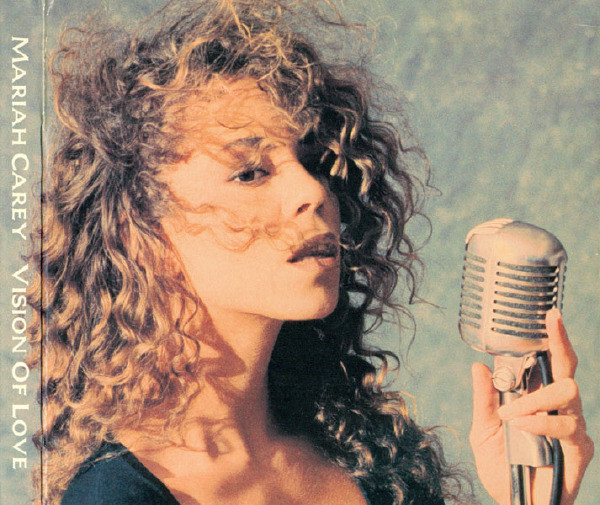
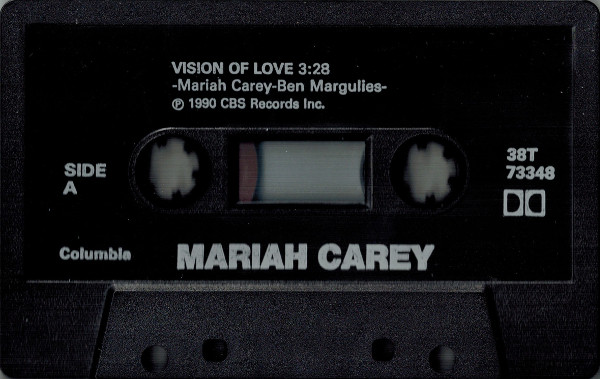
“Vision of Love” és el senzill debut de Mariah Carey, llançat el 15 de maig de 1990 com el tema principal del seu àlbum homònim de debut. Escrita per Carey i Ben Margulies, la cançó va ser regravada i produïda per Rhett Lawrence i Narada Michael Walden després d’haver estat inclosa en la maqueta que Carey va presentar a Columbia Records. Aquesta cançó va marcar un moment decisiu en la seva carrera, guanyant el Grammy de 1990 a la millor interpretació vocal femenina de pop i contribuint al seu reconeixement com a millor artista nova.


“Vision of Love” és una balada pop i R&B amb elements de gospel i soul que destaca per la impressionant capacitat vocal de Mariah Carey, incloent-hi el seu registre característic de xiulet. La cançó incorpora cors gravats per la mateixa Carey, creant un efecte ric i dual. Chris Nickson la va descriure com una introducció perfecta a la seva veu, combinant un tempo de ball lent amb un ritme oscil·lant. El cor final ressalta les notes altes de Carey, culminant en un clímax dramàtic on els instruments desapareixen i la seva veu es queda al centre de l’atenció.


La lletra reflecteix el viatge personal de Mariah Carey, des d’una vida marcada per l’alienació i les dificultats fins a l’èxit i l’autorealització. La cançó expressa la seva fe incansable en una “visió d’amor” que la va sostenir durant l’adversitat, celebrant el triomf dels seus somnis i la seva transformació personal.


El vídeo musical està ambientat en un espai gran i majestuós, semblant a una catedral, amb escales en espiral i una gran finestra esculpida amb vistes a cels canviants. L’escenari varia entre un dia assolellat, una posta de sol brillant i un cel ennuvolat, simbolitzant el pas del temps. Mariah Carey apareix amb cabells llargs i daurats, vestida amb un jersei negre, asseguda a la vora de la finestra i després acompanyada per un petit gat negre mentre medita a les escales. Les escenes alternen entre Carey cantant davant d’un gran micròfon i contemplant el paisatge exterior. El vídeo acaba amb Carey somrient mirant cap a un prat. L’autor Chris Nickson va assenyalar que la imatge de Carey meditant a la finestra, combinada amb la lletra de la cançó, reflecteix la seva connexió amb la fe i l’oració, creant una harmonia visual amb els temes espirituals i d’esperança de la cançó.


MARIAH CAREY - VISION OF LOVE


Released: May 15, 1990

Charts:  US: #1 (4 weeks)   UK: #9 


"Vision of Love" is Mariah Carey's debut single, released on May 15, 1990, as the lead track from her self-titled debut album. Written by Carey and Ben Margulies, the song was re-recorded and produced by Rhett Lawrence and Narada Michael Walden after being included on Carey's demo tape for Columbia Records. It became a defining moment in Carey's career, earning her the 1990 Grammy for Best Pop Vocal Performance, Female, and contributing to her win as Best New Artist.


"Vision of Love" is a pop and R&B ballad infused with gospel and soul elements, showcasing Mariah Carey's vocal prowess, including her signature whistle register. The song features multi-tracked background vocals performed by Carey herself, creating a rich, layered effect. Chris Nickson described it as an ideal introduction to her voice, combining a slow-dance tempo with a swinging rhythm. The final chorus highlights Carey's high notes, culminating in a dramatic climax where the instruments drop out, leaving her vocals to shine alone.


The lyrics reflect Mariah Carey's journey from a life of alienation and hardship to triumph and self-fulfillment. The song portrays her unwavering belief in the "vision of love" that sustained her through adversity, celebrating the realization of her dreams and personal transformation.


The music video is set in a grand, cathedral-like space with winding staircases and a large carved window overlooking changing skies. The scenery shifts between a sunny day, a glowing sunset, and cloudy skies, symbolizing the passage of time. Mariah Carey is featured with long golden curls, dressed in a black jumper, sitting by the window, and later joined by a small black cat as she meditates on the stairwell. Scenes alternate between Carey singing into a large microphone and gazing out of the window. The video ends with her smiling out into a meadow. Author Chris Nickson noted that the imagery of Carey meditating by the window, combined with the song's lyrics, reflects her connection to faith and prayer, creating a visual harmony with the song's themes of spirituality and hope.


HUMAN LEAGUE - LOVE IS ALL THAT MATTERS


Llançada: 3 d’octubre de 1988

Classificacions: Regne Unit: #41


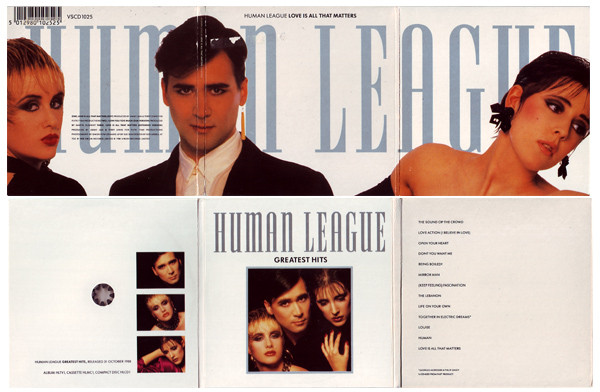
“Love Is All That Matters” és una cançó llançada com el tercer senzill de l’àlbum “Crash”. Inicialment, es va publicar als Estats Units el 1986, però no va aconseguir entrar a les llistes. El 1988, es va reedit arreu del món, excepte als EUA, per promocionar el primer àlbum de grans èxits de la banda.


“Love Is All That Matters” es va gravar a principis de 1986 als estudis Flyte Tyme de Minneapolis, on The Human League va col·laborar amb els productors Jimmy Jam i Terry Lewis per a l’àlbum. Com moltes altres cançons del disc, aquesta va ser concebuda com una balada d’amor destinada al mercat americà, seguint l’èxit del single principal, “Human”, que havia arribat al número u als EUA, però “Love Is All That Matters” només va tenir èxit al Regne Unit, on va aconseguir una posició modesta al número 41, fet que va portar a la cancel·lació de futurs senzills de “Crash” a causa de les baixes vendes.


La cançó destaca l’amor com una força fonamental i unificadora. La lletra presenta l’amor com essencial i transformador, capaç d’unir les persones i aportar satisfacció personal. L’inici repetitiu de la paraula “love” estableix un to de devoció, mentre que la tornada afirma que l’amor, tant el donat com el rebut, és el que manté tot en harmonia. La primera estrofa celebra l’alegria i la il·luminació personals que aporta l’amor, mentre que la segona estrofa amplia el missatge, fent una crida a l’acció col·lectiva per millorar vides i unir comunitats. La cançó transmet que l’amor té el potencial d’inspirar tant la felicitat individual com la unitat social.


El videoclip de “Love Is All That Matters” reflecteix la confiança decreixent de Virgin Records en The Human League, donant lloc a una producció de baix pressupost. El vídeo consisteix principalment en clips editats de vídeos musicals anteriors de la banda, intercalats amb imatges animades que destaquen moments clau d’aquests clips. Aquesta estratègia no només mostra el catàleg previ de la banda, sinó que també actua com una eina promocional per al seu àlbum de grans èxits, que era el principal motiu del llançament del single.


HUMAN LEAGUE - LOVE IS ALL THAT MATTERS


Released: October 3, 1988

Charts: UK: #41 


"Love Is All That Matters" is a song released as the third single from the album “Crash”. The single initially launched in the United States in 1986 but failed to chart. In 1988, it was reissued worldwide, excluding the US, to promote the band’s first greatest hits album.


"Love Is All That Matters" was recorded in early 1986 at Flyte Tyme studios in Minneapolis, where the Human League collaborated with producers Jimmy Jam and Terry Lewis on their “Crash” album. Like many tracks on the album, this song was crafted as a love song targeting the American market, following the success of the album’s lead single "Human," which had reached number one in the US. However, "Love Is All That Matters" charted only in the UK, reaching a modest number 41, which led to no further singles being released from “Crash” due to disappointing sales.


"Love Is All That Matters" emphasizes love as a fundamental and unifying force. The lyrics portray love as essential and transformative, bonding individuals and bringing personal fulfillment. The opening repetition of "love" sets a tone of devotion, while the chorus asserts that love, both given and received, holds everything together. The first verse celebrates personal joy and enlightenment gained from love, while the second verse extends the message, calling for collective action to improve lives and unite communities. The song conveys that love has the potential to inspire both individual happiness and broader societal unity.


The music video for "Love Is All That Matters" reflects Virgin Records' diminishing confidence in the Human League, leading to a low-budget production. The video primarily consists of edited clips from the band’s previous music videos, interspersed with animated stills that highlight key moments from those clips. This approach not only showcases the band's back catalogue but also serves as a promotional tool for their Greatest Hits compilation, which was the main reason for releasing the single.