Total de visualitzacions de pàgina:

15.12.24


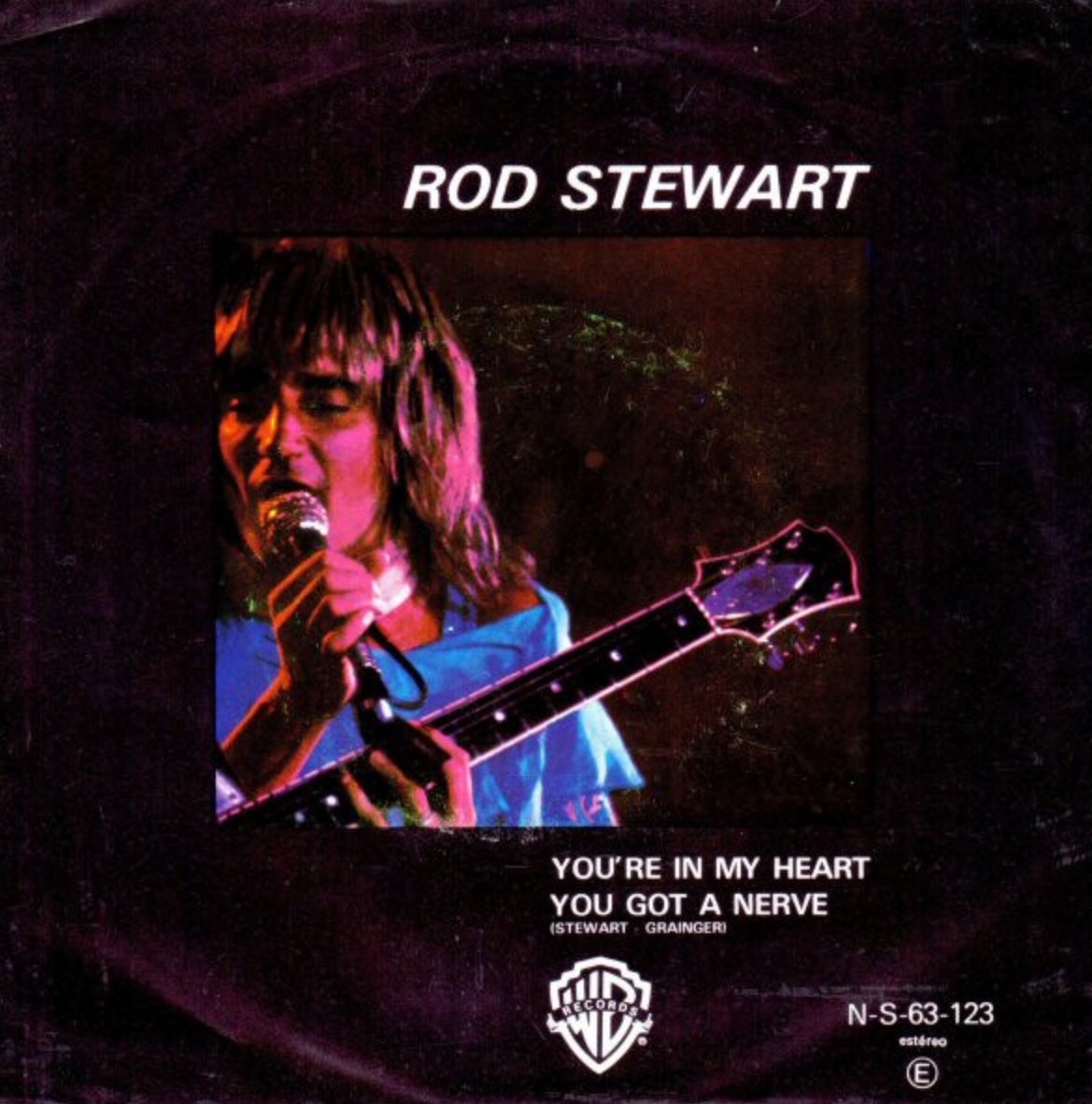
ROD STEWART - YOU’RE IN MY HEART (THE FINAL ACCLAIM)


Llançament: 30 de setembre de 1977

Llistes d’èxits: EUA: #4 | Regne Unit: #3


“You’re in My Heart (The Final Acclaim)” és una cançó de Rod Stewart del seu àlbum “Foot Loose & Fancy Free”. Escrita i interpretada per Stewart, va assolir un gran èxit internacional, arribant al número 4 als Estats Units, al número 3 al Regne Unit, al número 2 al Canadà i al número 1 a Austràlia durant una setmana.


La cançó va estar inspirada per la llavors xicota de Stewart, l’actriu sueca Britt Ekland, tot i que més tard ell va afirmar que no estava completament dedicada a ella. La lletra combina un to romàntic amb un cert humor autodestructiu, on Stewart declara que el seu amor és immensurable però admet que l’atracció era purament física. La relació va acabar el 1977 després que Stewart fos vist amb una altra dona, cosa que va provocar una ruptura tensa. Ekland el va demandar per 12,5 milions de dòlars, al·legant que la seva influència en la música de Stewart la feia mereixedora de compensació. Tot i que Stewart va negar haver escrit les cançons directament sobre ella, va reconèixer certa ironia en el títol i en les temàtiques de l’àlbum.


La lletra també fa referència als equips de futbol favorits de Rod Stewart, el Celtic i el Manchester United, mentre que la funda interior de l’àlbum inclou il·lustracions amb els seus noms. A més, també menciona l’artista victorià Aubrey Beardsley, reflectint el gust refinat de la dona de la qual canta, suposadament Ekland. Stewart la va acreditar per haver-li ensenyat sobre art, presentació visual i fins i tot per inspirar-lo a maquillar-se.


Rod Stewart la va gravar als Manta Sound Studios de Toronto amb el productor Tom Dowd. L’origen de la cançó és recordat per una història memorable, que Stewart va compartir a la seva recopilació “Storyteller”. Mentre estava dret fora de l’Hyatt Regency Hotel de Toronto, Stewart va ser colpit per la idea del cor “com un llamp”. Sense una gravadora a mà, Dowd va improvisar i va anotar els acords i la melodia en un paquet de cigarretes mentre Stewart cantava la cançó en veu alta a les deu del matí, per sorpresa dels qui passaven pel lloc. Aquest moment improvisat va donar lloc a una de les balades més icòniques de Rod Stewart.


ROD STEWART - YOU’RE IN MY HEART (THE FINAL ACCLAIM)


Released: September 30, 1977

Charts:  US: #4    UK: #3 


“You’re in My Heart (The Final Acclaim)” is a 1977 hit song by Rod Stewart from his album Foot Loose & Fancy Free. Written and performed by Stewart, it achieved widespread success, reaching the top 10 in multiple countries: number 4 in the US, number 3 in the UK, number 2 in Canada, and number 1 in Australia for one week.


Rod Stewart’s “You’re in My Heart (The Final Acclaim)” was inspired by his then-girlfriend, Swedish actress Britt Ekland, though Stewart later claimed it wasn’t entirely about her. Known for its blend of romantic and self-deprecating lyrics, Stewart described his love as “immeasurable” but admitted the attraction was “purely physical.” Their relationship ended in 1977 after Stewart was seen with another woman, leading to an acrimonious split. Ekland later sued him for $12.5 million, claiming her influence on his music entitled her to compensation. Stewart denied writing the songs directly about her but acknowledged the irony in the album’s title and themes. 


The lyrics reference Rod Stewart’s favorite football teams, Celtic and Manchester United, while the album’s inner sleeve features artwork with their names. The song also includes a nod to Victorian artist Aubrey Beardsley, reflecting the refined taste of the woman Stewart sings about, believed to be Britt Ekland. Stewart credited Ekland with teaching him about art, visual presentation, and even inspiring him to wear make-up.


Rod Stewart recorded it at Manta Sound Studios in Toronto with producer Tom Dowd. The song’s creation has a memorable origin story, which Stewart shared in his Storytellercompilation. While standing outside the Hyatt Regency Hotel in Toronto, Stewart was struck by the chorus idea “like a bolt of lightning.” Without a tape recorder, Dowd improvised by jotting down the chords and melody on a cigarette packet as Stewart sang the song aloud at 10 a.m., much to the surprise of onlookers. This impromptu moment led to the creation of one of Stewart’s most iconic ballads.




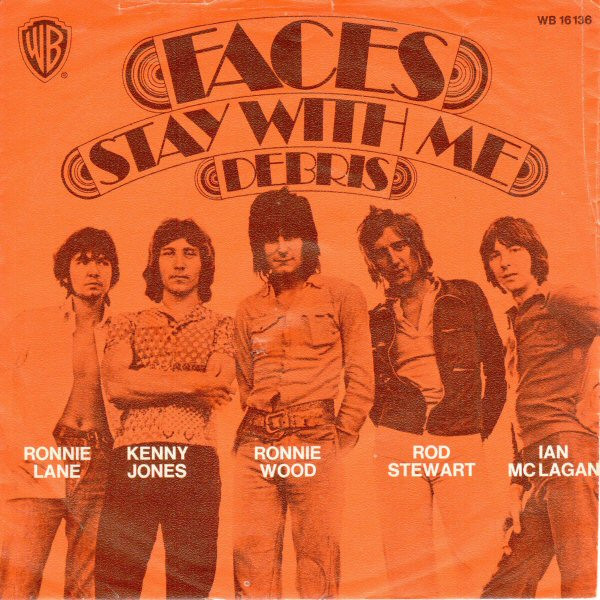
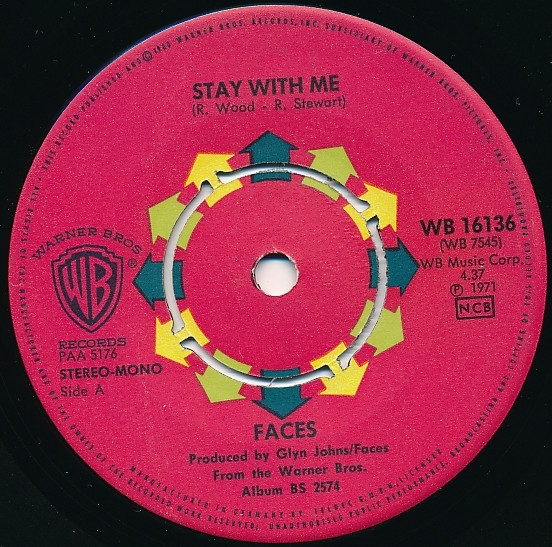
FACES - STAY WITH ME 


Llançament: Desembre de 1971

Llistes d’èxits: EUA: #17 | Regne Unit: #6


“Stay with Me” és una cançó de Faces, llançada el 1971 i coescrita per Rod Stewart i Ronnie Wood. Va formar part del seu tercer àlbum, “A Nod Is As Good As a Wink… to a Blind Horse”, i es va convertir en el seu únic gran èxit als Estats Units, arribant al número 17 del Billboard Hot 100 i al número 10 del Cash Box Top 100. Al Regne Unit va assolir el número 6 i al Canadà va arribar al número 4. La cançó és un clàssic del rock i ha aparegut en recopilatoris i àlbums en solitari tant de Rod Stewart com de Ronnie Wood.


Sis mesos després de l’èxit en solitari de Stewart amb “Every Picture Tells a Story”, els Faces van llançar el seu àlbum més reeixit, mantenint el so cru i energètic que els caracteritzava. El to descarat i provocador de la banda va contribuir a consolidar-los com autèntics provocadors del rock. “Stay with Me” és un himne de rock ‘n’ roll d’alta energia, amb un icònic riff de guitarra i una actitud descarada que l’han convertit en una peça imprescindible en els concerts de Rod Stewart.


La lletra narra una aventura d’una nit amb una dona descrita com una “mean old Jezebel” (una vella Jezabel malvada), una referència bíblica a un personatge seductor i rebel. Stewart descriu pas a pas el procés de seducció, deixant clar que l’arranjament és estrictament per una sola nit. Malgrat el to despectiu, acaba mostrant un toc de cavallerositat, prometent pagar-li el taxi de tornada a casa.


FACES - STAY WITH ME 


Released: December 1971

Charts:  US: #17    UK: #6 


“Stay with Me” is a 1971 song by the English rock band Faces, co-written by Rod Stewart and Ronnie Wood. Released from their third album, “A Nod Is As Good As a Wink… to a Blind Horse”, it became their only major hit in the U.S., peaking at No. 17 on the Billboard Hot 100 and No. 10 on the Cash Box Top 100. In the UK, it reached No. 6 and climbed to No. 4 in Canada. It remains a classic rock staple and has been featured in compilations and solo albums by Stewart and Wood.


Six months after Rod Stewart’s solo breakthrough with “Every Picture Tells a Story”, the Faces released their most successful album, showcasing a similar raw rock sound. The Faces’ cheeky and provocative tone helped establish their reputation as rock provocateurs. Their hit single “Stay with Me” is a high-energy rock ‘n’ roll anthem. Its iconic sliding guitar riff and swaggering attitude have kept it a staple of Stewart’s live performances.


The song details a one-night stand with a woman described as a “mean old Jezebel,” referencing the biblical figure known for her seductive and rebellious ways. Stewart offers a step-by-step guide to seduction, emphasizing that the arrangement is strictly for one night. Though dismissive, he does chivalrously promise to pay for her cab ride home. 


14.12.24


ALISON MOYET- LOVE RESURRECTION


Publicada: 11 de juny de 1984

Llistes: EUA: #82  Regne Unit: #10


“Love Resurrection” és una cançó pop d’Alison Moyet, coescrita amb els productors Jolley & Swain per al seu àlbum debut de 1984, “Alf”. Llançada com a primer senzill al juny de 1984, va arribar al número 10 a la llista de singles del Regne Unit. Als Estats Units es va publicar l’estiu de 1985, on va assolir la posició #82.


Amb només 23 anys, Moyet va llançar “Love Resurrection” com el seu primer single en solitari. Ja era coneguda al Regne Unit per la seva etapa a Yazoo, un duo que va formar amb Vince Clarke. Yazoo va ser molt popular a Gran Bretanya amb èxits com “Only You” i “Don’t Go”, tot i que van tenir menys reconeixement als EUA, on eren més coneguts en els cercles de música dance i new wave. De manera similar, “Love Resurrection” va ser un èxit al Regne Unit, però no tant als EUA. L’àlbum “Alf”, que va arribar al número 1 al Regne Unit, va establir Moyet com a artista en solitari i va consolidar el seu èxit a Europa i Oceania. Als Estats Units, el seu únic altre senzill que va entrar a les llistes va ser “Invisible,” escrit per Lamont Dozier. Després de la dissolució de Yazoo, Clarke va formar Erasure amb Andy Bell.


Alison Moyet va explicar que “Love Resurrection” va néixer espontàniament durant un moment difícil. Va escriure la lletra després d’una discussió amb un amic i la va compartir per telèfon amb el productor Steve Jolley, que va crear ràpidament una melodia. Algunes frases de la lletra van cridar l’atenció, especialment línies com “A warm injection is all I need to calm the pain” (Una injecció calenta és tot el que necessito per calmar el dolor) i “I want you to grow in my hand” (Vull que creixis a la meva mà), que van suggerir certs matisos ambigus. Moyet va aclarir que no buscava ser excessivament suggestiva, sinó que es va inspirar en llegendes del blues com Janis Joplin i Big Mama Thornton, que sovint utilitzaven dobles significats a les seves lletres.


El videoclip es va gravar al desert israelià i mostra Moyet caminant per un paisatge àrid i poc dinàmic. Moyet va admetre que els seus vídeos sovint mancaven de sofisticació, ja que ella mateixa no tenia gaire interès en fer-los. En un intent de prendre el control del concepte, es va inspirar en una escena de L’Exorcista que li havia generat incomoditat, amb l’esperança de transmetre una sensació similar als espectadors. Més tard, sabent que el vídeo original no havia funcionat del tot, Moyet va crear una versió més senzilla per al públic nord-americà, on apareixia actuant amb la seva banda i uns 150 fans com a extres.


ALISON MOYET- LOVE RESURRECTION


Released: June 11, 1984

Charts:  US: #82   UK: #10 


"Love Resurrection" is a pop song by Alison Moyet, co-written with producers Jolley & Swain for her 1984 debut album, “Alf”. Released as the lead single in June 1984, it became a top-ten hit in the UK, peaking at number 10 on the UK Singles Chart. In the United States, it was released in the summer of 1985.


Moyet released "Love Resurrection" as her debut solo single at age 23, already a known name in the UK from her time with Yazoo, a duo she formed with Vince Clarke. Yazoo was very popular in Britain, with hits like "Only You" and "Don’t Go" but they were less widely known in the U.S., gaining more recognition in dance and new wave circles. Similarly, "Love Resurrection" was a UK hit, though it only reached #82 in the U.S. The “Alf” album, which went to #1 in the UK, firmly established Moyet as a solo artist and set her up for a successful career across Europe and Oceania. In the U.S., her only other charting single was "Invisible," written by Lamont Dozier. After Yazoo disbanded, Clarke went on to form Erasure with Andy Bell.


Alison Moyet explained that "Love Resurrection" was created spontaneously during a rough moment; she wrote the lyrics after an argument with a friend, then shared them over the phone with producer Steve Jolley, who quickly developed a melody. Some of the lyrics raised eyebrows, particularly lines like "A warm injection is all I need to calm the pain" and "I want you to grow in my hand," which hinted at innuendo. Moyet clarified that she wasn’t aiming for anything overtly suggestive but was influenced by blues legends like Janis Joplin and Big Mama Thornton, who often wove double meanings into their lyrics.


The music video was shot in the Israeli desert and features her wandering in a sparse landscape, without much action. Moyet admitted that her videos often lacked polish, largely due to her lack of interest in making them. In an attempt to take control of this video’s concept, she drew inspiration from a scene in “The Exorcist” that made her feel uneasy, hoping viewers would have a similar reaction. Later, knowing the original video didn’t quite hit the mark, Moyet made a simpler, performance-based video for American audiences, featuring her band and about 150 fans as extras in the crowd.


ROD STEWART - BABY JANE


Llançament: 27 de maig de 1983

Llistes d’èxits: EUA: #14 | Regne Unit: #1 (3 setmanes)


“Baby Jane” és una cançó del 1983 de Rod Stewart, coescrita amb Jay Davis i llançada com el single principal del seu dotzè àlbum d’estudi, “Body Wishes”. Produïda per Stewart juntament amb Tom Dowd, George Cutko i Jim Cregan, es va convertir en el senzill més reeixit de Stewart des de “Da Ya Think I’m Sexy”. La cançó va assolir el número 1 a les llistes britàniques durant tres setmanes, sent l’últim single de Stewart en arribar al cim al Regne Unit fins a la data. Als Estats Units, va arribar al lloc 14 del Billboard Hot 100 i també va tenir èxit a Austràlia, on va assolir el lloc número 10.


“Baby Jane” no té cap relació amb la pel·lícula del 1962 What Ever Happened to Baby Jane?protagonitzada per Bette Davis i Joan Crawford. En canvi, explica la història d’una noia que abandona el narrador per integrar-se en l’alta societat, mentre ell declara que no li donarà una segona oportunitat.


Rod Stewart va explicar que “Baby Jane” va sorgir d’una improvisació espontània durant la sessió de gravació de la guia vocal de la cançó, on la frase “Baby Jane” va ser el primer que li va venir al cap. Conegut per ajornar l’escriptura de les lletres fins que una cançó té un ganxo, Stewart acostuma a xiuxiuejar i cantar frases aleatòries durant les gravacions, sovint inspirant-se en aquestes improvisacions per titular les seves cançons. A l’antologia “Storyteller”, Stewart va revelar que la frase va agradar immediatament a tothom que era present a l’estudi, fet que va portar a la creació d’un èxit.


El videoclip, dirigit per Steve Barron, va ser una peça clau a l’època inicial de MTV, consolidant Rod Stewart com una de les primeres estrelles del format audiovisual. Tot i que la misteriosa Jane apareix en algunes escenes, incloent-hi una amb un gos i una altra tocant el saxo, el vídeo es centra principalment en Stewart. La seva reproducció freqüent a MTV va contribuir al gran èxit de “Baby Jane” durant l’auge de la cadena.


ROD STEWART - BABY JANE


Released: May 27, 1983

Charts:  US: #14    UK: #1 (3 weeks)


“Baby Jane” is a 1983 song by Rod Stewart, co-written with Jay Davis and released as the lead single from Stewart’s twelfth studio album, Body Wishes. Produced by Stewart along with Tom Dowd, George Cutko, and Jim Cregan, it became Stewart’s most successful single since “Da Ya Think I’m Sexy” (1978). The song topped the UK Singles Chart for three weeks, marking Stewart’s last UK number one hit to date. In the US, it reached No. 14 on the Billboard Hot 100 and also performed well in Australia, peaking at No. 10.


“Baby Jane” has no connection to the 1962 film What Ever Happened to Baby Jane? starring Bette Davis and Joan Crawford. Instead, the song tells the story of a girl who leaves the narrator to enter high society, with the narrator declaring she won’t get another chance with him. 


Rod Stewart revealed that “Baby Jane” originated from a spontaneous improvisation during the track’s guide vocal session, where the phrase “Baby Jane” was the first thing he sang. Known for delaying lyric writing until a song has a hook, Stewart often hums and sings random phrases during recording, with these improvisations frequently inspiring the song title. In his Storyteller anthology, he said that the phrase immediately appealed to everyone present in the studio, which led to the creation of a hit.


The music video directed by Steve Barron, was a staple of early MTV, showcasing Rod Stewart as one of the era’s original video stars. While the mysterious Jane appears in a few scenes, including one with a dog and another playing the saxophone, the video primarily focuses on Stewart. Its frequent airplay contributed to the song’s success during the MTV boom.