Total de visualitzacions de pàgina:

18.12.24


THE MAMAS AND THE PAPAS - TWELVE THIRTY


Llançament: Agost de 1967

Llistes d’èxits: EUA: #20


“Twelve Thirty” (també coneguda com “Twelve-Thirty (Young Girls Are Coming to the Canyon)”) va ser escrita per John Phillips després que la banda es traslladés al sud de Califòrnia el 1965. Sovint considerada l’últim gran senzill del grup, la cançó destaca pels arranjaments magistrals de Phillips, amb harmonies a dues veus que es desplacen en direccions oposades.


“Twelve Thirty” es va inspirar en Laurel Canyon a Los Angeles, contrastant l’atmosfera “fosca i bruta” de Nova York amb la lluminositat del canyó. John Phillips fa referència a un rellotge trencat aturat a les 12:30, símbol d’un període difícil en el seu matrimoni amb Michelle Phillips. Sovint s’interpreta que la lletra descriu les groupies que fan festa fins a la matinada i tornen a casa passant per davant de la casa del compositor. Algunes anàlisis suggereixen que la cançó funciona com una metàfora d’una epifania o d’una recuperació de la depressió. Es diu que Scott McKenzie va ser el vocalista original de la cançó, que es fon en l’últim cor.


Després de publicar el seu tercer àlbum, “Deliver”, i d’actuar com a cap de cartell al Monterey International Pop Festival, The Mamas & The Papas van afrontar-se a turbulències durant una visita a Anglaterra, que van portar a Cass Elliot a deixar temporalment el grup. Això va interrompre l’enregistrament del seu quart àlbum, originalment anomenat “Springboard”, després de completar només quatre temes. Per mantenir la visibilitat del grup, Dunhill Records va llançar un àlbum recopilatori, “Farewell to the First Golden Era”, que va tenir un gran èxit, arribant al número 5 de les llistes i aconseguint la certificació d’or. “Twelve Thirty” es va incloure en aquesta recopilació com a material nou i també es va llançar com a single.


Posteriorment, “Twelve Thirty” es va incloure en el quart àlbum del grup, “The Papas & The Mamas”, publicat a la primavera de 1968. Com a single, va assolir el número 20 als Estats Units però no va entrar a les llistes del Regne Unit. The Mamas & The Papas la van interpretar al programa The Ed Sullivan Show el 24 de setembre de 1967, en una de les seves últimes aparicions televisives com a grup.


THE MAMAS AND THE PAPAS - TWELVE THIRTY

Released: August 1967

Charts:  US: #20 


“Twelve Thirty” (also known as “Twelve-Thirty (Young Girls Are Coming to the Canyon)”) was written by John Phillips after the band moved to Southern California in 1965. Often regarded as the group’s last great single, the song showcases Phillips’ skillful arrangement, featuring two-part harmonies moving in opposite directions.


“Twelve Thirty” was inspired by Laurel Canyon in Los Angeles, contrasting the “dark and dirty” life in New York City with the brighter atmosphere of the canyon. John Phillips references a broken clock stuck at 12:30, symbolizing a difficult period in his marriage with Michelle. The song is often interpreted as describing groupies partying late into the night and returning home in the morning, passing by the songwriter’s house. Some analyses view the lyrics as a metaphor for an epiphany or overcoming depression. The song reportedly had Scott McKenzie as its original vocalist and fades out on the final chorus.


After releasing their third album, “Deliver”, and performing as the closing act at the Monterey International Pop Festival, The Mamas & The Papas faced turmoil during a visit to England, leading to Cass Elliot temporarily leaving the group. This halted progress on their fourth album, originally titled “Springboard”, after only four tracks were completed. To maintain the group’s visibility, Dunhill Records released a greatest hits album, “Farewell to the First Golden Era”, which became a hit, reaching #5 on the charts and earning gold certification. “Twelve Thirty”was included on the compilation as new material and was also released as a single.


“Twelve Thirty” was later included on the group’s fourth album, “The Papas & The Mamas”, released in spring 1968. As a single, it peaked at number 20 in the US but did not chart in the UK. The Mamas & The Papas performed the song on The Ed Sullivan Show on September 24, 1967, marking one of their final televised appearances as a group.


17.12.24


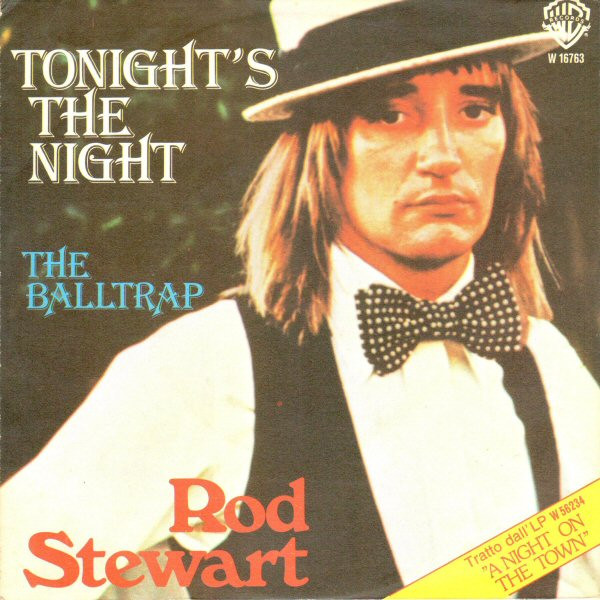
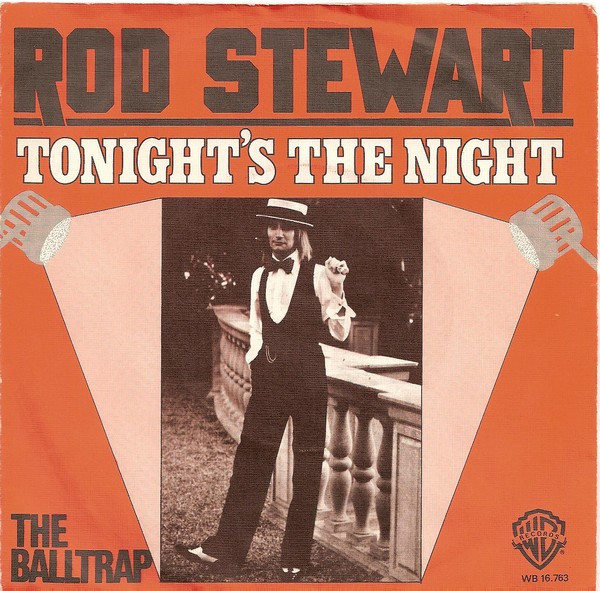
ROD STEWART - TONIGHT’S THE NIGHT (GONNA BE ALRIGHT)

Llançament: Maig de 1976

Llistes d’èxits: EUA: #1 (8 setmanes) | Regne Unit: #5


“Tonight’s the Night (Gonna Be Alright)” és una cançó gravada als Muscle Shoals Sound Studio per l’àlbum “A Night on the Town”. Malgrat la controvèrsia que va envoltar el seu llançament, la cançó va esdevenir un gran èxit, assolint el número 1 al Billboard Hot 100 durant vuit setmanes consecutives, el període més llarg de l’any i el millor registre en la carrera de Rod Stewart. La cançó va debutar el 2 d’octubre de 1976 i va arribar al cim el 13 de novembre, mantenint-se al primer lloc fins al 8 de gener de 1977. Va ser l’últim número 1 de 1976 i el senzill més venut de 1977 als Estats Units. A nivell internacional, també va tenir èxit, arribant al número 1 al Canadà, al número 5 al Regne Unit i al número 3 a Austràlia.


El vídeo musical, dirigit per Bruce Gowers, mostra Stewart amb la seva aleshores xicota, l’actriu sueca Britt Ekland, en el paper de l’objecte de la seducció. El vídeo és literal, mostrant la parella pujant les escales per començar un moment íntim, però la cara d’Ekland no es mostra en cap moment.


Ekland també canta les frases en francès al final de la cançó, una contribució que Stewart va explicar humorísticament a la revista Mojo, dient que la va “emborratxar” perquè estava reticent a participar-hi. Quan li van preguntar si li pagava drets d’autor, Stewart va bromejar dient que li havia “comprat un vestit ben maco.”


A la seva recopilació “Storyteller”, Rod Stewart va revelar que la inspiració per “Tonight’s the Night (Gonna Be Alright)” li va arribar en plena nit i que la va enregistrar ràpidament amb l’ajuda de Steve Cropper. Curiosament, la introducció va trigar més a perfeccionar-se que la resta de la cançó.


La lletra explícita de seducció van generar polèmica, amb versos com “Spread your wings and let me come inside” (Obre les teves ales i deixa’m entrar dins teu), cosa que va provocar prohibicions a emissores de ràdio, incloent-hi la BBC. La cançó es va convertir en un símbol del rebuig contra el “sex rock”, amb grups com l’Operation PUSH de Jesse Jackson que protestaven contra aquest tipus de música per suposadament “relaxar la moral juvenil.”


“A Night on the Town” és el setè àlbum d’estudi de Rod Stewart, llançat el 1976. La portada està inspirada en la pintura Bal du moulin de la Galette de Pierre-Auguste Renoir, amb Stewart al centre vestit amb roba d’època. L’àlbum va arribar al número u al Regne Unit i va ser l’últim àlbum d’estudi de Stewart a assolir aquesta posició fins a “Time” el 2013.


ROD STEWART - TONIGHT’S THE NIGHT (GONNA BE ALRIGHT)


Released: May 1976

Charts:  US: #1 (8 weeks)   UK: #5 


“Tonight’s the Night (Gonna Be Alright)” is a song recorded at Muscle Shoals Sound Studio for the album “A Night on the Town”. Despite controversy upon release, it became a massive hit, reaching No. 1 on the Billboard Hot 100 for eight consecutive weeks, the longest run at the top that year and Stewart’s career-best. The song debuted on 2 October 1976 and topped the charts on 13 November, holding its position until 8 January 1977. It was the final U.S. No. 1 of 1976 and the best-selling single of 1977 in the U.S. It also achieved chart success internationally, hitting No. 1 in Canada, No. 5 in the UK, and No. 3 in Australia.


The music video features Stewart’s then-girlfriend, Swedish actress Britt Ekland, as the object of his seduction, though her face is never shown. Directed by Bruce Gowers, the video is literal, depicting the couple heading upstairs to begin the lovemaking process. 


Ekland also sings the French lines at the end of the song, a contribution Stewart humorously explained in Mojo magazine as the result of getting her “drunk” since she was reluctant. When asked if he paid her royalties, Stewart joked that he “bought her a nice frock.”


In Storyteller, Rod Stewart revealed that “Tonight’s the Night (Gonna Be Alright)” came to him in the middle of the night and was quickly recorded with Steve Cropper’s help. The intro took longer to perfect than the rest of the song. Released in 1976, its explicit seduction-themed lyrics stirred controversy, with lines like “Spread your wings and let me come inside” leading to bans from radio stations, including the BBC. The song became a focal point of the “sex rock” backlash, as groups like Jesse Jackson’s Operation PUSH protested such music for allegedly loosening youth morals. 


“A Night on the Town” is Rod Stewart’s seventh album, released in 1976. Its cover art is inspired by Pierre-Auguste Renoir’s Bal du moulin de la Galette, with Stewart featured at the center in period costume. The album reached number one in the UK and remained his final UK chart-topping studio album until “Time” in 2013. 


16.12.24


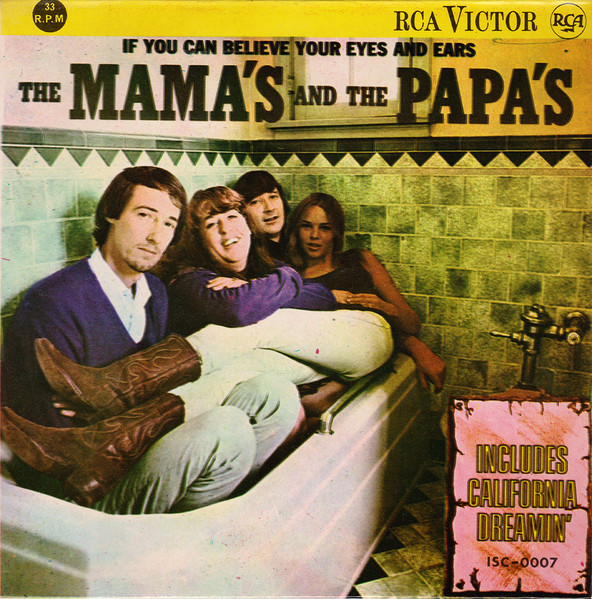
THE MAMAS AND THE PAPAS - WORDS OF LOVE


Released: November 14, 1966

Charts:  US: #5   UK: #47 


“Words of Love” is a song by The Mamas & the Papas, written by John Phillips and featuring Cass Elliot as the lead vocalist. It was released as a single in November 1966, with a cover of “Dancing in the Street” by Martha and the Vandellas as the B-side. The track appeared on their second studio album of the same name.


“Words of Love” was released following the underwhelming performance of “Look Through My Window” and brought The Mamas & the Papas back to success, reaching No. 5 in the U.S. and No. 47 in the UK. Michelle Phillips contributed a distinct “NO” before the refrain. The mono single version features a horn section, extra backing vocals, and a more prominent piano, differing from the stereo mix.


“Words of Love” highlights the idea that mere words and romantic clichés are no longer enough to win someone’s heart. The song emphasizes the importance of meaningful actions and shared experiences over verbal declarations. The repeated refrain, “Words of love, soft and tender, won’t win her,” underlines the futility of relying solely on sweet talk. The phrase “You oughta know by now” conveys a sense of frustration, urging the listener to recognize that genuine love requires more than words—it demands effort and adventure. In the song, Cass Elliot advises men to show their love through actions rather than just words.


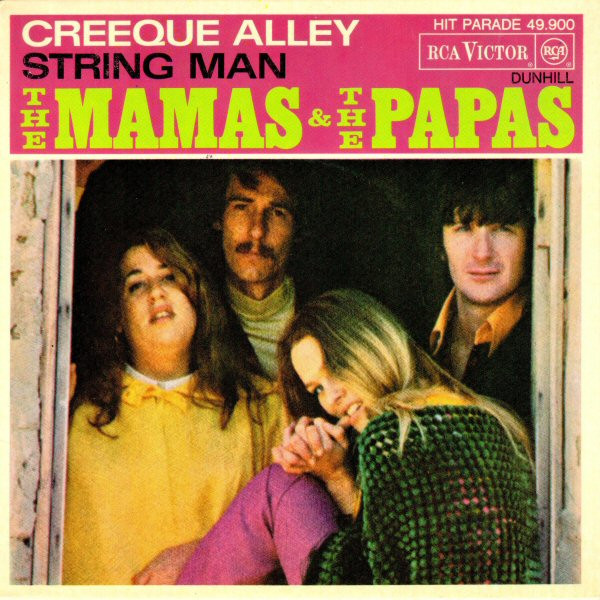
THE MAMAS AND THE PAPAS - CREEQUE ALLEY


Released: April 1967

Charts:  US: #5    UK: #9 


“Creeque Alley” is an autobiographical song by John and Michelle Phillips of the Mamas & the Papas, detailing the group’s formation and early years. Released in 1967 on their Deliver album, it peaked at No. 5 on the US Billboard chart, becoming their last Top 10 hit. The song also reached No. 9 in the UK, No. 4 in Australia, and No. 1 in Canada.


“Creeque Alley” tells the story of how The Mamas & the Papas formed, referencing the band’s early years and interactions with other musicians of the time. The song name-drops band members John and Michelle Phillips, Cass Elliot, and Denny Doherty, as well as artists like Zal Yanovsky (The Lovin’ Spoonful), John Sebastian, Roger McGuinn (The Byrds), and Barry McGuire.


The lyrics chronicle the members’ musical roots, including John and Michelle’s folk background, Denny’s time in the Halifax Three, and Cass’s role in the Mugwumps. Cass Elliot was not part of the original group plan but ultimately joined, summarized by the line: “Cass can’t make it, she says we’ll have to fake it. We knew she’d come eventually.” The recurring phrase “no one’s gettin’ fat except Mama Cass” pokes at Cass’s weight, a sensitive topic despite her humor about it.


The title “Creeque Alley” refers to a club in the Virgin Islands where John and Michelle Phillips’ group, the New Journeymen, spent time living off credit cards, as reflected in the lyric, “Greasin’ on American Express cards.” The line about “Duffy’s good vibrations” refers to Hugh Duffy, the club’s owner.


The song was The Mamas & the Papas’ last major hit, marking the end of their streak of Top 5 successes, including “Monday, Monday” and “I Saw Her Again.” Despite their success during the British Invasion era, the group disbanded in 1968 due to personal and professional conflicts. After the split, Cass Elliot found solo success with hits like “Dream A Little Dream Of Me.”