Total de visualitzacions de pàgina:

22.1.25


PAUL McCARTNEY & WINGS - MY LOVE


Llançament: 23 de març de 1973

Llistes d’èxits: Regne Unit: #9  EUA: #1 (4 setmanes)


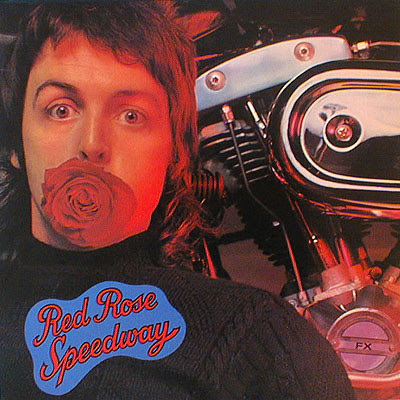
“My Love”, publicada com el single principal de l’àlbum “Red Rose Speedway”, és una balada d’amor dedicada a Linda, l’esposa de Paul McCartney i membre de la banda Wings. Aquest senzill va ser el primer en què el nom de Paul McCartney apareixia acreditat al costat del de Wings, ja que les publicacions anteriors de la banda es van atribuir exclusivament a Wings. Aquesta decisió va ser motivada pel fet que les vendes discretes del debut de Wings, “Wild Life” (1971), podrien haver estat causades per la manca de reconeixement del públic sobre la participació de McCartney. El canvi de nom es va mantenir amb la publicació de “Red Rose Speedway” el 30 d’abril de 1973, consolidant l’acreditació conjunta de Paul McCartney & Wings. L’èxit de “My Love” va contribuir significativament a la prosperitat comercial de l’àlbum.


La gravació de “My Love” va incloure una orquestra, i McCartney va permetre que el guitarrista Henry McCullough improvisés el solo durant la presa final. McCullough, que havia demanat permís per provar una idea diferent, va marcar un moment clau en la seva carrera amb aquesta improvisació. McCartney, que normalment componia els solos de guitarra, poques vegades permetia canvis en les seves decisions a l’estudi. Tanmateix, el solo de McCullough es va convertir en un element emblemàtic de la cançó.


McCartney va escriure “My Love” com una balada al piano, probablement entre 1969 i 1970, en els primers anys de la seva relació amb Linda. Després de formar Wings amb ella el 1971, la va incloure en els repertoris dels concerts de la banda durant les gires de 1972. En el debut en directe de Wings, el 9 de febrer de 1972 a la Universitat de Nottingham, Linda va cantar algunes frases en resposta a la veu principal de Paul, afegint un toc especial a la interpretació en viu, que es va mantenir fidel a la versió oficialment gravada.


Després de la mort de Linda el 1998, Paul McCartney va escollir “My Love” com a part del programa musical de les cerimònies memorials celebrades en la seva memòria a Londres i Nova York. Profundament afectat pel dol, McCartney va compartir públicament els seus sentiments i va organitzar els serveis amb un grau de professionalitat comparable al d’un concert, segons el biògraf Howard Sounes.


PAUL McCARTNEY & WINGS - MY LOVE


Released : March 23, 1973

Charts:  UK: #9  US: #1 (4 weeks)


"My Love" released as the lead single from the album "Red Rose Speedway," is a love song dedicated to McCartney's wife and bandmate, Linda. Notably, this single marked the first time Paul McCartney's name appeared in the artist credit for a Wings record, as their previous releases had been credited to Wings alone. The decision to credit the release to "Paul McCartney & Wings" instead of Wings alone was influenced by the belief that the lackluster sales of Wings' 1971 debut, "Wild Life", were partly due to the public being unaware of McCartney's involvement. The name change persisted with the release of "Red Rose Speedway" on 30 April 1973, continuing the joint billing of Paul McCartney and Wings. The song's success contributed to the commercial prosperity of the album.


Recording "My Love" with an orchestra, Paul McCartney allowed guitarist Henry McCullough to improvise the solo in the final take. McCartney, who had written the solo as he often did with their solos, was initially uncertain about McCullough's request to try something else. McCullough's decision to change the solo turned out to be a career-defining moment for him, as McCartney rarely had his decisions overruled in the studio. McCullough's improvised solo on "My Love" became a notable element of the song and left a lasting impact on both musicians.


Paul McCartney wrote "My Love" as a piano ballad, a love song to his wife Linda, early in their relationship, likely around 1969 or 1970. After forming the band Wings with Linda in 1971, McCartney included "My Love" in the set lists for the group's concert tours in 1972. During Wings' public debut performance at Nottingham University on February 9, 1972, Linda sang lines in response to McCartney's lead vocal, adding a unique touch to the song. The live performance closely resembled the version later recorded for official release.


After Linda's passing in 1998, Paul McCartney chose "My Love" to be part of the musical program at the memorial services held in her memory, both in London and New York City. McCartney, deeply affected by grief, expressed his emotions publicly and organized the services with a level of professionalism akin to his concert performances, according to biographer Howard Sounes.



21.1.25


HOWARD JONES - LITTLE BIT OF SNOW


Released: March 2, 1987

Charted:  UK: #70 


“Little Bit of Snow” is a song by British singer-songwriter Howard Jones from his 1986 album “One to One”. Released as a single on March 1987, it peaked at #70 on the UK Singles Chart but was not released in the US. 


“Little Bit of Snow” is a poignant song that addresses addiction, self-destruction, and the importance of compassion and resilience. Using “snow” as a metaphor for cocaine, the lyrics express a heartfelt plea to someone battling inner demons, urging them to resist the temporary escape of substance abuse and consider the emotional toll on their loved ones.


The song explores themes of interconnectedness and loss, emphasizing that addiction impacts not just the individual but also those who care about them. Through vivid imagery of light and darkness, it conveys a message of hope, perseverance, and the collective strength of human support. 


Jones’s decision to contribute the track to the 1986 Anti-Heroin Project charity album, It’s a Live-In World, underscores its strong anti-drug message and reinforces its purpose as a call for compassion, support, and resilience in the face of addiction.


Howard Jones revealed that producer Arif Mardin’s enthusiasm for the unique time signature of “Little Bit of Snow” led to a distinctive string arrangement and the addition of vibraphonist Gary Burton, giving the track its unique texture.


THE POLICE - DON’T STAND SO CLOSE TO ME


Llançament: 19 de setembre de 1980

Llistes: EUA: #10, Regne Unit: #1 (4 setmanes)


“Don’t Stand So Close to Me” és una cançó publicada com a primer senzill del tercer àlbum de The Police, “Zenyatta Mondatta”. La cançó explora la història d’una relació escandalosa entre un professor i una alumna, que acaba sent descoberta. Va esdevenir el tercer single de la banda en arribar al número 1 al Regne Unit i va ser el senzill més venut de 1980 al país, amb 808.000 còpies venudes aquell any. També va arribar al Top 10 a Austràlia, el Canadà i els Estats Units. La cançó va guanyar el Grammy de 1982 a la millor interpretació de rock per un duo o grup amb veu.


La lletra de “Don’t Stand So Close to Me” s’inspira en la novel·la Lolita de Vladimir Nabokov i tracta l’atracció inapropiada d’un professor per una alumna. Tot i que Sting havia estat professor abans de la seva carrera musical, ha afirmat repetidament que la cançó no és autobiogràfica i que la història és totalment fictícia. La frase “Just like the old man in the book by Nabokov” fa una referència directa a Lolita, tot i que Sting pronuncia malament el nom de l’autor. El final ambigu de la lletra suggereix que el professor i l’alumna podrien acabar junts, reflectint els temes de la novel·la. Malgrat les especulacions, no s’ha identificat cap alumna real com a inspiració per a la cançó.


El videoclip de 1980 mostra The Police divertint-se en un entorn escolar, amb toga de graduació, exhibint el seu bon humor i camaraderia. Sting porta una samarreta de The Beat (coneguts com The English Beat als EUA), que van ser teloners de part de la seva gira “Ghost in the Machine”. Aquest vídeo desenfadat va guanyar popularitat a MTV quan es va llançar el 1981. Per contra, el videoclip de 1986, per a la versió regravada de la cançó i dirigit per Godley & Creme, presenta un to més seriós, amb els membres de la banda en una posada en escena sobria i efectes especials datats.


El 1986, The Police es van reunir per regravar algunes de les seves cançons anteriors, però les tensions internes van ressorgir, i l’única cançó completada va ser “Don’t Stand So Close to Me ’86”. Aquesta versió es va publicar com a single i es va incloure al recopilatori “Every Breath You Take - The Singles”.


La col·laboració de Sting amb Dire Straits a “Money for Nothing” el 1985 va resultar en una tornada que recorda la melodia d’aquesta cançó. Tot i que inicialment Sting va rebutjar acreditar-se com a compositor, la seva discogràfica hi va insistir perquè pogués rebre drets d’autor.


THE POLICE - DON’T STAND SO CLOSE TO ME


Released: September 19, 1980

Charts:  US: #10   UK: #1 (4 weeks)


“Don’t Stand So Close to Me” is a hit song released in September 1980 as the lead single from the third album, “Zenyatta Mondatta”. It explores the story of a teacher engaging in a scandalous relationship with a student, which eventually gets exposed. The song became the band’s third UK No. 1 single and the best-selling single of 1980 in the UK, with 808,000 copies sold that year. It also reached the top ten in Australia, Canada, and the US. The Police won the 1982 Grammy Award for Best Rock Performance by a Duo or Group with Vocal for this track.


“Don’t Stand So Close to Me” tells the story of a teacher’s inappropriate attraction to a student, inspired by Vladimir Nabokov’s Lolita. While Sting was a teacher before his music career, he has consistently stated that the song is not autobiographical and that the narrative is entirely fictional. The line “Just like the old man in the book by Nabokov” directly references Lolita, although Sting mispronounces the author’s name. The ambiguous ending suggests the teacher and student may get together, echoing the novel’s themes. Despite speculation, no real-life schoolgirl has been identified as the inspiration for the song.


The Police created a music video for “Don’t Stand So Close to Me” in 1980, featuring the band having fun in a school setting, wearing graduation gowns, and showing off their playful camaraderie. Sting dons a T-shirt for The Beat (or The English Beat in the US), who opened for some of their Ghost in the Machine tour shows. This lighthearted video became popular on MTV when it launched in 1981. In contrast, a 1986 video for the re-recorded version, directed by Godley & Creme, depicted a more serious tone with the band appearing somber amidst dated special effects.


The Police reunited in 1986 to re-record some of their previous hits, but old tensions resurfaced, and the only song they completed was “Don’t Stand So Close To Me ’86.” This version was released as a single and included on their greatest hits album “Every Breath You Take - The Singles”.


Sting’s collaboration with Dire Straits on “Money for Nothing” in 1985 resulted in a chorus reminiscent of this song’s melody. Although Sting initially declined a songwriting credit, his record label insisted to ensure royalty payments.


20.1.25


HOWARD JONES - EVERLASTING LOVE


Released: February 20, 1989

Charts:  US: #12   UK: #62 


Howard Jones’ “Everlasting Love” is a track from his fourth studio album, “Cross That Line”. Written by Jones, the song was released as the album’s lead single on February 1989. Notably, it was among the first singles to be issued on a 3-inch CD, a format that was less popular compared to the standard 5-inch CDs of the time. The track was co-produced by Ian Stanley, a former member of Tears for Fears.


“Everlasting Love” achieved significant success in the United States, reaching No. 12 on the Billboard Hot 100 and No. 19 on the Modern Rock Tracks chart in 1989. It also spent two weeks at No. 1 on the US Adult Contemporary chart, marking Jones’ second chart-topper in this category after 1986’s “No One Is to Blame.” The song performed less impressively in Jones’ native UK, peaking at No. 62 on the UK Singles Chart.


“Everlasting Love” reflects on the search for true, enduring love while cautioning against being swayed by superficial traits such as beauty or style. In an interview, Jones emphasized the importance of prioritizing deeper qualities in relationships, stating, “You won’t be happy with [superficial things].” He also revealed that he had found his own everlasting love with his wife, Jan, to whom he has been married for over 30 years.


Jones described their relationship as a source of “absolute pure joy” and credited its success to living by the principles expressed in his lyrics. He highlighted the importance of authenticity in music, noting that listeners can sense sincerity and genuineness: “If your lyrics are going to carry any weight, then you have to be what you say in it.”