Total de visualitzacions de pàgina:

29.1.25


PHILIP OAKEY & GEORGIO MORODER – TOGETHER IN ELECTRIC DREAMS


Llançament: Setembre de 1984  

Llistes: Regne Unit: #3  


"Together in Electric Dreams" és un senzill de 1984 interpretat pel vocalista de The Human League, Philip Oakey, i el productor i llegenda de la música disco Giorgio Moroder. La cançó va ser escrita per a la pel·lícula “Electric Dreams”: Moroder va compondre la música, i Oakey va afegir-hi la lletra sobre la base instrumental de Moroder. La cançó es va convertir en un gran èxit a Europa, assolint el número 3 al Regne Unit, superant amb escreix la fama de la pel·lícula, que va fracassar a la taquilla global.


Giorgio Moroder havia estat contractat per fer la banda sonora d'”Electric Dreams”, el debut cinematogràfic del director de videoclips Steve Barron, que anteriorment havia dirigit “Don’t You Want Me”, “(Keep Feeling) Fascination” i “Love Action (I Believe in Love)” per a The Human League. Moroder volia una gran cançó final triomfal per a la pel·lícula, semblant a “Flashdance” d'Irene Cara l’any anterior. Barron, amic d'Oakey des de feia anys, va suggerir-li que col·laborés amb Moroder en la lletra. Oakey va rebre la pista instrumental i va afegir-hi les frases, gravant la cançó amb Moroder d’una sola presa.


Tot i que la pel·lícula va ser un desastre comercial, sense arribar a cobrir el seu pressupost de 5 milions de dòlars, la cançó va assolir un gran èxit, obtenint el platí al Regne Unit i acabant com el 27è senzill més venut del 1984 al Regne Unit. Steve Barron va continuar amb una carrera exitosa en cinema i televisió, però és especialment conegut pels més de 200 videoclips dirigits al llarg de la seva carrera. Entre els més famosos es troben “Africa” (Toto), “Electric Avenue” (Eddy Grant), “Rough Boy” (ZZ Top) i “Baby Jane” (Rod Stewart). De tots ells, tres destaquen com alguns dels més reconeguts i estimats de la història: “Billie Jean” de Michael Jackson, “Money for Nothing” de Dire Straits i, possiblement el més famós de tots, “Take On Me” d'A-ha, tots beneficiats pel toc màgic de Barron.


PHILIP OAKEY & GEORGIO MORODER – TOGETHER IN ELECTRIC DREAMS


Released: September 1984

Charts: UK: #3 


“Together in Electric Dreams” was a 1984 single by Human League vocalist Philip Oakey and disco legend, producer Georgio Moroder. The song was written for the movie “Electric Dreams”, by Moroder, who scored the movie, and Oakey, who added lyrics to Moroder's backing track. The song was a big hit in Europe, making #3 in the UK, and far exceeding the fame of the movie, which flopped at the global box office.


Georgio Moroder had been hired to score “Electric Dreams”, the debut movie by music video director Steve Barron, who had previously directed “Don’t You Want Me”, “(Keep Feeling) Fascination” and “Love Action (I Believe in Love)” for The Human League. Moroder had wanted to have a big jubilant anthem to close the movie, akin to Irene Cara's “Flashdance” the year before. With Moroder having written the music for the song, Barron suggested Phil Oakey for the job, having become friends with him over the previous few years. The backing track was sent to Oakey, who added lyrics to the song and recorded the song with Moroder in one single take.


The film was a commercial disaster, failing to make back its $5 million budget, but that never held the song back, earning platinum status in the UK, ending up the 27th biggest selling UK single of 1984. Steve Barron went on to a successful career on both big and small screen, but his filmography of music videos is second to none. He has directed over 200 music videos over his career, including staples like “Africa” (Toto),“Electric Avenue” (Eddy Grant), “Rough Boy” (ZZ Top) and “Baby Jane" (Rod Stweart). Despite his long career, three music videos stand towering over the rest as some of the most famous, most recognisable and most beloved videos of all time: Michael Jackson’s “Billie Jean”, Dire Straits' “Money for Nothing” and possibly the most famous music video of all time, A-ha's “Take On Me”, all benefitted from Barron's golden touch. (Mozz Osborne)


28.1.25


THE POLICE - DE DO DO DO, DE DA DA 


Llançament: Octubre de 1980

Llistes: EUA: #10 | Regne Unit: #5


“De Do Do Do, De Da Da Da”, llançada el 1980 com el segon single de l’àlbum “Zenyatta Mondatta”, va ser escrita per Sting com un comentari sobre la preferència de la gent per cançons senzilles i enganxoses. La peça combina el so característic de The Police amb lletres iròniques que reflexionen sobre la buidor del llenguatge i la comunicació. El títol, segons sembla, prové d’una expressió del fill de Sting. La cançó també es va gravar en espanyol i japonès per al seu llançament en aquests mercats a principis de 1981.


Sting va escriure “De Do Do Do, De Da Da Da” inspirat en la simplicitat de lletres sense sentit en cançons com “Do Wah Diddy Diddy” o “Da Doo Ron Ron”. Tot i que molts la van qualificar com a trivial, Sting va explicar que la cançó critica la banalitat i la manipulació del llenguatge per figures d’autoritat, com polítics i artistes. La va descriure com “una cançó articulada sobre ser inarticulat”, subratllant el seu missatge profund sobre l’abús de les paraules. Sting va defensar la seva lògica interna i la va comparar amb obres complexes com Finnegan’s Wake, que també juguen amb llenguatges poc convencionals.


El 1986, The Police van intentar remixar “De Do Do Do, De Da Da Da” durant una breu reunió, però les sessions no van tenir èxit, i el remix mai es va publicar. Tot i això, la banda va llançar una nova versió de “Don’t Stand So Close to Me” procedent de les mateixes sessions.


El videoclip, dirigit per Derek Burbidge, mostra Sting i Andy Summers tocant en un turó nevat al Canadà mentre Stewart Copeland els grava amb una càmera Super-8. Part del material gravat per Copeland apareix posteriorment al seu documental de 2006, “Everyone Stares: The Police Inside Out”.


La portada del single va ser dissenyada pel prestigiós grup de disseny Hipgnosis. De manera enginyosa, integra el títol de la cançó barrejant una imatge de la banda amb una mà de dona estenent-se cap a un telèfon, suggerint simbòlicament una trucada a la policia.


THE POLICE - DE DO DO DO, DE DA DA DA


Released: October 1980

Charted:  US: #10  UK: #5 


“De Do Do Do, De Da Da Da,” released in 1980 as the second single of the album “Zenyatta Mondatta”, was written by Sting as a commentary on people’s preference for simple, catchy songs. The track combines the Police’s signature sound with sharp, ironic lyrics about the emptiness of language and communication. The title reportedly came from his son. The song was also recorded in Spanish and Japanese for release in their respective markets in early 1981. 


Sting wrote “De Do Do Do, De Da Da Da” inspired by the simplicity of nonsense lyrics in songs like “Do Wah Diddy Diddy” or “Da Doo Ron Ron”. While many dismissed it as trivial, Sting explained the song critiques the banality and manipulation of language by figures of authority, such as politicians and entertainers. He called it “an articulate song about being inarticulate,” emphasizing its deeper message about the misuse of words. Sting defended the song’s internal logic and likened its misunderstood nature to complex works like Finnegan’s Wake,which also play with unconventional language.


In 1986, The Police attempted to remix “De Do Do Do, De Da Da Da” during a brief reunion, but the sessions were unsuccessful, and the remix was never released. The band did, however, release a new version of “Don’t Stand So Close To Me” from the same sessions.


Its music video, directed by Derek Burbidge, features Sting and Andy Summers playing on a snowy hillside in Canada while Stewart Copeland films them with a Super-8 camera. Some of Copeland’s footage later appeared in his 2006 documentary Everyone Stares: The Police Inside Out.


The cover of the single was designed by the renowned design group Hipgnosis. It cleverly incorporates the song’s title by juxtaposing an image of the band with a visual of a woman’s hand reaching out to a telephone, symbolically suggesting a call to the police.


27.1.25


HOWARD JONES - NEW SONG


Llançament: 19 d’agost de 1983

Llistes d’èxits: EUA: #27  Regne Unit: #3


El single debut de Howard Jones, “New Song”, es va publicar l’agost de 1983 i es va convertir en un gran èxit, assolint el número 3 a les llistes britàniques i mantenint-se 20 setmanes al top 75. Al Regne Unit, el single presentava la lletra de la cançó impresa en espiral a l’etiqueta de la cara A, mentre que els crèdits es trobaven a la cara B. Publicada als Estats Units a principis de 1984, va arribar al número 27 del Billboard Hot 100. “New Song” també es va incloure en el seu àlbum debut, “Human’s Lib”.


“New Song” és un himne que anima els oients a perseguir els seus somnis i superar les barreres mentals, independentment de les opinions socials o dels dubtes propis. Jones descriu la cançó com el seu manifest per explicar per què va entrar al negoci musical, amb l’objectiu d’inspirar altres persones i deixar de banda les pors. Escrita mentre treballava en una fàbrica i feia concerts a la nit, la cançó reflecteix la seva creença que amb determinació i coratge, és possible assolir les pròpies aspiracions.


La lletra, que Jones descriu com a “pura filosofia,” subratlla la importància de veure els dos costats d’un argument i d’alliberar-se de les limitacions mentals que frenen les persones. Tot i que la melodia alegre i estil pop va atraure molts oients, Jones reconeix que només alguns van captar els matisos filosòfics més profunds. Aquesta divisió va generar una relació de “o t’agrada o no” amb la seva música, una característica que Jones veu com a reflex de la seva identitat artística única.


El videoclip comença amb Howard Jones treballant com a conserge en una fàbrica de conserves. Quan arriba el propietari, Jones es treu l’uniforme, inspirant els seus companys de feina amb la seva cançó i animant-los a unir-se a ell. Un dels companys, maquillat amb estil teatral en blanc i negre, comença a ballar, i junts motiven els empleats, inclòs el cap, a abandonar les seves tasques i pujar al cotxe de luxe del propietari.


El duo visita diversos llocs, escampant el seu missatge de llibertat i positivitat. Actuen davant els passatgers de l’estació de metro de Holborn, convencen un netejavidres perquè faci una pausa i, finalment, interrompen una aula plena d’estudiants esvalotats. Tant els alumnes com el professor els segueixen fora, on juguen a l’herba, simbolitzant l’alliberament de les restriccions socials i l’acceptació de l’alegria i la creativitat.


HOWARD JONES - NEW SONG


Released: August 19, 1983

Charts:  US: #27   UK: #3 


Howard Jones’ debut single, “New Song,” was released in August 1983 and became a major hit, reaching #3 on the UK Singles Chart and spending 20 weeks in the top 75. The UK seven-inch single featured the song’s lyrics printed in a spiral on the A-side label, with credits on the B-side. Released in the United States in early 1984, the song peaked at #27 on the Billboard Hot 100. “New Song” later appeared on Jones’ debut album, “Human’s Lib”, marking the beginning of his successful music career.


“New Song” is a motivational anthem that encourages listeners to pursue their dreams and overcome mental barriers, regardless of societal opinions or doubts. Jones describes the track as his “manifesto” for why he entered the music business, aiming to inspire others to embrace their potential and let go of fear. Written while working in a factory and performing gigs at night, the song embodies his belief that with determination and courage, it’s possible to achieve one’s aspirations.


The lyrics, which Jones describes as “pure philosophy,” emphasize seeing both sides of an argument and shedding mental constraints that hold people back. While the upbeat, pop-style song appealed to many, Jones acknowledges that only certain listeners grasped its deeper philosophical undertones. This divide created a love-it-or-leave-it relationship with his music, which Jones embraces as a reflection of his unique artistic identity.


The music video begins with Howard Jones working as a caretaker at a pickle plant. As the owner arrives, Jones sheds his uniform, inspiring his coworkers by singing and encouraging them to join him. One coworker, wearing black-and-white theatrical makeup, begins dancing, and together they rally the employees, including the boss, to abandon their tasks and pile into the boss’s luxury car.


The duo proceeds to various locations, spreading their message of freedom and positivity. They perform for patrons at Holborn Underground Station, convince a window cleaner to take a break from his work, and finally interrupt a classroom of unruly students, who, along with their teacher, follow Jones and the dancer outside to play on the grass, symbolizing liberation from societal constraints and the embrace of joy and creativity.


26.1.25


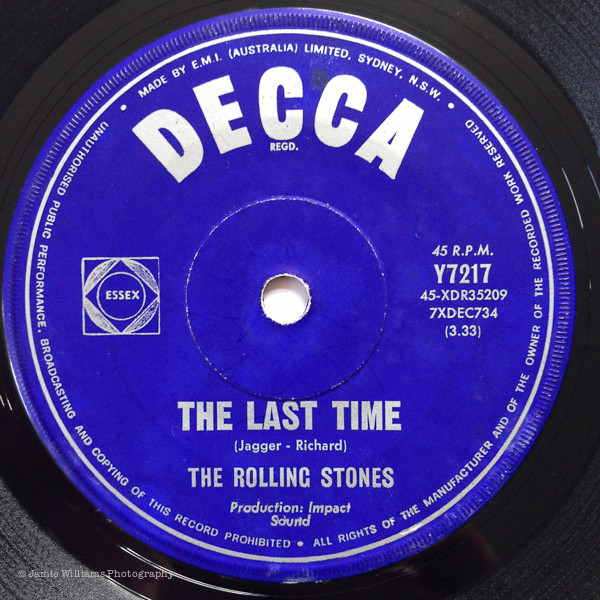
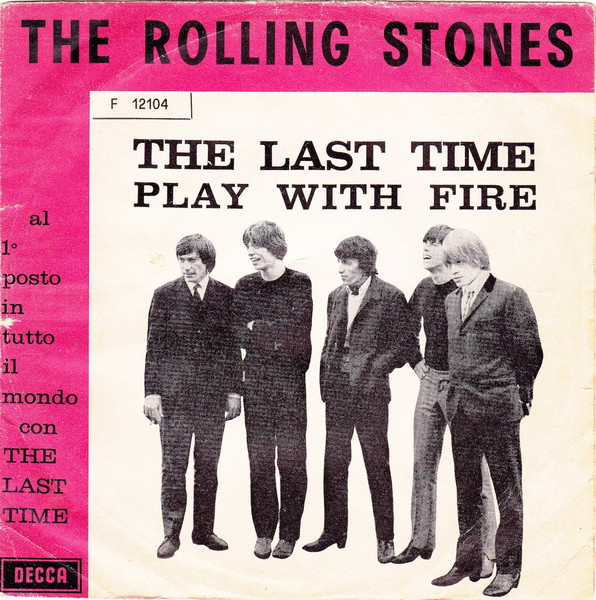
ROLLING STONES - THE LAST TIME


Estrena: 26 de febrer de 1965

Llistes: EUA: #9   Regne Unit: #1 (3 setmanes)


"The Last Time" va ser un punt d'inflexió significatiu per als Rolling Stones en ser la seva primera cançó original llançada com a cara A de single al Regne Unit. Coescrita per Mick Jagger i Keith Richards, es va enregistrar als estudis RCA a Hollywood, Califòrnia, al gener de 1965. En el seu llançament, "The Last Time" va escalar ràpidament al capdavant de la llista de senzills del Regne Unit, passant tres setmanes al número u entre març i principis d'abril de 1965. També va assolir èxit comercial internacionalment, arribant al número dos a la llista de singles d'Irlanda. A més, va ser inclosa a la versió nord-americana de l'àlbum "Out of Our Heads," llançat el 30 de juliol de 1965.


"The Last Time" va treure inspiració de la cançó gospel de 1955 "This May Be The Last Time" dels Staple Singers. Mentre aquesta versió tenia un missatge més positiu i espiritual, els Stones la van transformar en un missatge sever dirigit a una parella romàntica. Tot i que "This May Be The Last Time" és una cançó tradicional, és a dir, no pertany a cap individu o entitat, alguns fans del gospel van sentir que els Stones haurien d'haver compensat els Staple Singers per la seva inspiració, especialment tenint en compte l'elevat perfil de la banda i la seva història de reinterpretar cançons d'artistes negres en èxits.


Els Rolling Stones la van enregistrar a Los Angeles durant una escala d'un dia durant la seva ruta cap a Austràlia. Malgrat la seva esgotadora gira per Amèrica, la banda va voler capitalitzar el seu èxit llançant continuament singles, especialment a Anglaterra, on no eren presents físicament en aquell moment. Per això, sovint es van encaixar sessions d'enregistrament entre els concerts americans. El reconegut productor Phil Spector va col·laborar en la producció, aportant el seu característic estil "Wall of Sound" a la gravació.


"Bitter Sweet Symphony" de The Verve va fer famós un sample de la versió orquestral de "The Last Time" enregistrada per l'Orquestra Andrew Oldham el 1966. Andrew Oldham, que era el manager dels Rolling Stones, va publicar un àlbum titulat "The Rolling Stones Songbook," que incloïa versions instrumentals dels èxits de la banda, incloent aquesta pista. L'ús de l'arranjament orquestral a "Bitter Sweet Symphony" va provocar controvèrsia legal, resultant en una demanda i una part significativa dels drets d'autor de "Bitter Sweet Symphony" atorgats a Mick Jagger i Keith Richards, que són acreditats com a autors de "The Last Time".


ROLLING STONES - THE LAST TIME


Released: February 26, 1965

Charted:  US: #9   UK: #1 (3 weeks)


"The Last Time" marked a significant milestone for the Rolling Stones as their first original song released as an A-single in the UK. Co-written by Mick Jagger and Keith Richards, the song was recorded at RCA Studios in Hollywood, California in January 1965. Upon its release, "The Last Time" quickly climbed to the top of the UK Singles Chart, spending three weeks at number one in March and early April 1965. It also achieved commercial success internationally, reaching number two on the Irish Singles Chart. Additionally, the song was included on the US version of the album "Out of Our Heads," released on July 30, 1965.


"The Last Time" drew inspiration from the 1955 gospel song "This May Be The Last Time" by The Staple Singers. While The Staple Singers' version carried a more uplifting and spiritual message, The Stones transformed it into a stern message directed at a romantic partner. Although "This May Be The Last Time" is a traditional song, meaning it is not owned by any individual or entity, some gospel fans felt that The Stones should have compensated The Staple Singers for their inspiration, especially considering the band's high-profile status and their history of reworking songs by black artists into hits. 


The Rolling Stones recorded "The Last Time" in Los Angeles during a one-day tour stopover on their way to Australia. Despite their grueling American tour schedule, the band aimed to capitalize on their success by continuously releasing singles, particularly in England where they were not present. As a result, they often squeezed in recording sessions between American shows. Renowned producer Phil Spector assisted with the production, contributing his signature "Wall of Sound" approach to the recording.


"Bitter Sweet Symphony" by The Verve famously sampled an orchestral version of "The Last Time" recorded by The Andrew Oldham Orchestra in 1966. Andrew Oldham, who was the Rolling Stones' manager, released an album titled "The Rolling Stones Songbook," which featured instrumental versions of the band's hits, including this track. The Verve's use of the orchestral arrangement in "Bitter Sweet Symphony" sparked legal controversy, leading to a lawsuit and a significant portion of royalties from "Bitter Sweet Symphony" being awarded to Mick Jagger and Keith Richards, who are credited as songwriters of "The Last Time."