“Glittering Prize” is a 1982 single by Simple Minds, released as the second single from their album “New Gold Dream (81–82–83–84)”. It reached #16 in the UK but achieved greater success in Australia, New Zealand, and Norway, where it entered the top 10. The song’s title later inspired the 1992 compilation album “Glittering Prize 81/92”, which featured highlights from the band’s career up to that point.
Simple Minds initially viewed “Glittering Prize” as one of the weaker tracks on the album. Guitarist Charlie Burchill was surprised to hear a Muzak version in a supermarket, joking about the song’s quality. Jim Kerr later reassessed the song, realizing its strength as a well-crafted pop track and expressing excitement about performing it live. Musically, “Glittering Prize” features a bass-driven groove with keyboard flourishes, creating what has been described as an evocative love song.
The music video alternates between two settings: a golden room, where Jim Kerr, Charlie Burchill, and Mick MacNeil perform dressed in black, and a museum-like space with golden portraits of the band members, watched over by a sleeping guard. A gold-painted woman sneaks into the museum, touches a pharaoh-like Kerr in a sarcophagus, revives the band members, and escapes with them in a car. As the guard realizes the theft, she reappears in the golden room, relaxing on a chair and sipping a cocktail as the video ends.
Recognized as a classic and milestone for Simple Minds, “New Gold Dream (81–82–83–84)” was performed in full during their 30th anniversary tour in 2008. On October 6, 2022, the band played the album live at Paisley Abbey, Scotland, for the Sky Arts “Greatest Albums Live” series. This performance was later released as “New Gold Dream – Live from Paisley Abbey”.
SIMPLE MINDS - SPEED YOUR LOVE TO ME
Released: January 9, 1984
Charts: UK: #20
“Speed Your Love to Me” was the second single from Simple Minds’ 1984 album “Sparkle in the Rain”, released on January 9, 1984. A stadium-sized rock anthem, it followed the success of “Waterfront” and peaked at #20 on the UK Singles Chart. Produced by Steve Lillywhite (who had worked with U2 and Phil Collins), “Speed Your Love to Me” benefited from his epic, atmospheric production style. Bono had introduced Jim Kerr to Lillywhite, and his influence helped shape Simple Minds’ evolving sound.
An urgent love song, Speed Your Love to Me is driven by Jim Kerr’s impassioned vocal delivery, with fire imagery intensifying the burning desire in the lyrics: (You go to my head, With the flames that grow higher and higher). Jim Kerr later acknowledged that the song’s title may have been inspired by The Righteous Brothers’ “Unchained Melody”, specifically the lyric: (Godspeed your love to me).
At the time of the song’s release, Jim Kerr was falling for Chrissie Hynde of The Pretenders. The two bands crossed paths in early 1984 while touring Australia, sharing a bill at the Narara Music Festival in January. By May 5, 1984, Kerr and Hynde were married. Their relationship was brief but influential, with Simple Minds opening for The Pretenders on their Learning to Crawl US tour.
One unexpected but crucial contributor was Kirsty MacColl. Known for her sharp wit and formidable talent, MacColl helped restructure the song when the band was struggling with its arrangement. MacColl also provided backing vocals. As Jim Kerr recalled: “We knew it had a great melody, but the arrangement was puzzling us. Kirsty came in and said, ‘Do this. And put that there. And put that little bit at the end.’ And we were like, Listen to you! She was bossing us around, and we let her in the gang.”
Filmed on December 6, 1983, the promotional video blended cinematic urban and natural imagery with studio performances. The fast-moving shots of Glasgow’s roads and tunnels, including the Clyde Tunnel, Kingston Bridge, and Erskine Bridge, visually echoed the song’s urgency and movement. As the lyrics “higher and higher” soared, the video transitioned to breathtaking aerial views of the Firth of Clyde and Loch Lomond.
PETER GABRIEL & KATE BUSH - DON’T GIVE UP
Llançament: 20 d’octubre de 1986
Posició a les llistes: EUA: #72 | Regne Unit: #9
“Don’t Give Up” és una cançó de Peter Gabriel amb la col·laboració de Kate Bush, inclosa en el seu àlbum “So” de 1986. Llançada com a single l’octubre de 1986 al Regne Unit i al març de 1987 als Estats Units, va arribar al número 9 de les llistes britàniques.
La cançó és una de les més emotives i potents de Gabriel, abordant temes de dificultats econòmiques i perseverança. Inspirada en l’atur massiu al Regne Unit durant els anys vuitanta, Gabriel va compondre la peça amb una influència de la música gospel americana, reinterpretada amb un estil modern i poc convencional. La seva esposa en aquell moment, Jill Gabriel, va revelar que la cançó també va ser influenciada per una tràgica notícia sobre una dona que es va suïcidar amb el seu fill, un fet que va commocionar Gabriel. A més, l’artista es va inspirar en un documental televisiu sobre l’atur i la vida familiar. La peça es va escriure durant un període difícil per a Gabriel, que incloïa una crisi nerviosa el 1985, i va servir com a homenatge al suport que havia rebut dels seus éssers estimats.
Gabriel havia concebut inicialment el duet per cantar-lo amb Dolly Parton, però després que aquesta el rebutgés, Kate Bush va assumir el paper, creant una de les col·laboracions més icòniques del pop dels anys vuitanta. El contrast entre la veu cansada i desesperançada de Gabriel i la dolçor reconfortant de Bush en la tornada reforça l’impacte emocional de la cançó. Malgrat que posteriorment Gabriel i Parton van considerar cantar-la junts, mai es va materialitzar per conflictes d’agenda.
La lletra va ser inicialment escrita com una peça en solitari, però Gabriel la va revisar per convertir-la en un duet, assegurant-se que la narrativa tingués sentit des de les dues perspectives. L’artista va elogiar Bush per la seva interpretació sensible i comprensiva, que va ajudar a equilibrar la temàtica de la desesperació i l’esperança. Va destacar que la cançó transcendeix la simple idea d’una dona donant suport a un home, ja que tracta el tema més ampli de l’autoestima i la seva importància en la superació de les dificultats.
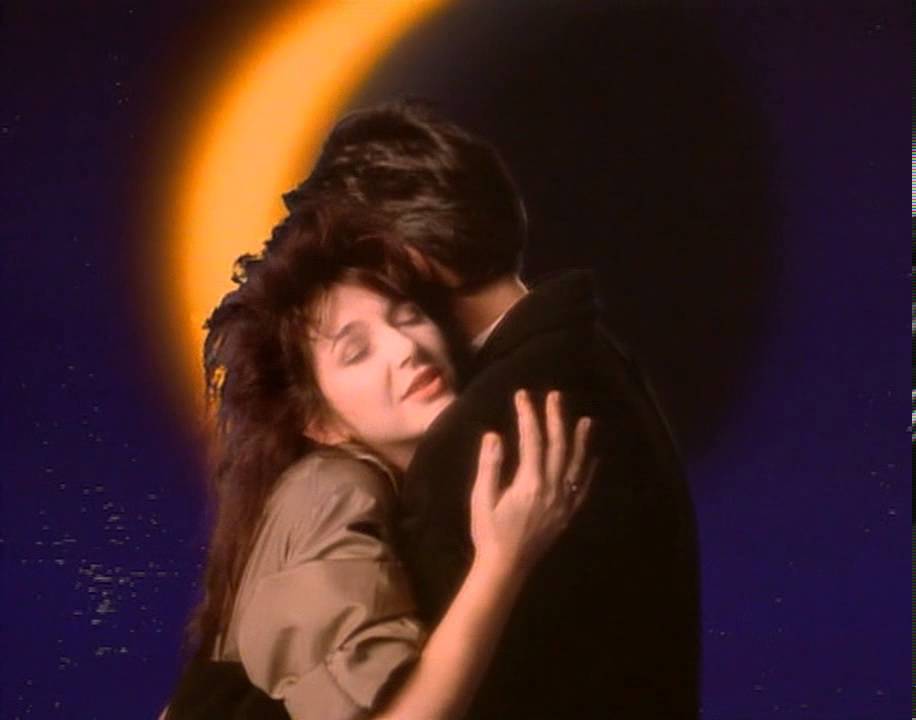
Es van crear dos videoclips per a la cançó. El primer, dirigit per Godley & Creme, mostra Gabriel i Bush abraçats en un sol pla seqüència, amb un eclipsi al fons. Conscient de la seva crisi matrimonial en aquell moment, Gabriel va demanar permís a la seva esposa abans de filmar l’escena íntima. El segon videoclip, dirigit per Jim Blashfield, utilitza animació i imatges superposades per representar una ciutat en decadència econòmica.
PETER GABRIEL & KATE BUSH - DON’T GIVE UP
Released: October 20, 1986
Charts: US: #72 UK: #9
Don’t Give Up is a song by Peter Gabriel, featuring Kate Bush, from his 1986 album “So”. Released as a single in the UK in October 1986 and in the US in March 1987, it reached number nine on the UK chart.
“Don’t Give Up” was one of Peter Gabriel’s most powerful and emotional singles, tackling themes of economic hardship and perseverance. Inspired by the mass unemployment of the 1980s in the UK, Gabriel crafted the song in a dustbowl gospel style, reinterpreting traditional American roots music in a modern and offbeat way. Gabriel’s then wife, Jill, revealed that the song was also influenced by a tragic news story about a woman who jumped to her death with her child, which deeply affected Gabriel. Additionally, he cited a TV program on unemployment and family life as another source of inspiration. The song was written during a difficult period for Gabriel, including a nervous breakdown in 1985, and served as a tribute to the support he received from his loved ones.
Gabriel initially wrote the duet with Dolly Parton in mind, but after she declined, Kate Bush stepped in, creating one of the most memorable pop duets of the mid-1980s. The contrast between Gabriel’s weary, despairing verses and Bush’s gentle, reassuring chorus adds to the song’s emotional weight. Although Gabriel and Parton later discussed performing it together, scheduling conflicts prevented it from happening.
The track was originally written as a solo song, but Peter Gabriel revised the lyrics to create a duet, ensuring the narrative made sense for both a male and female perspective. Gabriel praised Kate Bush for her sensitive and supportive vocal delivery, which helped balance the song’s themes of despair and encouragement. He emphasized that beyond just a woman supporting a man, the song spoke to the broader issue of self-esteem and its crucial role in overcoming hardship.
Two music videos were created. The first, directed by Godley & Creme, is a single take of Gabriel and Bush embracing as an eclipse occurs behind them. Gabriel, aware of his troubled marriage at the time, sought his wife’s permission before filming the intimate scene. The second video, directed by Jim Blashfield, uses animation and superimposed imagery to depict a town in economic decline.
26.2.25
SIMPLE MINDS - LOVE SONG
Llançament: 7 d’agost de 1981
Llistes: Regne Unit: #6
“Love Song” és el setè senzill de la banda escocesa Simple Minds, publicat l’agost de 1981, un mes abans de l’àlbum “Sons and Fascination”. Va ser la primera entrada del grup al Top 50 del Regne Unit, assolint el número 47, però va tenir més èxit a Suècia i Austràlia, on va arribar al Top 20. L’any 1992, es va llançar una versió remixada per promocionar el recopilatori “Glittering Prize 81/92”, acompanyada pel tema “Alive and Kicking”. Aquesta reedició va impulsar “Love Song” al Top 10 del Regne Unit, arribant al número 6 i donant-li una segona vida més d’una dècada després de la seva estrena original.
“Love Song” va sorgir durant el període creatiu de Simple Minds a principis de 1981, quan el productor John Leckie va animar Jim Kerr a escriure lletres més directes. Quan la cançó es va gravar per a “Sons and Fascination”, la banda ja havia canviat a Steve Hillage com a productor, qui compartia la seva passió pel Krautrock. Aquesta influència va portar el seu so cap a un estil més polit i expansiu, marcant la transició de la seva fase experimental inicial cap a un rock electrònic més enèrgic.
Pel que fa a la lletra, “Love Song” reflecteix la relació històrica entre Europa i Amèrica, capturant els alts i baixos d’aquesta connexió. El tema es va escriure i es va fer la seva primera maqueta a principis de 1981, va ser provat en directe durant la gira nord-americana del març d’aquell any i ha continuat sent una peça clau en els seus concerts des de llavors.
El videoclip es desenvolupa en un club nocturn, on Jim Kerr interpreta el paper de DJ mentre els altres membres de la banda creen problemes, irriten els convidats i es fiquen en baralles. A mesura que avança la nit, els assistents descobreixen que no poden marxar fins que Kerr acabi la cançó. Quan la peça finalitza, ell lidera la banda fora del club, deixant una atmosfera de misteri i control sobre l’escena.
A l’estat espanyol es va popularitzar per ser la música de la sintonia del programa radiofònic “Super García en la hora cero” del periodista esportiu José María García.
SIMPLE MINDS - LOVE SONG
Released: August 7, 1981
Charts: UK: #6
“Love Song” is the seventh single by Scottish band Simple Minds, released in August 1981, a month before their album “Sons and Fascination”. It marked the band’s first UK Top 50 entry, peaking at #47, but found greater success in Sweden and Australia, reaching the Top 20. In 1992, a remixed version was released to promote the “Glittering Prize 81/92” compilation, backed with “Alive and Kicking”. This reissue propelled “Love Song” into the UK Top 10, where it peaked at #6, giving the track a second life over a decade after its original release.
“Love Song” emerged during Simple Minds’ creative period in early 1981 when producer John Leckie encouraged Jim Kerr to write more straightforward lyrics. By the time the song was recorded for “Sons and Fascination”, the band had switched to producer Steve Hillage, who shared their passion for Krautrock. This influence pushed their sound toward a sleeker, more expansive style, marking a shift from their early experimental phase to pulsating electronic rock.
Lyrically, “Love Song” is said to reflect the historical bond between Europe and America, capturing the ups and downs of their relationship. The track was written and demoed in early 1981, tested live during their North American tour in March, and has remained a staple in their live performances ever since.
The music video takes place in a nightclub, where Jim Kerr plays the role of a DJ while the other band members stir up trouble, irritating guests and getting into fights. As the night unfolds, the guests find themselves unable to leave until Kerr finishes the track. Once the song concludes, he leads the band out of the club, leaving a sense of mystery and control over the scene.
SIMPLE MINDS - BELFAST CHILD
Released: February 6, 1989
Charts: UK: #1 (2 weeks)
Released on 6 February 1989 as the lead track on the Ballad of the Streets EP, “Belfast Child” became one of Simple Minds’ most successful songs. The EP also featured “Mandela Day”. The song reached number one on the UK Singles Chart, as well as in Ireland and the Netherlands, and secured top-ten positions in Belgium, New Zealand, Norway, Spain, Switzerland, and West Germany. The music video, directed by Andy Morahan and edited by Mark Alchin, was filmed in black and white, depicting children and poverty in Belfast.
The idea for Simple Minds to record a folk song came from producer Trevor Horn during a visit to Loch Earn in late 1987. Inspired by the surroundings, the band explored traditional melodies, eventually settling on “She Moved Through the Fair”. Bassist John Giblin first played the tune at a band dinner, prompting Jim Kerr to develop the idea further, drawing inspiration from recent events in Northern Ireland, including the 1987 Enniskillen bombing.
The song evolved through multiple recording sessions, first at Glenstriven in Scotland, where various arrangements—including acoustic and symphonic versions—were tested. The band later attempted to record it at Sarm Studios in London, but the session didn’t work out. The final version was recorded back at Loch Earn, incorporating a drum machine and an atmospheric soundscape, which included an accidental door slam that Trevor Horn envisioned as the distant sound of a bomb.
The track’s length became a contentious issue, with producers and the record label pushing for a shorter version. After much debate, a radio edit was created, though it still remained over five minutes long. Belfast Child was the centerpiece of the “Ballad of the Streets EP”, which topped the UK charts in 1989. It became a major highlight of the “Street Fighting Years” tour and remained a key part of the band’s live set into the 2000s, though its presence waned in the 2010s.