Total de visualitzacions de pàgina:

4.3.25


BABYLON ZOO - SPACEMAN


Llançament: 15 de gener de 1996

Llistes: Regne Unit: #1 (5 setmanes)


“Spaceman”, de Babylon Zoo, es va llançar el 15 de gener de 1996 com el senzill principal del seu àlbum debut “The Boy with the X-Ray Eyes. Amb guitarres distorsionades i veus robòtiques, la cançó va assolir una popularitat massiva després d’aparèixer en un anunci de Levi’s. Va debutar directament al número u de la llista de singles del Regne Unit el 21 de gener de 1996, venent 383.000 còpies en la seva primera setmana, fet que la va convertir en el senzill debut més venut de la història britànica en aquell moment. També va arribar al número u en 23 països.


L’èxit de “Spaceman” es va deure en gran part al seu ús en l’anunci de Levi’s “Planet”, que es va emetre el 1 de desembre de 1995. Dirigit per Vaughan Arnell i Anthea Benton, l’anunci mostrava un barri d’extraterrestres retro-futurista on uns pares alienígenes esperaven el retorn de la seva filla adolescent. La model russa Kristina Semenovskaya interpretava la noia, que portava uns Levi’s. L’anunci destacava especialment la secció vocal accelerada del remix d’Arthur Baker, que després es va publicar com a “Spaceman (Zupervarian Mix)”.


El videoclip, dirigit per Mark Neale, comença amb un pròleg en blanc i negre on Jas Mann apareix com un conductor nocturn que es troba amb extraterrestres sorgint de la boira. Quan la cançó arriba al seu tempo normal, les imatges alternen entre la banda actuant en un club subterrani ple de gent i tocant en un desert blau surrealista. A l’epíleg, el conductor nocturn es transforma en un alienígena.


La versió original promocional de la cançó, abans de ser utilitzada a l’anunci, començava amb Jas Mann xiuxiuejant una frase inquietant: “I killed your mother, I killed your sister, I killed them all.” (“Vaig matar la teva mare, vaig matar la teva germana, les vaig matar totes”). Aquestes frases van ser eliminades de la versió final i substituïdes per la introducció més radiable d’Arthur Baker, tot i que la frase “I killed them all” encara es pot sentir subtilment barrejada en la mescla.


BABYLON ZOO - SPACEMAN


Released: January 15, 1996

UK: #1 (5 weeks)


“Spaceman” by Babylon Zoo was released on January 15, 1996, as the lead single from their debut album “The Boy with the X-Ray Eyes”. Featuring distorted guitars and robotic vocals, the song gained massive popularity after being featured in a Levi’s jeans commercial. It debuted at number one on the UK Singles Chart on January 21, 1996, selling 383,000 copies in its first week, making it the fastest-selling debut single in British history at the time. It also became a number-one hit in 23 countries. 


The success of Spaceman was largely driven by its use in the UK Levi’s advertisement Planet, which aired on December 1, 1995. Directed by Vaughan Arnell and Anthea Benton, the ad depicted a retro-futuristic alien neighborhood where alien parents awaited their teenage daughter’s return. Russian model Kristina Semenovskaya played the daughter, who wore Levi’s jeans. The commercial prominently featured the sped-up vocal section from Arthur Baker’s remix, which was later released as Spaceman (Zupervarian Mix).


The music video, directed by Mark Neale, begins with a black-and-white prologue featuring Jas Mann as a night driver who encounters aliens emerging from the fog. As the song transitions to normal pitch, the visuals shift between the band performing in a crowded underground club and playing alone in a surreal blue desert. In the epilogue, the night driver transforms into an alien.


The initial intro to the song on promotional copies, before it was used for the advertisement, featured Jas Mann's whispery vocals of "I killed your mother, I killed your sister, I killed them all." These lyrics were later removed from the song and replaced with Arthur Baker's more radio-friendly introduction. The lyrics of "I killed them all" remain buried in the mix.


3.3.25


SIMPLE MINDS - CHELSEA GIRL


Released: June 22, 1979

Album: Life in a Day


“Chelsea Girl” is a song by Simple Minds released in June 1979 as the second single from the album “Life in a Day”.  It was one of the band’s earliest defining songs, marking their transition from a local Glasgow band to a group with real pop potential. Written in Jim Kerr’s mother’s living room in 1978, it was intended as a sing-along anthem for their live shows, inspired by Jim’s experiences watching Steve Harley & Cockney Rebel.


The song played a crucial role in securing their record deal with Arista, alongside “Pleasantly Disturbed”. Though it never became a major hit, it remained a live favorite, often requested by audiences and even played multiple times per show. Jim recalls his mother enthusiastically declaring it a hit, while Charlie Burchill remembers devouring three-day-old strawberry tarts she brought home while working at one of the first Greggs bakeries in the UK.


Musically, “Chelsea Girl” took inspiration from Lou Reed’s “Temporary Thing”, and its title and atmosphere were influenced by Jean Shrimpton and the Velvet Underground album of the same name. It was recorded during sessions for “Life in a Day”, with its final version nailed at Abbey Road Studios, featuring Derek Forbes on harpsichord—played on the same instrument used on “Sgt. Pepper’s” by The Beatles.


Despite not charting, the song stayed in the band’s early setlists until 1981, before disappearing for nearly two decades. It made a surprise comeback in 1998, and in 2003, it returned as part of the Alive and Kicking tour, now rearranged with a melancholy, reflective tone. The song continued to reappear over the years, featuring on the 5X5 Tour (2012), the Acoustic album (2016), and the Acoustic Live Tour (2017).


Jim Kerr remains deeply sentimental about the song, reflecting on its humble origins and its unpredictable resurrection: “Very much still kids when we wrote it… We were convinced right there and then that we had something special on our hands. “Chelsea Girl” really stood out during our live gigs as we played/toured throughout 1978 - 1980. Mick MacNeil’s harpsichord sound made it so. Sadly, it never did become the big hit single that many predicted it would, and by 1981 we had stopped playing it entirely. But nothing is predictable within the story of Simple Minds…”


2.3.25


PETER GABRIEL - SOLSBURY HILL


Llançament: 25 de març de 1977

Posició a les llistes: EUA: #68 | Regne Unit: #13


“Solsbury Hill” és el primer single en solitari de Peter Gabriel, publicat el 1977 després de la seva sortida de Genesis. Inspirada en una experiència espiritual a Solsbury Hill, a Somerset, la cançó reflecteix la seva decisió d’abandonar la banda i començar una nova etapa. Tot i que inicialment va dubtar sobre incloure-la en el seu àlbum debut, es va sorprendre gratament quan es va convertir en un èxit, assolint el número 13 al Regne Unit i el 68 al Billboard Hot 100 dels Estats Units. A diferència de moltes de les seves lletres abstractes, “Solsbury Hill” és una de les poques cançons autobiogràfiques de Gabriel.


L’any 1974, en plena gira de “The Lamb Lies Down on Broadway”, Gabriel va prendre la difícil decisió de deixar Genesis, malgrat l’èxit de la banda i els seus problemes econòmics. La principal raó va ser la seva família, ja que la seva filla havia nascut amb complicacions de salut i volia prioritzar la seva cura. Tot i que bromejava dient que volia més temps per al seu hort, la seva marxa era sincera. Durant aquest període, Gabriel es va submergir en l’exploració de religions del món, filosofia i noves influències musicals, que més tard definirien la seva carrera en solitari.


“Solsbury Hill” simbolitza aquest procés de transició, descrivint un despertar espiritual i el coratge de prendre un nou camí. La lletra parla d’un àngel o veu que l’anima a seguir endavant malgrat la incertesa (“Grab your things, I’ve come to take you home”), una metàfora clara de la seva sortida de Genesis i la seva aposta per una carrera en solitari.


La cançó va ser l’última a enregistrar-se per a l’àlbum “Peter Gabriel” (Car), gravada a The Soundstage Studios de Toronto. El guitarrista Robert Fripp ja havia tornat a Londres, així que totes les guitarres van ser interpretades per Steve Hunter. Inicialment, el productor Bob Ezrin va demanar a Hunter que toqués el riff principal amb una guitarra de dotze cordes, però ell va preferir utilitzar una acústica Martin amb un capo al segon trast, enregistrant tres pistes alineades per aconseguir el so característic.


Musicalment, la cançó es desmarca de les composicions complexes de Genesis i aposta per una estructura més simple i acústica. Tot i que el seu següent àlbum, produït per Fripp, no va generar grans èxits, Gabriel va assolir l’èxit massiu el 1986 amb “So”.


Solsbury Hill, situat a prop de Bath, Anglaterra, era un lloc freqüentat per Peter Gabriel, on solia caminar i córrer. Segons la llegenda, antigament hi havia un temple dedicat a Apol·lo, déu de la llum, la música i la poesia.


Als anys 90, la zona es va convertir en el centre d’una forta controvèrsia ambiental arran de la construcció d’una carretera de quatre carrils que va alterar significativament el paisatge. L’oposició a aquest projecte va ser intensa, amb ecologistes i activistes lluitant per preservar la naturalesa i la història del lloc.


Avui dia, “Solsbury Hill” continua sent una de les cançons més estimades de Gabriel, sovint interpretada en els seus concerts i utilitzada en pel·lícules i anuncis. Representa no només el seu comiat de Genesis, sinó també la importància de seguir la pròpia intuïció, malgrat els riscos i les incerteses.


PETER GABRIEL - SOLSBURY HILL


Released: March 25, 1977

Charts:  US: #68  UK: #13 


“Solsbury Hill” is Peter Gabriel’s debut solo single, released in 1977 after his departure from Genesis. The song, inspired by a spiritual experience on Solsbury Hill in Somerset, reflects his decision to leave the band and embrace a solo career. It became a Top 20 hit in the UK, reaching number 13, and peaked at number 68 on the Billboard Hot 100. Unlike many of Gabriel’s abstract lyrics, this was a rare autobiographical song. Initially, he considered leaving it off his album but was pleased and surprised when it became a successful single.


In 1974, despite Genesis’ success with “The Lamb Lies Down on Broadway” and his financial struggles, Peter Gabriel left the band to focus on his family, particularly after his daughter’s difficult birth. While he joked about wanting more time in his vegetable garden, his departure was sincere. During his break, he explored world religion, philosophy, and diverse musical influences, which later shaped his solo career. However, his first single, Solsbury Hill (1977), was more of a farewell to Genesis, lyrically depicting a spiritual awakening and a bold step into a new chapter. It became the standout track from his debut solo album, Peter Gabriel One (Car).


Solsbury Hill was the final song recorded for the album, tracked at The Soundstage studios in Toronto. Guitarist Robert Fripp had returned to London, so Steve Hunter played all the guitar parts. Producer Bob Ezrin instructed Hunter to play the main riff on a twelve-string guitar, but Hunter instead used a Martin acoustic with a capo on the second fret, recording three aligned takes. Unlike Gabriel’s elaborate work with Genesis, Solsbury Hill was simpler and acoustic-driven. Though his next album, produced by Fripp, lacked hits, Gabriel later achieved massive success with “So” (1986).


Solsbury Hill, near Bath, England, is a place where Peter Gabriel often walked or jogged. According to legend, it was once home to a temple dedicated to Apollo, the god of light, music, and poetry. In the 1990s, the hill became the center of a heated dispute between environmentalists and the government over the construction of a four-lane road that significantly altered its landscape.


1.3.25


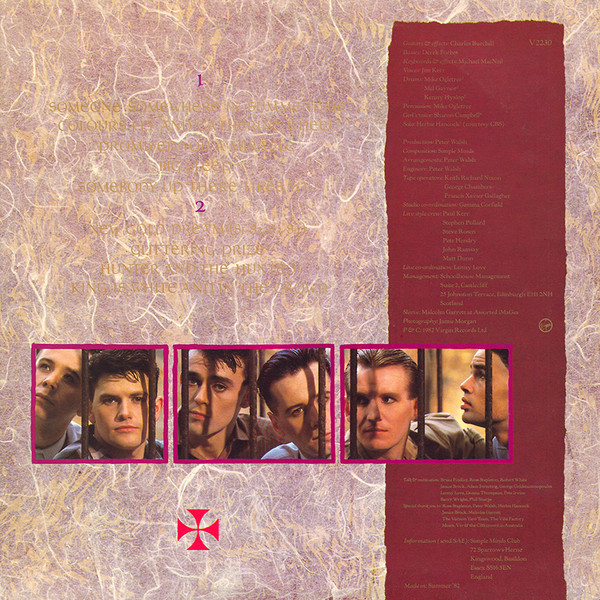
SIMPLE MINDS - SOMEONE SOMEWHERE (IN SUMMERTIME)


Llançament: 5 de novembre de 1982

Llistes: Regne Unit: #36


“Someone Somewhere (In Summertime)” va ser concebuda inicialment com “Summer Song” durant les sessions de composició a Fife. Es va publicar com el tercer senzill de “New Gold Dream (81–82–83–84)” el novembre de 1982 a través de Virgin Records. El títol de la cançó va variar segons el format: “Someone Somewhere In Summertime” a l’àlbum i “Someone Somewhere (In Summertime)” al single, cosa que va provocar inconsistències en llistats posteriors. Jim Kerr ha descrit aquesta peça com una obertura emblemàtica de “New Gold Dream (81–82–83–84)” i com una fita en la maduresa creativa de la banda.


Aquesta cançó captura tota l’essència de l’àlbum, amb tons sintètics que evoquen una atmosfera crepuscular i new wave, mentre que la seva tornada representa un gir cap al pop pur. En pocs minuts, sintetitza els diferents estats d’ànim i textures de tot el disc.


El tema va sorgir a partir d’una melodia de guitarra que Charlie Burchill va improvisar mentre la banda assajava, i la resta de la peça va fluir de manera natural. La lletra es va inspirar en part en la gira del grup per Austràlia i en la visita del Papa a Glasgow, tot i que aquesta connexió no es reflecteix explícitament en les paraules. Durant el procés de mescla, Charlie es va emocionar fins a les llàgrimes en escoltar l’impacte de la cançó a través dels altaveus d’alta qualitat de l’estudi. Més tard, va desenvolupar una nova introducció de guitarra per a les actuacions en directe, que es va gravar durant la sessió de la versió estesa. Virgin Records sembla que va arxivar erròniament el màster, fet que va provocar que la versió de l’àlbum aparegués en algunes reedicions.


El 1982, Simple Minds van assolir el seu punt àlgid amb “New Gold Dream (81/82/83/84)”, un àlbum que fusionava una bellesa etèria amb un optimisme renovat, contrastant amb la foscor dels primers anys 80. Mentre el post-punk donava pas a l’energia vibrant del new pop, bandes com The Human League i The Associates van construir un so més simfònic i acolorit, i Simple Minds van seguir la mateixa línia. L’àlbum, que va arribar al número 3 de les llistes, reflectia un sentiment d’optimisme, amb Jim Kerr oferint algunes de les seves interpretacions vocals més magistrals, combinant elements del New Romantic amb influències dels grans crooners clàssics. Kerr va descriure posteriorment el procés d’enregistrament com un període excepcionalment harmònic en què tot va fluir sense esforç.


“Someone Somewhere (In Summertime)” resumeix perfectament la fusió de sensibilitat pop i misteri experimental que defineix l’àlbum. Tot i que “New Gold Dream“ representa el cim de la primera etapa de Simple Minds, també anticipa la seva transició cap a un pop més accessible, combinant èxits embriagadors de synthpop com “Promised You A Miracle” i “Glittering Prize”, amb temes més atmosfèrics com “Big Sleep” i “Hunter and the Hunted”.


SIMPLE MINDS - SOMEONE SOMEWHERE (IN SUMMERTIME)


Released: November 5, 1982

Charts: UK: #36 


“Someone Somewhere (In Summertime)” was originally conceived as “Summer Song” during writing sessions in Fife. It was released as the third single from “New Gold Dream (81–82–83–84)” on November 5, 1982, through Virgin Records. The song’s title varied across different formats—“Someone Somewhere In Summertime” on the album and “Someone Somewhere (In Summertime)” on the single, leading to inconsistencies in later releases. Jim Kerr has described it as both a defining opener for “New Gold Dream (81–82–83–84)” and a milestone in the band’s songwriting, marking their creative maturity.


This song captures the album’s essence, with its synth tones evoking a twilit, new wave atmosphere, while its chorus represents a shift towards pure pop. In just a few minutes, it sums up the diverse moods and textures of the entire album.


The track developed from a guitar melody Charlie Burchill picked out while the band jammed, with the rest of the song flowing naturally. The lyrics were partly inspired by the band’s tour of Australia and the Pope’s visit to Glasgow, though the connection is not explicitly reflected in the words. During the mixing process, Charlie was moved to tears by the song’s impact over the studio’s high-quality speakers. Charlie later developed a new guitar intro for live performances, which was recorded during the extended mix session, though Virgin Records seemingly misfiled the master, resulting in the album version appearing on some reissues.


By 1982, Simple Minds had reached their creative peak with “New Gold Dream (81/82/83/84)”, an album that blended ethereal wonder with a newfound optimism, standing in contrast to the bleakness of the early ’80s. As post-punk gave way to the vibrant energy of new pop, bands like The Human League and The Associates embraced a more colorful, symphonic sound, and Simple Minds followed suit. The album, which reached No. 3 on the charts, reflected a sense of uplift and possibility, with Jim Kerr delivering some of his most masterful vocals, bridging New Romantic stylings with classic crooner influences. Kerr later described the recording process as a rare, harmonious period where everything clicked effortlessly.


“Someone Somewhere (in Summertime)” perfectly sums up the album’s fusion of pop sensibility and experimental mystery. While “New Gold Dream” marks the peak of Simple Minds’ early phase, it also introduces their transition into pop with a blend of giddy synthpop hits like “Promised You A Miracle” and “Glittering Prize,” alongside more atmospheric tracks like “Big Sleep” and “Hunter and the Hunted.”