Total de visualitzacions de pàgina:

15.3.25


U2 - SOMETIMES YOU CAN’T MAKE IT ON YOUR OWN / CITY OF BLINDING LIGHTS


SOMETIMES YOU CAN’T MAKE IT ON YOUR OWN

Released:  February 7, 2005

Charts:  UK: #1 (1 week)  US: #97 


"Sometimes You Can't Make It on Your Own" is a song from the album "How to Dismantle an Atomic Bomb". It was released as the album's second single globally (excluding North America) on February 2005. It debuted at number one on the UK Singles Chart, marking U2's sixth number-one single in the United Kingdom. At the 48th Annual Grammy Awards in 2006, the song won two Grammy Awards: Best Rock Performance by a Duo or Group with Vocal and Song of the Year.


"Sometimes You Can't Make It on Your Own" began taking shape during U2's PopMart Tour in 1997–1998, initiated by Bono and the Edge. The song's development coincided with a poignant period for Bono, as his father, Bob Hewson, battled terminal cancer during the recording of U2's 2000 album “All That You Can't Leave Behind”. Originally titled "Tough," the song reflected Bono's impression of his father as a resilient and humorous Dubliner with a cynical outlook. Despite initial efforts, the band found the song's early version too conventional and worked extensively to refine its harmonic structure while preserving its strong melodies. Ultimately, U2 opted not to include it on the album.


During the recording sessions for the album “How to Dismantle an Atomic Bomb”, the band revisited the tune. The song underwent several revisions as guitarist the Edge felt the original chord sequence was too obvious. Producer Daniel Lanois contributed to the initial stages of the song's development, but the band continued to struggle with its structure. After multiple rewrites, producer Steve Lillywhite critiqued the track, noting the lack of a proper chorus and suggesting it needed a bridge to enhance its structure. In response, Bono spontaneously sang a new segment in falsetto, which instantly completed the song despite lacking lyrics at the time. Lillywhite remarked that despite the song's long evolution over five years, no one had previously identified its need for a chorus.


"Sometimes You Can't Make It on Your Own" holds deep personal significance for Bono, as he first performed it at his father's funeral. The song reflects on their complex relationship, which evolved positively before his death. Bono's father, a tenor and lover of opera, influenced the song's lyrics, notably the line "You are the reason the opera is in me." Bono describes his father's practical advice against dreaming as a push towards action, which shaped his approach to pursuing ambitious ideas. 


CITY OF BLINDING LIGHTS

Released: June 6, 2005

Charts:  UK: #2 


"City of Blinding Lights" is a track by U2 from their album "How to Dismantle an Atomic Bomb". Produced by Flood, with additional production by Chris Thomas and Jacknife Lee, it was released as the album's fourth single on June 2005. The song achieved commercial success, reaching number one in Spain and entering the top ten charts in Canada, Ireland, the United Kingdom, and several other countries.


U2 started developing "City of Blinding Lights" during the “Pop” album sessions but shelved it until completing it for "How to Dismantle an Atomic Bomb" years later. Bono's lyrics reflect memories of his teenage visit to London with his wife and the band's early experiences in New York City in 1980. The Edge appreciates Bono's ability to create cinematic lyrics that vividly evoke specific places and times, particularly highlighting how New York City captures a distinct state of mind and emotional resonance.


"The first verse is in London and the chorus is in New York," Bono explained in "U2 by U2." He described how the song reflects his first trip to London with his wife, and their exploration of the city's offerings and challenges. The chorus shifts to New York, specifically recalling a moment during U2's Elevation tour at Madison Square Garden, where he was moved by the audience's emotional response. 


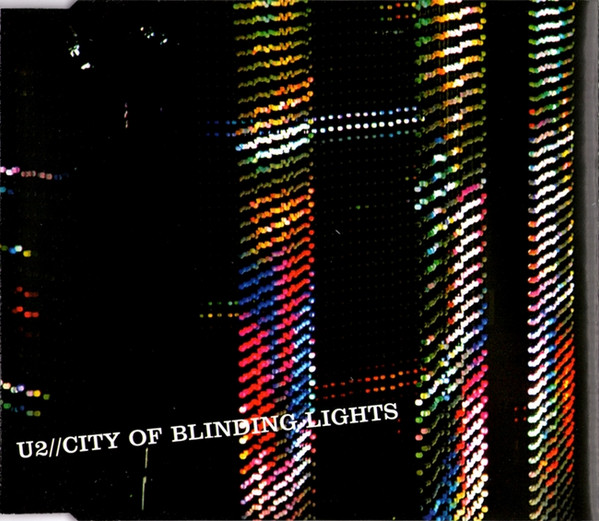
The music video was filmed at General Motors Place in Vancouver, British Columbia, on April 27, 2005, during U2's Vertigo Tour. Directed by Alex Courtes and Martin Fougerol, it features the band performing the song live on stage, incorporating footage from their concert the following day. The video intentionally keeps lighting low to emphasize the LED curtains used in the tour, creating a visually striking effect with shadows on the band members' faces. The filming location in Vancouver was chosen for its strong production capabilities, drawing thousands of fans who participated after the shoot details leaked.






PETER GABRIEL - SHOCK THE MONKEY


Released: September 1982

Charts:  US: #29   UK: #58 


“Shock the Monkey” is a song released in September 1982 as the lead single from the fourth self-titled studio album, issued in the US under the title “Security”. It became Gabriel’s first Top 40 hit in the US, reaching No. 29 on the Billboard Hot 100 and topping the Billboard Mainstream Rock chart. In the UK, it peaked at No. 58.


“Shock the Monkey” is often mistaken for a song about animal rights or shock therapy due to its title and imagery, but Peter Gabriel has clarified that it is actually about jealousy. The “monkey” symbolizes primal human instincts, particularly fear and insecurity. The phrase “shock the monkey to life” refers to moments of realization triggered by jealousy, confirming one’s fears or suspicions. While the song mentions various animals, its true meaning lies in exploring emotional reactions and human impulses.


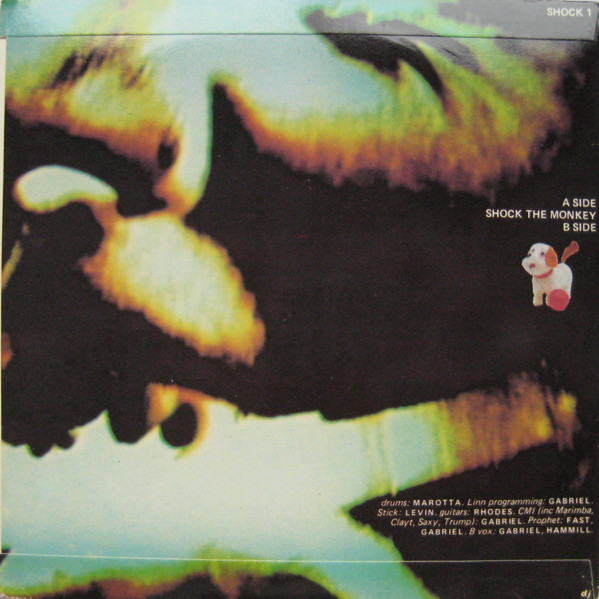
“Shock the Monkey” showcased Peter Gabriel’s innovative use of electronic music technology. For this song and the rest of the “Security” album, he used cutting-edge devices like the Fairlight CMI, Prophet 5 synthesizers, and an LM-1 drum machine to create its distinctive sound. Along with co-producer David Lord, Gabriel manipulated samples and processed rhythms, shaping the song from the beat upward. Drummer Jerry Marotta adjusted his playing to suit this approach, avoiding cymbals and using a surdo drum instead of a traditional kick drum. This experimental production technique resulted in a unique sound that was difficult to replicate.


The music video directed by Brian Grant is known for its unsettling and surreal imagery. A staple of early MTV, the video features Peter Gabriel in two contrasting roles: a businessman in a dark suit and a shaman-like figure with white face paint and black geometric markings. The setting shifts between two office-like rooms where a movie projector plays footage of a gibbon. As the video progresses, the businessman’s environment becomes increasingly chaotic, with objects in disarray and Gabriel himself appearing more distressed. The visuals grow more intense, featuring scenes of Gabriel fleeing through a wilderness, being restrained by three little people, and appearing disoriented in a hospital-like setting. The video culminates with the two Gabriels merging, and the gibbon’s face superimposed over them.


PHIL COLLINS - YOU’LL BE IN MY HEART 


Released: June 15, 1999

Charts: UK: #17   US: #21 


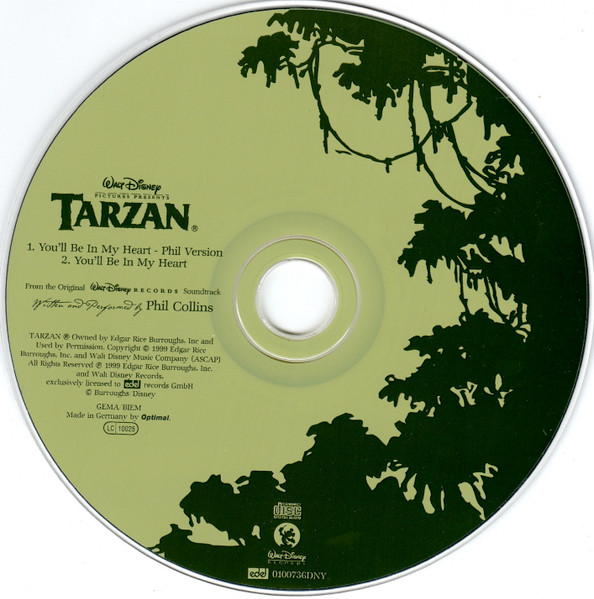
“You’ll Be in My Heart” is a song by Phil Collins from Disney’s 1999 animated film Tarzan. It won the Academy Award for Best Original Song, marking Collins’ first Oscar win after previous nominations for “Against All Odds” and “Two Hearts”.


The song conveys a message of comfort and eternal connection, fitting both the film’s mother-son relationship and broader close bonds. Collins’ daughter, Lily Collins, revealed that he originally wrote it as a lullaby for her.


In Tarzan, Glenn Close (as Tarzan’s adoptive gorilla mother) sings the intro before Collins takes over. He also wrote four other songs for the film.


The music video, directed by Kevin Godley, features Collins in various settings using 1999 compositing technology but does not include scenes from the movie.


PHIL COLLINS - SOMETHING HAPPENED ON THE WAY TO HEAVEN


Released: April 16, 1990

Charts: UK: #15   US: #4 


“Something Happened on the Way to Heaven” is a single by Phil Collins, from his album “…But Seriously”. Co-written with Daryl Stuermer, it was originally intended for the final scene of “The War of the Roses”, but was rejected by director Danny DeVito. The song peaked at #4 on the US Billboard Hot 100 and #15 on the UK Singles Chart. A live version appears on “Serious Hits… Live!”. The track is recognizable for its recurring hook, “How many times can I say ‘I’m sorry’?”, though the title comes from the second line of the second verse.


This song is about a man who regrets ending a relationship and wants to reconcile. Despite the emotional theme, the song has an upbeat energy, possibly reflecting the man’s hope and confidence that they will reunite.


The music video, directed by Jim Yukich and produced by Paul Flattery, follows a dog’s adventure in a concert hall where Phil Collins and his band are rehearsing. The dog, dreaming of being a silent film hero, wakes up in a meadow and follows the sound of music into the venue. It explores the facility, eats from the band’s buffet, climbs the catwalks, and even plays the piano and drums. The video includes humorous moments, such as the dog relieving itself on stage, first near backing singer Arnold McCuller and later on bassist Leland Sklar’s leg—leading to Collins laughing and wiping Sklar’s shoe.


The UK single cover featured comedian Tony Hancock, while the international release used a still from the 1946 film “A Matter of Life and Death”.


PHIL COLLINS - I DON’T CARE ANYMORE


Released: February 1983

Charts: US: #39 


“I Don’t Care Anymore” is the opening track from Phil Collins’ second solo album, “Hello, I Must Be Going!”. The track is known for its intense drum work and raw emotion, with Collins delivering biting lyrics about feeling betrayed. Collins played every instrument on the song except for guitar. This song earned Phil Collins his first Grammy nomination for Best Male Rock Vocal Performance in 1984, but he lost to Michael Jackson’s “Beat It.” While it only reached No. 39 on the Billboard Hot 100, it remains one of his most powerful and beloved solo tracks.


Like his debut album “Face Value”, the song reflects the pain and anger he felt following his divorce from his first wife, Andrea Bertorelli. The lyrics express his frustration with legal battles and emotional turmoil, but also his determination to move on. He repeats “no more” 17 times in the outro, almost as if trying to convince himself that he truly doesn’t care. Bertorelli was deeply upset by Collins airing their personal struggles in his music, claiming he profited from their divorce while disregarding her and their children’s feelings.


The music video is set in a dark room with spotlights highlighting each band member as they play. Phil Collins performs passionately, while Mo Foster, the bassist, stands idly before dramatically playing the Moog Taurus bass pedals—not with his feet, as intended, but with his fists. He also manipulates the filter controls, adding a theatrical element to the performance. Live concert footage from the same era shows Foster playing the pedals with a flatter hand technique and performing a simplified bassline, while future touring bassist Leland Sklar used the pedals correctly with his feet while playing bass guitar simultaneously.