Total de visualitzacions de pàgina:

29.3.25


AC/DC - SHOOT TO THRILL


Llançament: 25 de juliol de 1980

Àlbum: Back in Black


“Shoot to Thrill” és la segona cançó de l’àlbum “Back in Black”, el primer d’AC/DC amb Brian Johnson com a vocalista després de la mort de Bon Scott. També apareix als discos “AC/DC Live” i a la banda sonora de “Iron Man 2”. El videoclip oficial, publicat el 26 de gener de 2010, inclou imatges d’un concert de desembre de 2009 a Buenos Aires, Argentina (Estadio Monumental), també recollides al DVD “Live at River Plate”.


El títol juga amb l’expressió “shoot to kill” (dispara per matar), i la lletra retracta un personatge temerari i salvatge, envoltat de massa dones i massa pastilles. Johnson adopta un estil narratiu similar al de Bon Scott a “Dirty Deeds Done Dirt Cheap”, evocant una vida de descontrol i excessos.


Musicalment, “Shoot to Thrill” destaca pel seu riff sincopat i ple de groove, sostingut per la precisió del baix de Cliff Williams i la bateria de Phil Rudd. La veu de Johnson condueix la cançó cap a un solo explosiu d’Angus Young, que culmina en una secció vocal improvisada i accelerada, portant el tema al seu punt més àlgid.


La cançó es va fer encara més popular gràcies a la seva aparició a “Iron Man 2” (2010), on acompanya l’entrada triomfal de Tony Stark. Un videoclip especial va barrejar escenes de la pel·lícula amb imatges d’un concert d’AC/DC, utilitzat com un avançament del film. A més, el disc de la banda sonora d’”Iron Man 2” estava format exclusivament per cançons d’AC/DC, incloent-hi “Shoot to Thrill” i “Highway to Hell”. La cançó també va aparèixer a “The Avengers” (2012) quan Iron Man entra en acció.


AC/DC - SHOOT TO THRILL


Released: July 25, 1980

Album: Back in Black


“Shoot to Thrill” is a song featured as the second track on the 1980 album “Back in Black”, Brian Johnson’s first with the band after the death of Bon Scott. It also appears on “AC/DC Live” and the “Iron Man 2” soundtrack. A music video was released on January 26, 2010, featuring live footage from a December 2009 concert in Buenos Aires, Argentina, at Estadio Monumental. This footage was also used in the band’s “Live at River Plate” DVD. 


The song plays on the phrase “shoot to kill”, portraying a reckless bad boy with “too many women with too many pills.” Johnson’s lyrics echo Scott’s storytelling style, similar to “Dirty Deeds Done Dirt Cheap”. Musically, “Shoot to Thrill” stands out for its groove-driven staccato riff, held together by Cliff Williams’ bass and Phil Rudd’s tight drumming. Johnson’s irresistible vocal melody leads into an explosive Angus Young guitar solo, followed by a scat-like vocal climax that takes the song to another level.


“Shoot to Thrill” was featured in the 2010 movie “Iron Man 2” during Tony Stark’s grand entrance. A special music video combined scenes from the film with AC/DC concert footage, serving as an early preview for the movie. The “Iron Man 2” soundtrack was made up entirely of AC/DC songs, with both “Shoot to Thrill” and “Highway to Hell” included in the film. The song also made another iconic appearance in The Avengers (2012) when Iron Man arrives on screen.


28.3.25


AC/DC - IT’S A LONG WAY TO THE TOP (IF YOU WANNA ROCK N’ ROLL)


Released: December 8, 1975

Album: High Voltage


“It’s a Long Way to the Top (If You Wanna Rock ‘n’ Roll)” is an autobiographical AC/DC song about the struggles of making it in the music industry. Written by Angus Young, Malcolm Young, and Bon Scott, it was released on the album “T.N.T.” in Australia and later on the international version of “High Voltage”. At the time, AC/DC was still an up-and-coming band, playing in rough venues and dealing with shady promoters. The song captures the hardships of touring but also the determination that ultimately led to their success in selling out arenas.


“It’s a Long Way to the Top (If You Wanna Rock ‘n’ Roll)” became an anthem for AC/DC, perfectly capturing their journey as a hard-working, audience-driven band. Angus Young told Rolling Stone that their fans were the key to their success, allowing them to reach the studio. Unlike Boston’s “Rock and Roll Band”, which told a fictional story of struggle, AC/DC’s song was rooted in real-life experience. The track was unconventional for a metal song, featuring bagpipes played by Bon Scott instead of a lengthy guitar solo. Scott, originally from Scotland like the Young brothers, was skilled in various instruments, including the bagpipes. The song became AC/DC’s best single at the time, reaching #5 on the Australian charts, and at 5 minutes 15 seconds, it was unusually long for a single.


AC/DC filmed a promotional video for the song on February 23, 1976, riding through Melbourne on an open-topped truck alongside three Rats of Tobruk Pipe Band members. The video captured Bon Scott’s enthusiasm, though some, like biographer Clinton Walker, felt it hinted at his tragic fate, as he would pass away just four years later.In addition to the famous truck version, three other video versions exist:

1. A live-miming version filmed the same day in Melbourne’s City Square, featuring the pipers (included in the Backtracks box set).

2. A rarely seen studio performance miming the song as if it were live.

3. A Bandstand performance (Channel 9, Australia) recorded two days before the truck video, where Scott sang live over the studio track.


27.3.25


AC/DC - FOR THOSE ABOUT TO ROCK (WE SALUTE YOU)


Llançament: juny de 1982

Àlbum: For Those About to Rock


“For Those About to Rock (We Salute You)” és la cançó que dona títol a l’àlbum d’AC/DC de 1981, el qual va seguir l’èxit massiu de “Back in Black”. Llançada com a senzill el 1982, es va convertir en un dels himnes més emblemàtics de la banda. A diferència de “Back in Black”, que mai va arribar al #1 als Estats Units, “For Those About to Rock” sí que ho va fer, marcant una fita important en la carrera d’AC/DC. La cara B del senzill incloïa una versió en directe de “Let There Be Rock”, enregistrada a Maryland el 1981, on també es va filmar el videoclip.


El títol “For Those About to Rock (We Salute You)” està inspirat en la frase “Per als que estan a punt de morir, us saludem”, que segons es diu els gladiadors romans pronunciaven abans de la batalla. Angus Young va treure la idea d’un llibre que li va regalar Bon Scott sobre els jocs de gladiadors romans. Tot i que Young recordava el llibre com For Those About to Die We Salute You de Robert Graves, probablement es referia a Those About to Die de Daniel Mannix. El títol fa referència als saluts dels gladiadors, mentre que la lletra de Brian Johnson inclou un doble sentit enginyós: “Pick up your balls and load your cannon” (“Aixequeu les vostres pilotes i carregueu el canó”). Aquesta cançó segueix la tradició d’AC/DC d’incorporar la paraula “rock” a frases conegudes, com ja havien fet amb l’àlbum de 1977 “Let There Be Rock”, inspirat en la frase bíblica “Que es faci la llum” (Let there be light).


AC/DC va tenir la idea d’utilitzar canons a “For Those About to Rock (We Salute You)” mentre assajaven a París i van veure per televisió el casament del príncep Carles i Lady Diana, que anava acompanyat de foc de canons cerimonial. Inspirats per això, van incorporar dos canons als seus concerts, de manera similar a com havien introduït una campana gegant per a “Hells Bells”. Inicialment, van provar amb 21 canons més petits, però generaven massa espurnes. Amb el temps, la cançó es va convertir en el tancament tradicional dels concerts d’AC/DC, ja que l’espectacle dels canons disparant feia que fos impossible seguir amb una altra cançó.


AC/DC - FOR THOSE ABOUT TO ROCK (WE SALUTE YOU)


Released: June 1982

Album: For Those About to Rock


“For Those About to Rock (We Salute You)” is the title track from AC/DC’s 1981 album, which followed the massively successful Back in Black. Released as a single in 1982, it became one of the band’s signature anthems. Unlike Back in Black, which never reached #1 on the US charts, For Those About to Rock did, marking a major milestone for AC/DC. The single’s B-side featured a live version of “Let There Be Rock,” recorded in Maryland in 1981, where the music video was also filmed.


The title “For Those About to Rock (We Salute You)” is inspired by the phrase “For those about to die, we salute you,” which Roman gladiators reportedly said before battle. AC/DC guitarist Angus Young got the idea from a book that Bon Scott gave him about ancient Roman gladiator games. Though Young recalled the book as For Those About To Die We Salute You by Robert Graves, it was more likely Those About to Die by Daniel Mannix. Its title nods to Roman gladiator salutes, while Brian Johnson’s lyrics include a cheeky double entendre: “Pick up your balls and load your cannon.” This song follows AC/DC’s tradition of incorporating “rock” into well-known phrases, similar to their 1977 album “Let There Be Rock”, inspired by the biblical phrase “Let there be light.”


AC/DC got the idea to use cannons in “For Those About to Rock (We Salute You)” while rehearsing in Paris, where they saw Prince Charles and Lady Diana’s wedding on TV, accompanied by celebratory cannon fire. Inspired, they incorporated two cannons into their live performances, similar to how they had previously used a giant bell for “Hells Bells.” The stage cannons evolved from an initial 21 smaller ones, which produced excessive sparks. The song became AC/DC’s traditional concert closer, as the spectacle of firing cannons made it nearly impossible to follow. 


26.3.25


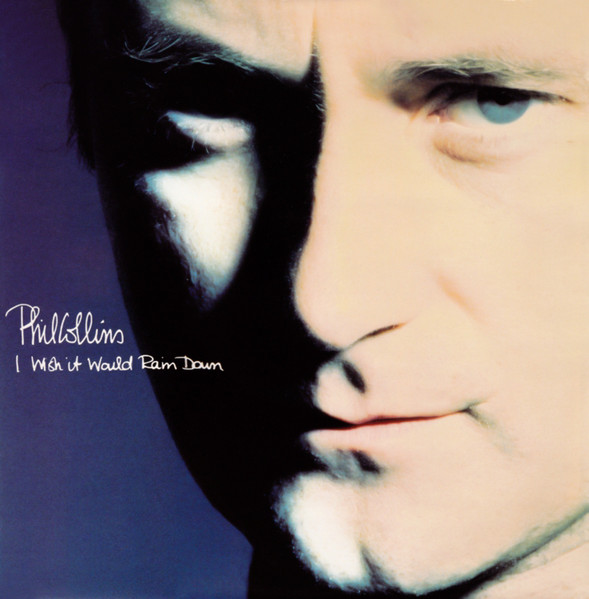
PHIL COLLINS - I WISH IT WOULD RAIN DOWN


Released:  January 15, 1990

Charts: UK: #7   US: #3 


“I Wish It Would Rain Down” is a song from Phil Collins’ 1989 album “…But Seriously”, featuring lead guitar by Eric Clapton and a gospel choir. The song became a major hit in early 1990, reaching No. 7 in the UK, No. 3 in the US, and No. 1 in Canada, where it was the most successful song of the year. Collins, who had collaborated with Clapton on previous albums, saw this as his closest attempt at writing a blues song. Lyrically, it reflects on a lost relationship, with the singer longing for reconciliation despite knowing it’s unlikely.


The music video is an 8:30-minute black-and-white production directed by Jim Yukich, with a 2:30-minute comedic introduction. Set in a 1930s theater, it parodies “Gone with the Wind” and features actor Jeffrey Tambor as a demanding director. The scene opens with dancers rehearsing to “Sunshine of Your Love” by Cream, with Eric Clapton seated on a stool.


An in-joke references Collins’ transition from drummer to singer in Genesis when Clapton notes that “Billy” (played by Collins) used to be a drummer before taking on lead vocals. Collins’ backing band members appear in non-speaking roles, including drummer Chester Thompson and bassist Leland Sklar. Collins is reluctantly cast in a play after the lead actor falls ill. When Tambor’s character criticizes his acting, Collins responds, “I never said I could act, he said I could sing.” The director then tells him to play the song, leading into the performance. As Collins sings, his character imagines himself as a major stage and film star.


TUBEWAY ARMY - ARE FRIENDS ELECTRIC?


Llançament: 4 de maig de 1979

Regne Unit: #1 (4 setmanes)


“Are ‘Friends’ Electric?” és una cançó de la banda anglesa Tubeway Army, escrita i produïda per Gary Numan. Es va publicar a l’àlbum de 1979 “Replicas”, que va significar la transició de Numan cap a la seva carrera en solitari, tot i que la discogràfica va insistir que el crèdit continués a nom del grup. Aquest va ser l’últim senzill de Tubeway Army abans de la seva dissolució. A partir del seu tercer àlbum, “The Pleasure Principle”, Gary Numan ja seria reconegut oficialment com a artista en solitari.


La lletra de Numan es basava en un relat curt que ell mateix havia escrit sobre un home que contracta una prostituta i descobreix que és un androide. La cançó va sorgir de la combinació de dues peces inacabades, i un error crucial—una nota equivocada—va acabar definint el seu so. Gary Numan, que té la síndrome d’Asperger, sovint explora temes de desconnexió i tecnologia en la seva música. En una entrevista, va revelar que la cançó parla d’una prostituta robot, un concepte prou ambigu per esquivar la censura. Segons ell, si la BBC hagués entès el significat real, probablement no l’haurien programat ni l’haurien deixat actuar a Top of the Pops.


Inicialment, la cançó va rebre crítiques pel seu so electrònic, poc acceptat a l’època. Tanmateix, el públic la va acceptar abans que la premsa, i va arribar al número 1 al Regne Unit durant quatre setmanes. Numan recorda que les emissores de ràdio no van començar a programar-la fins a la seva tercera setmana al cim de les llistes, fet que demostra la resistència inicial dels mitjans convencionals. Tot i la seva inusual estructura —sense una tornada clara i sense ritme ballable—, la cançó es va convertir en un moment clau per a la música electrònica.


Si bé va ser un èxit al Regne Unit, “Are ‘Friends’ Electric?” no va tenir gaire impacte als Estats Units, on Numan és més conegut per “Cars”. Ell ha admès que no es preocupa gaire per la seva manca d’èxit als EUA, ja que el que més valora és el procés de crear música. Tot i algunes frustracions, està agraït per l’èxit assolit al Regne Unit i altres països, que li ha permès mantenir la seva carrera durant dècades.


Numan tenia aspiracions modestes al començament, només volia omplir la sala Marquee de Londres, però l’èxit d’aquesta cançó va ajudar a impulsar la música electrònica cap al corrent principal. Mirant enrere, se sent orgullós d’haver contribuït a l’evolució del gènere i de veure com la tecnologia ha influït en la música moderna.


TUBEWAY ARMY - ARE FRIENDS ELECTRIC?


Released: May 4, 1979

UK: #1 (4 wks)


“Are ‘Friends’ Electric?” is a song by the English band Tubeway Army, written and produced by Gary Numan. It was released on the 1979 album “Replicas”, which marked Numan’s transition to a solo career despite being credited to the band at the record label’s insistence. This was Tubeway Army’s final single before their breakup. By Numan’s third album, “The Pleasure Principle”, he was officially recognized as a solo artist.


Gary Numan’s lyrics were based on a short story he had written about a man who hires a prostitute, only to find she is an android. The track was created by combining two unfinished songs, with a crucial mistake—a wrong note—helping to define its unique sound. Gary Numan, who has Asperger’s Syndrome, often explores these ideas in his music. In an interview, he revealed that the song is about a robot prostitute, a concept that was obscure enough to avoid censorship. Had the BBC realized its true meaning, they likely wouldn’t have played it or allowed Numan to perform on Top of the Pops.


The song faced criticism due to its electronic sound, which wasn’t widely accepted at the time. However, the public embraced it before the media, and it topped the UK charts for four weeks. Gary Numan recalled that radio stations only began to playlist the track in its third week at #1, highlighting the initial resistance from mainstream outlets. Despite this skepticism, the track became a defining moment for electronic music, even though it lacked a traditional chorus and wasn’t danceable. 


This was a hit in the UK but failed to gain much attention in the US, where Gary Numan remains best known for “Cars”. Numan has stated that he doesn’t dwell on the lack of American success, as he primarily enjoys the process of making music. While he acknowledges some frustration, he is grateful for his success in the UK and other countries, which has allowed him to sustain his career. 


Numan initially had modest ambitions, aiming only to sell out the Marquee club, but the song’s success helped push electronic music into the mainstream. Looking back, he’s proud to have contributed to the genre’s evolution, seeing how technology has shaped modern music.