Total de visualitzacions de pàgina:

4.4.25


MUD - TIGER FEET


Llançament: 4 de gener de 1974

Llistes: Regne Unit: #1 (4 setmanes)


“Tiger Feet” és un èxit del glam rock de 1974 de la banda anglesa Mud, escrit i produït per Mike Chapman i Nicky Chinn. Va ser el primer senzill número u de la banda, mantenint-se quatre setmanes al capdamunt de les llistes del Regne Unit i Irlanda, i també assolint el número u als Països Baixos. Amb més de 700.000 còpies venudes només al Regne Unit i més d’un milió a nivell mundial, va ser el single més venut a Gran Bretanya el 1974.


En l’univers del glam rock, “Tiger Feet” destaca no només pel seu ritme enganxós, sinó també per la seva lletra enigmàtica. La cançó sembla obsessionada amb els “peus de tigre” d’una dona, deixant lloc a diverses interpretacions. Algunes teories suggereixen que podria ser una metàfora de moviments de ball ferotges o d’un estil de moda atrevit, però el més probable és que es tracti simplement d’un joc de paraules absurd i divertit, sense una gran càrrega simbòlica.


Els compositors Nicky Chinn i Mike Chapman, responsables de diversos himnes del glam rock com “Ballroom Blitz” de Sweet i “Devil Gate Drive” de Suzi Quatro, van trobar la inspiració per “Tiger Feet” en una situació curiosa. Chapman estava empaperant casa seva quan va començar a repetir: “That’s neat, that’s neat, that’s neat”. Quan es va adonar que el seu amic tenia pintura esquitxada als peus, el joc de paraules li va venir al cap, i així va néixer un clàssic del glam rock.


La cançó va començar a agafar forma en un estudi de gravació a Denmark Street, on Chinn i Chapman van improvisar-la durant un temps extra d’estudi. Chapman va començar a tocar la guitarra, i en poc temps la melodia i l’estructura es van consolidar. Més tard, la van acabar de perfeccionar al pis de Chinn a Mayfair, pensant expressament en Mud. Les Gray, el cantant de la banda, va confessar que al principi no li va impressionar quan la va escoltar en acústic, però un cop es va afegir l’arranjament definitiu i el característic riff inicial, es va convertir en un èxit espectacular, tant en estudi com en directe.


MUD - TIGER FEET


Released: January 4, 1974

UK: #1 (4 weeks)


Tiger Feet is a 1974 glam rock hit by the English band Mud, written and produced by Mike Chapman and Nicky Chinn. It became the band’s first number-one single, topping the UK and Irish charts for four weeks and also reaching number one in the Netherlands. The song was a massive commercial success, selling over 700,000 copies in the UK and surpassing one million sales worldwide. It was the best-selling single in Britain in 1974.


In the world of glam rock, Tiger Feet stands out not just for its infectious beat but also for its baffling lyrics. Released in 1974, the song is irresistibly catchy, but its fixation on a woman’s “tiger feet” leaves much to interpretation. While some might see it as a metaphor for fierce dance moves or bold fashion choices, the reality is likely far less profound—leaning more toward playful absurdity than deep lyrical meaning. 


Nicky Chinn and Mike Chapman, the hit-making duo behind Tiger Feet, were responsible for several glam rock anthems, including Sweet’s Ballroom Blitz and Suzi Quatro’s Devil Gate Drive. Inspiration for Tiger Feet struck Chapman in an unlikely setting—while wallpapering his house. As he carefully aligned the stripes, he repeated, “That’s neat, that’s neat, that’s neat,” and then, noticing paint splattered on his friend’s feet, the rhyme clicked. From this mundane moment, a glam rock classic was born.


Tiger Feet was born in a demo studio on Denmark Street when songwriters Nicky Chinn and Mike Chapman had extra studio time. Chapman began strumming on a guitar, and the song quickly took shape, with the duo later refining it at Chinn’s Mayfair flat, specifically with Mud in mind. Chinn admitted the lyrics didn’t necessarily make sense, but like much of glam rock, the focus was on energy, rhythm, and a party vibe. Initially, Mud’s lead singer Les Gray wasn’t impressed when he first heard the song acoustically, but once the band developed the arrangement—especially the distinctive opening riff—it became a powerhouse live and studio hit.


3.4.25


SIMPLE MINDS - WATERFRONT


Released: November 14, 1983

Charts: UK: #13 


Released in November 1983, “Waterfront” was the lead single from Simple Minds’ sixth album, “Sparkle in the Rain”. It became one of the band’s most enduring anthems, reaching #1 in New Zealand, #5 in Ireland, and #13 in the UK, among other chart successes.


At its core, “Waterfront” is a song about Glasgow, specifically the River Clyde, which had long been the heart of the city’s shipbuilding industry. By the early ’80s, however, the shipyards had fallen into decline, and Glasgow faced serious economic hardships. Jim Kerr saw the waterfront as a symbol of both loss and rebirth.


Musically, “Waterfront” marked a shift in Simple Minds’ sound. It was their first true stadium anthem, built around a throbbing, single-note bassline from Derek Forbes. This was unlike anything he had played before, but it gave the song an almost industrial, steam-powered feel—a perfect match for its themes of resilience and transformation. The massive bass pulse was created using a Dynacord amplifier and sampler, an innovative approach at the time. Combined with crashing drums and soaring synths, this made “Waterfront” one of Simple Minds’ most powerful live tracks.


PETER GABRIEL - IN YOUR EYES


Released: August 1986

Charts:  US: #26 


“In Your Eyes” is a song by Peter Gabriel from his 1986 album “So”. Though not released as a single in the UK, it became the second US single from the album, reaching No. 1 on the Billboard Mainstream Rock Tracks chart and peaking at No. 26 on the Billboard Hot 100. Peter Gabriel co-produced the album with Daniel Lanois, who had previously worked on U2’s “The Unforgettable Fire” and later “The Joshua Tree”. Lanois is known for emotionally driven production, which complemented well with lyricists like Bono and Gabriel. 


“In Your Eyes” is widely regarded as Peter Gabriel’s greatest love song and one of his finest works. The song combines a piano melody with an African-inspired bass and percussion arrangement, creating a seamless cross-cultural fusion. Its extended coda, featuring Senegalese singer Youssou N’Dour, introduced him to a wider Western audience and adds a mesmerizing vocal layer to the song’s slow-building chants. 


Peter Gabriel’s concerts are highly choreographed, but “In Your Eyes” was designed to allow room for improvisation. During the So tour, keyboardist David Sancious recalled that Gabriel wanted to extend the song’s ending, giving space for an improvised eight-bar break featuring only piano and drums. Manu Katché would signal when to return to the chorus, making the section unique every night. 


Gabriel originally wanted “In Your Eyes” to be the final track on “So”, but the song’s prominent bassline required it to be placed earlier on the vinyl edition to allow the phonograph stylus enough room to vibrate properly. This limitation was no longer an issue for later CD releases, so the track was moved to its intended closing position.


PRINCE & THE REVOLUTION - WHEN DOVES CRY


Llançament: 16 de maig de 1984

EUA: #1 (5 setmanes)


“When Doves Cry” va ser el primer número 1 de Prince al Billboard Hot 100, mantenint-se al capdamunt durant cinc setmanes el 1984. Segons Billboard, també va ser el single més venut de l’any. Al Regne Unit, va arribar al #4.


Prince la va escriure per a la seva pel·lícula “Purple Rain”, on sona durant un muntatge que mostra el seu personatge perdent la seva estimada (Apollonia) a mans del seu rival (Morris Day). L’escena també reflecteix la relació difícil de Prince amb el seu pare, que és mostrat com a abusiu, en línia amb la lletra de la cançó sobre un pare exigent.


Aquesta cançó té el fet diferencial que no té línia de baix, una decisió que Prince va prendre a última hora per aconseguir un so diferent. El seu baixista, Brown Mark, va donar suport a la idea, qualificant la cançó de fenomenal, però en les actuacions en directe sí que afegia una línia de baix.


“When Doves Cry” es va acreditar a Prince and The Revolution perquè apareixia a l’àlbum “Purple Rain”, que portava el nom de la banda, però el single es va llançar només sota el nom de Prince, ja que ell mateix va tocar tots els instruments i va fer totes les veus.


El videoclip, dirigit pel mateix Prince, es va estrenar a MTV el juny de 1984. Mostra coloms blancs sortint d’unes portes dobles, revelant Prince en una banyera, seguit de diverses escenes en concert. La seva naturalesa sexualment suggerent va generar controvèrsia, ja que alguns directius de la cadena van considerar-lo massa explícit per a la televisió.


PRINCE & THE REVOLUTION - WHEN DOVES CRY


Released: May 16, 1984

US: #1 (5 wks) 


“When Doves Cry” was Prince’s first Billboard Hot 100 #1 hit, staying at the top for five weeks in 1984. It was also the year’s best-selling single, according to Billboard. In the UK, it peaked at #4.


Prince wrote the song for his film “Purple Rain”, where it plays during a montage showing his character losing his love (Apollonia) to his rival (Morris Day). The scene also reflects Prince’s troubled relationship with his father, who is portrayed as abusive, aligning with the song’s lyrics about a demanding parent.


This song is unique for having no bassline, a decision Prince made at the last minute to create a different sound. His bassist, Brown Mark, supported the choice, calling the song phenomenal, but during live performances, Mark added basslines to the track.


“When Doves Cry” was credited to Prince and The Revolution because it appeared on the “Purple Rain” album, which was attributed to the band. The single release was credited solely to Prince, as he was the only performer on the track, playing all instruments and providing all vocals.


The music video, directed by Prince, premiered on MTV in June 1984. It features white doves emerging from double doors, revealing Prince in a bathtub, followed by various performance scenes. The video’s sexual nature sparked controversy among network executives, who felt it was too explicit for television.


2.4.25


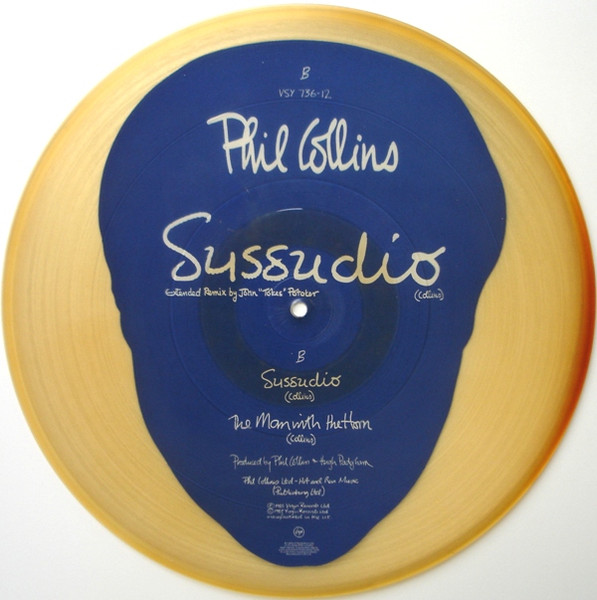
PHIL COLLINS - SUSSUDIO


Llançament: 14 de gener de 1985

Llistes: UK: #12  EUA: #1 (1 setmana)


“Sussudio” és una cançó de Phil Collins, llançada al Regne Unit al gener de 1985 com el primer single del seu tercer àlbum en solitari, “No Jacket Required”. Als Estats Units, va ser el segon senzill, publicat el 30 d’abril de 1985 després de “One More Night”. La cançó es va convertir en un gran èxit, arribant al #1 del Billboard Hot 100 als EUA el juliol de 1985 i assolint el #12 al Regne Unit.


“Sussudio” va néixer d’una improvisació de Collins amb una caixa de ritmes, amb el títol inicialment com un so sense sentit que finalment va decidir mantenir. La cançó compta amb The Phenix Horns, coneguts pel seu treball amb Earth, Wind & Fire. Alguns crítics van assenyalar la semblança amb “1999” de Prince, cosa que Collins va reconèixer, admetent que era gran fan de Prince i que la primera versió de la cançó sonava encara més semblant.


Tot i ser un nom inventat, Collins va decidir donar-li significat. La lletra tracta d’un noi que té un amor platònic per una noia però no sap com expressar-ho, inspirat en els enamoraments infantils de la seva filla. Amb el temps, “Sussudio” fins i tot es va convertir en el nom del cavall de la seva filla, i Collins va bromejar dient que segurament alguns nens havien estat batejats amb aquest nom, demanant disculpes per això.


El videoclip mostra Phil Collins tocant en un pub de Londres, The Princess Victoria, propietat de Richard Branson. Hi apareixen Daryl Stuermer, Chester Thompson i Lee Sklar, tot i que Thompson i Sklar no van participar a la gravació de l’estudi. El vídeo comença amb un home sortint de casa seva mentre la seva família mira la televisió, que casualment està reproduint “In the Air Tonight”. Quan passa per davant d’un pub, Collins i la seva banda hi actuen davant d’un públic inicialment indiferent, però a mesura que la cançó avança, l’ambient s’anima fins a acabar amb una gran ovació.


PHIL COLLINS - SUSSUDIO


Released: January 14, 1985

Charts: UK: #12  US: #1 (1 week)


“Sussudio” is a song by Phil Collins, released on January 1985 in the UK as the lead single from his third solo album, “No Jacket Required”. In the United States, it was the second single, released on 30 April 1985 after “One More Night”. The song became a major hit, reaching No. 1 on the US Billboard Hot 100 in July 1985 and peaking at No. 12 on the UK Singles Chart. 


“Sussudio” originated from Phil Collins improvising lyrics with a drum machine, with the name itself being a nonsensical placeholder that he ultimately kept. The song features The Phenix Horns, known for their work with Earth, Wind & Fire. Critics pointed out its similarity to Prince’s “1999”, which Collins acknowledged, admitting he was a big Prince fan and that the original version sounded even more like Prince. 


The word “sussudio” was nonsensical at first, but when he couldn’t find a better replacement, he decided to give it meaning. The song ended up being about a schoolboy crush, where a boy likes a girl but struggles to express it. Collins related it to his daughter’s childhood crush. Over time, “Sussudio” even became the name of his daughter’s horse, and he joked that some children might have been named after it, apologizing for that.


The music video for features Phil Collins performing in a London pub, The Princess Victoria, owned by Richard Branson. Longtime collaborators Daryl Stuermer, Chester Thompson, and Lee Sklar appear in the video, though Thompson and Sklar did not play on the studio recording. The video begins with a man leaving his house while his family watches TV, which happens to be playing “In the Air Tonight”. As he passes a pub, Collins and his band are performing to an uninterested crowd, but as the song progresses, the audience gradually becomes more engaged, ending with enthusiastic cheering.