Total de visualitzacions de pàgina:

8.4.25


AC/DC - DIRTY DEEDS DONE DIRT CHEAP

Llançament: 5 d’octubre de 1976

Àlbum: Dirty Deeds Done Dirt Cheap


“Dirty Deeds Done Dirt Cheap” és una cançó de hard rock d’AC/DC, escrita per Angus Young, Malcolm Young i Bon Scott. Va ser la cançó principal del seu àlbum de 1976 i es va llançar com a single a Austràlia, el Regne Unit i, més tard, als Estats Units el 1981, on va arribar al número quatre de la llista Mainstream Rock Tracks. Les cares B del senzill van variar segons el país, incloent cançons com “R.I.P. (Rock in Peace)”, “Big Balls”, “The Jack” i “Highway to Hell”.


Angus Young va treure el títol de la cançó d’un dibuix animat de 1962, “Beany and Cecil”, inspirant-se en la targeta de presentació del personatge Dishonest John. La cançó es caracteritza pel seu to amenaçador, amb Bon Scott interpretant un assassí a sou que ofereix diversos serveis letals. És l’única cançó d’AC/DC on Malcolm Young canta una frase, i també inclou cors d’Angus Young. Amb el seu riff pesat i lletres sinistres, la cançó va destacar especialment quan va debutar a la televisió australiana en un programa ple d’actuacions pop, com les d’ABBA. Es va gravar als Alberts Studios de Sydney, poc després de “T.N.T.”.


La lletra inclou el número “3-6-2-4-3-6”, que coincidia amb un número de telèfon real a Austràlia en aquell moment i també amb les clàssiques mesures corporals 36-24-36. Aquestes mateixes mesures es van mencionar l’any següent a “Brick House” dels Commodores i van ser parodiades per Sir Mix-a-Lot a “Baby Got Back”.


Als Estats Units, un matrimoni d’Illinois, Norman i Marilyn White, va demandar AC/DC per invasió de la privacitat després de rebre centenars de trucades de broma de fans que marcaven erròniament el número 362-4368. La parella va al·legar que les trucades eren obscenes i amenaçadores i va reclamar 250.000 dòlars en danys i perjudicis, a més d’una regravació de la cançó. El cas va ser desestimat sota la protecció de la Primera Esmena.


AC/DC - DIRTY DEEDS DONE DIRT CHEAP


Released: October 5, 1976

Album: Dirty Deeds Done Dirt Cheap


“Dirty Deeds Done Dirt Cheap” is a hard rock song by AC/DC, written by Angus Young, Malcolm Young, and Bon Scott. It was the title track of their 1976 album and was released as a single in Australia, the UK, and later in the US in 1981, where it reached number four on the Mainstream Rock Tracks chart. The song’s B-sides varied by region, including tracks like “R.I.P. (Rock in Peace),” “Big Balls,” “The Jack,” and “Highway to Hell.”


Angus Young got the title for “Dirty Deeds Done Dirt Cheap” from the 1962 cartoon Beany and Cecil, inspired by the villain Dishonest John’s business card. The song is known for its menacing tone, with Bon Scott portraying a contract killer offering various lethal services. It’s the only AC/DC track where Malcolm Young sings a line and features backing vocals from Angus. With its heavy riff and sinister lyrics, the song stood out when it debuted on Australian TV alongside pop acts like ABBA. It was recorded at Alberts Studios in Sydney shortly after “T.N.T.”.


The lyrics “Just ring: 3-6-2-4-3-6” referenced a real phone number in Australia at the time and also matched the classic hourglass body measurements (36-24-36). The same measurements appeared in the Commodores’ Brick House a year later, while Sir Mix-a-Lot mocked them in Baby Got Back.


In the U.S., an Illinois couple, Norman and Marilyn White, sued AC/DC for invasion of privacy after receiving hundreds of prank calls from fans misdialing the number as 362-4368. They claimed the calls were lewd and threatening and sought $250,000 in damages, plus a re-recording of the song, but the case was dismissed under First Amendment protections.


PETER GABRIEL - BIKO


Llançament: Agost de 1980

Llistes: Regne Unit: #38


“Biko” és una cançó de Peter Gabriel de protesta contra l’apartheid, publicada el 1980 com a single del seu tercer àlbum. Inspirada en la mort de l’activista sud-africà Steve Biko, la cançó va rebre elogis per la seva lletra potent, la seva instrumentació i la interpretació vocal de Gabriel. Tot i assolir només el número 38 a les llistes britàniques, va ser prohibida a Sud-àfrica pel seu missatge polític. Amb el temps, la peça es va convertir en una fita en la carrera de Gabriel, consolidant el seu compromís amb l’activisme pels drets humans.


Bantu Stephen Biko va ser un activista sud-africà contra l’apartheid i una figura clau del moviment de la Consciència Negra. El 1968, va cofundar l’Organització d’Estudiants Sud-africans i, el 1972, la Convenció del Poble Negre, promovent l’apoderament dels negres i la resistència a l’apartheid. El 1973, el govern sud-africà li va imposar una ordre de prohibició que restringia els seus moviments i activitats públiques. L’agost de 1977, Biko va ser arrestat per violar aquesta ordre i va ser brutalment apallissat durant un interrogatori policial, patint greus lesions cerebrals. Va morir el 12 de setembre de 1977, convertint-se en un símbol de la brutalitat de l’apartheid. La seva mort va causar una forta reacció internacional, i Peter Gabriel, commogut per la seva història, va estudiar la seva vida abans d’escriure “Biko”.


A l’hora de compondre-la, Gabriel va adoptar una perspectiva d’observador en tercera persona en comptes de narrar la història des del punt de vista de l’activista. En una entrevista, es va descriure a si mateix com un noi blanc, de classe mitjana, exalumne d’una escola elitista que observava els fets a distància. Gabriel es va sentir impactat pel fet que el govern sud-africà permetés l’assassinat de Biko tot i la pressió internacional sobre el seu empresonament. Va admirar la intel·ligència, la racionalitat i la manca d’odi de Biko, destacant que els seus escrits eren sòlids i evitaven els extrems de la política polaritzada.


Peter Gabriel va desenvolupar la base musical de “Biko” en un mes, però va trigar gairebé un any a perfilar-ne la lletra. La cançó comença com una crònica periodística, fent referència a la mort de Biko el setembre del 77 a Port Elizabeth i esmentant la sala 619 de la policia, on va ser colpejat. El to de la peça es torna més desafiant a la segona estrofa, condemnant la violència de l’apartheid, amb Gabriel expressant la seva ràbia dient que només pot somiar en vermell. Al cor final, s’hi van unir tots els presents a l’estudi mòbil, inclosos músics, tècnics i fins i tot els cuiners. L’única excepció va ser el teclista Larry Fast, que es va quedar a càrrec de la gravació. Els productors Steve Lillywhite i Hugh Padgham també van participar en la interpretació coral.


PETER GABRIEL - BIKO


Released: August 1980

UK: #38 


“Biko” is a 1980 anti-apartheid protest song by Peter Gabriel, released as a single from his third album. Inspired by the death of South African activist Steve Biko, the song received critical acclaim for its powerful lyrics, instrumentation, and vocals. Though it reached No. 38 on the UK charts, it was banned in South Africa due to its political message. The song became a milestone in Gabriel’s career, consolidating his commitment to human rights activism.


Bantu Stephen Biko was a South African anti-apartheid activist and a key figure in the Black Consciousness movement. He co-founded the South African Students’ Organisation in 1968 and the Black People’s Convention in 1972, advocating for black empowerment and resistance to apartheid. In 1973, the government placed a banning order on him, restricting his movements and public activities. In August 1977, Biko was arrested for violating this order and was brutally beaten during police interrogation, sustaining severe brain injuries. He died on September 12, 1977, becoming a symbol of apartheid’s brutality. His death gained international attention, and Peter Gabriel, moved by his story, studied his life before writing the song “Biko.”


For “Biko”, Peter Gabriel took a third-person observer approach rather than telling the story from Biko’s perspective. In an interview, he described himself as a “white, middle-class, ex-public schoolboy” observing events from a distance. Gabriel was shocked that the South African government allowed Biko to be killed despite international attention on his imprisonment. He admired Biko’s intelligence, rationality, and lack of hatred, noting that his writings were grounded and avoided the extremes of polarized politics.


Peter Gabriel developed the basic track for Biko in a month but spent nearly a year refining the lyrics. The song opens like a news report, referencing Biko’s death in “September ’77” in “Port Elizabeth” and mentioning “police room 619,” where Biko was beaten. The song’s tone becomes more defiant in the second verse, condemning apartheid violence, with Gabriel expressing his anger by saying he can “only dream in red.” The final chorus features everyone present at the mobile studio, including Peter Gabriel, musicians, technicians, and even the cooks. The only exception was keyboardist Larry Fast, who had to ensure the recording was properly captured. Producers Steve Lillywhite and Hugh Padgham also joined in singing.


7.4.25


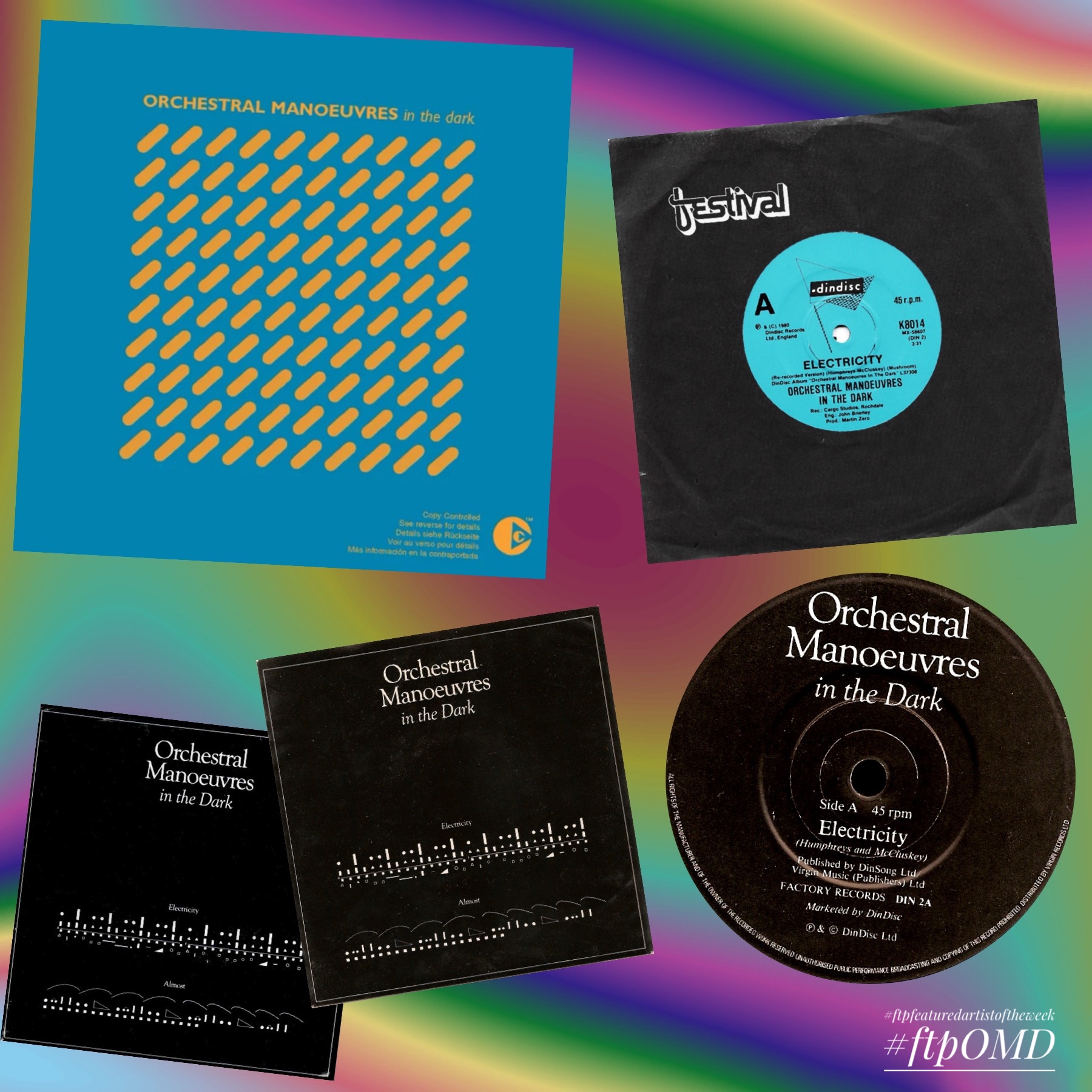
OMD - ELECTRICITY


Released: May 21, 1979

Album: Orchestral Manoeuvres in the Dark


“Electricity” is the 1979 debut single by English synth-pop band Orchestral Manoeuvres in the Dark (OMD), written by Andy McCluskey and Paul Humphreys when they were just 16. Though it never charted highly, it became one of the band’s most iconic songs and a key track in the rise of the UK synth-pop movement. With lyrics addressing energy waste, the song features both members singing in unison, with Humphreys more prominent in the mix. Its early success led to a major record deal, and over time, “Electricity” has become a beloved classic.


“Electricity” was first recorded by Andy McCluskey and Paul Humphreys in their earlier band, the Id, in 1978. After performing their debut gig as OMD—opening for Joy Division at Eric’s Club in Liverpool—McCluskey sent a demo of the track to Factory Records founder Tony Wilson. Although Wilson himself wasn’t initially impressed, his wife liked it, which convinced him to release it as a single. The song’s early success helped OMD secure a seven-album deal with the label Dindisc, launching their career.


“Electricity” was heavily influenced by Kraftwerk’s “Radioactivity,” with OMD’s Andy McCluskey admitting it was essentially their sped-up version of the track. The band’s fascination with technology and machines, like electricity, stemmed from their interest in electronics—Paul Humphreys had studied the subject and almost became an engineer. Mixed by Martin Hannett at Strawberry Studios, the song features an unconventional bass drum sound created with a detuned Korg synth. 


Erasure’s Vince Clarke credited OMD’s “Electricity” as the song that inspired him to pursue electronic music, calling it uniquely different from anything he’d heard before. The track also influenced Duran Duran—Nick Rhodes regularly included it in his DJ sets, and John Taylor acknowledged it as an early inspiration for the band. Though it never charted high, “Electricity” became a fan favorite and a staple at every OMD concert, often closing their shows as a powerful encore.


PHIL COLLINS - TWO HEARTS


Llançament: 14 de novembre de 1988

Llistes: UK: #6   EUA: #1 (2 setmanes)


“Two Hearts” és una cançó de Phil Collins creada per la pel·lícula de 1988 “Buster”, en la qual ell mateix també era el protagonista. Coescrita i produïda per Collins i Lamont Dozier, es va publicar el novembre de 1988 i es va convertir en un gran èxit, arribant al #1 als EUA, Canadà i Japó. Va liderar la llista Billboard Hot 100 durant dues setmanes i es va mantenir cinc setmanes al cim de la llista Adult Contemporary. Al Regne Unit, va assolir la sisena posició.


“Two Hearts” va guanyar un Globus d’Or i un Grammy a la Millor Cançó Escrita per a una Pel·lícula o Televisió. També va ser nominada a l’Oscar, però va perdre contra “Let the River Run” de Carly Simon (Working Girl).


Es tracta d’una cançó d’amor que parla d’una parella profundament connectada, fins al punt de sentir que comparteixen un mateix cor i una mateixa ment. Inicialment, als crèdits de “Buster”, apareixia amb el títol complet “Two Hearts (One Mind)”, reforçant la idea d’un amor que transcendeix la distància i el temps.


Collins la va escriure amb Lamont Dozier, a qui va conèixer en un dels seus concerts. Quan estava treballant en “Buster”, una pel·lícula ambientada als anys 60, Collins volia una cançó amb un so clàssic d’aquella època, i va recórrer a Dozier per aconseguir-ho. Aquest, inspirant-se en el seu treball passat, va compondre la música de “Two Hearts”, i Collins en va quedar encantat.


Es van fer dos videoclips, dirigits per Jim Yukich: Un on Collins interpreta tots els membres de la banda. Un altre, en clau humorística, on participa en un combat de lluita lliure contra The Ultimate Warrior.


PHIL COLLINS - TWO HEARTS


Released: November 14, 1988

Charts: UK: #6   US: #1 (2 weeks)


“Two Hearts” is a song by Phil Collins from the 1988 film “Buster”, in which he also starred. Co-written and produced by Collins and Lamont Dozier, the song was released on November 1988, and became a major hit, topping the charts in the US, Canada, and Japan. It reached No. 1 on the Billboard Hot 100 for two weeks and spent five weeks atop the Adult Contemporary chart. The song also peaked at No. 6 in the UK. “Two Hearts” won a Golden Globe and a Grammy Award for Best Song Written for a Motion Picture or Television. It was also nominated for an Oscar but lost to Carly Simon’s “Let the River Run” from “Working Girl”.


“Two Hearts” is a love song about a couple deeply connected, feeling as though they share one heart and mind. Originally listed in the “Buster” credits as “Two Hearts (One Mind)”, the song reflects an enduring love that transcends distance. Phil Collins co-wrote the song with Lamont Dozier, whom he first met at one of his concerts. When Collins was working on “Buster”, a film set in the 1960s, he sought Dozier’s expertise in crafting a song with a classic ’60s feel. Dozier drew inspiration from his past work and created the music for “Two Hearts”, which Collins loved.


Two music videos were directed by Jim Yukich—one featuring Collins performing as every band member, and another humorously placing him in a wrestling match against The Ultimate Warrior.