Total de visualitzacions de pàgina:

11.4.25


OMD - JOAN OF ARC


Llançament: 16 d’octubre de 1981

Posicions a les llistes: UK: #5


“Joan of Arc” és una cançó del grup OMD (Orchestral Manoeuvres in the Dark), publicada com a segon senzill del seu tercer àlbum,”Architecture & Morality”. Escrita per Andy McCluskey, la cançó explora la vida de Joana d’Arc, patrona de França, i va rebre elogis de la crítica, esdevenint un èxit al Regne Unit i Irlanda. És la primera de dues cançons del grup dedicades a Joana d’Arc; la segona és Joan of Arc (Maid of Orleans), també inclosa al mateix àlbum i llançada com a senzill amb el títol Maid of Orleans (The Waltz Joan of Arc).


Joan of Arc és tant un homenatge musical com una reflexió conflictiva sobre el llegat de la màrtir francesa. Els anglesos han tingut sentiments ambivalents envers Joana, que va liderar la resistència francesa contra l’ocupació anglesa i va ser executada per heretgia amb només 19 anys. Andy McCluskey, tot lamentant el seu destí, sembla dividit: la retracta com una figura tràgica que potser hauria pogut salvar-se si hagués renunciat a les seves creences, però la història demostra que va mantenir-se fidel a les seves conviccions divines.


Musicalment, la cançó reflecteix aquesta complexitat emocional, combinant dos ritmes contrastats: una percussió potent amb sintetitzadors i veus etèries, creant una atmosfera emocional i gairebé espiritual.


Tant McCluskey com Paul Humphreys han explicat que buscaven temes lírics poc convencionals, com es pot veure també a “Enola Gay” o “Joan of Arc”. Volien evitar les típiques cançons d’amor, que consideraven tòpiques i massa utilitzades. Inspirats per artistes com Kraftwerk i Brian Eno, van decidir escriure sobre temes inusuals i que fessin pensar. McCluskey fins i tot es va plantejar si podia fer servir la paraula “amor” a Joan of Arc, però va concloure que era justificat, ja que no es referia a un amor romàntic, sinó a un sentiment dirigit a una tercera persona.


La portada del senzill mostra una imatge d’una estàtua que es creu que és la mateixa que va estar exposada a Ilex Grove a Cliveden, una finca històrica del National Trust a Buckinghamshire, durant els anys 1980–81.


OMD - JOAN OF ARC


Released: October 16, 1981

Charts: UK: #5 


“Joan of Arc” is a song by OMD, released as the second single from their third album “Architecture & Morality”. Written by Andy McCluskey, the song explores the life of French patron saint Joan of Arc and received critical acclaim, becoming a hit in the UK and Ireland. It is the first of two OMD songs about Joan of Arc—the second being “Joan of Arc (Maid of Orleans),” also featured on the same album and released as its own single under the title “Maid of Orleans (The Waltz Joan of Arc).”


“Joan of Arc” is both a musical tribute and a conflicted reflection on the legacy of the French martyr. The English have historically harbored mixed feelings about Joan, who led the French resistance against English occupation and was executed for heresy at just 19. Andy McCluskey, while mourning her fate, seems torn—portraying her as a tragic figure who might have been saved if only she had recanted, though history proves she stayed true to her divine convictions. Musically, the song mirrors this emotional complexity. It blends two contrasting rhythms, booming percussion with ethereal synths and vocals, creating an emotional and almost spiritual atmosphere. 


Andy McCluskey and Paul Humphreys explained their unconventional lyrical themes, such as those in “Enola Gay” and “Joan of Arc.” They intentionally avoided traditional love songs, which they saw as clichéd and overused. Influenced by artists like Kraftwerk and Brian Eno, they chose to write about unusual and thought-provoking subjects. McCluskey even questioned using the word “love” in “Joan of Arc,” ultimately justifying it since it referred to a third party.


The cover of the single features an image of a statue believed to be the same one that stood in the Ilex Grove at Cliveden, a historic National Trust estate in Buckinghamshire, during 1980–81. 


10.4.25


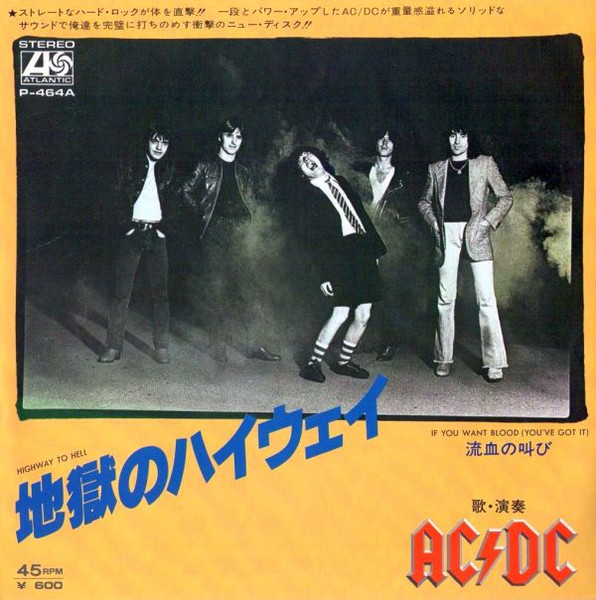
AC/DC - HIGHWAY TO HELL


Llançament: 27 de juliol de 1979

Classificació: UK: #56 | US: #47


“Highway to Hell” és una cançó de la banda australiana AC/DC, que obre el seu àlbum homònim de 1979. Va ser el primer tema de la banda que va entrar a les llistes nord-americanes i va jugar un paper clau en l’èxit massiu de l’àlbum, que va vendre més de set milions de còpies als EUA. Malauradament, aquest també va ser l’últim àlbum amb Bon Scott, que va morir tràgicament el 1980 a causa d’un excés d’alcohol. El següent disc d’AC/DC, “Back in Black”, es va fer en homenatge a la seva memòria.


El títol “Highway to Hell” sovint es relaciona amb les dures gires d’AC/DC als Estats Units, però la seva inspiració és molt més literal. La cançó fa referència a Canning Highway, una carretera d’Austràlia que anava des de Fremantle (on vivia Bon Scott) fins a The Raffles, un famós bar de rock ‘n’ roll dels anys 70. A prop del local, la carretera baixava en una pendent perillosa, i molts conductors que anaven a tota velocitat cap a una nit de festa van acabar patint accidents mortals. Per aquest motiu, el tram es va guanyar el sobrenom de “Highway to Hell”. La lletra de la cançó descriu les sortides nocturnes de Scott i els seus amics, convertint-se així en un homenatge al seu estil de vida rocker.


El cantant Brian Johnson va explicar que “Highway to Hell” també es va inspirar en les llargues i extenuants rutes d’AC/DC en autobús per Austràlia, especialment per la planura de Nullarbor, on la posta de sol es veia com una bola de foc a l’horitzó. Sense gaire cosa a fer durant els viatges, Bon Scott va començar a escriure la lletra.


L’àlbum va ser produït per Mutt Lange, que va substituir Eddie Kramer després d’unes sessions de gravació fallides. Lange va refinar el so d’AC/DC sense perdre la seva energia crua, afegint-hi cors més forts i millores en la producció. Aquestes tècniques van ajudar a convertir “Highway to Hell” en un gran èxit i van ampliar la base de seguidors de la banda.


Quan AC/DC va ser acusada de tenir missatges satànics ocults a l’àlbum “Highway to Hell”, Angus Young va respondre amb el seu humor característic, dient: “No calia escoltar el disc al revés, perquè no amagàvem res. Dient “Highway to Hell”, ja estava allà mateix, al davant de tothom.” Aquesta resposta reflectia l’actitud directa i sense filtres d’AC/DC, que mai van jugar amb missatges subliminals, sinó que sempre van seguir obertament la seva imatge rebel i plena d’energia.


AC/DC - HIGHWAY TO HELL


Released: July 27, 1979

Charted:  UK: #56   US: #47 


“Highway to Hell” is a song by Australian rock band AC/DC, serving as the opening track of their 1979 album of the same name. It was the band’s first song to chart in the US and played a key role in the album’s massive success, with over seven million copies sold in America. This was also the last album featuring vocalist Bon Scott, who tragically died in 1980 due to excessive drinking. AC/DC’s following album, Back in Black, was dedicated to his memory.


The title “Highway to Hell” is often linked to Angus Young’s description of touring in America, but it actually has a more literal origin. The song refers to Canning Highway in Australia, which ran from Bon Scott’s home in Fremantle to The Raffles, a popular rock ‘n’ roll drinking spot in the ’70s. Near the pub, the highway dips into a steep decline, making it a dangerous stretch where many people lost their lives while speeding to a night out. This earned it the nickname “Highway to Hell.” The lyrics reflect Scott’s routine trips down the road to party with his friends, making the song a tribute to the rock ‘n’ roll lifestyle.


Brian Johnson explained that “Highway to Hell” was inspired by AC/DC’s long, grueling bus rides across Australia, particularly the Nullarbor Plain, where the setting sun looked like a fireball. With little to do but play cards or pass the time, Bon Scott came up with the lyrics.


The album was produced by Mutt Lange, who replaced Eddie Kramer after unsuccessful recording sessions. Lange refined AC/DC’s sound while keeping their raw energy intact, introducing stronger background vocals and other production enhancements. These changes helped turn “Highway to Hell” into a massive hit and expanded AC/DC’s audience.


When AC/DC faced accusations of hiding Satanic messages through backmasking on their “Highway to Hell” album, Angus Young dismissed the claims with his signature blunt humor. He pointed out that there was nothing hidden about it, saying, “You didn’t need to play the album backwards, because we never hid the messages. We’d call an album “Highway to Hell”, there it was right in front of them.” This response reflected AC/DC’s straightforward, no-nonsense approach to rock and roll. Rather than engaging in hidden meanings or subliminal messages, the band openly embraced their rebellious, high-energy image. 


9.4.25


ABC - THE LOOK OF LOVE


Llançament: 7 de maig de 1982

Llistes: Regne Unit: #4  Estats Units : #18 


“The Look of Love” és una cançó de la banda de pop anglesa ABC, llançada el maig de 1982 com el tercer single del seu àlbum de debut, “The Lexicon of Love”, un dels àlbums més emblemàtics dels anys 80. La cançó va ser el resultat d’una ambiciosa col·laboració entre ABC i el productor Trevor Horn, donant lloc a una obra mestra del pop dels anys 80. Aquest senzill es va convertir en el més gran èxit d’ABC al Regne Unit, arribant al #4, i també va assolir el #1 a la llista Dance/Disco de Billboard als EUA i el #18 al Billboard Hot 100.


ABC volia crear un disc amb un so perfecte per als clubs, inspirant-se en les seves nits de festa a Sheffield. Trevor Horn, conegut pel seu estil de producció meticulós, va barrejar ritmes disco influenciats per Chic amb orquestracions dramàtiques que recordaven el treball de Nelson Riddle per a Frank Sinatra. El seu objectiu era portar la producció al límit i crear un pop sofisticat i modern capaç de competir amb els discos de dance i rock americans.


La lletra és profundament personal, inspirada en una ruptura real de Martin Fry. La perfeccionista producció de Horn va arribar fins al punt d’insistir que la dona que havia deixat Fry enregistrés el “goodbye” que se sent al segon vers. A més, Fry esmenta el seu propi nom a la lletra: “They say ‘Martin, maybe, one day you’ll find true love.’” (“Diuen: ‘Martin, potser algun dia trobaràs l’amor veritable.’”)


La cançó va guanyar molta popularitat als Estats Units gràcies a MTV, que va tenir un paper clau en l’èxit d’ABC. El videoclip, dirigit per Brian Grant, s’inspirava en els clàssics de Hollywood, amb Fry descrivint-lo com una barreja d’”An American in Paris” i “The Benny Hill Show”.


El maxisingle es va llançar en quatre versions diferents, anomenades Parts One, Two, Three, and Four:

Part One: La versió estàndard de l’àlbum.

Part Two: Una versió instrumental.

Part Three: Una versió vocal sense els arranjaments orquestrals.

Part Four: Una breu secció instrumental acústica.


L’àlbum “The Lexicon of Love” es va llançar el 21 de juny de 1982 sota el segell Neutron Records, debutant al #1 a la llista d’àlbums del Regne Unit. Va aconseguir el disc de platí al Regne Unit i d’or als Estats Units, amb quatre senzills al Top 20 britànic. Produït per Trevor Horn i enregistrat per Gary Langan, l’àlbum compta amb les orquestracions d’Anne Dudley i la programació de J. J. Jeczalik. Horn també va convèncer la banda perquè substituís el seu baixista, Mark Lickley, per Brad Lang.


Un any després del llançament de l’àlbum, Horn, Langan, Dudley i Jeczalik van formar The Art of Noise, i molts dels músics de “The Lexicon of Love” van acabar col·laborant amb el segell ZTT. Reconegut com un dels millors àlbums dels anys 80, “The Lexicon of Love” va ser inclòs a “1001 Albums You Must Hear Before You Die” (edició 2018).


ABC - THE LOOK OF LOVE


Released: May 7, 1982

Charts:  UK: #4  


“The Look of Love” is a song by English pop band ABC, released on May 1982, as the third single from their debut album “The Lexicon of Love”, a classic album of the 80s. The song was the result of an ambitious collaboration between ABC and producer Trevor Horn, creating a perfect piece of 1980s pop music. This single became ABC’s highest-charting hit in the UK, reaching #4, and also hit #1 on the US Billboard Dance/Disco chart and #18 on the Billboard Hot 100.


ABC wanted to craft a club-friendly record inspired by their nights out in Sheffield. Horn, known for his meticulous production style, blended Chic-inspired disco grooves with the dramatic orchestration of Nelson Riddle’s work for Frank Sinatra. His goal was to push production boundaries and create sophisticated, state-of-the-art pop that could rival American dance and rock records. 


The lyrics were deeply personal, inspired by Martin Fry’s real-life breakup. Producer Trevor Horn’s perfectionism even led him to insist that the woman who had left Fry should be the one to record the “goodbye” heard in the second verse. Fry also references himself in the lyrics: “They say ‘Martin, maybe, one day you’ll find true love.’”


The song gained massive exposure in the U.S. thanks to MTV, which played a major role in ABC’s success. The music video, directed by Brian Grant, was inspired by classic Hollywood films, with Fry describing it as a mix of An American in Paris and The Benny Hill Show.


The single was released in multiple versions, referred to as Parts One, Two, Three, and Four:

Part One: The standard album version.

Part Two: An instrumental version.

Part Three: A vocal version without orchestral overdubs.

Part Four: A short acoustic instrumental section.


“The Lexicon of Love” was released on June 21, 1982, by Neutron Records, debuting at No. 1 on the UK Albums Chart. The album went platinum in the UK and gold in the US, with four UK top 20 singles. Produced by Trevor Horn and engineered by Gary Langan, it features orchestrations by Anne Dudley and Fairlight CMI programming by J. J. Jeczalik. Horn also persuaded the band to replace bassist Mark Lickley with Brad Lang. A year after its release, Horn, Langan, Dudley, and Jeczalik formed The Art of Noise, with many of the album’s musicians later contributing to the ZTT label. Recognized as one of the greatest albums of the 1980s, it was included in “1001 Albums You Must Hear Before You Die” (2018 edition).


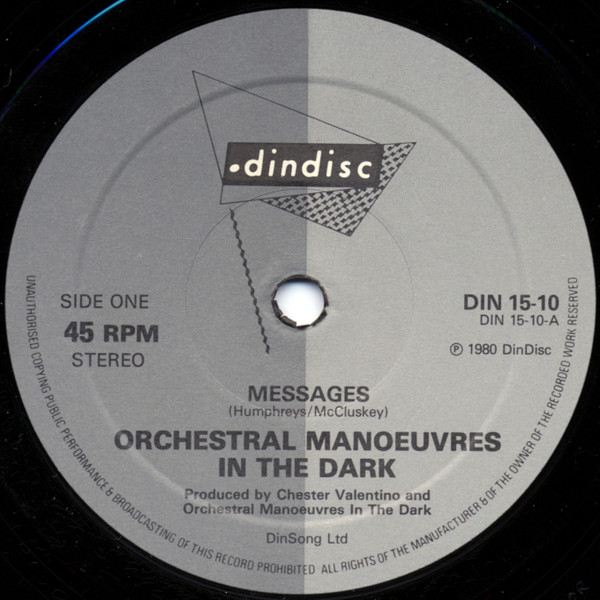
OMD - MESSAGES


Released: May 2, 1980

Charts: UK: #13 


“Messages” is a song by Orchestral Manoeuvres in the Dark (OMD), originally featured on their 1980 debut album. Initially a melancholic, synth-heavy track about lost love, it was later re-recorded with producer Mike Howlett to create a more emotionally charged and rhythmically defined single. This new version, released in May 1980, became OMD’s first Top 40 hit, reaching number 13 on the UK Singles Chart. Like their debut single “Electricity,” it features a melodic synth break in place of a traditional chorus.


An early version of “Messages” was recorded in August 1979 and first broadcast on John Peel’s BBC Radio 1 show in September. This slower version shared the same structure and lyrics as later takes, but was more raw and minimal. Most original 10-inch pressings of the single were destroyed, as the band opted to re-record the song. The re-recorded version featured tighter production, separate takes for each drum element to avoid “rock ‘n’ roll spill,” and even three distinct bass guitar parts. This polished version became OMD’s breakthrough.


“Messages” explores the emotional fallout of a broken relationship, focusing on themes of poor communication, emotional distance, and unresolved conflict. The lyrics reflect the narrator’s frustration and confusion as they receive messages from a partner who seems to prolong the emotional turmoil rather than provide closure. The verses highlight recurring arguments and a lack of true connection, while the chorus reveals the narrator’s growing distress.