Total de visualitzacions de pàgina:

13.7.25


🌍 40 anys de Live Aid

📅J13 de Juliol de 1985

🎤 Wembley (London) + JFK Stadium (Philadelphia)


Londres i Filadèlfia, 13 de juliol de 2025: avui fa quatre dècades, Live Aid es va convertir en l'esdeveniment musical mundial més gran de la història, transmissió simultània des de l'estadi Wembley de Londres i l'estadi JFK de Filadèlfia. El concert benèfic de 16 hores, orquestrat per Bob Geldof i Midge Ure, va recaptar més de 100 milions de dòlars per alleujar la fam a Etiòpia i va canviar per sempre el paper de la música en l'activisme.


Des dels himnes d'obertura fins als finals dels titulars, el concert va comptar amb una llista històrica d'intèrprets:


Wembley Stadium, London


Coldstream Guards (“Royal Salute”, “God Save the Queen”)

Status Quo

The Style Council

The Boomtown Rats

Adam Ant

Ultravox

Spandau Ballet

Elvis Costello

Nik Kershaw

Sade

Sting (joined by Phil Collins)

Howard Jones

Bryan Ferry (with David Gilmour)

Paul Young

U2

Dire Straits (with Sting)

Queen

David Bowie

The Who

Elton John (with Kiki Dee, George Michael)

Freddie Mercury & Brian May

Sir Paul McCartney (with David Bowie, Bob Geldof, Alison Moyet, Pete Townshend

Band Aid finale .


JFK Stadium, Philadelphia


Joan Baez

The Hooters

Four Tops

Billy Ocean

Black Sabbath

Run - D.M.C. 

Rick Springfield

REO Speedwagon

Crosby, Stills & Nash

Judas Priest

Bryan Adams

The Beach Boys

George Thorogood & the Destroyers with Bo Diddley & Albert Collins

Simple Minds

Pretenders

Santana with Pat Metheny

Ashford & Simpson with Teddy Pendergrass

Madonna with Thompson Twins & Nile Rodgers

Tom Petty and the Heartbreakers

Kenny Loggins

The Cars

Neil Young

The Power Station

Thompson Twins with Madonna & Nile Rodgers

Eric Clapton

Phil Collins 

Led Zeppelin

Crosby, Stills, Nash & Young

Duran Duran

Patti LaBelle

Hall & Oats with Eddie Kendricks & David Ruffin

Mick Jagger with Tina Turner


 Moments Àlgids


• El plató incandescent de Queen a Wembley, destacat per "Radio Ga Ga" i "We Will Rock You", és àmpliament aclamat com la millor actuació en directe de la història del rock.

• Viatge transoceànic de Phil Collins: va tocar a Wembley, va volar en un helicòpter a Heathrow, després en Concorde a Nova York i va arribar a temps per tocar amb Led Zeppelin a Filadelfia.

• Bono d'U2 ballant amb els fans durant "Bad".

• El retorn a l'escenari de Led Zeppelin després d'anys, amb Collins recolzant-los, va portar nostàlgia i il·lusió.

• Mick Jagger i Tina Turner van electrificar Filadèlfia, barrejant rock clàssic amb intensitat soul.


Quaranta anys després, les paraules de Bob Geldof encara perduren:


"No es tractava que les estrelles de rock salvessin el món. Es tractava de que el públic s'adonés que sí. Live Aid va demostrar que la gent normal, unida per la música, podia canviar la història". 


El llegat de Live Aid perdura: el Band Aid Trust continua finançant iniciatives contra la pobresa, recordant-nos que els acords tocats el 13 de juliol de 1985 encara fan ressò a través del seu impacte humanitari avui.


🌍 40 years of Live Aid

📅July 13, 1985

🎤 Wembley (London) + JFK Stadium (Philadelphia)


London and Philadelphia, July 13, 2025 – Four decades ago today, Live Aid became the largest global music event in history, simulcast from Wembley Stadium in London and JFK Stadium in Philadelphia. The 16‑hour charity concert, orchestrated by Bob Geldof and Midge Ure, raised over $100 million for famine relief in Ethiopia and forever changed the role of music in activism .


From opening anthems to headline finales, the concert featured a historic roster of performers:


Wembley Stadium, London


Coldstream Guards (“Royal Salute”, “God Save the Queen”)

Status Quo

The Style Council

The Boomtown Rats

Adam Ant

Ultravox

Spandau Ballet

Elvis Costello

Nik Kershaw

Sade

Sting (joined by Phil Collins)

Howard Jones

Bryan Ferry (with David Gilmour)

Paul Young

U2

Dire Straits (with Sting)

Queen

David Bowie

The Who

Elton John (with Kiki Dee, George Michael)

Freddie Mercury & Brian May

Sir Paul McCartney (with David Bowie, Bob Geldof, Alison Moyet, Pete Townshend

Band Aid finale .


JFK Stadium, Philadelphia


Joan Baez

The Hooters

Four Tops

Billy Ocean

Black Sabbath

Run - D.M.C. 

Rick Springfield

REO Speedwagon

Crosby, Stills & Nash

Judas Priest

Bryan Adams

The Beach Boys

George Thorogood & the Destroyers with Bo Diddley & Albert Collins

Simple Minds

Pretenders

Santana with Pat Metheny

Ashford & Simpson with Teddy Pendergrass

Madonna with Thompson Twins & Nile Rodgers

Tom Petty and the Heartbreakers

Kenny Loggins

The Cars

Neil Young

The Power Station

Thompson Twins with Madonna & Nile Rodgers

Eric Clapton

Phil Collins 

Led Zeppelin

Crosby, Stills, Nash & Young

Duran Duran

Patti LaBelle

Hall & Oats with Eddie Kendricks & David Ruffin

Mick Jagger with Tina Turner


 Moments That Echo


Queen’s incandescent set at Wembley—highlighted by “Radio Ga Ga” and “We Will Rock You”—is widely hailed as the greatest live performance in rock history .

Phil Collins trademark journey: played at Wembley, hopped a helicopter to Heathrow, then Concorde to New York, and arrived in time to drum with Led Zeppelin in Philly .

U2’s Bono dancing with fans during “Bad”.

Led Zeppelin’s stage return after years, with Collins backing them, brought nostalgia and excitement .

Mick Jagger & Tina Turner electrified Philadelphia, blending classic rock with soul intensity .


Forty years on, Bob Geldof’s words still resonate:


“It wasn’t about rock stars saving the world. It was about the audience realizing they could. Live Aid proved that ordinary people, united by music, could change history.” 


Live Aid’s legacy endures: the Band Aid Trust continues funding anti-poverty initiatives, reminding us that the chords played on July 13, 1985 still echo through its humanitarian impact today.




12.7.25


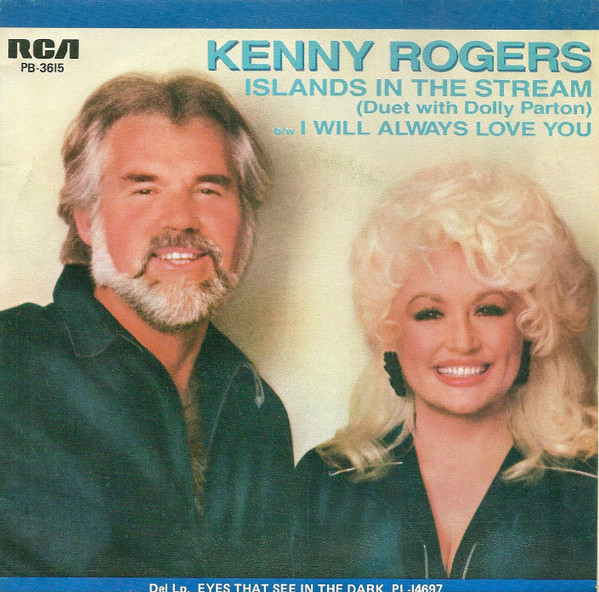
KENNY ROGERS & DOLLY PARTON - ISLANDS IN THE STREAM


Publicada: 15 d’agost de 1983

Llistes: EUA: #1 (2 setmanes) · Regne Unit: #7


Hi ha cançons que capturen un moment màgic. I d’altres que esdevenen elles mateixes aquest moment: contenidors atemporals d’encant, química i màgia entre gèneres. Quan Kenny Rogers i Dolly Parton van unir forces el 1983 per gravar “Islands in the Stream”, no va ser només un duet—va ser una obra mestra de casualitat, estrelles alineades i sincronització perfecta.


La cançó va ser escrita pels Bee Gees (Barry, Robin i Maurice Gibb) i originalment concebuda com una balada de R&B destinada a Marvin Gaye. Però Gaye la va rebutjar, i la peça va anar a parar a Rogers, que acabava de signar un contracte important amb RCA. Confiar la producció a Barry Gibb podia semblar una aposta arriscada per a un artista de country, però Rogers estava disposat a experimentar.


La gravació, però, no fluïa. Rogers es passava dies intentant trobar el to adequat, la sensació correcta. Res funcionava—fins que algú va tenir una idea: “El que necessitem és la Dolly Parton.” La casualitat va voler que Parton, també contractada per RCA, fos al mateix edifici. Al cap de pocs minuts, era al mateix estudi. La seva veu va transformar la cançó de plana a inoblidable. “La Dolly va entrar, i tot va canviar”, diria Rogers més tard. “Això era la màgia.”


“Islands in the Stream” es va llençar l’agost de 1983 com a single principal de l’àlbum “Eyes That See in the Dark” de Rogers. Va arribar al número 1 del Billboard Hot 100, Country i Adult Contemporary, donant a tots dos artistes el seu segon número 1 al rànquing pop (el primer de Rogers havia estat “Lady”, escrita per Lionel Richie; el de Parton, “9 to 5”).


El títol prové d’una novel·la d’Ernest Hemingway publicada pòstumament el 1970. I el nom li va escaure: la cançó retracta dos amants ferms enmig del caos de la vida—“Islands in the stream, that is what we are” (Illes a la riera, això és el que som).


La química entre Rogers i Parton va alimentar l’èxit del tema. A l’escenari, les seves actuacions eren plenes de picardia i electricitat—mans que es toquen, mirades còmplices, somriures brillants. Sembaven una parella real, i molts fans ho desitjaven. Però era només bona interpretació. “Érem com germà i germana”, va dir Parton. “Mai no el podia atrapar entre dones!”—una frase que sovint repetia amb un somriure murri. Mentre ella estava casada amb Carl Dean des del 1966, Rogers es trobava en el quart dels seus cinc matrimonis.


Els Bee Gees van fer els cors de fons i més endavant van llançar la seva pròpia versió. El 1998, la cançó va ser reimaginada per Pras Michel, Ol’ Dirty Bastard i Mýa a “Ghetto Superstar (That Is What You Are)”. donant-li una nova vida i generació d’admiradors. El 1994, el cantautor mallorquí Tomeu Penya en va fer la seva versió, “Illes dins un riu”, i la va cantar amb l'argentina Adriana Ceballos.


KENNY ROGERS & DOLLY PARTON - ISLANDS IN THE STREAM


Released: August 15, 1983

Charts: US: #1 (2 weeks) UK: #7 


Some songs capture lightning in a bottle. Others become the bottle—timeless containers of charm, chemistry, and cross-genre magic. When Kenny Rogers and Dolly Parton joined forces in 1983 to record “Islands in the Stream”, it wasn’t just a duet—it was a masterstroke of serendipity, star power, and perfect timing.


Written by Barry, Robin, and Maurice Gibb of the Bee Gees, the song was originally conceived as an R&B ballad—intended for Marvin Gaye. But when Gaye passed on it, the track floated downstream until it reached Rogers, who had just inked a major deal with RCA. Entrusting production to Barry Gibb might have seemed unconventional for a country artist, but Rogers was open to experimentation.


Recording the song, however, proved frustrating. Rogers spent days trying to find the right tone, the right feel. It just wasn’t clicking—until someone floated an inspired idea: “What we need is Dolly Parton.” Parton, also signed to RCA, just happened to be in the same building. Within moments, she was in the studio. Her voice transformed the song from flat to unforgettable. “Dolly walked in, and that was it,” Rogers later said. “That was the magic.”


“Islands in the Stream” was released in August 1983 as the lead single from Rogers’ album “Eyes That See in the Dark”. It rocketed to No. 1 on the Billboard Hot 100, Country, and Adult Contemporary charts, giving both Rogers and Parton their second career pop chart-toppers (Rogers’ first was “Lady”, also penned by Lionel Richie; Parton’s was “9 to 5”).


The title was borrowed from an Ernest Hemingway novel, published posthumously in 1970. Fittingly, the song carried its own literary elegance, portraying two lovers standing steady amidst life’s chaos—“Islands in the stream, that is what we are.”


The chemistry between Rogers and Parton fueled the song’s success. Onstage, their performances were flirtatious and electric—hands touching, eyes locking, smiles flashing. They seemed like a real couple, and fans longed for that to be true. But it was just good acting. “We were like brother and sister,” Parton said. “I couldn’t catch him between wives!”—a line she often repeated with a wink. While Dolly had been married to Carl Dean since 1966, Rogers was on his fourth of five marriages.


The Bee Gees, meanwhile, sang background vocals and later released their own version of the song. In 1998, “Islands in the Stream” was reimagined again by Pras Michel, Ol’ Dirty Bastard, and Mýa in their hit “Ghetto Superstar (That Is What You Are)”.