Total de visualitzacions de pàgina:

29.7.23


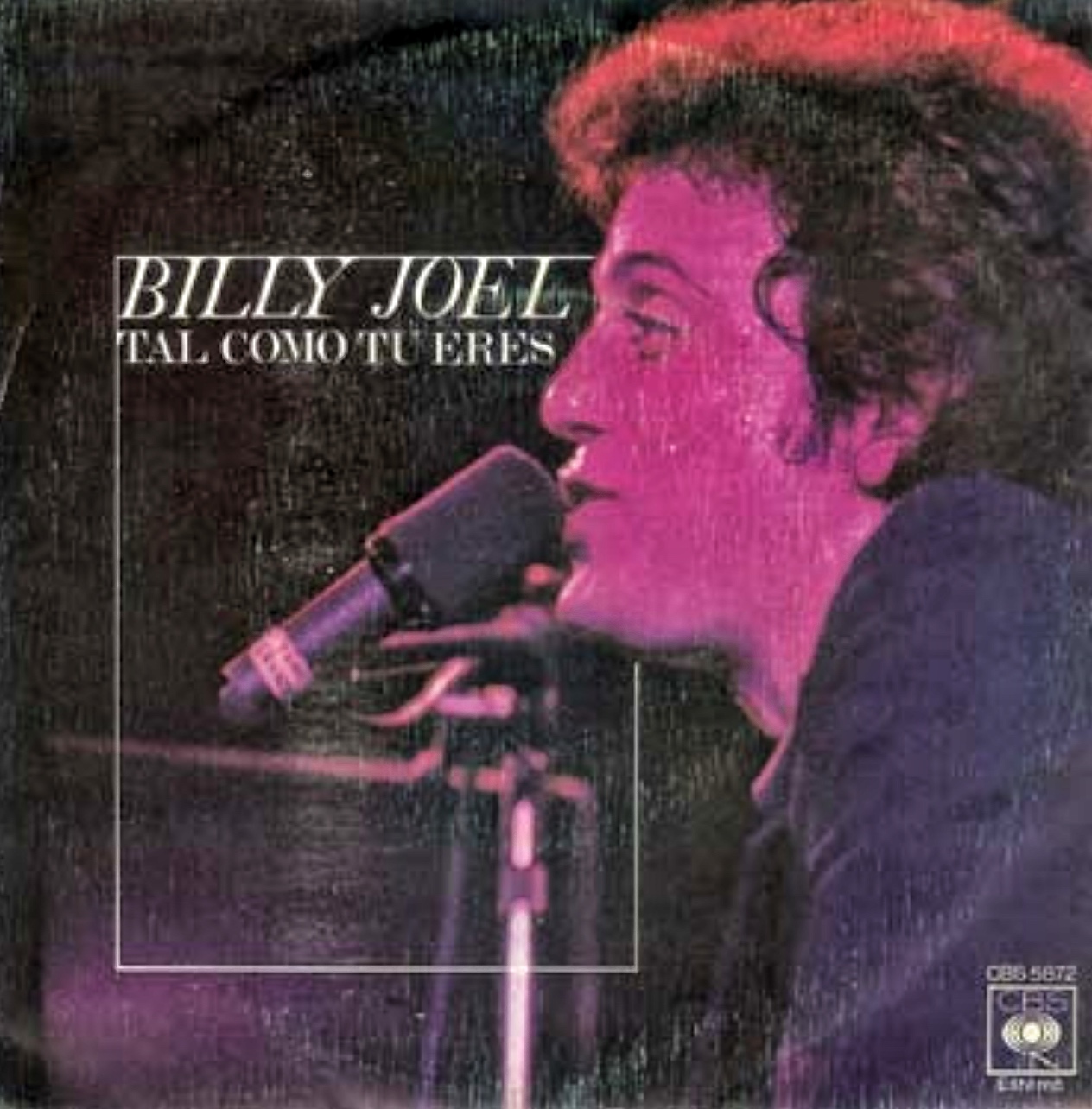
BILLY JOEL - JUST THE WAY YOU ARE


Publicació: setembre de 1977

Llistes: Regne Unit: #19  EUA: #3


Billy Joel va escriure aquesta cançó per a la seva primera dona, Elizabeth, com a regal d'aniversari, en una pura expressió d’amor incondicional. Malauradament, després de nou anys de matrimoni, Joel i Elizabeth es van divorciar l'any 1982. Es va casar dos cops més i es tampoc van funcionar els matrimonis. "Cada cop que escrivia una cançó per a una persona amb qui tenia una relació, no va durar", va dir Joel. "Va ser una mica com una maledicció. Aquí tens la teva cançó: també ens podríem dir adéu ara", va dir en una entrevista.


Segons Joel, alguns oients van perdre el sentit i van pensar que la cançó era misògina perquè deia a una dona que no li estava "permès" canviar. "No, no, no. Don't go changing to try and please me" (No, no, no. No vagis canviant per intentar agradar-me), va dir el 2016. "La gent s'oblida d'aquestes coses. Si no els agrada el que faig diran: 'Oh, sí, aquell que odia les dones. Quan en realitat estic dient: ‘No canviïs, segueix com ets, sent la mateixa persona que vaig conèixer. No canviïs per mi, si vols canvia per agradar-te a tu mateixa, estic d'acord. Però no has de canviar per mi perquè em fas feliç exactament sent com ets. És per això que t'estimo’".


Després que Joel enregistrés això, no hi va pensar gaire més, considerant-la una "balada tonta" que només es tocaria en casaments. Li atribueix el crèdit al seu productor, Phil Ramone, per convèncer-lo que era una gran cançó. En Ramone va portar a Linda Ronstadt i Phoebe Snow a l'estudi de gravació per escoltar la cançó i, per descomptat, els va encantar, cosa que va fer bona impressió a Billy. A la televisió australiana l'any 2006, Joel va confirmar: "Gairebé la vàrem descartar per l’àlbum. Estàvem asseguts escoltant-la pensant: naaah, aquesta cançó és una cursilada".


El qui va ser bateria de Joel durant molts anys, Liberty DeVitto, considera que el seu treball en aquest tema és la seva millor contribució a una cançó de Billy Joel. En una entrevista, DeVitto va dir: "En Phil Ramone i jo teniem l’idea que fos com una mena de samba, com una bossa nova amb un raspall i un pal". DeVitto va ser un dels qui més es va oposar als arrenjaments vocals de la cançó en la seva forma original. Joel va recordar al llibre de Ramone Making Records: "Originalment vam tocar 'Just The Way You Are' com a txa-txa:" Don't go changing (txa-txa-txa), just to please me (txa-txa-txa) .…' Bé, Liberty DeVitto es va enfadar tant que em va llançar les baquetes i va marxar. "No sóc un maleït bateria de fira, va dir". Quan Ramone va acceptar que el ritme de txa-txa no funcionava i va suggerir un patró amb un aire més sensual, DeVitto es va reincorporar a la gravació. El bateria recorda: "Phil va suggerir provar un ritme de bayón sud-americà i va tocar el patró per mostrar-me el què volia. Ho vam tornar a provar, i aquesta vegada vaig començar a deixar caure el bombo en determinats llocs i seguir el ritme pausat. Un lleuger repòs i una mica de pressió addicional a cada cop del pedal del bombo li van donar més èmfasi. L'ús de pinzells a la caixa li va donar un so molt sexy".


Joel va explicar a USA Today: "Vaig somiar la melodia, no la lletra. Recordo que em vaig despertar de matinada i vaig pensar: "Aquesta és una gran idea per a una cançó". Un parell de setmanes després, estava en una reunió de negocis, i la melodia em va tornar al cap, just en un moment que la meva ment s'havia desconnectat d'escoltar números i argot legal. Vaig dir: "He de marxar!" Vaig arribar a casa i vaig acabar escrivint-ho tot de cop pràcticament. Vaig trigar potser dues o tres hores a escriure la lletra".


"Just The Way You Are" va guanyar el premi Grammy per a la cançó de l'any a la cerimònia de 1979. Va ser un gran avanç per a Joel, el major èxit del qual fins llavors era "Piano Man", que va arribar al número 25 als Estats Units. Joel va dir a USA Today el 9 de juliol de 2008: "Em va sorprendre absolutament que guanyés un Grammy. Ni tan sols era rock 'n' roll, era com un estàndard amb una mica de R&B. Em va recordar a un antic enregistrament d’Stevie Wonder”.


Paul McCartney va elogiar aquesta cançó, afirmant al seu butlletí Club Sandwich que és una de les poques cançons que desitjaria haver escrit.


"Just The Way You Are" va ser la primera cançó de Billy Joel en entrar a les llistes al Regne Unit.


BILLY JOEL - JUST THE WAY YOU ARE


Released: September 1977

Charted:  UK: #19  US: #3


Joel wrote this song about his first wife, Elizabeth. A pure expression of unconditional love, he gave it to her as a birthday present. Sadly, after nine years of marriage, Joel and Elizabeth divorced in 1982. He was married twice and also divorced. "Every time I wrote a song for a person I was in a relationship with, it didn't last" Joel said. "It was kind of like the curse. Here's your song - we might as well say goodbye now".


According to Joel, some listeners missed the point and thought the song was misogynistic because he was telling a woman she wasn't "allowed" to change. "No, no, no. Don't go changing to try and please me", he told in 2016. "People forget these things. If they don't like what I do, they'll go, 'Oh yeah, he hates women. Look at this. Don't change, stay the way you are, the same old someone that he knew. Wow, he really doesn't like her.' Don't change for me. You wanna change for yourself, fine. But you don't have to change for me because I'm happy exactly the way you are. That's why I love you in the first place."


After Joel recorded this, he didn't think much of it, considering it a "gloppy ballad" that would only get played at weddings. He credits his producer, Phil Ramone, with convincing him that it was a great song. Ramone brought Linda Ronstadt and Phoebe Snow into the recording studio to hear the song, and of course they loved it, which was good enough for Billy. On Australian TV in 2006, Joel confirmed: "We almost didn't put it on an album. We were sitting around listening to it going naaah, that's a chick song".


Joel's longtime drummer Liberty DeVitto considers his work on this track his greatest contribution to a Billy Joel song. In a interview DeVitto said: "Me and Phil Ramone came up with that kind of crazy rhythm that started out as a samba beat, like a bossa nova with a brush and a stick". But DeVitto was one of the most vocal opponents of the song in its original form. Joel recalled in Ramone's book Making Records: "We originally played 'Just The Way You Are' as a cha-cha: 'Don't go changing (cha-cha-cha) - just to please me (cha-cha-cha).…' Well, Liberty DeVitto got so pissed that he threw his drum sticks at me. 'I'm no goddamned sissy drummer,' he said".

When Ramone agreed the cha-cha rhythm wasn't working and suggested a pattern with a more sensuous feel, DeVitto finally got on board. The drummer recalled in Making Records: "Phil suggested trying a South American Byonne rhythm, and tapped out the pattern to show me what he meant. We tried it again, and this time I began dropping the bass drum out in certain places, and playing the tom-tom on the 'and' of four. The slight rest, and a little extra pressure on each kick of the bass drum pedal gave it extra emphasis. Using brushes on the snare gave it a very sexy sound."


Joel expanded to USA Today: "I dreamt the melody, not the words. I remember waking up in the middle of the night and going, 'This is a great idea for a song.' A couple of weeks later, I'm in a business meeting, and the dream reoccurs to me right at that moment because my mind had drifted off from hearing numbers and legal jargon. And I said, 'I have to go!' I got home and I ended up writing it all in one sitting, pretty much. It took me maybe two or three hours to write the lyrics."


"Just The Way You Are" won Grammy Awards for Song of the Year and Record of the Year at the 1979 ceremony. It was a breakthrough for Joel, whose biggest hit to this point was "Piano Man," which reached #25 in the US. Joel told USA Today July 9, 2008: "I was absolutely surprised it won a Grammy. It wasn't even rock 'n' roll, it was like a standard with a little bit of R&B in it. It reminded me of an old Stevie Wonder recording.


Paul McCartney delivered high praise for this song, stating in his Club Sandwich newsletter that it's one of the few songs he wished he had written.


"Just The Way You Are" was Joel's first chart entry in the UK.


28.7.23


QUEEN - FAT BOTTOMED GIRLS / BICYCLE RACE


"Fat Bottomed Girls" va ser escrita pel guitarrista Brian May per a l'àlbum "Jazz". Llançada com a senzill de doble cara A amb "Bicycle Race", va arribar al número 11 al Regne Unit i al número 24 als Estats Units. L'any anterior, van utilitzar la mateixa fórmula per al llançament del senzill "We Will Rock You" i "We Are The Champions" com a doble cara A per a l'àlbum "News of the World". Cada cançó té una referència a l'altra a la lletra. A "Bicycle Race", la lletra diu: "Fat bottomed girls, they'll be riding today, so look out for those beauties, oh yeah." (les noies de cul gran avui aniran muntant, així que vetlleu per aquestes belleses, oh yeah). A "Fat Bottomed Girls", la tonada de tancament diu "get on your bikes and ride!" (pugeu a les vostres bicicletes i a passejar!) enllaçant les dues cançons.


En una entrevista van preguntar a Brian May com una icona gai com Freddie Mercury podia oferir una actuació heterosexual tan convincent en aquesta cançó. Va respondre: "La vaig escriure pensant en Fred, com ho fas si tens un gran cantant a qui li agraden les noies de cul gros... o els nois? A primera vista, és una cançó heterosexual perquè es diu 'Fat Bottomed Girls', però jo era totalment conscient de les inclinacions de Freddie i del fet que era ell qui l'anava a cantar. A més, una part de la inspiració per a la cançó prové de coses que vaig veure tant a la vida de Freddie com a la meva. Per tant, en realitat no és una cançó tan heterosexual com podríeu pensar (riu). És una mena de cançó pansexual. Hi ha tantes maneres de prendre-la!". 


"Bicycle Race" és una cançó escrita per Freddie Mercury a França després de veure passar el Tour de França davant del seu hotel. La banda estava gravant “Jazz” al país francès principalment per una qüestió de desgravació fiscal.


La cançó presenta una instrumentació sorprenentment complexa, i l'àlbum “Jazz” en el seu conjunt potser representa el punt àlgid en l'experimentació de Queen. Compta amb un solo imaginatiu interpretat exclusivament amb timbres de bicicletes, progressions d'acords inusuals i tota una sèrie de referències de la cultura pop a les lletres, incloses mencions de religió, l'escàndol Watergate, drogues, “Jaws”, “Star Wars” i Frankenstein.


Queen va organitzar una cursa de bicicletes a l'estadi de Wimbledon Greyhound a Londres per promocionar el senzill. Seixanta-cinc models professionals van ser contractades per competir nues. Les imatges es van utilitzar pel vídeo original, amb efectes especials que amagaven la nuesa de les noies. Es va utilitzar una foto de la cursa per a la portada del single i Queen va llogar 65 bicicletes per a la cursa. La llegenda diu que quan l'empresa que va llogar les bicicletes es va assabentar per a què es van fer servir, es va negar a que els hi tornessin tret que la banda pagués nous seients. L'àlbum contenia un pòster de les noies nues de la cursa. A les botigues que es negaven a vendre el disc amb el pòster, no s’hi incloïa però els aficionats el podien demanar per correu si ho desitjaven. D’altra banda, la portada del single mostrava una dona nua que anava en bicicleta i es va modificar després que moltes botigues es neguessin a vendre’l. Es va solucionar pintant una part inferior de bikini per cobrir el cul a la portada del senzill, i en alguns llançaments nord-americans també es va afegir un sostenidor. Que ridícul tot plegat. A les fotos hi ha totes les versions; l’original, la censurada amb bikini i la censurada amb bikini i sostens. Obviament el pòster que s’incloïa a l’elepé també hi és.


Allà on tocava Queen, les botigues de bicicletes esgotaven els timbres comprats pels fans que els portaven a l'espectacle per tocar-los durant aquesta cançó. Com a fet curiós, en un concert de 1978 al Madison Square Garden, Queen va recrear el vídeo fent que dones amb molt poca roba passegessin amb bicicleta per l'escenari.


QUEEN - FAT BOTTOMED GIRLS / BICYCLE RACE


"Fat Bottomed Girls" was written by guitarist Brian May for the album “Jazz”. Released as a double A-side single with "Bicycle Race", reached #11 in the UK and #24 in the US. The year before, they used the same formula for the release of the single "We Will Rock You" and "We Are The Champions" as a double A-side for the album “News of the World”. Each song has a reference to the other in the lyrics: in "Bicycle Race," a lyric runs: "Fat bottomed girls, they'll be riding today, so look out for those beauties, oh yeah." In "Fat Bottomed Girls" the closing call shouts "get on your bikes and ride!," linking the two songs together.


Mojo asked Brian May how gay icon Freddie Mercury could deliver such a convincing heterosexual performance on this song. He replied: "On the face of it, it's a heterosexual song because it's called 'Fat Bottomed Girls,' but I was totally aware of Freddie's proclivities and the fact he was going to sing it. Plus, some of the inspiration for the song came from stuff that I saw in Freddie's life as well as my own. So it's actually not so much of a heterosexual song as you might think (laughs). It's a sort of pansexual song. There are so many ways you can take it."


"Bicycle Race" it’s a song wrote by Freddie Mercury in France after watching the Tour de France bicycle race ride by his hotel. The band were recording Jazz in the French countryside mainly as a tax break. 


Queen staged a bicycle race around Wimbledon stadium in England to promote the single. Sixty-five professional models were hired to race nude, with special effects hiding the nudity in the original video; a photo from the race was used on the cover of the single and images from the race were used for the video. Queen rented 65 bicycles for the race. In a possibly apocryphal but often-repeated story, when the rental company found out what they were used for, they refused to take the bikes back unless the band paid for new seats.


The album contained a poster of the women in the bicycle race. It was left out of some copies for stores that did not want to carry it, but fans could mail order the poster if they desired. 


The cover of the single featured a nude woman riding a bicycle, and was altered after many stored refused to stock it. A bikini bottom was added to cover the bum on the cover of the single, and on some US releases a bra was also added.


 PRINCE - WHEN DOVES CRY


"When Doves Cry" va ser un èxit mundial i va ser el primer senzill número 1 de Prince al Billboard Hot 100, on hi va romandre durant cinc setmanes a l'estiu, mantenint "Dancing on the Dark" de Bruce Springsteen al número 2, evitant així que el Boss assolis un número 1. Segons Billboard, "When Doves Cry" va ser el senzill més venut de 1984. Al Regne Unit va assolir el número 4 a la llista de singles.


Prince va escriure aquesta cançó per a la seva pel·lícula "Purple Rain". A la pel·lícula, la cançó es reprodueix després que el seu personatge perdi la seva noia (Apollonia) davant del seu rival (Morris - Morris Day de The Time). Veiem a Prince conduint la seva motocicleta barrejat amb plans de moments íntims amb Apollonia. A la pel·lícula, Prince té una relació difícil amb el seu pare, el qual maltracta la seva mare.


No hi ha baix en aquesta cançó. Prince va treure la pista del baix a l'últim moment per obtenir un so diferent, tot i que odiava fer-ho. El baixista de Prince, Brown Mark, no va tenir cap problema amb romandre a l'atur en aquesta cançó. "When Doves Cry era una cançó en solitari de Prince", va dir a Uncut. “Em va explicar que quan l'estava escrivint li va posar una línia de baix però després la va treure i li va agradar com quedava. Me l'ha va deixar escoltar perquè no volia que cregués que havia tret el baix com un insult cap a mi”. Vaig pensar que era fenomenal". Durant les actuacions en directe de la cançó al Purple Rain Tour, Mark va afegir línies de baix.


Els crítics van lloar l'estructura innovadora i sense baixos de la cançó. Les seves legions de fans que s'han multiplicat ràpidament van convertir la cançó en el seu primer èxit número 1 als Estats Units, i seria votada com el millor senzill de 1984 per Village Voice i el número 52 de tots els temps per Rolling Stone.


El tema s'acredita a Prince And the Revolution a causa de la seva inclusió a l'àlbum "Purple Rain", acreditat a la banda, encara que el llançament del single "When doves cry" només es va acreditar a Prince i als crèdits, tant al senzill com al àlbum, mostren que Prince és l'únic intèrpret de la cançó.


WHEN DOVES CRY


"When Doves Cry" was a worldwide hit, and was Prince's first Billboard Hot 100 #1 single, staying there for five weeks, over the summer, and kept Bruce Springsteen's "Dancing on the Dark" at #2, preventing The Boss from ever having a #1 hit. According to Billboard "When Doves Cry" was the top-selling single of 1984. In the UK peaked at #4 in the UK Singles Chart.


Prince wrote this song for his movie “Purple Rain”. In the film, the song plays under a montage after his character loses his girl (Apollonia) to his rival (Morris - Morris Day of The Time). We see Prince riding his motorcycle along with shots of intimate moments with Apollonia. In the movie, Prince has a difficult relationship with his father, who beats his mom. Scenes of his father come in on the lyrics where Prince calls him "demanding."


There is no bass on this song. Prince took out the bass track at the last minute to get a different sound, though he hated to see it go. Prince's bass player Brown Mark had no problem with being unemployed on this song. "When Doves Cry was a Prince solo track," he told Uncut. "He let me hear it because he and I had been bumping heads, and he didn't want me to think he took the bass out as an insult! He explained that when he was writing it, he put a bass line on but then took it out and liked the feel. I thought it was phenomenal." During live performances of the song on the Purple Rain Tour, Mark added bass lines to the song as well as to other songs without bass lines.


Critics fell all over themselves trying to come up with new superlatives to praise the song's innovative, bass-free structure. His rapidly multiplying legions of fans made the song his first-ever #1 hit in the United States, and it would go on to be voted the best single of 1984 by the Village Voice and No. 52 of all time by Rolling Stone.


The track is credited to Prince And the Revolution due to its inclusion on the album “Purple Rain”, credited to the band, although the single release “When doves cry” was credited only to Prince and the credits, on both the single and the album, show that Prince is the only performer on the track.


27.7.23


 DONNA SUMMER - I FEEL LOVE

"I Feel Love" és una cançó de la cantant nord-americana Donna Summer, produïda i coescrita per Giorgio Moroder i Pete Bellotte i publicada l'1 de maig de 1977. Va ser gravada per al cinquè àlbum d'estudi de Summer, "I Remember Yesterday". El concepte de l'àlbum era que cada tema evoqués una dècada musical diferent; per a "I Feel Love", l'equip pretenia crear un estat d'ànim futurista, emprant un sintetitzador Moog. 


"I Feel Love” és una combinació brillant de sintetitzador amb la sensual veu de Summer. El ritme és ferotge i absolutament apassionant amb els efectes del sintetitzador especialment agressius i carregats d'emoció. Això era diferent a tot el que Summer, Moroder i Bellotte havien fet abans. Durant la sessió de l'àlbum 'Low' de David Bowie, també gravat a Alemanya, el productor Brian Eno va entrar un dia després d'escoltar 'I Feel Love' per primera vegada i va dir: "He escoltat el so del futur. Això és tot, no busqueu més. Aquest senzill canviarà el so de la música de club durant els propers quinze anys".


"Recordo que, al principi, l’executiu de Casablanca Records Neil Bogart estava interessat, però no tant com m'hagués agradat", recorda Giorgio. De fet, 'I Feel Love' es va publicar originalment com a cara B de la balada 'Can't We Just Sit Down (And Talk It Over)'. Ningú semblava tenir una idea del que havien fet. "Per a nosaltres era només una pista i ni tan sols ens pensàvem que fos un single", recorda Bellotte. "Definitivament no vam pensar quan es va estrenar, sí, hem fet alguna cosa especial. No em va semblar revolucionari". Però la cançó va començar a enlairar-se als clubs, primer al Regne Unit, on ràpidament es va canviar a la cara A.


Aleshores, el rei de la discoteca a Nova York era Nicky Siano, de The Gallery, que recorda que el cap de promoció de Casablanca, Mark Paul Simon, va assistir a una gran festa al club l'estiu de 1977 amb un acetat del senzill encara inèdit i li va preguntar si podia punxar-lo. "Tothom sabia que els DJ no punxaven res en un club ple sense haver-ho escoltat abans", diu Nicky, que va acceptar escoltar-lo als auriculars. "Vaig respirar profundament i vaig posar el disc al meu tercer tocadiscos. Em vaig posar els auriculars esperant la bona producció habitual de Donna Summer/Giorgio. Però no ho era. Vaig escoltar una línia de sintetitzador sincopada que era més fresca que qualsevol cosa que havia sentit durant anys. No era un disc nou, era un nou estil de producció. Vaig confiar en el meu instint i la vaig fer sonar a la discoteca, plena de gom a gom. Poques vegades una multitud balla un disc amb tant entusiasme la primera vegada que l’escolta. La sala va esclatar i vam experimentar un so que canviaria les cançons de club per sempre". Quan Marc es va negar a deixar que es quedes amb l'acetat, Nicky el va fer expulsar del club. "Nick era tan important per a la indústria musical en aquell moment que va fer que Donna Summer el truqués personalment i li demanés disculpes. Ens vam rebaixar", recorda Simon. 


Amb la seva pista de fons totalment sintetitzada, "I Feel Love" va tenir una influència enorme en el desenvolupament de la música disco, electrònica i techno. Tanmateix, Summer inicialment no estava convençuda. "Giorgio em va portar aquesta cançó de crispetes de blat de moro que havia gravat", va recordar anys més tard, i va dir: 'Què dimonis és això, Giorgio?’”. 


Madonna va començar els seus concerts de Confessions Tour de 2006 amb un medley de la seva cançó "Future Lovers" amb "I feel love".


"I Feel Love" va assolir el sisè lloc de la llista Billboard Hot 100 dels EUA la setmana del 12 de novembre de 1977. Al Regne Unit, va assolir el cim de la llista de singles al juliol de 1977, una posició que va mantenir durant quatre setmanes.


DONNA SUMMER - I FEEL LOVE


"I Feel Love" is a song by American singer Donna Summer, produced and co-written by Giorgio Moroder and Pete Bellotte and released on may 1st 1977. It was recorded for Summer's fifth studio album, “I Remember Yesterday”. The album concept was to have each track evoke a different musical decade; for "I Feel Love", the team aimed to create a futuristic mood, employing a Moog synthesizer. "I Feel Love" peaked at #6 on the US Billboard Hot 100 chart the week of November 12, 1977. In the United Kingdom, peaked at the top of the UK Singles Chart in July 1977, a position it maintained for four weeks.


“‘I Feel Love’ is a brilliant combination of whipped-up synthesiser and Summer’s dreamy, driven, ecstatic vocals,” wrote Vince Aletti in his August 13 1977 column for Record World. “The pace is fierce and utterly gripping with the synthesiser effects particularly aggressive and emotionally charged. Again, this is unlike anything Summer, Moroder and Bellotte have done before.” During the session for David Bowie’s ‘Low’ album, also recorded in Germany, producer Brian Eno ran in one day after hearing ‘I Feel Love’ for the first time and said, “I have heard the sound of the future. This is it, look no further. This single is going to change the sound of club music for the next fifteen years.”


“I remember, at the very beginning, [Casablanca MD] Neil Bogart was interested, but not as much as I would have liked,” recalls Giorgio. In fact, ‘I Feel Love’ was originally released as B-side to the ballad ‘Can’t We Just Sit Down (And Talk It Over)’. Nobody seemed to have an inkling of what they had done. “To us it was just a track and we didn’t even think it was a single,” recalls Bellotte. “We definitely did not think when it was released, yes we’ve done something special. It didn’t feel revolutionary.” But the song began to take off in clubs, first in the UK, where it was quickly switched to the A-side.


At the time, the king of disco in NYC was The Gallery’s Nicky Siano, who remembers Casablanca’s head of promotion Mark Paul Simon turning up to a hot packed party at the club in Summer 1977 with an acetate of the as-yet unreleased single and asking him to play it. “Everyone knew DJs didn’t play anything at a packed club without previewing it first,” says Nicky, who agreed to listen to it on his headphones. “I took a deep breath and put the heavy disc on my third turntable. I put my ear up to the headphone expecting the usual very good Donna Summer/Giorgio production. But it was not. I heard a syncopated synth line that was fresher than anything I had heard in years. It wasn’t a new record, it was a new style of production. I trusted my instincts and mixed into it. Rarely a crowd dances to a record so enthusiastically on the first listen. The room exploded and I experienced a sound that would change club songs forever.” When Marc refused to let him keep the acetate, Nicky had him thrown out of the club. “I was so important in the music industry at that time that he had Donna Summer call me personally and apologise. We made up.”


it inevitably had a huge impact on disco, such as Blondie’s pop smash ‘Heart Of Glass’, which moved Debbie Harry to later comment, “Chris and I loved Donna and ‘I Feel Love’; at the time it was quite groundbreaking and commercial and sexy.”


Madonna began her 2006 Confessions Tour concerts with a medley of her song “Future Lovers” that ended with “I feel love”.


With its entirely synthesized backing track, "I Feel Love" was enormously influential in the development of disco, electronica and techno music. However, Summer was initially unconvinced. "Giorgio brought me this popcorn track he had recorded," she later recalled, "and said, 'What the hell is this, Giorgio?'"


 THE POLICE - MESSAGE IN A BOTTLE 


"Message in a Bottle" és una cançó de The Police escrita pel cantant i baixista de la banda, Sting. La cançó va ser llançada com el senzill principal del seu segon àlbum d'estudi "Reggatta de Blanc" de 1979. La cançó exemplifica l'estil reggae rock/new wave dels primers Police.


La cançó parla d'un noi perdut a una illa remota. Un dia troba una ampolla, hi posa un missatge i la llença al mar amb l'esperança que algú la trobi i vingui a salvar-lo. S’emociona en despertar-se un matí i trobar un munt (cent mil milions, segons el seu recompte) d'ampolles a la vora, demostrant que hi ha molts altres nàufrags com ell. La lletra es pot veure com una metàfora d'estar sol i adonar-se que hi ha molta gent com tu.


Aquest va ser el primer senzill del segon àlbum de Police, "Reggatta De Blanc" (que significa "White Reggae" en la parla col·loquial de la banda). Al Regne Unit, el seu primer àlbum, "Outlandos d'Amour" es va publicar un any abans, però encara estava per descobrir-se. "Roxanne" i "Can't stand losing you" havien arribat a les llistes, però la banda encara no tenia el reconeixement popular. Amb "Message In A Bottle" va ser quan van despuntar a Gran Bretanya; la cançó va arribar al número 1 el 29 de setembre de 1979 i s’hi va mantenir durant tres setmanes. Aquest va ser el primer dels seus cinc senzills número u al Regne Unit. El seu següent single, "Walking on the moon" també va arribar al cim. En aquell moment, "So lonely", una cançó del seu primer àlbum que va fracassar quan es va publicar com a senzill, va ser reeditada, arribant al #6 al Març de 1980. A Amèrica, "Message In A Bottle" va ser només un èxit menor, arribant al número 74 al desembre de 1979. No va ser fins al seu tercer àlbum, "Zenyatta Mondatta", publicat el 1980, quan el grup va començar a destacar als EUA.


"Message in a Bottle" va ser una de les cançons en directe més populars per a la banda, tocada en gairebé tots els concerts després del seu llançament, sovint com a cançó inicial dels bolos. Fins que van ser incorporats al Saló de la Fama del Rock and Roll, aquesta va ser l'última cançó que The Police van tocar junts. Sting va continuar interpretant-la com a artista en solitari, incloent-la al seu set al Live Aid el 1985. El guitarrista Andy Summers va dir que era la millor cançó que ha tocat mai.


"Message in a Bottle" també és una de les favorites dels membres de la banda. A més de dir que era la seva cançó preferida en una entrevista amb Jools Holland de la BBC, Sting la va descriure com una "bona cançó", i també va dir que n'estava "molt orgullós". Copeland va dir que va ser "un dels nostres millors moments a l'estudi i sempre genial a l'escenari". Summers va descriure la cançó com a favorita personal al seu llibre “One Train Later” i va dir: "Per a mi, segueix sent la millor cançó que Sting ha creat mai i la millor cançó de The Police".


Aquest va ser el primer número 1 del Regne Unit per al segell A&M, que Herb Alpert i Jerry Moss van fundar el 1962.


L'any 2009, la vinya de Sting a Itàlia va començar a produir un vi negre anomenat "Message In A Bottle". També té una sèrie de vins anomenats "Roxanne".


THE POLICE - MESSAGE IN A BOTTLE


Released: September 7, 1979

Charted: US: #74  UK: #1


"Message in a Bottle" is a song by The Police written by the band's lead singer and bassist Sting. The song was released as the lead single from their 1979 second studio album, “Reggatta de Blanc”. The song exemplifies the reggae rock/new wave style of early Police.


This song is about a guy stranded on a remote island. One day he finds a bottle, puts a message in it and throws it out to sea in hopes that someone will find it and come save him. He's thrilled to wake up one morning and find a whole bunch (a hundred billion, by his count) of bottles on the shore, proving there are many other castaways just like him. The lyrics can be seen as a metaphor for being lonely and realizing there are lots of people just like you.


This was the first single from the second Police album, “Reggatta De Blanc” (which means "White Reggae" in Police-speak). In the UK, their first album, “Outlandos d'Amour” was released a year earlier but was still being discovered. "Roxanne" and "Can’t stand losing you" had charted, but the band was still bubbling under. "Message In A Bottle" was when they exploded in Britain; the song went to #1 on September 29, 1979 and stayed for three weeks. This was the first of their five UK number one singles. Their next single, "Walking on the moon” also went to the top. At this point, "So lonely”, a track from their first album that flopped when it was issued as a single, was re-released, reaching #6 in March 1980. In America, "Message In A Bottle" was just a minor hit, reaching #74 in December 1979. It wasn't until their third album, “Zenyatta Mondatta”, released in 1980, that the group got much attention in the US.


This was one of the most popular live songs for the band, played at just about every concert after it was released, often as the set opener. Until they were inducted into the Rock and Roll Hall of Fame, this was the last song The Police played together. Sting continued to perform it as a solo artist, including at his set at Live Aid in 1985. Guitarist Andy Summers said it was the best track he ever played on.


"Message in a Bottle" is also a personal favourite of the members of the band. In addition to saying it was his favourite song in an interview with Jools Holland of the BBC, Sting described it as a "good song", and also said that he was "very proud" of it. Copeland said it was "one of our best moments in the studio and always great on stage”. Summers described the track as a personal favourite in his book One Train Later, and said, "For me, it's still the best song Sting ever came up with and the best Police track”.


This was the first ever UK #1 for the A&M label, which Herb Alpert and Jerry Moss founded in 1962.


In 2009, Sting's vineyard in Italy started producing a red wine called "Message In A Bottle”. He also has a series of wines called "Roxanne”.