Total de visualitzacions de pàgina:

19.8.23


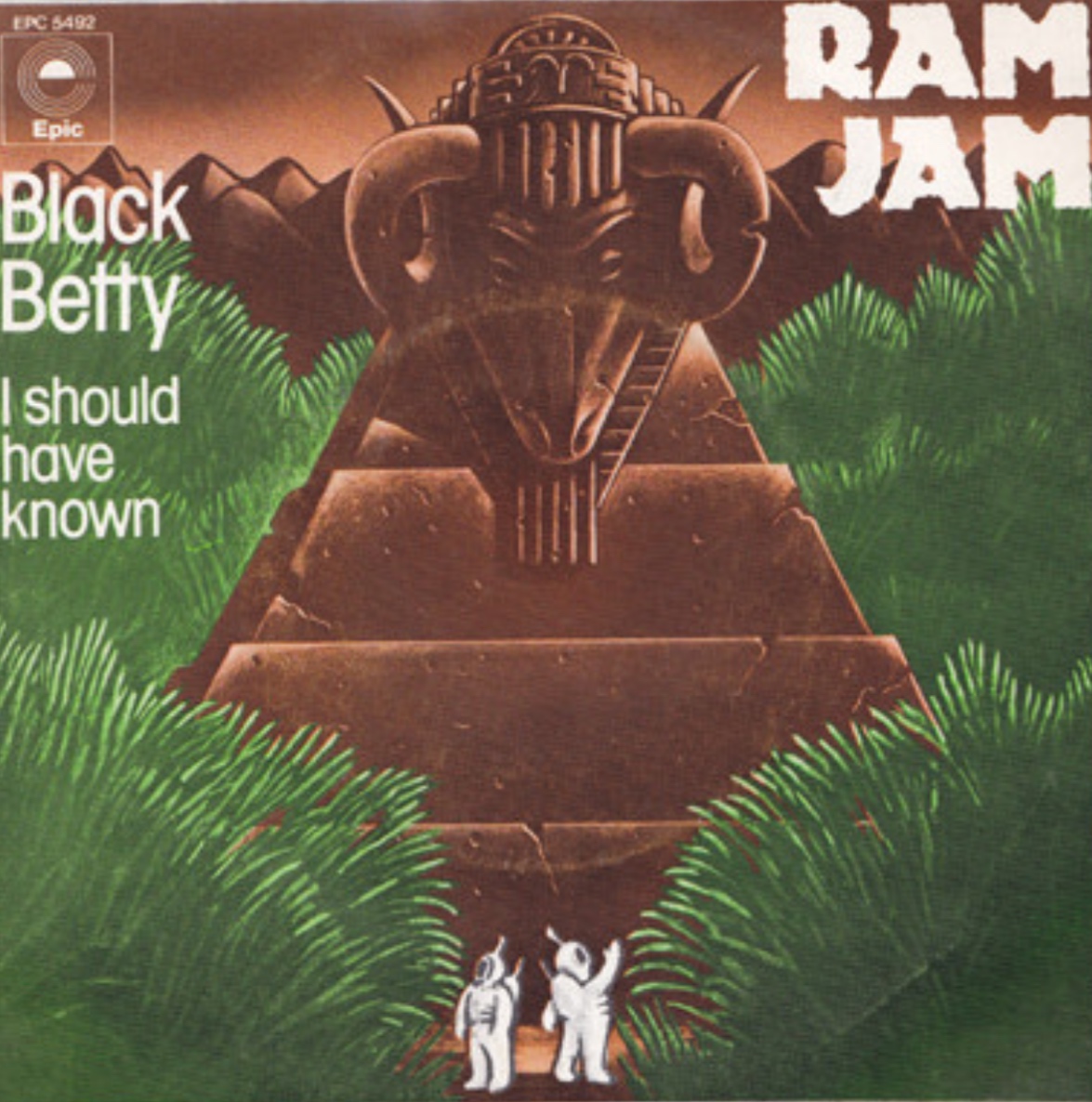
RAM JAM - BLACK BETTY


Publicació: juny de 1977

Llistes: Regne Unit: #7 EUA: #18


Ram Jam va ser una banda de durada efímera de la ciutat de Nova York, aquest va ser el seu únic èxit. Bill Bartlett havia estat als Lemon Pipers i després va formar un grup anomenat Starstruck. Mentre estava a Starstruck, Bartlett va agafar "Black Betty" de Lead Belly i la va arranjar, gravar i llançar al segell TruckStar del grup. "Black Betty" es va convertir en un èxit regional. Els productors Jerry Katsenetz i Jeffry Katz, que van ser arquitectes del Bubblegum Sound, productors de grups com The Ohio Express i 1910 Fruitgum Company, van formar un grup al voltant de Bartlett anomenat Ram Jam. Van tornar a llançar la cançó i es va convertir en un èxit internacional. La versió de Ram Jam era en realitat la mateixa gravada originalment per Starstruck (encara que s'havia editat significativament per reordenar l'estructura de la cançó). La cançó es va convertir en un èxit instantani entre els oients, va assolir el número 18 a les llistes de singles als Estats Units i va aconseguir més èxit al Regne Unit i Austràlia arribant al top ten.


Tot i que el contingut líric és un material folk/blues força estàndard, l'origen i el significat estan subjectes a debat. Històricament, la "Betty Negra" del títol pot referir-se al sobrenom donat a una sèrie d'objectes: una ampolla de whisky, un fuet o un vagó de trasllat penitenciari. Hi ha qui diu que tracta d'una dona negra d'Alabama que tenia un fill "salvatge", Ram Jam es van veure immersos en una certa polèmica perquè alguns grups de drets civils consideraven que la lletra era una falta de respecte a les dones negres. Tot i que es pot discutir sobre la lletra, la versió de Ram Jam està impulsada per un ritme potent i un tempo agressiu, la qual cosa la converteix en una d'aquelles cançons que et fan bategar el cor més ràpid. La cançó es reproduia habitualment en esdeveniments esportius per animar la multitud.


Aquesta és una cançó tradicional que el cantant folk Leadbelly va popularitzar abans de la seva mort el 1949. Va gravar moltes cançons que d'altra manera es podrien haver perdut, inclosa "Midnight Special". La versió de Leadbelly és acapella i era cantada habitualment pels treballadors per passar el temps mentre treballen.


RAM JAM - BLACK BETTY


Released: June 1977

Charted:  UK: #7  US: #18


Ram Jam were a short-lived band from New York City, and this was their only hit. Bill Bartlett had been in the Lemon Pipers and then formed a group called Starstruck. While in Starstruck, Bartlett took Lead Belly's 59-second long "Black Betty" and arranged, recorded and released it on the group's own TruckStar label. "Black Betty" became a regional hit. Producers Jerry Katsenetz and Jeffry Katz, who were architects of the Bubblegum Sound, producing groups like The Ohio Express and the 1910 Fruitgum Company, formed the group around Bartlett called Ram Jam. They re-released the song, and it became a hit nationally. The Ram Jam version was actually the same one originally recorded by Starstruck (albeit significantly edited to rearrange the song structure). The song became an instant hit with listeners, and reached number 18 on the singles charts in the United States and achieved more success in the UK and Australia reaching the top ten.


While the lyrical content is pretty standard folk/blues material, the origin and meaning are subject to debate. Historically, the "Black Betty" of the title may refer to the nickname given to a number of objects: a bottle of whiskey, a whip, or a penitentiary transfer wagon. Some say it’s about a black woman from Alabama who has a "wild" child, Ram Jam took some heat because some civil rights groups felt the lyrics were disrespectful to black women. While the lyrics can be discussed, Ram Jam's version is driven by the powerful beat and aggressive tempo, making it one of those songs that gets your heart beating faster. The song is commonly played at sporting events to pump up the crowd.


This is a traditional song that folk singer Leadbelly popularized before his death in 1949. He recorded a lot of songs that otherwise might have been lost, including "Midnight Special". Leadbelly's version is a cappella and commonly sung by labourers to pass the time while working.


The song was remixed by Dutch DJ Ben Liebrand in 1989 as Rough 'n' Ready Remix and became successful, reaching number 13 in the UK as well as charting in several other countries.


17.8.23


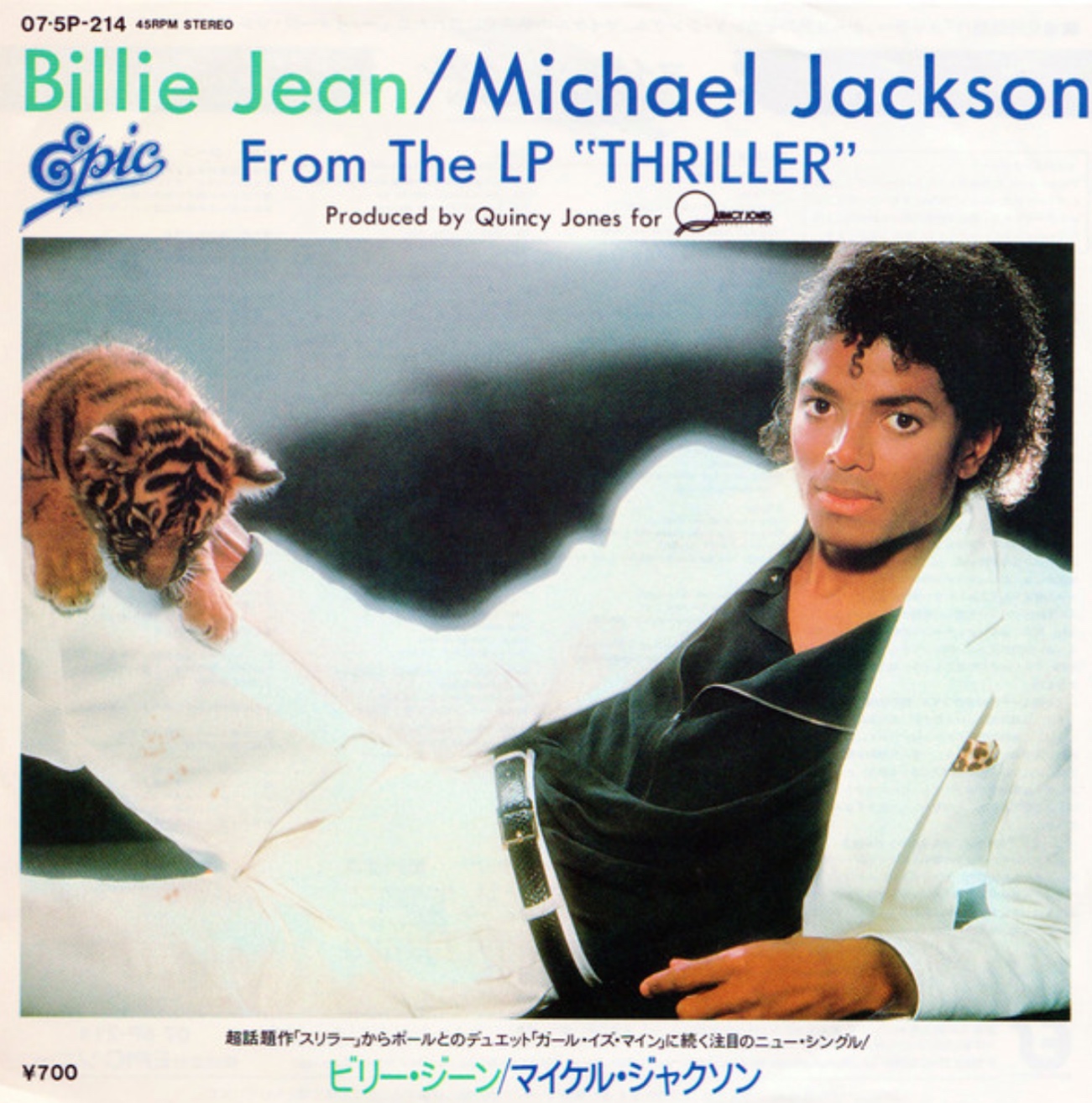
MICHAEL JACKSON - BILLIE JEAN


Publicació: 2 de gener de 1983

Llistes: Regne Unit: #1 (1 setmana) EUA: #1 (7 setmanes)


"Billie Jean" és el segon senzill del seu sisè àlbum d'estudi de 1982, "Thriller". Va ser escrit i composat per Jackson i produït per Jackson i Quincy Jones. Jackson va dir que Quincy Jones volia canviar el títol a "Not My Lover" perquè pensava que es confondria amb l'estrella del tennis Billie Jean King, però MJ va acabar guanyant aquesta batalla i es va mantenir el títol. 


"Billie Jean" és una història sobre un home a qui li diuen que és pare i que es nega a creure-ho: "The kid is not my son (El nen no és el meu fill)". A la seva autobiografia, Jackson va dir que havia estat envoltat per Billie Jeans quan era nen. Quan els Jackson 5 estaven de gira, va afirmar Jackson, havia noies que deien que s'havien quedat embarassades dels seus germans grans. Jackson estava desconcertat i disgustat. Potser no va ser tan fàcil tampoc per a ell. Jackson, ja molt famós, tenia una acosadora. Quincy Jones afirma que una dona pertorbada va escriure cartes de Jackson, afirmant que el seu fill era d’ell. Ella suposadament li va dir que el mataria a una hora determinada, i després es mataria ella mateixa i el nadó perquè poguessin estar tots junts. Jackson va escriure "Billie Jean" el 1981, el mateix any que John Hinkley, Jr. va disparar a Ronald Reagan, només uns mesos després que Mark David Chapman assassinés John Lennon. Jackson tenia motius per tenir por.


"Billie Jean" és una peça absolutament màgica de dance-pop, però també és una cançó dura de enuig  i paranoia. A "Off The Wall", Jackson era un cantant elegant i exuberant. A "Billie Jean", Jackson s'ha convertit en un sac de tics. Utilitza la seva veu com a instrument de percussió, grunyint i tartamudejant, amb sanglots.


Jackson va composar el ritme de "Billie Jean" a casa, programant ell mateix la seva caixa de ritmes. A la demo de 1981, la lletra està a mig acabar i en algun tall, Jackson només murmura paraules sense forma, només per mantenir la melodia. Però el ritme en si ja està totalment creat. Jackson es va inspirar en una altra cançó quan l’escrivia. Daryl Hall afirma que Jackson li va confessar entre bastidors quan gravaben “We are the World” que es va inspirar en la cançó "I can't go for that (No can do)" per al ritme de “Billie Jean”, però a Hall no li va importar massa i no li va donar importància. Per la seva banda, Quincy Jones va insistir en què Jackson va treure les notes de "Billie Jean" de la versió de 1982 de Donna Summer de "State of independence", una cançó de 1981 de Jon Anderson i Vangelis.


Steve Barron, el director que va dirigir els vídeos de "Don’t you want me?" de Human League i "Africa" ​​de Toto va dirigir "Billie Jean". Jackson i Jones el van reclutar perquè els agradava "Don't You Want Me?" "Billie Jean" està considerat com un dels grans vídeos musicals de tots els temps. Al vídeo, Jackson camina pel carrer i les lloses s'il·luminen sota els seus peus. Una misteriosa figura vestida amb gavardina persegueix Jackson, presumiblement amb mala intenció, però es trovarà amb els poders màgics de Jackson que li faran la guitza. Jackson no apareix en una foto polaroid que li fa. MJ llança una moneda a la tassa d'un home sense sostre i, de sobte, el sense sostre porta un vestit blanc elegant. Al final del vídeo, Jackson desapareix en l'aire, i els policies vénen a arrestar el tipus de la gavardina en el seu lloc.


Una altra cosa va passar mentre "Billie Jean" estava al número 1: Michael Jackson va actuar a l'especial de Motown 25. Aleshores, Jackson feia anys que no enregistrava per a Motown, però va acceptar reunir-se amb la formació original de Jackson 5 al programa si també podia fer una actuació en solitari. A l'escenari de l'Auditori Cívic de Pasadena un parell de setmanes després que "Billie Jean" arribés al número 1, Jackson va sincronitzar els llavis amb "Billie Jean" davant d'una multitud posada en peu. (Els productors de l'espectacle no pensaven que la banda en directe pogués replicar prou bé la música de suport de "Billie Jean".) L'actuació de Jackson al Motown 25 és una meravella i arriba al seu clímax quan Jackson fa el moonwalk per primera vegada entre els crits d’admiració del públic. Michael Jackson no va inventar el moonwalk, tot i que li va donar nom al moviment. Segons la llegenda, Jackson va aprendre el moviment de Jeffrey Daniel de Shalamar després d'haver vist que Daniel el fes a Soul Train. Aquesta també va ser la primera vegada que Jackson va portar el seu famós guant blanc a l'escenari, en aquell moment era un guant de golf modificat. En les interpretacions posteriors de la cançó, Jackson va utilitzar coreografies similars, sempre sorprenent la multitud amb el Moonwalk, que es va convertir en el seu moviment de ball emblemàtic. 34 milions de persones van sintonitzar NBC per veure Motown 25. Dues d'aquestes persones eren Fred Astaire i Gene Kelly, i tots dos van trucar a Jackson l'endemà per felicitar-lo.


Jackson va rodar un anunci de Pepsi el 1984 interpretant “Billie Jean” amb la lletra alterada per cantar els elogis del refresc. El nen de la jaqueta vermella és Alfonso Ribeiro, l'estrella de "Fresh Prince of Bel-Air". Durant el rodatge, els seus cabellses van incendiar per la pirotècnia i el van traslladar d'urgència a l'hospital. L'anunci es va emetre als premis Grammy d’aquell any.


"Billie Jean" i Thriller van encapçalar tant les llistes de senzills com d'àlbums la mateixa setmana. Això va passar als Estats Units i al Regne Unit simultàniament, una gesta que pocs artistes han assolir mai.


MICHAEL JACKSON - BILLIE JEAN


Released : January 2, 1983

Charted:  UK: #1 (1 wk)  US: #1 (7 wks)


“Billie Jean” is the second single from his 1982’s sixth studio album, “Thriller”. It was written and composed by Jackson and produced by Jackson and Quincy Jones. Jackson said that Quincy Jones wanted to change the title to "Not My Lover" because he thought it would be confused with the tennis star Billie Jean King. Jackson ended up winning that battle.


“Billie Jean” is a story about a man who’s being told he’s a father and who refuses to believe it: “The kid is not my son.” In his autobiography, Jackson said that he’d been surrounded by Billie Jeans as a child. When the Jackson 5 were on tour, Jackson claimed, girls would try to say that they’d gotten pregnant by his older brothers. Jackson was baffled and disgusted. It may not have been so simple. Jackson, already insanely famous, had a stalker. Quincy Jones claims that a disturbed woman wrote Jackson letters, claiming her son was his. She supposedly told him to kill himself at a particular hour, that she’d kill herself and the baby at the same time so that they could all be together. Jackson wrote “Billie Jean” in 1981, the same year that John Hinkley, Jr. shot Ronald Reagan, just a few months after Mark David Chapman murdered John Lennon. Jackson had reason to be afraid.


“Billie Jean” is an absolutely magical piece of dance-pop, but it’s also a hard and angry and paranoid record. On “Off The Wall”, Jackson was a graceful and exuberant singer. On “Billie Jean,” Jackson has become a bundle of tics. He uses his voice as a percussion instrument, grunting and stuttering and hiccuping and yelping, a feathery, tourettic version of James Brown’s old style. He sounds like he’s trying to break his way out of the track.


For Jackson, the groove came first. Jackson came up with the “Billie Jean” groove at home, programming his drum machine himself. In Jackson’s 1981 “Billie Jean” demo, the lyrics are half-finished, and Jackson sometimes just mutters unformed words just to keep the melody. But the beat itself is already fully formed. Jackson may have taken bits and pieces of that groove from elsewhere. Daryl Hall claims that the “Billie Jean” groove is the groove from Hall & Oates’ 1982 chart-topper “ I can’t go for that (No can do).” Hall has said that Jackson admitted this to him backstage, and Hall never seemed too worried about it. For his part, Quincy Jones has insisted that Jackson stole “Billie Jean” notes from Donna Summer’s 1982 cover of “State of independence”, a 1981 song from Jon Anderson and Vangelis.


Steve Barron, the director who’d helmed videos for the Human League’s “Don’t you want me?” and Toto’s “Africa” directed “Billie Jean.” Jackson and Jones recruited him because they liked “Don’t You Want Me?” “Billie Jean” has a rep as being one of the all-time great music videos. In the video Jackson struts down the street, and slabs of concrete light up under his feet. A mysterious trench-coated figure stalks Jackson, presumably with ill intent, but he discovers Jackson’s magical powers. Jackson won’t show up in a Polaroid. He tosses a coin into a homeless guy’s cup, and the homeless guy suddenly has a fancy white suit on. In the end, Jackson disappears into thin air, and cops come to arrest the guy in the trench coat.


Another thing happened while “Billie Jean” was at #1: Michael Jackson performed at the Motown 25 special. At that point, Jackson hadn’t recorded for Motown in years, but he agreed to reunite with the original Jackson 5 lineup on the show if he could also get a solo performance. Onstage at the Pasadena Civic Auditorium a couple of weeks after “Billie Jean” hit #1, Jackson lip-synced to “Billie Jean” in front of an amped-up crowd. (The show’s producers didn’t think the live band could replicate the “Billie Jean” backing track well enough.) Jackson’s Motown 25 performance is a physical marvel, and it hits its climax on the bridge, when Jackson moonwalks for the first time. When Jackson hits the moonwalk, you can hear the crowd lose its collective mind. Michael Jackson didn’t invent the moonwalk, though he did give the move its name. According to legend, Jackson learned the move from Shalamar’s Jeffrey Daniel after he’d seen Daniel hit the move on Soul Train. This was also the first time Jackson wore his famous white glove on stage - at the time it was a modified golf glove. In subsequent performances of the song, Jackson used similar choreography, always wowing the crowd with the Moonwalk, which became his signature dance move. 34 million people tuned in to NBC to watch Motown 25. Two of those people were Fred Astaire and Gene Kelly, and both of them called Jackson the next day to congratulate him.


Jackson shot a Pepsi commercial in 1984 performing this with the lyrics altered to sing the praises of the soda. The red jacket kid is “Fresh Prince of Bel-Air’s” star Alfonso Ribeiro. During the shoot, his hair caught fire from the pyrotechnics and he was rushed to the hospital. The commercial aired on the Grammy awards. 


Quincy Jones discussed this song in a radio interview printed in Radio Times. The “Thriller” producer recalled: "The intro to 'Billie Jean' was so long you could shave during it. I said we had to get to the melody sooner…but Michael said that was what made him want to dance. And when Michael Jackson says something makes him want to dance, you don't argue, so he won."


"Billie Jean" and Thriller topped both the singles and album charts in the same week. This occurred on US and UK simultaneously, a feat very few acts have ever achieved. 


16.8.23


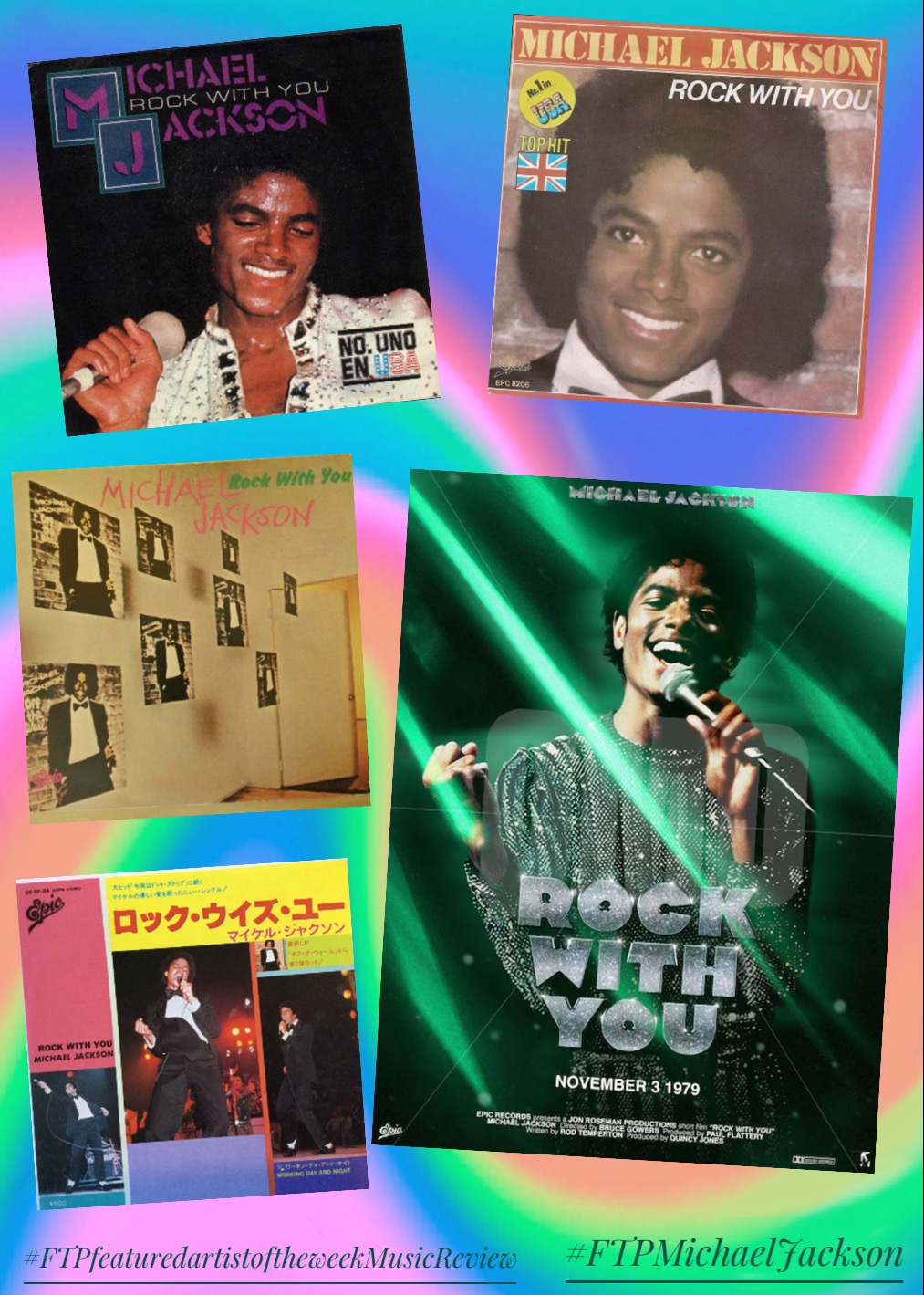
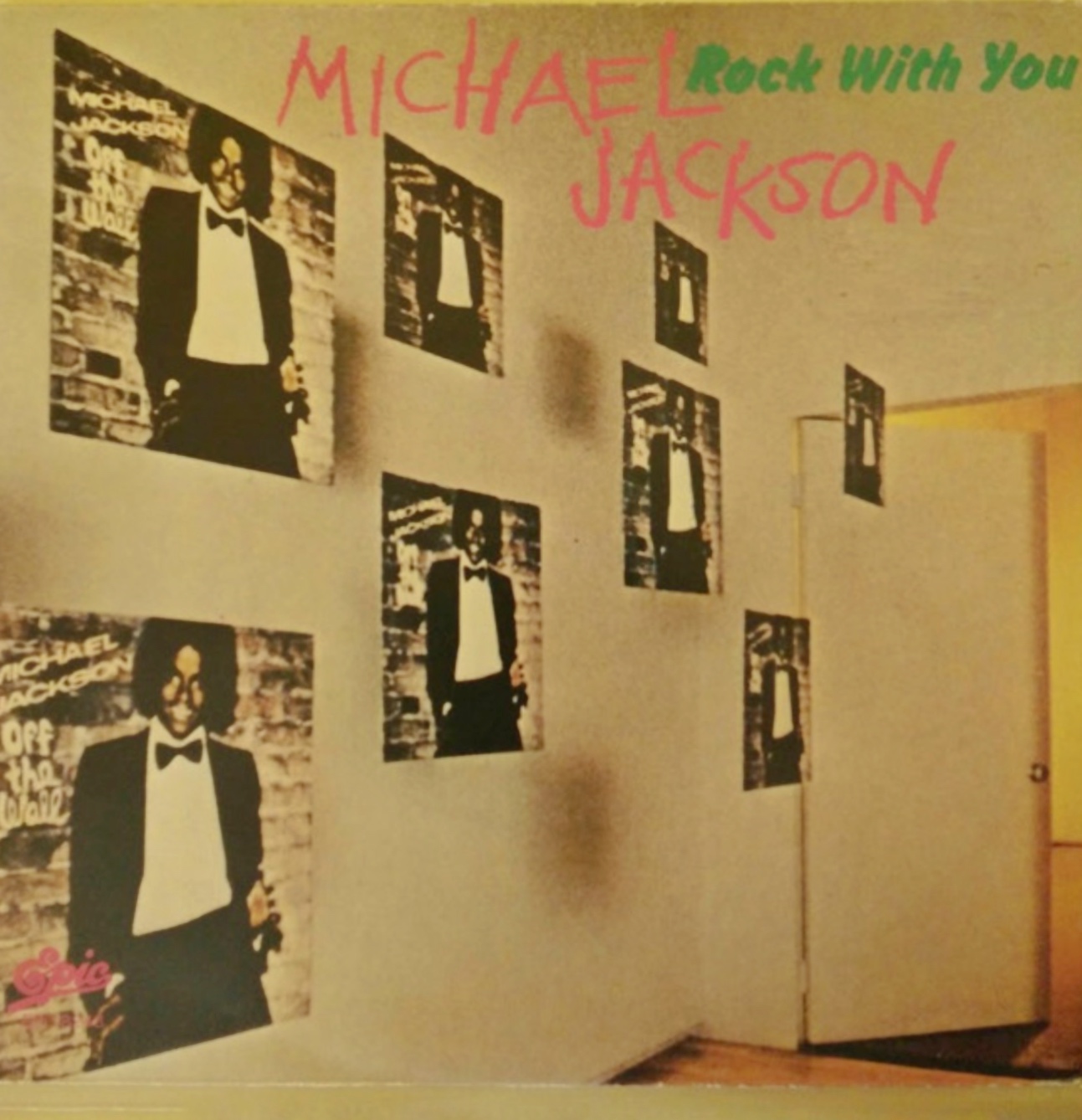
MICHAEL JACKSON - ROCK WITH YOU


Publicació: 3 de novembre de 1979

Llistes: Regne Unit: #7 EUA: #1


"Rock with You" és una cançó escrita per Rod Temperton i produïda per Quincy Jones. Va ser llançada com el segon single del cinquè àlbum d'estudi en solitari de Jackson "Off The Wall". Aquest va ser el tercer número u de la recent estrenada dècada dels 80.


Rod Temperton va ser el teclista i compositor del grup Heatwave. A 1977 va escriure "Boogie Nights" que va ser un éxit a les pistes de ball i va cridar l'atenció del productor de Michael Jackson, Quincy Jones. Jones va contractar Temperton per escriure algunes cançons per a Michael Jackson. Temperton va deixar Heatwave el 1978 per centrar-se en la composició de cançons. Inicialment va oferir "Rock With You" a Karen Carpenter, que en aquell moment estava treballant en l'àlbum en solitari que només seria llançat anys després de la seva mort. Carpenter va rebutjar la cançó. Després la va oferir a Quincy, de manera que finalment Temperton va escriure tres de les cançons que van ser incloses a “Off The Wall”: "Rock With You", "Burn This Disco Out" i la cançó que dona nom a l’àlbum. També va fer els arranjaments vocals a "Rock With You". Jackson i Quincy Jones van gravar la cançó amb molts dels músics de sessió que havien tocat en l'anterior hit número 1 de Jackson "Don't Stop 'Til You Get Enough".


"Rock With You" tracta sobre ballar, però també parla clarament sobre sexe. Les insinuacions són clares, però la intèrpretació melosa de Jackson fa que es vegi com una balada, enlloc d’una suggerent invitació sexual. Igual que "Please don't go" de KC & The Sunshine Band, la cançó que la va precedir al número 1, o “Reunited” de Peaches & Herb, "Rock With You" es podria incloure en les cançons d'amor easy listening que estaven substituint la música disco que estava sent foragitada de les llistes d’éxit. La diferència és que "Rock With You" era més sofisticada que moltes d’aquelles balades meloses, conservant el subtil toc de balada R&B que la feia ballable tant en parella com en solitari. 


A l'àlbum “Off The Wall”, "Rock With You" apareix just després de "Don't Stop", i immediatament empeny el disc cap a direccions més elegants i subtils. Líricament, "Rock With You" és una cançó bastant trillada i òbvia. Jackson vol ballar fins a la sortida del sol, i és molt clar què vol dir això. “feel that heat, ride the boogie, share that beat of love” (sentir aquesta calor, cavalgar el boogie, compartir aquest batec d'amor), vol que la noia es relaxi i deixi que la música s'apoderi del seu cos. 

Si algú pensa que comparteixen aquest batec d'amor a la pista de ball és que aquest algú és bastant ingenu. Però Jackson ho fa tan suau i delicat que "Rock With You" queda com una agradable invitació a deixar-se seduir per a les noies. Jackson és delicat com la gasa, quan et diu que tanquis els ulls i deixis que el ritme entri en tu, és una petició tímida, no una ordre. Flota eufòricament sobre la cançó, sense semblar que s’està insinuant. Fins i tot la paraula "rock" es torna suau i fràgil a la seva gola. Potser Jackson va pensar que la cançó realment tractava sobre ballar, i potser així va decidir cantar-la. Sigui com sigui, és una peça magistral.


Es va publicar un vídeo musical per a la cançó, utilitzant la versió més curta del single, on Michael apareix vestit lluent i brillant cantant la cançó amb un làser darrere d'ell. Bruce Gowers va dirigir el vídeo musical, que es va rodar el mateix dia que el clip de "She's out of my life". Gowers també va dirigir "Bohemian Rhapsody" de Queen.


"Rock With You" probablement no hauria estat una gran cançó de Karen Carpenter. Probablement no hauria estat una gran cançó per a ningú més que Michael Jackson, però Quincy Jones va escoltar el potencial de la cançó i van convertir "Rock With You" en quelcom màgic. Ningú ho hauria pogut fer millor. L'any 1979, Jackson tenia tot el potencial per ser una estrella, i encara no havia adquirit l'aparença de dur que aportaria a tots els seus discos a partir de “Thriller”. Llàstima que no es va quedar com estava. 


MICHAEL JACKSON - ROCK WITH YOU


Released : November 3, 1979

Charted:  UK: #7  US: #1


"Rock With You" is a song written by Rod Temperton and produced by Quincy Jones. It was released as the second single from Jackson's fifth solo studio album “Off The Wall”. It was also the third number-one hit of the 1980s.


Rod Temperton was the keyboard player and primary songwriter in the group Heatwave. He wrote their 1977 hit "Boogie Nights" which got the attention of Michael Jackson's producer, Quincy Jones, who enlisted Temperton to write some songs for Jackson. Temperton left Heatwave in 1978 to focus on songwriting. He initially offered “Rock With You” to Karen Carpenter, who at the time was working on the solo album that would only see release years after she died. Carpenter turned the song down. Then he offered to Quincy, so at the end Temperton wrote three of the songs that made it onto Off The Wall: “Rock With You,” “Burn This Disco Out,” and the title track. He also did the rhythm and vocal arrangements on “Rock With You.” Jackson and Quincy Jones recorded the track with many of the same ace session musicians who had played on Jackson’s previous #1 hit "Don't Stop 'Til You Get Enough”.


“Rock With You” is about dancing, but it’s also pretty clearly about sex. And yet because of the song’s all-encompassing lushness and Jackson’s feathery delivery, “Rock With You” feels like a ballad, not a banger. Like KC & The Sunshine Band’s “Please don’t go”, the song that preceded it at #1, “Rock With You” could almost be a reaction to the moment when disco was plummeting off of the charts but easy-listening love songs were holding strong. It’s just that “Rock With You” is an infinitely more sophisticated take on that dance-ballad approach. 


Lyrically, “Rock With You” is a pretty trite and obvious song. Jackson’s character wants to dance you into the sunlight, and it’s pretty clear what that means. He wants to feel that heat, ride the boogie, share that beat of love. Jackson wants his girl to relax and let the music take over her body, but when they "share that beat of love," it's not likely to happen on the dance floor. But Jackson is so soft and vulnerable that “Rock With You” never comes off as the obnoxious come-on that almost any other singer would’ve made it. 


On the Off The Wall album, “Rock With You” shows up right after “Don’t Stop,” and it immediately expands on that song’s sound, pushing it into sleeker and subtler directions. The two main things that Jackson brings to “Rock With You” are his rhythmic grace and his gentle vulnerability. He kept that rhythmic grace for his entire life, but the gentle vulnerability wouldn’t last long. On “Rock With You,” Jackson is delicate like chiffon. When he tells you to close your eyes and let the rhythm get into you, it’s a shy request, not a command. He floats euphorically over the song, never even hinting at the smug eyebrow-waggling innuendo that was the default setting for so many of his ’70s contemporaries. Even the word “rock” becomes soft and fragile in his throat. Maybe Jackson thought the song really was about dancing, or maybe that’s just how he decided to play it. Either way, it’s masterful stuff.


A music video was released for the song, using the shorter single version. It features Michael in a sparkly sequined suit singing the song with a bright laser behind him. Bruce Gowers directed the music video, which was shot the same day as the clip for "She’s out of my life". Gowers also directed Queen's "Bohemian Rhapsody”.


“Rock With You” probably wouldn’t have been a great Karen Carpenter song. It probably wouldn’t have been a great song for anyone but Michael Jackson, but Quincy Jones heard the potential of the song and they made “Rock With You” into something magical. Nobody could’ve done it better. Back in 1979, Jackson was all starburst potential, and he hadn’t yet acquired the hard and paranoid edge that he’d bring to all of his records from Thriller on. Too bad it didn't stay as it was.