Total de visualitzacions de pàgina:

5.9.23


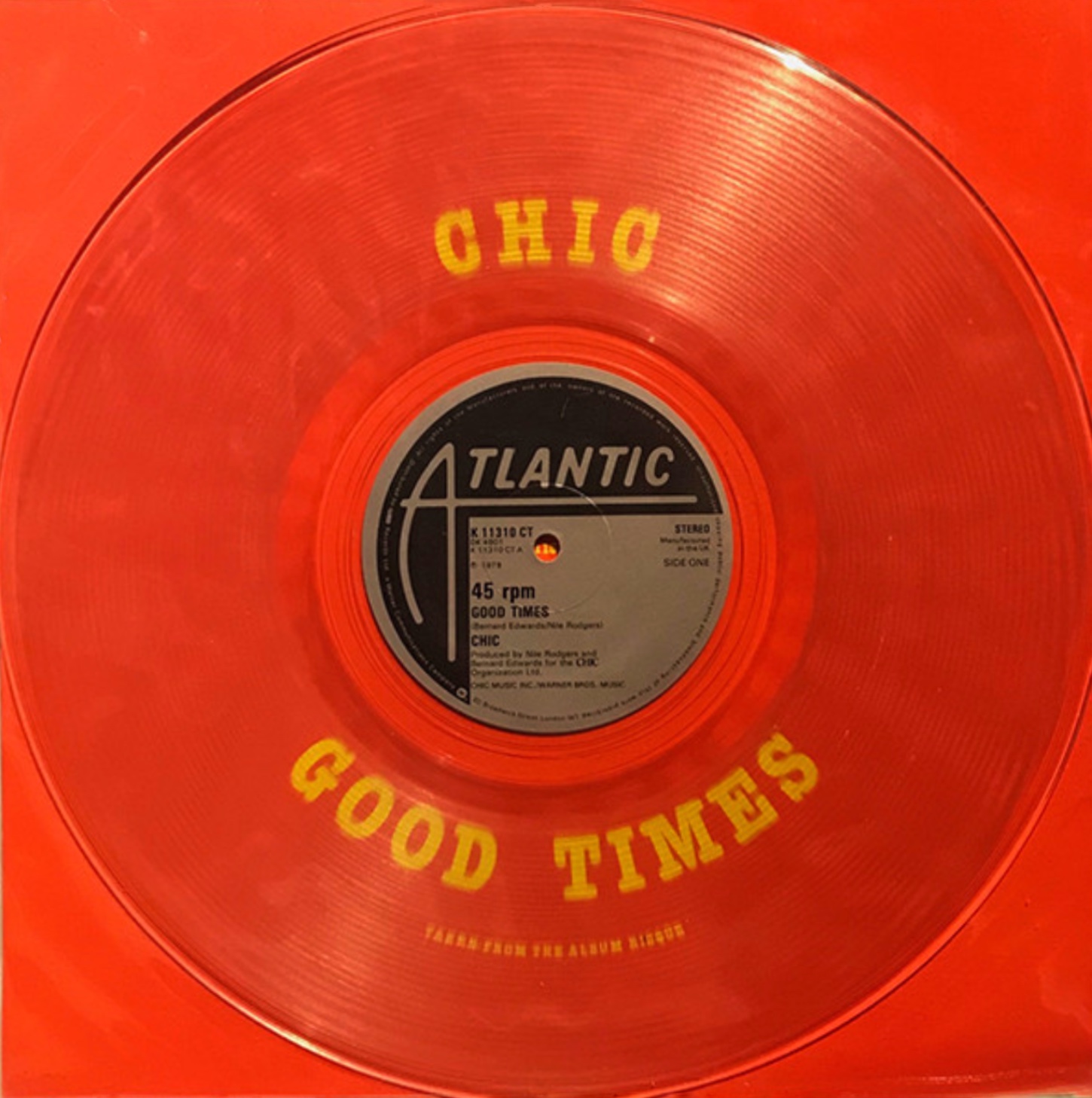
CHIC - GOOD TIMES


Publicació: 4 de juny de 1979

Llistes: EUA: #1 (1 setmana) Regne Unit: #5


"Good Times" és una cançó disco soul de la banda nord-americana de R&B Chic del seu tercer àlbum de 1979 "Risqué". Aquesta cançó s'ha convertit en una de les cançons més samplejades de la història de la música, sobretot en la música hip hop.


El 1979, Chic va llançar un dels grans punts de referència històric de la música (i totem de les pistes de ball). "Good Times" és més que una cançó, té tot el que qualsevol pot desitjar en una cançó de ball. És un himne ben construït i enregistrat impecablement, una banda experta en directe que treballa amb precisió mecanica i intuïció deep-funk alhora. Té grans veus, grans cordes, grans detalls instrumentals, una gran introducció i una de les línies de baix més històrica de tots els temps. La línia de baix d'Edwards és una obra mestra en si mateixa. S'atura, singlotja, tremola. Cau cap avall i torna a pujar com un io-io. Edwards sembla que està tocant mandrosament el ritme, però també l'empeny amb insistencia, contagiant aquest ritme al món. Tot a "Good Times" sembla que està disposat al voltant d'aquesta línia de baix: l'espurnejant guitarra de Rodgers, les punyalades de corda staccato, el piano estranyament planyent. Quan les cantants Alfa Anderson i Luci Martin canten la tornada gairebé semblen poseides per aquesta línia de baix. “Good Times” és l’èxtasi funk. 


"Good Times" també té la seva pròpia història dintre de la del hip hop. El rap estava sorgint a les block partys de Nova York, i quan Sylvia Robinson va cridar The Sugarhill Gang per gravar una cançó de rap, va ser "Good Times" la peça que van utilitzar per a la cançó, posant-la en bucle a l'estudi igual que ho feien els DJ a les block partys. El resultat va ser "Rapper's delight", que es va publicar més tard el mateix 1979. Va vendre un munt de maxisingles i va arribar al Top 40 dels EUA i al Top 10 del Regne Unit, convertint-se en la primera cançó de rap que ho va fer. Una cosa sorprenent sobre "Good Times" és que Nile Rodgers ni tan sols necessita fer afirmacions vanaglorioses sobre el seu lloc a la història del hip-hop. "Good Times" és un clàssic imponent, i seria un clàssic imponent encara que Sugarhill Gang no l’hagués cantat mai. "Good Times" és una peça musical perfecta, i va ser un èxit en els cercles del hip-hop perquè era el més funky que es podia escoltar a la discoteca cap a final dels 70, i aquella línia de baix demanava que l’hi fessin una rima. Com a curiositat cal dir que Neil Rogers incorpora fragments de "Rapper's delight" quan toca "Good Times" en directe.


Nile Rodgers va explicar a la revista Uncut la història de la cançó: "Vaig escriure 'Good Times' el matí que la vam gravar. Bernard va arribar una mica tard a l'estudi, però ja havia deixat escrita la feina per a tots els membres de la banda. Estavem tocant quan Bernard va entrar. Va preguntar als enginyers: "Què dimonis és això?" L'enginyer va dir: "No ho sé, alguna cosa ha escrit en Nile aquest matí". Sempre que en Bernard arribava tard, era com un gosset amb la cua entre les cames. Normalment, el que feiem ell i jo és que ens copiavem i després cadascú desenvolupava la seva part. Feia anys que teniem la idea d’aquesta línia de baix, provant-la una i altra vegada en tota mena de cançons, però mai no l’encertavem.  Però aquell dia, vaig començar a cridar "Walk!" Per sobre la bateria de Tony. Bernard va dir: "what?" Vaig cridar 'walk!' Aquell dia en concret, vam córrer. Tot i que la meva part de guitarra era més forta que el ritme de baix, Bernard va decidir empènyer i pujar el baix abans d'arribar al canvi d'acord. Encara no m’ho crec! Així vam treure aquest increïble ritme funky. Vaig cridar a l'enginyer: "poso en vermell, grava!" Ho vam gravar. Això va ser tot. Una presa, potser dues i ho teniem".


"Good Times" tracta de celebrar i gaudir de la vida al màxim. La cançó parla de deixar enrere totes les preocupacions i l'estrès i viure el moment present. La tornada repeteix la frase "Good times, these are the good times (Bons temps, aquests són els bons moments)”, destacant la importància de viure i aprofitar el moment.


CHIC - GOOD TIMES


Released: June 4, 1979

Charted:  US: #1 (1 wk) UK: #5 


“Good Times” is a disco soul song by American R&B band Chic from their 1979 third album “Risqué”. This song has become one of the most sampled tunes in music history, most notably in hip hop music. 


In 1979 Chic released one of music’s great historical delineation points (and a mother of a dancefloor-filler). “Good Times” is more than just a song, even though it’d be immortal if a song was all it was. This track is everything that anybody could possibly want in a dance song. It’s a beautifully constructed, impeccably recorded stomp-vamp, an expert live band working with mechanistic precision and deep-funk intuition at the same time. It’s got great vocals, great strings, great little instrumental flourishes, a great intro, and an all-time world-historical bassline. Edwards’ bassline is a masterpiece unto itself. It halts, hiccups, shimmies. It plunges down and then snaps back up again like a yo-yo. Edwards sounds like he’s lazily playing with the beat, but he’s also pushing it along insistently, nudging it forward into the world. Everything on “Good Times” feels like it’s arranged around that bassline: Rodgers’ sparkling guitar-scratch, the staccato string-stabs, the oddly plangent piano. When singers Alfa Anderson and Luci Martin hit the chorus, they almost sound like they’re singing along with that bassline.


“Good Times” has its own story, too In hip hop story. Rap was emerging at New York block parties, and when Sylvia Robinson assembled The Sugarhill Gang to put a rap song on record, it was "Good Times" that they used for the track, looping it in the studio just like DJs did at the block parties, and even incorporating the string hits from the song. The result was "Rapper’s delight" which was released later in 1979. It sold a bunch of 12" singles and made the US Top 40 and UK Top 10, becoming the first rap song to do so. An amazing thing about “Good Times” is that Nile Rodgers doesn’t even need to make vainglorious claims about its place in hip-hop history. “Good Times” is a towering classic, and it would be a towering classic even if the Sugarhill Gang had never happened. “Good Times” is a perfect piece of music, and it was a smash in hip-hop circles because it was the funkiest that circa-’79 disco could get, and that bassline begged to have a rhyme rocked over it. As a curiosity, it must be said that Neil Rogers incorporates fragments of “Rapper’s delight” when he plays “Good Times” live.


Nile Rodgers told Uncut magazine the story of the song: "I wrote 'Good Times' the morning we recorded it. Bernard was a little late to the studio, but I'd already written out the charts for everybody in the band. We were playing when Bernard walked in. He asked the engineers, 'what the hell is that?' The engineer said, ' I don't know, something Nile wrote this morning.' Whenever Bernard was late, he was like a puppy dog with his tail between his legs. Typically, what he and I do is we'd copy each other and then develop our parts after that. We'd been trying for years to come up with this walking bassline, putting it over and over again on all sorts of songs but we could never get it right. But that day, I started screaming 'Walk!' over Tony's drums. Bernard said, 'What?' I was shouting 'Walk!' On that particular day, he walked. Even though my guitar part was strong on the down beats, Bernard decided to push and go to bass before I get to the chord change. I'm not even there yet, so we get this amazing extra funky thing. I just told the engineer, 'Make it red!' We recorded it. That was it. One take, maybe two."


"Good Times" is all about celebrating and enjoying life to the fullest. The song speaks about leaving all the worries and stress behind and living in the present moment. The chorus repeats the phrase "Good times, these are the good times" emphasizing the importance of cherishing the moment.




1.9.23


PAT BENATAR - LOVE IS A BATTLEFIELD


Publicació: 12 de setembre de 1983

Llistes: EUA: #5 Regne Unit: #17


"Love Is a Battlefield" és una cançó de la cantant nord-americana Pat Benatar, llançada com a senzill de l'àlbum en directe de 1983 "Live from Earth", encara que la cançó en si era una gravació d'estudi. El senzill va ser el segon de Benatar que va vendre un milió als Estats Units i està empatat amb "We Belong" com el seu senzill més venut al país.


La cançó va ser escrita per Mike Chapman i Holly Knight. Chapman era un compositor i productor establert, mentre que Knight era una antiga membre de la banda Spider i tot just començava a escriure cançons, cosa que va demostrar que se li donava molt bé. En una entrevista, Knight va explicar la història d'aquesta cançó: "Estava a casa de Chapman, tot just començava a escriure amb ell, i Pat Benatar va trucar i va dir:" Mike, m'encantaria que m’escrivisis una cançó. "Estic fent un àlbum, m'escriuràs un èxit, si us plau?" I diu: "Bé, estic aquí amb una de les meves escriptores, Holly Knight, i ara anàvem a seure per escriure. Així que escriurem alguna cosa per a tu". Així que va penjar i vaig començar a tocar els acords de 'Love Is A Battlefield'. Va dir: "Això és tan fantàstic, m'encanta, segueix fent això". Després va dir: "Ara, el que realment necessitem", -i això és una cosa que vaig aprendre d'ell- "Aquesta cançó és molt enganxosa, molt comercial, escriurem alguna cosa molt, molt estranya. Això la farà especial. I així serà molt millor. Vaig dir: 'Oh, m'agrada'. Ell va dir: "Escriurem alguna cosa molt malaltissa, com... 'and he just spit out 'Love is a battlefield' (i només va escopir, l'amor és un camp de batalla), com a exemple. Vaig dir: "Bé, això funciona per a mi". I vam escriure aquesta cançó. Era com una associació lliure".


Knight i Chapman van escriure aquesta cançó més aviat com una balada, i es van sorprendre en escoltar què va fer Benatar amb ella. Knight diu: "Quan en Mike i jo la vam escoltar per primera vegada ens vam horroritzar, la vam odiar, perquè era molt diferent. Però després es va convertir en un èxit tan gran, que vam haver de recular i dir: "Ja saps, van fer un gran èxit". una bona interpretació d'ella, i així és com havia de ser. Hi ha moltes maneres d'escoltar aquesta cançó, i totes són bones".


El vídeo musical va tenir una gran emissió a MTV en un moment en què l'únic que feien era programar vídeos. Conté elements de la moda dels anys 80 i va ser un dels primers vídeos a incorporar diàlegs a la cançó per avançar en la història, que era Benatar fugint de casa i intentant fer-ho sola. El vídeo, que va ser dirigit per Bob Giraldi, també contenia una seqüència de ball de grup, anterior al vídeo "Thriller" de Michael Jackson, que va sorgir més tard el mateix any 1983. Benatar estava fora del seu element, ja que ballar no era cosa seva, però va aconseguir moures admirablement i va ajudar a crear una escena molt memorable.


PAT BENATAR - LOVE IS A BATTLEFIELD


Released: September 12, 1983

Charted: US: #5  UK: #17


"Love Is a Battlefield" is a song by American singer Pat Benatar, released as a single from Benatar's 1983 live album “Live from Earth”, though the song itself was a studio recording. The single was Benatar's second US million-seller and is tied with "We Belong" as her highest-charting single in the United States. 


The song was written by Mike Chapman and Holly Knight. Chapman was an established songwriter and producer, while Knight was a former member of the band Spider and was just starting to write songs, something she proved very good at. In a interview Knight told the story of this song: "I was at Chapman house, I was just starting to write with him, and Pat Benatar called up and said, 'Mike, I would love for you to write me a song. I'm doing an album, will you write me a hit, please?' And he goes, 'Well, I'm here with one of my writers, Holly Knight, and we were just going to sit down and write. So we'll write something for you.' So he hung up, and I started playing the chords to 'Love Is A Battlefield.' He said, 'That's so great, I love that, keep doing that.' He says, 'Now, what we really need' – and this is something I learned from him - 'This song is very catchy, very commercial, let's write something really, really weird on top of it. That'll make it special. And it'll be that much better.' I said, 'Oh, I like it.' He says, 'We're going to write something really sick, like…' and he just spit out 'Love is a battlefield,' as an example. I said, 'Well, that works for me.' And we wrote that song. It was just like free association."


Knight and Chapman wrote this song as more of a ballad, and they were surprised to hear what Benatar did with it. Says Knight: "When Mike and I first heard it we were horrified, we hated it, because it was so different. But then it became such a huge hit, and we had to step out and say, You know, they did a very good rendering of it, and that's how it was meant to be. There's lots of ways you can hear that song, and they're all good."


The music video got a great deal of airplay on MTV at a time when all they did was show videos. It contains some very '80s fashion and was one of the first videos to incorporate dialogue into the song to progress the storyline, which was Benatar running away from home and trying to make it on her own. The video, which was directed by Bob Giraldi, also contained a group dance sequence, predating Michael Jackson's "Thriller" video, which emerged later in 1983. Benatar was out of her element, as dancing is not her thing, but she pulled off the moves admirably and helped create a very memorable scene.


Check out the bass line on this track. Benatar's bass player, Roger Capps, says it's his favorite. 


While the 1982 Gap Band hit "You Dropped A Bomb On Me" comes close, no song uses wartime imagery to describe heartbreak quite like "Love Is A Battlefield."


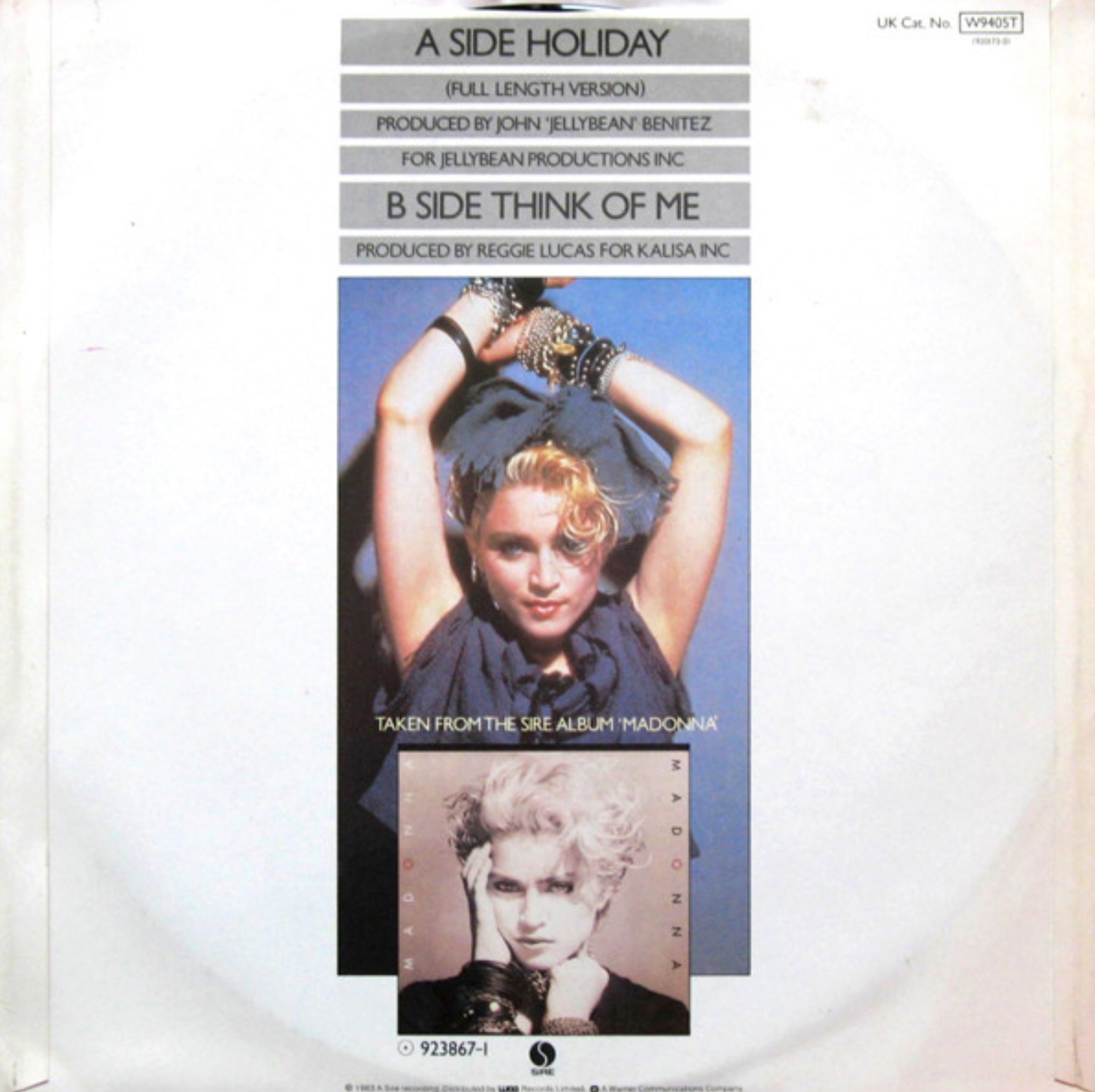
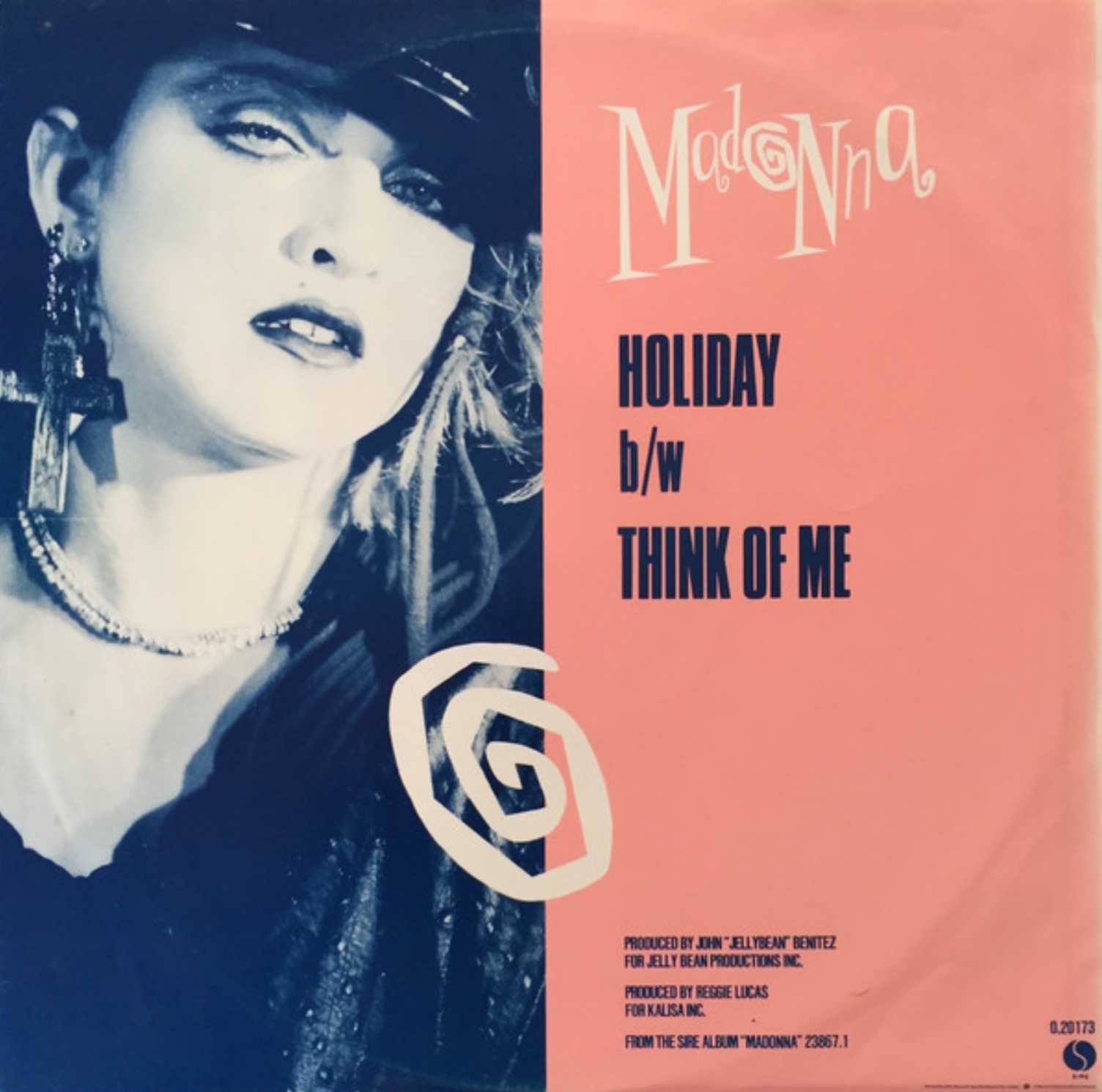
MADONNA - HOLIDAY


Publicació: 7 de setembre de 1983

Llistes: EUA: #16 Regne Unit: #2


"Holiday" és una crida a prendre un descans dels problemes i l'estrès de la vida i celebrar el món junts. Anima a la gent a reservar un dia dedicat a celebrar les alegries de la vida i a buscar el positiu a la vida en comptes de concentrar-se en experiències negatives. En essència, és una cançó sobre abraçar els bons moments, ballar i passar-ho bé els uns amb els altres.


Aquesta animada celebració musical va ser el primer èxit de Madonna. Publicada al seu primer disc, és una de les seves preferides i és la cançó que ha interpretat més sovint en concert. A Amèrica, va ser el seu tercer senzill, després de "Everybody" i "Burning up". Va ser escrita per Curtis Hudson i Lisa Stevens, que eren membres de Pure Energy, un grup de dance/pop d'East Orange, Nova Jersey, i produida per John "Jellybean" Benitez. "La cançó encara genera diners", va dir Hudson el 2015. "Si no féssim res més, amb els drets d'autor de 'Holiday' en tindríem prou per viure".


Al Regne Unit, es va publicar després d’"Everybody" i "Lucky star" i quan Madonna la va cantar al programa de televisió Top Of The Pops, es va convertir en el seu primer senzill a les llistes, arribant al número 6 el febrer de 1984. Aprofitant la ben entesa "Lucky Star" es va tornar a llançar i es va convertir en el seu segon èxit, arribant al número 14 a l'abril. A 1985 "Holiday" es va tornar a llançar al Regne Unit, aquesta vegada arribant fins al número 2, quedant fora del primer lloc per culpa d’"Into the groove", una altra cançó de Madonna. A 1991 "Holiday" es va re-editar per tercera vegada al Regne Unit, i aquesta vegada va assolir el número 5.


Es va fer un vídeo molt bàsic per a aquesta cançó que mostra la Madonna ballant flanquejada pel seu germà, Christopher Ciccone, i la seva amiga, Erika Belle. No va tenir prou qualitat de producció per a MTV, però els dos següents vídeos de Madonna "Lucky Star" i "Borderline" van ser grans èxits a aquesta televisió.


MADONNA - HOLIDAY


Released: September 7, 1983

Charted:  US: #16   UK: #2


“Holiday” is a call to take a break from life's troubles and stresses and celebrate the world, together. It encourages people to set aside one day dedicated to celebrating the joys of life and to look for the positive in life instead of dwelling on negative experiences. In essence, it is a song about embracing the good times, dancing, and having a good time with one another. 


This buoyant musical celebration was Madonna's first hit. Released on her first album, it's one of her favorites, and the song she has performed most often in concert. In America, it was her third single, following "Everybody" and "Burning up". This was written by Curtis Hudson and Lisa Stevens, who were members of Pure Energy, a dance/pop group from East Orange, New Jersey, and produced by John “Jellybean” Benitez.  "The song still generates money," Hudson told in 2015. "If we did nothing else, the royalties from 'Holiday' could support us".


In the UK, this was released after "Everybody" and "Lucky star" and after Madonna performed it on the TV show Top Of The Pops, it became her first charting single in Britain, going to #6 in February 1984. With newfound momentum, "Lucky Star" was re-released and became her second hit, going to #14 in April. In 1985 "Holiday" was re-released in the UK, this time going all the way to #2, kept out of the top spot by her song "Into the groove". In 1991 "Holiday" was released for the third time in the UK, this time reaching #5.


A very basic video was made for this song showing Madonna dancing to it, flanked by her brother, Christopher Ciccone, and friend, Erika Belle. It didn't have enough production value for MTV, but Madonna's next two videos "Lucky Star" and "Borderline" were huge hits on the network.