Total de visualitzacions de pàgina:

1.10.23


KURTIS BLOW - THE BREAKS


Publicació: 14 de juny de 1980

Llistes: EUA: #87  Regne Unit: #47


"The Breaks" és un single del raper nord-americà Kurtis Blow extret del seu àlbum debut. Va ser la primera cançó de rap que va vendre més de 500.000 còpies i la primera que va guanyar el disc d’or per vendes en singles i la segona en maxi-singles. "The Breaks" repeteix la paraula "break" o qualsevol dels seus homòfons 84 vegades durant sis minuts i mig de la durada del disc.


"Rapper's delight" llançat un any abans, sens dubte es va vendre molt més (com ho certifica Kurtis), però aquesta cançó es va publicar al segell independent Sugar Hill Records, que aparentment mai la va enviar a la RIAA fent impossible la seva certificació. Kurtis Blow va signar amb Mercury Records, un segell important que va seguir els estàndards i va utilitzar els seus discos d'or per a la promoció. Quan Kurtis va signar amb Mercury a principis de 1980, es va convertir en el primer raper que va signar amb un segell important. El seu àlbum de debut homònim va ser el primer disc de rap publicat en una gran discogràfica.


La versió completa de la cançó té una durada de 7:43 i es va llançar com a maxi-single. S’hauria de dir que un maxi-single era un single de la mida d’un elepé però que només contenia una cançó a cada costat, permetent cançons molt més llargues que les que tindria un senzill típic de 45 RPM. Tot i avui dia s’hauria d’explicar també que era un single de 45 RPM. Com s’ha dit va ser el segon maxi certificat Gold per darrera de "No more tears (enough is enough)" de Donna Summer i Barbra Streisand, que va sortir l'any 1979.


No hi havia emissores de rap quan es va publicar aquesta cançó, de manera que la reproducció a la ràdio era mínima. Kurtis Blow va parlar de com van fer la promoció: "No hi havia cap màrqueting real per a la cançó, ni cap pla". Només volíem fer un disc fantàstic i això és exactament el que vam fer. Després els clubs ho van fer tot. Durant l'estiu de 1980 no trobaves cap club a Amèrica que no posés aquesta cançó cap als voltants de mitjanit”.


"The Breaks" és una cançó sobre els alts i baixos de la vida. La lletra parla de situacions en què res sembla anar bé i tot s'esfondra. Subratlla que tothom viu en un contratemps, des dels detalls més petits fins als que ens canvien la vida. Els versos donen exemples de circumstàncies específiques en què les coses poden anar malament, com ara perdre una feina, deure diners a la màfia o descobrir que la persona que creieu perfecta està casada. La tornada ho resumeix tot, afirmant que no importa quins tipus de entrabancs us aporti la vida, us anima a ballar i seguir endavant. L'interludi repeteix el mantra "Just do It” (només fes-ho) com a recordatori per seguir avançant encarant els reptes als que la vida us afronta.


KURTIS BLOW - THE BREAKS


Released: June 14, 1980

Charted:  US: #87   UK: #47 


"The Breaks" is a single by American rapper Kurtis Blow from his debut album . It was the first rap song to sell over 500,000 copies earning the first certified gold rap song, and the second certified gold 12-inch single. "The Breaks" repeats the word "break" or any of its homophones 84 times over six and a half minutes.


"Rapper’s delight” released a year earlier, certainly sold a lot more (as Kurtis attests), but that song was released on the independent label Sugar Hill Records, which apparently never sent it to the RIAA for certification. Kurtis Blow was signed to Mercury Records, a major label that followed the standards and used their Gold records for promotion. When Kurtis signed with Mercury in early 1980, he became the first rapper signed to a major label. His self-titled debut album was the first rap record released on a major label.


The full version of the song runs 7:43 and was released as a 12-inch single, which was the same size as a record but contained just one song on each side, allowing for much longer songs than a typical 45 RPM single would hold. It became the second certified Gold 12-inch in all of music. The first was Donna Summer and Barbra Streisand's “No more tears (enough is enough) which came out in 1979.


There were no rap stations when this song was released, so radio play was minimal. Kurtis Blow talked about how they got word out said: "There was no real marketing for the song, no plan," he said. "We just wanted to make a kick-ass record and that's exactly what we did. The clubs ate it up. You couldn't find a club in America during the summer of 1980 that would not play this song around 12, 1 o'clock in the morning."


"The Breaks" is a song about the ups and downs of life. The lyrics speak to situations in which nothing seems to be going right and everything is falling apart. The hook "Brakes on a bus, brakes on a car, breaks to make you a superstar, breaks to win and breaks to lose" emphasizes that everyone experiences setbacks, from the smallest to the most life-changing events. The verses give examples of specific circumstances in which things can go wrong, such as losing a job, owing money to the mob, or discovering that the person you thought was perfect is actually married. The chorus brings it all together, asserting that no matter what kind of breaks life brings, they can still move you to dance and keep going. The interlude repeats the mantra "just do it" as a reminder to keep moving forward and facing life's challenges head-on. 


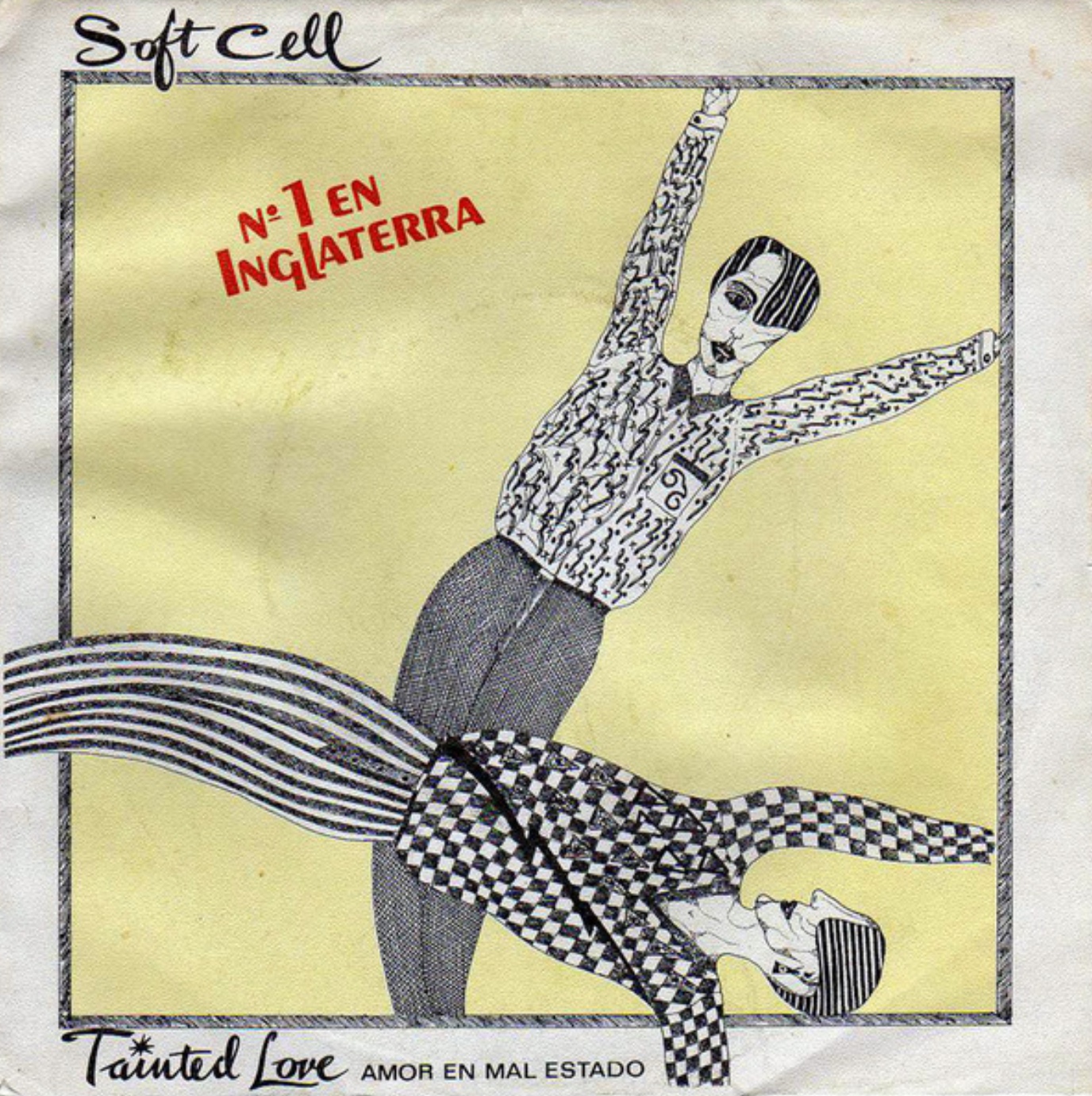
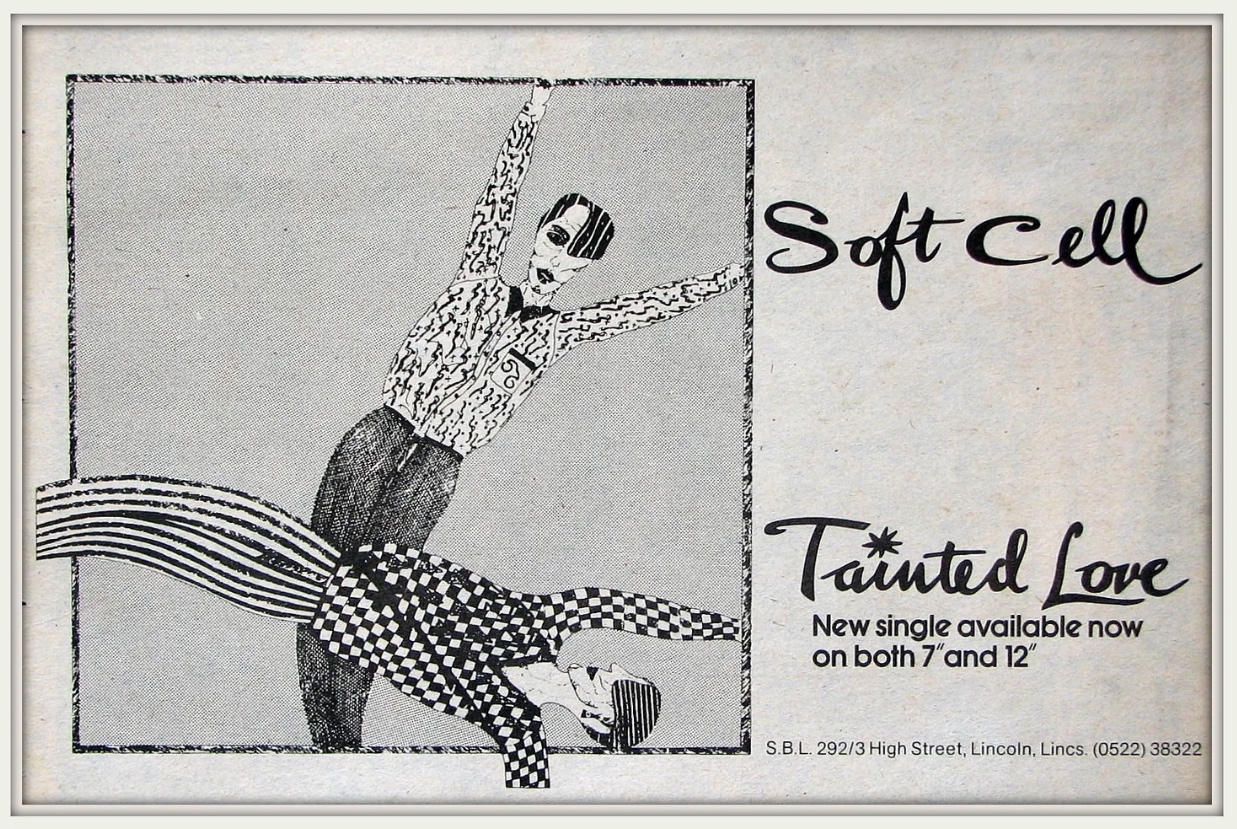
SOFT CELL - TAINTED LOVE

Publicació: juliol de 1981

Llistes: EUA: #8   Regne Unit: #1 (2 setmanes)


"Tainted love" és una versió d'una cançó de 1964 de la cantant de soul nord-americana Gloria Jones, la versió original de la qual es va publicar com a cara B del seu senzill "My Bad Boy's Comin' Home". La cançó va començar a tenir cert èxit als circuits de Northern Soul al Regne Unit, la qual cosa va fer que Jones enregistrés una nova versió el 1976 produïda pel seu xicot llavors Marc Bolan de T-Rex. Com a anècdota necrològica, cal dir que Jones era la persona que conduïa el Mini de Marc Bolan quan va perdre la vida en un accident de trànsit. Gloria Jones va dir que considera que la versió de Soft Cell és la millor. "M'encanta l'emoció de la seva veu, la seva versió és molt millor que la meva".


Al llibre "1000 UK #1 Hits" de Jon Kutner i Spencer Leigh, Marc Almond va dir que aquesta cançó "és una barreja d'electrònica amb una veu massa apassionada, exuberant i lleugerament fora de to". Almond recorda: "Dave Ball em va fer escoltar el disc de Jones i em va encantar. Volíem una cançó interessant per fer de bis als nostres concerts. A Dave li encantava el northern soul i era una novetat tenir a una banda de sintetitzadors electrònics fent una cançó soul. Quan vam signar amb la nostra discogràfica, van voler gravar-la. Ens van dir que hi posessim el baix, la guitarra i la bateria perquè deien que sonava massa estrany. La van llençar igualment i el següent pas va ser donar-li sortida a la ràdio. Després va ser número 1. Em va fascinar que fos originalment de Gloria Jones, la xicota de Marc Bolan perquè jo sempre havia estat un fan de T-Rex".


Phonogram Records va decidir llançar "Tainted Love" el 1981 com el segon senzill de Soft Cell. Els representants del segell Some Bizarre van donar a entendre que aquest single seria l'últim llançament del duo si no es venia bé. Però ho va fer, i va ser el senzill més venut de l'any a la Gran Bretanya, molt a prop de "Don't You Want Me" de Human League.


"Tainted Love" explora els estira i arronça entre el romanticisme d’una relació i l'aprehensió. El cantant està en conflicte entre obrir-se a la persona però també té por d'enganxar-se i fer-se mal. La cançó parla d'un període de qüestionament i reflexió sobre els errors passats, a més de ser prudents per deixar que algú torni a la seva vida. La persona ha de decidir si s'arriscarà a començar una nova relació, malgrat la por i el pesar que comporta, ja que aquest amor pot estar "tacat" pel passat. Certament tracta sobre una relació tòxica, amb el cantant adonant-se que l'ha de deixar. "I love you though you hurt me so" (T'estimo encara que em facis tant mal), canta, mentre lluita per seguir endavant. L'escriptor de la cançó, Ed Cobb, va dir a la revista Blender: "Vaig tenir una amant per a qui es podria dir que no era un bon individu. Vaig intentar posar-me en la seva situació i escriure una cançó des del seu punt de vista. Un cop la paraula 'tainted' va aparèixer al meu cap, la cançó es va escriure molt ràpidament".


La versió maxi-single inclou una altra versió de soul dels 60, "Where Did Our Love Go" de les Supremes, amb la que “Tainted love” enllaça. El maxi va tenir un gran èxit als clubs i va provocar un renaixement de la música de les Supremes a Anglaterra, on es va publicar un maxi-single amb un Medley dels grans èxits del grup de Diana Ross, que també va ser força popular.


Quan el disc es va publicar eren els temps en que va aparèixer la SIDA. A mesura que la malaltia va començar a estendre's, aquesta cançó va agafar un nou significat. Marc Almond va dir: "Va ser la primera vegada que sentíem parlar d'aquesta malaltia sense nom aleshores que afectava els homes gai als Estats Units. No va ser una vinculació intencionada, però a mesura que el disc va arribar a les llistes americanes, va agafar aquest altre significat". Almond és gai, però la seva companyia discogràfica ho va mantenir en secret.


Als Estats Units, Soft Cell és un grup anomenat “One hit Wonder”, es a dir, grups que només han assolit un èxit. "Tainted love" va entrar a la llista el 16 de gener de 1982 i va arribar al número 8 durant l'estiu de 1982. El disc va estar 43 setmanes a la llista del Top 100 americà, que va ser un record de longevitat en aquell moment.


SOFT CELL - TAINTED LOVE


Released: July 1981

Charted:  US: #8  UK: #1 (2 wks)


“Tainted love” is a cover of a 1964 song by American soul singer Gloria Jones, the original version of which was released as the B-side of her single "My Bad Boy's Comin' Home". The song began to have some success on the Northern Soul circuits in the UK, prompting Jones to record a new version in 1976 produced by her then-boyfriend Marc Bolan of T-Rex. As an obituary anecdote, it must be said that Jones was the person who was driving Marc Bolan's Mini when he lost his life in a traffic accident. Gloria Jones has said that she considers the Soft Cell version to be the best one. "I loved the emotion in his voice", she said. "Their version was far better than mine".


In the book “1000 UK #1 Hits” by Jon Kutner and Spencer Leigh, Marc Almond called this song "A mixture of cold electronics with an over-passionate, over-exuberant, slightly out of key vocal." Almond recalls, "Dave Ball introduced me to the record and I loved it so much and we wanted an interesting song for a encore number in our show. Dave loved northern soul and it was a novelty to have an electronic synthesizer band doing a soul song. When we signed with our record company, they wanted to record it. They told us to put bass, guitar and drums on it as they said it was too odd. They put it out anyway and the next thing it was gathering radio play and then it was #1. I was fascinated that it was originally by Gloria Jones, the girlfriend of Marc Bolan and I'd always been a T-Rex fan".


Phonogram Records decided to release "Tainted Love" in 1981 as the second single from Soft Cell. Some Bizarre label representatives hinted that this single would be the duo's last release if it did not sell well. But it did it, and it was the best-selling single of the year in Britain, very close to “Don't You Want Me” by the Human League.


"Tainted Love" explores the push-and-pull between romantic entanglement and apprehension. The singer is conflicted between wanting to let the person in but also afraid to get attached and hurt. The song talks about a period of questioning and reflecting on past mistakes, as well as being cautious of letting someone back into their life. The person must decide if they will take the risk of letting the other in, despite the fear and regret that comes with it as this love may be "tainted" by the past. Definitely this is about a toxic relationship, with the singer realizing he's got to leave it. "I love you though you hurt me so" he sings, as he struggles to move on. The song's writer, Ed Cobb, told Blender magazine: "I had a lover for whom you could say wasn't a good individual. I tried to go into her head and write a song from her standpoint. Once the word 'tainted' had popped into my head, the song was written very quickly".


The 12” single version contains a segue into another 60's soul cover, the Supremes' "Where Did Our Love Go" that was a great success in the clubs and caused a revival of the Supremes' music in England, where a 12” single was released with a Medley of the greatest hits of Diana Ross's group, which was also quite popular.


As AIDS began to spread, this song took on new meaning. Marc Almond said: "It was the first time we'd heard about this then-unnamed disease that was affecting gay men in America. It wasn't an intentional tie-in, but as the record hit the American charts, it took on this other meaning." Almond is gay, but his record company had him keep that under wraps.


In the US, Soft Cell is a one-hit wonder, “Tainted love” entered the chart in January 16, 1982 and reached number 8 during the summer of 1982. The single spent 43 weeks on the Top 100 chart, which was a longevity record at the time.


 YAZOO - NOBODY’S DIARY

Publicació: 9 de maig de 1983

Llistes: Regne Unit: #3


"Nobody's Diary" és una cançó gravada pel grup britànic de synth-pop Yazoo. Va ser llançad com el primer i únic senzill del seu segon i últim àlbum, "You and Me Both". La cançó va ser escrita per Alison Moyet i produïda per Yazoo, Eric Radcliffe i Daniel Miller.


Moyet va escriure "Nobody's Diary" als 16 anys, en un moment en què tocava en bandes a la zona sud-est d'Essex. Va ser una de les últimes cançons gravades per al disc. Vince Clarke va recordar el 2008: "Immediatament va destacar com el tema que s'havia de llançar com a senzill".


La cançó explora els sentiments d'anhel, rebuig i el desig de connexió emocional. La lletra descriu la lluita de la cantant per comunicar els seus pensaments i emocions a algú que li importa. El primer vers reflecteix la frustració de no poder expressar-se eficaçment. Moyet sent que els seus pensaments s'esvaeixen tan bon punt intenten parlar. El cor aprofundeix en el tema del canvi i la reticència a ser oblidat. Moyet s'adona que la seva relació està en un punt d'inflexió, però no vol que la relació es redueixi a una mera pàgina del seu diari. Ella no vol ser només un record passatger o una part del passat de l'altra persona. El segon vers introdueix la idea de recuperar l'afecte de l'altre. Ella creu que la seva connexió es pot restaurar si tenen l'oportunitat d'aguantar i parlar. La frase "That look in your eyes, I always recognize" (Aquesta mirada als teus ulls, sempre la reconec) suggereix que encara hi ha una connexió i comprensió profundes. Tot i les ganes de tornar a estar a prop, la repetició final de la tornada implica resignació i sensació d'esgotament emocional. La cantant no vol formar part de la història de l'altra persona o simplement una pàgina recurrent del seu diari. Probablement anhelen una relació més significativa i duradora.


"Nobody's Diary" es va descriure com "una cançó punyent, plena de fervor emocional que es manté fresca i sense data malgrat la tecnologia musical limitada de l'època".


La portada del senzill, dissenyada per Steven Appleby i realitzada per Acrobat Design, mostra un jove força modern en una banyera on sembla haver oblidat tancar l'aigua, de tan concentrat que està en els seus pensaments.


Mute Records va llançar un segon maxisingle addicional d'edició limitada de la cançó al Regne Unit amb "Situation" a la cara B. Sire Records va llançar "Nobody's Diary" als Estats Units amb "State Farm" com a doble cara A. "State Farm" no es va incloure a la versió britànica de "You and Me Both". La doble cara A va assolir el número u a la llista Hot Dance Club dels Estats Units el juliol de 1983.


YAZOO - NOBODY’S DIARY


Released: May 9, 1983

Charted:  UK: #3 


"Nobody's Diary" is a song recorded by British synth-pop band Yazoo. It was released as the first and only single from their second and final album, “You and Me Both”. The song was written by Alison Moyet and produced by Yazoo, Eric Radcliffe and Daniel Miller.


Moyet wrote "Nobody's Diary" around the age of 16, at a time when she was playing in bands in the south east Essex area. It was one of the last songs recorded for the album. Vince Clarke recalled in 2008: "It immediately stood out as the track that should be released as a single."


The song explores the feelings of longing, rejection, and the desire for emotional connection. The lyrics depict the singer's struggle to communicate their thoughts and emotions to someone they care about. The first verse reflects the frustration of being unable to express oneself effectively. Moyet feels that their thoughts slip away as soon as they try to speak. The chorus delves into the theme of change and the reluctance to be forgotten. Moyet realizes that their relationship is at a turning point, but don't want the relation to be reduced to a mere page ii her diary. She don't want to be just a passing memory or a part of the other person's past. The second verse introduces the idea of winning back the other person's affection. She believes that their connection can be restored if they have a chance to hold and talk. The line "That look in your eyes, I always recognize" suggests that they still feel a deep connection and understanding. Despite the desire to be close again, the final repetition of the chorus implies resignation and a sense of emotional exhaustion. The singer doesn't want to be part of the other person's history or simply a recurring page in their diary. They likely yearn for a more meaningful, lasting relationship.


"Nobody's Diary" was described as "a poignant offering, rife with emotional fervor that remains fresh and undated despite the limiting musical technology of the time”.


The single's cover art, designed by Steven Appleby with the cover art produced by Acrobat Design, shows a rather modern young man in a bathtub who appears to have forgotten to turn off the water, so concentrated is he on his private thoughts.


Mute Records released an additional second limited edition 12-inch single of the song in the United Kingdom with "Situation" on the flip side. Sire Records released "Nobody's Diary" in the United States with "State Farm" as a double A-side. "State Farm" was not included on the UK version of “You and Me Both”. The double A-side reached number one on the US Hot Dance Club Play chart in July 1983.