Total de visualitzacions de pàgina:

24.10.23


ELECTRIC LIGHT ORCHESTRA - TELEPHONE LINE / STRANGE MAGIC


TELEPHONE LINE

Released: May 1977

Charted:  UK: #8  US: #7 


"Telephone Line" is a song released through Jet Records and United Artists Records as part of the album “A New World Record”. It was the fourth single to be released from the record.


The song expresses a longing for a loved one and the desire to reconnect and hear their voice again. In the song, the narrator expresses their hope to reconnect over the phone after a period of separation and isolation. They also express longing and regret that their relationship is in a kind of twilight, with the love they had fading away due to time and distance. The lyrics reflect a need for comfort and support from the other person, and an eagerness to hear their voice on the other end of the line.


Jeff Lynne said: “I can remember writing this on an old out-of-tune upright piano. I somehow squeezed this song out of it. I sound really desperate and lonely on this one, and maybe I was. It's about trying to find a girl every night and you just can't get through to her. It was a scenario I thought of, but maybe it was prompted by the fact that I wasn't happy at the time. When I was a kid, I loved the plaintive songs of Del Shannon and Roy Orbison. They wrote songs that were really sad and those were the best. I thought I was writing those sort of songs. People tell me the song gives them a boost, but I never dreamed I was doing that for anybody”.


About use an American ring tone during the song Lynne explained: “To get the sound on the beginning, you know, the American telephone sound, we phoned from England to America to a number that we know nobody would be at, to just listen to it for a while. On the Moog, we recreated the sound exactly by tuning the oscillators to the same notes as the ringing of the phone”.


The sonic details in “Telephone Line” are lined up with meticulous care – every doo-wop backing vocal, every violin surge, every digital telephone ring, every dramatic chord change. “Hello, how are you?” Lynne asks up front, his voice masked by phone noise. Then the treble fades – “That’s what I’d say” – revealing his question as fantasy. “Telephone Line” is perpetual twilight – a post-midnight serenade that only grows dreamier as the years pass.


STRANGE MAGIC


Released: February 1976 (US)  July 1976 (UK)

Charted:  UK: #38   US: #14 


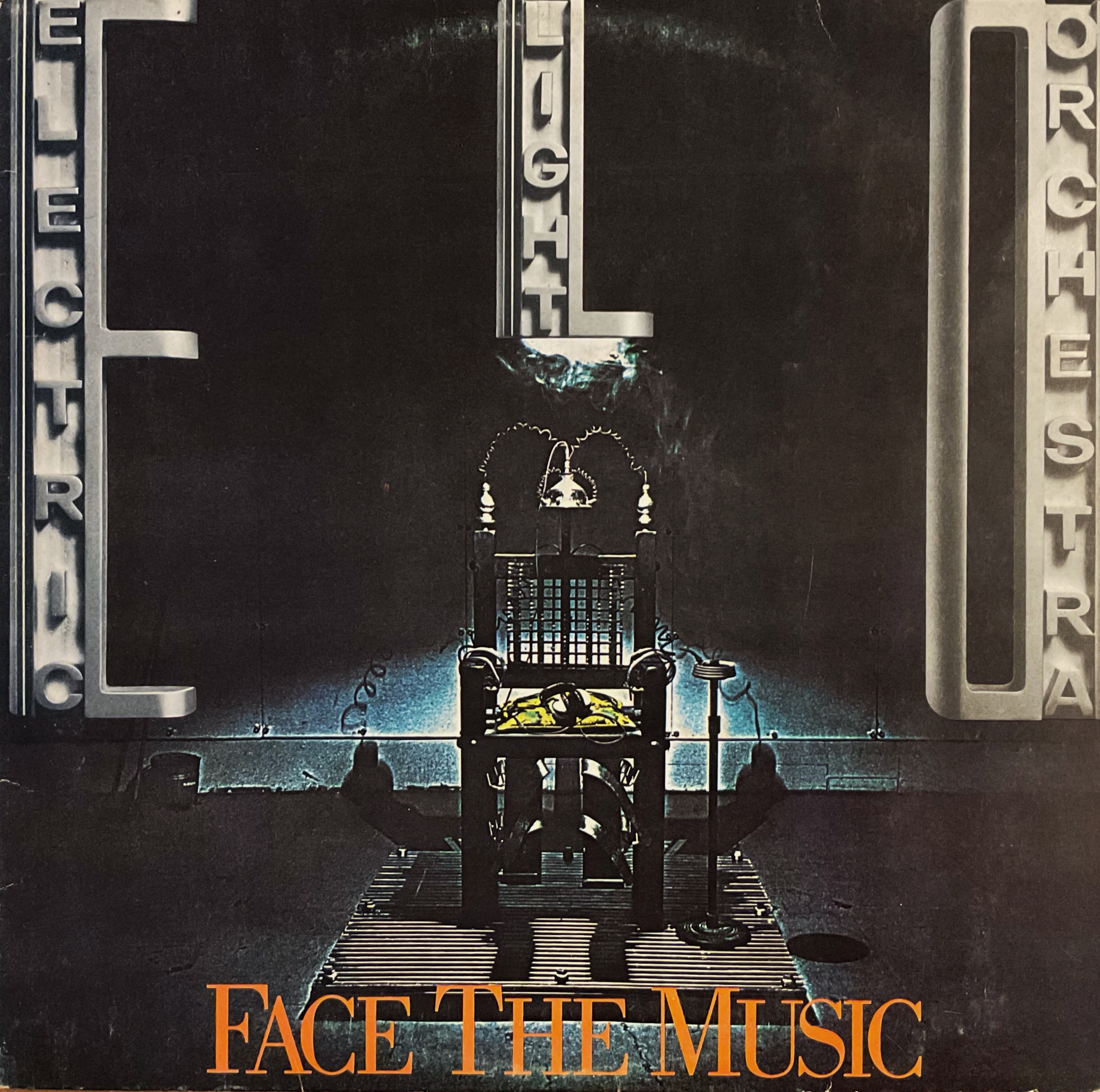
“Strange Magic” it’s a song featured on ELO's fifth studio album “Face the Music”. It was released as a single the following year, and despite only charting at 38 in the UK, has become one of their most popular and famous ballads, not only is a highlight of the band's first Top 10 album, it also marked a turning point in their career. After testing a couple of commercial pop songs on the previous album 1974's Eldorado, the group jumped into more radio-friendly tracks on “Face the Music”. This is one of the best.


The song refers to the fascination with a particular woman, describing the feeling you get when you first fall in love, with lyrics such as: "You're walking meadows in my mind, making waves across my time. I get a strange magic". Describing this love as walking meadows is thought to refer to this person taking up all of his thoughts, with the scale of the meadows indicating they're walking through them constantly. The infectious beat of the song also mirrors the exciting spirit that comes with falling in love. Overall, "Strange Magic" delves into the enchanting and otherworldly aspects of romantic attraction, suggesting that it has the power to transport individuals to a realm beyond the ordinary, where logic and understanding are replaced by the inexplicable and captivating forces of love.


“Strange Magic” is arguably the most George Harrison-esque track that Jeff Lynne ever penned, slightly serendipitous that they'd later become friends then bandmates when forming the Traveling Wilburys. Billboard considered it to be an "easy rocker" with "smooth vocals and skillful string arrangements". Record World said that "an immaculate production by Jeff Lynne maintains the high caliber of the group's recorded work”.




ELECTRIC LIGHT ORCHESTRA - LIVIN’ THING / FIRE ON HIGH


LIVIN’ THING

Released: October 29, 1976

Charted:  UK: #4   US: #13 


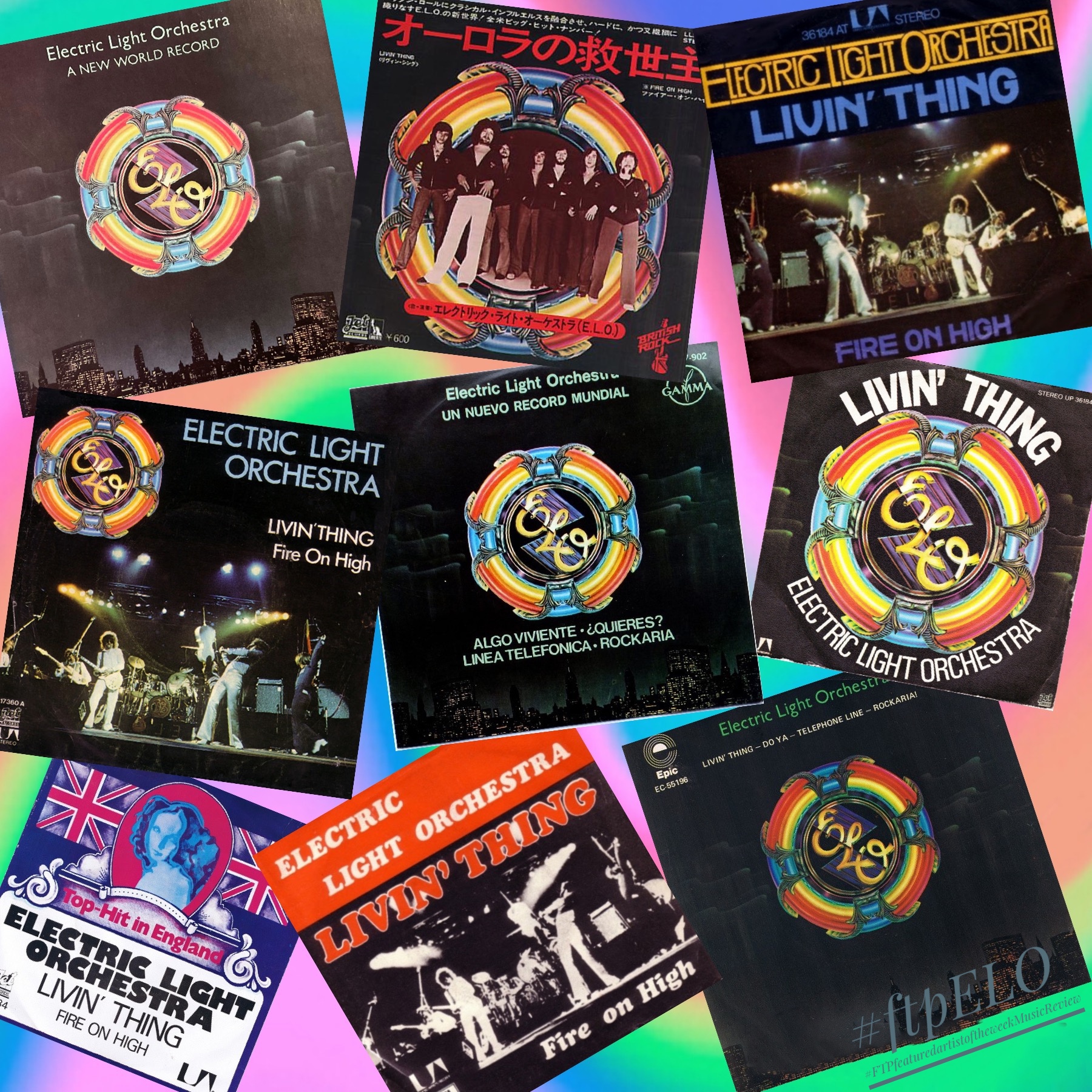
"Livin' Thing" is a song written by Jeff Lynne, released as the first single of ELO's 1976 album “A New World Record”. This song features a little bit of everything that made ELO great: a string-solo opening, soulful backing vocals, synth waves occasionally crashing into the chorus and a gigantic hook. 


"Livin' Thing” is a song about cherishing the moments we have and taking risks in life, even if things don't always turn out exactly as we planned. The singer explores how life is, how it's ever-changing and unpredictable, and emphasizes that it's a blessing just to be alive. He encourages the listener to recognize the beauty and potential in life, despite its fragility, and to not be afraid take chances. The chorus states that while living is a beautiful thing, it can also be a terrible thing to lose. The song is a reminder to embrace life courageously and to recognize that while it can be fragile, there is still so much to be grateful for.


Discussing the track, Jeff Lynne described the 'living thing' as being love itself, with the lyrics alluding to the loss of love. He said: "The song is just about love, love being a living thing". This can be heard in the lyrics: "It's a livin' thing, it's a terrible thing to lose. It's a given thing, what a terrible thing to lose". Despite this, the initial inspiration behind it was allegedly a bout of food poisoning. Laughing about the song's inspiration, Jeff told Hi-Fi News & Record Review in 2014: "You'll never be able to listen to it the same again. I wouldn't want anyone to think it's about a bad paella on a Spanish holiday".


The Beautiful South covered the song for their 2004 covers album “Golddiggas, Headnodders and Pholk Songs”. Released as a single, their version reached #24 on the UK charts.


Fun fact: Patti Quatro (the sister of Suzi Quatro) was an uncredited contributor to the song's backing vocals.


The original single had "Fire On High" on the flip side, a tune that became one of the band's most popular instrumental pieces.


FIRE ON HIGH


This instrumental piece defined ELO’s attempt to merge classical music and rock music together in one song. It was a concept defined in the roots of Progressive music, but Electric Light Orchestra brought an original sound to the crossing of genres. Jeff Lynne crafted some of the ’70s’ hookiest classic rock songs, but people forget he’s also a first-rate art-rocker – most ELO LPs feature at least one extended prog excursion, packed with dense arrangements and instrumental fireworks. 


“Face The Music” opener “Fire On High” presents ELO at their most excessive, which is precisely what makes it a forgotten classic. Like Ian Anderson on Jethro Tull’s “Thick As A Brick”, Lynne offers a winking, tongue-in-cheek celebration of the genre. The soaring choral voices, the sawing cellos, the breathless tempo shifts, the “Hallelujah” nods to Handel’s Messiah, Bev Bevan’s pummeling triplet tom-toms: “Fire” displays the complexity and widescreen scope of symphonic prog, but with a playfulness that many of the era’s legends often lacked.


This track become one of the most heard songs in the mid 1970s due to its use on CBS Sports Spectacular.  From the song’s creepy opening to the sports-themed glass-sounding mighty guitar riff, it has remained one of the most interesting and exciting Electric Light Orchestra songs in the band’s catalog. 


There are some lyrics in the intro that were recorded backwards (backmasking). When played backwards, it says: "The music is reversible, but time is not! Turn back, turn back, turn back."


 ELECTRIC LIGHT ORCHESTRA - SHOWDOWN


Released: September 14, 1973 (US) October 6, 1973 (UK)

Charted:  UK: #12  US: #53 


“Showdown” was written and produced by Jeff Lynne, serving as the last contemporary recording to be released on their label at the time, Harvest. The song was featured on their third album “On the Third Day” in the US, in the UK, however, the song was left off the album. In 2006, the remastered issue of “On the Third Day included the song on both the US and UK versions. The track has been described as having a funkier backbeat to their previous material, showing a change in style for the band - so it's no surprise that it was a personal favourite track of John Lennon's.


Jeff Lynne said: In the late 1960s, I was in a group called the Idle Race and this guy called Roy Wood that was in the Move, we used to meet up at the clubs in Birmingham and we got to be pals. We’d go to each other’s house and listen to each other’s music, and we thought it might be nice to have a group with strings in it. Back then, most groups didn’t have anything other than drums and guitar, organ and maybe saxophones and trumpets. I wanted to do something different than 15-minute guitar solos since I wasn’t that good at that anyway. The big problem with strings in those days is there was no pickups for them. It was a real pain in the ass trying to do shows. After about three months, Roy left me to do his own group. I carried on and became the sole producer and the sole writer.


I wrote “Showdown” in my mom and dad’s front room in Birmingham. I made the riff up and I was thrilled with it. I knew it was going to be a hit even after I had just done a few notes of it. When we cut it the engineer said, “This is a classic.” I was thrilled to bits. It’s one of my favorites, though the lyrics don’t mean anything, really. It’s just a story, a made-up scenario. A lot of people ask me what my songs mean and I have no idea. It means something different to me every time I sing it.


In 1974 Lennon said: "'Showdown' I thought was a great record and I was expecting it to be number one but I don't think UA [United Artists] got their fingers out and pushed it. And it's a nice group, I call them 'Son of Beatles', although they're doing things we never did, obviously. But I remember a statement they made when they first formed was to carry on from where the Beatles left off with 'Walrus' and they certainly did".


"Showdown" appears to be a song about a tumultuous and doomed romantic relationship. The lyrics depict a situation where the narrator encounters a woman who is heartbroken and expresses her concerns about a love affair that is bound to end. The line "Every dream in her heart was gone" suggests that she has lost hope and holds a pessimistic view of the future of their relationship. The song incorporates the metaphor of a showdown, symbolizing the impending confrontation or clash between the two individuals involved. The phrase "Looks like we're ridin' on the same train" implies that they are both heading towards a conflict, and it is anticipated that there will be more pain and suffering as a result. This sense of impending conflict is also reinforced by the repetition of the line "There's gonna be a showdown" throughout the song. The chorus, which emphasizes the rain "all over the world," suggests a metaphorical representation of the emotional turmoil and sadness surrounding the situation. The rain is a symbol of the hardships and difficulties that the characters are facing in their relationship. The phrase "the longest night" conveys a sense of despair and intensifies the feeling of emotional struggle that they are experiencing.


ELECTRIC LIGHT ORCHESTRA - EVIL WOMAN


Released: October 1975 (US)  January 1976 (UK)

Charted:  UK: #10   US: #10 


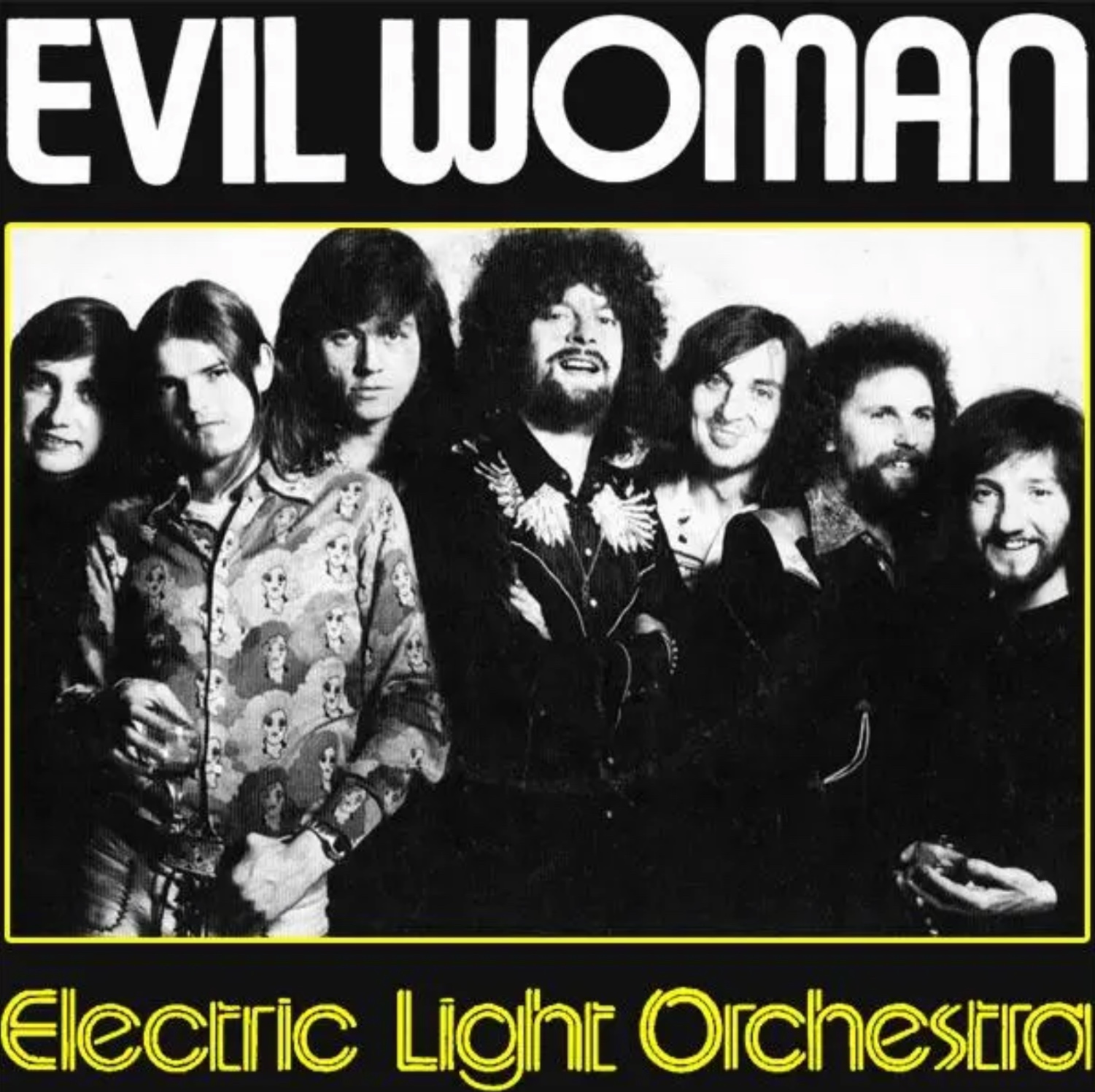
"Evil Woman" was released as a single in England on Jet Records, one of the first on the new label, with a “10538 Overture” on the B-side. In the US, it is the seventh single and was released on United Artists Records and the same edition of “10538 Overture” on side B. It was also released as the third track on side 1 of the album “Face The Music” in September 1975 in the US and in November 1975 in England. Interestingly, both individual versions are edits of the album version, with the UK version simply editing out the intro and the US version having several interesting edits. The B side in many other countries was “Nightrider” and “Poker” in Spain.


The song became Electric Light Orchestra's first true global hit, reaching the top ten in both the United States and the United Kingdom. It's since regarded as one of their essential songs, and has been sampled countless times over the years. This single was the first ELO platinum-selling record in the United States.


"Evil Woman" is a song about a woman whose deceit and manipulation has been destructive in a relationship. The song has a quite literal meaning, referring to a woman that has played with the singer's emotions and his somewhat pleasure in seeing her 'feeling pain'. This can be heard in lyrics like: "You made a fool of me", "you broke me up", and: "You destroyed all the virtues that the Lord gave you, it's so good that you're feelin' pain". The song's chorus is essentially a warning to this woman to stop her wicked ways - "Evil woman, evil woman, evil woman, evil woman..." The verses tell the story of someone who had hopes and dreams of a successful relationship but found themselves tricked and fooled by the evil woman, who only used the person for her own gain. Despite knowing that she is just using him and has nowhere else to turn, Jeff also alludes to the fact he will always be there for her when she cries. The lyrics read: "You made the wine, now you drink a cup. I came runnin' every time you cried, thought I saw love smilin' in your eyes. Ha, ha, very nice to know that you ain't got no place left to go". The song's message is one of caution and reflection on how a person's actions can have far-reaching consequences.


Jeff said: I wrote this in a matter of minutes. The rest of the album (Face the Music) was done. I listened to it and thought, "There's not a good single." So I sent the band out to a game of football and made up "Evil Woman" on the spot. The first three chords came right to me. It was the quickest thing I'd ever done. We kept it slick and cool, kind of like an R&B song. It was kind of a posh one for me, with all the big piano solos and the string arrangement. It was inspired by a certain woman, but I can't say who. She's appeared a few times in my songs. Playing concerts in those days wasn't fun. The sound was always bad and we were still playing theaters and town halls, the occasional dance hall. After "Evil Woman," we got more gigs, but it didn't change my life all that much. You can't buy a palace or anything after just one hit.


“Evil Woman” follows in the footsteps of rock mythology: Jeff Lynne supposedly borrowed the three-chord structure from the end of Led Zeppelin's “Stairway To Heaven” and developed it. Also paid tribute to The Beatles' “Fixing A Hole” with the lyric: ‘There's a hole in my head where the rain comes in’.