Total de visualitzacions de pàgina:

2.11.23


THE BEATLES - NOW AND THEN


Released: November 2, 2023

Charted: ?


"Now and Then" is a single by the Beatles, released as a double A-side single, paired with a new mix of the band's first single, "Love Me Do" (1962). Dubbed "the last Beatles song", it is also to be included on the expanded re-issue of the 1973 compilation 1967–1970, to be released on 10 November 2023.


The story of “Now and Then”, which can be heard from today, confronts too many shots to be left with only 4 minutes and 8 seconds that this “Jealous Guy” type ballad lasts (without wanting to compare: it is only indicative). There is no older school in pop music than that of the Beatles, the most transcendental group in history; and there is no greater ghost for the defenders of rock classicism than high technology embodied by that demon that is upon us called artificial intelligence (AI). Sparks are flying to such an extent that for a few days now the abundant press releases about the Liverpool quartet's new song have erased the mention of AI, something that Paul McCartney did mention last June when he broke the news on BBC Radio 4. “Paul McCartney says artificial intelligence has enabled a final Beatles song,” the BBC headlined.


The official statement insists that the technology has not been used to artificially build on Lennon's voice, but "to preserve the clarity and integrity of the original vocal performance, separating it from the piano." AI, therefore, to file and clean sounds and not to create. Once this clarity has been achieved, the 2023 grafts arrive: McCartney (Liverpool, 81 years old) has contributed bass and piano and Starr (Liverpool, 83 years old) drums; A guitar belonging to Harrison (who died in 2001) has been recovered and backing vocals have been added. In addition, McCartney has recorded some “George-style” slide guitar drawings and Giles Martin, son of producer and fifth Beatle George Martin (who died in 2016), has written a string arrangement.


“Now and Then” is a piece from the late seventies, recorded on piano and voice by a thirty-something Lennon in a room in the Dakota building in New York, where the Beatle lived with his partner, Yoko Ono, and where he was murdered (in the door) on December 8, 1980 aged 40 by Mark David Chapman. We are, therefore, facing a theme, in its origin, of Lennon. In the mid-nineties, Paul, Ringo and George asked Yoko Ono if she kept Lennon material in a drawer. Ono offered them three songs on a homemade cassette that his partner was working on: “Free As a Bird”, “Real Love” and “Now and Then”. 


The three Beatles worked on them, but they were only able to save the first two, which they included in the compilations “Anthology 1” (“Free As a Bird”, 1995) and “Anthology 2” (“Real Love”, 1996). The technology of the time could not obtain optimal quality from the tape on which “Now and Then” was found. Thanks to tools like artificial intelligence, a new quartet theme has now been sculpted. Paul and Ringo have worked with the same machinery that filmmaker Peter Jackson used in the acclaimed documentary “Get Back” (2021). “There was John's voice, clear as crystal. It was exciting. And we all play. "It is a genuine recording by the Beatles in 2023", McCartney said in a 12-minute mini-documentary where the origin of the song is told. Ringo Starr emphasizes: “It was like John was there, in the studio.” “Now and Then” will be included, starting November 10, in the reissue of the Red and Blue compilation albums, the musical and sentimental guides of many generations. The reality is that in 2023, the Beatles and the Rolling Stones have released new songs. Although many people under 25 years old are not going to find out...


31.10.23


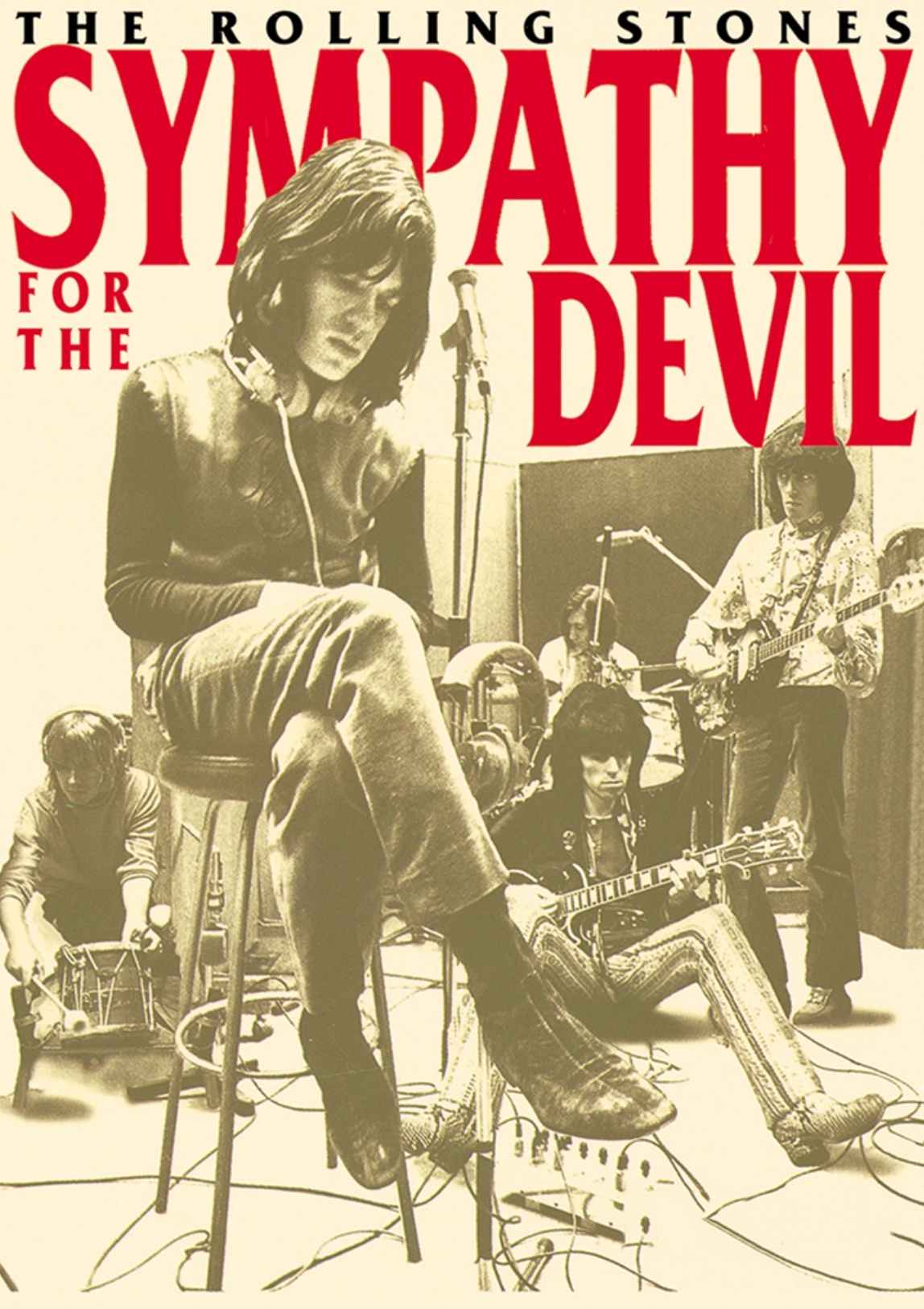
ROLLING STONES - SYMPATHY FOR THE DEVIL 


Publicació: 6 de desembre de 1968

Llistes: Regne Unit: #14 EUA: #97


"Sympathy for the Devil" és una cançó dels Rolling Stones escrita per Mick Jagger i acreditada a l'associació Jagger-Richards. És el tema d'obertura de l'àlbum de la banda de 1968 "Beggars Banquet". Jagger afirma que tracta sobre el costat fosc de l'home, no d'una celebració del satanisme. Aquesta sinistra cançó va perpetuar la imatge dels Stones com a nois dolents i aterridors.


El títol provisional de la cançó era "The Devil Is My Name", després d'haver estat anomenada d’inici "Fallen Angels". Jagger canta en primera persona com si fos el diable, que presumeix del seu paper en cadascuna de les diverses atrocitats històriques citades, i demana repetidament a l'oient que "guess my name” (endevina el meu nom). Jagger demana la cortesia de l'oient cap a ell, castigant implícitament els oients per la seva culpabilitat col·lectiva en els assassinats i crims enumerats.


La lletra es va inspirar en "El mestre i Margarita", un llibre de Mikhail Bulgakov. La cantant britànica Marianne Faithfull era la xicota de Mick Jagger en aquell moment i ella li va regalar el llibre. Al llibre, el diable és un gentleman sofisticat, un home de riquesa i gust. Els cors "whoo-whoo" es van afegir quan la núvia de Keith Richards, Anita Pallenberg, ho va fer durant una presa als assajos i als Stones els va agradar com sonava. Pallenberg la va cantar al disc juntament amb Richards, Brian Jones, Bill Wyman, Marianne Faithfull i Jimmy Miller.


Keith Richards va dir l'any 2002: "'Sympathy' és una cançó força engrescadora. Només és qüestió de mirar el Diable a la cara. Ell sempre hi és. He tingut un contacte molt proper amb Llucifer; l'he conegut diverses vegades. La gent malvada tendeix a enterrar-lo i espera que tot s'arregli i no aixequi el cap. "Sympathy For The Devil" és igual d'adequada ara, amb l'11-S. Aquí està de nou, és la seva gran època. Quan aquella cançó va ser escrita, va ser una època de convulsions. 


Va ser el primer caos internacional des de la Segona Guerra Mundial. I la confusió no és l'aliat de la pau i l'amor. Vols pensar que el món és perfecte. Tothom queda absorbit per això. I com Amèrica ha descobert amb consternació, no us podeu amagar. També podeu acceptar el fet que el mal hi és i s’ha de tractar-lo de la manera que pugueu. “Sympathy for the Devil” és una cançó que diu: No ho facis. oblida'l. Si t'enfrontes an ell, llavors es queda sense feina".


Alguns dels esdeveniments històrics esmentats en aquesta cançó són la crucifixió de Crist, la Revolució Russa, la Segona Guerra Mundial i els assassinats dels Kennedy. Robert Kennedy va ser assassinat el 5 de juny de 1968, després que Mick Jagger comencés a escriure la cançó. La lletra original era "qui va matar Kennedy?" referint-se a l'assassinat de John F. Kennedy el 1963, però el va haver de canviar per "qui va matar els Kennedy?"


La cançó va adquirir un significat més fosc quan els Stones la van tocar al concert d'Altamont Speedway el 6 de desembre de 1969, abans que un fan fos apunyalat mortalment per membres de la banda dels Hells Angels contractats per seguretat. A mesura que la tocaven, la multitud es va tornar més rebel; unes quantes cançons més tard, durant "Under My Thumb" es va produir l'apunyalament. Tot això està documentat a la pel·lícula "Gimme Shelter".


Carlos Santana pensava que els Stones estaven jugant amb foc en aquesta cançó. "No tinc cap simpatia pel diable", va dir en una entrevista a NME. "M'agrada el ritme de la cançó, però mai m'identifico amb la lletra. Jagger i Richards no saben realment fins a quin punt de què parlen. Si sabessin en què s'estan ficant quan canten aquesta cançó no ho farien. El diable no és el Pare Noel. És de veritat". Santana va ser un dels intèrprets del desafortunat concert d'Altamont, i no va permetre que res del seu metratge aparegués a la pel·lícula "Gimme Shelter".


ROLLING STONES - SYMPATHY FOR THE DEVIL 


Released: December 6, 1968

Charted:  UK: #14   US: #97 


"Sympathy for the Devil" is a song by the Rolling Stones written by Mick Jagger and credited to the Jagger–Richards partnership. It is the opening track on the band's 1968 album “Beggars Banquet”. Jagger claims this is about the dark side of man, not a celebration of Satanism. This sinister song perpetuated the image of the Stones as frightening bad boys. 


The working title of the song was "The Devil Is My Name", having earlier been called "Fallen Angels". Jagger sings in first person narrative as the devil, who boasts of his role in each of several historical atrocities and repeatedly asks the listener to "guess my name". The singer demands the listener's courtesy towards him, implicitly chastising the listeners for their collective culpability in the listed killings and crimes.


The lyrics were inspired by “The Master and Margarita”, a book by Mikhail Bulgakov. British singer Marianne Faithfull was Mick Jagger's girlfriend at the time and she gave him the book. In the book, the devil is a sophisticated socialite, a man of wealth and taste. The "whoo-whoo" backing vocals were added when Keith Richards' girlfriend, Anita Pallenberg, did it during a take and the Stones liked how it sounded. Pallenberg sang it on the record along with Richards, Brian Jones, Bill Wyman, Marianne Faithfull and Jimmy Miller.


Keith Richards said in 2002: "'Sympathy' is quite an uplifting song. It's just a matter of looking the Devil in the face. He's there all the time. I've had very close contact with Lucifer - I've met him several times. Evil - people tend to bury it and hope it sorts itself out and doesn't rear its ugly head. 'Sympathy For The Devil' is just as appropriate now, with 9/11. There it is again, big time. When that song was written, it was a time of turmoil. It was the first sort of international chaos since World War II. And confusion is not the ally of peace and love. You want to think the world is perfect. Everybody gets sucked into that. And as America has found out to its dismay, you can't hide. You might as well accept the fact that evil is there and deal with it any way you can. Sympathy for the Devil is a song that says, Don't forget him. If you confront him, then he's out of a job.”


Some of the historical events mentioned in this song are the crucifixion of Christ, the Russian Revolution, World War II, and the Kennedy assassinations. Robert Kennedy was killed on June 5, 1968, after Mick Jagger started writing the song. His original lyric was "who killed Kennedy?" referring to the 1963 John F. Kennedy assassination, but he changed it to "who killed the Kennedys?"


The song took on a darker meaning when The Stones played it at their Altamont Speedway concert on December 6, 1969, before a fan was fatally stabbed by Hells Angels gang members hired for security. As they played it, the crowd got more unruly; a few songs later, during "Under My Thumb" the stabbing occurred. This is all documented in the film “Gimme Shelter”.


Carlos Santana thought The Stones were playing with fire on this song. "I don't have no sympathy for the devil," he said in an NME interview. "I like the beat of the song but I never identify with the lyric. Jagger and Richards don't really know the full extent of what they're talking about. If they knew what they were getting into when they sing that song they would not be doing it. The devil is not Santa Claus. He's for real." Santana was one of the performers at the ill-fated Altamont concert, and he didn't allow any of their footage into the “Gimme Shelter” film.


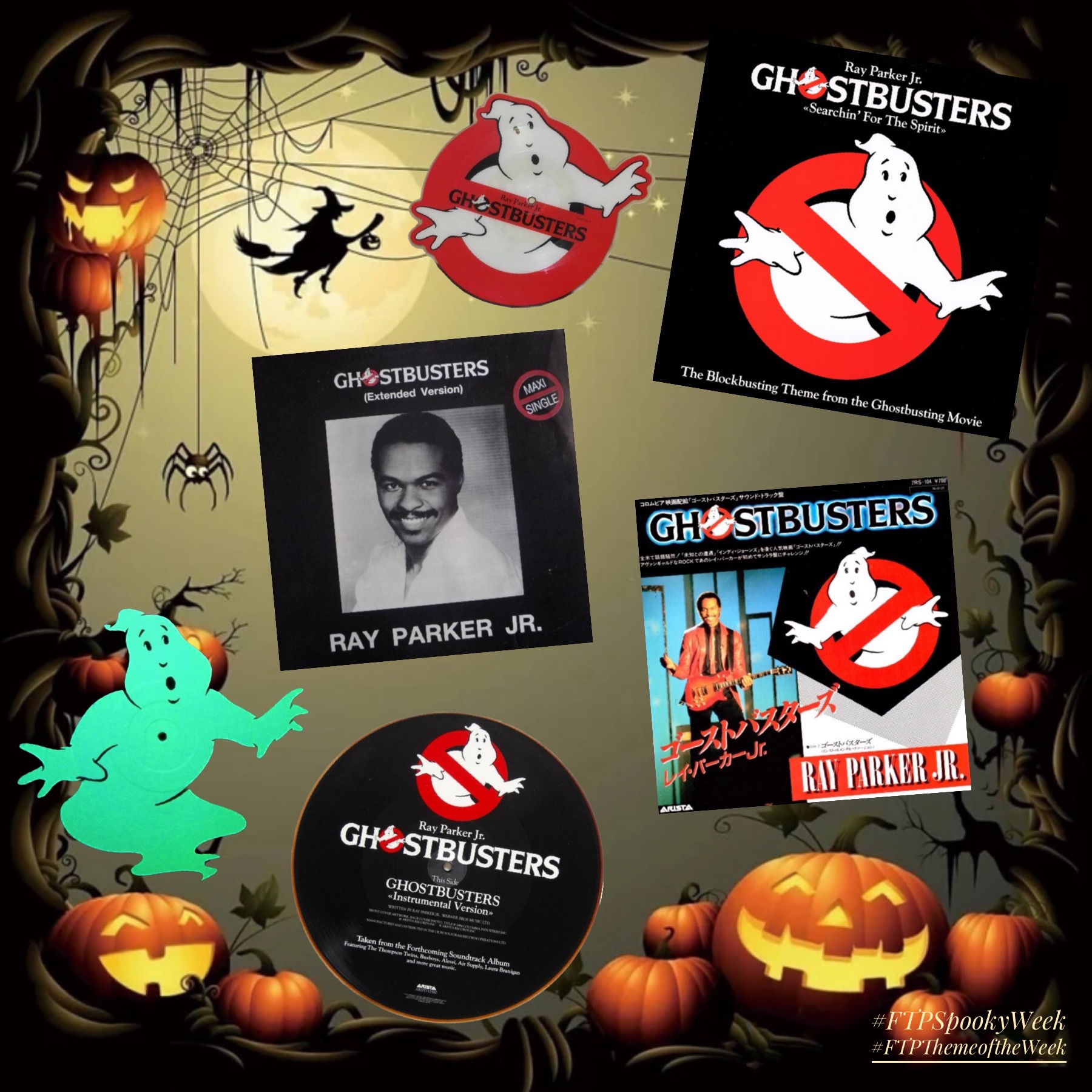
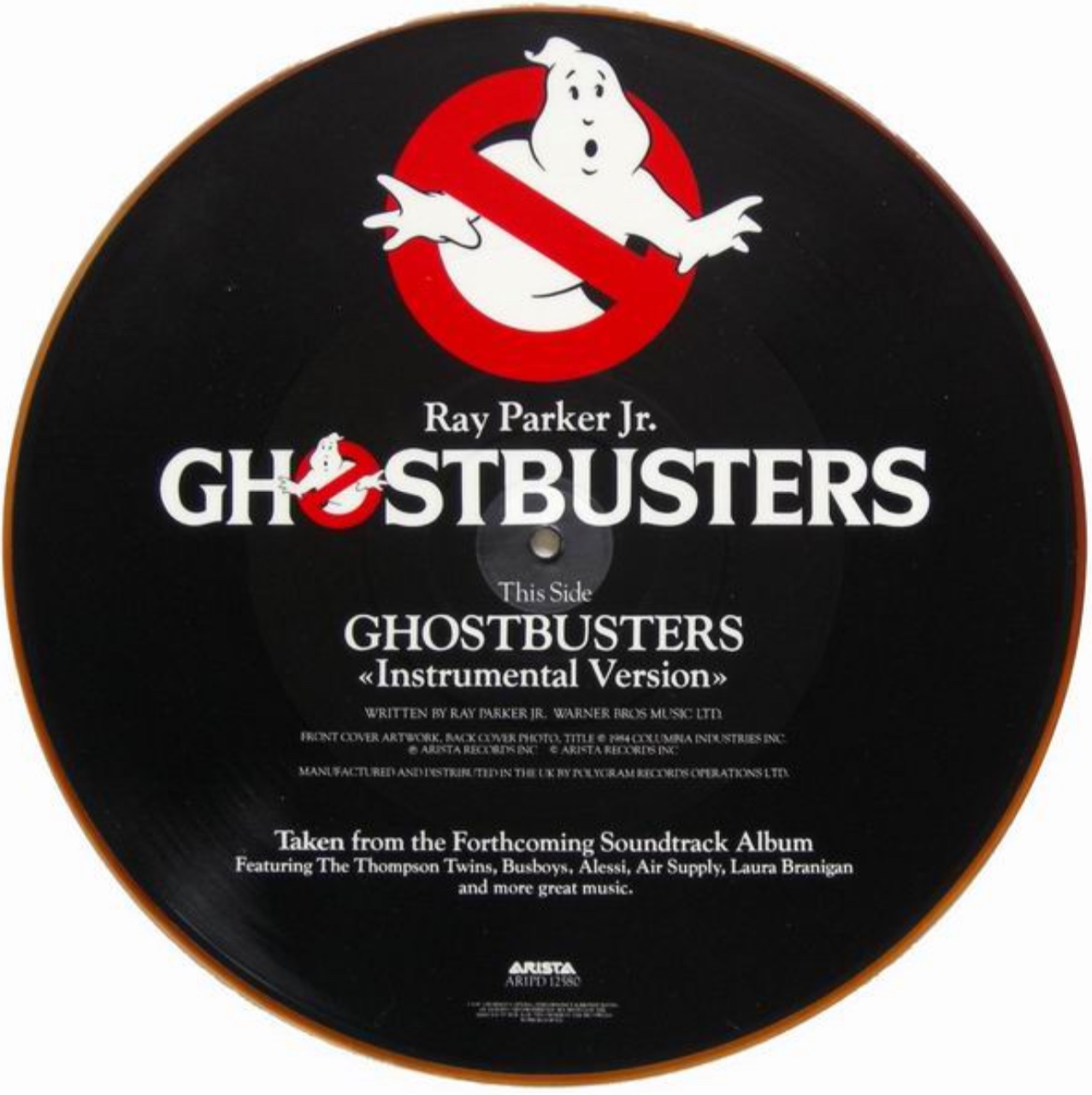
RAY PARKER JR. - GHOSTBUSTERS


Publicació: 8 de juny de 1984

Llistes: Regne Unit: #2   EUA: #1 (3 setmanes)


"Ghostbusters" és una cançó escrita pel músic nord-americà Ray Parker Jr. com a tema de la pel·lícula del mateix nom protagonitzada per Bill Murray, Dan Aykroyd, Harold Ramis, Ernie Hudson i Sigourney Weaver. El director de la pel·lícula, Ivan Reitman, va insistir que el títol de la pel·lícula estigués a la cançó, cosa que va fer que Ray Parker Jr. desconfiés de l'encàrrec. Un cop va començar a treballar-hi, Parker el va escriure en pocs dies.


Parker va haver de ser bastant creatiu en això, ja que escriure una cançó amb la paraula "Ghostbusters" és bastant difícil. En una entrevista, Parker va dir: "Ara sona fàcil perquè has escoltat la cançó. Però si algú et diu que escrius una cançó amb la paraula 'Ghostbusters', és bastant complicat. Aquesta va ser la part difícil: aconseguir el títol a la cançó". Parker va afegir que va aconseguir que la seva xicota i els seus amics cridessin el títol de la tornada, ja que ell no volia cantar-ho. Parker, que era un reconegut músic de sessió, va tocar la majoria dels instruments de la cançó. 


Huey Lewis va demandar a Parker per plagiar la melodia de la seva cançó "I Want A New Drug" a “Ghostbusters”. Es va resoldre fora dels tribunals i van acordar no parlar del cas en públic, però el 2001, Lewis va revelar en un episodi de Behind The Music de VH1 que Parker va pagar per resoldre la demanda. Després, Parker va demandar a Lewis per violar els termes del seu acord. En un article de 2004 per a la revista Premiere, els cineastes van admetre haver utilitzat la cançó "I Want a New Drug" com a música de fons temporal en moltes escenes. També van assenyalar que s'havien ofert a contractar Huey Lewis and the News per escriure el tema principal, però la banda ho va rebutjar. Aleshores, els cineastes van donar imatges de la pel·lícula, amb la cançó de Lewis de fons, a Parker per ajudar-lo a escriure el tema principal.


Lindsey Buckingham de Fleetwood Mac va declarar que se li van apropar per escriure el tema "Ghostbusters" basant-se en la seva exitosa contribució a la pel·lícula  "National Lampoon's Vacation", amb la cançó "Holiday Road". Va declinar l'oportunitat perquè no volia ser conegut com a artista de bandes sonores.


RAY PARKER JR. - GHOSTBUSTERS


Released: June 8, 1984

Charted:  UK: #2   US: #1 (3 weeks)


"Ghostbusters" is a song written by American musician Ray Parker Jr. as the theme of the film of the same name starring Bill Murray, Dan Aykroyd, Harold Ramis, Ernie Hudson and Sigourney Weaver. The film's director Ivan Reitman insisted that the title of the film be in the song, which made Ray Parker Jr. leery of the assignment. Once he started working on it, Parker wrote it in just a few days.


Parker had to get pretty creative with this, as writing a song with the word "Ghostbusters" in it is quite challenging. In an interview Parker said: "It sounds easy now because you've heard the song. But if somebody told you to write a song with the word 'Ghostbusters' in it, it's pretty difficult. That was the hard part - getting the title in the song." Parker added that he got his girlfriend and her friends to shout the title for the chorus, since he didn't want to sing it. Parker, who was a renowned session musician, played most of the instruments on the track.


Huey Lewis sued Parker for plagiarizing the melody to his song "I Want A New Drug" on this track. They settled out of court and agreed not to talk about the case in public, but in 2001, Lewis revealed that Parker paid to settle the suit on an episode of VH1's Behind The Music. Parker then sued Lewis for violating the terms of their agreement. In a 2004 article for Premiere magazine, the filmmakers admitted to using the song "I Want a New Drug" as temporary background music in many scenes. They also noted that they had offered to hire Huey Lewis and the News to write the main theme but the band had declined. The filmmakers then gave film footage, with Lewis's song in the background, to Parker to aid him in writing the theme song.


Lindsey Buckingham of Fleetwood Mac stated that he was approached to write the “Ghostbusters” theme based on his successful contribution to “National Lampoon's Vacation”, "Holiday Road". He declined the opportunity as he did not want to be known as a soundtrack artist.


AC/DC - HIGHWAY TO HELL


Publicació: 27 de juliol de 1979

Llistes: Regne Unit: #56    EUA: #47


"Highway to Hell" és una cançó de la banda de rock australiana AC/DC. És el tema d'obertura del seu àlbum de 1979 amb el mateix títol. Aquesta va ser la primera cançó d'AC/DC a les llistes als EUA. Aquest impuls va ajudar a vendes enormes per a l'àlbum, que ha venut més de set milions de còpies a Amèrica. Va ser el sisè àlbum d'AC/DC, i el darrer amb el vocalista Bon Scott, que va morir el 1980 per beure en excès. El seu següent àlbum, "Back In Black", va ser dedicat a ell.


El títol s'atribueix sovint com una frase que el guitarrista d'AC/DC Angus Young va utilitzar per descriure les gires als Estats Units. Hi ha una explicació molt més literal, però. "Highway to Hell" era el sobrenom de la Canning Highway a Austràlia. Va des d'on vivia el cantant Bon Scott a Fremantle i acaba en un pub / bar anomenat The Raffles, que va ser un gran lloc per beure i escoltar rock 'n roll als anys 70. A mesura que Canning Highway s'acosta al pub, cau en un fort descens. No hi ha senyals de stop ni límits de velocitat. Moltes persones van morir conduint ràpidament per aquella intersecció al cim del turó de camí per passar una nit de farra, pel que es va passar a anomenar la carretera de l'infern, així que quan en Bon deia "Estic a la carretera de l'infern" significava que feia el pelegrinatge nocturn o setmanal per Canning Highway fins al bar The Raffles per beure i beure amb els seus companys.


El vocalista Brian Johnson va explicar a The Metro el 15 d'octubre de 2009: "la cançó va sobre estar a l'autobús a la carretera, on es triga una eternitat a arribar de Melbourne o Sydney a Perth a través de la plana de Nullarbor. No hi ha res a fer, excepte jugar a cartes. Quan el Sol es pon a l'oest és com una bola de foc, i veient això va ser com Bon va trobar la lletra".


Mutt Lange va produir l'àlbum. Lange va prendre el relleu després de sessions fallides amb Eddie Krammer, que tenia un currículum sòlid que incloïa treballs amb Led Zeppelin i Jimi Hendrix, però el seu estil procedimental no funcionava per a AC/DC. Lange va poder millorar el so de la banda sense alterar la seva essència. En aquesta cançó, va afegir una forta veu de fons als cors, cosa que AC/DC no havia fet en els seus treballs anteriors. Aquest i altres perfeccionaments de producció van ajudar a convertir la cançó en un èxit i a ampliar el seu públic.


Una campanya per convertir-la en la millor cançó de les llistes de singles del Regne Unit per al Nadal de 2013 va fer que arribés al número 4,  asolint així el primer èxit britànic d'AC/DC en el top 10 després d’una carrera de 40 anys. Els hard rockers anglo-australians havien estat anteriorment l'artista més reconegut que mai no havia tingut un single d'èxit al Top 10 al Regne Unit, després d'haver aconseguit un total de 30 entrades a les llistes, cap de les quals no ha arribat mai més amunt del lloc 12, aquest honor va ser per a la  cançó de 1988 "Heatseeker".


AC/DC - HIGHWAY TO HELL


Released: July 27, 1979

Charted:  UK: #56   US: #47 


"Highway to Hell" is a song by Australian rock band AC/DC. It is the opening track of their 1979 album of the same name. This was the first AC/DC song to chart in the US. It drive helped huge sales for the album, which has sold over seven million copies in America. It was AC/DC's sixth album, and their last with vocalist Bon Scott, who died in 1980 from excessive drinking. Their next album, “Back In Black”, was dedicated to him.


The title is often attributed as a phrase AC/DC guitarist Angus Young used to describe touring in America. There is a much more literal explanation, however. "Highway to Hell" was the nickname for the Canning Highway in Australia. It runs from where lead singer Bon Scott lived in Fremantle and ends at a pub/bar called The Raffles, which was a big rock 'n roll drinking hole in the '70s. As Canning Highway gets close to the pub, it dips down into a steep decline: "No stop signs... speed limits... nobody gonna slow me down." So many people where killed by driving fast over that intersection at the top of the hill on the way for a good night out, that it was called the highway to hell, so when Bon was saying "I'm on the highway to hell" it meant that he was doing the nightly or weekly pilgrimage down Canning Highway to The Raffles bar to rock and drink with his mates: "Ain't nothing I would rather do. Going down, party time, my friends are gonna be there too."


Vocalist Brian Johnson explained to The Metro October 15, 2009: "It was written about being on the bus on the road where it takes forever to get from Melbourne or Sydney to Perth across the Nullarbor Plain. When the Sun's setting in the west and you're driving across it, it is like a fire ball. There is nothing to do, except have a quick one off the wrist or a game of cards, so that's where Bon came up with the lyrics."


Mutt Lange produced the album. Lange took over after failed sessions with Eddie Krammer, who had a solid resumé that included work with Led Zeppelin and Jimi Hendrix, but whose procedural style didn't work for AC/DC. Lange was able to enhance the band's sound without altering their essence. On this song, he added robust background vocals to the choruses - something AC/DC didn't do on their previous efforts. This and other production refinements helped made the song a hit and expand their audience.


A campaign to make this the top song on the UK singles chart for Christmas 2013 resulted in a #4 placing and AC/DC's first top 10 British hit in a 40-year career. The Anglo-Australian hard rockers had previously been the most successful act never to have had a Top 10 hit single in the UK, having achieved a grand total of 30 chart entries, none of which have ever peaked any higher than #12 (that honor went to 1988 hit "Heatseeker").