"It's No Good" a song released as the second single from the 1997 ninth studio album Ultra”. It was commercially successful, reaching number one in Denmark, Spain, Sweden and on the US Billboard Hot Dance Club Play chart.
"It's No Good" carries a subtle synth melody, with lyrics that express emotions of unrequited love. The song emphasizes atmosphere, with suspenseful overtones and no huge crescendos to be found, but that didn’t stop this tune from shuffling its way up the charts.
The song is about a relationship gone wrong. In the song, the singer is trying to convince the person they are with that they should stick together, no matter how difficult it might be. The singer is trying to convince the person that although it might not feel like it right now, it will eventually work out and they will be together happily in the end. He also acknowledges that they can't keep the person from moving on, but they firmly believe that it won't be good without them. The song ultimately comes to the conclusion that the two of them belong together and that it's no good when they're apart.
Martin Gore said in 1998: "This is the one that sounded most like Depeche Mode on “Ultra”, but I still really like it, because it's again, just on that right side of commerciality. I think it's really good when we achieve that balance." Dave Gahan told MTV in 1997: "It was the most Depeche Mode sounding song that we've put out for a long time. The title itself is pretty funny, Depeche Mode's new single, 'It's No Good'. I like that."
Gore described having felt initially hesitant to record 'It's No Good' at the demo stage due to its apparent mainstream pop-like qualities in a 2016 interview: There's a friend of mine who lives in Australia, and I don't see her very often at all, but when I wrote that song, I thought that maybe it was a little on the "poppy" side. We always have this kind of like, line that we draw in the sand, and if a song crosses over too much, then it's like, "Ohhh, we're not sure, what are we gonna do?" If we do it, we're gonna have to really change it or something. So I didn't think, 'Oh, this is an amazing song, this is a great hit', I was like, "I'm not sure about it", and I actually remember playing it to her on a guitar, and she said: 'No Martin, that's it. You gotta do that. That's a hit'.”
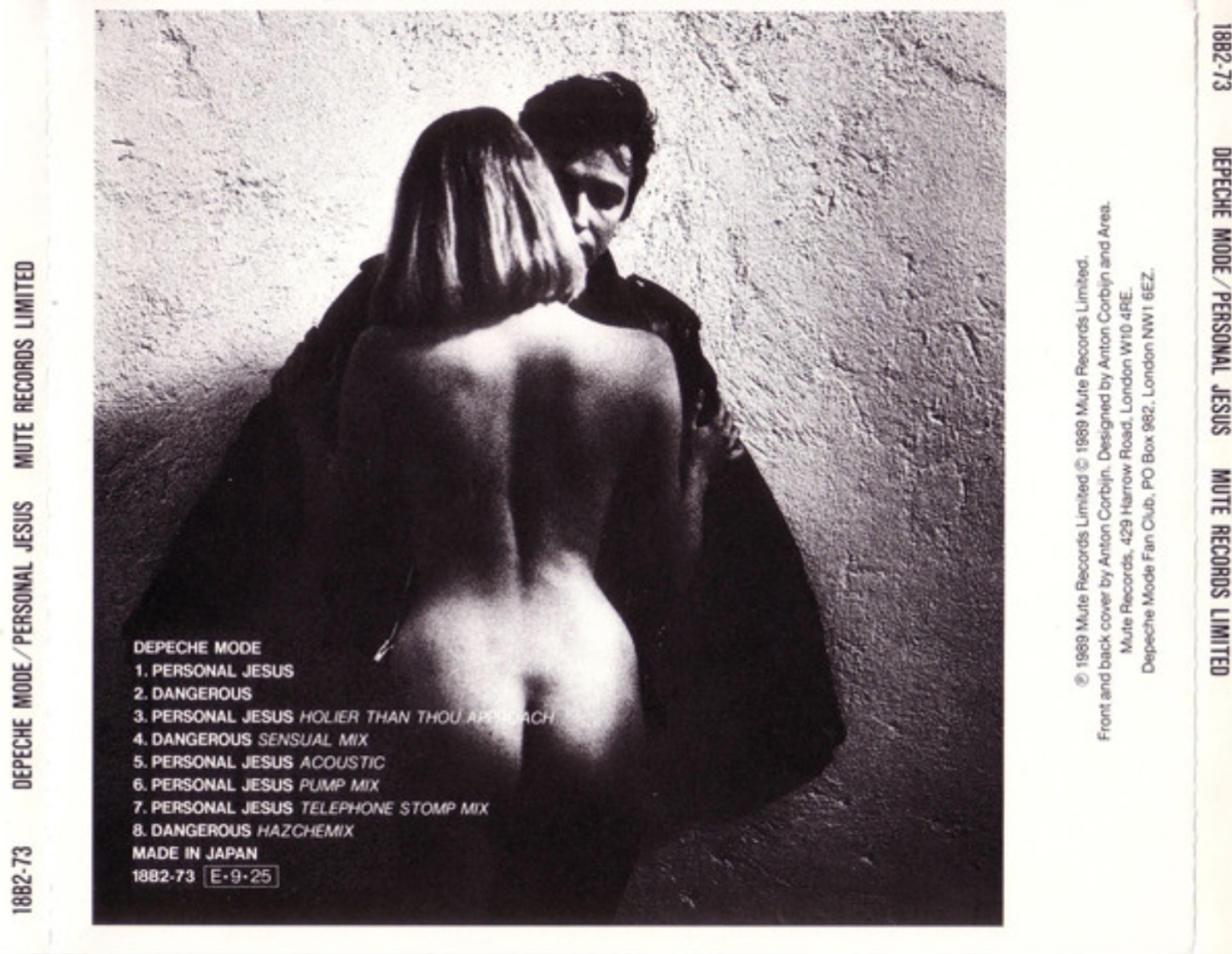
DEPECHE MODE - PERSONAL JESUS
Released: August 29, 1989
Charted: UK: #13 US: #28
"Personal Jesus" is a song released as the lead single from the 1990 seventh studio album “Violator”. The single was their first to enter the US top 40 since 1984's "People Are People" and was their first gold-certified single in the US.
The concept of a personalized deity was a compelling image that clearly struck a chord with many fans, initially introduced, rather cleverly, through an advertisement published in the personal columns of several regional newspapers. The ad featured the words “Your Personal Jesus,” along with a phone number that, when dialed, led to a segment of the song.
Martin Gore cited his inspiration as coming from Priscilla Presley’s Elvis And Me autobiography. He told Rolling Stone: “It’s about how Elvis was her man and mentor, and how often that happens in love relationships – how everybody’s heart is like a god in some way, and that’s not a very balanced view of someone, is it?”
Dave Gahan, on the other hand, remembers US TV channels being the source; “There is someone trying to sell you some sort of religion and you have to pay like $20 or something and then they send you your own personal rainbow or whatever you want to call it,” he recounted in 1990. “It just seems all twisted and wrong – that’s why Martin wanted to write the song, because he felt this was making a mockery of the Christian movement.”
Johnny Cash did a stripped-down version on his 2002 album “American IV, The Man Comes Around”. Martin Gore revealed to The London Times that the band were unaware that Cash had covered this song. When they heard about the country legend's recording, the threesome were naturally thrilled. Said Gore: "I think when you're somebody of Johnny Cash's caliber, you don't ask for permission." Cash offered his interpretation of the song in an interview for NPR: “It's a very fine, fine evangelical song, probably the most evangelical gospel song I ever recorded, although I don't know if the writer meant it to be that, but that's what it is. It's where you find your comfort, your counsel, your shoulder to lean on, your hand to hold on to your Personal Jesus.”
DEPECHE MODE - WALKING IN MY SHOES
Released: April 26, 1993
Charted: UK: #14
"Walking in My Shoes" is a song released as the second single from the 1993 eighth studio album “Songs of Faith and Devotion”.
"Walking in My Shoes" is about understanding and empathy. The singer is telling the listener to try to understand them before passing judgment on their actions. They emphasize that the listener should understand what they have been through before making any conclusions or seeking any absolution. The chorus encourages the listener to literally "walk in the singer's shoes" and keep the same appointments they kept, as a way of understanding what they went through. The song delves into the complexities of the human experience and the importance of compassion.
Alan Wilder told about this song: “It was constructed using an unusual method for us, i.e. jamming together. Martin played the guitar, I played bass and we ran a rhythm machine, this was just to get the basic feel for the track, and after much trial and error, the chorus bass line and guitar pattern fell into place. From that point onwards, Flood and I began to construct the various drum loops, the string arrangements, the main riff, which combined a piano and harpsichord through a distorted guitar amp, and all the other bits and pieces. By contrast, the bass line for the verses was much more problematic and in fact didn't get written until the very last moment. The piano part at the beginning was put through a guitar processor, which distorted it and made it more edgy. We added a harpsichord sample on top of that."
Martin Gore in a 1998 interview: “If I really had to stick my neck out and choose my all time favourite song, it would probably be "Walking In My Shoes". I think it has a great melody—the words and the subject matter really complement each other perfectly. The instrumentation is also interesting.”
On the other hand, producer Mark Ellis known as Flood thought the following about the song: I'm being honest, the track that I was most disappointed by—I mean, I say "most disappointed"—but it was "Walking In My Shoes", because I never felt that the recorded version lived up to the way I imagined the song could be. I know I'm probably the only person in the universe who thinks like that, but I felt that the original demo—the potential wasn't realized, so.
David Fricke from Melody Maker wrote, "'Walking in My Shoes' is better neo-Bowie than we've heard in some time, a long-distance "Heroes" knockoff via the group's own "Enjoy the Silence" complete with hints of Robert Fripp's skysaw guitar."
"I Want to Know What Love Is" és una balada escrita pel guitarrista Mick Jones, llançada el novembre de 1984 com a senzill principal del cinquè àlbum de Foreigner, "Agent Provocateur". La cançó és el major èxit del grup fins ara, i segueix sent una de les cançons més conegudes de la banda i un dels èxits de ràdio més perdurables. La cançó també es va publicar com a maxisingle amb una durada de 6:23. Aquesta versió conté una introducció una mica més llarga i un final de veu i cors més estès.
Jones parla d'aquesta cançó: "'I Want To Know What Love Is' va començar com una cosa més personal. Havia passat per varies relacions que van fracassar, i encara buscava algú amb qui realment pogués perdurar. Això va agafar vida pròpia i es va convertir en un sentiment més universal a través de la cançó. Vaig ajustar-ho tot durant la gravació i vaig decidir acabar posant-hi un cor de gospel. I de sobte em vaig adonar que havia escrit una cançó espiritual, gairebé una cançó de gospel. A vegades, sents que no hi tens res a veure, de veritat. Només l'estàs posant en un paper o inventant una melodia que tregui el significat de la cançó, que porti l’emoció a la cançó". La relació de Jones que va inspirar la cançó va ser amb la seva aleshores futura esposa Ann Dexter-Jones, mare del actualment reconegut productor Mark Ronson, fill del seu primer matrimoni.
La majoria de les cançons de Foreigner van ser coescrites per Jones i el cantant principal Lou Gramm, però aquesta va ser una composició en solitari de Jones, i una cançó que no va ser rebuda amb entusiasme per Gramm, qui pensava que podria empènyer la banda a un territori de música adult contemporany, lluny de la seva base rockera. Jones va parlar a la revista Billboard sobre les reserves de Lou Gramm sobre aquesta cançó: "Si mireu tota la nostra història, cada àlbum tenia un parell de balades. Crec que Lou va emetre la seva opinió al respecte en aquell moment, i això és el que va portar la gent a buscar un motiu per justificar les nostres diferències. Però no em pot passar pel cap de cap manera que tenir una cançó número 1 a tot el món sigui una cosa perjudicial per a una banda".
El New Jersey Mass Choir es va incorporar per cantar els cors, convertint-se en el primer cor de gospel a aparèixer en un èxit pop número 1. Mick Jones sabia que volia un cor a la cançó i va trobar el New Jersey Mass Choir amb una mica de serendipia: tenien el mateix advocat. Segons Jones, els primers intents del cor de cantar la seva part a l'estudi no van tenir la màgia necessària, però després es van reunir en cercle, van dir l'oració del Senyor i ho van clavar a la següent presa.
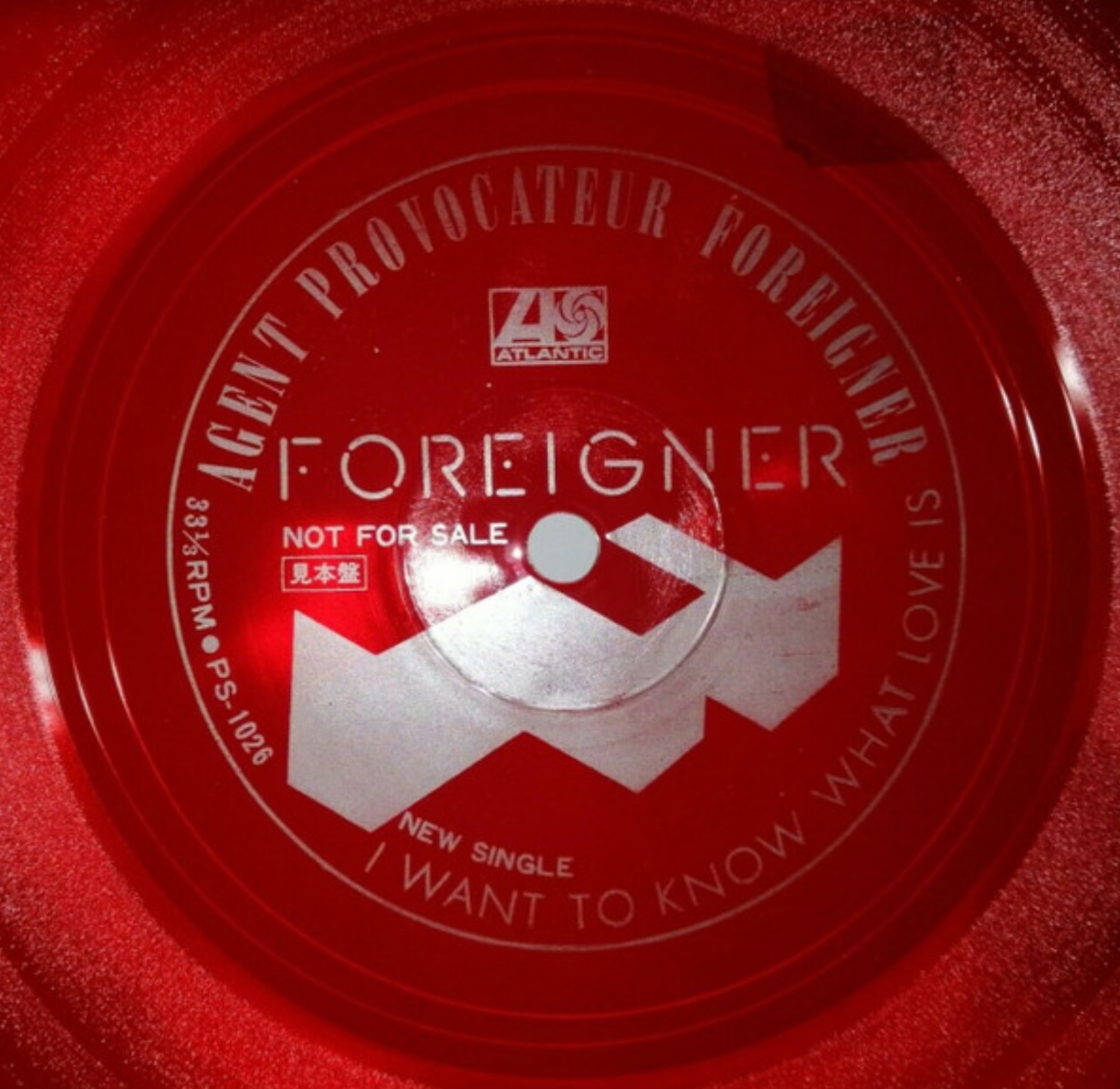
FOREIGNER - I WANT TO KNOW WHAT LOVE IS
Released : November 30, 1984
Charted: UK: #1 (3 weeks) US: #1 (2 weeks)
"I Want to Know What Love Is" is a power ballad wrote by guitarist Mick Jones, released in November 1984 as the lead single from Foreigner’s fifth album, “Agent Provocateur”. The song is the group's biggest hit to date, and remains one of the band's best-known songs and most enduring radio hits. The song was also issued as a 12-inch single with a longer running time of 6:23. This version contains a slightly longer intro and an extended vocal chorus/fadeout ending.
Jones talks about this song: "'I Want To Know What Love Is' started off on more of a personal level. I'd been through a lot of relationships that eventually failed, and still searching for something that could really endure. And that sort of took a life of its own as well. It became more of a universal feeling. I adjusted that during the recording of it, and ended up putting a gospel choir on it. And you know, realized suddenly that I'd written almost a spiritual song, almost a gospel song. Sometimes, you feel like you had nothing to do with it, really. You're just putting it down on paper, or coming up with a melody that will bring the meaning of the song out, bring the emotion out in the song." Jones' relationship that sparked the song was with his then future wife Ann Dexter-Jones, mother of producer Mark Ronson, son of her first matrimony.
Most of Foreigner's songs were co-written by Jones and their lead singer Lou Gramm, but this was a solo composition for Jones, and a song that was not met with enthusiasm by Gramm, who felt it might push the band into adult contemporary territory and away from their rock base. Jones spoke to Billboard magazine about Lou Gramm's reservations over this song: "If you look at our whole history, each album had a couple of ballads on it. I think that Lou aired his opinion about it at the time, and that's what led to people jumping on it as a reason for our differences. But I can never really think that having a worldwide #1 song would be detrimental to a band."
The New Jersey Mass Choir was brought in to sing the backing vocals, becoming the first gospel choir to appear on a #1 pop hit. Mick Jones knew he wanted a choir on the song and found the New Jersey Mass Choir through a bit of serendipity: they had the same lawyer. According to Jones, the choir's first attempts to sing their part in the studio didn't have the magic, but then they gathered in a circle, said the Lord's Prayer, and nailed it on the next take.
26.11.23
FOREIGNER - FEELS LIKE THE FIRST TIME
Released : March 1977
Charted: UK: #39 US: #4
This was Foreigner's debut release and their first hit in both the US and UK, despite originally flopping on its initial British release. Mick Jones, who is the British founder of Foreigner (named for the bi-nationality of the band - the other members were American), wrote the song himself.
Jones told: "'Feels Like The First Time' was written about a bit of a change in my life. I was coming out of a previous marriage with somebody I'd met in France. I'd gone back to England and then finally made the journey to America while I was in the band Spooky Tooth. And to me it was this challenge of really going for a new start in my life. And that just came naturally out of the blue. People probably thought, Well, this is a song that he's written specifically for this album. In hindsight I guess that's a natural feeling, but to me it was signifying a new start. I'd met somebody, I got re-married and moved with her to America, and that was the song that described that experience."
This was the first song penned by Mick Jones that he ever heard played on the radio. He described his feelings to Lords of Metal on hearing it for the first time: "I was driving to Long Island to go to the sea when this song came on. I was on the bridge and in my mirror you could see the big city. On the radio they said, there is a new band and they have a great song which we will play now and that was my song. I turned the car window down and I started to drive very fast. I will never forget that moment!"
This was song that got Foreigner a record deal in America. They were known as Trigger when they sent a tape with this track to Atlantic Records, which was home to Led Zeppelin, AC/DC and Yes. A young executive named John Kalodner liked the song, saw them perform, and signed them to a deal. Kalodner would later become famous for signing Aerosmith to Geffen Records in the '80s and engineering their comeback.
Billboard called "Feels Like the First Time" "tasteful, high energy rock" with "a direct, happy, love lyric." Billboard called the guitars "booming" and Gramm's lead vocal "intense but controlled." Cash Box said that "the heavy rock feeling is there at the bottom, but glittering backing vocals and keyboard work add the patina necessary to soothe top 40" and also commented on the "spine-tingling guitar chords" that open the song.”