"One Better Day" is a song from the band fifth studio album “Keep Moving”, written by Suggs (Graham McPherson) and Bedders (Mark Bedford).
Suggs explained in an interview with Daniel Rachel for the book The Art of Noise: Conversations with Great Songwriters: "The idea of that song was when you'd hear people say, 'Oh, he's seen better days,' like when you see a guy in a suit looking a bit tatty. I thought, 'What was that one better day?' Then I had the idea that he would meet this other homeless person that happened to be a woman - and they fell in love. Between them they could engender onebetter day as people who had, supposedly, seen better days."
As the 80s unfolded and the impact of the Thatcher government's policies intensified, Madness faced challenges in maintaining their lighthearted image. Feeling the need to address the unfolding realities in Britain, they shifted their focus. One notable song from this period, "Victoria Gardens," which starkly portrayed London's homeless community and criticized Thatcher with the line "she said it's for the good of us all," was initially intended as a single for 1984's “Keep Moving” album. However, it was replaced by a more poignant exploration of the theme. In this alternative track, Suggs narrates the story of a homeless couple finding love amidst the harsh streets. The song's strength lies in the contrast between the grim verses and the chorus's romantic richness, reminiscent of a scene from Charlie Chaplin's City Lights: "Walking round you sometimes/Hear that sunshine/Beating down in time with the rhythm of your shoes."
The music video featured Suggs and his wife, singer Bette Bright, portraying the protagonists, dancing with their belongings in front of Arlington House, a hostel in Camden Town for the homeless. Because it was their last single through Stiff Records, the label didn't want to film a video, so the band funded it themselves.
Mark made some comments about the recording of the song in the liner notes of the Utter Madness compilation album: thrang! Suggs tape recorder had a spasm as I hit is acoustic guitar to hard. The needles clattered into the red. “One better day” had no good off to a good start. Eventually at a softer level, we recorded a rough version of the song. This wasn't bound to be an easy one. Several chord changes later, Suggs had the first verse and chorus. The song progressed bumpily through rehearsals and even into the studio. In fact we recorded three different versions finally settling on the one you can hear today, and that nearly never made it. If you listen to the record as it fades you can almost hear the bass and drums grind to a halt. Who says it's all done with machines? But with a sympathetic string arrangement from David Bedford and a great vocal it fell into place at the death. This song should really be called ‘Perseverance’.
5.12.23
MADNESS - SHUT UP / CARDIAC ARREST
SHUT UP
Released: September 11, 1981
Charted: UK: #7
"Shut Up" is a song written by Suggs and Chris Foreman, released as a single of their third album, "7”. This track weaves a narrative around a criminal fervently trying to deny guilt, even in the face of compelling evidence. Surprisingly, the song's title doesn't directly appear in the lyrics, but it once concluded an additional verse in an early version. This clever twist adds a touch of irony, emphasizing the theme of denial and the protagonist's desperate attempts to deflect responsibility.
Chrissy Boy says: “Many people wonder why this song is called “Shut up” when the word does not appear in the chorus or the rest of the lyrics. Well, I'm going to explain: when Suggs wrote the lyrics for this song or originally it turned out that it lasted almost 10 minutes and repeated constantly in the chorus shut up, words that were omitted when the duration had to be shortened to the classic three minutes, however we kept the title for sentimental reasons.”
This originally had a few more verses that explored the policeman's perspective. Suggs told Daniel Rachel (The Art of Noise: Conversations with Great Songwriters): "[Petty crime] was a vaguely glamorous thing to be involved with as a kid. Then you thought of all the lives it affected and the coppers themselves. I thought about them chasing after petty criminals. It went on for a few more verses that never made it onto the finished record. I think they were about the policeman and his family and him running around after these burglars and then at the end they both meet up in the courtroom with this copper saying, 'Shut up.'"
The promotional video depicted Madness in a narrative where they first appear as a group of criminals and later transform into police officers. Lead singer Suggs is portrayed as a character with a dual role—a used car salesman and a criminal wearing a mask, bowler hat, and a black suit or horizontally striped shirt. The video suggests that Suggs' character has friends who steal cars for his business. However, at the beginning of the video, there is an implication that he has been apprehended by the police for his crimes, with the song serving as his plea of innocence. The video thus weaves a storyline around crime and its consequences, adding a visual layer to the song's narrative.
CARDIAC ARREST
Released: February 12, 1982
Charted: UK: #14
"Cardiac Arrest," penned by Chas Smash and Chris Foreman, unfolds the story of a workaholic meeting a tragic end with a fatal heart attack on his way to work. Despite being the first Madness single since "The Prince" to miss the UK Top 10, it retains its engaging quality.
The music video depicts Smash experiencing a coronary episode, with other band members playing roles advising against overworking. Notably, the video aligns with the single version, not the album version, concluding with a dramatic cut to the sound of a heartbeat that suddenly stops, intensifying the song's narrative impact.
Madness, originating from working-class backgrounds, were known for crafting humorous songs depicting the challenges of everyday life. However, "Cardiac Arrest" takes a darker turn, exploring the theme of a fatal heart attack, which stirred controversy among listeners who found it insensitive. Chas Smash defended the song, emphasizing that it raises a crucial point.
MADNESS - MY GIRL / THE PRINCE / BED AND BREAKFAST MAN / MADNESS
MY GIRL
Released: December 21, 1979
Charted: UK: #3
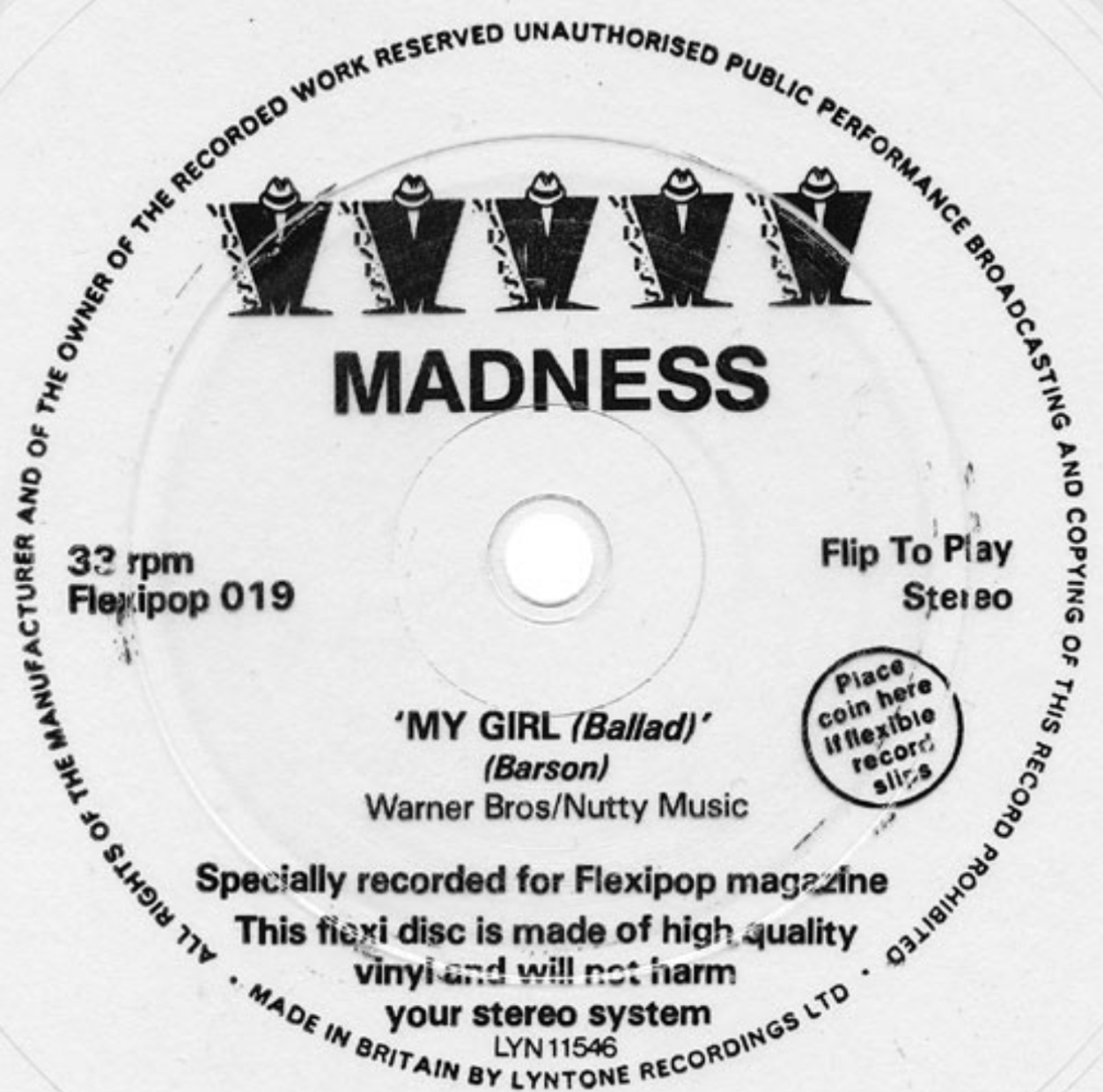
"My Girl" is a song released as a single from the Nutty boys debut album, “One Step Beyond...”. Keyboard player Mike Barson wrote this on the back of a cigarette packet while employed delivering Fyffes bananas.
The song paints a picture of a man who finds solace in solitude, much to the dismay of his girlfriend. His preference for staying home and watching TV instead of going out, coupled with awkward silences during phone conversations, reveals his introverted nature. Mike Barson, the songwriter, acknowledges the semi-autobiographical nature of the song, drawing inspiration from his own experiences. His then-girlfriend, Kerstin Rodgers, attests to its accuracy, describing the common dynamic where men retreat to their "man cave," indulging in solitary activities like watching football and drinking beer, while women attempt to bridge the gap in communication.
The instrumental arrangement of the song takes a slightly slower tempo than the band's usual, offering a unique backdrop. Suggs' vocals, notably harsher and deeper than usual, emphasize his distinct London accent, particularly pronounced in their earlier tracks. The song is enriched with jittery piano elements, especially notable in the bridge, potentially reflecting the protagonist's nervousness within his relationship struggles. The brass elements contribute significantly, creating a melancholic drone that resonates in harmony with the emotional narrative depicted in the lyrics.
The song captures a situation painfully relatable to anyone who has experienced the challenges of a high-maintenance relationship. In contrast to claims that Madness's output is lightweight and lacking substance, tracks like this one, along with "Embarrassment," serve as powerful retorts. They demonstrate the band's ability to delve into complex and relatable themes, proving that their music goes beyond mere frivolity, offering insightful commentary on the intricacies of human relationships.
THE PRINCE
Released: August 10, 1979
Charted: UK: #16
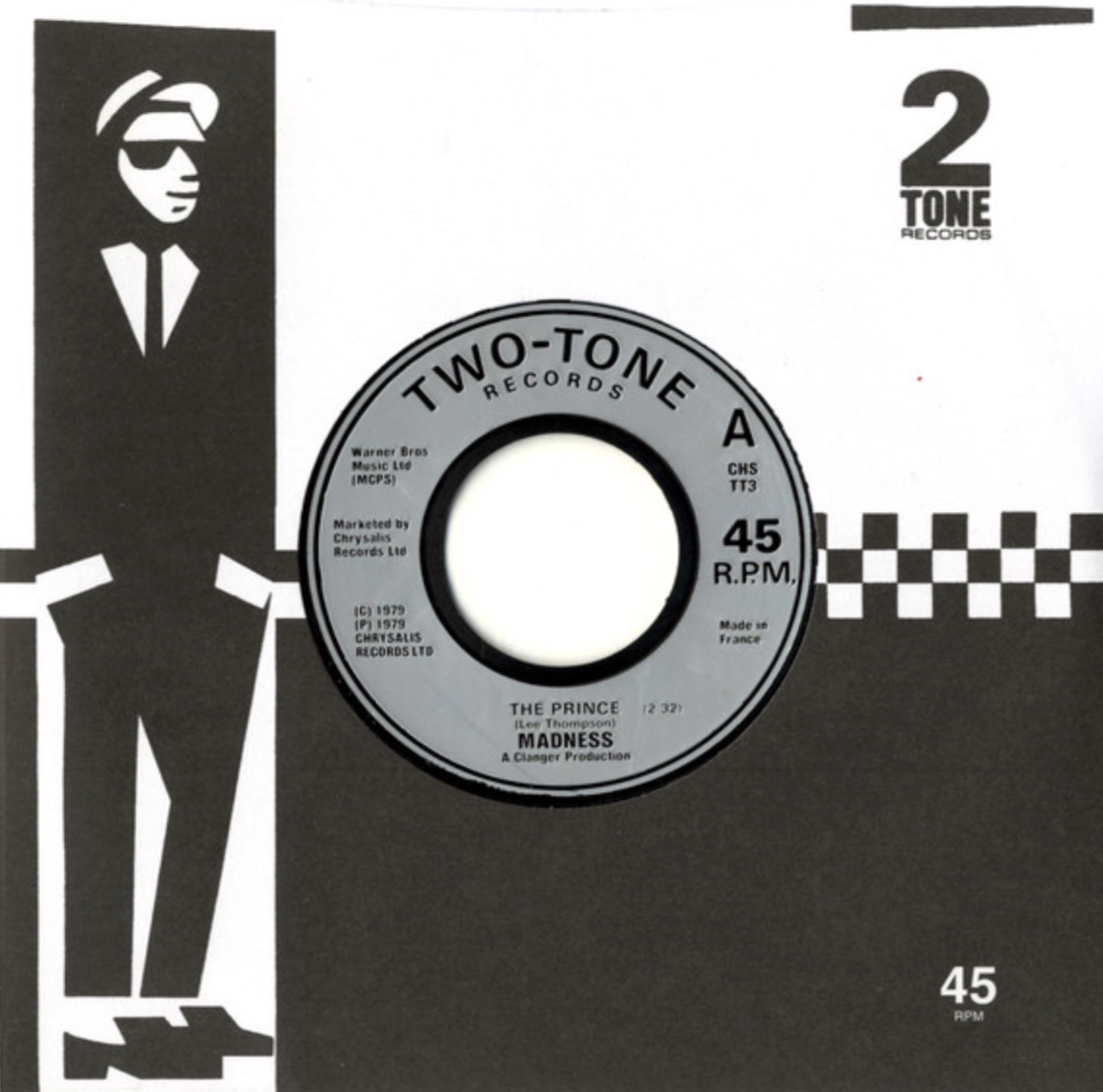
Madness' debut single, "The Prince," released in 1979, is a vibrant tribute to Jamaican Ska star Prince Buster. Originally named The North London Invaders and later Morris And The Minors, the band finally adopted the name Madness in homage to one of their favorite Prince Buster songs. The track, produced for £200 at Pathway Studios in north London, captures the essence of ska with squawking sax, rollercoaster keys, and a distinctive guitar hook. The lyrics portray the Prince on Jamaican streets, accompanied by a catchy piano riff, Chris Foreman's surf guitar, Lee Thompson's killer sax solo, and Suggs' slightly more ambitious vocals.
Released on 2 Tone, the label run by Jerry Dammers of the Specials, "The Prince" quickly became a hit, leading Madness to make their initial Top of the Pops appearance. The absence of a music video for the single, attributed to the band's initial obscurity, was compensated by later acquiring the rights to a performance on Top of the Pops from September 6, 1979, now associated with the song and featured in compilations of the band's music videos.
BED AND BREAKFAST MAN
Released: October 19, 1979
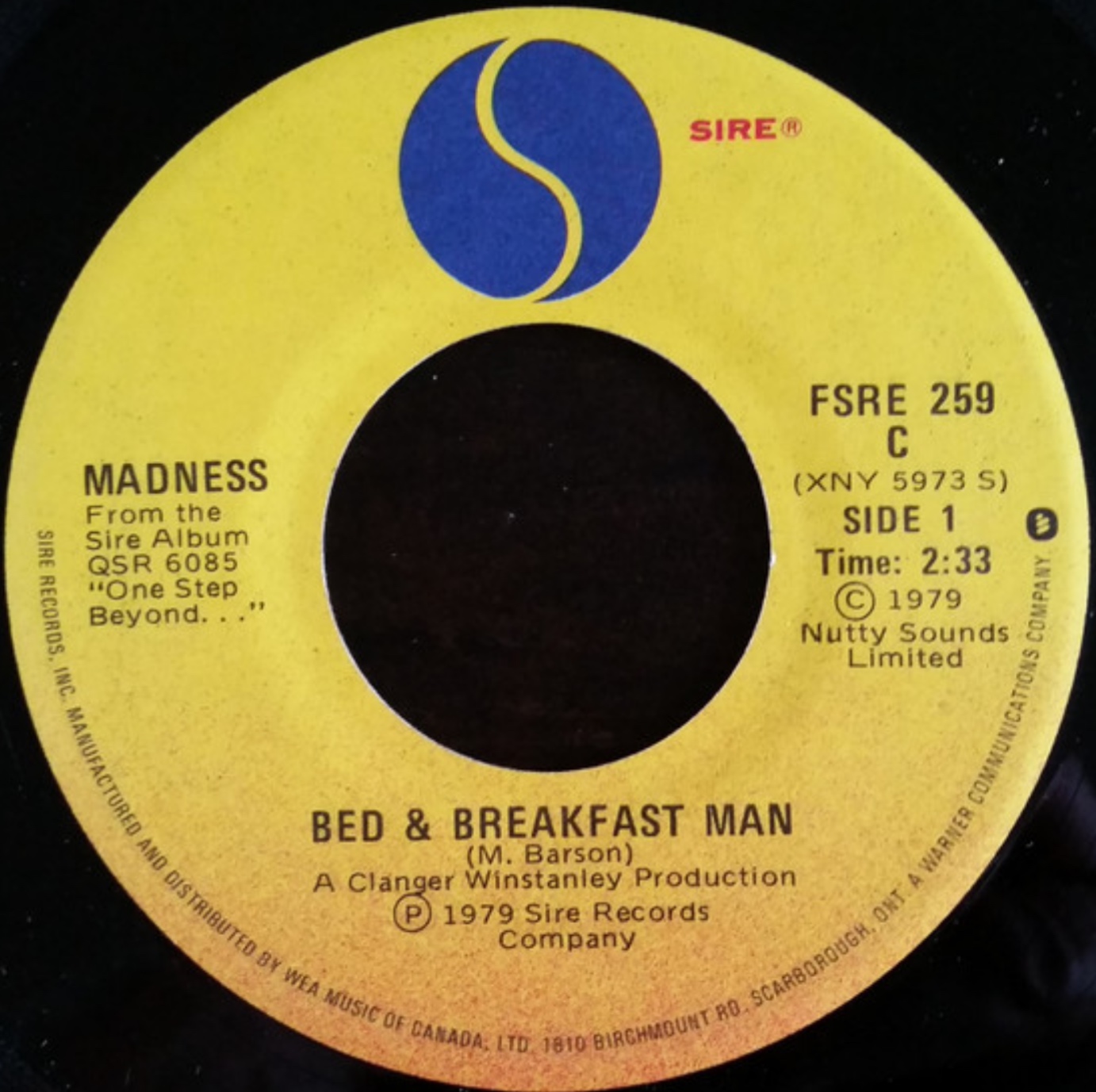
"Bed and Breakfast Man" it’s a song released on the first album of the band “One step beyond…”. The song narrates the tale of a man known to the singer from the past. Despite frequent visits, the singer doesn't mind the company. However, the man's constant need for food and accommodation, usually on the sofa, earns him the label of a "loafer" from others.
The keyboardist, Mike Barson, wrote "Bed and Breakfast Man" drawing inspiration from the bass line in Smokey Robinson's "The Tears of a Clown." In a conversation with Daniel Rachel, he explained the connection, noting that while the songs are somewhat similar, they may seem miles apart. Barson emphasized the continuous process of refining and building upon musical influences, highlighting how creativity in music often stems from inspiration drawn from others.
Mike said: “This song was started by Chrissy Boy who composed the first line titled ‘there's a man I know’, then he didn't know how to continue and I finished it. The song is about John Ashler who was our first drummer and used to go to Chris's house for dinner. We started off rehearsing in my mum’s house, playing other people’s music, but then John Hasler wrote some lyrics and we all thought: ‘Well, if John can write a song, we all can.’ Originally I thought that The song had a sound similar to “Tears of a Clown” by Smokey Robinson, but after I gave up I still don't know why. At that time we were still apprentices as you can see and I think the song loses strength after the piano solo.”
MADNESS
Released: August 10, 1979 (as the B-side of The Prince single)
Madness paid homage to their roots with a cover of a Prince Buster song, from whom they derived their band name. The rendition does justice to the original, reflecting the deep respect Madness holds for Prince Buster. The sound remains true to the 1st wave ska style, and the saxophone, a hallmark of Madness, shines with a notable solo mid-song, unmistakably identifying the band.
Woody said: “We were in a room trying to find a name for the group since The Invaders didn't convince us. However we had already suggested more than a hundred names, and we liked them even less than the one we had. Someone suggested adopting as a name the title of a song we had just recorded. and why not Madness? Yes, Madness was a good name as an omen of what was to come.”
Mike said his own version: “We were called the North London Invaders at first, but had to change the name because there was already another band called that. It didn’t do them much good, either. One day at a rehearsal, our guitarist Chris Foreman said: ‘What about Madness?’ Nah, that’s shit. But everybody thought it was good. If he hadn’t spoken up, we could have ended up being a serious band.”