Total de visualitzacions de pàgina:

7.12.23


MADNESS - THE LIBERTY OF NORTON FOLGATE (ALBUM)


Released: May 18, 2009

Charted:  UK: #5 


"The Liberty of Norton Folgate" is actually an album by the British band Madness, released in 2009. The album is known for its diverse musical styles and storytelling, capturing the essence of London's Norton Folgate area. It received critical acclaim for its creativity and marked a successful return for Madness. These are some of their most notable songs, although the album as a whole has been highlighted as one of the band's masterpieces. These are some of the featured songs from the album:


The title track, "The Liberty of Norton Folgate," is the centerpiece of the album and serves as a musical journey through the history and cultural evolution of London's Norton Folgate area. The song is notable for its length, running over ten minutes, and its intricate storytelling. The lyrics of the song narrate the changing landscape of Norton Folgate, a district in London, touching upon historical events, cultural shifts, and the impact of urban development. The title itself refers to the idea of "liberty" in both the historical and personal sense, exploring themes of freedom, identity, and the resilience of communities in the face of change. Musically, the track is a dynamic composition, showcasing Madness's versatility with elements of ska, pop, and rock. It weaves through different musical styles, reflecting the diverse influences that have shaped the cultural tapestry of London.


"NW5" debuted live in December 2006 at Brixton Academy, was officially released as a single in 14 January 2008 on the band's label, Lucky 7 Records peaking at #24 in the UK Singles Chart. The song is an homage to the NW5 area in North London, encompassing Kentish Town and Tufnell Park, near Camden Town where Madness originated. Penned by Madness saxophonist Lee Thompson and pianist Mike Barson, the song holds a poignant significance. Thompson, reflecting on the track, revealed to the Camden Gazette that it revolves around a friend from NW5 with whom he shared experiences since the mid-'60s. Unfortunately, the friend took a darker path and faced struggles with substance abuse. The song explores themes of friendship and the transformative impact life can have on individuals.


"Sugar and Spice," released on 3 August 2009, stands as the third single from the album and holds the distinction of being Madness's first digital-only release. The single version differs slightly from the album version, featuring an alternate opening verse and variations in lyrics. The song, penned by Mike Barson, delves into the theme of his separation from his then-wife Sandra. In the video the band, excluding Chas Smash, performs the song in a traditional music hall venue. The video incorporates playful elements, such as the band playing invisible instruments, performing magic tricks, and acting out scenes from the song against a digitized background.


"Forever Young," the fourth and final single released from Madness's album, hit the music scene on 18 January 2010, reaching #199 on the UK charts. In contrast to its predecessor "Sugar and Spice," "Forever Young" enjoyed a multi-format release, being available on CD, 7-inch vinyl, and digitally. The song encapsulates the spirited essence of Madness, affectionately known to their fans as "The Nutty Boys." Frontman Suggs shared the inspiration behind the song with The Sun on May 22, 2009, explaining that he drew from the perspective of looking into his own kids' eyes. The lyrics convey a message about the reciprocal nature of learning between generations. Suggs emphasized the importance of staying young at heart, recognizing that, just as older generations impart wisdom, the youth can teach valuable lessons about maintaining a youthful mindset despite life's challenges.


"Idiot Child" carries a significant theme, as explained by frontman Suggs, who described it as a very serious song addressing the experience of being treated like an idiot – a sentiment with universal resonance. Saxophonist Lee Thompson provided additional context to the song, revealing to Q magazine in November 2012 that he wrote it based on his own experiences and those of his friend Bobby Townshend. The song delves into their shared history of engaging in criminal activities at the age of 12, involving theft and burglary. Both were eventually sent to separate reform schools between 1971 and 1973. Tragically, Townshend's life took a darker turn, leading to poverty and his eventual passing. Thompson, one of only three mourners at Townshend's funeral, reflected on the enduring impact of their shared history.


Suggs shared with Mojo magazine that "The Liberty of Norton Folgate" has a "semi-autobiographical, everyday-life-in-London theme." Notably, all seven members of Madness contributed to the writing of the album, adding a diverse range of perspectives and experiences to the storytelling. This collaborative effort likely contributed to the richness and depth of the album's thematic content.


6.12.23


MADNESS - LOVESTRUCK / MY GIRL 2


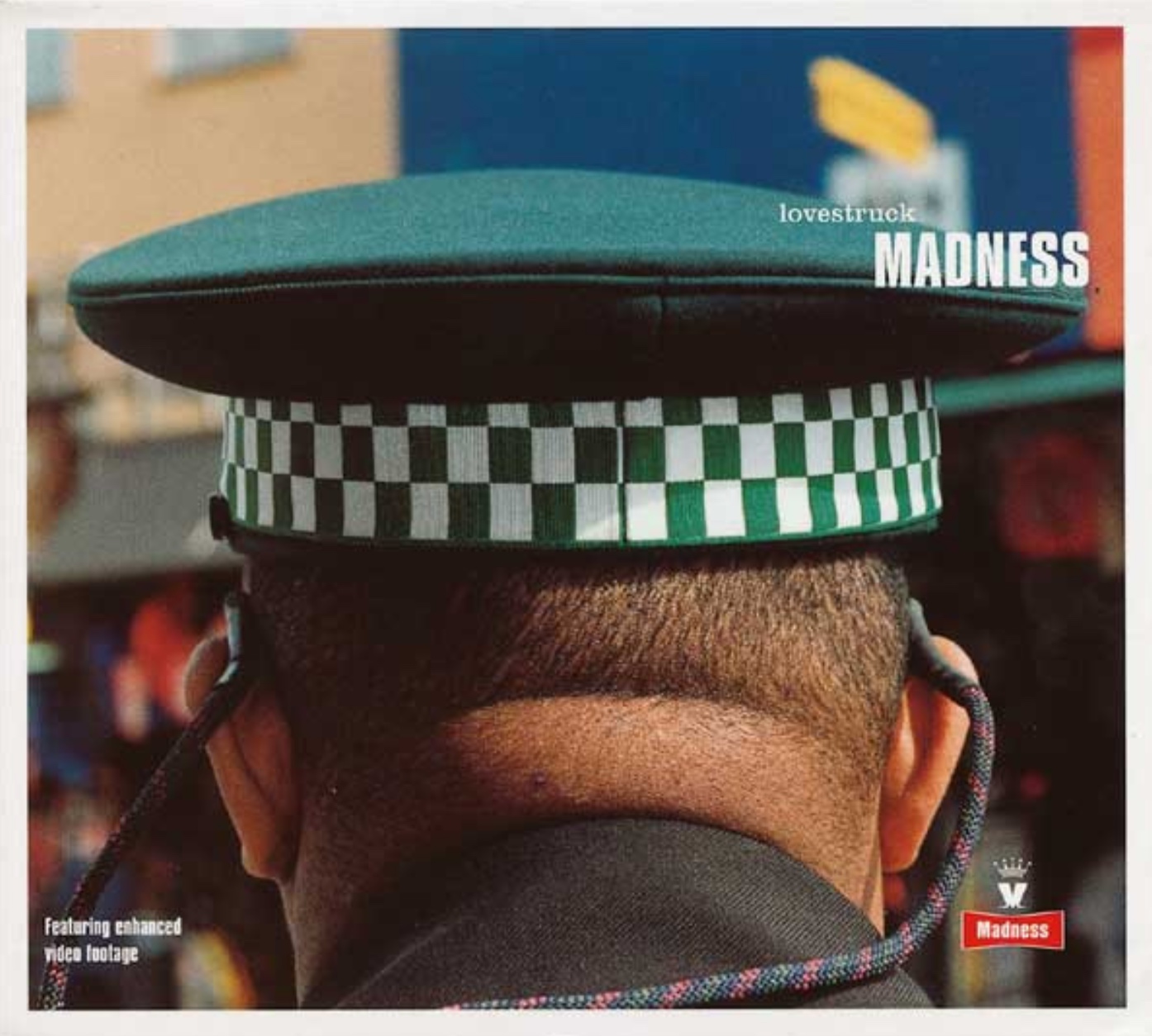
LOVESTRUCK


Released: July 19, 1999

Charted:  UK: #10 


"Lovestruck" stands as a song serving as the lead single from their seventh studio album, "Wonderful". This song marked the band's return to original material after a hiatus of over 10 years. The track achieved notable success, reaching number 10 on the UK Singles Chart. Remarkably, it was the first time a new Madness release had entered the top 10 since the 1983 song "The Sun and the Rain".


Beyond exploring the themes of lost and unrequited love, "Lovestruck" and its accompanying video take a comedic perspective on the emerging binge-drinking culture in the United Kingdom during the late 1990s. The song provides a lighthearted commentary on the societal shift towards excessive drinking during that period.


The line "Lovestruck, I've fallen for a lamppost" in the song was speculated by many music critics of the time to be inspired by Simon & Garfunkel's "The 59th Street Bridge Song (Feelin' Groovy)" from 1966, which includes the line "Hello, lamppost! Wat'cha knowing?" However, the band never officially commented on this connection. The similarity in the use of the word "lamppost" could suggest a playful nod to or influence from the earlier song.


MY GIRL 2


Released: September 30, 2012


This serves as the lead single from Madness' tenth studio album, "Oui Oui Si Si Ja Ja Da Da." Acting as a sequel to their 1979 hit, "My Girl," the song delves into songwriter Mike Barson's passionate and sometimes tumultuous relationship with "my girl." The album title is drawn from a lyric in this song. Translated from French, Spanish/Italian, German/Dutch/Swedish, and Russian, "Oui Oui Si Si Ja Ja Da Da" means "Yes Yes Yes Yes Yes Yes Yes Yes." Notably, the album cover, featuring rejected titles crossed out, was crafted by Peter Blake, renowned for his work on the artwork for “Sgt. Pepper's Lonely Hearts Club Band”.


The lyrics paint a vivid picture of the singer's fascination with a girl who exudes charm, confidence, and a distinct sense of individuality. The song portrays a narrative where he is enamored by the girl's unique qualities, emphasizing their desire to be close to her. The recurring lines in the chorus, "My girl, she don't read books" and "My girl, she gives dirty looks," suggest a non-conformist attitude, challenging societal norms. The girl's reluctance to adhere to expectations adds an element of mystery and allure, making her particularly captivating to him. The lyrics capture the essence of infatuation and admiration for someone who stands out from the crowd.


Listening to the song, you can feel transported to the 60s, as its rhythm it's a kind of accelerated version of “Green Onions” by Booker T & The MG's, and captures the essence of the earliest styles of bands like The Who or The Kingsmen. The nostalgic musical vibe pays homage to the distinctive sound of that era.


MADNESS - WINGS OF A DOVE / WAITING FOR THE GHOST TRAIN


WINGS OF A DOVE 


Released: August 20, 1983

Charted:  UK: #2 


"Wings of a Dove" (also known as "Wings of a Dove (A Celebratory Song)") is a track originally released in 1983 as a stand-alone single, it was later included in the American version of their studio album "Keep Moving" in 1984.


The song was penned by Suggs and Chas Smash, who also shared lead vocals on the track. Notably, the song incorporated steel drums played by Creighton Steel Sounds and the harmonious voices of the gospel choir, The Inspirational Choir of the First Born Church of the Living God. In a gesture of environmental concern, Madness contributed the song to the 1985 multi-artist compilation "Greenpeace – The Album."


Carl says: Late one night i was watching “black on black”  and that night they were featuring gospel singers, one act in particular caught my ear, “The Inspirational Choir of the first Born Church of the Living God”. A voice spoke to me and said ‘boy, write a song for these good people’.  So, after i wrote it (sorry! Suggs helped with the words), i saw the bishop and he ok’d it and we done it. Hallelujah!


The music video portrays all contributors to the song, including the steel band and choir, celebrating in a party atmosphere aboard an airplane piloted by Chas Smash with Suggs as the co-pilot. The climax unfolds as they bail out in a small white van when Smash loses control of the plane. The concluding scene features the van gently parachuting down to earth.


WAITING FOR THE GHOST TRAIN


Released: October 27, 1986

Charted:  UK: #18 


"(Waiting For) The Ghost Train" was released as a single in 1986, coinciding with the band's announcement of their split. It marked their final single before regrouping in 1992. The song made its debut on the band's 1986 'Utter Madness' greatest hits compilation, released just one month after the single's release.


Suggs says: it's indirectly about South Africa thinking nothing will or has to ever change. Waiting for the train that never comes but the ghost train is rumbling along the track. I'm not a very good piano player and my piano is in a room that Overlooks the street, when I play people throw rocks and boots at the window, so I have to play with bits of cotton wool stuck on the end of my fingers.


After the split, Suggs embarked on a moderately successful but occasionally criticized solo career, while other members explored offshoot projects like the lesser-known Butterfield 8 and the relatively more successful Voice Of The Beehive. Some members attempted to continue as 'The Madness' yet met with little success.


MADNESS - MICHAEL CAINE


Released: January 30, 1984

Charted:  UK: #11 


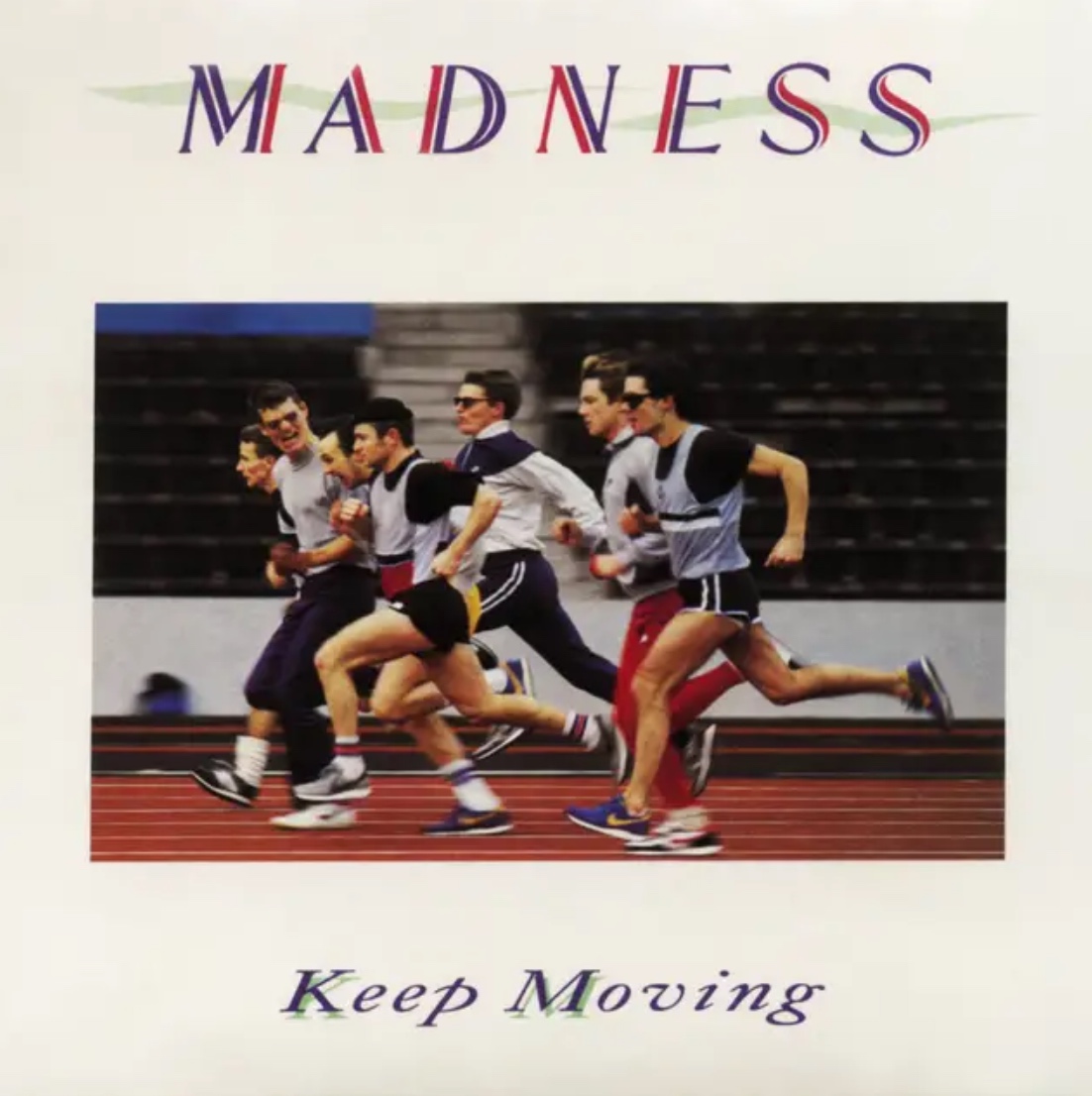
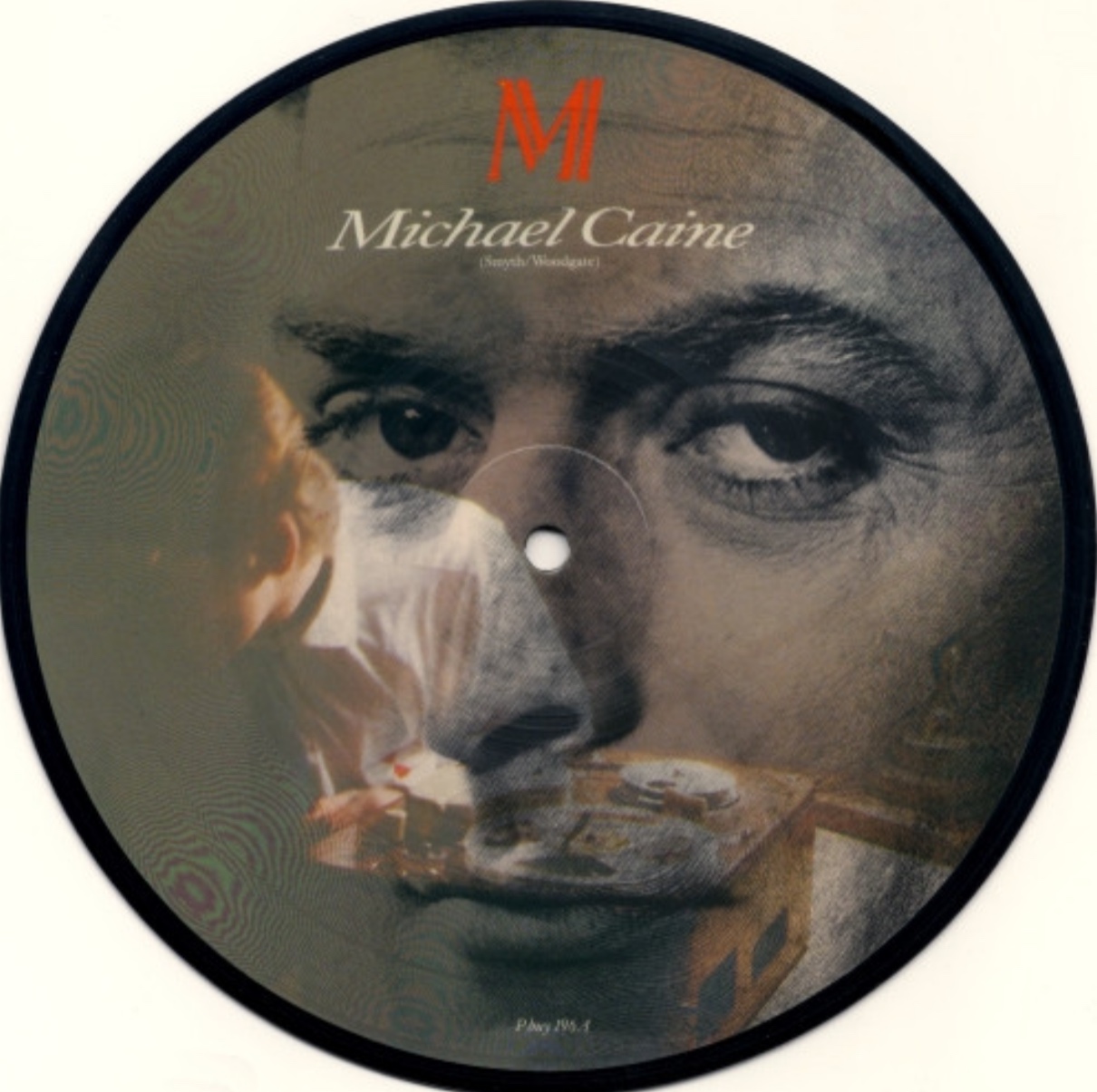
"Michael Caine" is a track released as the lead single from their fifth studio album, "Keep Moving," Co-written by Carl Smyth and Daniel Woodgate, the song stands out with Smyth taking on lead vocals, a departure from the usual Madness vocalist Suggs.


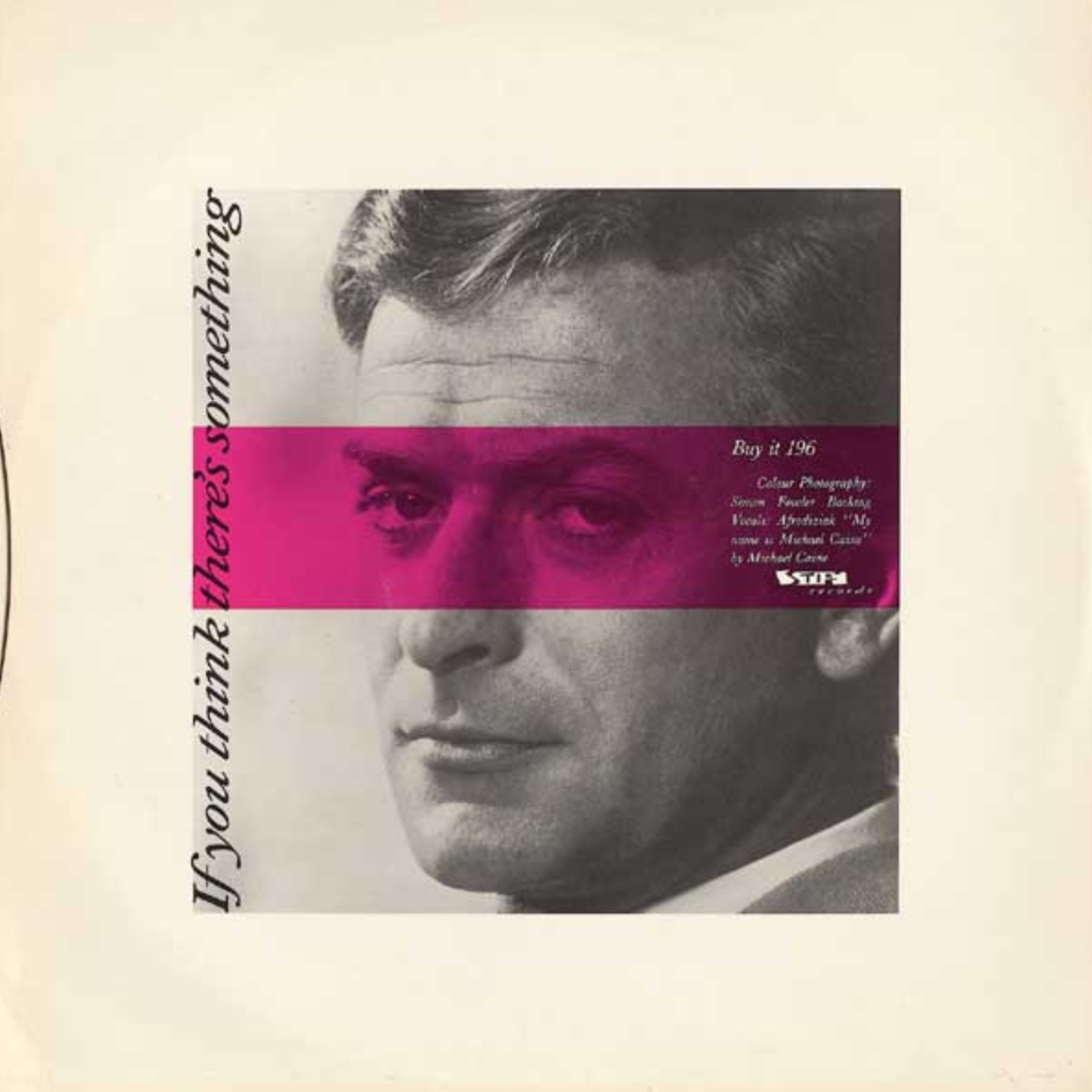
"Michael Caine" is not actually about the actor but delves into the theme of IRA informers. The lyrics depict a paranoid figure, potentially a 'Supergrass'—informers from the Irish Republican Army cooperating with the British and offered witness protection. The song's connection to Michael Caine arises from a scene in the 1965 thriller "The Ipcress File," where Caine's character, Harry Palmer, resists brainwashing by repeating the words "Harry Palmer. My name is Harry Palmer." The actor recorded the line "My name is Michael Caine" specifically for the song, adding a layer of association to the song's narrative.


Initially declining the offer to appear on the record, Michael Caine reconsidered when his youngest daughter, aware of his decision, persuaded him to change his mind. She highlighted the band's popularity, ultimately influencing Caine to participate in the recording.


Woody explains how the song came about: Sequence of events. 1) I record the music at home. 2) I play the tape to Carl and our manager Matthew in a car on the way to i can’t remember where, Carl sings along to it as though it's an old song and says he had written some lyrics the night before. The music fitted perfectly. 3) Band rehearse song. 4) Michael Caine is recorded for “Keep moving” and becomes the first single to be released from that album.


The music video for "Michael Caine" drew inspiration from "The Ipcress File," incorporating elements like a shot lightbulb reminiscent of the title sequence from the television spy series "Callan." Additionally, the video showcased the shredding of a photograph of Michael Caine from the 60s, tying together visual references to both the actor's iconic roles and the espionage genre.