Total de visualitzacions de pàgina:

7.12.23


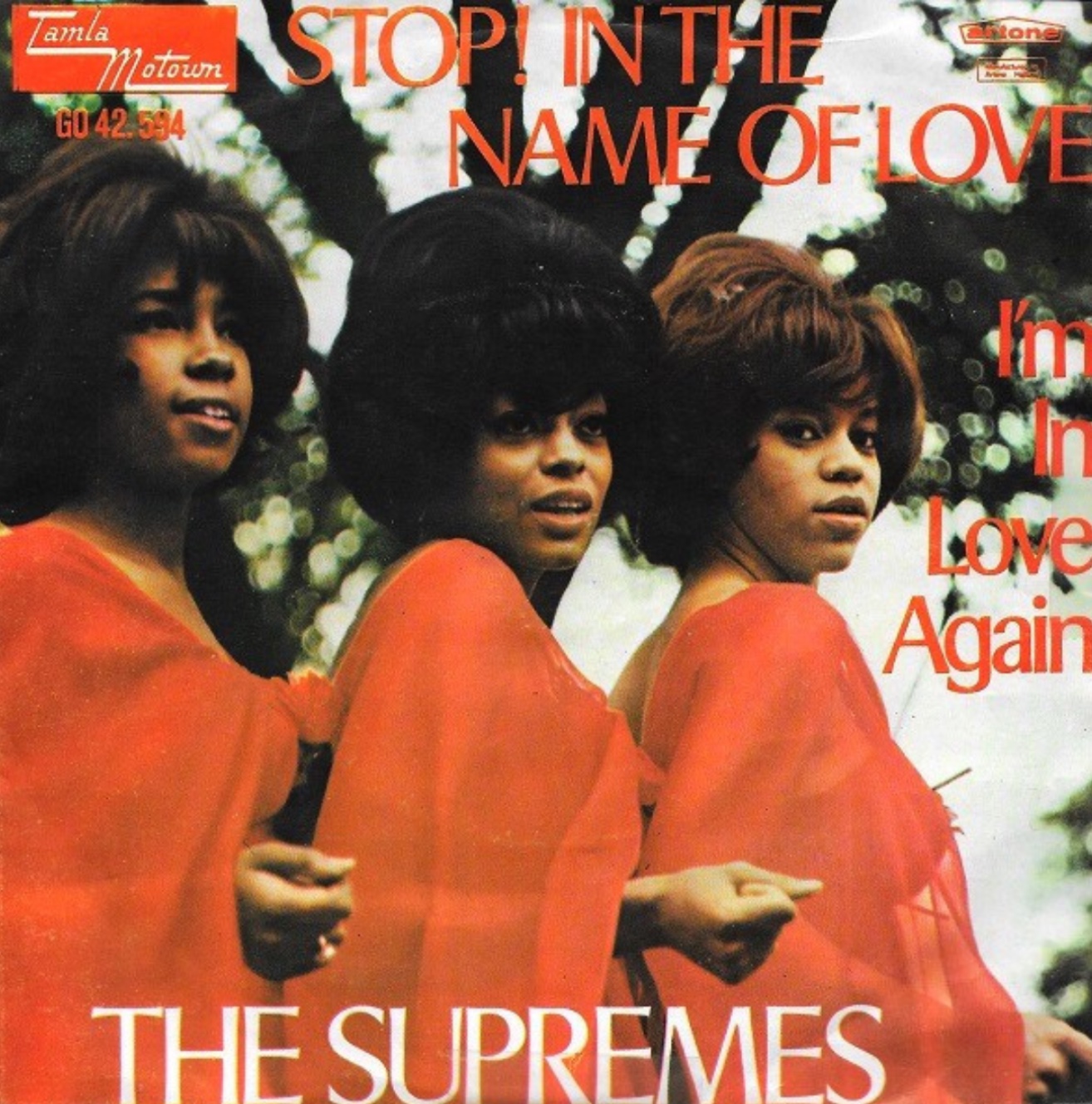
THE SUPREMES - STOP! IN THE NAME OF LOVE / BACK IN MY ARMS AGAIN / I HEAR A SYMPHONY 


STOP! IN THE NAME OF LOVE


Released : February 8, 1965

Charted:  UK: #7    US: #1 (2 weeks)


This was written by the Motown songwriting team Eddie Holland, Lamont Dozier and Brian Holland (Holland/Dozier/Holland). Dozier got the idea for the title after an argument with his girlfriend (she caught him cheating). In the heat of battle, he said, "Baby, please stop. In the name of love - before you break my heart."  He was trying to diffuse the situation, but it didn't help - she was still going to break up with him. So, he asked her to "think it over." Dozier knew these lines were a bit corny, but thought they would fit well into a song. He was right: "Stop! In the Name of Love" became a huge hit, and when it did, the girl came back to him.


Lamont Dozier added some detail to the story of how he came up with the title. He was cheating on his girlfriend and having a tryst at a "no-tell motel" when the girlfriend got word and started banging on the door around 2 a.m. Dozier sent his paramour out the bathroom window and opened the door. With his girlfriend "screaming and carrying on," Dozier tried to spin a story that he was working late at the studio and got the motel room because he was tired, but it didn't fly. That's when he said, "Stop, in the name of love."  The next day he went to the studio where Brian Holland was playing a slow melody. Dozier had him speed it up, and using his line from the night before as the title, they started putting the song together.


"Stop! In the Name of Love" is a powerful plea for loyalty and honesty in a relationship. A girl is aware of her partner's infidelity and has tried to wait patiently for him to stop, but she cannot bear the thought of losing him forever. She asks him to think it over before leaving her and running to his other lover's arms. The chorus serves as a warning to her partner, urging him to reconsider the consequences of his actions before causing any more pain. The woman is hurt and heartbroken, but she still harbors deep affection for her partner and hopes that he will choose to stay with her instead of risking everything for someone else.


The famous "talk to the hand" choreography the group performed for this song was thought up in a hurry. Soon after it was recorded, The Supremes joined other Motown acts on a tour of Europe, where the first gig was a one-hour TV special called The Sound of Motown, hosted by Dusty Springfield. When The Temptations saw The Supremes rehearsing the song, group member Paul Williams suggested some choreography and came up with the saucy gestures they used on the show and in subsequent performances.


Record World said "These girls can't be stopped. And so they have another one that is on their way to the top spot. Diana, Florence and Marie have the knack and so does their home base, Motown Records.”


BACK IN MY ARMS AGAIN


Released : April 15, 1965

Charted:  UK: #40    US: #1 (1 week) 


This was The Supremes' fifth consecutive #1 hit in the US, all five were written by the Motown team of Eddie Holland, Lamont Dozier and Brian Holland, known collectively as Holland-Dozier-Holland. "Back In My Arms Again" finds lead singer Diana Ross reunited with her man and determined to keep him, even if it means ignoring her friends' pleas to leave him.


Supremes Mary Wilson and Florence Ballard get a mention in the third verse, starring as two of the friends hectoring Ross to dump her man:


How can Mary tell me what to do

When she lost her love so true?

And Flo, she don't know

'Cause the boy she loves is a romeo


In real life, their friendship was strained around this time, with Wilson and Ballard frustrated because Ross had become the focal point of the group. They were happy to get their names mentioned though.


I HEAR A SYMPHONY


Released : October 6, 1965

Charted:  UK: #39    US: #1 (2 weeks)


In this song, The Supremes are so smitten that every time the guy comes around, it's like he has his own sweet theme music. Lamont Dozier, who wrote and produced the song with his partners Eddie and Brian Holland, told the story: "I used to go to the movies and I would see that the main stars had their own theme songs. When they appeared on the screen, you would hear this melody behind them - they had their own little melody each time they appeared in the movie. So the lyrics, 'Whenever you are near, I hear a symphony,' it was about this guy. Whenever he came around, in her mind she got this feeling and she heard this melody. He brought out the music in her."


Brian Holland, who wrote the song with his brother Eddie and their songwriting partner Lamont Dozier, had an affair with Diana Ross in the early '60s. It was a very emotional time for him, and a lot of those feelings came out in this song. In the book The Supremes: A Saga of Motown Dreams, Success and Betrayal, he revealed that the song never got to him until the '80s, when he was driving one day and the song came on the radio. "I hadn't had any emotional reaction to it before that. It took 25 years for it to sink in how good that song is," he said. "Things were happening in our lives by then, Eddie's and mine, that began to creep into the songs. Those songs were supposed to be about simple things. And at the beginning, they were. It was 'baby this, baby that.' But when I hear something like 'Symphony,' man, there ain't nothing simple about it."


Most of the Supremes previous hits had an element of heartbreak in the lyrics, but "Back in My Arms Again” and "I Hear A Symphony" are about happiness and the ecstasy of pure, true love.




MADNESS - EMBARRASSMENT

Publicació: 14 de novembre de 1980

Llistes: Regne Unit: #4


"Embarassment" és una cançó escrita principalment per Lee Thompson, però parcialment acreditada a Mike Barson, llançada com a segon senzill de l'àlbum "Absolutely". La cançó va ser remesclada per publicar-la com a single, i és una mica diferent a la versió de l'àlbum, tot i que totes dues tenen el mateix temps de durada. Encara que la gran majoria de les cançons de Madness són ximples i festives, "Embarassment" contradiu completament aquesta tendència i té una narrativa molt fosca i dolorosa.


La cançó escrita per Lee es basa en fets reals. La seva germana adolescent Tracy va quedar embarassada del fill d'un negre i, tot i que això no és gens sorprenent per als oients moderns, en aquells dies era força controvertit, ja que la lletra parla dels nombrosos membres de la família que van rebutjar la noia embarassada. Suggs va recordar a The Daily Mirror: "La germana de Lee Thompson va tenir un nadó amb un home negre i va causar consternació a la seva família. És una gran lletra, realment sensacional. No us podríeu creure que tal sensibilitat pogués venir d'un diamant en brut com en Lee, però és un dels millors lletristes de la seva època".


Tot i que la lletra potser no ho suggereix directament, la cançó estava pensada com una condemna de les actituds racistes que descriu, amb Suggs afirmant que va ser escrita per allunyar la banda de qualsevol associació amb grups d'odi. "Estàvem tenint problemes amb la gent que ens associava amb la NF (National Front), així que va ser bo establir d'una vegada per totes que no hi teniem res a veure." La polèmica sobre la relació de la banda amb grups racistes va sorgir d'una entrevista amb Chas a New Musical Express, que immediatament els membres de la banda van negar rotundament, per això la cançó oferia un subtil però poderós repudi al racisme i la ignorància. 


És interessant veure com el so habitualment divertit de ska de la banda s'utilitza per a una cançó amb un missatge tan fosc com el que s'inclou aquí, amb frases tan dures com “How can you show your face/ When you’re a disgrace to the human race?” (Com pots mostrar la teva cara/ Quan ets una desgràcia per a l'ésser humà?). Afortunadament, la història que va inspirar la cançó va tenir un final feliç, amb el naixement del nen i veient com la germana de Thompson era reacceptada per la seva família. Tracy va dir a la BBC que la seva família finalment va acceptar el seu fill de raça mixta. Va afegir: "Les actituds han canviat sens dubte. Tinc quatre fills mestissos i ara estic casada amb un home blanc. Ell els va acceptar sense pensar-s'ho dues vegades".


El vídeo musical del single va ser filmat a l'Embassy Club de Londres, i va ser especialment fosc per a ser de Madness, corresponent-se amb el contingut líric de la cançó. El vídeo presenta principalment a Suggs en un bar ombrívol, intercalat amb plans de la banda tocant diversos instruments de metall.


MADNESS - EMBARRASSMENT


Released: November 14, 1980

Charted:  UK: #4 


"Embarrassment" is a song predominantly written by Lee Thompson, but partially credited to Mike Barson, released as the second single of the album “Absolutely”. The song was remixed for issue as a single, which is different from the album version, although they both have the same running time. Whilst the vast majority of Madness songs are silly and celebratory, “Embarrassment”, completely bucks this trend and has a very dark and painfully old fashioned narrative.


The song written by Lee is based on true events. The track sees his teenage sister Tracy become pregnant with the child of a black guy and, whilst this isn’t remotely shocking to modern listeners, at the time this was clearly quite controversial since the lyrics discuss the numerous family members who have disowned the pregnant girl. Suggs recalled to The Daily Mirror: “Lee Thompson's sister had a baby with a black man and it caused consternation in his family. It's a great lyric, really sensational. You couldn't believe such sensitivity could come from such a rough diamond, but Lee is one of the best lyricists of his time.”


Although the lyrics might not immediately suggest it, it seems that the song was intended as a damnation of the racist attitudes it describes, with Suggs stating that it was written to distance the band from any association with hate groups. “We were having trouble with people associating us with the NF, so it was nice to establish once and for all that we weren't." The controversy over the band's relationship with racist groups came from an interview with Chas in New Musical Express, which the band members flatly denied. That is why the song offered a subtle but powerful repudiation of racism and ignorance. 


It is interesting to see how the band's usually fun ska sound is used for a song with a message as dark as the one included here, with phrases as sharp as “How can you show your face/ When you’re a disgrace to the human race?” Thankfully, the story which inspired the song has a happy ending, with the birth of the child seeing Thompson’s sister being re-accepted by her family. Tracy told the BBC that her family eventually came round to their new mixed-race addition "within a couple of years." She added: "Attitudes have changed without a doubt. I've got four mixed-race kids and am now married to a white man. He accepts them without a second thought."


The music video for the single was filmed in Embassy Club, London, and was particularly dark for Madness, corresponding to the lyrical content of the song. The video mainly features Suggs at a gloomy bar, interspersed with shots of the band playing various brass instruments.


MADNESS - THE LIBERTY OF NORTON FOLGATE (ALBUM)


Released: May 18, 2009

Charted:  UK: #5 


"The Liberty of Norton Folgate" is actually an album by the British band Madness, released in 2009. The album is known for its diverse musical styles and storytelling, capturing the essence of London's Norton Folgate area. It received critical acclaim for its creativity and marked a successful return for Madness. These are some of their most notable songs, although the album as a whole has been highlighted as one of the band's masterpieces. These are some of the featured songs from the album:


The title track, "The Liberty of Norton Folgate," is the centerpiece of the album and serves as a musical journey through the history and cultural evolution of London's Norton Folgate area. The song is notable for its length, running over ten minutes, and its intricate storytelling. The lyrics of the song narrate the changing landscape of Norton Folgate, a district in London, touching upon historical events, cultural shifts, and the impact of urban development. The title itself refers to the idea of "liberty" in both the historical and personal sense, exploring themes of freedom, identity, and the resilience of communities in the face of change. Musically, the track is a dynamic composition, showcasing Madness's versatility with elements of ska, pop, and rock. It weaves through different musical styles, reflecting the diverse influences that have shaped the cultural tapestry of London.


"NW5" debuted live in December 2006 at Brixton Academy, was officially released as a single in 14 January 2008 on the band's label, Lucky 7 Records peaking at #24 in the UK Singles Chart. The song is an homage to the NW5 area in North London, encompassing Kentish Town and Tufnell Park, near Camden Town where Madness originated. Penned by Madness saxophonist Lee Thompson and pianist Mike Barson, the song holds a poignant significance. Thompson, reflecting on the track, revealed to the Camden Gazette that it revolves around a friend from NW5 with whom he shared experiences since the mid-'60s. Unfortunately, the friend took a darker path and faced struggles with substance abuse. The song explores themes of friendship and the transformative impact life can have on individuals.


"Sugar and Spice," released on 3 August 2009, stands as the third single from the album and holds the distinction of being Madness's first digital-only release. The single version differs slightly from the album version, featuring an alternate opening verse and variations in lyrics. The song, penned by Mike Barson, delves into the theme of his separation from his then-wife Sandra. In the video the band, excluding Chas Smash, performs the song in a traditional music hall venue. The video incorporates playful elements, such as the band playing invisible instruments, performing magic tricks, and acting out scenes from the song against a digitized background.


"Forever Young," the fourth and final single released from Madness's album, hit the music scene on 18 January 2010, reaching #199 on the UK charts. In contrast to its predecessor "Sugar and Spice," "Forever Young" enjoyed a multi-format release, being available on CD, 7-inch vinyl, and digitally. The song encapsulates the spirited essence of Madness, affectionately known to their fans as "The Nutty Boys." Frontman Suggs shared the inspiration behind the song with The Sun on May 22, 2009, explaining that he drew from the perspective of looking into his own kids' eyes. The lyrics convey a message about the reciprocal nature of learning between generations. Suggs emphasized the importance of staying young at heart, recognizing that, just as older generations impart wisdom, the youth can teach valuable lessons about maintaining a youthful mindset despite life's challenges.


"Idiot Child" carries a significant theme, as explained by frontman Suggs, who described it as a very serious song addressing the experience of being treated like an idiot – a sentiment with universal resonance. Saxophonist Lee Thompson provided additional context to the song, revealing to Q magazine in November 2012 that he wrote it based on his own experiences and those of his friend Bobby Townshend. The song delves into their shared history of engaging in criminal activities at the age of 12, involving theft and burglary. Both were eventually sent to separate reform schools between 1971 and 1973. Tragically, Townshend's life took a darker turn, leading to poverty and his eventual passing. Thompson, one of only three mourners at Townshend's funeral, reflected on the enduring impact of their shared history.


Suggs shared with Mojo magazine that "The Liberty of Norton Folgate" has a "semi-autobiographical, everyday-life-in-London theme." Notably, all seven members of Madness contributed to the writing of the album, adding a diverse range of perspectives and experiences to the storytelling. This collaborative effort likely contributed to the richness and depth of the album's thematic content.


6.12.23


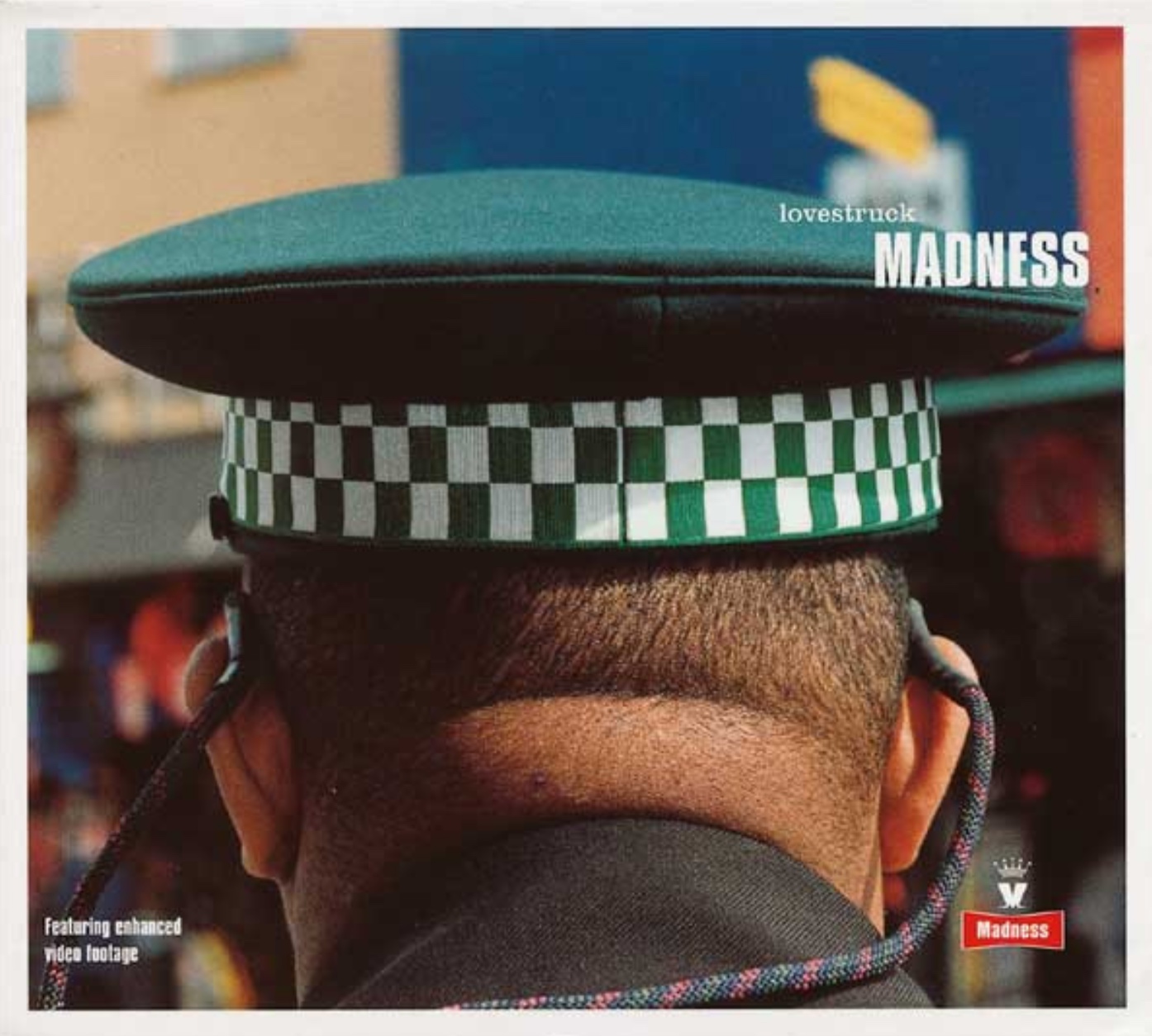
MADNESS - LOVESTRUCK / MY GIRL 2


LOVESTRUCK


Released: July 19, 1999

Charted:  UK: #10 


"Lovestruck" stands as a song serving as the lead single from their seventh studio album, "Wonderful". This song marked the band's return to original material after a hiatus of over 10 years. The track achieved notable success, reaching number 10 on the UK Singles Chart. Remarkably, it was the first time a new Madness release had entered the top 10 since the 1983 song "The Sun and the Rain".


Beyond exploring the themes of lost and unrequited love, "Lovestruck" and its accompanying video take a comedic perspective on the emerging binge-drinking culture in the United Kingdom during the late 1990s. The song provides a lighthearted commentary on the societal shift towards excessive drinking during that period.


The line "Lovestruck, I've fallen for a lamppost" in the song was speculated by many music critics of the time to be inspired by Simon & Garfunkel's "The 59th Street Bridge Song (Feelin' Groovy)" from 1966, which includes the line "Hello, lamppost! Wat'cha knowing?" However, the band never officially commented on this connection. The similarity in the use of the word "lamppost" could suggest a playful nod to or influence from the earlier song.


MY GIRL 2


Released: September 30, 2012


This serves as the lead single from Madness' tenth studio album, "Oui Oui Si Si Ja Ja Da Da." Acting as a sequel to their 1979 hit, "My Girl," the song delves into songwriter Mike Barson's passionate and sometimes tumultuous relationship with "my girl." The album title is drawn from a lyric in this song. Translated from French, Spanish/Italian, German/Dutch/Swedish, and Russian, "Oui Oui Si Si Ja Ja Da Da" means "Yes Yes Yes Yes Yes Yes Yes Yes." Notably, the album cover, featuring rejected titles crossed out, was crafted by Peter Blake, renowned for his work on the artwork for “Sgt. Pepper's Lonely Hearts Club Band”.


The lyrics paint a vivid picture of the singer's fascination with a girl who exudes charm, confidence, and a distinct sense of individuality. The song portrays a narrative where he is enamored by the girl's unique qualities, emphasizing their desire to be close to her. The recurring lines in the chorus, "My girl, she don't read books" and "My girl, she gives dirty looks," suggest a non-conformist attitude, challenging societal norms. The girl's reluctance to adhere to expectations adds an element of mystery and allure, making her particularly captivating to him. The lyrics capture the essence of infatuation and admiration for someone who stands out from the crowd.


Listening to the song, you can feel transported to the 60s, as its rhythm it's a kind of accelerated version of “Green Onions” by Booker T & The MG's, and captures the essence of the earliest styles of bands like The Who or The Kingsmen. The nostalgic musical vibe pays homage to the distinctive sound of that era.