Total de visualitzacions de pàgina:

28.12.23


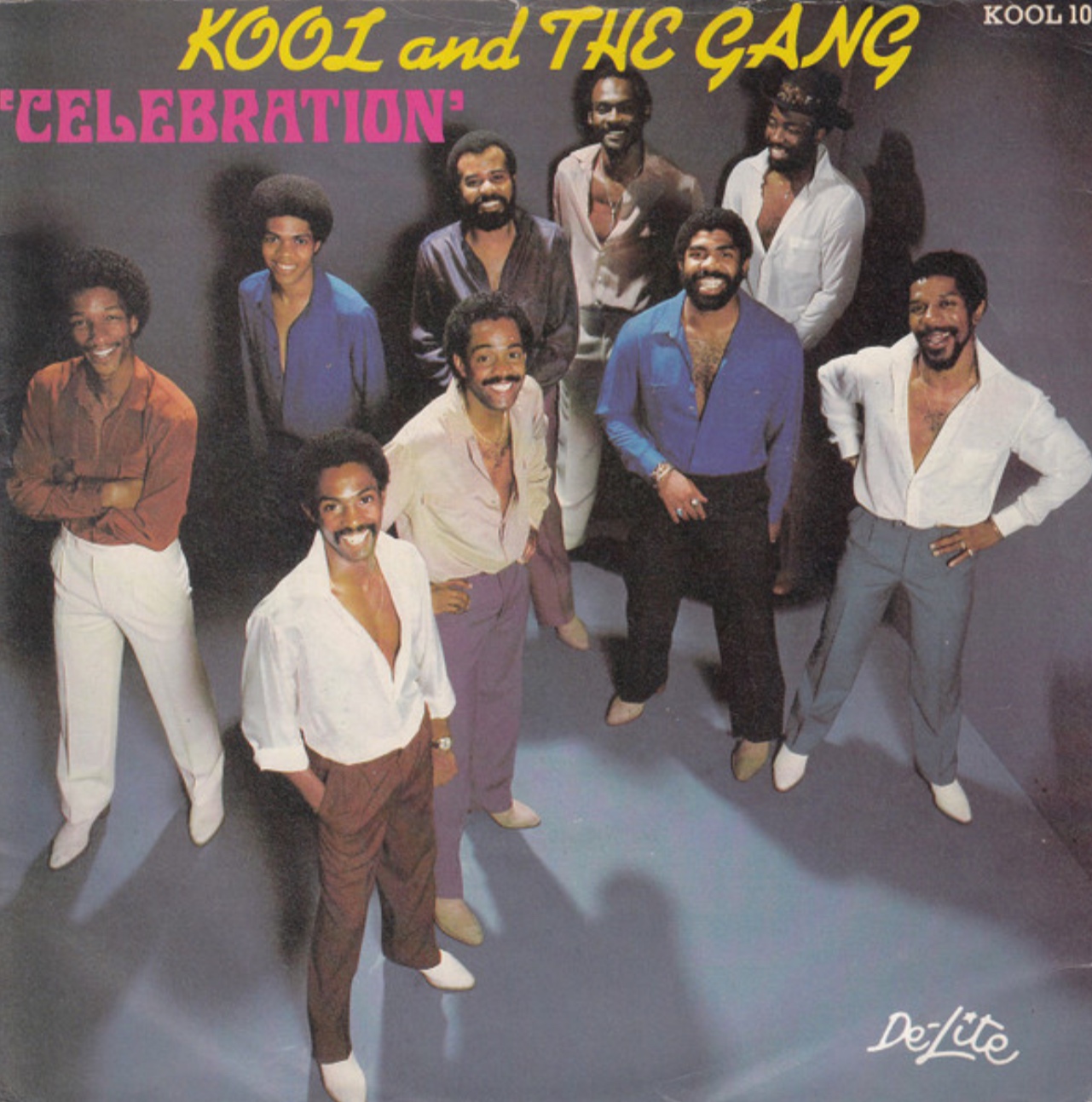
KOOL & THE GANG - CELEBRATION


Publicació: octubre de 1980

Llistes: Regne Unit: #7 EUA: #1 (2 setmanes)


"Celebration" és una cançó de Kool & the Gang, llançada el 1980. És un dels seus èxits més populars. La cançó és coneguda pel seu to alegre i festiu, fet que la converteix en una elecció popular per a celebracions i esdeveniments. Com "Ladies Night", "Celebration" compta amb veus d’acompanyament del grup femení Something Sweet. La combinació de la instrumentació de Kool & the Gang i les veus addicionals contribueix a l'atmosfera festiva i celebratòria de la cançó.


Aquest senzill va arribar al número 1 de la llista Billboard Hot 100 el 7 de febrer de 1981, i va mantenir aquesta posició durant dues setmanes abans de ser superada per "9 to 5" de Dolly Parton. La cançó es manté com l'únic èxit número 1 de la banda a les llistes Billboard.


La lletra transmet un missatge de joia, unió i celebració dels moments positius de la vida. La tornada enganxosa, "Celebrate good times, come on!" (Celebrem els bons moments, endavant!), s'ha convertit en icònic i sovint s'associa a festes i ocasions especials.


"Celebration" s'inspira en un passatge del Corà, que descriu la creació d'Adam, on els àngels celebren i canten lloances. Les arrels de la cançó en l'estudi religiós proporcionen una perspectiva única, convertint-la en un himne atemporal. La mare de J.T. Taylor va preveure l'impacte de la cançó, pronosticant que la cantaria durant la resta de la seva vida, una predicció precisa donada la seva popularitat constant.


L'èxit de "Celebration" va contribuir a la reputació de Kool & the Gang com a banda versàtil capaç de fusionar diversos estils musicals, incloent R&B, funk i pop. La popularitat de la cançó l'ha convertit en un himne clàssic per a ocasions alegres i una peça imprescindible en casaments, festes i altres esdeveniments plens d'alegria.


KOOL & THE GANG - CELEBRATION 


Released : October 1980

Charted:  UK: #7   US: #1 (2 weeks)


"Celebration" is a song by Kool & the Gang, released in 1980. It's one of their most popular and enduring hits. The song is known for its upbeat and festive feel, making it a popular choice for celebrations and events. Like "Ladies Night", “Celebration” features backing vocals from the female group Something Sweet. The combination of Kool & the Gang's instrumentation and the additional vocals contributes to the festive and celebratory atmosphere of the song. 


This single reached No. 1 on the Billboard Hot 100 chart on February 7, 1981, and it held that position for two weeks before being surpassed by Dolly Parton's "9 to 5". The song stands as the band's only Billboard #1 hit.


The lyrics convey a message of joy, togetherness, and celebrating life's positive moments. The catchy chorus, "Celebrate good times, come on!" became iconic and is often associated with festivities and special occasions.


"Celebration" draws its inspiration from a passage in the Q'uran describing the creation of Adam, where angels celebrate and sing praises. The song's roots in religious study provide a unique perspective, turning it into a timeless anthem. J.T. Taylor's mother foresaw the song's lasting impact, predicting that he would play it for the rest of his life—an accurate prediction given its enduring popularity.


The success of "Celebration" contributed to Kool & the Gang's reputation as a versatile band that could blend various musical styles, including R&B, funk, and pop. The song's enduring popularity has made it a classic anthem for happy occasions and a staple at weddings, parties, and other joyful events.




26.12.23


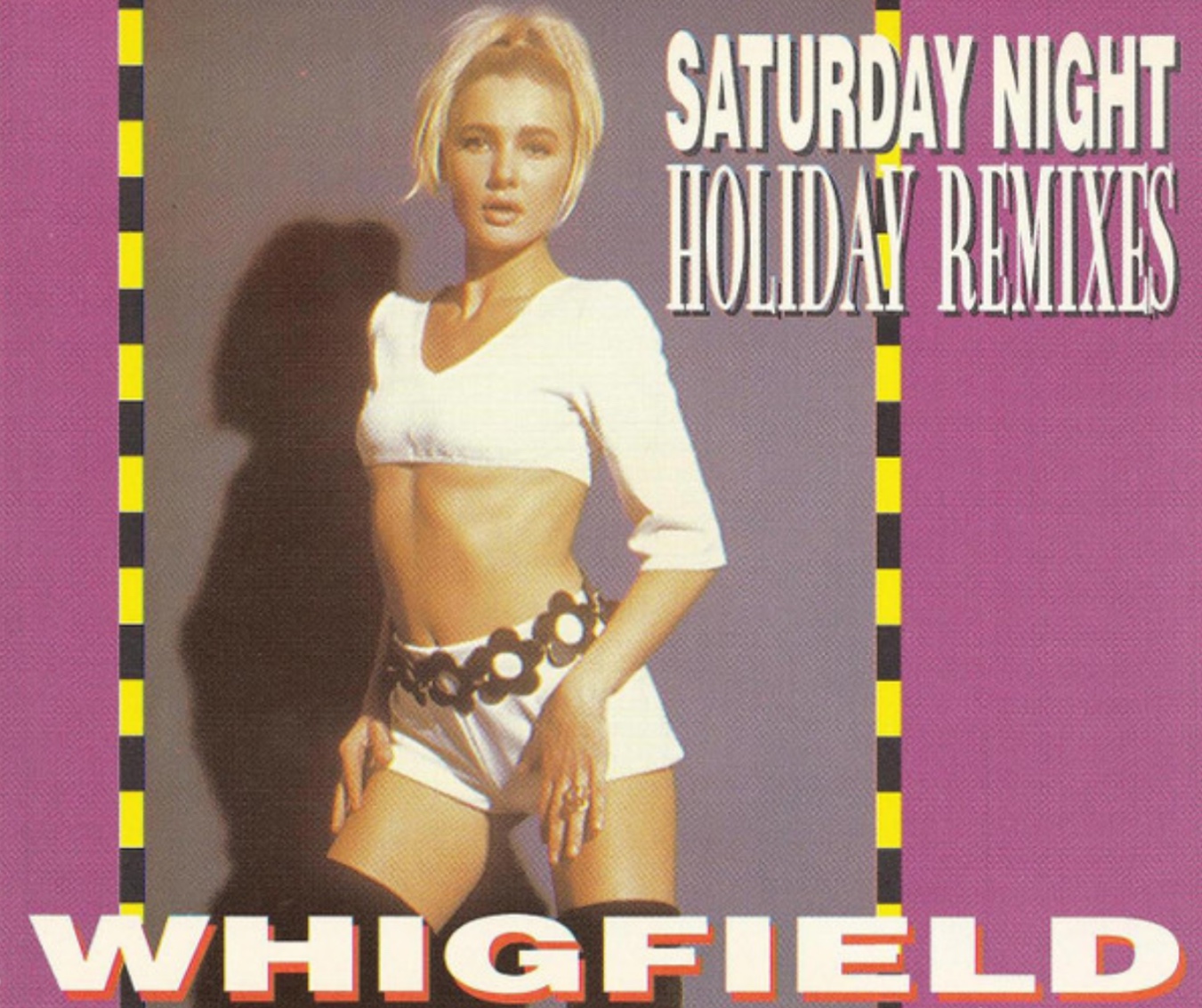
WHIGFIELD - SATURDAY NIGHT


Estrena: 1992 a Itàlia, 1993 a Espanya, Regne Unit (5 de setembre de 1994)

Llistes: Regne Unit: #1 (4 setmanes)  Espanya: #1 (11 setmanes)


"Saturday Night" de Whigfield, liderat per Sannie Carlson, va sorgir el 1992 a Itàlia i va obtenir reconeixement internacional en els anys següents. Inicialment llançada a Itàlia el 1992 i després a Espanya el 1993, el llançament europeu el 1994 va marcar l'inici del seu èxit massiu. Larry Pignagnoli i Davide Riva, productors italians, estan acreditats com a autors de la cançó, mentre que Pignagnoli va assumir el rol de producció. El tema es va convertir en un èxit mundial i, el 1995, va trobar el seu lloc dins del primer àlbum de Whigfield, anomenat "Whigfield".


Inicialment Whigfield va afrontar dificultats per aconseguir una discogràfica, però després de guanyar certa notorietat al programa de ràdio espanyol World Dance Music, la petita discogràfica Prodisc a València va decidir llançar la cançó a Espanya. Va acabar sent un enorme èxit número u durant 11 setmanes al país a la fi de 1993 i l'inici de 1994. L'èxit de la cançó amb els turistes britànics durant l'estiu de 1994, especialment aquells que tornaven de vacances al continent, va generar un interès significatiu al Regne Unit. Whigfield va signar amb una discogràfica britànica al febrer de 1994, i la decisió de retardar el llançament tenia com a objectiu capitalitzar la creixent demanda. El senzill no va arribar a Amèrica del Nord fins al febrer de 1995.


"Saturday Night" va fer una impressionant entrada al Regne Unit, arribant al número u l’11 de setembre de 1994, i desbancant el llarguissim líder de les llistes "Love Is All Around" de Wet Wet Wet. L'èxit immediat de la cançó al Regne Unit va consolidar encara més la seva popularitat. "Saturday Night" va suposar un avenç significatiu per a Whigfield, ja que es va convertir en la primera artista femenina en debutar al número u de les llistes del Regne Unit amb el seu primer senzill. En la seva setmana inicial, la cançó va vendre més còpies al Regne Unit que qualsevol altre senzill des de Band Aid, mostrant la seva popularitat immediata i generalitzada. Aquesta fita va consolidar l'impacte de Whigfield i va contribuir a que la cançó esdevingués el tercer èxit de vendes d'una dona a Gran Bretanya.


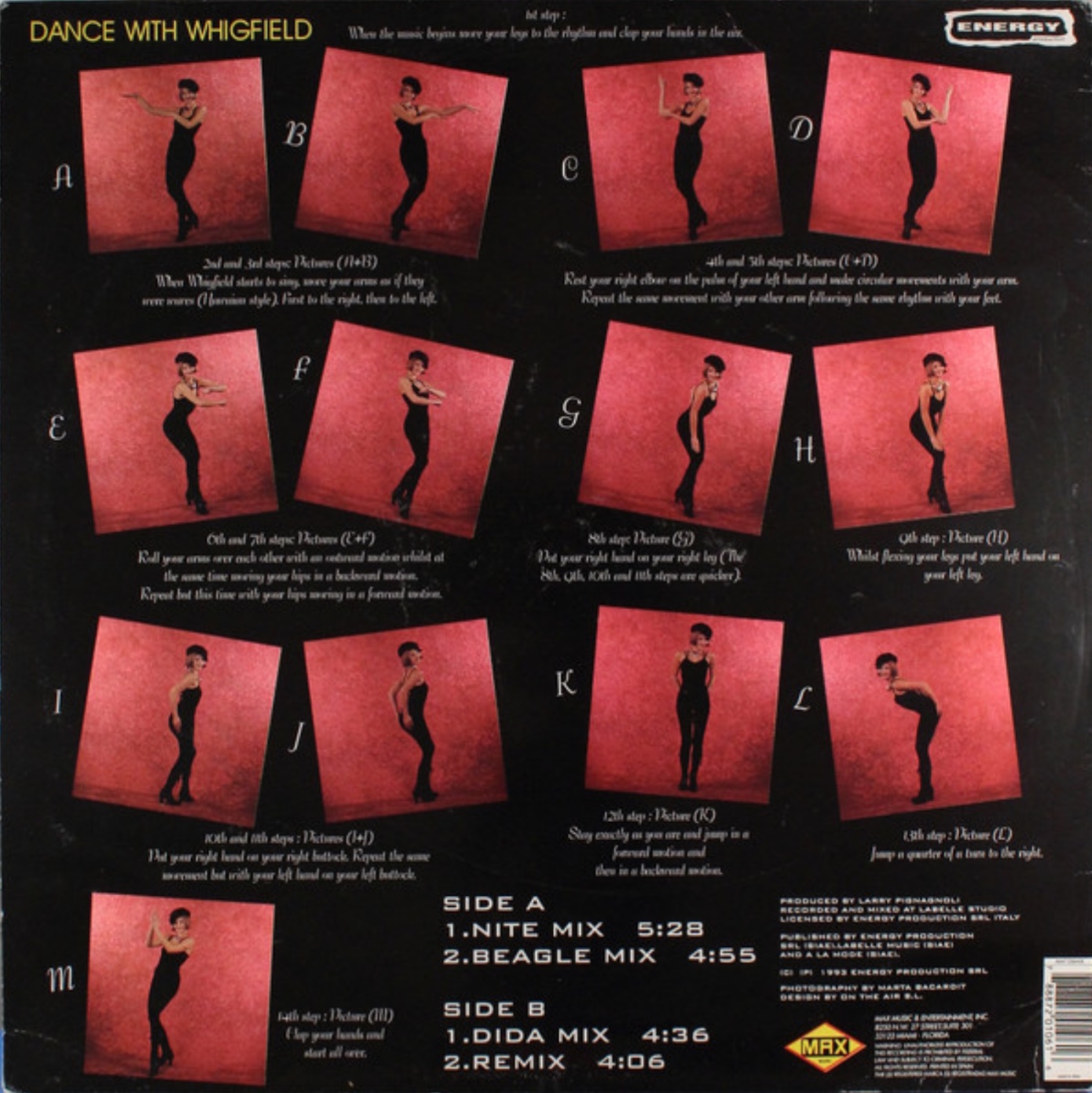
La rutina de ball associada amb "Saturday Night" s'ha convertit en un clàssic a les festes i discoteques, amb els seus orígens a Espanya. Algunes persones creuen que va sorgir com una rutina aeròbica creada per un monitor de gimnàs per acompanyar la cançó en un complex turístic. El ball va guanyar popularitat i va trobar el seu camí de nou al Regne Unit, on es va convertir en una escena comuna en esdeveniments. És interessant notar que el ball no apareix al videoclip, però va ser interpretat per ballarins de suport durant l'aparició de Whigfield al programa Top of the Pops el 15 de setembre de 1994. Whigfield mateixa va conèixer el ball durant un esdeveniment promocional en una població al nord de Madrid, on va observar que la gent es sumava espontàniament i saltava alhora. Li va semblar encantador que es convertís en un ball impulsat per la gent.


WHIGFIELD - SATURDAY NIGHT 


Released : 1992 in Italy, 1993 in Spain, UK (September 5, 1994)

Charted: UK: #1 (4 weeks) Spain: #1 (11 weeks)


"Saturday Night" by Whigfield, led by Sannie Carlson, originated in 1992 in Italy and gained international acclaim in the following years. Initially released in Italy in 1992 and later in Spain in 1993, the song's full European release in 1994 marked the beginning of its widespread success. Larry Pignagnoli and Davide Riva, Italian producers, are credited with writing the song, while Pignagnoli took on the production role. The track became a global hit, and in 1995, it found its place on Whigfield's debut album, titled "Whigfield."


"Saturday Night" initially faced challenges in securing a record label, but after gaining traction on the Spanish radio show World Dance Music, the small label Prodisc in Valencia decided to release the song. It went on to become a massive 11-week number-one hit in Spain at the end of 1993 and the beginning of 1994. The song's success with British holidaymakers during the summer of 1994, especially those returning from vacations on the continent, generated significant interest in the UK. Whigfield signed with a UK label in February 1994, and the decision to delay the release aimed to capitalize on the growing demand. The single didn't reach North America until February 1995.


"Saturday Night" made an impressive debut in the UK, hitting number one on September 11, 1994, and dethroning Wet Wet Wet's long-standing chart-topper "Love Is All Around". The song's immediate success in the UK further solidified its popularity. Saturday Night" marked a significant achievement for Whigfield, as she became the first female artist to debut at #1 on the UK charts with her first single. In its initial week, the song sold more copies in the UK than any single since Band Aid, showcasing its immediate and widespread popularity. This accomplishment solidified Whigfield's impact and contributed to the song becoming the third million-seller by a woman in Britain.


The dance routine associated with "Saturday Night" has become a staple at parties and nightclubs, with its origins traced back to Spain. Some believe it originated as an aerobic routine created by a gym instructor to accompany the song at a holiday resort. The dance gained popularity and found its way back to the UK, where it became a common sight at events. Interestingly, the dance does not feature in the music video, but it was performed by backing dancers during Whigfield's appearance on Top of the Pops on September 15, 1994. Whigfield herself learned about the dance during a promotional event in a town north of Madrid, where she observed people spontaneously joining in and jumping at the same time. She found it charming that it became a community-driven dance.


VILLAGE PEOPLE - Y.M.C.A.

Publicació: 17 d'octubre de 1978

Llistes: Regne Unit: #1 (3 setmanes)  EUA: #2


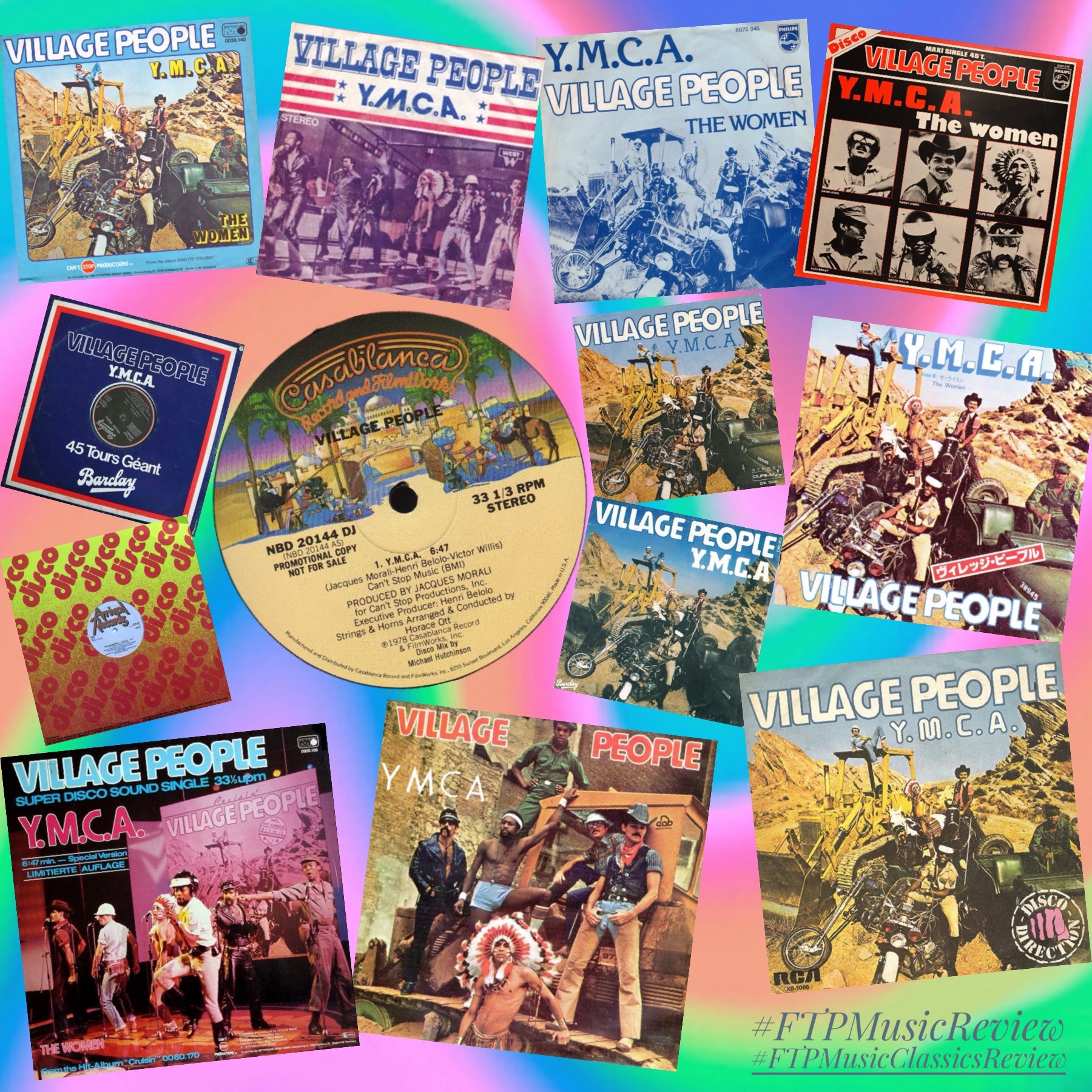
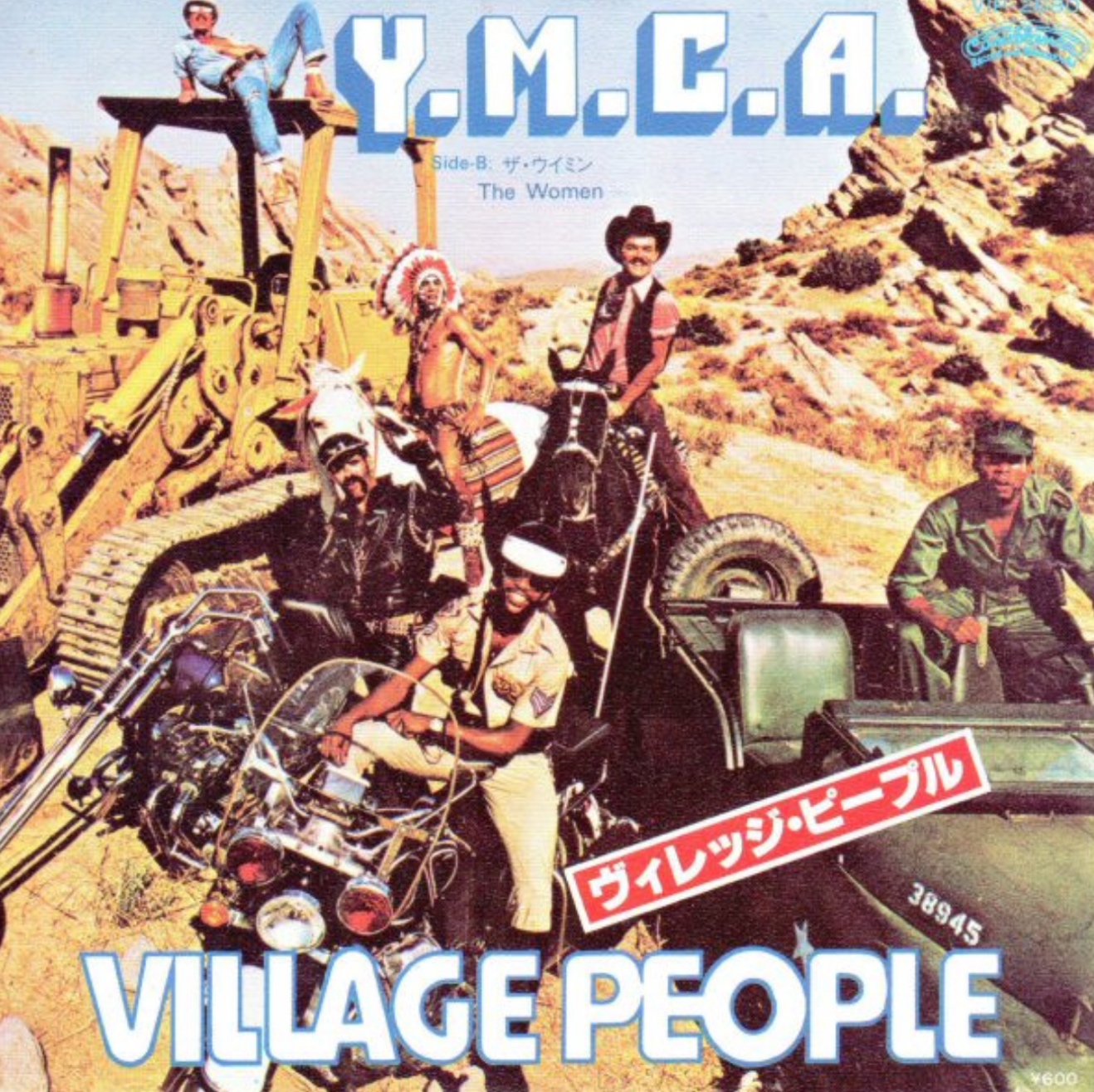
"Y.M.C.A.", llançada a l'octubre de 1978 com a únic senzill del tercer àlbum d'estudi del grup "Cruisin'", es va convertir en un himne disco que va arribar al número 2 de les llistes Billboard Hot 100 a principis de 1979. La cançó, escrita per Jacques Morali i Victor Willis, va mostrar l'esperit vibrant de l'època disco. Malgrat la competència, quedar només darrere de "Le Freak" de Chic i "Da Ya Think I'm Sexy?" de Rod Stewart a les llistes, "Y.M.C.A." també va assolir el primer lloc al Regne Unit, consolidant el seu estatus com el gran èxit dels Village People.


"Y.M.C.A." utilitza de manera enginyosa l'acrònim de l'Associació Cristiana de Joves (Young Men's Christian Association), coneguda com a YMCA, que sovint proporciona instal·lacions esportives i allotjament temporal per a homes. La lletra de la cançó suggereix que la YMCA és un lloc per reunir-se i passar-ho bé amb els nois. Tot i que la lletra no fa referència explícita a una orientació específica, la cançó va adquirir significat a la comunitat LGBTQ+ i es va convertir en un himne gai. Victor Willis, coautor, mantenint l'atractiu universal de la cançó, reconeix i valora la seva adopció per part de la comunitat gai com a himne.


L'èxit de "Y.M.C.A." s'atribueix no només a la seva presentació sinó també a les línies d'instruments de vent impactants arranjades per Horace Ott. Amb una impressionant experiència treballant en cançons per artistes com Aretha Franklin i Nat King Cole, Ott va aportar la seva experiència al gran èxit dels Village People. L'arranjament de vents, que inclou una distintiva explosió d'obertura i cinc colps que condueixen a la tornada, va tenir un paper significatiu per fer que la cançó fos memorable. La contribució d'Ott va afegir un element dinàmic i enganxós a la composició general.


El ball associat amb "Y.M.C.A." implica que els participants formin les lletres amb els seus braços, i ha esdevingut un ball popular i icònic, especialment a casaments i celebracions. Els Village People, que van interpretar la cançó, van popularitzar els moviments de ball associats. De tant en tant, han donat instruccions per garantir l'execució correcta del ball, destacant errors comuns, com la formació correcta de la M i la C. La M es fa correctament tocant els dits davant, no col·locant els dits als espatlles, i la C s'ha de fer cap a l'esquerra per semblar correctament orientada a l'audiència que mira el ball.


El videoclip de "Y.M.C.A." es va gravar a Nova York el juliol de 1978 i mostra el grup cantant i ballant en diversos escenaris. El lloc principal que apareix al vídeo és la ubicació original del YMCA, McBurney, situat al 213 West 23rd Street. Altres ubicacions de gravació inclouen el 395 West Street, els molls de la costa oest i el parc Hudson River. El vídeo conclou amb un acostament a l'icònic Empire State Building.


VILLAGE PEOPLE - Y.M.C.A.


Released : October 17, 1978

Charted:  UK: #1 (3 weeks)  US: #2 


"Y.M.C.A." released in October 1978, as the only single from the band third studio album “Cruisin’” became a disco anthem, reaching No. 2 on the Billboard Hot 100 charts in early 1979. The song, written by Jacques Morali and Victor Willis, showcased the vibrant spirit of the disco era. Notably, it faced stiff competition, landing just behind Chic's "Le Freak" and Rod Stewart's "Da Ya Think I'm Sexy?" on the charts. Despite the competition, "Y.M.C.A." also secured the top spot in the UK, solidifying its status as Village People's biggest hit.


"Y.M.C.A." cleverly uses the acronym for the Young Men's Christian Association, commonly known for providing gym facilities and temporary housing for men. The song's lyrics playfully suggest the YMCA as a place to gather and have a good time with all the boys. While the lyrics themselves don't explicitly reference a specific orientation, the song took on significance in the LGBTQ+ community and became a gay anthem. Co-writer Victor Willis, while maintaining the song's universal appeal, acknowledges and appreciates its adoption by the gay community as their anthem.


The success of "Y.M.C.A." is attributed not only to its presentation but also to the impactful horn lines arranged by Horace Ott. With an impressive background working on tracks for artists like Aretha Franklin and Nat King Cole, Ott brought his expertise to the Village People's hit. The horn arrangement, including a distinctive opening blast and five stabs leading up to the chorus, played a significant role in making the song memorable and distinctive. Ott's contribution added a dynamic and catchy element to the overall composition.


The dance associated with "Y.M.C.A." involves participants forming the letters with their arms, and it has become a popular and iconic dance, particularly at weddings and celebrations. The Village People, who performed the song, popularized the associated dance moves. They have occasionally provided instructions to ensure the correct execution of the dance, highlighting common mistakes, such as the proper formation of the M and C. The M is correctly made by touching fingers in front, not placing fingers on shoulders, and the C should be gestured to the left to appear correctly oriented to the audience facing the dancer.


The music video for "Y.M.C.A." was filmed in New York City in July 1978, showcasing the band singing and dancing across various locations. The primary site featured in the video is the original location of the YMCA, McBurney, situated at 213 West 23rd Street. Additional filming locations include 395 West Street, the West Side Piers, and Hudson River Park. The video concludes with a zoom-in on the iconic Empire State Building.