Total de visualitzacions de pàgina:

31.12.23


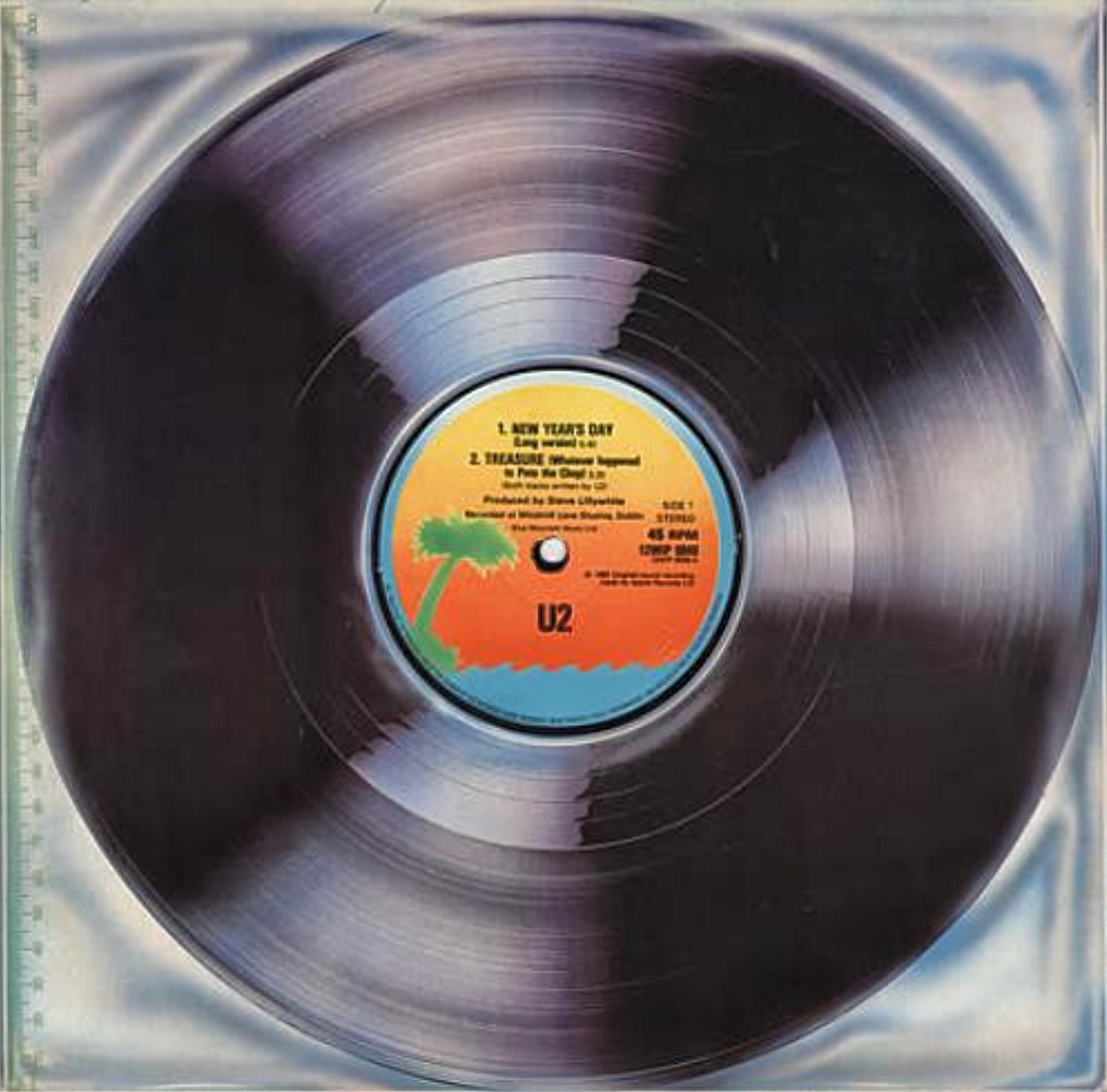
U2 - NEW YEAR’S DAY


Publicació: 10 de gener de 1983

Llistes: Regne Unit: #10   EUA: #53 


"New Year's Day" dels U2 és una peça significativa del seu àlbum del 1983, "War". Llançada com a single principal al gener de 1983, la cançó destaca per la seva connexió amb el moviment Solidarność polonès, reflectint l'implicació de la banda en temes socials i polítics a través de la seva música.


Amb el característic baix d'Adam Clayton i enriquida amb el piano i la guitarra de the Edge, la cançó mostra l'evolució del so dels U2 i la seva capacitat per combinar el rock amb lletres significatives. La producció de Steve Lillywhite, que va treballar en els seus tres primers àlbums, va contribuir a captar l'energia de les seves actuacions en directe en l'enregistrament.


Malgrat la seva connexió temàtica amb els moviments polítics, Bono considera "New Year's Day" una cançó d'amor. La lletra transmet una sensació de lluita i resistència, enmarcada dins del context més ampli de reptes polítics i socials. Aquest enfocament dual temàtic afegeix profunditat i complexitat a la cançó, convertint-la en una peça destacada a la discografia dels U2.


El videoclip de "New Year's Day" va marcar un moment significatiu per als U2, ja que va ser el seu primer vídeo que va rebre una difusió substancial a MTV. Dirigit per Meiert Avis, que ja havia treballat en altres vídeos del grup com "Gloria" i "I Will Follow", el vídeo va mostrar l'ambició creixent de la banda i la seva habilitat per a la narrativa visual.


La ubicació original per al rodatge del videoclip era Estocolm, Suècia, però es va canviar a la localitat de Sälen quan no es van poder obtenir les desitjades muntanyes nevades. Les imatges inclouen majestuoses vistes a les muntanyes i talls estrets de la banda interpretant la cançó, creant una narrativa visual captivadora.


Un element destacat del vídeo implica escenes en què la banda sembla muntar cavalls. No obstant això, degut a la limitada experiència a cavall de la banda i a la gira en curs, es va decidir utilitzar quatre noies adolescentes cobertes amb roba d'hivern per crear la il·lusió. Aquesta perspectiva del darrere de les càmeres afegeix una capa interessant a la producció del vídeo i demostra les consideracions pràctiques durant els primers esforços dels U2 amb els vídeos musicals.


La frase "Under a blood red sky" va servir com a inspiració pel títol d'un vídeo i àlbum en directe llançat el 1983. El vídeo, titulat "U2 Live at Red Rocks: Under a Blood Red Sky", es va gravar durant una actuació a Red Rocks, Colorado, el 5 de juny de 1983. L'àlbum acompanyant, també titulat "Under a Blood Red Sky", incloïa vuit pistes, amb només dues gravades durant l'espectacle a Red Rocks. A part de "New Year's Day", altres quatre pistes es van capturar durant una actuació en un festival a Alemanya aquell agost. Aquest llançament en directe va jugar un paper significatiu en establir la reputació dels U2 com a actuació en directe dinàmica i atractiva.


U2 - NEW YEAR’S DAY 


Released : January 10, 1983

Charted:  UK: #10   US: #53


"New Year's Day" is a significant track from their 1983 album "War". Released as the lead single in January 1983, the song is notable for its connection to the Polish Solidarity movement, reflecting the band's engagement with social and political themes in their music.


Driven by Adam Clayton's distinctive bassline and enriched by the Edge's piano and guitar playing, the song showcases U2's evolving sound and their ability to blend rock with meaningful lyrics. The production by Steve Lillywhite, who worked on their first three albums, contributed to capturing the energy of their live performances on record.


Despite its thematic connection to political movements, Bono considers "New Year's Day" a love song. The lyrics convey a sense of struggle and resilience, framed within the broader context of political and social challenges. This dual thematic approach adds depth and complexity to the song, making it a standout in U2's discography.


The music video for "New Year's Day" marked a significant moment for U2, being their first video to receive substantial airplay on MTV. Directed by Meiert Avis, who had previously worked on U2's videos like "Gloria" and "I Will Follow," the video showcased the band's growing ambition and visual storytelling.


Originally planned to be shot in Stockholm, Sweden, the video's setting was changed to the town of Sälen when the desired snowy mountains weren't available. The visuals include majestic mountain scenes and tight shots of the band performing, creating a compelling visual narrative for the song.


A notable element of the video involves scenes of the band supposedly riding horses. However, due to the band's limited riding experience and the ongoing tour, the decision was made to use four teenaged girls covered in winter clothes to create the illusion. This behind-the-scenes insight adds an interesting layer to the video's production and demonstrates the practical considerations during U2's early music video endeavors.


The line "Under a blood red sky" served as the inspiration for the title of a video and live album released by U2 in 1983. The video, titled "U2 Live at Red Rocks: Under a Blood Red Sky", was recorded during a performance at Red Rocks, Colorado, on June 5, 1983. The accompanying album, also titled "Under a Blood Red Sky", featured eight tracks, with only two recorded at the Red Rocks show. Apart from "New Year's Day"m four other tracks were captured during a festival performance in Germany that August. This live release played a significant role in establishing U2's reputation as a dynamic and compelling live act.




28.12.23


DAVID BOWIE - LET’S DANCE 


Publicació: 14 de març de 1983

Llistes: Regne Unit: #1 (3 setmanes)  EUA: #1 (1 setmana


"Let's Dance" de David Bowie va ser llançada com a cançó principal del seu àlbum del 1983. Escrita per Bowie i produïda per Nile Rodgers, va marcar un canvi en l'estil musical de Bowie cap a un so més comercial amb elements de dance-pop i funk. "Let's Dance" va arribar al cim de les llistes en diversos països i segueix sent una de les cançons més representatives de David Bowie dels anys 80.


La cançó destaca per un riff de guitarra distintiu interpretat per Stevie Ray Vaughan i es va convertir en una de les cançons més exitoses i reconeixibles de Bowie. El videoclip que l'acompanya, dirigit per David Mallet, també va contribuir a la popularitat de la cançó, mostrant la interpretació amb estil i energia de Bowie.


La perspectiva de Nile Rodgers sobre "Let's Dance" reflecteix la seva intenció de crear un disc que, tot i no ajustar-se al motlle tradicional de la música de ball, té l'energia i el ritme contagiosos que inspiren la gent a ballar. L'enfocament era lliurar una cançó que compleixi amb el seu títol, creant una irresistible urgència perquè els oients es moguin i ballin. Rodgers, amb la seva experiència en funk i disco, va voler capturar l'essència del ball sense adherir-se estrictament a les convencions del gènere, contribuint a la natura distintiva i ballable de la cançó.


El tema de les sabates vermelles a "Let's Dance" és un homenatge a la pel·lícula del 1948 "The Red Shoes", que presenta un ballet del mateix nom. A la lletra, la frase "Put on your red shoes and dance the blues" (Posa't les sabates vermelles i balla les penes) suggereix que posar-se aquestes sabates vermelles té un efecte transformador, fent-te ballar malgrat qualsevol sentiment de tristesa o melangia. Aquest concepte pren inspiració en el conte de fades d'Hans Christian Andersen "The Red Shoes," on un parell de sabates vermelles màgiques impulsen la persona que les porta a ballar sense control. La menció de les sabates vermelles s'ha explorat en diverses obres artístiques, incloent la cançó de Kate Bush sobre un tema similar.


El "Serious Moonlight Tour" va ser anomenat així per la frase de la cançó: "Under the moonlight, the serious moonlight", inicialment planificada per a Europa, l'èxit immens de la gira va portar a la seva expansió a Amèrica del Nord, Àsia i Austràlia. Els concerts es van celebrar en grans estadis, reflectint la gran popularitat i impacte de l'àlbum i la seva gira associada.


DAVID BOWIE - LET’S DANCE 


Released: March 14, 1983

Charted:  UK: #1 (3 weeks)  US: #1 (1 week)


"Let's Dance" is a song by David Bowie, released as the title track of his 1983 album. The song was written by Bowie and produced by Nile Rodgers. It marked a shift in Bowie's musical style towards a more commercial sound with elements of dance-pop and funk. "Let's Dance" reached the top of the charts in multiple countries and remains one of David Bowie's signature songs from the 1980s. 


The track features a distinctive guitar riff played by Stevie Ray Vaughan and became one of Bowie's most successful and recognizable songs. The accompanying music video, directed by David Mallet, also contributed to the song's popularity, featuring Bowie's stylish and energetic performance.


Nile Rodgers' perspective on "Let's Dance" reflects his intention to create a record that, while not fitting the traditional dance music mold, still possesses the infectious energy and rhythm that inspire people to dance. The focus was on delivering a song that lived up to its title, creating an irresistible urge for listeners to move and groove. Rodgers, with his background in funk and disco, aimed to capture the essence of dance without adhering strictly to genre conventions, contributing to the distinctive and danceable nature of the track.


The theme of red shoes in David Bowie's "Let's Dance" is a nod to the 1948 movie "The Red Shoes," which features a ballet of the same name. In the lyrics, the line "Put on your red shoes and dance the blues" suggests that the act of putting on these red shoes has a transformative effect, making you dance despite any feelings of sadness or blues. This concept draws inspiration from the Hans Christian Andersen fairy tale "The Red Shoes," where a pair of magical red shoes compels the wearer to dance uncontrollably. The mention of red shoes has been explored in various artistic works, including Kate Bush's song on a similar theme.


The "Serious Moonlight Tour" was named after the line in the song: "Under the moonlight, the serious moonlight", Initially planned for Europe, the tour's immense success led to its expansion to North America, Asia, and Australia. The concerts were held in large stadiums, reflecting the widespread popularity and impact of the album and its associated tour.


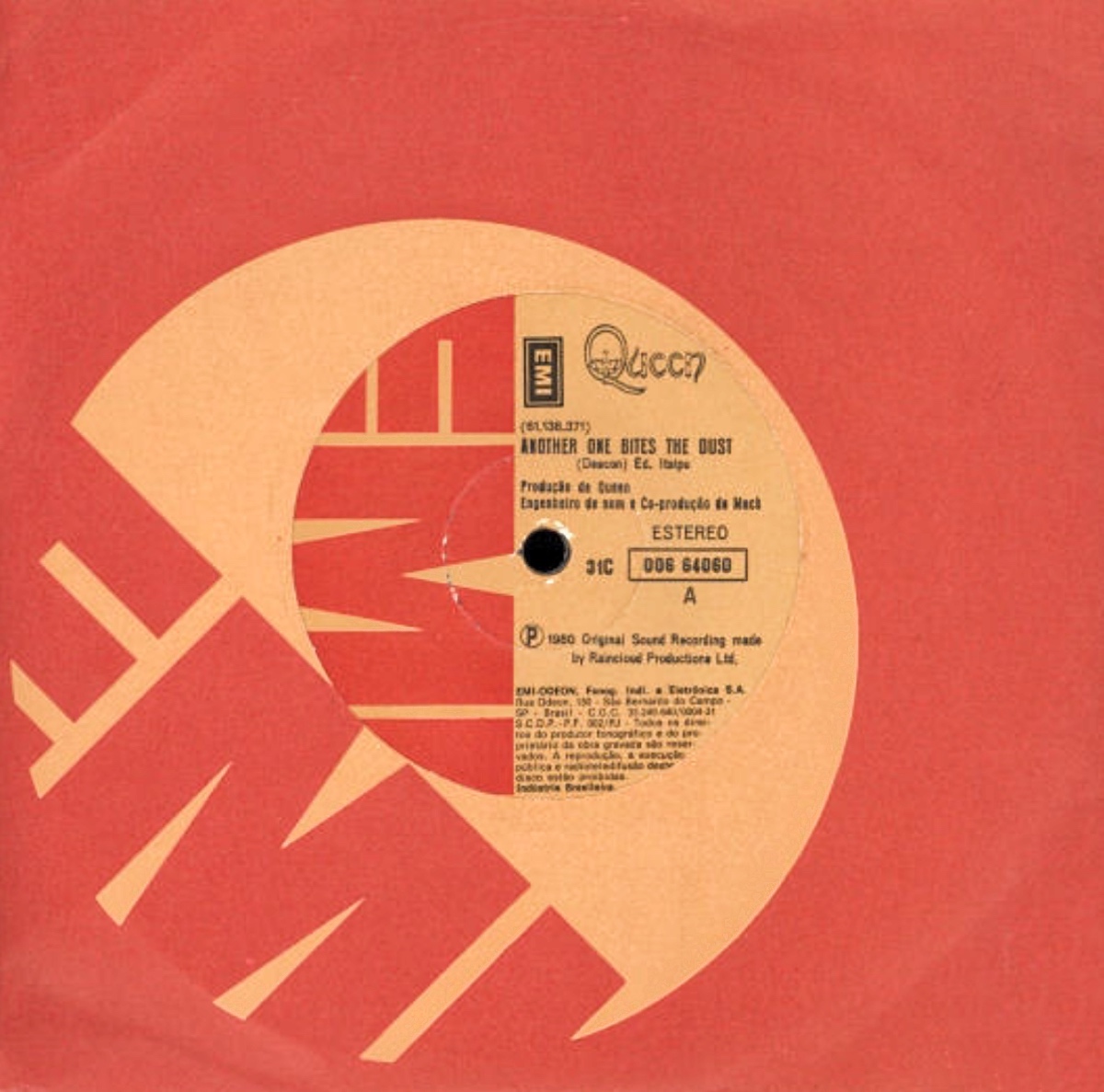
 QUEEN - ANOTHER ONE BITES THE DUST

Publicació: 22 d'agost de 1980

Llistes: EUA: #1 (3 setmanes)  Regne Unit: #7


"Another One Bites the Dust" és una cançó de la banda de rock britànica Queen. Va ser escrita pel baixista John Deacon, i va ser llançada en el seu vuitè àlbum d'estudi, "The Game" (1980). La cançó té una línia de baix distintiva i un ritme funky ballable, quelcom poc habitual en el so rock típic de Queen.


La pista es va convertir en un dels èxits més grans de Queen, arribant al número u al rànquing Billboard Hot 100 als Estats Units. També va aconseguir un èxit significatiu a nivell mundial. "Another One Bites the Dust" és coneguda per la seva tornada enganxosa, la memorable línia de baix i la veu enèrgica de Freddie Mercury.


La lletra de la cançó ha estat objecte de diverses interpretacions, però Deacon ha mencionat que la inspiració per a la línia de baix va provenir de la cançó de Chic "Good Times". La frase "Another one bites the dust" a la tornada és sovint interpretada com a descripció de la desaparició o derrota d'una persona.


El baixista de Chic, Bernard Edwards, va mencionar en una entrevista que la cançó "Another One Bites the Dust" va sorgir perquè el baixista de Queen passava temps a l'estudi de Chic. Edwards va expressar la seva frustració pel fet que la premsa va començar a dir que Chic havia plagiat Queen, tot i que "Good Times" havia estat llançada més d'un any abans. És un recordatori de com les influències musicals i les col·laboracions sovint poden ser malinterpretades. L'interès de John Deacon en la música soul i l'evolució de la cançó des d'una línia de baix fins a una pista ballable mostren les diverses influències que contribueixen a la música de Queen. La suggerència de Michael Jackson de llançar-la com a single i l'èxit inesperat a les emissores de ràdio negres destaquen la naturalesa imprevisible del viatge d'una cançó una vegada llançada.


A més de la dedicació de Freddie Mercury a "Another One Bites the Dust", Brian May i Roger Taylor han proporcionat idees sobre la creació de la cançó. Brian May reconeix l'obra excepcional de Freddie, destacant com va elevar la idea inicial de John Deacon a noves alçades. May valora l'esforç que Freddie va posar a la cançó, arribant fins i tot a forçar els seus límits vocals.


Roger Taylor il·lumina les dinàmiques internes, reconeixent que la cançó va ser una desviació per a Queen, amb resistència inicial d'alguns membres de la banda. No obstant això, la creença de Freddie Mercury en la cançó i la seva determinació per tirar-la endavant van tenir un paper crucial en fer que succeís. Taylor destaca com el suport de Freddie va ser instrumental per superar qualsevol resistència dins la banda, posant de relleu el procés creatiu col·laboratiu i, a vegades, desafiador dins de Queen.


L'èxit de "Another One Bites the Dust" va ajudar a solidificar la incursió de Queen en diferents gèneres musicals, incloent-hi el funk i el disco, i va mostrar la seva capacitat de crear música diversa i àmpliament atractiva.


QUEEN - ANOTHER ONE BITES THE DUST 


Released: August 22, 1980

Charted:  US: #1 (3 weeks)  UK: #7 


"Another One Bites the Dust" is a song by the British rock band Queen. It was written by the band's bass guitarist, John Deacon, and was released on their eighth studio album, "The Game" (1980). The song has a distinctive bassline and a funky, danceable rhythm, which was somewhat unusual for Queen's typical rock sound.


The track became one of Queen's biggest hits, reaching number one on the Billboard Hot 100 chart in the United States. It also achieved significant success globally. "Another One Bites the Dust" is known for its catchy chorus, memorable bassline, and Freddie Mercury's energetic vocals.


The song's lyrics have been subject to various interpretations, but Deacon has mentioned that the inspiration for the bassline came from the Chic song "Good Times." The phrase "Another one bites the dust" in the chorus is often interpreted as describing a person's demise or defeat.


Chic bass player Bernard Edwards mentioned in an interview that the Queen record "Another One Bites the Dust" came about because Queen's bass player spent time at Chic's studio. Edwards expressed frustration that the press started saying Chic had ripped off Queen, even though Chic's "Good Times" had been released more than a year before. It's a reminder of how musical influences and collaborations can sometimes be misinterpreted. John Deacon's interest in soul music and the evolution of the song from a bass riff and a line to a danceable track show the diverse influences that contribute to Queen's music. Michael Jackson's suggestion to release it as a single and the unexpected success on black radio stations highlight the unpredictable nature of a song's journey once released.


In addition to Freddie Mercury's dedication to "Another One Bites the Dust," Brian May and Roger Taylor have provided insights into the song's creation. Brian May recognizes Freddie's exceptional work, emphasizing how Freddie elevated John Deacon's initial idea to new heights. May appreciates the inspired effort Freddie put into the song, going as far as pushing his vocal limits.


Roger Taylor sheds light on the internal dynamics, acknowledging that the song was a departure for Queen, with initial resistance from some band members. However, Freddie Mercury's belief in the song and his determination to see it through played a crucial role in making it happen. Taylor underscores how Freddie's support was instrumental in overcoming any resistance within the band, highlighting the collaborative and sometimes challenging creative process within Queen.


The success of "Another One Bites the Dust" helped solidify Queen's crossover into different music genres, including funk and disco, and showcased their ability to create diverse and widely appealing music.