Total de visualitzacions de pàgina:

9.1.24


PAUL McCARTNEY & WINGS - LIVE AND LET DIE


Publicació: 1 de juny de 1973

Llistes: Regne Unit: #9 EUA: #2


"Live and Let Die" es va publicar com a cançó principal de la pel·lícula de James Bond de 1973 amb el mateix nom. Composada per Paul McCartney i Linda McCartney, va marcar una col·laboració amb l'antic productor dels Beatles, George Martin. La cançó, enregistrada per Wings durant les sessions de “Red Rose Speedway” a l'octubre de 1972, és la primera cançó de rock que obre una pel·lícula de James Bond. McCartney va ser abordat pels productors de la pel·lícula per crear la cançó abans de finalitzar el guió.


La creació de "Live and Let Die" per part de Paul McCartney és una història captivadora, marcada per la espontaneïtat i la seva creativitat brillant. Després de rebre una còpia de la novel·la de James Bond, McCartney es va immergir en la història, completant la lectura en un sol dissabte. El dia següent, seia al piano i, en tan sols 10 minuts, va crear la icònica cançó. 


La perspicàcia de McCartney per transformar la frase coneguda "viure i deixar viure" en la més provocadora "viure i deixar morir" revela la seva habilitat intel·ligent i intuitiva per escriure cançons. Aquesta transició reflecteix no només la seva destresa musical sinó també la seva capacitat per capturar l'essència del tema de Bond d'una manera que ressona amb la narrativa.


La història dels rànquings de "Live and Let Die" afegeix una dimensió intrigant al seu èxit. Passar tres setmanes consecutives al número 2 mentre cançons diferents ocupaven el primer lloc cada setmana és un fet poc comú al Billboard Hot 100. El recorregut de la cançó a través d'aquestes setmanes, amb "The Morning After" de Maureen McGovern, "Touch Me in the Morning" de Diana Ross i "Brother Louie" dels Stories alternant-se al número 1, crea un capítol distintiu en la història dels rànquings.


Les interpretacions en directe de "Live and Let Die" per part de Wings es van millorar amb flashos i un espectacle de llum làser durant la pausa instrumental, creant una experiència visual impressionant. McCartney ha mantingut aquesta tradició en les seves gires en solitari, incorporant sovint pirotècnia a la interpretació de la cançó. Es destaca que "Live and Let Die" té la distinció de ser l'única cançó que apareix a tots els àlbums en viu de McCartney (excepte a Unplugged pel seu format acústic).


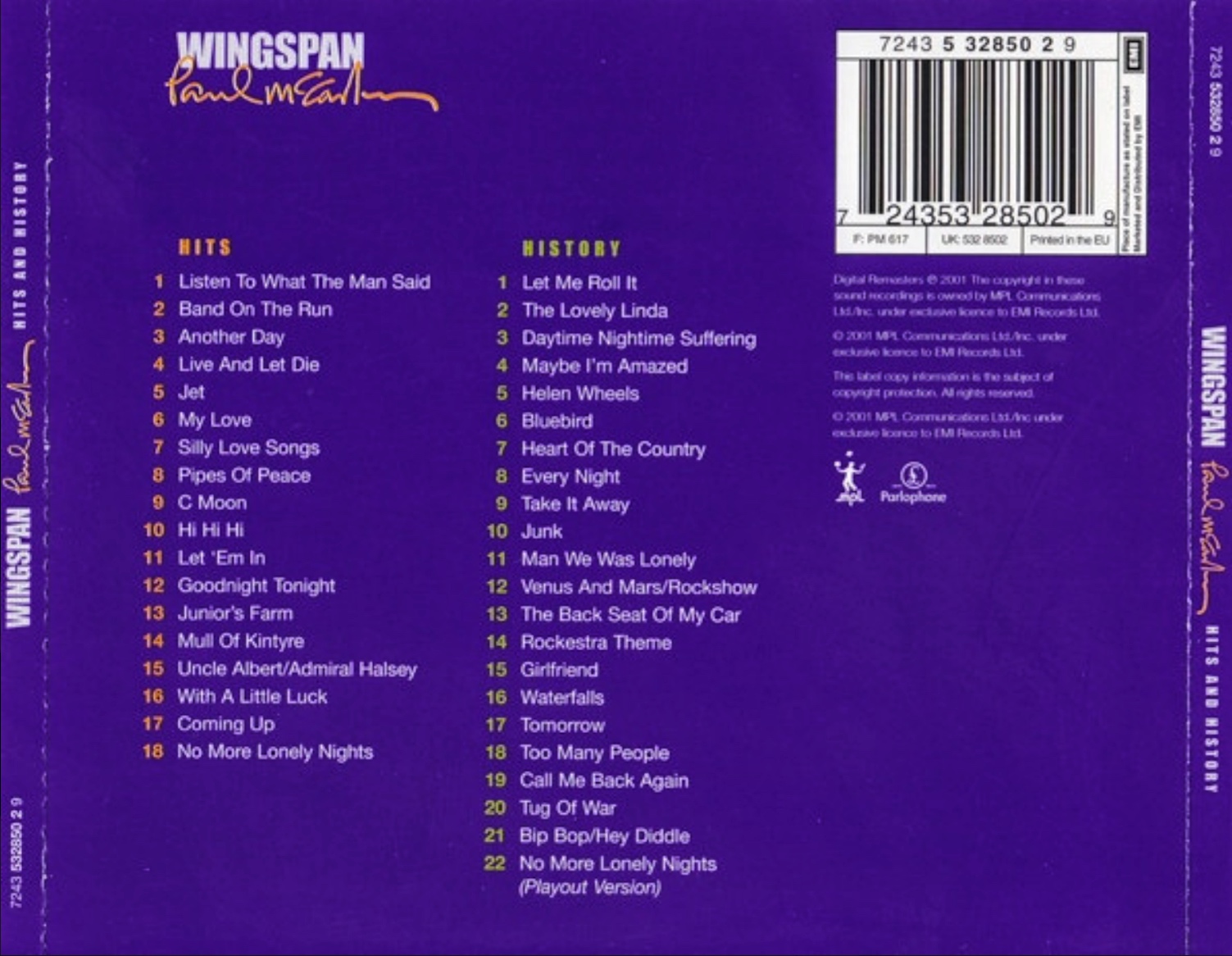
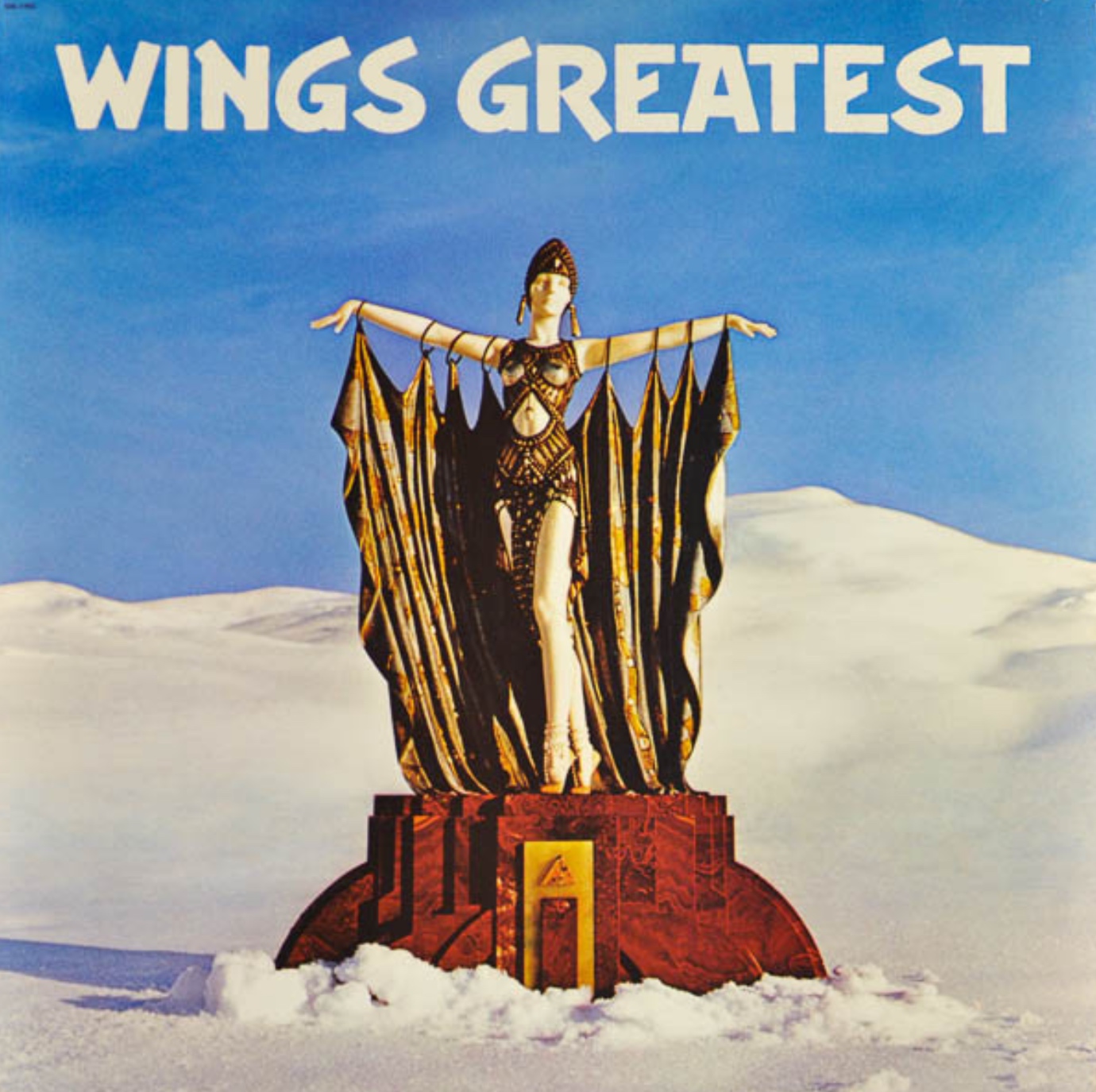
"Live and Let Die" va trigar a incloure’s en un àlbum de McCartney, fent la seva primera aparició a la compilació “Wings Greatest” el 1978. Posteriorment, va trobar el seu lloc en diverses altres recopilacions, incloent-hi “All the Best!” (1987), “Wingspan: Hits and History” (2001), “Pure McCartney” (2016), i com a pista de bonificació en una reedició de “Red Rose Speedway” el 2018.


PAUL McCARTNEY & WINGS - LIVE AND LET DIE


Released : June 1, 1973

Charted:  UK: #9  US: #2  


"Live and Let Die" serves as the theme song for the 1973 James Bond film of the same name. Composed by Paul McCartney and Linda McCartney, it marked a collaboration with former Beatles producer George Martin. The song, recorded by Wings during the Red Rose Speedway sessions in October 1972, stands as the first rock track to open a James Bond movie. McCartney was approached to create the song by the film's producers before the screenplay was finalized.


Paul McCartney's creation of "Live and Let Die" is a captivating tale, marked by spontaneity and creative brilliance. After receiving a copy of the James Bond novel, McCartney immersed himself in the story, completing the read in a single Saturday. The very next day, he sat at the piano and, within a mere 10 minutes, crafted the iconic song. The rapid and impromptu nature of its composition adds a layer of intrigue to the creative process.


McCartney's insight into transforming the familiar phrase "live and let live" into the more provocative "live and let die" reveals his clever and intuitive approach to songwriting. This transition reflects not only his musical prowess but also his ability to capture the essence of the Bond theme in a way that resonates with the narrative.


The unique chart history of "Live and Let Die" adds an intriguing dimension to its success. Spending three consecutive weeks at #2 while different songs held the #1 spot each week is a rare feat in the Billboard Hot 100. The song's journey through these weeks, with "The Morning After" by Maureen McGovern, "Touch Me in the Morning" by Diana Ross, and "Brother Louie" by the Stories taking turns at #1, creates a distinctive chapter in chart history.


Wings' live performances of "Live and Let Die" were enhanced with flashpots and a laser light show during the instrumental break, creating a visually stunning experience. McCartney has carried this tradition into his solo tours, frequently incorporating pyrotechnics into the performance of the song. Notably, "Live and Let Die" holds the distinction of being the only song to appear on all of McCartney's live albums (except for the acoustic-based Unplugged).


"Live and Let Die" had a delayed inclusion in a McCartney album, making its debut on the Wings Greatest compilation in 1978. Subsequently, it found its place on several other collections, including All the Best! (1987), Wingspan: Hits and History (2001), Pure McCartney (2016), and as a restored bonus track on a reissue of Red Rose Speedway in 2018.


 

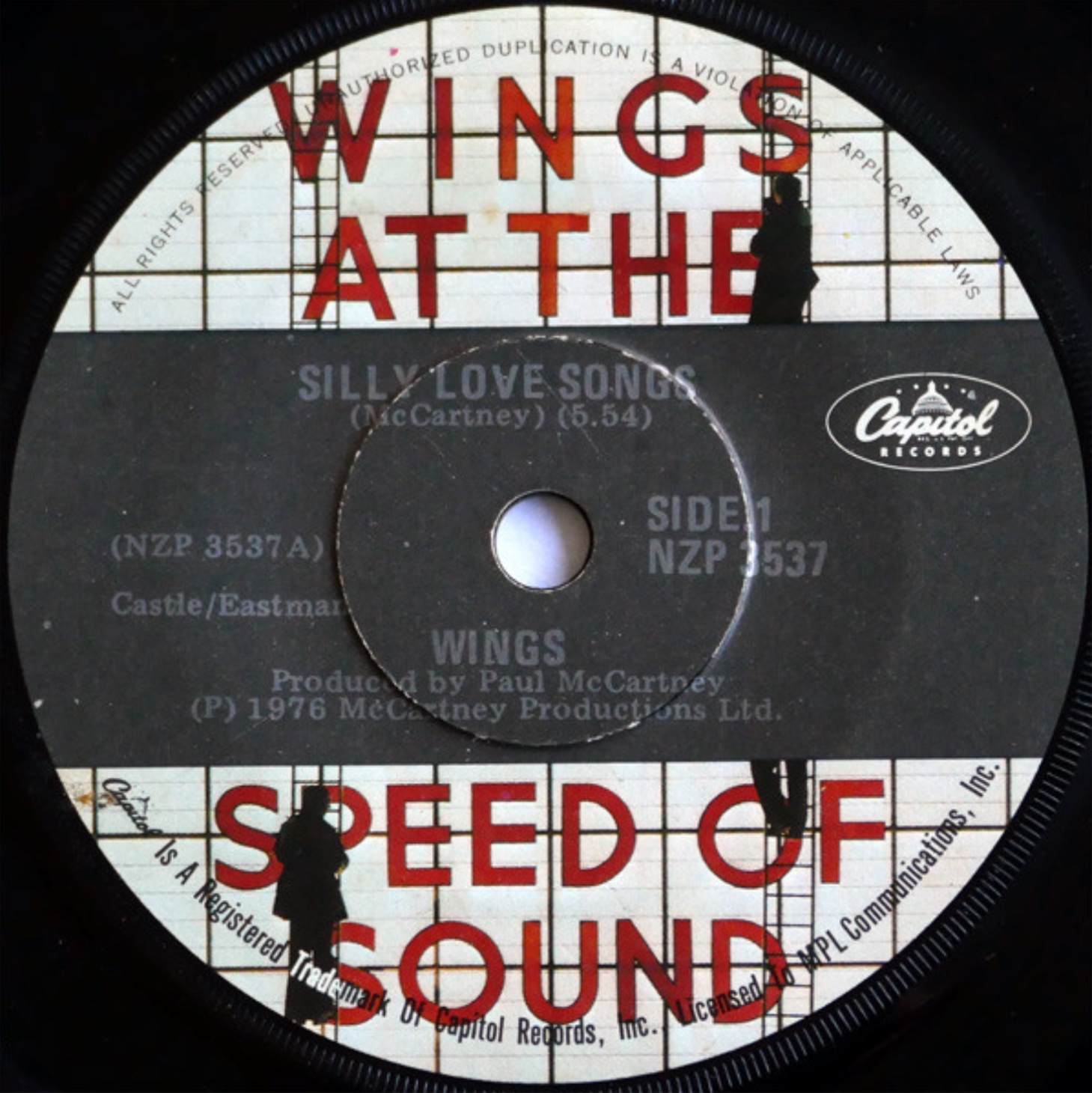
WINGS - SILLY LOVE SONGS


Publicació: 1 d'abril de 1976 (EUA) 30 d'abril de 1976 (Regne Unit)

Llistes: Regne Unit: #2   EUA: #1 (5 setmanes)


"Silly Love Songs" escrita per Paul i Linda McCartney, es va llançar el març de 1976 com a part de l'àlbum "Wings at the Speed of Sound". La pista, caracteritzada per tons disco, va ser una resposta als crítics musicals que havien acusat McCartney de compondre massa "cançons d'amor ximples" i "ximpleries sentimentals". És notable que McCartney va aclarir que la cançó estava dirigida al seu antic company dels Beatles, John Lennon, que li havia fet aquestes acusacions.


"Silly Love Songs" va ser la resposta de Paul McCartney a la seva pròpia reflexió sobre el valor de les "cançons d'amor". McCartney va reconèixer que la gent potser no admet obertament que els agraden les cançons d'amor, però al fons, la sentimentalitat ressona en ells. Va reconèixer que, malgrat la tendència social a menystenir les emocions, hi ha un desig latent de cançons d'amor, que sovint toquen el nucli sentimental de les persones, encara que no s'expressi obertament.


La col·laboració de Paul McCartney amb la seva dona, Linda McCartney, en aquesta pista reflecteix el lligam genuí i fort que compartien. Linda, tot i no ser una músic professional (era fotògrafa), es va convertir en part de les iniciatives musicals de Paul, destacant la importància de la família per a ell. La naturalesa amorosa de la cançó, amb tots dos cantant "t'estimo" al llarg de la tornada, ressona amb la sinceritat de la seva relació. La seva col·laboració s'estenia més enllà de la música, ja que els seus tres fills els acompanyaven en les gires, destacant el paper fonamental que la família jugava a la vida de Paul i Linda.


"Silly Love Songs" incorpora una acumulació de múltiples parts vocals cantades en contrapunt, recordant a "God Only Knows" dels Beach Boys, una cançó que tenia un lloc especial per a Paul McCartney. Com a mostra de col·laboració, McCartney va donar als músics de vent la llibertat creativa per idear les seves pròpies parts per a la cançó.


El 1976, Wings van gravar una versió en directe de "Silly Love Songs" per al seu triple àlbum en concert "Wings Over America". Més endavant, el 1984, tres anys després de la desaparició de Wings, Paul McCartney va tornar a gravar una versió més funky de la cançó per a la banda sonora de la pel·lícula "Give My Regards to Broad Street".


WINGS - SILLY LOVE SONGS 


Released : April 1, 1976 (US)  April 30, 1976 (UK)

Charted:  UK: #2  US: #1 (5 weeks)


"Silly Love Songs" by Wings, written by Paul and Linda McCartney, was released in March 1976 as part of the album "Wings at the Speed of Sound." The track, characterized by disco overtones, was a response to music critics who had accused McCartney of composing too many "silly love songs" and "sentimental slush." Notably, McCartney clarified that the song was, in fact, directed at his former Beatles bandmate John Lennon, who had made such accusations against him.


"Silly Love Songs" was Paul McCartney's response to his own contemplation about the value of "love songs." McCartney acknowledged that people might not openly admit to liking love songs, but deep down, sentimentality resonates with them. He recognized that despite societal tendencies to downplay emotions, there is an underlying craving for love songs, which often touch the sentimental core of individuals, even if not openly expressed.


Paul McCartney's collaboration with his wife Linda McCartney on this track reflects the genuine and tight bond they shared. Linda, although not a professional musician (she was a photographer), became a part of Paul's musical endeavors, highlighting the importance of family to him. The lovey-dovey nature of the song, with both singing "I love you" throughout the chorus, resonates with the sincerity of their relationship. Their partnership extended beyond music, as their three children joined them on tour, emphasizing the integral role family played in Paul and Linda's life together.


"Silly Love Songs" incorporates a build-up of multiple vocal parts sung in counterpoint, reminiscent of the Beach Boys' "God Only Knows," a song that held a special place for Paul McCartney. In a nod to collaboration, McCartney gave the horn section creative freedom to devise their own parts for the song.


In 1976, Wings captured a live version of "Silly Love Songs" for their triple live album "Wings Over America". Later, in 1984, three years following the disbandment of Wings, Paul McCartney re-recorded a funkiest version of the song for the soundtrack of the film "Give My Regards to Broad Street".


THE BEATLES - FREE AS A BIRD


Released : December 4, 1995

Charted:  UK: #2  US: #6 


 "Free as a Bird" stands as a unique collaboration, with the surviving Beatles coming together to produce a studio version of John Lennon's 1977 home demo. Released in 1995, it symbolizes a poignant reunion and a musical bridge across the years, allowing the band to weave Lennon's earlier work into a posthumous collaboration.


The release of "Free as a Bird" was part of The Beatles Anthology project, featuring contributions from Paul McCartney, George Harrison, and Ringo Starr, along with additional work by Jeff Lynne. As part of their collaboration, McCartney sought unreleased material from John Lennon, resulting in three songs— "Free as a Bird," "Real Love," and "Now and Then"—where the surviving Beatles contributed to Lennon's original recordings for the Anthology project. This initiative was associated with The Beatles Anthology video documentary and the Anthology 1 compilation album.


The collaborative effort to bring "Free as a Bird" to life began when McCartney, Harrison, and Starr initially intended to contribute background music as a trio for The Beatles Anthology project. However, the desire to create "new music" led them to consider incorporating unreleased material by John Lennon but Yoko Ono has been very protective of Lennon's legacy. McCartney approached Ono who finally provided cassette tapes with four songs. 


The decision to work on Lennon's demos was made before McCartney's visit to New York for Lennon's Rock and Roll Hall of Fame induction. McCartney, Harrison, and Starr wanted to avoid replacing any Beatles member and considered Lennon the only possible addition. Ono shared the tapes with McCartney, and the collaborative process began with an agreement not to impose too many conditions, given the spiritual and emotional challenges of the project. Ono recognised that she was now in a position of bringing the band back together after previously being criticised for splitting them up. This is one of the few projects she has authorized on Lennon’s behalf.


Jeff Lynne's involvement in producing the song brought a distinct touch to the project. Merging John Lennon's original vocal with additional contributions from Paul McCartney, George Harrison, and Ringo Starr was a complex task, showcasing Lynne's skill in shaping the final version of the track.