Total de visualitzacions de pàgina:

8.2.24


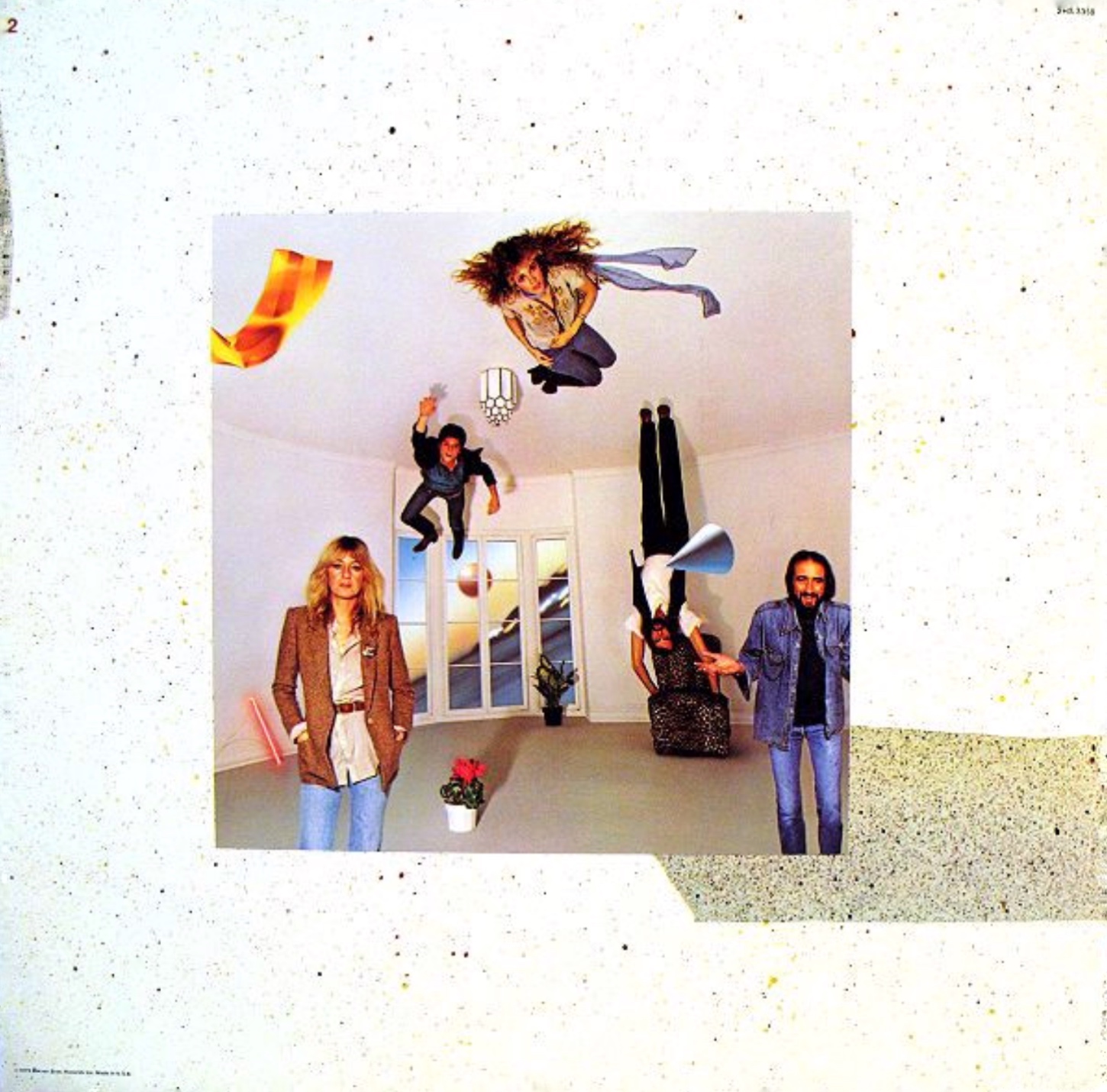
FLEETWOOD MAC - SARA


Publicació: 5 de desembre de 1979

Llistes: EUA: #7  Regne Unit: #37 


"Sara" és una cançó escrita per la cantant i compositora Stevie Nicks que es va publicar com a senzill de l'àlbum doble "Tusk" de 1979. La durada de la versió de l'àlbum de vinil és de 6 minuts i 22 segons, i la versió del single editada és de 4 minuts i 37 segons. 


Aquesta és una cançó molt personal per a Stevie. Es tracta d'una combinació de coses que estaven passant a la seva vida, incloent la banda, la seva amiga Sara Recor, la seva relació amb Mick Fleetwood i el seu fill avortat amb Don Henley. Però considera que "Sara" és el seu alter ego i la seva musa: la "poeta del seu cor".


"Sara" era el nom que Nicks va donar al seu fill abans de néixer i abans que avortés. El 1977, va sortir amb Don Henley, i més tard va confirmar que es va quedar embarassada del seu fill i va interrompre l'embaràs. Henley en va parlar en una entrevista de 1991 a GQ, on va declarar: "Crec que, segons el que sé, es va quedar embarassada de mi. I va posar el nom de Sara a la nena, va avortar i després va escriure la cançó del mateix nom amb l'esperit del nadó avortat. En aquell moment estava construint la meva casa, i hi ha una frase a la cançó que diu "And when you build your house, call me” (I quan construeixis la teva casa, truca'm). Nicks, estava furiosa  perquè Henley ho va fer públic i va negar que la cançó parlés d'ell. "Ja voldria!", va dir a Entertainment Weekly: "Si Don vol pensar que la "casa" era una de les noranta cases que va construir i on mai va viure... Si va dir això, està ple de merda fins a dalt!"


Durant el procés d'escriptura de “Tusk”, Nicks va començar en secret una relació amb el membre de la banda Mick Fleetwood. Van mantenir la seva relació en secret perquè Fleetwood estava casat i Nicks havia estat anteriorment en una relació amb el membre de la banda Lindsey Buckingham. Les frases "And he was just like a great dark wing/Within the wings of a storm” (I era com una gran ala fosca/Dins de les ales d'una tempesta), probablement fan referència a Mick Fleetwood, que va donar tranquil·litat a Nicks durant el període de gravació de "Tusk". La seva relació no duraria, perquè Fleetwood finalment va deixar Nicks per la seva millor amiga Sara Recor.


El 1980, Nicks va ser demandada per plagi per un compositor que havia enviat una cançó anomenada "Sara" a Warner Bros el 1978. Tot i que algunes parts de la lletra era similars, Stevie es va sentir ofosa per l'acusació i es va negar a conformar-se. Nicks va demostrar que havia escrit i gravat una versió demo de la cançó el juliol de 1978, abans que la lletra fos enviada a Warner, i el demandant es va rendir quan va quedar clar que Stevie no va plagiar la lletra.


FLEETWOOD MAC - SARA


"Sara" is a song written by singer-songwriter Stevie Nicks which was released as a single from the 1979 “Tusk” double album. The vinyl album version length is 6 minutes 22 seconds, and the edited single version length is 4 minutes 37 seconds. The song peaked at #7 in the US and #37 in the UK.


This is a very personal song for Stevie. It is about a combination of things that were going on in her life, including the band, her friend Sara Recor, her relationship with Mick Fleetwood, and her aborted child with Don Henley. But she considers "Sara" to be her alter-ego and her muse - the "poet in her heart."


"Sara" was the name Nicks gave to her unborn child before she had an abortion. In 1977, she dated Don Henley, and later confirmed that she became pregnant with his child and terminated the pregnancy. Henley spoke about it in a 1991 interview with GQ, where he stated: "I believe to the best of my knowledge she became pregnant by me. And she named the kid Sara, she had an abortion and then wrote the song of the same name to the spirit of the aborted baby. I was building my house at the time, and there's a line in the song that says 'And when you build your house, call me.'" Nicks, was furious that Henley made this public, and denied the song was about him. “He wishes!”, she told Entertainment Weekly: “If Don wants to think the ‘house’ was one of the ninety houses he built and never lived in … If anyone said that, they’re so full of sh*t!”


During the process of writing Tusk, Nicks secretly started a relationship with band member Mick Fleetwood. They kept their relationship a secret because Fleetwood was married, and Nicks had previously been in a relationship with band member Lindsey Buckingham. The lines ‘And he was just like a great dark wing/Within the wings of a storm’ probably refer to Mick Fleetwood, who gave Nicks peace of mind during the period of recording “Tusk”. Their relationship wouldn’t last, because Fleetwood eventually left Nicks for her best friend Sara Recor.


In 1980, Nicks was sued for plagiarism by a songwriter who had submitted a song called "Sara", which she had sent to Warner Bros. in 1978. Even though some of the lyrics were similar, Stevie was offended by accusation and refused to settle. Nicks showed that she had written and recorded a demo version of the song in July 1978, before the lyrics were sent to Warner, and then the other side gave up when it became clear Stevie did not plagiarize the lyrics.




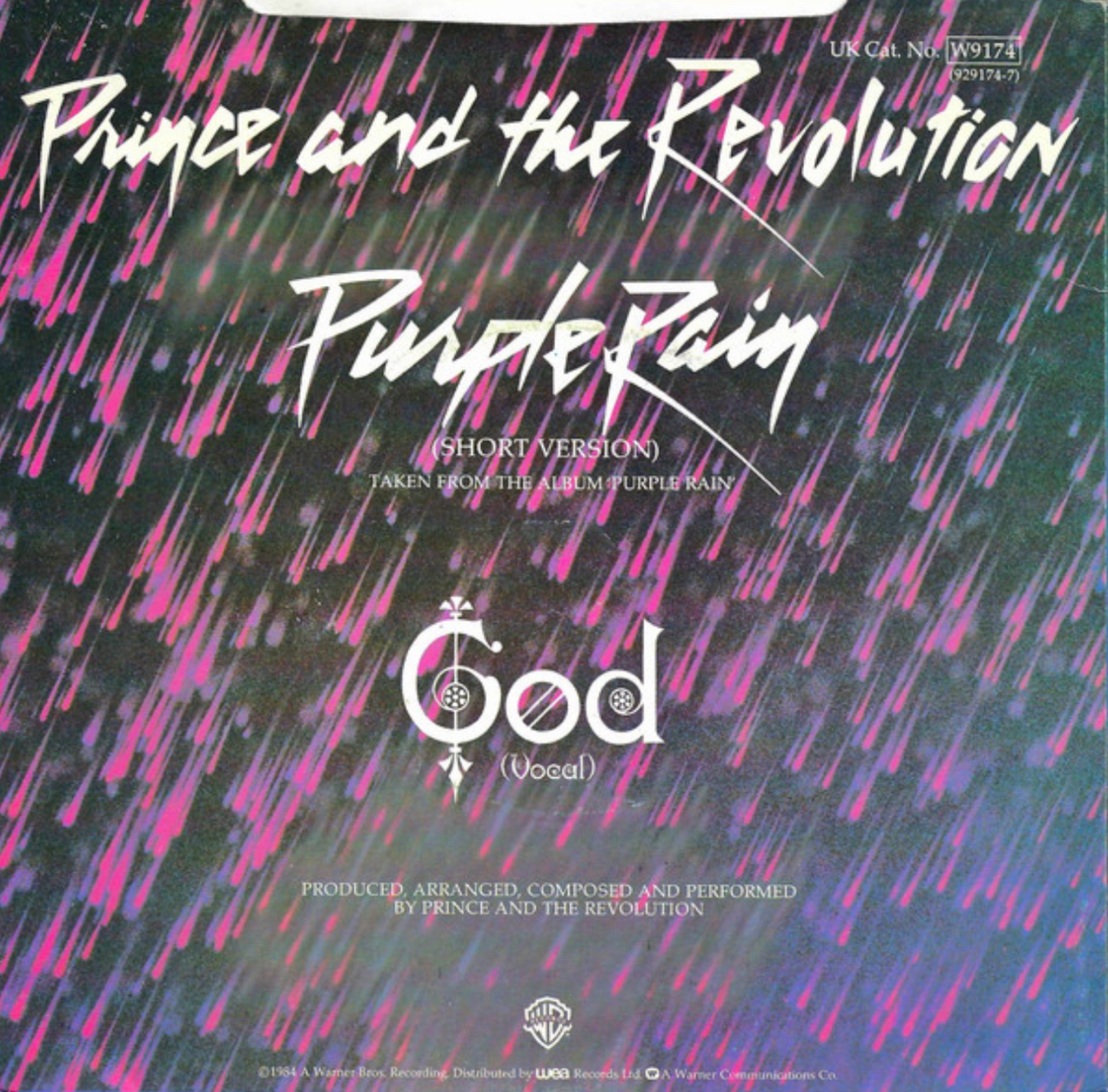
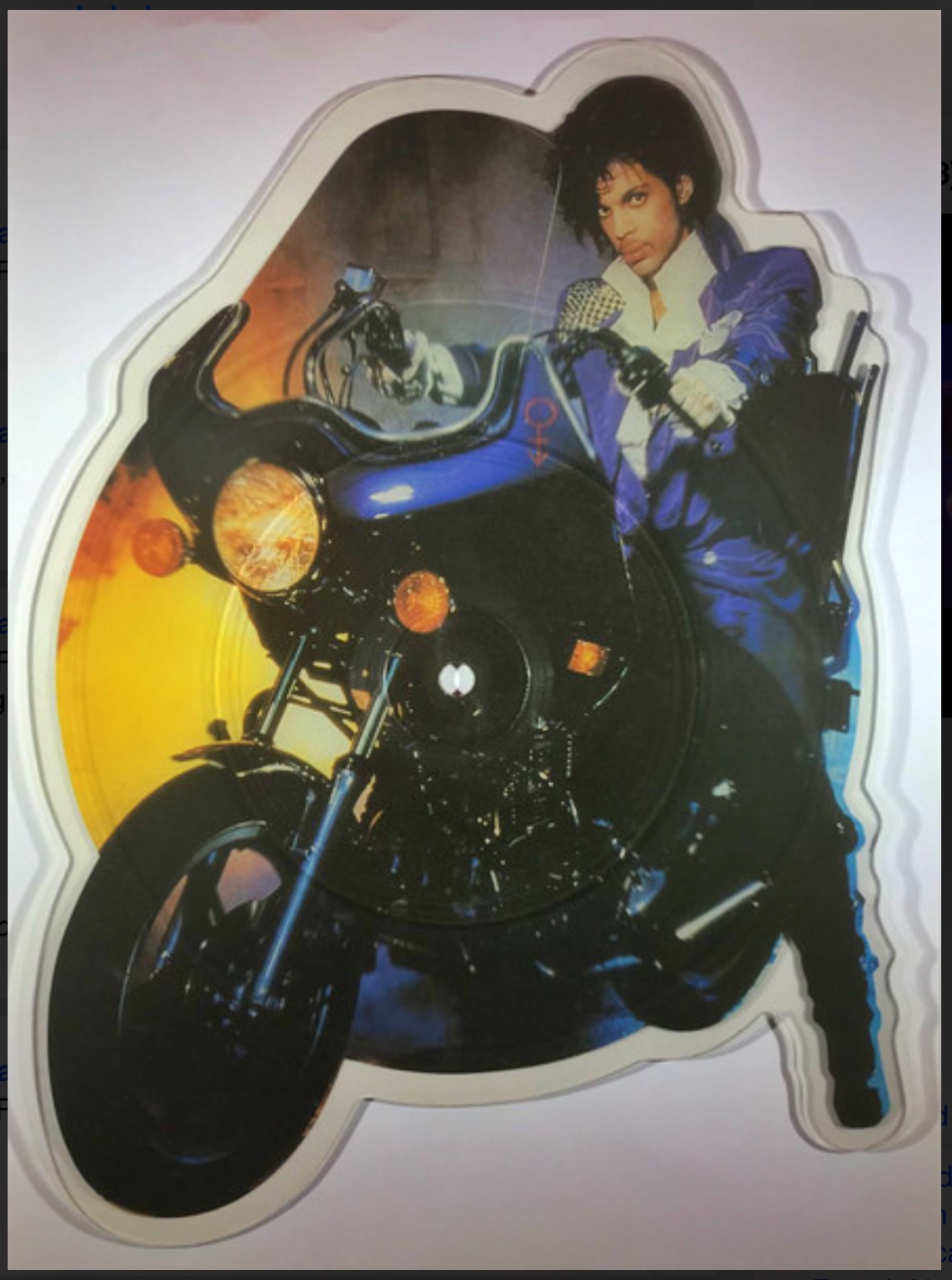
 PRINCE & THE REVOLUTION - PURPLE RAIN

Publicació: 26 de setembre de 1984

Llistes: Regne Unit: #6   EUA: #2


"Purple Rain", llançada com a tercer senzill de l'àlbum del mateix nom, va assolir un considerable èxit arribant al número 2 al Billboard Hot 100 dels Estats Units. La cançó va mantenir aquesta posició durant dues setmanes. Per poc no va assolir el primer lloc, ja que va ser superada per "Wake Me Up Before You Go-Go" de Wham!. Després de la mort de Prince, "Purple Rain" va experimentar un ressorgiment, tornant a entrar al Billboard Hot 100 i arribant al número 4. A més, va tornar a entrar a la llista de singles del Regne Unit al número 6, superant el seu pic original al número 8.


"Purple Rain" va tenir els seus inicis com una cançó country i inicialment estava pensada com una col·laboració amb Stevie Nicks. Prince va convidar Nicks a treballar en la cançó, i ella encara conserva la cinta de la demo amb la pista instrumental i una part de Prince cantant certes frases. No obstant, Nicks es va sentir avassallada per la grandesa i la complexitat de la cançó, descrivint-la com "una pel·lícula" i "èpica". Va expressar el seu rebuig a Prince, explicant: "És massa per a mi". Finalment, la col·laboració no es va materialitzar, i l'icònica "Purple Rain", que es va convertir en l'himne característic de The Revolution, va prendre una direcció musical diferent. És intrigant considerar la possibilitat alternativa de "Purple Rain" com un duet country amb Stevie Nicks.


La creació de "Purple Rain" i la col·laboració de la banda no es va desenvolupar exactament com es va mostrar a la pel·lícula. Wendy Melvoin va tenir un paper significatiu, contribuint a donar forma al so de la cançó. Una nit durant els assajos, Prince va introduir la idea bàsica de "Purple Rain" i va animar la banda a "tocar el que sentissin". Segons Lisa Coleman, Prince va modificar la cançó després que Wendy comencés a tocar acords de guitarra, allunyant-se del seu sentiment country inicial. La banda va dedicar sis hores a tocar de manera contínua, i al final d'aquella sessió, havien escrit i arranjat la base principal de la cançó.


La primera interpretació en directe de "Purple Rain" va tenir lloc aquell mateix estiu, i amb algunes millores, la gravació d'aquella actuació és la que trobem a l'icònic àlbum. Aquest moment va marcar un punt d'inflexió en la carrera de Prince, catapultant-lo a la megafama i dividint el seu viatge musical en "abans" i "després" del transcendent moment de "Purple Rain".


Prince va oferir una actuació llegendaria a la mitja part del Super Bowl del 2007 entre els Indianapolis Colts i els Chicago Bears. Malgrat la pluja, va captivar l'audiència amb una memorable interpretació de "Purple Rain". Després de tocar fragments de diverses cançons, Prince va reduir el ritme per a una actuació sensual de la icònica pista. L'estadi es va transformar en una escena fascinant, amb llums liles brillant a través de les gotes de pluja mentre Prince oferia el solo de guitarra, creant un espectacle visual impressionant. Mentre els fans dels Colts poden recordar el partit en si mateix, per a molts altres, l'actuació de la mitja part de Prince roman com el moment més destacat de l'esdeveniment.


"Purple Rain" ocupa un lloc emotiu en el llegat de Prince ja que va ser l'última cançó que va interpretar en directe. Va servir com a número de tancament en el seu concert del 14 d'abril del 2016 al Fox Theatre d'Atlanta. Tràgicament, aquesta va ser la seva darrera actuació ja que va morir una setmana després. Tot i que la seva partida va deixar el món en tristor, el record de la seva última actuació en directe permet als fans recordar-lo envoltat en la pluja lila.


PRINCE & THE REVOLUTION - PURPLE RAIN 


Released: September 26, 1984

Charted:  UK: #6   US: #2 


"Purple Rain," released as the third single from the album of the same name, achieved considerable success, reaching #2 on the US Billboard Hot 100. The song held this position for two weeks, narrowly missing the top spot as it was kept off by "Wake Me Up Before You Go-Go" by Wham!. After Prince's passing, "Purple Rain" experienced a resurgence, re-entering the Billboard Hot 100 and reaching #4. Additionally, it re-entered the UK Singles Chart at #6, surpassing its original peak of #8. 


"Purple Rain" had its origins as a country song and was initially intended as a collaboration with Stevie Nicks. Prince invited Nicks to work on the song, and she still retains the demo cassette with the instrumental track and a portion of Prince singing certain lines. However, Nicks felt overwhelmed by the grandeur and complexity of the song, describing it as "a movie" and "epic". She expressed her hesitation to Prince, explaining, "It's too much for me." Ultimately, the collaboration did not materialize, and the iconic "Purple R ain", which became the Revolution's signature anthem, took a different musical direction. It's intriguing to consider the alternate possibility of "Purple Rain" as a country duet featuring Stevie Nicks.


The creation of "Purple Rain" for the band collaboration didn't unfold exactly as portrayed in the movie. Wendy Melvoin played a significant role, contributing to shaping the sound of the song. One night during rehearsal, Prince introduced the basic idea of "Purple Rain" and encouraged the band to "play what you feel". According to Lisa Coleman, Prince modified the song after Wendy started playing guitar chords, moving away from its initial country feel. The band dedicated six hours to continuous play, and by the end of that session, they had mostly written and arranged the song.


The first live performance of "Purple Rain" occurred later that summer, and with some refining, the recording from that performance is the one found on the iconic album. This moment marked a turning point in Prince's career, catapulting him into megastardom and dividing his musical journey into "before" and "after" the transcendent "Purple Rain" moment.


Prince delivered a legendary Super Bowl halftime performance at the 2007 game between the Indianapolis Colts and Chicago Bears. Despite the rain, he captivated the audience with a memorable rendition of "Purple Rain". After playing snippets of several songs, Prince slowed down the tempo for a sensuous performance of the iconic track. The stadium transformed into a mesmerizing scene, with purple lights shimmering through raindrops as Prince delivered a silhouetted guitar solo, creating a stunning visual spectacle. While Colts fans may remember the game itself, for many others, Prince's halftime performance remains the standout highlight of that event.


"Purple Rain" holds a poignant place in Prince's legacy as it was the last song he performed live. It served as the closing number at his concert on April 14, 2016, at the Fox Theatre in Atlanta. Tragically, this was his final performance as he passed away a week later. While his departure left the world in sorrow, the memory of his last live performance allows fans to remember him leaving with a powerful and enduring musical moment, forever encapsulated in the purple rain.


ZZ TOP - GIMME ALL YOUR LOVIN’ 


Estrena: abril de 1983

Llistes: Regne Unit: #10   EUA: #37 


La transició dels ZZ Top cap al synth-rock amb el llançament de "Gimme All Your Lovin'" com a single l’abril de 1983 va marcar un canvi significatiu per a la banda. Aquesta transició va ser inspirada per una font inesperada. Un any abans del monumental èxit del seu àlbum "Eliminator", Billy Gibbons i el grup estaven de gira per Europa. Durant aquesta gira, Gibbons va visitar una discoteca local i va quedar sorprès en veure com la gent ballava al ritme del single dels Rolling Stones de 1980 "Emotional Rescue". Aquest fet va influir en la direcció musical dels ZZ Top, portant-los cap al so impulsat per sintetitzadors que va definir els seus èxits posteriors.


La decisió d'incorporar elements electrònics, sintetitzadors i ritmes de ball al so de blues rock tradicional dels ZZ Top es va convertir en la característica definidora de "Eliminator". Aquesta transformació es va fer especialment evident en el primer senzill de l'àlbum, "Gimme All Your Lovin'". Malgrat el canvi d'estil musical, la cançó va mantenir un tema comú per a la banda: un enfocament en el sexe, mostrant l'habilitat dels ZZ Top per adaptar el seu contingut líric característic a l'evolució musical.


"Gimme All Your Lovin'" va tenir un impacte notable en les llistes, arribant al número 37 al Billboard Hot 100 i al número 10 al Regne Unit. No obstant això, la seva influència va ser particularment destacada a MTV, on el vídeo musical va rebre una extensa rotació. L'èxit del vídeo va jugar un paper crucial en l'ascens inesperat dels ZZ Top a l'estrellatge del vídeo, mostrant la seva capacitat per adaptar-se al mitjà visual i connectar amb l'audiència d'una manera nova i dinàmica.


El vídeo musical de "Gimme All Your Lovin'" va marcar un fet significatiu per als ZZ Top, ja que va ser el seu primer vídeo i també el primer a tenir una seqüela. La narrativa del vídeo retrata un mecànic i un empleat d'una gasolinera que es troba amb tres dones guapes a "The Eliminator", un Ford Hot Rod de 1933 propietat de Billy Gibbons. En la història, el nostre protagonista rep les claus del cotxe, surt a passejar amb les dones i després elles el tornen.


La inclusió intel·ligent d'una seqüela va permetre als ZZ Top continuar la història en el vídeo de "Sharp Dressed Man". En aquesta continuació, el protagonista, ara en un aparcament de cotxes, es troba de nou amb el cotxe icònic i les noies. Establir aquests elements com a imatges icòniques va ajudar la banda a connectar amb una generació més jove. El cotxe, conegut com "The Eliminator", es va fer tan popular que Billy Gibbons va fer fer-ne un altre per a la gira. Curiosament, el vídeo de "Sharp Dressed Man" va ajudar a pagar el cost del cotxe original, ja que Gibbons el podia deduir com a despesa de negoci, convertint-lo en un símbol per a la banda.


ZZ TOP - GIMME ALL YOUR LOVIN’ 


Released: April 1983

Charted:  UK: #10   US: #37 


ZZ Top's move into synth-rock with the release of "Gimme All Your Lovin'" as a single in April 1983 marked a significant shift for the band. This transition was inspired by an unexpected source. A year before the monumental success of their album "Eliminator," Billy Gibbons and the group were on tour in Europe. During this tour, Gibbons visited a local nightclub and was surprised to witness people dancing to the Rolling Stones' 1980 single "Emotional Rescue". This encounter influenced ZZ Top's musical direction, leading them toward the synth-driven sound that defined their later hits.


The decision to incorporate electronic elements, synthesizers, and dance rhythms into ZZ Top's traditional blues rock sound became the defining characteristic of "Eliminator." This transformation was notably apparent in the album's first single, "Gimme All Your Lovin'". Despite the shift in musical style, the song retained a common theme for the band: a focus on sex, showcasing ZZ Top's ability to adapt their signature lyrical content to the evolving musical k,k,'


"Gimme All Your Lovin'" made a notable impact on the charts, peakingk at No. 37 on the Billboard Hot 100 and reaching No. 10 in the U.K. However, its influence was particularly pronounced on MTV, where the music video for the song received extensive rotation. The success of the video played a crucial role in ZZ Top's unexpected rise to video stardom, showcasing their ability to adapt to the visual medium and connect with audiences in a new and dynamic way.


The music video for "Gimme All Your Lovin'" was a significant milestone for ZZ Top, serving as their first video and also the first to have a sequel. The narrative in the video depicted a mechanic and gas station attendant who encounters three beautiful women in "The Eliminator", a 1933 Ford Hot Rod owned by Billy Gibbons. In the storyline, our protagonist receives the keys to the car, embarks on a ride with the ladies, and is later returned by them.


The clever inclusion of a sequel opportunity in the "Gimme All Your Lovin'" video allowed ZZ Top to continue the narrative in the video for "Sharp Dressed Man". In this follow-up, the protagonist, now a valet, encounters the iconic car and girls once again. Establishing these elements as iconic images helped the band connect with a younger generation. The car, known as "The Eliminator", became so popular that Billy Gibbons had another one made for touring purposes. Interestingly, the video for "Sharp Dressed Man" helped pay off the original car's cost, as Gibbons could write it off as a business expense, turning it into a symbol for the band.