Total de visualitzacions de pàgina:

19.2.24


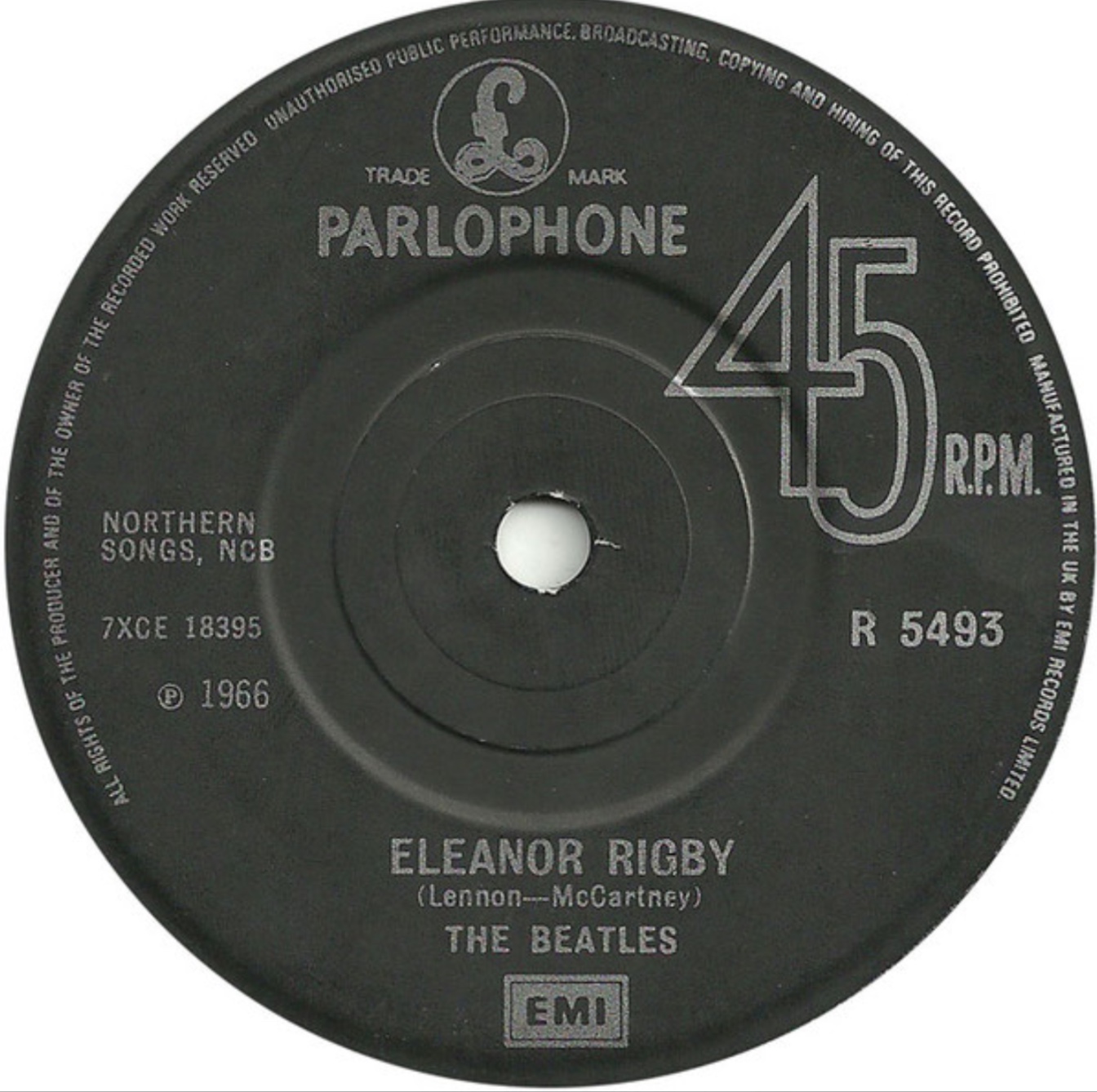
THE BEATLES - ELEANOR RIGBY


Publicació: 5 d'agost de 1966

Llistes: Regne Unit: #1 (4 setmanes)  EUA: #11


"Eleanor Rigby" és una cançó dels Beatles, del seu àlbum de 1966 Revolver. També es va publicar com a senzill de doble cara A, juntament amb "Yellow Submarine". Escrita principalment per Paul McCartney, amb importants aportacions líriques de John Lennon, s'atribueix a la parella de composició Lennon–McCartney. McCartney va prendre el nom "Eleanor" de l'actriu Eleanor Bron, que va aparèixer a la pel·lícula dels Beatles de 1965 Help!, mentre que "Rigby" es va inspirar en una botiga de vins i licors, Rigby and Evens Ltd, que va veure a Bristol, Anglaterra. El nom va agradar a McCartney pel seu so natural i adaptació rítmica.


McCartney va revelar que les seves cançons sovint provenien de la seva imaginació. En el cas de "Eleanor Rigby", va compartir: "Només va aparèixer. Quan vaig començar a fer la melodia, vaig desenvolupar la lletra. Tot va venir de la primera línia. Em pregunto si hi ha noies anomenades Eleanor Rigby?" El tema i la narrativa de la cançó van començar a prendre forma quan McCartney va concebre la frase "picks up the rice in a church where a wedding has been" (recull l’arròs en una església on s'ha celebrat un casament), inspirant la història d'una dona gran i solitària. La frase "wearing the face that she keeps in a jar by the door" (duent la cara que guarda en un pot a prop de la porta) al·ludeix a la crema que utilitza en un intent de mantenir una aparença juvenil.


La cançó desenvolupa la narrativa de dues persones solitàries. Inicialment, ens trobem amb Eleanor Rigby, una dona que va a l'església i es veu recollint arròs després d'un casament. El segon vers presenta al pare McKenzie, el pastor, les homilies del qual semblen passar desapercebudes. El tercer vers descriu la mort d'Eleanor a l'església, amb el pare McKenzie presidint el seu enterrament. "Pare McKenzie" va ser inicialment "Pare McCartney", però per evitar alarmar al seu pare, Paul va optar per un nom del llistí de telèfons.


L'envolvent arranjament de corda a "Eleanor Rigby" va ser elaborat pel productor dels Beatles, George Martin, i va constar de quatre violins, dos violes i dos violoncels. La inspiració per aquest toc orquestral pot haver vingut a través de les obres del compositor clàssic Vivaldi. Cal destacar que cap dels Beatles no va tocar instruments en aquesta pista ja què la música procedia dels músics de sessió contractats per a la secció de cordes.


Les reflexions de Paul McCartney sobre l'origen d'"Eleanor Rigby" ofereixen una visió commovedora de la inspiració per a la cançó. En una entrevista del 2018 amb GQ, va compartir que les seves experiències amb dones grans al seu barri, especialment una vella solitària a qui solia ajudar amb la compra, van plantar la llavor per al personatge d'Eleanor Rigby. La cançó, va explicar McCartney, és una mena de conte curt inspirat en aquestes figures solitàries que va trobar en la seva joventut. La narrativa es planteja sobre les vides d'aquestes persones, amb un focus en la seva solitud i somnis no complerts. McCartney va destacar que "Eleanor Rigby" era una reflexió sobre l'existència oblidada d'aquestes ànimes solitàries.


THE BEATLES - ELEANOR RIGBY 


Released : August 5, 1966

Charted:  UK: #1 (4 weeks)  US: #11 


"Eleanor Rigby" is a song by the English rock band the Beatles from their 1966 album Revolver. It was also issued on a double A-side single, paired with "Yellow Submarine." Primarily written by Paul McCartney, with significant lyrical contributions from John Lennon, it is credited to the Lennon–McCartney songwriting partnership. McCartney derived the name "Eleanor" from actress Eleanor Bron, who appeared in the 1965 Beatles film Help!, while "Rigby" was inspired by a wine and spirit store, Rigby and Evens Ltd, he noticed in Bristol, England. The name appealed to McCartney for its natural sound and rhythmic fit.


McCartney revealed that his songs often originated from his imagination. In the case of "Eleanor Rigby," he shared, "It just came. When I started doing the melody, I developed the lyric. It all came from the first line. I wonder if there are girls called Eleanor Rigby?" The song's theme and narrative started taking shape when McCartney conceived the line "picks up the rice in a church where a wedding has been," inspiring the story of an elderly, solitary woman. The lyrics "wearing the face that she keeps in a jar by the door" allude to the cold cream she uses in an attempt to maintain a youthful appearance.


The song unfolds the narrative of two solitary individuals. Initially, we encounter Eleanor Rigby, a churchgoer seen cleaning up rice after a wedding. The second verse introduces Father McKenzie, the pastor, whose sermons seemingly go unheard. The third verse depicts Eleanor's death in the church, with Father McKenzie presiding over her burial. "Father Mackenzie" was initially "Father McCartney." However, to avoid alarming his father, Paul opted for a name from the phone book instead.


The haunting string arrangement in "Eleanor Rigby" was crafted by Beatles producer George Martin and comprised four violins, two violas, and two cellos. The inspiration for this orchestral touch may have drawn from the works of classical composer Vivaldi. It's worth noting that none of the Beatles played instruments on this track; instead, the music emanated from the session musicians enlisted for the string section.


Paul McCartney's reflections on the origin of "Eleanor Rigby" provide a poignant glimpse into the song's inspiration. In a 2018 interview with GQ, he shared how his experiences with elderly women in his neighborhood, particularly a lonely old lady he used to help with shopping, planted the seed for the character of Eleanor Rigby. The song, McCartney explained, is a sort of short story inspired by these lonely figures he encountered in his youth. The narrative delves into the lives of such individuals, with a focus on their solitude and unfulfilled dreams. McCartney emphasized that "Eleanor Rigby" was a reflection on the overlooked existence of these lonely souls.




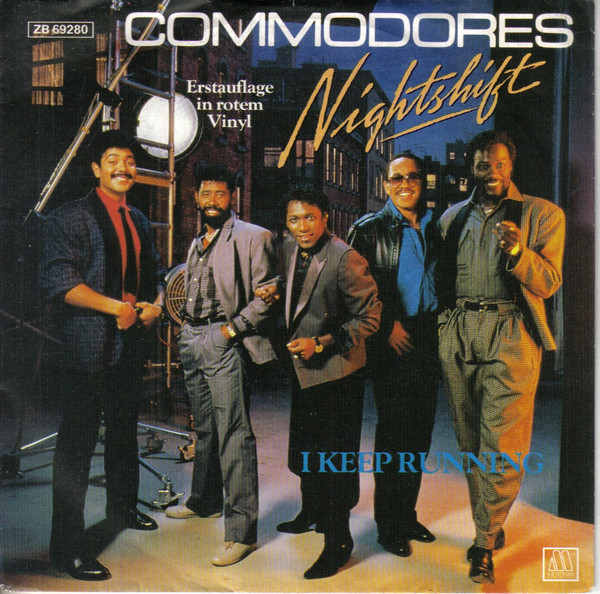
 

COMMODORES - NIGHTSHIFT


Estrena: 18 de gener de 1985

Llistes: EUA: #3 Regne Unit: #3


"Nightshift" és una cançó dels Commodores, llançada el 1984 com a homenatge als cantants de soul/R&B Jackie Wilson i Marvin Gaye, tots dos desapareguts aquell any. La cançó va ser el títol del seu àlbum de 1985 "Nightshift". Escrita pel cantant principal Walter Orange en col·laboració amb Dennis Lambert i Franne Golde, "Nightshift" va ser el primer èxit dels Commodores després de la sortida de Lionel Richie del grup. La cançó compta amb Orange a la veu principal, amb J.D. Nicholas, el substitut de Lionel Richie, cantant el segon vers i compartint la veu principal en els cors restants. "Nightshift" va guanyar el Grammy del 1985 a la millor interpretació R&B d'un duo o grup amb veu.


La lletra ret homenatge a "What's Going On" de Marvin Gaye i a cançons de Jackie Wilson com "Lonely Teardrops", "Baby Workout" i "(Your Love Has Lifted Me) Higher and Higher". "Nightshift" comparteix similituds temàtiques amb "Rock And Roll Heaven" dels Righteous Brothers, que imagina estrelles del rock difunts formant una banda al cel.


Bruce Springsteen va enregistrar "Nightshift" pel seu projecte de versions soul del 2022 "Only The Strong Survive". Segons una declaració, l'èxit dels Commodores va ser una de les primeres seleccions per a la llista de cançons. Va inspirar a Springsteen, al seu productor Ron Aniello i a l'enginyer Rob Lebret a anomenar-se 'The Nightshift' mentre treballaven en aquest nou àlbum. La versió d’Springsteen va ser llançada com a senzill l'octubre del 2022. També es va publicar un videoclip per a la seva versió.


COMMODORES - NIGHTSHIFT


Released: January 18, 1985

Charted:  US: #3  UK: #3 


"Nightshift" is a song by the Commodores, released in 1984 as a tribute to soul/R&B singers Jackie Wilson and Marvin Gaye, both of whom passed away in 1984. The song was the title track of their 1985 album "Nightshift." Written by lead singer Walter Orange in collaboration with Dennis Lambert and Franne Golde, "Nightshift" was the Commodores' first hit after Lionel Richie's departure from the group. The song features Orange on lead vocals, with J.D. Nicholas, Lionel Richie's replacement, singing the second verse and sharing lead vocals on the remaining choruses. "Nightshift" won the 1985 Grammy for Best R&B Performance by a Duo or Group with Vocal.


The lyrics pay homage to Marvin Gaye's "What's Going On" and Jackie Wilson's songs like "Lonely Teardrops," "Baby Workout," and "(Your Love Has Lifted Me) Higher and Higher." "Nightshift" shares thematic similarities with "Rock And Roll Heaven" by the Righteous Brothers, which imagines deceased rock stars forming a band in heaven. 


Bruce Springsteen recorded "Nightshift" for his 2022 soul covers project “Only The Strong Survive”. According to a statement, the Commodores hit was one of the first selections for the set list. It inspired Springsteen, his producer Ron Aniello and engineer Rob Lebret to call themselves 'The Nightshift' while finishing this new album. Springsteen version was released as a single in October 2022. A music video for his cover was also released. 


18.2.24


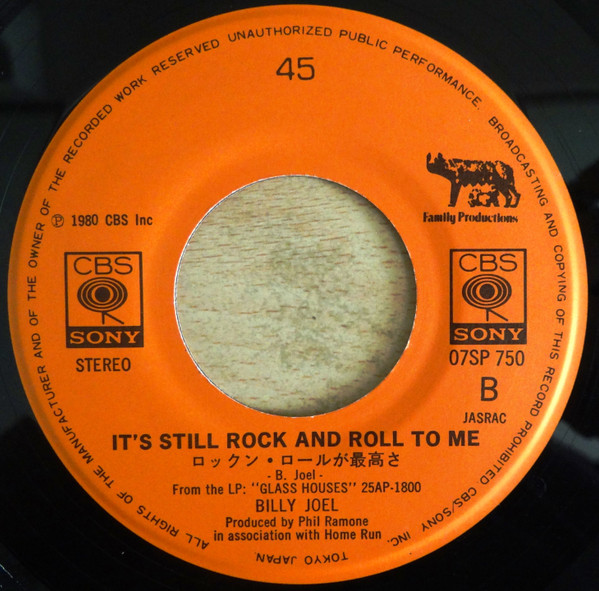
BILLY JOEL - IT’S STILL ROCK AND ROLL TO ME


Estrena: 12 de maig de 1980

Llistes: Regne Unit: #14   EUA: #1 (2 setmanes)


"It's Still Rock and Roll to Me" va ser número 1 a les llistes de Billboard Hot 100 durant dues setmanes al juliol de 1980. El seu èxit va contribuir a la popularitat de l'àlbum de Joel "Glass Houses" i va consolidar el seu estatus com una de les figures prominents de la indústria musical durant aquella època.


"It's Still Rock and Roll to Me" reflecteix el pensament de Billy Joel sobre la indústria musical i les tendències que evolucionaven en aquell moment. A mesura que l'era de la música disco arribava al seu final i el so de la "New Wave" guanyava protagonisme, Joel expressava la seva opinió sobre la classificació i la percepció d'aquests estils musicals. Ell creia que, tot i que la música podia presentar-se com a alguna cosa nova, era bàsicament una continuació o una variació d'estils existents, especialment del power-pop dels anys 60. La lletra de Joel transmet un sentiment d'escepticisme cap a l'etiquetatge de la indústria d'aquestes tendències com a innovadores o revolucionàries, emfatitzant l'atractiu durador i la rellevància de la música rock and roll malgrat els canvis de la moda.


La lletra de "It's Still Rock and Roll to Me" reflecteix la seva frustració amb la premsa musical i la seva representació d'ell i de la seva música. Tot i ser criticat i etiquetat com a proveïdor de música mediocre o mainstream, Joel va decidir enfrontar-se a aquestes percepcions directament a través de la seva composició de cançons. Les frases "It doesn't matter what they say in the papers, 'cause it's always been the same old scene" i "There's a new band in town, but you can't get the sound from a story in a magazine," (No importa el que diguin als diaris, perquè sempre ha estat la mateixa història) i (Hi ha una nova banda a la ciutat, però no en pots conèixer el so a través d'un reportatge en una revista), destaquen el seu desafiament contra la influència de la premsa i els seus intents de modelar l'opinió pública sobre la seva feina. Joel destaca la importància d'experimentar la música de propia voluntat enlloc de confiar únicament en les opinions dels crítics o els mitjans de comunicació.


La menció de "Miracle Mile" fa referència a una carretera a Manhasset, Long Island. La Miracle Mile és coneguda per la gran quantitat de botigues i establiments comercials que s’hi troben, la qual cosa la converteix en una destinació popular per a les compres i les activitats d'oci.


És interessant notar la similitud d'acords entre "It's Still Rock and Roll to Me" de Billy Joel i "Lay Lady Lay" de Bob Dylan. Tot i que Joel va adonar-se de la similitud d'acords després d'escriure la seva cançó, és una cosa comuna a la música que els artistes utilitzin progressions d'acords o melodies que recordin altres cançons sense adonar-se'n.


BILLY JOEL - IT’S STILL ROCK AND ROLL TO ME


Released: May 12, 1980

Charted:  UK: #14  US: #1 (2 weeks) 


"It's Still Rock and Roll to Me" became a chart-topping hit, reaching the number 1 spot on the Billboard Hot 100 for two weeks in July 1980. Its success contributed to the popularity of Joel's album "Glass Houses" and solidified his status as one of the prominent figures in the music industry during that era. 


"It's Still Rock and Roll to Me" reflects Billy Joel's commentary on the music industry and the evolving trends of the time. As the disco era was ending and the "New Wave" sound was gaining prominence, Joel expressed his views on the classification and perception of these musical styles. He believed that while the music may have been presented as something new, it was essentially a continuation or variation of existing styles, particularly power-pop from the 1960s. Joel's lyrics convey a sense of skepticism towards the industry's labeling of these trends as groundbreaking or revolutionary, emphasizing the enduring appeal and relevance of rock and roll music despite changing fads and fashions.


Billy Joel's lyrics in "It's Still Rock and Roll to Me" reflect his frustration with the music press and their portrayal of him and his music. Despite being criticized and labeled as providing mediocre or mainstream music, Joel chose to confront these perceptions directly through his songwriting. The lines, "It doesn't matter what they say in the papers, 'cause it's always been the same old scene" and "There's a new band in town, but you can't get the sound from a story in a magazine," highlight his defiance against the influence of the press and their attempts to shape public opinion about his work. Joel emphasizes the importance of experiencing music firsthand rather than relying solely on the opinions of critics or the media. 


The mention of "Miracle Mile" refers to a stretch of road in Manhasset, Long Island. The Miracle Mile is renowned for its array of stores and commercial establishments, making it a popular destination for shopping and leisure activities. 


It's interesting to note the chord similarity between Billy Joel's "It's Still Rock and Roll to Me" and Bob Dylan's "Lay Lady Lay." Despite Joel's realization of the chord similarity after writing his song, it's a common occurrence in music for artists to inadvertently use chord progressions or melodies reminiscent of other songs.