Total de visualitzacions de pàgina:

25.2.24


THE BEATLES - HERE COMES THE SUN


Publicació: 26 de setembre de 1969


"Here Comes the Sun" és una destacada cançó dels Beatles escrita per George Harrison, inclosa al seu àlbum de 1969 "Abbey Road". Harrison la va escriure a la casa de camp d'Eric Clapton, trobant inspiració en l'arribada de la primavera i cercant un descans en els assumptes de negocis del grup. La cançó reflecteix el seu alleujament de l'estrès de gestionar els assumptes dels Beatles després de la mort del seu representant, Brian Epstein.


La genesi creativa de la cançó està entrellaçada amb la necessitat de Harrison d'un descans de les reunions de negocis i les responsabilitats comptables. Després d'un període de tensió i activitat, un dia assolellat a casa de Clapton va inspirar Harrison a agafar la guitarra i deixar que la música fluís. En una entrevista a la BBC Radio el 1969, la va descriure com una creació espontània, expressant la joia que emanava de la calidesa del sol i la represa de les seves activitats musicals. El desenvolupament posterior de la cançó va tenir lloc durant unes vacances de Harrison a Sardenya. Paul McCartney també estava patint per les qüestions de negocis dels Beatles en aquesta època i va escriure la seva pròpia cançó, molt més pessimista, sobre això: "You Never Give Me Your Money", que també va ser inclosa a "Abbey Road".


"Here Comes the Sun" comença amb la música al canal esquerre, transicionant gradualment al dret quan comencen les veus de George Harrison. Cal destacar que la pausa instrumental guarda una semblança amb "Badge", una cançó coescrita per Harrison per a la banda d’Eric Clapton, Cream. John Lennon no va contribuir en aquesta cançó, fet que reflexa la tensió ocasional a la seva relació amb Harrison en aquest període. Malgrat les seves diferències, els dos van acabar reconciliant-se, com es demostra en les importants contribucions de Harrison a l'àlbum de Lennon "Imagine" dos anys més tard. A "Here Comes the Sun", Harrison fa la veu principal, toca la guitarra acústica i introdueix el sintetitzador Moog, fet que va significar una de les primeres utilitzacions d'aquest instrument en una cançó pop. George va fer un solo de guitarra cap al minut 1:02 de la cançó, que finalment va ser exclós a la versió definitiva.


"Here Comes the Sun" es va incloure a l'àlbum de remescla dels Beatles del 2006 "Love". Creat per al espectacle escènic del Cirque du Soleil amb el mateix nom, aquesta versió, elaborada per George Martin i el seu fill Giles, enllaça elements de dues de les composicions inspirades en l'Índia de Harrison amb els Beatles. La pista comença amb la part de tabla de "Within You Without You" i transiciona a una secció de tancament que presenta la instrumentació índia de "The Inner Light".


El 1977, Carl Sagan, un renombrat astrònom i divulgador científic, va intentar incloure "Here Comes the Sun" en un disc que acompanyava la missió espacial Voyager. Aquest disc, conegut com a Voyager Golden Record, tenia la intenció d'oferir una instantània de la civilització humana a qualsevol ésser extraterrestre que el trobés. Malgrat l'interès expressat pels Beatles en la idea, van sorgir complicacions ja que no tenien els drets d'autor, i l'estat legal de la peça semblava incert. La intervenció d'EMI va portar finalment a l'exclusió de la cançó quan les sondes Voyager van iniciar el seu viatge el 1977.


"Here Comes the Sun" ha guanyat justificadament elogis dels crítics de música, contribuint al reconeixement de George Harrison com a compositor al nivell dels seus estimats companys de grup John Lennon i Paul McCartney. La seva popularitat perdurable es reflecteix també en el seu ús per promoure la reedició del 50è aniversari de "Abbey Road" el 2019.


THE BEATLES - HERE COMES THE SUN 


Released: September 26, 1969


"Here Comes the Sun" is a renowned Beatles song composed by George Harrison, featured on their 1969 album “Abbey Road”. Harrison wrote the song in 1969 at Eric Clapton's country house, finding inspiration in the arrival of spring and seeking respite from the band's business matters. The song reflects Harrison's relief from the stress of handling the Beatles' affairs after the death of their manager, Brian Epstein.


The creative genesis of the song is intertwined with Harrison's need for a break from business meetings and accounting responsibilities. Following a period of tension and busyness, a sunny day at Clapton's inspired Harrison to pick up the guitar and let the music flow. In a 1969 BBC Radio interview, he described it as a spontaneous creation, expressing the joy that emanated from the warmth of the sun and the resumption of his musical pursuits. Further development of the song occurred during Harrison's holiday in Sardinia. Paul McCartney was also feeling the pain from Beatles' business dealings around this time and wrote his own, far more pessimistic, song about it: "You Never Give Me Your Money," which was also included on “Abbey Road”.


"Here Comes the Sun" starts with the music in the left channel, gradually transitioning to the right as George Harrison's vocals commence. Notably, the instrumental break shares a resemblance to "Badge", a song co-written by Harrison for Eric Clapton's band Cream. John Lennon did not contribute to this track, reflecting the occasional strain in his relationship with Harrison during this period. Despite their differences, the two eventually reconciled, as evidenced by Harrison's substantial contributions to Lennon's album "Imagine" two years later. In "Here Comes the Sun", Harrison takes the lead vocals, plays acoustic guitar, and introduces the Moog synthesizer, marking one of the first instances of this instrument in a pop song. George played a guitar solo that was placed at 1:02 into the song, but didn't make the final cut. 


"Here Comes the Sun" continued to captivate audiences as it found a place on the Beatles' 2006 remix album “Love”. Crafted for the Cirque du Soleil stage show of the same name, this version, skillfully shaped by George Martin and his son Giles, weaves together elements from two of Harrison's Indian-inspired compositions with the Beatles. The track begins with the tabla part from "Within You Without You" and gracefully transitions into a closing section featuring Indian instrumentation from "The Inner Light”.


In 1977, Carl Sagan, a renowned astronomer and science communicator, sought to include "Here Comes the Sun" on a disc accompanying the Voyager space mission. This disc, known as the Voyager Golden Record, was intended to offer a snapshot of human civilization to any extraterrestrial beings that might encounter it. Despite the Beatles expressing interest in the idea, complications arose as they didn't hold the copyright, and the legal status of the piece appeared uncertain. EMI's intervention ultimately led to the exclusion of the song when the Voyager probes embarked on their journey in 1977.


"Here Comes the Sun" has rightfully earned acclaim from music critics, contributing to George Harrison's recognition as a songwriter on par with his esteemed bandmates John Lennon and Paul McCartney. Its enduring popularity is further reflected in its use to promote the 50th-anniversary reissue of Abbey Road in 2019.


24.2.24


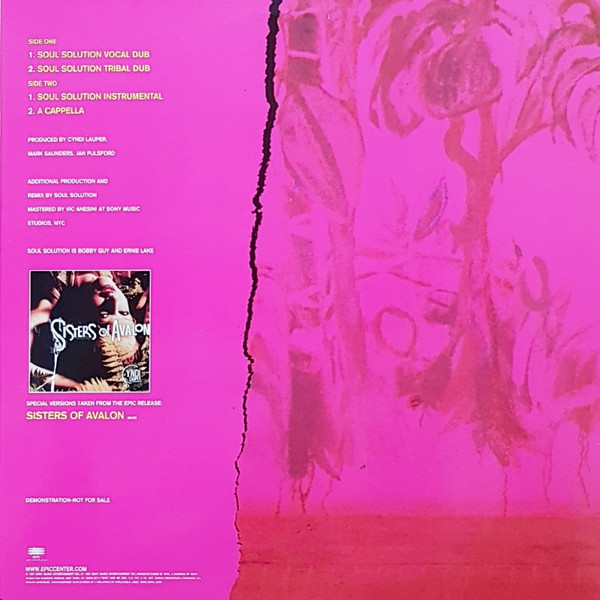
CYNDI LAUPER - BALLAD OF CLEO AND JOE


Released: September 16, 1997 


"Ballad of Cleo and Joe" is an exploration of the double life of a drag queen, depicted as 'Joe' by day and 'Cleo' by night. Written by Cyndi Lauper and Jan Pulsford, the song delves into the complexities of identity and self-expression. Produced by Pulsford, Mark Saunders, and Lauper herself, the track received favorable reviews from music critics for its emotional depth. Although it did not enter the US Billboard Hot 100, "Ballad of Cleo and Joe" made its mark, debuting at number 24 on the Billboard Bubbling Under Hot 100 Singles chart.


The song bravely addresses the then-taboo topic of living a double life as a drag queen. By day, the protagonist is Joe, laboring at a low-paying job, yearning for the transformation that awaits at night. The song vividly portrays Joe's meticulous preparation to become Cleo, a glamorous figure who shines in the nighttime world of the club scene. Cleo's anticipation builds as she waits for the DJ to spin the perfect track, embodying the freedom and joy of self-expression in the vibrant atmosphere of the bar. 


"Ballad of Cleo and Joe" stands out as one of the tracks on Cyndi Lauper's album "Sisters of Avalon" that bravely addresses taboo subjects. Lauper's thematic exploration in the album delves into issues of complacency, ignorance, and discrimination against minorities, the LGBTQ+ community, and women. Through songs like "Ballad of Cleo and Joe," Lauper sheds light on the struggles and complexities of living authentically in a society that may not always embrace diversity and individuality. 


The music video for "Ballad of Cleo and Joe" encapsulates the essence of the song with its campy and playful aesthetic. Cyndi Lauper's portrayal of Cleo, adorned with a black bob wig and dressed in glamorous club attire, highlights the character's dual identity and the vibrant spirit of the drag queen community. The incorporation of Lauper's pregnant belly adorned as a mirror ball adds a whimsical and theatrical touch to the visuals, enhancing the song's message of self-expression and celebration of diversity. In the context of the 1990s, a period marked by limited mainstream representation of LGBTQ+ themes, the music video stands out as a bold and unapologetic statement of solidarity and acceptance. 


 CYNDI LAUPER - CHANGE OF HEART


Estrena: 11 de novembre de 1986

Llistes: EUA: #3 Regne Unit: #67


"Change of Heart", llançada com a segon senzill del seu àlbum "True Colors" el 1986, es va convertir en un èxit significatiu, arribant al número 3 de la llista Billboard Hot 100. La cançó, escrita per la cantautora Essra Mohawk, va destacar per la veu distintiva de Lauper i va ser acompanyada de remescles de Shep Pettibone. La nominació al Grammy a la millor interpretació vocal femenina pop reforça encara més l'impacte i el reconeixement de la cançó.


"Change of Heart" ressona com un himne de pop-rock que captura el conflicte emocional d'una dona que lluita amb la decisió de marxar d'una relació que ja no li serveix. La potent interpretació vocal de Lauper i la melodia enganxosa creen una juxtaposició fascinant amb la commovedora lletra, que reflecteix la lluita interna i la vulnerabilitat de la narradora.


Caracteritzada pels sintetitzadors, les bateries elèctriques i una línia de baix contundent que contribueixen al seu ritme ballable, la incorporació d'un solo de guitarra al pont afegix un toc de rock a la pista, destacant la versatilitat de Cyndi Lauper com a intèrpret. Nile Rogers toca la guitarra i les Bangles proporcionen veus de fons a la veu principal de Lauper.


El vídeo musical oficial de "Change of Heart", dirigit per Andy Morahan, mostra Cyndi Lauper i la seva banda de gira fent actuacions improvisades en diversos llocs públics de Londres. Llocs emblemàtics com ara Trafalgar Square, Leicester Square (amb un pòster de "A Nightmare on Elm Street 2: Freddy's Revenge" a l'Odeon), Covent Garden i el pont de Westminster / The Queen's Walk, on ara es troba el London Eye, serveixen com a escenaris per a les animades actuacions.


CYNDI LAUPER - CHANGE OF HEART


Released: November 11, 1986

Charted:  US: #3  UK: #67 


"Change of Heart" released as the second single from her album "True Colors" in 1986, became a significant hit, reaching No. 3 on the Billboard Hot 100 chart. The song, written by singer-songwriter Essra Mohawk, showcased Lauper's distinctive voice and was accompanied by remixes by Shep Pettibone. Lauper's Grammy nomination for Best Female Pop Vocal Performance further solidifies the song's impact and recognition.


"Change of Heart" resonates as a pop-rock anthem that captures the emotional turmoil of a woman grappling with the decision to walk away from a relationship that no longer serves her. Lauper's powerful vocal delivery and the song's infectious melody create a compelling juxtaposition with the poignant lyrics, which reflect the internal struggle and vulnerability of the narrator. 


Characterized by synthesizers, drum machines, and a pulsating bassline that contribute to its danceable groove, the incorporation of a guitar solo in the bridge adds a rock edge to the track, highlighting Cyndi Lauper's versatility as a performer. Nile Rogers plays guitar on this song and the Bangles provide backing vocals to Lauper's lead.


The official music video for "Change of Heart," directed by Andy Morahan, showcases Cyndi Lauper and her tour band performing impromptu gigs in various public locations across London. Iconic landmarks such as Trafalgar Square, Leicester Square (featuring a poster for "A Nightmare on Elm Street 2: Freddy's Revenge" at the Odeon), Covent Garden, and Westminster Bridge/The Queen's Walk, where the London Eye now stands, serve as backdrops for the lively performances. 


JOHN LENNON - IMAGINE


Publicació: 11 d'octubre de 1971 (EUA) 24 d'octubre de 1975 (Regne Unit)

Llistes: Regne Unit: #1 (4 setmanes)   EUA: #3 


"Imagine" és el single més venut de la carrera en solitari de John Lennon, llançat el 1971 a l'àlbum del mateix nom. La lletra de la cançó, que promou un món de pau sense materialisme, fronteres i religió, sovint s'associa amb la dona de Lennon, Yoko Ono, qui va rebre crèdits de coautoria el 2017.


"Imagine" és un poderós missatge polític embolicat en una melodia preciosa, que insta els oients a imaginar-se un món sense elements divisors com la religió i les possessions. El concepte de la imaginació va ser influït per les idees de Yoko Ono sobre la ment oberta, com es veu en el seu llibre de 1964 "Grapefruit", que va establir els fonaments del tema líric de la cançó. Lennon creia que un enfocament més suau arribaria a un públic més ampli, transmetent el missatge que la pau comença amb imaginar un món millor.


John Lennon va crear i enregistrar "Imagine" a la seva finca de Tittenhurst Park a la campinya anglesa on vivien des de l'estiu de 1969. En aquell moment, The Beatles estaven al límit de la ruptura, i tot i que no es van dissoldre oficialment, mai van tornar a gravar junts. A principis de 1971, Lennon va començar a treballar en noves cançons per a un àlbum, i "Imagine" era una d'elles. Va reunir col·laboradors musicals, incloent-hi Phil Spector, George Harrison, Klaus Voormann, Nicky Hopkins, i els bateries Alan White i Jim Keltner, per enregistrar a Ascot Sound Studios, un estudi que Lennon havia construït recentment a la finca. L'ambient durant la gravació era amistós, i les sessions capturaven tant la camaraderia com el treball musical ben elaborat. La simplicitat de l'arranjament, destacant la veu i el piano de Lennon al costat del baix de Voormann i la bateria de White, va establir els fonaments de la cançó, amb l’arrenjament de cordes afegit posteriorment.


John Lennon va reconèixer que Yoko Ono hauria de rebre crèdit per la seva contribució a "Imagine". En una entrevista de ràdio amb Andy Peebles per a la BBC el 6 de desembre de 1980, Lennon va expressar aquest sentiment, afirmant que la cançó hauria de ser acreditada com a composició Lennon/Ono perquè gran part de la lletra i el concepte provenien de Yoko. En el moment de la creació de la cançó, Lennon va admetre que va ser egoista i va omitir la seva contribució. No obstant, va reconèixer que la inspiració provenia del llibre de Yoko, "Grapefruit".


En un moment significatiu el 14 de juny de 2017, l'Associació Nacional de Publicistes de Música va anunciar l'addició oficial de Yoko Ono com a compositora d’"Imagine". Aquest reconeixement de la seva contribució va tenir lloc durant una cerimònia on Yoko va rebre el Premi Centenari pel seu impacte significatiu, acompanyat d'una interpretació de la cançó per part de Patti Smith.


Al Strawberry Fields de Central Park, un mosaic al terra escriu la paraula "Imagine". Aquesta secció està dedicada a John Lennon i serveix com a memorial pacífic situat davant del seu apartament a The Dakota, on va ser tràgicament abatut.


JOHN LENNON - IMAGINE 


Released: October 11, 1971 (US)  October 24, 1975 (UK)

Charted:  UK: #1 (4 weeks)  US: #3 


"Imagine" is John Lennon's best-selling single of his solo career, released in 1971 on the album of the same name. The song's lyrics, promoting a world of peace without materialism, borders, and religion, are often associated with Lennon's wife, Yoko Ono, who received co-writing credit in 2017.


"Imagine" is a powerful political message wrapped in a beautiful melody, urging listeners to envision a world without divisive elements like religion and possessions. The concept of imagination was influenced by Yoko Ono's ideas on open-mindedness, as seen in her 1964 book "Grapefruit," which laid the foundation for the song's lyrical theme. Lennon believed that the softer approach would reach a broader audience, conveying the message that peace starts with imagining a better world.


John Lennon crafted and recorded "Imagine" at his Tittenhurst Park estate in the English countryside where they live since the summer of 1969. At that time, The Beatles were on the brink of breaking up, and although not officially disbanded, they never recorded together again. In early 1971, Lennon began working on new songs for an album, and "Imagine" was among them. He gathered musical collaborators, including Phil Spector, George Harrison, Klaus Voormann, Nicky Hopkins, and drummers Alan White and Jim Keltner, to record at Ascot Sound Studios, a studio Lennon had recently built on the estate. The recording atmosphere was friendly, and the sessions captured both camaraderie and focused musical work. The simplicity of the arrangement, spotlighting Lennon's vocals and piano alongside Voormann's bass and White's drums, laid the foundation for the poignant song, with strings added later.


John Lennon acknowledged that Yoko Ono should have received credit for her contribution to "Imagine." In a radio interview with Andy Peebles for the BBC on December 6, 1980, Lennon expressed this sentiment, stating that the song should be credited as a Lennon/Ono composition because much of the lyric and concept originated from Yoko. At the time of the song's creation, Lennon admitted to being more selfish and omitting her contribution. However, he acknowledged that the inspiration came from Yoko's book, "Grapefruit".


In a significant development on June 14, 2017, the National Music Publishers' Association announced the official addition of Yoko Ono as a songwriter for "Imagine". This acknowledgment of her contribution occurred during a ceremony where Yoko received the Centennial Award for her significant impact, accompanied by a performance of the song by Patti Smith.


In Central Park's Strawberry Fields, a sidewalk mosaic spells out the word "Imagine". This section is dedicated to John Lennon and serves as a peaceful memorial located across from his apartment at The Dakota, where he was tragically shot.