Total de visualitzacions de pàgina:

28.2.24


SISTER SLEDGE - WE ARE FAMILY


Estrena: abril de 1979

Llistes: EUA: #2   Regne Unit: #8


"We Are Family" és un icònic himne disco composat per Bernard Edwards i Nile Rodgers. Inicialment rebutjada per Atlantic Records, la pista va guanyar impuls després del seu llançament l’abril de 1979 com a senzill de l'àlbum del mateix nom de les Sister Sledge. L'àlbum, "We Are Family", va debutar amb el single principal "He's The Greatest Dancer", que va arribar al número 9 als Estats Units. Aquest èxit va marcar una avanç significatiu per a les Sledge, especialment tenint en compte que la seva entrada anterior a les llistes, "Love Don't You Go Through No Changes On Me", només va arribar al número 92 el 1975. Va ser la cançó titular, "We Are Family", la que va donar l’impuls definitiu a les Sister Sledge a l’estrellat. La cançó va assolir el número 2 al juny de 1979, privada d’arribar al cim, primer per "Hot Stuff" de Donna Summer i després per "Ring My Bell" d'Anita Ward. "We Are Family" es va convertir ràpidament en la cançó emblemàtica del grup.


Kathy Sledge, la més jove de les germanes, va ser la cantant principal a "We Are Family" i també a "He's the Greatest Dancer". Durant el procés d'enregistrament, Kathy inicialment no coneixia la lletra. Nile Rodgers i Bernard Edwards, els compositors de la cançó, li van dir cada frase a través dels auriculars mentre cantava, donant-li així a la seva interpretació un toc espontani i dinàmic. Per afegir encant a la cançó, Luther Vandross, que també formava part del segell discogràfic Cotillion com les Sister Sledge, va fer les veus d’acompanyament. Vandross aconseguiria més tard un gran èxit en la seva carrera en solitari a partir de 1981 amb el seu àlbum "Never Too Much".


La tornada de "We Are Family" destaca com el punt central de la cançó, repetint-se dues vegades al principi i dues vegades més després del primer vers, abans de desaparèixer després del segon vers.


"És molt més que només una cosa de família", va manifestar Debbie Sledge en una entrevista del 2023 amb la revista Hello, reflexionant sobre l’importància de "We Are Family". La lletra, especialment la frase "I got all my sisters with me" (Tinc totes les meves germanes amb mi), evoca un sentiment d'unitat i solidaritat que transcendeix les relacions familiars. La cançó destaca el poder de l’unitat entre totes les persones que es reuneixen amb un propòsit comú, ja sigui per ajudar-se mútuament o per esforçar-se per aconseguir resultats positius.


"We Are Family" va marcar un fet destacable per a Nile Rodgers i Bernard Edwards com a compositors i productors. Abans d'aquesta cançó, havien aconseguit èxit bàsicament amb la seva pròpia banda, Chic. No obstant això, el president d'Atlantic Records, Jerry L. Greenberg, els va animar a escriure i produïr cançons per a altres artistes del segell. Inicialment reticents a treballar amb artistes ja establerts, Rodgers i Edwards van decidir acceptar el repte col·laborant amb Sister Sledge, unes de les artistes menys conegudes del segell. L'èxit de "We Are Family" no només va catapultar Sister Sledge a la fama, sinó que també va mostrar el talent en la composició i en la producció de Rodgers i Edwards més enllà de la seva pròpia banda.


El vídeo musical es va filmar el 1979 per promocionar el llançament del single. En el vídeo, el grup va apareixer amb vestits vermells, irradiant una presència vibrant i enèrgica mentre ballaven. L'ambientació del vídeo semblava treta d’una escena de carrer, mostrant una atmosfera animada que capturava l'esperit de l'era disco.


SISTER SLEDGE - WE ARE FAMILY 


Released: April 1979

Charted:  US: #2   UK: #8 


"We Are Family" is an iconic disco anthem composed by Bernard Edwards and Nile Rodgers. Initially declined by Atlantic Records, the track gained momentum after its release in April 1979 as a single from the album of the same name. The album, "We Are Family," debuted with the lead single "He's The Greatest Dancer," which reached #9 in the US. This success marked a significant breakthrough for Sister Sledge, especially considering their previous chart entry, "Love Don't You Go Through No Changes On Me," only reached #92 in 1975. It was the title track, "We Are Family," that propelled Sister Sledge to even greater heights. The song soared to #2 in June 1979, narrowly missing the top spot held by Donna Summer's "Hot Stuff" and Anita Ward's "Ring My Bell". "We Are Family" quickly became the group's signature song.


Kathy Sledge, the youngest of the sisters, took the lead on "We Are Family" as well as on "He's the Greatest Dancer". During the recording process, Kathy didn't initially know the lyrics. Nile Rodgers and Bernard Edwards, the song's composers, fed her each line through her headphones as she sang, giving her vocal delivery a spontaneous and dynamic feel. Adding to the song's allure, Luther Vandross, who was also signed to the Cotillion label like Sister Sledge, provided backup vocals on the track. Vandross would later achieve significant success with his solo career starting in 1981 with his album "Never Too Much".


The chorus of "We Are Family" stands out as the song's centerpiece, repeating twice at the beginning and two more times after the first verse, before fading out after the second verse. Its catchy and memorable nature ensures that it leaves a lasting impression on listeners.


"It is so much more than just a family thing", Debbie Sledge shared in a 2023 interview with Hello magazine, reflecting on the enduring appeal and significance of "We Are Family". The lyrics, particularly the line "I got all my sisters with me", evoke a sense of unity and solidarity that transcends familial relationships. Instead, the song celebrates the power of unity among all individuals who come together with a common purpose, whether it's building each other up or striving to achieve positive outcomes.


"We Are Family" marked a significant milestone for Nile Rodgers and Bernard Edwards as songwriters and producers. Prior to this song, they had achieved success primarily with their own band Chic. However, Atlantic Records President Jerry L. Greenberg encouraged them to explore writing and producing for other artists on the label. Initially hesitant to work with established artists, Rodgers and Edwards decided to take on the challenge by collaborating with Sister Sledge, one of the label's less established acts. The success of "We Are Family" not only catapulted Sister Sledge to fame but also showcased Rodgers and Edwards' songwriting and production talents beyond their own band Chic.


The music video for "We Are Family" was filmed in 1979 to promote the single's release. In the video, the group is dressed in red outfits, exuding a vibrant and energetic presence as they dance to the song. The setting of the video resembles a street scene, adding to the lively atmosphere and capturing the spirit of the disco era.


26.2.24


IAN DURY & THE BLOCKHEADS - HIT ME WITH YOUR RHYTHM STICK


Publicació: 23 de novembre de 1978

Llistes: Regne Unit: #1 (1 setmana)


"Hit Me with Your Rhythm Stick" és un dels senzills més icònics i reeixits d'Ian Dury i els Blockheads. Llançada el 1978, la cançó va escalar ràpidament les llistes, arribant finalment al primer lloc de la UK Singles Chart al gener de 1979. Acreditada a "Ian & the Blockheads", la cançó va ser escrita per Ian Dury i el talentós multiinstrumentista dels grup, Chaz Jankel. El seu ritme contagiós i la memorable lletra la van impulsar a les primeres posicions a Irlanda, Austràlia i Nova Zelanda, a més de garantir llocs entre els 20 primers en altres països europeus.


La cançó "Hit Me With Your Rhythm Stick" d'Ian Dury s'inspira en diversos aspectes de la seva vida i les seves experiències. Nascut a Harrow el maig de 1942, Dury va contraure poliomielitis als set anys, deixant-lo amb deformitats físiques que el van obligar a fer servir un bastó durant tota la vida.


Dury va col·laborar amb el seu company del grup Chaz Jankel per donar vida a la cançó la tardor de 1978. Més enllà del seu títol i lletra suggerent, "Hit Me With Your Rhythm Stick" presenta una línia de baix captivadora i un innovador solo de saxo interpretat per Davey Payne, qui va mostrar la seva habilitat tocant dos saxòfons simultàniament. Ian Dury i Chaz Jankel van col·laborar en la cançó a la mansió Toad Hall de Dury a Rolvenden, Kent. Segons la biografia definitiva d'Ian Dury de Will Birch, Jankel va passar hores treballant al teclat al garatge de Toad Hall, elaborant la melodia disco mentre Dury es centrava en la lletra. Dury ja tenia en ment el pastitx líric, que incorporava diversos llocs del món i frases en diferents idiomes.


Dury va mencionar que tenia la frase "Rhythm Stick" apuntada durant uns tres anys abans de portar-la a Jankel. Fins i tot va crear una demo amb una caixa de ritmes abans de passar-la al seu col·laborador. Quan la cançó va estar acabada, Jankel va trucar amb entusiasme a la seva mare, predient que havia escrit el seu "primer número 1". La seva predicció es va fer realitat quan la cançó va encapçalar les llistes del Regne Unit el 27 de gener de 1979, venent gairebé un milió de còpies.


"Hit Me with Your Rhythm Stick" va afrontar la dura competència de "Y.M.C.A." dels Village People, que va mantenir-se al primer lloc durant tres setmanes consecutives a les llistes del Regne Unit. Tanmateix, el 27 de gener de 1979, els membres d'Ian Dury i els Blockheads, inclosos Turnbull, Watt-Roy i el bateria Charley Charles, van rebre la emocionant notícia mentre esperaven a fora del Gaumont State Cinema a Kilburn, Londres. Van sentir a la ràdio del cotxe que "Hit Me with Your Rhythm Stick" havia aconseguit el primer lloc. Mentre tant, Ian Dury mateix estava de vacances a Cannes, i va saber de l'èxit mentre es relaxava a la platja quan el personal de l'hotel li va portar una ampolla de xampany i li va comunicar la notícia.

Mentre Jankel continuava actuant amb els Blockheads, també va establir una carrera en solitari d'èxit. Internacionalment, és conegut per la seva col·laboració amb Kenny Young en "Ai No Corrida (I-No-No-Ko-ree-da)" de Quincy Jones, que Jankel i Young van escriure junts.


El vídeo promocional de "Hit Me With Your Rhythm Stick" va ser creat per Laurie Lewis, un amic d'Ian Dury del Walthamstow Art School, on havia estat estudiant cinema. El vídeo mostrava la banda interpretant la cançó a l'escenari, en un format de gravació senzill però que mostrava tota l’energia de les seves actuacions en directe.


IAN DURY & THE BLOCKHEADS - HIT ME WITH YOUR RHYTHM STICK 


Released: November 23, 1978

Charted:  UK: #1 (1 week)


"Hit Me with Your Rhythm Stick" is one of Ian Dury and the Blockheads' most iconic and successful singles. Released in 1978, the song quickly climbed the charts, eventually reaching the number one spot on the UK Singles Chart in January 1979. Credited to "Ian & the Blockheads", the song was written by Ian Dury and the Blockheads' talented multi-instrumentalist Chaz Jankel. Its infectious rhythm and memorable lyrics propelled it to top-three positions in Ireland, Australia, and New Zealand, while also securing top 20 spots in various European countries.


Ian Dury's song "Hit Me With Your Rhythm Stick" draws inspiration from various facets of his life and experiences. Born in Harrow in May 1942, Dury contracted polio at the age of seven, leaving him with physical deformities that required him to use a walking stick throughout his life. While he wasn't confined to a wheelchair like Michael Flanders of the Flanders & Swann duo, the effects of polio were still evident in his body.


Dury collaborated with his songwriting partner Chaz Jankel to bring the song to life in the autumn of 1978. Beyond its suggestive title and lyrics, "Hit Me With Your Rhythm Stick" features a captivating bass line and an innovative saxophone solo performed by Davey Payne, who showcased his skill by playing two saxophones simultaneously. Ian Dury and Chaz Jankel collaborated on the song at Dury's expansive Toad Hall residence in Rolvenden, Kent. According to Will Birch's definitive biography on Ian Dury, Jankel spent hours working on the keyboard in the garage of Toad Hall, crafting the disco-like melody while Dury focused on the lyrics. Dury already had the pastiche lyrics in mind, which incorporated various global locations and phrases in different languages. 


Dury mentioned that he had the phrase "Rhythm Stick" written down for about three years before bringing it to Jankel. He even created a demo with a drum machine before passing it along to his collaborator. When the song was completed, Jankel excitedly phoned his mother, predicting that he had just written his "first #1." His prediction came true when the song topped the UK charts on January 27, 1979, selling nearly a million copies.


"Hit Me with Your Rhythm Stick" faced tough competition from The Village People's "Y.M.C.A.," which held the number one position for three consecutive weeks in the UK charts. However, on January 27, 1979, the members of Ian Dury and the Blockheads, including Turnbull, Watt-Roy, and drummer Charley Charles, received the exciting news while waiting outside the Gaumont State Cinema in Kilburn, London. They heard on a car radio that "Hit Me with Your Rhythm Stick" had claimed the top spot. Meanwhile, Ian Dury himself was on holiday in Cannes, and he learned about the achievement while relaxing at the beach when hotel staff brought him a bottle of champagne and shared the news.


While Jankel continued to perform with the Blockheads, he also established a successful solo career. Internationally, he is renowned for his collaboration with Kenny Young on Quincy Jones' "Ai No Corrida (I-No-No-Ko-ree-da)", which Jankel and Young co-wrote.


The promotional video for "Hit Me With Your Rhythm Stick" was created by Laurie Lewis, a friend of Ian Dury's from Walthamstow Art School, who had been studying film-making. The video featured the band performing on stage, keeping it simple yet showcasing their energetic live performance.


PET SHOP BOYS - LOVE COMES QUICKLY


Estrena: 24 de febrer de 1986

Llistes: Regne Unit: #19  EUA: #62


"Love Comes Quickly" és una cançó de la parella anglesa Pet Shop Boys, que serveix com a segon senzill del seu àlbum debut, Please (1986). Va ser la primera cançó escrita per Neil Tennant i Chris Lowe després de la seva trobada inicial. El productor Stephen Hague està acreditat per contribuir amb els dos primers acords de la secció central. A més, les parts de saxòfon cap al final de la cançó van ser interpretades per Andy Mackay de Roxy Music.


"Sooner or later, this happens to everyone" (tard o d’hora, això passa a tothom). Una cançó notablement directa, "Love Comes Quickly" explora la idea que l'amor pot arribar de manera sobtada i inesperada, independentment de l'estat o els esforços per evitar-lo, agafant les persones desprevingudes. "You can't stop falling" (No pots deixar de caure). El fenomen afecta persones amb tota mena de vides: rics, poderosos, ben educats, viatjers i sofisticats per igual. Ni tan sols el gust pels plaers prohibits pot proporcionar immunitat. Neil i Chris insinuen que l'amor té tendència a manifestar-se "when you least expect it” (quan menys t'ho esperes).


Després del llançament de "Love Comes Quickly" al Regne Unit, els Pet Shop Boys van apareixer a la portada de la revista britànica de música Smash Hits, una publicació per la qual Neil Tennant havia escrit només uns anys abans. Durant l’entrevista, Tennant va parlar sobre la cançó, descrivint-la com "molt angoixant" i centrada en el tema d'enamorar-se. Va recordar l'origen de la cançó, mencionant que ell i Chris Lowe solien reunir-se a l'estudi d'un amic a Camden Town cada dissabte a la nit. "Vaig començar a cantar 'Love Comes Quickly' i tot va anar venint al cap," va reflexionar. "Crec que les millors cançons són així - et venen al cap tot d'una."


En aquell moment, els Pet Shop Boys no feien gires, així que es van dedicar als vídeos musicals i a les aparicions a la televisió per promocionar-se. Als Estats Units, MTV va tenir un paper crucial, guanyant una nominació als MTV Video Music Awards el 1986 per Millor Artista Nou en un Vídeo amb "West End Girls". Tot i que no van guanyar (A-ha ho va fer amb "Take On Me"), la seva interpretació de "Love Comes Quickly" al programa va donar un impuls significatiu a la cançó.


El videoclip de la cançó, dirigit per Andy Morahan i Eric Watson, opta per la simplicitat. Inclou plans de primer pla de Tennant cantant, intercalats amb muntatges borrosos de les cares de diverses altres persones. A més, en alguns moments, es superposen plans de Lowe recostat sobre una construcció de quadrícula. Watson va referir-se més tard a aquest vídeo com a "un desastre total".


PET SHOP BOYS - LOVE COMES QUICKLY 


Released: February 24, 1986

Charted:  UK: #19  US: #62 


"Love Comes Quickly" is a track by English duo Pet Shop Boys, serving as the second single from their debut studio album, Please (1986). Notably, it was the first song written by Neil Tennant and Chris Lowe after their initial meeting. Producer Stephen Hague is credited for contributing the first two chords of the middle section. Additionally, saxophone parts towards the end of the song were performed by Andy Mackay of Roxy Music.


"Sooner or later, this happens to everyone". A remarkably straightforward track, "Love Comes Quickly" delves into the idea that love can strike suddenly and unexpectedly, regardless of one's status or efforts to evade it, catching individuals off guard. "You can't stop falling". The phenomenon affects people from all walks of life—rich, powerful, well-educated, well-traveled, and sophisticated alike. Not even a "taste [for] forbidden pleasures" can provide immunity. Neil and Chris imply that love has a tendency to manifest "when you least expect it”.


After the release of "Love Comes Quickly" in the UK, Pet Shop Boys graced the cover of the British music magazine Smash Hits, a publication Neil Tennant had written for just a few years earlier. During the interview, Tennant discussed the song, describing it as "very angst-ridden" and centered around the theme of falling in love. He reminisced about the song's inception, mentioning that he and Chris Lowe used to gather at a friend's studio in Camden Town every Saturday night. "I just started singing 'Love Comes Quickly' and it all just came into my head," he reflected. "I think the best songs are like that - they come into your head at one go."


At that time, Pet Shop Boys didn't embark on tours, so they turned to music videos and TV appearances for exposure. In the United States, MTV played a crucial role, earning them a VMA nomination in 1986 for Best New Artist In A Video with "West End Girls." Although they didn't win (A-ha did for "Take On Me"), their performance of "Love Comes Quickly" on the show provided a significant boost to the song.


The music video for the song, directed by Andy Morahan and Eric Watson, opts for simplicity. It features close-up shots of Tennant singing, interspersed with blurry montages of various other people's faces. Additionally, shots of Lowe lying on top of a square grid construction are overlaid at times. Watson later referred to it as a "complete disaster".


AEROSMITH - I DON’T WANT TO MISS A THING


Publicació: 29 de juliol de 1998

Llistes: Regne Unit: #4   EUA: #1 (4 setmanes)


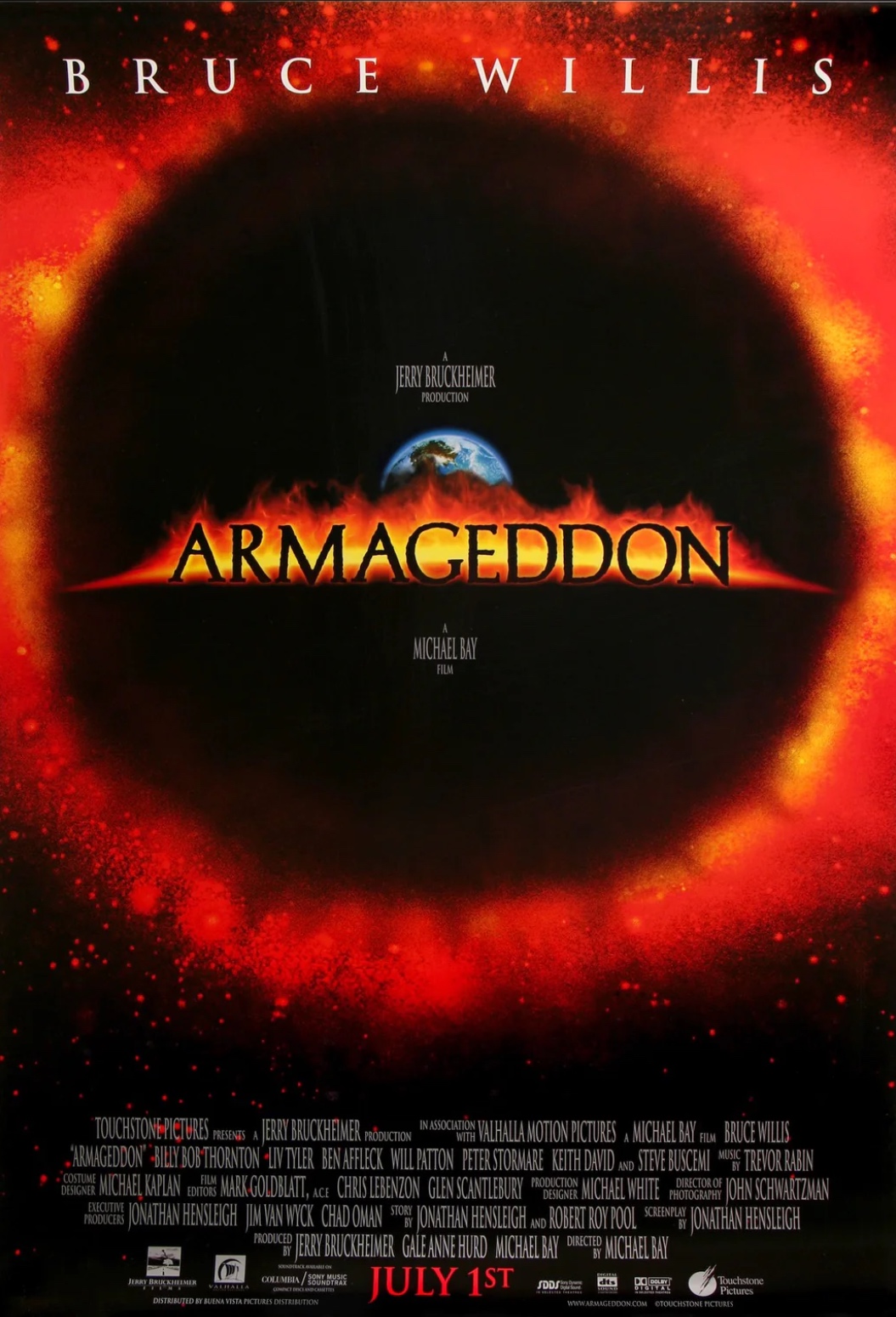
"I Don't Want to Miss a Thing" és una balada de rock de la banda de hard rock nord-americana Aerosmith, que serveix com a cançó principal de la pel·lícula de desastres i ciència-ficció Armageddon del 1998. La pel·lícula té una significació especial per al cantant principal Steven Tyler, ja que la seva filla Liv Tyler la va protagonitzar. A més d’"I Don't Want to Miss a Thing", Aerosmith va contribuir amb tres altres cançons a la pel·lícula: "What Kind of Love Are You On", "Come Together" i "Sweet Emotion". "I Don't Want to Miss a Thing" va estrenar-se a les ones de ràdio el 12 de maig de 1998 i es va llançar formalment a les emissores de ràdio una setmana després.


La cançó va ser escrita per la reconeguda compositora Diane Warren, qui inicialment la va imaginar com una pista per a "Celine Dion o algú semblant". La inspiració de Diane Warren per "I Don't Want to Miss a Thing" va sorgir d'una entrevista amb James Brolin, on ell va mencionar que trobava a faltar la seva dona Barbra Streisand fins i tot mentre dormia. Aquest sentiment va commoure Warren, qui va considerar adequat transmetre'l en una cançó per a Armageddon. Donada la temàtica de la pel·lícula sobre la destrucció imminent, Warren va sentir que aquest tema emocional conjugava bé amb la història.


El videoclip es va rodar a l'Armory de Minneapolis el 1997. Incorpora escenes de la pel·lícula "Armageddon" i inclou una aparició de Liv Tyler en el seu paper com a Grace Stamper. En el vídeo, la banda actua amb una orquestra que els acompanya en un estudi guarnit amb grans banderes de la NASA. Durant la segona tornada, les banderes cauen, revelant que l'estudi és la plataforma de llançament del Transbordador Espacial Freedom de la pel·lícula. A més, els avions de caça F-15 i T-38 volen en formació, afegint-se a l'atmosfera cinematogràfica del vídeo.


La limitada mobilitat de Steven Tyler al videoclip va ser a causa d'una lesió al genoll que va patir. Portant un corset restrictiu, la mobilitat de Tyler va ser significativament limitada durant el rodatge. Per treballar al voltant d'aquesta limitació, el director del vídeo, Francis Lawrence, va utilitzar nombrosos primers plans per centrar-se en les expressions facials de Tyler i compensar la seva dificultat de moviments. 


AEROSMITH - I DON’T WANT TO MISS A THING


Released: July 29, 1998

Charted:  UK: #4  US: #1 (4 weeks)


"I Don't Want to Miss a Thing" is a notable power ballad by American hard rock band Aerosmith, serving as the theme song for the 1998 science fiction disaster film Armageddon. The film holds special significance for lead singer Steven Tyler, as his daughter Liv Tyler starred in it. Alongside "I Don't Want to Miss a Thing," Aerosmith contributed three other songs to the film: "What Kind of Love Are You On," "Come Together," and "Sweet Emotion.""I Don't Want to Miss a Thing" premiered on airwaves on May 12, 1998, and was formally released to radio stations a week later.


The song was penned by renowned songwriter Diane Warren, who initially envisioned it as a track for "Celine Dion or somebody like that." Diane Warren's inspiration for "I Don't Want to Miss a Thing" stemmed from an interview with James Brolin, where he mentioned missing his wife Barbra Streisand even while sleeping. This sentiment struck a chord with Warren, who found it fitting to convey in a song for Armageddon. Given the film's theme of imminent destruction, Warren felt this emotional theme resonated well with the storyline.


The music video for was filmed at the Minneapolis Armory in 1997. It incorporates scenes from the film "Armageddon" and includes a cameo by Liv Tyler in her role as Grace Stamper. In the video, the band performs with an orchestra accompanying them in a studio adorned with large NASA banners. During the second chorus, the banners fall, revealing the studio to be the launchpad of Space Shuttle Freedom from the film. Additionally, F-15 and T-38 fighter jets fly in formation overhead, adding to the cinematic atmosphere of the video.


Steven Tyler's limited movement in the music video for was due to a knee injury he sustained. Wearing a restrictive brace, Tyler's mobility was significantly hindered during the filming. To work around this limitation, the video's director, Francis Lawrence, employed numerous close-up shots to focus on Tyler's facial expressions and compensate for his restricted movement.