Total de visualitzacions de pàgina:

27.4.24


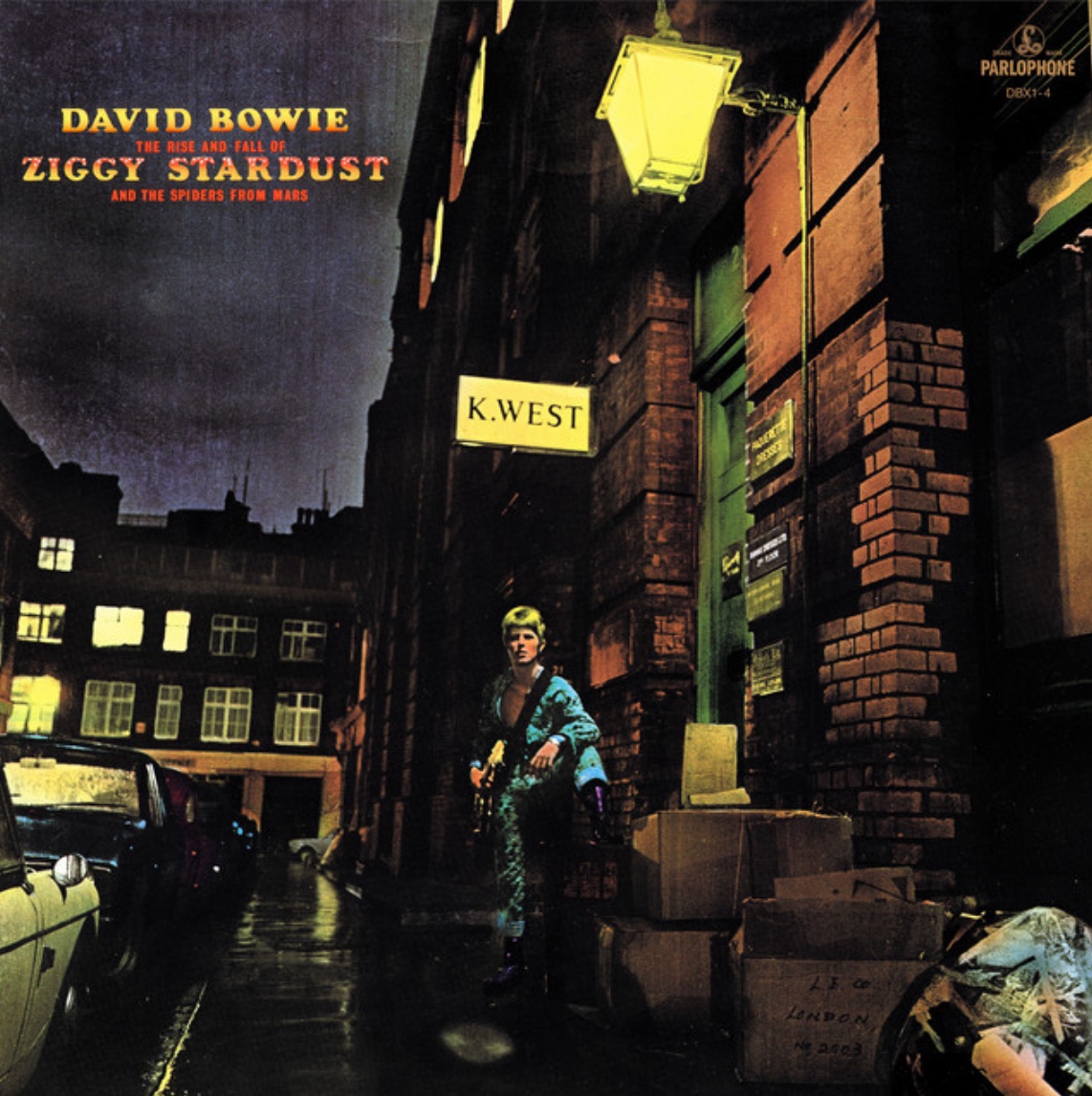
DAVID BOWIE - MOONAGE DAYDREAM


Publicada: Maig de 1971

Àlbum: The Rise and Fall of Ziggy Stardust and the Spiders from Mars


"Moonage Daydream" és una cançó de David Bowie. Es va publicar per primer cop com a single amb la seva efímera banda Arnold Corns al maig de 1971 a B&C Records. Més tard, aquell mateix any, Bowie va revisar la cançó amb la seva banda d'acompanyament, els Spiders from Mars - Mick Ronson, Trevor Bolder i Mick Woodmansey - per incloure-la a l’àlbum de 1972 "The Rise and Fall of Ziggy Stardust and the Spiders from Mars."


"Moonage Daydream" va sorgir durant la gira promocional de Bowie pels Estats Units a principis de febrer de 1971. Després de la gira, Bowie va reunir la breu banda Arnold Corns, anomenada així com a homenatge a la cançó d'Arnold Layne de Pink Floyd. Amb Mark Carr-Pritchard a la guitarra, Peter DeSomogyi al baix i Tim Broadbent a la bateria, la banda - anteriorment coneguda com el trio Rungk - es va unir a Bowie en la gravació de "Moonage Daydream" i "Hang On to Yourself" el 25 de febrer de 1971 als estudis de Radio Luxembourg a Londres. Bowie va contractar el dissenyador de vestuari obertament gai Freddie Burretti, per qui va escriure "Moonage Daydream", com a líder del grup. Tot i ser acreditat com a vocalista, Burretti no va participar en les gravacions. L'autor Peter Doggett va descriure la versió original com a “una tornada divertida inspirada en la ciència-ficció, dues estrofes poc definides amb una única frase memorable, i un arranjament que no només utilitzava la seva veu com un màrtir sota la Inquisició sinó que pràcticament definia la paraula 'caòtic'".


La feina a la guitarra de Mick Ronson va ser fonamental per donar forma al so distintiu de l'àlbum Ziggy Stardust, incloent el seu solo brillant a "Moonage Daydream". Bowie va capturar eloqüentment l'impacte de Ronson a l'assaig de David Buckley en el llibret que acompanya l'edició 2-CD del 30è aniversari de l'àlbum, lloant la seva guitarra crua, apassionada a l’estil Jeff Beck com a combinació perfecta per a Ziggy i els Spiders. Bowie fins i tot va descriure com representaria visualment la forma del solo en paper, amb "Moonage Daydream" dibuixant-lo com una línia plana que evolucionava a una forma dinàmica i expressiva. Curiosament, el riff introductori de guitarra seria utilitzat al 2005 per la banda punk pop Green Day al seu single  "Jesus of Suburbia".


Bowie va exhibir la cançó àmpliament durant la gira Ziggy Stardust de 1972 a 1973, atribuint-la a vegades a "una cançó escrita per Ziggy". La seva importància es va subratllar durant el darrer concert de la gira al Hammersmith Odeon de Londres, el 3 de juliol de 1973, on Bowie va declarar: "Aquest és l'últim espectacle que farem mai". Aquesta declaració es va interpretar més tard com la retirada de Ziggy Stardust. La gravació d'aquest concert històric va ser posteriorment llançat a la pel·lícula "Ziggy Stardust: The Motion Picture".


La cançó també va inspirar el títol pel documental "Moonage Daydream" de 2022 que presenta material d'arxiu que explora la vida i la carrera de Bowie. S’ha de dir que aquest documental és el primer film póstum sobre Bowie que va rebre l'aprovació dels seus hereus.


DAVID BOWIE - MOONAGE DAYDREAM


Released: May 1971

Album: The Rise and Fall of Ziggy Stardust and the Spiders from Mars


"Moonage Daydream" stands as a song by David Bowie. It saw its first release as a single by his short-lived band Arnold Corns in May 1971 on B&C Records. Later that year, Bowie revisited the song with his backing band the Spiders from Mars—Mick Ronson, Trevor Bolder, and Mick Woodmansey—for its inclusion on his 1972 album "The Rise and Fall of Ziggy Stardust and the Spiders from Mars."


"Moonage Daydream" emerged during Bowie's US promotional tour in early February 1971. Following the tour, Bowie assembled the short-lived band Arnold Corns, named after the Pink Floyd song "Arnold Layne." Consisting of guitarist Mark Carr-Pritchard, bassist Peter DeSomogyi, and drummer Tim Broadbent, the band—previously known as the trio Rungk—joined Bowie in recording "Moonage Daydream" and "Hang On to Yourself" on 25 February 1971 at Radio Luxembourg's studios in London. Bowie enlisted openly gay dress designer Freddie Burretti, for whom he penned "Moonage Daydream," as the group's frontman. Despite being credited as a vocalist, Burretti did not participate in the recordings. Biographer Peter Doggett described the original version as featuring a "playful science-fiction-inspired chorus, two nondescript verses with a single memorable line, and an arrangement that not only racked his voice like a martyr under the Inquisition but virtually defined the word 'shambolic'."


Mick Ronson's guitar work was pivotal to shaping the distinctive sound of the Ziggy Stardust album, including his otherworldly sustain-drenched solo on "Moonage Daydream." Bowie eloquently captured Ronson's impact in David Buckley's essay in the booklet accompanying the 30th Anniversary 2-CD edition of the album, praising his raw, passionate Jeff Beck-style guitar as the perfect match for Ziggy and the Spiders. Bowie even described how he would visually depict the shape of a solo on paper, with "Moonage Daydream" featuring a solo that evolved from a flat line to a dynamic, expressive form. Interestingly, the song's introductory guitar riff would find new life in punk pop band Green Day's 2005 hit single, "Jesus of Suburbia."


Bowie showcased the song extensively during the Ziggy Stardust Tour from 1972 to 1973, sometimes attributing it to "a song written by Ziggy." Its significance was underscored during the tour's culminating performance at the Hammersmith Odeon, London, on 3 July 1973, where Bowie declared: "This is the last show we'll ever do." This statement was later interpreted as the retirement of Ziggy Stardust. The recording of this historic concert was subsequently released on “Ziggy Stardust: The Motion Picture”.


The song also inspired the title of the 2022 “Moonage Daydream” documentary featuring archival material that delves into Bowie's life and career. Notably, this documentary marks the first posthumous film about Bowie to receive approval from his estate.


21.4.24


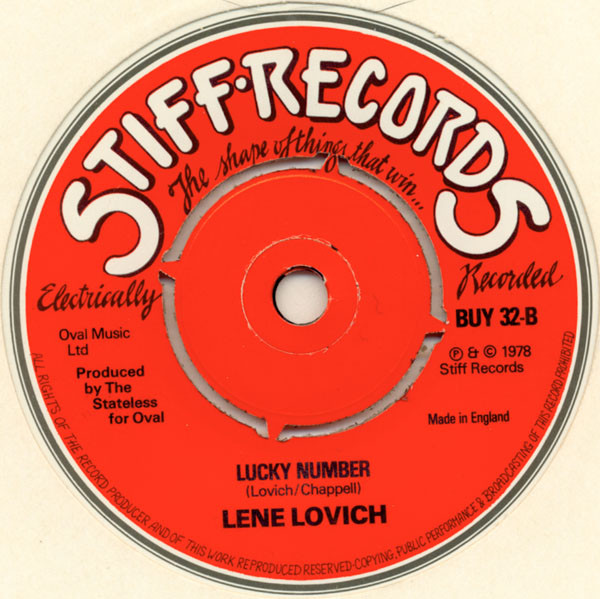
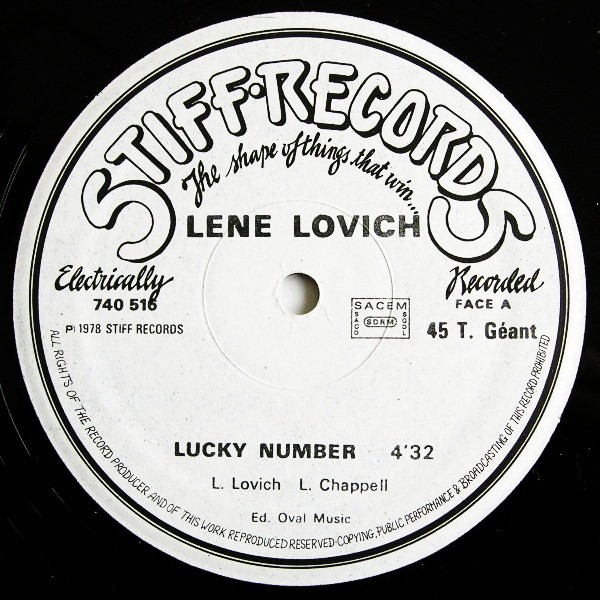
LENE LOVICH - LUCKY NUMBER

Edició: juliol de 1978

Reedició: 26 de gener de 1979

Llistes: Regne Unit: #3 


"Lucky Number" és una cançó de l'artista anglo-americana Lene Lovich, inicialment llançada com a cara B. Escrita per Lene Lovich i Les Chappell, qui també va produir la pista, la cançó va ser rellançada com a cara A i es va convertir en el single principal definitiu de l'àlbum d'estudi debut de Lovich el 1978, "Stateless".


Nascuda Lili-Marlene Premilovich a Detroit d'una mare anglesa i un pare iugoslau, Lovich es va traslladar més tard a Hull, Anglaterra, on es va creuar amb el guitarrista i compositor Les Chappell. Chappell no només es va convertir en el seu col·laborador de llarga durada, sinó també en la seva parella. Abans de trobar la fama amb Stiff Records el 1978, Lovich va explorar diversos camins, des de ser estudiant d'art fins a ballarina go-go i músic ambulant al metro de Londres. Curiosament, també va prestar el seu talent vocal per sobregrabar crits per a pel·lícules d'horror. Abans de la seva carrera en solitari, Lovich va formar part de The Diversions, un grup de funk que va llançar diversos singles i un àlbum sense èxit significatiu. El descobriment de Lovich va arribar el 1978 quan va contribuir amb la lletra a l'èxit "Supernature" de l’interpret de música disco francés Cerrone, que va arribar al núm. 8 a les llistes del Regne Unit.


"Lucky Number" va sorgir gairebé per casualitat, concebuda com a cara B de la versió de Lene Lovich de "I Think We're Alone Now" de Tommy James & The Shondells. Ràpidament, Lovich i Les Chappell van escriure i gravar la pista. Malgrat inicialment ser relegada a la cara B del senzill, "Lucky Number" finalment es va emportar el protagonisme. En el seu rellançament al gener de 1979 per part de Stiff Records, aquesta vegada amb "Lucky Number" com a cara A, la cançó va assolir l’èxit. Va arribar a alçades impressionants a les llistes, com el núm. 2 a Austràlia, el núm. 3 als Països Baixos, Nova Zelanda i el Regne Unit, i el núm. 5 a Bèlgica.


La lletra il·lustra la transició de la seva independència a una connexió profunda amb una altra persona. Inicialment contenta amb la seva existència solitària, es refereix al 1 com el seu "número de la sort", indicant la seva satisfacció per estar sola. Però tot canvia quan coneix algú que li roba el cor. Del braç d'aquest nou amor trobat, la seva percepció canvia, i el seu "número de la sort" es converteix en el 2.


La cantant punk alemanya Nina Hagen va fer una versió de "Lucky Number", amb el títol "Wir leben immer... noch" ("Encara estem vius..."), a l'àlbum de 1979 "Unbehagen".


LENE LOVICH - LUCKY NUMBER


Released: July 1978

Re-released: January 26, 1979

Charted:  UK: #3 


"Lucky Number" is a song by English-American recording artist Lene Lovich released in the first instance as an B-side. Written by Lene Lovich and Les Chappell, who also produced the track, the song was re-released as an A-side and became the defining lead single of Lovich's 1978 debut studio album, "Stateless". 


Born Lili-Marlene Premilovich in Detroit to an English mother and a Yugoslavian father, Lovich later relocated to Hull, England, where she crossed paths with guitarist and songwriter Les Chappell. Chappell would become not only her longtime collaborator but also her partner. Before finding fame with Stiff Records in 1978, Lovich explored various paths, from art student to go-go dancer to busker on the London Underground. Interestingly, she also lent her vocal talents to overdub screams for horror films. Prior to her solo career, Lovich was part of The Diversions, a funk group that released several singles and an album without significant success. Lovich's breakthrough came in 1978 when she contributed lyrics to French disco singer Cerrone's hit "Supernature," which climbed to #8 on the UK charts.


"Lucky Number" emerged almost by chance, conceived as a B-side to Lene Lovich's cover of Tommy James & The Shondells' "I Think We're Alone Now." With limited time, Lovich and Les Chappell hastily wrote and recorded the track. Despite initially being relegated to the flip side of the single, "Lucky Number" ultimately stole the spotlight. Upon its re-release in January 1979 by Stiff Records, this time with "Lucky Number" as the A-side, the song skyrocketed to success. It reached impressive heights on the charts, peaking at #2 in Australia, #3 in the Netherlands, New Zealand, and the UK, and #5 in Belgium. 


The lyrics illustrate her transition from independence to a deep connection with another person. Initially content with her solitary existence, she refers to her "lucky number" as one, indicating her satisfaction with being alone. However, everything changes when she meets someone who captivates her heart. In the embrace of this newfound love, her perception shifts, and her "lucky number" becomes two. 


German punk singer Nina Hagen covered "Lucky Number," with the title "Wir leben immer... noch" ("We are alive... still") on the 1979 album “Unbehagen”.


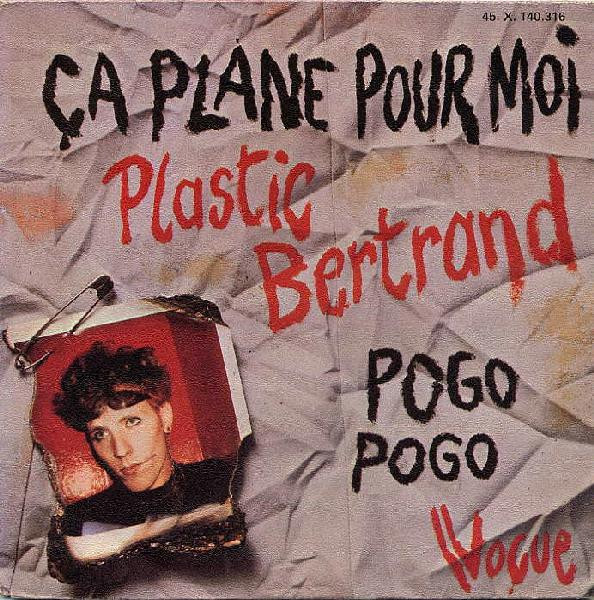
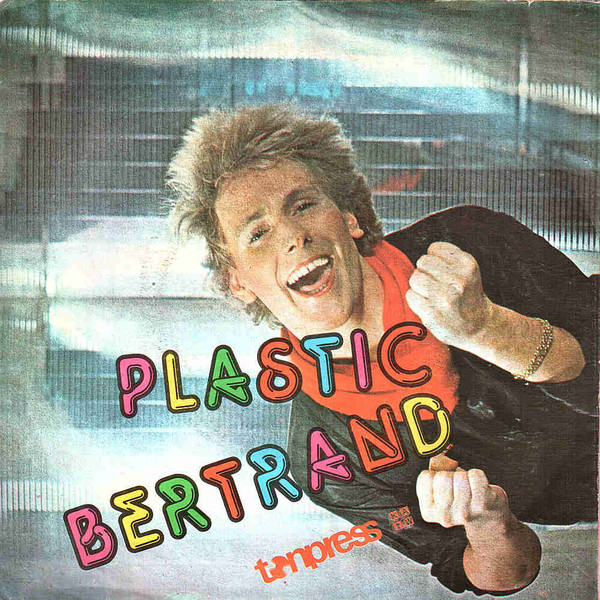
PLASTIC BERTRAND - ÇA PLANE POUR MOI


Estrenada: desembre de 1977

Llistes: Regne Unit: #8   EUA: #47


"Ça plane pour moi" és una cançó de 1977 atribuïda al músic belga Plastic Bertrand, tot i que les veus van ser realment interpretades pel productor Lou Deprijck. Plastic Bertrand, el nom real del qual és Roger Jouret, és un artista i presentador de televisió belga. Tot i ser principalment considerada una cançó de punk rock, "Ça plane pour moi" també s'ha categoritzat com a new wave i s'ha descrit com una paròdia del punk rock. El títol és una expressió francesa que es tradueix com "això em va bé" o "està planejant per a mi" en anglès. La lletra de la cançó no té un significat específic i sovint es descriu com sonant de manera vaga a "Rock 'N Roll".


"Ça plane pour moi" va assolir l'èxit en diversos països europeus, arribant al núm. 19 a Àustria, al núm. 12 a Suècia, al núm. 11 a Bèlgica, al núm. 8 al Regne Unit, al núm. 6 a Alemanya Occidental, al núm. 4 a Irlanda, al núm. 2 als Països Baixos, al núm. 7 a Nova Zelanda i al núm. 2 a Austràlia. Va liderar les llistes suïsses durant una setmana i les franceses durant dues setmanes consecutives. Als Estats Units, el senzill va arribar al núm. 47 del Billboard Hot 100, un èxit notable per a una cançó en francès. Prèviament, només "Dominique" de The Singing Nun i "Je t'aime... moi non plus" de Serge Gainsbourg i Jane Birkin havien assolit un èxit similar. A més, va assolir el núm. 58 al Canadà.


La cançó va ser coescrita i produïda pel productor i compositor Lou Deprijck. Més tard, Deprijck va portar Plastic Bertrand a un tribunal de Brussel·les, afirmant que volia ser reconegut com a intèrpret també. Va al·legar que va interpretar la veu de l'èxit perquè Plastic Bertrand no va arribar a l'estudi el dia que el van enregistrar. No obstant, Deprijck tenia poques evidències per donar suport a la seva afirmació, mentre que Bertrand tenia un contracte signat i el seu nom a l'etiqueta del disc. El jutge va multar Deprijck pel que va descriure com una demanda "vexatòria i sense fonament".


En una entrevista del 2010 amb el diari belga Le Soir, Roger Jouret finalment va confessar que Lou Deprijck va cantar a la cançó. "No em molesta admetre que no era la meva veu", va dir. "Volia cantar, però ell no em va deixar entrar a l'estudi." Bertrand va afegir que Deprijck l'havia instat a "guardar silenci a canvi del 0,5% dels drets d'autor, assegurant-me que em deixaria utilitzar la meva veu en una altra versió, cosa que, és clar, mai va fer." Va continuar: "Jo sóc la víctima aquí. Volia cantar, però em va impedir l'entrada a l'estudi. Això em perseguirà per la resta de la meva vida. Estic realment fart." La confessió de Jouret va seguir l'anàlisi d'un lingüista encarregat per un jutge durant una disputa legal de llarga durada sobre quines veus apareixen a la cançó, el qual va concloure que l'accent de Jouret no coincidia amb el tret distintiu de la gravació.


PLASTIC BERTRAND - ÇA PLANE POUR MOI


Released: December 1977

Charted:  UK: #8   US: #47 


"Ça plane pour moi" is a 1977 song credited to Belgian musician Plastic Bertrand, although the vocals were actually performed by producer Lou Deprijck. Plastic Bertrand, whose real name is Roger Jouret, is a Belgian recording artist and television presenter. While primarily considered a punk rock song, "Ça plane pour moi" has also been categorized as new wave and described as a parody of punk rock. The title is a French idiom that translates to "this works for me" or "it is gliding for me" in English. The lyrics of the song have no specific meaning and are often described as sounding vaguely "Rock 'N Roll."


"Ça plane pour moi" achieved success across various European countries, reaching No. 19 in Austria, No. 12 in Sweden, No. 11 in Belgium, No. 8 in the U.K., No. 6 in West Germany, No. 4 in Ireland, No. 2 in the Netherlands, No. 7 in New Zealand, and No. 2 in Australia. It topped the Swiss charts for one week and the French charts for two consecutive weeks. In the U.S., the single reached No. 47 on the Billboard Hot 100, a notable achievement for a French-language song. Prior to this, only "Dominique" by The Singing Nun and "Je t'aime... moi non plus" by Serge Gainsbourg and Jane Birkin had achieved similar success. Additionally, it peaked at No. 58 in Canada.


The song was co-written and produced by producer/songwriter Lou Deprijck. Later, Deprijck took Plastic Bertrand to a Brussels court, claiming that he wanted to be recognized as the performing artist as well. He alleged that he performed the vocals on the hit because Plastic Bertrand didn't make it to the studio the day they were recording it. However, Deprijck had little evidence to support his claim, while Bertrand had a signed contract and his name on the record label. The judge fined Deprijck for what he described as a "groundless and vexatious" suit.


In a 2010 interview with Belgian newspaper Le Soir, Roger Jouret finally confessed that Lou Deprijck provided the vocals for the song. "I don't mind admitting it wasn't my voice," he said. "I wanted to sing, but he wouldn't let me into the studio." Bertrand added that Deprijck had urged him to "keep quiet in exchange for 0.5% of the royalties, promising that he'd let me use my voice on another version, which, of course, he never did." He continued: "I'm the victim here. I wanted to sing, but he barred me from the studio. This is going to haunt me for the rest of my life. I'm really fed up." Jouret's confession followed a linguist's analysis commissioned by a judge during a long-standing legal dispute over whose vocals appear on the track, which concluded that Jouret's accent did not match the distinctive twang on the record.