Total de visualitzacions de pàgina:

29.5.24


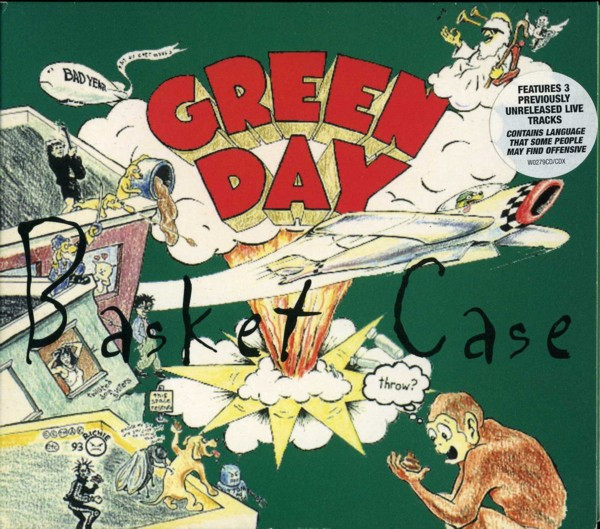
GREEN DAY - BASKET CASE


Publicació: 1 d'agost de 1994

Llistes: EUA: #26   Regne Unit: #7


"Basket Case" és una cançó de Green Day, llançada l’agost de 1994 per Reprise Records com a segon senzill del tercer àlbum d'estudi de la banda, Dookie. La cançó va assolir un gran èxit, passant cinc setmanes al capdamunt de la llista US Billboard Alternative Songs. A més, va rebre una nominació als Premis Grammy a la categoria de Millor Actuació Vocal de Rock per un Dúo o Grup.


"Basket Case" parla d'atacs d'ansietat i la sensació d'embogir. El cantant, Billie Joe Armstrong, que va patir trastorns de pànic, va trobar catarsi escrivint aquesta cançó. Es despertava a mitja nit amb atacs de pànic i passejava pel seu barri per tranquil·litzar-se. La cançó reflecteix les seves lluites personals, utilitzant estereotips de paranoia i comparant-ho amb estar col·locat.


Inicialment concebuda el 1993 com una gran balada d'amor, "Basket Case" va prendre una direcció diferent a causa dels problemes de drogues d'Armstrong. Mentre estava sota els efectes del cristal, va escriure el que més tard va descriure com a lletres "vergonyosament dolentes." Decebut, les va descartar i va reinventar completament la cançó, tirant de les seves pròpies experiències amb els atacs de pànic. Aquesta transformació va donar lloc a un himne poderós sobre la salut mental, reflectint el viatge d'Armstrong de fer front i, en última instància, superar-ho.


"Basket Case" és considerada una cançó emblemàtica del gènere pop-punk, influent en moltes bandes de la següent generació. Pierre Bouvier de Simple Plan va reconèixer l'impacte de la pista de Green Day, afirmant: "Encara que segur que no els agrada la paraula pop-punk, 'Basket Case' va agafar aquest estil i va explotar de manera com mai s'havia fet abans." Bouvier va destacar com la seva banda i altres com Face To Face i No Use For A Name van ser inspirades pel so pioner de Green Day.


El videoclip està ambientat en un hospital psiquiàtric on els membres de la banda interpreten pacients. Ret homenatge a la pel·lícula de 1975 "Atrapado sin salida". Dirigida per Mark Kohr, que també va dirigir els primers vídeos de Green Day com "When I Come Around" i "Longview", el vídeo es va gravar en blanc i negre i posteriorment es va colorejar per aconseguir un efecte sorprenent i surrealista. Kohr va treure inspiració de la colorització de pel·lícules clàssiques de Ted Turner i del vídeo de Nirvana "Heart-Shaped Box". Va buscar una paleta de colors dramàtica, reminiscent dels musicals de la MGM, per crear una experiència visual impactant.


GREEN DAY - BASKET CASE


Released: August 1, 1994

Charted:  US: #26    UK: #7 


"Basket Case" is a song by Green Day, released on August 1994, by Reprise Records as the second single from the band's third studio album, Dookie (1994). The song achieved significant success, spending five weeks at the top of the US Billboard Alternative Songs chart. Additionally, it garnered a Grammy Award nomination in the category for Best Rock Vocal Performance by a Duo or Group.


"Basket Case" is about anxiety attacks and the feeling of going crazy. Lead singer Billie Joe Armstrong, who suffered from panic disorders while growing up, found catharsis in writing this song. He would wake up in the middle of the night with panic attacks and walk around his neighborhood to calm down. The song reflects his personal struggles, using stereotypes of paranoia and comparing it to being stoned.


Initially conceived in 1993 as a grand love ballad, "Basket Case" took a different direction due to Armstrong's struggles with drugs. While on crystal meth, he wrote what he later described as "embarrassingly bad" lyrics. Disappointed, he discarded them and reimagined the song entirely, drawing from his own experiences with panic attacks. This transformation led to a powerful anthem about mental health, reflecting Armstrong's journey of coping and ultimately pulling through.


"Basket Case" is considered a landmark song in the pop-punk genre, influencing many bands in the next generation. Pierre Bouvier of Simple Plan acknowledged the impact of Green Day's track, stating, "Even though I'm sure they don't like the word pop-punk, 'Basket Case' by Green Day took that style and really blew up in a way that had never been done before." Bouvier highlighted how his band and others like Face To Face and No Use For A Name were inspired by Green Day's pioneering sound.


The music video is set in a mental institution where the band members portray patients. It pays homage to the 1975 film "One Flew Over the Cuckoo's Nest." Directed by Mark Kohr, who also helmed early Green Day videos like "When I Come Around" and "Longview," the video was shot in black and white and later colorized for a striking, somewhat surreal effect. Kohr drew inspiration from Ted Turner's colorization of classic movies and Nirvana's "Heart-Shaped Box" video. He aimed for a dramatic and decisive color palette, reminiscent of MGM musicals, to create an arresting visual experience.




28.5.24


EMINEM - THE REAL SLIM SHADY


Publicada: 18 d'abril de 2000

Llistes: EUA: #4   Regne Unit: #1 (1 setmana)


"The Real Slim Shady" és una pista d'Eminem del seu tercer àlbum, “The Marshall Mathers LP”. Llançat com a senzill principal just abans del debut de l'àlbum, va arribar al número quatre a la llista Billboard Hot 100, marcant el més gran èxit d'Eminem en aquell moment. "The Real Slim Shady" va ser el primer número u d’Eminem al Regne Unit, on inicialment va gaudir de més popularitat que al seu país d'origen. Abans d'aconseguir un número u als Estats Units amb "Lose Yourself", Eminem ja havia aconseguit números u al Regne Unit amb "Stan" i "Without Me". Les seves distincions inclouen els MTV Video Music Awards al Millor Vídeo i Millor Vídeo Masculí, juntament amb un Premi Grammy a la Millor Actuació en Solitari de Rap.


"The Real Slim Shady" presenta l'alter ego d’Eminem, "Slim Shady", al costat dels altres personatges, Eminem i Marshall Mathers. En la cançó, Slim Shady desafia els seus crítics de manera extravagant i escandalosa, incorporant nombroses referències a la cultura popular i a celebritats, incloent el còmic Tom Green, que era popular en aquell moment. La pista està destinada a ser una paròdia de les cançons pop estereotipades, tot i que alguns oients inicialment no van captar la ironia.


Sota pressió per oferir un èxit com a senzill principal del seu àlbum, Eminem va treballar en la base per a "The Real Slim Shady". La revelació va arribar quan el seu teclista i baixista van improvisar sobre una base rítmica programada per Dr. Dre. Amb la base a punt, Eminem va escriure la lletra basada en l'emulació del seu estil per part de diversos fans. A la matinada següent, va gravar les veus a l'estudi.


En el videoclip, la còmica Kathy Griffin, coneguda pel seu paper a la sèrie de televisió Suddenly Susan, fa la veu al principi, anunciant: "Will the real Slim Shady please stand up?" (Que es posi dret el veritable Slim Shady?) El vídeo mostra un grup de joves amb cabells rossos vestits com Eminem, simbolitzant l'adoració d'Eminem pels seus fans i el malson de molts pares.


Eminem va oferir una actuació memorable de "The Real Slim Shady" als MTV Video Music Awards del 2000. Acompanyat d'una legió de dobles, Eminem va fer la seva entrada des de fora del Radio City Music Hall i va interpretar la cançó mentre entrava. Tots els intèrprets que representaven els dobles d'Eminem van haver de tenyir-se els cabells de rubi-blanc d'Eminem per a la interpretació, afegint espectacularitat.


EMINEM - THE REAL SLIM SHADY


Released: April 18, 2000

Charted:  US: #4   UK: #1 (1 week)


"The Real Slim Shady" is a track by Eminem from his third album, The Marshall Mathers LP (2000). Released as the lead single just before the album's debut, it climbed to number four on the Billboard Hot 100, marking Eminem's most significant hit at the time. "The Real Slim Shady" marked Eminem's first number-one hit in the UK, where he initially enjoyed more popularity than in his home country. Prior to achieving a chart-topper in the US with "Lose Yourself," Eminem had already secured UK number-one hits with "Stan" and "Without Me." Its accolades include MTV Video Music Awards for Best Video and Best Male Video, along with a Grammy Award for Best Rap Solo Performance.


"The Real Slim Shady" introduces Eminem's "Slim Shady" alter ego, alongside his other personas, Eminem and Marshall Mathers. In the song, Slim Shady lashes out at his critics in a flamboyant and outrageous manner, incorporating numerous pop culture and celebrity references, including comedian Tom Green, who was prominent at the time. The track is intended as a parody of stereotypical pop songs, although some listeners initially missed the irony.


Under pressure to deliver a hit single to lead off his album, Eminem worked on the beat for "The Real Slim Shady" throughout the day. The breakthrough came when his keyboard and bass player jammed on a drum track programmed by Dr. Dre. With the beat in place, Eminem penned the lyrics based on the emulation of his style by various fans. The following morning, he recorded the vocals in the studio.


In the music video comedian Kathy Griffin, known for her role on the TV series Suddenly Susan, provides the voice at the beginning, announcing, "Will the real Slim Shady please stand up?" The video depicts a group of young men with blond hair dressed like Eminem, symbolizing the idolization of Eminem by his fans and the nightmare of many suburban parents.


Eminem delivered a memorable performance of "The Real Slim Shady" at the 2000 MTV Video Music Awards. Accompanied by a legion of lookalikes, Eminem made his entrance from outside Radio City Music Hall and performed the song on his way in. All the performers playing Eminem's doppelgängers had to dye their hair Eminem-blond for the performance, adding to the spectacle.


TOM PETTY & THE HEARTBREAKERS - AMERICAN GIRL


Released: February 1977

Charted:  UK: #40 


"American Girl" is a rock anthem written by Tom Petty and recorded by Tom Petty and the Heartbreakers for their debut album in 1976. While it initially didn't chart in the US, it reached No. 40 in the UK in 1977. A re-release in 1994 as part of Petty's Greatest Hits album revived its popularity. Despite modest chart success, "American Girl" emerged as one of Petty's most beloved tracks, earning acclaim as one of the best rock songs ever.


Tom Petty reflected on "American Girl," noting that he composed it in his apartment in Encino, situated near the freeway where the passing cars resembled ocean waves. This inspired the lyric about waves crashing on the beach. He described how the words flowed effortlessly, marking the beginning of his exploration into themes of longing and the pursuit of something greater in life.


Mike Campbell clarified the meaning behind "American Girl," emphasizing that despite misconceptions about its lyrics, it's fundamentally a love song with Florida imagery. He highlighted that the line "if she had to die trying" is often misinterpreted as alluding to suicide when, in fact, it's about the protagonist's determination. Additionally, he mentioned that the song was recorded on the 4th of July, pondering if this influenced Petty's inspiration to write about an American girl.


On September 25, 2017, Tom Petty gave his last concert at the legendary Hollywood Bowl, closing his set with "American Girl." Petty died a week later at UCLA Santa Monica Hospital on October 2, 2017 after cardiac arrest, making his most recognized song the last one he performed while alive.


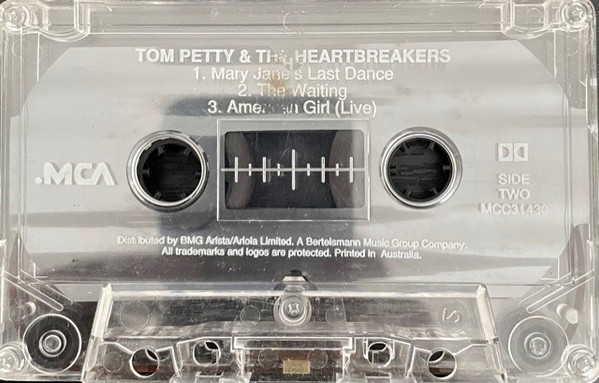
TOM PETTY & THE HEARTBREAKERS - MARY JANE’S LAST DANCE


Released: November 16, 1993

Charted:  US: #14   UK: #52 


"Mary Jane's Last Dance" is a song written by Tom Petty and performed by Tom Petty and the Heartbreakers. It was recorded during the sessions for Petty's “Wildflowers” album and produced by Rick Rubin, along with guitarist Mike Campbell and Petty himself. The recording marked the final sessions with drummer Stan Lynch before his departure in 1994. Initially released as part of the “Greatest Hits” album in 1993, it reached No. 14 on the US Billboard Hot 100, marking Petty's first top-20 hit of the 1990s, and also claimed the top spot on the Billboard Album Rock Tracks chart for two weeks.


In an interview with Mike Campbell, the Heartbreakers guitarist revealed the genesis of "Mary Jane's Last Dance." Initially titled "Indiana Girl," the song's chorus revolved around that theme. However, Tom Petty reconsidered the chorus and suggested changing it to "Last dance with Mary Jane." While the verse retains references to an Indiana girl, Petty imbued the chorus with deeper significance, leading to the song's final form. "Mary Jane's Last Dance" remains open to interpretation, with two common views on its meaning. Some speculate it reflects Tom Petty's divorce from his wife Jane, which occurred a year before the song's recording. Alternatively, given "Mary Jane" as slang for marijuana and the lyrics' reference to numbing pain, it could be about the drug's effects. Campbell suggests it's open-ended, allowing listeners to interpret it as a goodbye love song or a drug reference, depending on their perspective.


Tom Petty's music video for "Mary Jane's Last Dance" features him as a mortician who takes home a corpse played by Kim Basinger. In the video, Petty dresses her in a wedding gown, dances with her, and eventually throws her into the ocean. Even with its unusual premise, the video won Best Male Video at the MTV Video Music Awards. Directed by Keir McFarlane, it was part of Petty's penchant for unconventional storytelling in his videos. Petty's comfort in the role might be attributed to his past job as a gravedigger. Sharon Stone was originally considered for the role, but Kim Basinger ultimately portrayed the corpse. Petty wanted a strikingly beautiful actress to portray the character, hence the initial choice of Stone.


The similarities between Red Hot Chili Peppers' "Dani California" and Tom Petty's "Mary Jane's Last Dance" led to speculation of plagiarism in 2006, with some urging Petty to sue the Chili Peppers. Both songs were produced by Rick Rubin, further fueling the controversy. Petty chose not to pursue legal action, stating that he believed there was no malicious intent and that similarities between rock songs are not uncommon.