Total de visualitzacions de pàgina:

15.6.24


LED ZEPPELIN - THE RAIN SONG


Llançament: 28 de març de 1973

Àlbum: Houses of the Holy


"The Rain Song" és una balada de la banda de rock anglesa Led Zeppelin, inclosa com a segona pista del seu cinquè àlbum, "Houses of the Holy," llançat el març de 1973. El guitarrista Jimmy Page va crear originalment la melodia a la seva casa a Plumpton, Anglaterra, on havia instal·lat recentment una consola de mescla d'estudi.


"The Rain Song" va ser inspirada per una conversa entre el bateria de Led Zeppelin John Bonham i George Harrison, fan del grup, que li va fer veure que no tenien cap balada. Bonham va portar la idea a la banda, i tots quatre membres van col·laborar en la seva creació, resultant en una de les poques cançons de Led Zeppelin amb crèdit de composició compartit. Com a homenatge a Harrison, Jimmy Page va incloure les primeres dues notes de la cançó dels Beatles "Something" a la introducció de la pista.


Amb una durada de 7:39, aquesta cançó tranquil·la transmet un to melancòlic mentre Robert Plant explora les emocions canviants de l'amor. Utilitzant les estacions com a metàfora, comença amb el floriment de l'amor primaveral i conclou amb el fred de l'hivern, transmetent la naturalesa transitòria de la felicitat i la inevitabilitat dels contratemps a la vida.


Amb un títol provisional de "Slush," reflectint el seu to suau i l’arranjament orquestral easy-listening , Jimmy Page va presentar una melodia totalment arranjada per a la cançó. Llavors, Robert Plant va escriure la lletra, considerant la seva actuació vocal a la pista com una de les seves millors. John Paul Jones va contribuir a l'efecte orquestral amb un Mellotron, mentre que Page tocava una guitarra Danelectro.


L'admiració del productor Rick Rubin per "The Rain Song" és evident en el seu elogi per les seves qualitats multifacètiques. Troba remarcable la seva capacitat per transcendir les classificacions de gènere, destacant el treball complexe de la guitarra i l'estat d'ànim poderós però melancòlic creat per la percussió. La barreja de tristesa, introspecció i força de la cançó va commoure Rubin, que va expressar el desig d'escoltar-la repetidament, apreciant la seva bellesa matitzada.


La seqüenciació de "The Rain Song" després de "The Song Remains the Same" durant les actuacions en directe de Led Zeppelin des de finals de 1972 fins a 1975 va ser una decisió estratègica, permetent a Jimmy Page fer una transició perfecta entre les cançons mentre utilitzava la seva guitarra Gibson EDS-1275 de doble màstil. Aquest instrument facilitava l'actuació, ja que permetia a Page tocar el màstil de 12 cordes per a "The Song Remains the Same" i després canviar al de 6 cordes per a "The Rain Song" sense interrupcions.


LED ZEPPELIN - THE RAIN SONG


Released: March 28, 1973

Album: Houses of the Holy


"The Rain Song" is a ballad by the English rock band Led Zeppelin, featured as the second track on their fifth album, "Houses of the Holy," released in March 1973. Guitarist Jimmy Page originally crafted the melody of the song at his home in Plumpton, England, where he had recently installed a studio mixing console.


"The Rain Song" was inspired by a conversation between Led Zeppelin drummer John Bonham and George Harrison, a fan of the band, who remarked that they didn't have any ballads. Bonham brought the idea to the band, and all four members collaborated on its creation, resulting in one of the few Led Zeppelin songs with shared composer credit. As a tribute to Harrison, Jimmy Page included the first two notes of the Beatles song "Something" in the intro to the track.


Clocking in at 7:39, this mellow track carries a wistful tone as Robert Plant explores the shifting emotions of love. Employing seasons as a metaphor, he begins with the blossoming of springtime love and concludes with the chill of winter, conveying the transient nature of happiness and the inevitability of hardships in life.


With a working title of "Slush," reflecting its smooth, easy-listening orchestral arrangement, Jimmy Page presented a fully arranged melody for the song. Robert Plant then penned the lyrics, considering his vocal performance on the track to be among his finest. John Paul Jones contributed to the orchestral effect with a Mellotron, while Page played a Danelectro guitar.


Producer Rick Rubin's admiration for "The Rain Song" is evident in his praise for its multifaceted qualities. He finds its ability to transcend genre classifications remarkable, noting the intricate guitar work and the powerful yet melancholic mood created by the drums. The song's blend of sadness, introspection, and strength resonates with Rubin, who expresses a desire to listen to it repeatedly, appreciating its nuanced beauty.


Led Zeppelin's sequencing of "The Rain Song" after "The Song Remains the Same" during their live performances from late 1972 to 1975 was a strategic decision, allowing Jimmy Page to seamlessly transition between songs while utilizing his Gibson EDS-1275 double-necked guitar. This instrument facilitated the performance by enabling Page to play the 12-string neck for "The Song Remains the Same" and then switch to the 6-string neck for "The Rain Song" without interruption.


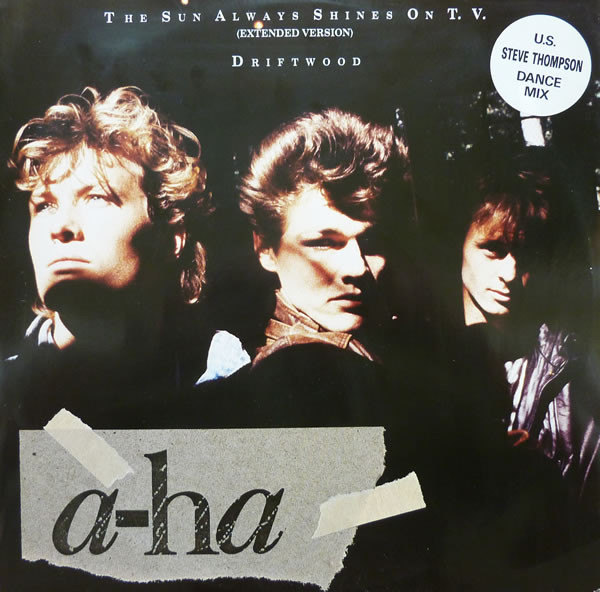


a-ha - THE SUN ALWAYS SHINES ON TV


Estrena: 16 de desembre de 1985

Llistes: EUA: #20   Regne Unit: #1 (2 setmanes)


"The Sun Always Shines on T.V." és una cançó d'a-ha, llançada com el tercer senzill del seu àlbum debut, "Hunting High and Low", el 1985. Escrita pel guitarrista Pål Waaktaar, va arribar al número u de la UK Singles Chart durant dues setmanes al gener de 1986, superant l'èxit del seu anterior single "Take On Me". La cançó va consolidar l'estatus de la banda amb un single número u tant a Europa com als Estats Units.


Pål Waaktaar, el compositor, va revelar que la inspiració per a la cançó va venir d'un dia plujós passat veient la televisió en un hotel, quan el presentador del programa va dir: 'És un dia plujós, però, com sempre, el sol sempre brilla a la TV.' La lletra reflexiona sobre la influència de la televisió i la seva representació a la vida.


Andrew Wickham, l'executiu de A&R de Warner Bros. que va signar a-ha, va ser persuadit d'incloure "The Sun Always Shines On TV" a l'àlbum per la seva secretària, que creia que seria un èxit. Malgrat que el procés d'enregistrament va ser desafiador ja que els membres de la banda patien de grip. Malgrat la seva malaltia, van aconseguir enregistrar la cançó.


El videoclip va ser dirigit per Steve Barron i gravat durant tres dies al començament d'octubre de 1985 a Anglaterra. Inclou un epíleg al vídeo anterior de la banda, "Take On Me", continuant amb l'ús de l'animació rotoscopiada. El vídeo mostra Morten Harket i Bunty Bailey, que representen els joves amants que afronten les conseqüències de la seva experiència en el vídeo anterior. La seqüència principal mostra a-ha actuant dins d'una església gòtica, acompanyats per una densa multitud de maniquís que sosté instruments musicals. El vídeo acaba amb a-ha tallant-se del fons i es convertixen en una imatge fixa. Aquest vídeo forma una trilogia amb "Take On Me" i el següent senzill de la banda, "Train of Thought". El videoclip de "The Sun Always Shines on T.V." va guanyar dos trofeus als MTV Video Music Awards el 1986: Millor Edició en un Vídeo per l'editor David Yardley i Millor Cinematografia en un Vídeo per al Director de Fotografia Oliver Stapleton.


a-ha - THE SUN ALWAYS SHINES ON TV


Released: December 16, 1985

Charted:  US: #20  UK: #1 (2 weeks)


"The Sun Always Shines on T.V." is a synth-pop song by a-ha, released as the third single from their debut album, "Hunting High and Low" in 1985. Written by guitarist Pål Waaktaar, it reached number one on the UK Singles Chart for two weeks in January 1986, surpassing the success of their previous hit "Take On Me". The song solidified the band's status with a number-one single on both sides of the Atlantic.


Pål Waaktaar, the guitarist of a-ha and the songwriter behind "The Sun Always Shines On TV," revealed that the inspiration for the song came from a rainy day spent watching television in a hotel and the guy announcing the program says, 'It's a rainy day but, as always, the sun always shines on TV.' The lyrics reflect on the influence of television and its portrayal of life.


Andrew Wickham, the Warner Bros. A&R executive who signed a-ha, was persuaded to include "The Sun Always Shines On TV" on the album by his secretary, who believed it would be a hit. Regardless of how the recording process was challenging as the band members were suffering from influenza. Despite their illness, they managed to record the song.


The music video was directed by Steve Barron and shot over three days in early October 1985 in England. It includes an epilogue to the band's previous video, "Take On Me", continuing the use of rotoscoped animation. The video features Morten Harket and Bunty Bailey, portraying young lovers who face the consequences of their ordeal from the previous video. The main sequence shows a-ha performing inside a Gothic church, accompanied by a dense crowd of mannequins holding musical instruments. The video ends with a-ha being cut out from the background and becoming a still frame. This video forms a trilogy with "Take On Me" and the band's next single, "Train of Thought". The music video for "The Sun Always Shines on T.V." won two trophies at the MTV Video Music Awards in 1986: Best Editing in a Video for editor David Yardley and Best Cinematography in a Video for Director of Photography Oliver Stapleton.


AQUA - BARBIE GIRL


Publicació: abril de 1997 

Llistes: EUA: #7   Regne Unit: #1 (4 setmanes)


"Barbie Girl" és una cançó de dance-pop d'Aqua, llançada l’abril de 1997 com a tercer senzill del seu àlbum debut "Aquarium". Escrita pels membres de la banda Søren Rasted, Claus Norreen, René Dif i Lene Nystrøm, la cançó va estar inspirada per una exposició sobre la cultura kitsch a Dinamarca que mostrava nines Barbie. Produïda per Rasted, Norreen, Johnny Jam i Delgado, es va convertir en l’èxit més icònic d'Aqua.


"Barbie Girl" ha estat interpretada com un comentari sobre la importància exagerada de l'aparença sexual a la societat. La lletra aparentment frivol·la, pot críticar els estàndards de cos irrealistes promoguts per nines com Barbie, que poden afectar negativament l'estima de les nenes i la seva imatge corporal. Mentre que el fabricant de Barbie, Mattel, argumenta que Barbie no pretén representar la realitat i que les seves proporcions faciliten el joc, els crítics argumenten que el seu físic irrealista pot influir en les percepcions de bellesa i atractivitat.


Mattel va demandar Aqua, afirmant que la cançó violava la marca registrada de Barbie i objectivava la nina al retratar-la com a "rubia bimbo". Aqua va argumentar que Mattel havia imposat la seva pròpia interpretació a la lletra i tambè va demandar Mattel. El 2002, un jutge va dictaminar que la cançó estava protegida com a llibertat d'expressió segons la Primera Esmena i va desestimar la demanda per difamació que la discogràfica d'Aqua va interposar contra Mattel. El jutge va aconsellar a les dues parts que "es relaxessin". El cas va rebre una gran atenció dels mitjans de comunicació, augmentant encara més la popularitat de la cançó. Més endavant, el 1997, Mattel va anunciar canvis en el cos de Barbie, fent-li la cintura més gran, les malucs més prims i els pits més petits, reflectint un canvi en les proporcions exagerades criticades a la cançó.


El videoclip dirigit pels cineastes danesos Peder Pedersen i Peter Stenbæk, mostra els membres de la banda en escenes típiques de la vida d'una nina Barbie. Lene Nystrøm es veu vestida com a diverses nines Barbie, amb una escena en què la seva representació de Barbie es passeja al voltant d'una piscina a casa després que René Dif, fent de Ken li trenqui accidentalment el braç.


AQUA - BARBIE GIRL


Released: April 1997 

Charted:  US: #7    UK: #1 (4 weeks)


"Barbie Girl" is a dance-pop song by Aqua, released in April 1997 as the third single from their debut album "Aquarium." Written by band members Søren Rasted, Claus Norreen, René Dif, and Lene Nystrøm, the song was inspired by an exhibit on kitsch culture in Denmark that featured Barbie dolls. Produced by Rasted, Norreen, Johnny Jam, and Delgado, it became Aqua's most iconic hit.


"Barbie Girl" has been interpreted as a commentary on the exaggerated importance of sex appeal in society. The song's lyrics, seemingly frivolous, may actually critique the unrealistic body standards promoted by dolls like Barbie, which can negatively impact young girls' self-esteem and body image. While Barbie's maker, Mattel, argues that Barbie is not meant to represent reality and that her proportions facilitate play, critics argue that her unrealistic physique can still influence perceptions of beauty and attractiveness.


Mattel sued Aqua, alleging that the song violated the Barbie trademark and objectified the doll by portraying her as a "Blonde Bimbo." Aqua argued that Mattel had imposed their own interpretation on the song's lyrics. In 2002, a judge ruled that the song was protected as free speech under the First Amendment and dismissed the defamation lawsuit Aqua's record company filed against Mattel. The judge famously advised both parties to "chill." The case gained significant media attention, further boosting the song's popularity. Later in 1997, Mattel announced changes to Barbie's body, making her waist bigger, hips slimmer, and breasts smaller, reflecting a shift away from the exaggerated proportions criticized in the song.


The music video directed by Danish filmmakers Peder Pedersen and Peter Stenbæk, portrays the band members in scenes typical of a Barbie doll's life. Lene Nystrøm is seen dressed as various Barbie dolls, with one scene showing her around a swimming pool at home after René Dif, portraying Barbie's love interest Ken, accidentally pulls her arm off.


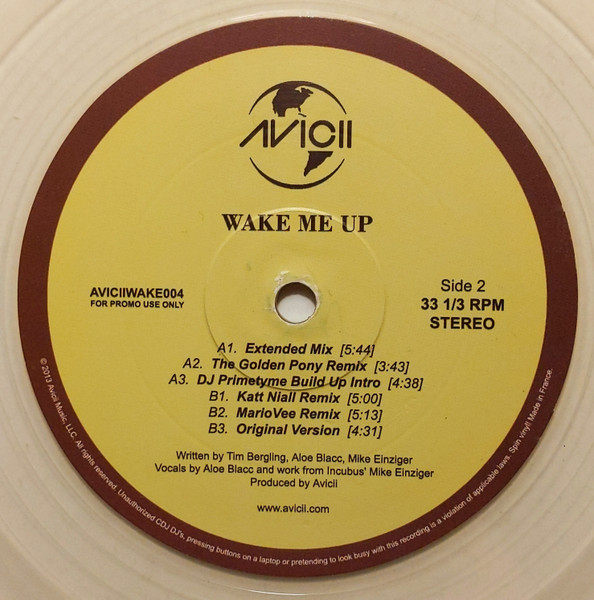
AVICII - WAKE ME UP


Publicada: 17 de juny de 2013

Llistes: EUA: #4   Regne Unit: #1 (3 setmanes)


"Wake Me Up" és una cançó del DJ i productor suec Avicii, que serveix com a primer senzill del seu àlbum d'estudi debut "True", llançat en CD per PRMD Music i Island Records al juny de 2013. La pista va ser escrita per Avicii, Mike Einziger, i el cantant de soul nord-americà Aloe Blacc, qui també presta la seva veu. A més, Mike Einziger d'Incubus contribueix amb la guitarra acústica, mentre que Peter Dyer proporciona l'acompanyament del teclat.


La cançó va ser elaborada a l'estudi casolà de Mike Einziger a Malibu, Califòrnia. Quan Blacc es va unir a la sessió, Avicii i Einziger ja tenien la pista gairebé desenvolupada. Blacc va contribuir amb la memorable frase "Wake me up when it's all over" (Desperta'm quan tot hagi acabat), que sentia que combinava bé amb les vibracions que transmitia la peça. Malgrat les preocupacions inicials sobre la combinació dels fragments lírics, el trio va decidir incloure la frase de Blacc "All this time I was finding myself, I didn't know I was lost" (Tot aquest temps m'estava trobant a mi mateix, no sabia que estava perdut), que s'ajustava perfectament a la progressió d'acords.


La col·laboració entre Avicii, Mike Einziger i Aloe Blacc va començar amb la curiositat inicial d'Einziger per treballar amb Avicii, tot i no estar familiaritzat amb la seva música. La creació de la cançó es va desplegar durant una improvisada sessió de jam de dues hores a l'estudi casolà d'Einziger, amb Avicii al teclat i Einziger a la guitarra. Ràpidament van desenvolupar una progressió d'acords i melodies improvisades. Més tard aquella mateixa nit, Aloe Blacc es va unir a ells amb una lletra prèviament escrita, que es va integrar sense problemes a la pista que estaven treballant. En una sola nit, el trio gairebé havia acabat de crear la cançó.


"Wake Me Up" combina riffs de guitarra inspirats en el bluegrass amb els característics acords de música house d'Avicii. Llançada inicialment al Festival de Música Ultra a Miami, la fusió de country, folk i EDM va cridar l'atenció d'alguns fans de la música dance. Es van fer comparacions amb el controvertit canvi de Bob Dylan a la música elèctrica al Festival de Folk de Newport de 1965, que es va convertir en un moment trascendent en la història del rock 'n' roll nord-americà.


Avicii va explicar que la fusió d'elements d’EDM i country a "Wake Me Up" no estava planejada inicialment. Enlloc d'això, la cançó va començar amb un toc de música folk durant el procés creatiu. La decisió d'incorporar la guitarra i mantenir la to estiuenc i energic va arribar més tard a mesura que els col·laboradors s'enamoraven del so i l'atmosfera que estaven creant.


El lyric vídeo es va llançar a YouTube el 28 de juny de 2013, seguit de clips promocionals per al vídeo oficial. Dirigit per Mark Seliger i co-dirigit per CB "Barney" Miller, el vídeo oficial mostra la model russa Kristina Romanova i la jove actriu Laneya Grace interpretant dues germanes en un poble trist. Malgrat enfrontar-se al menyspreu dels habitants del poble, Kristina s'aventura a una ciutat propera on troba acceptació i assisteix a un concert d'Avicii. Torna amb la seva germana, i juntes abandonen el poble per sempre, simbolitzant trobar un lloc on pertànyer. El vídeo acaba amb els habitants del poble veient la seva partida, mentre que les imatges del concert trasmeten una sensació de llibertat i inspiració.


AVICII - WAKE ME UP


Released: June 17, 2013

Charted:  US: #4   UK: #1 (3 weeks)


"Wake Me Up" is a song by Swedish DJ and record producer Avicii, serving as the lead single from his debut studio album "True," released on CD by PRMD Music and Island Records on June 2013. The track was written by Avicii, Mike Einziger, and American soul singer Aloe Blacc, who also lends his vocals. Additionally, Mike Einziger of Incubus contributes acoustic guitar, while Peter Dyer provides keyboard accompaniment.


The song was crafted at Mike Einziger's home studio in Malibu, California. When Blacc joined the session, Avicii and Einziger already had the track mostly developed. Blacc contributed the memorable line "Wake me up when it's all over," which he felt suited the track's vibe. Despite initial concerns about combining disparate lyrical fragments, the trio decided to include Blacc's line "All this time I was finding myself, I didn't know I was lost," which seamlessly fit with the chord progression.


The collaboration between Avicii, Mike Einziger, and Aloe Blacc began with Einziger's initial curiosity about working with Avicii, despite being unfamiliar with his music. The song's creation unfolded during a spontaneous two-hour jam session at Einziger's home studio, with Avicii on keyboards and Einziger on guitar. They quickly developed a chord progression and improvised melodies. Later that evening, Aloe Blacc joined them with pre-written lyrics, which they seamlessly integrated into the evolving track. Within a single night, the trio had nearly finished crafting "Wake Me Up."


"Wake Me Up" combines bluegrass-inspired guitar riffs with Avicii's signature sweeping house music chords. Initially debuted at the Ultra Music Festival in Miami, the song's fusion of country, folk, and EDM raised eyebrows among some dance music fans. It drew comparisons to Bob Dylan's controversial shift to electric music at the 1965 Newport Folk Festival, which became a seminal moment in American rock 'n' roll history.


Avicii explained that the fusion of EDM and country elements in "Wake Me Up" wasn't initially planned. Instead, the song began with a folk music vibe during the creative process. The decision to incorporate the guitar and maintain the energetic, summery vibe came later as the collaborators fell in love with the sound and atmosphere they were creating.


The lyric video was released on YouTube on June 28, 2013, followed by teaser clips for the official video. Directed by Mark Seliger and co-directed by CB "Barney" Miller, the official video features Russian model Kristina Romanova and young actress Laneya Grace portraying sisters in a dreary village. Notwithstanding facing disdain from the villagers, Kristina ventures to a nearby city where she finds acceptance and attends an Avicii concert. She returns to her sister, and they leave the village for good, symbolizing finding a place where they belong. The video ends with the villagers witnessing their departure, while shots from the concert evoke a sense of freedom and inspiration.