Total de visualitzacions de pàgina:

17.7.24


THE CURE - THE LOVECATS


Estrena: 21 d'octubre de 1983

Llistes: Regne Unit: #7


"The Lovecats" és un senzill llançat de manera independent a l'octubre de 1983. Va ser el primer Top 10 de la banda al Regne Unit, arribant al número 7 a les llistes. La cançó també va assolir èxit a Austràlia, on va assolir el número 6 a principis de 1984. Més tard, "The Lovecats" va ser inclosa a l'àlbum de recopilació "Japanese Whispers", llançat el desembre de 1983.


"The Lovecats" combina elements d'amor uxori i una exploració estranya del jazz skiffle. La base musical destaca pel contrabaix prominent de Phil Thornalley, complementat pel joc de piano de Robert Smith i el seu inesperat talent per tocar acords de guitarra a l’estil de Django Reinhardt. Lol Tolhurst hi afegeix un toc inusual amb el seu vibràfon.


Robert Smith inicialment va escriure "The Lovecats" com una paròdia, i més tard se’n va distanciar. En una entrevista amb la revista Rock & Folk, Smith va expressar els seus sentiments: "'The Lovecats' està lluny de ser la meva cançó preferida: composada borratxo, vídeo filmat borratxo, promoció feta borratxo. Va ser una broma."


"The Lovecats" originalment tenia el títol com tres paraules separades, com es pot veure a la portada del senzill i a l'etiqueta del maxi-single de vinil. Hi ha hagut variacions en la forma de presentar el títol. La compilació de senzills "Standing on a Beach/Staring at the Sea" va llistar la cançó com "The Love Cats" a la caràtula i al CD, però com "The Lovecats" al llibret. Quan es va llançar l'àlbum de grans èxits el 2001, el títol es va estandarditzar com "The Lovecats".


El vídeo inclou escenes de nombrosos gats i un moment memorable on una gran pantalla cau sobre el cap del contrabaixista Phil Thornalley. El vídeo també mostra plans d'una mansió que la banda simulava estar interessada a comprar, però van retornar les claus l'endemà al matí. Inicialment, la banda tenia la intenció d'utilitzar gats reals per al vídeo, però van tenir dificultats i van optar per gats taxidèrmics. El vídeo presenta una mescla preliminar de la cançó enregistrada a París, diferent de la versió finalment llançada en vinil, que va ser enregistrada a Londres.


THE CURE - THE LOVECATS


Released: October 21, 1983

Charted:  UK: #7    


"The Love Cats" is a single released independently in October 1983. It marked the band's first Top 10 hit in the UK, reaching number 7 on the charts. The song also achieved success in Australia, where it peaked at number 6 in early 1984. Later, "The Love Cats" was included on the compilation album "Japanese Whispers," released in December 1983.


"The Love Cats" combines elements of uxorious love and a quirky Cure exploration into skiffle-ish jazz. The musical backbone features Phil Thornalley's prominent double bass, complemented by Robert Smith's slinky piano playing and his unexpected talent for bouncing Django Reinhardt-style guitar chords. Lol Tolhurst adds an unusual touch with his vibraphone playing.


Robert Smith initially wrote "The Love Cats" as a parody, and later distanced himself from the song. In an interview with Rock & Folk magazine, Smith expressed his feelings: "'The Love Cats' is far from being my favorite song: composed drunk, video filmed drunk, promotion made drunk. It was a joke." 


"The Love Cats" was originally titled as three separate words, as seen on the single cover and twelve-inch label. There have been variations in how the title is presented. The singles compilation Standing on a Beach/Staring at the Sea listed the song as "The Love Cats" on the tray card and CD, but as "The Lovecats" in the booklet. When the Greatest Hits album was released in 2001, the title was standardized as "The Lovecats". 


The music video includes scenes of numerous cats and a memorable moment where a large lampshade falls on bassist Phil Thornalley's head. The video also showcases shots of a mansion that the band jokingly pretended to be interested in purchasing, returning the keys the next morning. Initially planning to use real cats, the band encountered difficulties and instead opted for taxidermied cats. The video features an early rough mix of the song recorded in Paris, distinct from the version eventually released on vinyl, which was recorded in London.


THE CURE - THE WALK 


Estrenada: juny de 1983

Llistes: Regne Unit: #12


"The Walk" és un senzill llançat al juny de 1983 com a single independent abans de ser inclòs a l'àlbum recopilatori "Japanese Whispers". Enregistrada durant un període en què el baixista Simon Gallup havia deixat temporalment la banda després de la seva gira amb l'àlbum "Pornography", la cançó només compta amb els dos membres fundadors de la banda, Robert Smith i Lol Tolhurst.


Durant el període en què el baixista Simon Gallup va deixar breument The Cure, la banda es va transformar en un duo de synthpop depurat. La seva pista "The Walk" va sorprendre els fans amb el seu so brillant i rítmic. La incursió de The Cure en la música de ball va ser de curta durada, amb veus amb xiulets, lletres divertides i el riff de música de circ de Lol Tolhurst, que havia passat de bateria a teclista. Inicialment percebuda com una desviació capriciosa del seu estil fosc habitual, "The Walk" inesperadament va establir les bases per als futurs èxits de la banda, establint la seva estètica característica de felicitat/tristesa.


Quan "The Walk" va ser llançada es va especular que la banda havia copiat el so del popular tema de New Order "Blue Monday". Malgrat aquestes afirmacions, no es va emprendre cap acció legal perquè "The Walk" havia estat escrita i enregistrada abans de "Blue Monday", tot i que es va llançar després. La similitud en el so es va atribuir a que ambdues bandes experimentaven amb instruments electrònics, seqüenciadors i caixes de ritmes durant aquell període, cosa que va portar a un resultat d'estils musicals convergents enlloc de plagi.


El 1983, Robert Smith va parlar de les pressions que The Cure va afrontar després que "The Walk" es convertís en la seva primera cançó en entrar al top 20 del Regne Unit. Smith va expressar frustració amb les expectatives de l'èxit comercial, afirmant: "Hi havia tanta pressió al voltant de 'The Walk' perquè va entrar a les llistes que tothom volia un altre single. Haviem de resistir a aquesta temptació, estic cansat d'estar lligat al mateix grup de persones, a la mateixa àrea musical." Va lamentar que la gent no entengués per què la banda va fer una pausa malgrat el seu èxit, assenyalant: "Tothom deia que el nostre proper àlbum seria el definitiu, però vam decidir posar punt i final sense aconseguir els nostres objectius inicials."


THE CURE - THE WALK


Released: June 1983

Charted:  UK: #12 


"The Walk" is a single by The Cure, released in June 1983 as a stand-alone single before being included on the compilation album “Japanese Whispers”. Recorded during a period when bassist Simon Gallup had temporarily left the band after their tour for the album “Pornography, the song features only the band's two founding members, Robert Smith and Lol Tolhurst.


During the period when bassist Simon Gallup briefly left The Cure, the band transformed into a streamlined synthpop duo. Their track "The Walk" surprised fans with its bright and pulsing sound. The Cure's venture into dance music was short-lived, featuring wolf-whistling vocals, playful lyrics, and drummer-turned-keyboardist Lol Tolhurst's chirping, circling circus-music riff. Initially perceived as a whimsical departure from their usual dark style, "The Walk" unexpectedly laid the foundation for the band's future smash singles, establishing their signature happy/sad aesthetic.


When "The Walk" was initially released, there was speculation that the band had copied the sound of New Order's popular track "Blue Monday." Despite these claims, no legal actions were pursued because "The Walk" had been written and recorded before "Blue Monday," even though it was released afterward. The similarity in sound was attributed to both bands experimenting with electronic instruments, sequencers, and drum machines during that period, resulting in convergent musical styles rather than plagiarism.


In 1983, Robert Smith discussed the pressures The Cure faced after "The Walk" became their first song to enter the UK top 20. Smith expressed frustration with the expectations for commercial success, saying, "There was so much pressure around 'The Walk' because it went in the charts and now everyone wants another single. We must resist this temptation, I'm tired of being bound to the same group of people, the same music area." He lamented that people didn't understand why the band took a break despite their success, noting, "Everyone was saying that our next album would be the definitive one, but we decided to call it quits without reaching our initial goals."


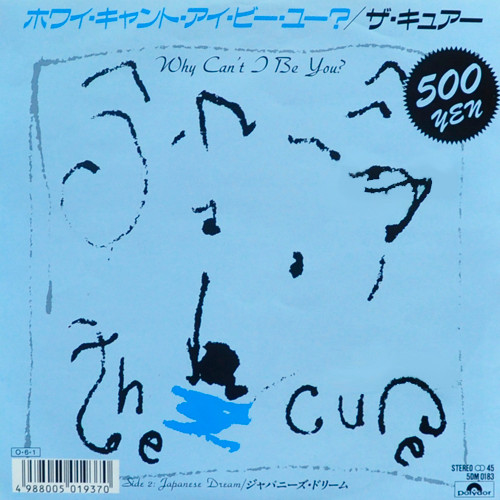
THE CURE - WHY CAN’T I BE YOU?


Estrena: 6 d'abril de 1987

Llistes: Regne Unit: #21   EUA: #54


"Why Can't I Be You?" és una cançó llançada com a senzill principal del doble àlbum "Kiss Me, Kiss Me, Kiss Me" l’abril de 1987. Al Regne Unit, va arribar al número 21 a la llista de senzills el 14 d'abril de 1987. Als Estats Units, la cançó va assolir el número 54 a la llista Billboard Hot 100 el mateix any. A més, una remescla va tenir èxit a les llistes de música dance, arribant al número 8 a la Hot Dance Music/Maxi-Singles Sales i al número 27 a la Dance Music/Club Play Singles.


En una entrevista del 1987, Robert Smith va explicar que el títol "Why Can't I Be You?" va sorgir d'una situació específica que va viure. Va descriure estar enmig d'una discussió tensa on tothom al voltant de la taula esperava revelacions profundes d'ell. Sentint-se aclaparat, Smith va expressar el desig de ser algú altre en aquell moment, algú més relaxat, potser recolzat en una barra, en lloc de ser ell mateix.


El videoclip es va gravar a principis de 1987 als Ardmore Studios a Bray, comtat de Wicklow, Irlanda, durant els assajos de la primera gira sud-americana de The Cure. Dirigit per Tim Pope, conegut pel seu treball amb el grup, el vídeo va mostrar els cinc membres amb diversos vestuaris. Robert Smith va aparèixer com un ós i una escolar, Simon Gallup va interpretar un corb i un ballador, Porl Thompson es va vestir com un escocès i també va fer de travesti, Boris Williams va interpretar rols com una escolar i un vampir, i Lol Tolhurst va portar blackface i després un disfressa d'abella. Posteriorment, Pope va expressar penediment sobre la representació de Tolhurst amb blackface, reconeixent-ho com una elecció inapropiada i una cosa que vista en retrospectiva no li agrada. Malgrat aquest aspecte controvertit, va referir-se al vídeo com "el vídeo que sempre havia volgut fer".


THE CURE - WHY CAN’T I BE YOU?


Released: April 6, 1987

Charted:  UK: #21   US: #54 


"Why Can't I Be You?" is a song released as the lead single from the double album “Kiss Me, Kiss Me, Kiss Me” on April 1987. In the United Kingdom, it peaked at number 21 on the UK Singles Chart on April 14, 1987. In the United States, the song reached number 54 on the Billboard Hot 100 chart the same year. Additionally, a remix of the track performed well on dance charts, reaching number 8 on the Hot Dance Music/Maxi-Singles Sales chart and number 27 on the Dance Music/Club Play Singles chart.


In a 1987 interview Robert Smith explained that the title "Why Can't I Be You?" stemmed from a specific situation he experienced. He described being in the midst of a tense discussion where everyone around the table was anticipating profound revelations from him. Feeling overwhelmed, Smith expressed a desire to be someone else in that moment, someone more relaxed, perhaps leaning against a bar, rather than himself. 


The music video was filmed in early 1987 at Ardmore Studios in Bray, County Wicklow, Ireland, during rehearsals for the Cure's first South American tour. Directed by Tim Pope, known for his work with the band, the video featured all five members in various costumes. Robert Smith appeared as a bear and a schoolgirl, Simon Gallup portrayed a crow and a Morris dancer, Porl Thompson dressed as a Scotsman and also cross-dressed, Boris Williams played roles as a schoolgirl and a vampire, and Lol Tolhurst wore blackface and later a bumblebee costume. Pope later expressed regret about Tolhurst appearing in blackface, acknowledging it as an inappropriate choice and something he didn't feel good about in hindsight. He referred to the video as "the video I've always wanted to make," despite this controversial aspect.


16.7.24


THE CURE - 10:15 SATURDAY NIGHT


Released: June 1979

Album: Three imaginary boys


"10:15 Saturday Night" is a track that served as the B-side to the single "Killing an Arab" released in December 1978. It also appears as the opening track on the debut album, “Three Imaginary Boys”. Initially released in France as a single with "Accuracy" as the B-side, the song has been a staple in their live performances since its release. 


Early in their career, The Cure were actively seeking a record deal, and according to interviews in the booklet for the Deluxe Edition of "Three Imaginary Boys," it was the demo of this song that captured the attention of Chris Parry in 1978. This pivotal moment led Parry to sign the band to his newly established record company, Fiction Records. 


 "10:15 Saturday Night" captures Robert Smith's poignant reflection on loneliness and desolation. Written at the tender age of 16, Smith wrote the song one melancholic evening while seated at his kitchen table, engulfed in solitude. The lyrics evoke a scene where he listens to the haunting sound of a leaky faucet, yearning for the phone to break the silence. 


In a demo version featured in the deluxe edition of The Cure's debut album, Robert Smith slows down the tempo and plays it on his sister Janet's Hammond organ, showcasing his admiration for David Bowie, particularly echoing the guitar part from Bowie's "Be My Wife." The album's original version maintains a metronomic pace that captures suburban isolation themes. Curiously, the album was recorded in haste under covert circumstances, sneaking into the studio at night while The Jam were working on their album "All Mod Cons."


The performance clip for "10:15 Saturday Night" marked The Cure's debut music video. Directed by Piers Bedford, this video provided viewers with their initial glimpse of a relatively clean-cut Robert Smith, a stark contrast to the iconic and spooky style he later became known for.