Total de visualitzacions de pàgina:

26.7.24


QUEEN - RADIO GAGA


Publicació: 16 de gener de 1984

Llistes: Regne Unit: #2   EUA: #16


"Radio GaGa" és una cançó de Queen llançada com a single de l'àlbum "The Works" el gener del 1984. Va assolir un gran èxit a nivell mundial, encapçalant les llistes en 19 països. Al Regne Unit, va arribar al número 2 a la UK Singles Chart, mentre que als Estats Units va assolir el número 16 al Billboard Hot 100, significant el darrer single de Queen a entrar al top 20 mentre Freddie Mercury era viu.


Roger Taylor va escriure "Radio GaGa" com una crítica a les emissores de ràdio que cada cop es comercialitzaven més i repetien les seves llistes de reproducció. Això va ser durant una època anterior a la desregulació de la ràdio, que eventualment va conduir a una major propietat corporativa i menys diversitat en la programació radiofònica. Taylor es va inspirar per escriure la cançó després d'observar l'auge de MTV, notant que molts joves es dirigien als canals de música televisiva en lloc de la ràdio tradicional per al seu consum musical.


El vídeoclip fa un ús intensiu de la pel·lícula muda de 1927 "Metropolis", dirigida per Fritz Lang. Freddie Mercury va proposar el concepte de "Metropolis", però el director David Mallet es va assegurar que els membres de la banda apareguessin de manera destacada. Per aconseguir-ho, van construir un cotxe  i van incorporar escenes de la banda volant per l'aire, intercalades amb grans plans presos de l'original "Metropolis". Queen va haver d'obtenir permís i pagar al govern alemany pels drets per utilitzar clips de la pel·lícula en el seu vídeo.


La cançó inclou referències a dos esdeveniments radiofònics significatius del segle XX: la retransmissió de 1938 d'Orson Welles de "La guerra dels mons" de H.G. Wells, assenyalada a la frase  "through wars of worlds/invaded by Mars" (a través de guerres de mons/envaït per Mart), i l’icònic discurs de Winston Churchill del 18 de juny de 1940, referenciat a la frase "You've yet to have your finest hour" (Encara ha d’arribar la teva millor hora).


Pel que fa a Lady Gaga, ella atribueix el seu nom artístic a la cançó de Queen "Radio GaGa". Ha expressat la seva admiració per Queen i ha afirmat que el títol de la cançó va influir en l’elecció del seu nom artístic. Va dir: "Per això m'encanta el nom."


QUEEN - RADIO GAGA


Released : January 16, 1984

Charted:  UK: #2    US: #16 


"Radio GaGa" was released as a single from Queen's album "The Works" on January 1984. It achieved widespread success globally, topping the charts in 19 countries. In the UK, it peaked at number 2 on the Singles Chart, while in the US, it reached number 16 on the Billboard Hot 100, marking Queen's final single to enter the US top 20 during Freddie Mercury's lifetime.


Roger Taylor wrote "Radio GaGa" as a critique of radio stations that were increasingly becoming commercialized and repetitive in their playlists. This was during a time before radio deregulation, which eventually led to increased corporate ownership and less diversity in radio programming. Taylor was inspired to write the song after observing the rise of MTV, noticing that many young people were turning to television music channels instead of traditional radio for their music consumption.


The music video draws heavily from the 1927 silent film "Metropolis," directed by Fritz Lang. Freddie Mercury proposed the Metropolis concept but director David Mallet ensured that the band members were prominently featured. To achieve this, they constructed a distinctive car and incorporated scenes of the band flying through the air, interspersed with wide shots borrowed from the original "Metropolis." Queen had to obtain permission and pay the German government for the rights to use clips from the film in their music video.


The song includes references to two significant radio events of the 20th century: Orson Welles' 1938 broadcast of H.G. Wells' "The War of the Worlds," noted in the lyric "through wars of worlds/invaded by Mars," and Winston Churchill's iconic speech from June 18, 1940, referenced in the lyric "You've yet to have your finest hour."


Regarding Lady Gaga, she credits her stage name to the Queen song "Radio GaGa." She has expressed her admiration for Queen and stated that the song title influenced her choice of stage name. She said, "That's why I love the name."


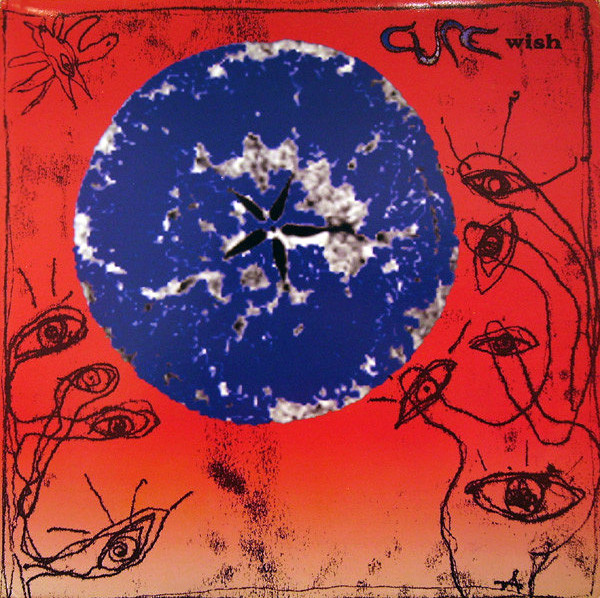
THE CURE - FRIDAY I’M IN LOVE


Publicació: 15 de maig de 1992

Llistes: Regne Unit: #6   EUA: #18


"Friday I'm in Love" es va llançar com a segon senzill de l'àlbum "Wish" al maig de 1992. Va assolir un èxit global, arribant al número 6 al Regne Unit i al número 18 als Estats Units, on també va encapçalar la llista de Modern Rock Tracks. El vídeo musical va guanyar el premi European Viewer's Choice al Millor Vídeo Musical als MTV Video Music Awards de 1992.


Robert Smith descriu "Friday I'm in Love" com una cançó que expressa el seu anhel per la seva parella durant la sortida setmanal de divendres a la nit, en contrast amb la indiferència durant la resta de la setmana. Smith reconeix el caràcter optimista i enèrgic de la cançó, etiquetant-la com una "cançó pop bèstia" però també elogiant la seva absurdesa i excel·lència. Destaca la seva desviació de l'estil usual més tenebrós de la banda, subratllant la importància de tenir un contrapès en el seu repertori. La primera frase, "I don't care if Monday's blue" (no m’importa si dilluns es blau), fa referència de manera divertida a l’èxit de New Order "Blue Monday".


Robert Smith va expressar una sensació de perplexitat i paranoia sobre la progressió dels acords de "Friday I'm in Love", dient que estava segur que l’havia plagiat involuntàriament d'una altra cançó. En una entrevista amb NME el 2008, Smith va descriure la cançó no com una obra de geni sinó com una creació calculada centrada en una progressió d'acords que trobava remarcadament bona. Va preguntar àmpliament amics i coneguts sobre la familiaritat dels acords, però cap d'ells la va reconèixer d'altres llocs. Smith contrastava "Friday I'm in Love" amb altres cançons del mateix àlbum que inicialment considerava millors, però va reconèixer que "Friday" era la pista més destacable de "Wish".


El vídeo musical, dirigit per Tim Pope, ret homenatge al cineasta mut francès Georges Méliès. Mostra la banda interpretant la cançó davant de diversos fons en un plató de gravació. El vídeo incorpora personatges de la pel·lícula de Méliès "L'eclipsi, o el Sol i la Lluna". Al llarg del vídeo, la banda interactua amb accessoris i vestits mentre els extres creen caos i finalment destrossen el plató. Tim Pope apareix al principi muntant un cavall i donant indicacions amb un megàfon en un globus ple d'heli. El vídeo conclou amb una imatge de Simon Gallup, el baixista, agenollat, amb un vestit de núvia i una copa de xampany, mirant a la càmera. El productor Dave M. Allen es veu al fons. Un detall poc usual és el nom de la banda a la bateria, que diu "The Cures" en comptes del seu nom singular "The Cure".


"Friday I'm in Love" va ser l'última cançó de The Cure que va encapçalar les llistes alternatives, destacant el seu èxit comercial assolint una certificació doble de platí el 1992. Robert Smith la descriu afectuosament com una cançó per "alçar les mans a l'aire i ser feliços". Aquesta cançó representa una de les incursions més pop de la banda durant la dècada dels 90.


THE CURE - FRIDAY I’M IN LOVE


Released: May 15, 1992

Charted:  UK: #6    US: #18 


"Friday I'm in Love" was released as the second single from the album “Wish” in May 1992. It achieved global success, reaching number 6 in the UK and number 18 in the US, where it also topped the Modern Rock Tracks chart. The song's music video won the European Viewer's Choice for Best Music Video at the 1992 MTV Video Music Awards. 


"Friday I'm in Love" is described by Robert Smith as a song expressing his longing for his lover during their weekly Friday night out, contrasting with indifference over the rest of the week. Smith acknowledged the song's upbeat and optimistic nature, labeling it a "dumb pop song" but also praising its absurdity and excellence. He highlighted its departure from the band's usual gloomy style, emphasizing the importance of having a counterbalance in their repertoire. The opening line, "I don't care if Monday's blue," is a playful reference to the New Order hit "Blue Monday."


Robert Smith expressed a sense of disbelief and paranoia about the chord progression in "Friday I'm in Love," feeling certain he must have unintentionally plagiarized it from another song. In an interview with NME in 2008, Smith described the song as not a work of genius but rather a calculated creation centered around a chord progression he found remarkably good. He extensively queried friends and acquaintances about the familiarity of the progression, but none recognized it from elsewhere. Smith contrasted "Friday I'm in Love" with other songs on the same album, which he had painstakingly crafted and initially considered superior, yet acknowledged that "Friday" emerged as the standout track from “Wish”.


The music video directed by Tim Pope, pays homage to the French silent filmmaker Georges Méliès. It features the band performing the song in front of various backdrops on a soundstage. The video incorporates characters from Méliès' film "The Eclipse, or the Courtship of the Sun and Moon." Throughout the video, the band interacts with props and costumes while extras create chaos and eventually trash the set. Tim Pope appears at the beginning riding a rocking horse and giving high-pitched stage directions through a helium-filled balloon megaphone. The video concludes with a shot of bassist Simon Gallup crouching, wearing a bridal veil, and holding champagne, staring into the camera. Producer Dave M. Allen is seen in the background holding up props. An unusual detail is the band's name on the drum, which reads "The Cures" instead of their singular name "The Cure."


"Friday I'm in Love" is celebrated as The Cure's last song to top the alternative charts, marking its significant commercial success with a 2x platinum certification in 1992. Robert Smith fondly describes it as a "throw your hands in the air, let's get happy" track from their album “Wish”. This song represents one of the band's more pop-oriented ventures in the 1990s.


25.7.24


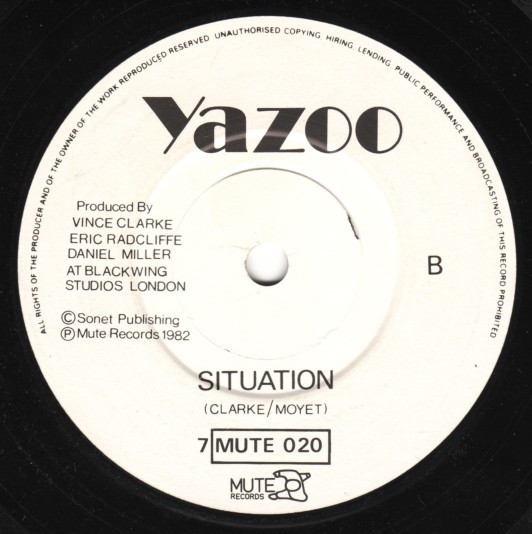
YAZOO - SITUATION


Estrena: 1982

Llistes: EUA: #73   Regne Unit: #14


"Situation" va ser inicialment llançada com a cara B del primer senzill "Only You" al Regne Unit, però va guanyar prominència quan es va publicar com a senzill individual als Estats Units. La cançó va arribar al número u en les llistes de Dance Club Play del país americà durant quatre setmanes el 1982. El 1990, una versió remixada per François Kevorkian va propulsar "Situation" al número 14 de les llistes del Regne Unit.


"Situation" és una cançó ràpida i animada que contrasta fortament amb els seus temes lírics més foscos. La lletra descriu la història d'algú atrapat en una relació problemàtica caracteritzada per un company que mostra un comportament erratic i controlador. La cantant expressa incertesa i frustració amb la naturalesa imprevisible del seu company, cridant finalment a posar fi decididament a aquesta relació tòxica. La tornada subratlla la urgència de prendre acció per alliberar-se de la situació i seguir endavant.


El 1981, Vince Clarke va separar-se de Depeche Mode i poc després es va unir a la cantant Alison Moyet per formar Yazoo. Reflexionant sobre les diferències entre la seva música i la de Depeche Mode, Clarke va assenyalar el 2010 que l'estil de composició de cançons de Martin Gore era significativament diferent del seu. Mentre Depeche Mode havia evolucionat cap a un so influenciat pel rock, Clarke va expressar una preferència per la música pop i es va considerar més alineat amb l'escriptura d'aquell gènere. Prop d'aquest mateix temps, Depeche Mode va publicar "See You", una cançó escrita per Martin Gore quan tenia només 15 anys.


La versió més coneguda de "Situation" és el remix americà fet per François Kevorkian. Aquest remix es va fer popular i es va incloure en el llançament als Estats Units de l'àlbum debut de Yazoo, "Upstairs at Eric's".


YAZOO - SITUATION


Released: 1982

Charted:  US: #73   UK: #14 


"Situation" was initially released as the B-side to the debut single "Only You" in the UK, but it gained prominence when released as an A-side single in the US. The song reached number one on the US Dance Club Play charts for four weeks in 1982. In 1990, a remixed version by Francois Kevorkian propelled "Situation" to number 14 on the UK charts.


"Situation" is a fast-paced and upbeat song that contrasts sharply with its darker lyrical themes. The lyrics portray a narrative of someone trapped in a troubling relationship characterized by a partner who exhibits erratic and controlling behavior. The singer expresses uncertainty and frustration with their partner's unpredictable nature, ultimately calling for a decisive break from the toxic relationship. The repeated chorus underscores the urgency of taking action to liberate oneself from the situation and move forward.


In 1981, Vince Clarke parted ways with Depeche Mode and soon after teamed up with singer Alison Moyet to form Yazoo. Reflecting on the differences between his music and Depeche Mode's, Clarke noted in 2010 that Martin Gore's songwriting style differed significantly from his own. While Depeche Mode had evolved towards a rock-influenced sound, Clarke expressed a preference for pop music and identified himself as more aligned with writing in that genre. Around the same time, Depeche Mode released "See You", a song written by Martin Gore when he was just 15 years old.


The best-known version of "Situation" is the American 12-inch remix by François Kevorkian. This remix became popular and was included on the US release of Yazoo's debut album, "Upstairs at Eric's".